After driving from the Lake District yesterday to Dumfries and Galloway in southern Scotland, we hit heavy rain. Settling down to watch the women’s final at Roland Garros, we resigned ourselves to the rest of the day indoors as we watched the mizzle turn to drizzle and people with umbrellas passed by.
But, unexpectedly, as Maria Sharapova took the crown yet again, the sun came out, so donning raincoats (just in case) and armed with cameras, we ventured out to explore our new surroundings.
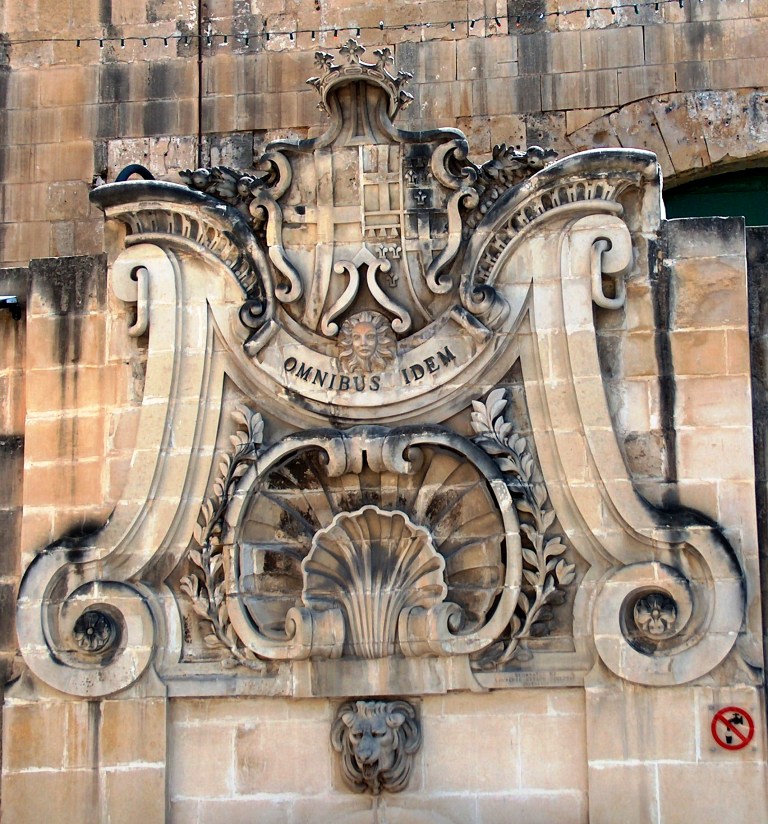
is Malta’s capital city: Valletta is named after its founder, the respected Grand Master of the Order of St. John, Jean Parisot de la Valette. Started in 1566, Valletta was completed, with its impressive bastions, forts and cathedral, in the astonishingly short time of 15 years. Today, it is one of the most concentrated historic areas in the world. (source)
(click an image to scroll through the gallery)
St Ursula street Valletta
lantana
Auberge de Castile
Fort St Elmo
Les Gavroches (street urchins)
Lower Barakka Gardens
Maltese Bus
Victoria – Republic Square
Valletta from the parade in Sliema
Pot plants
Upper Barakka Gardens
Valletta enclosed balconies
If you visit Malta take time to wander the streets of Valletta, you will find hidden gems around every corner. Look up to see statues, niches and interesting lanterns. Doors, windows and covered walkways and interesting door handles.
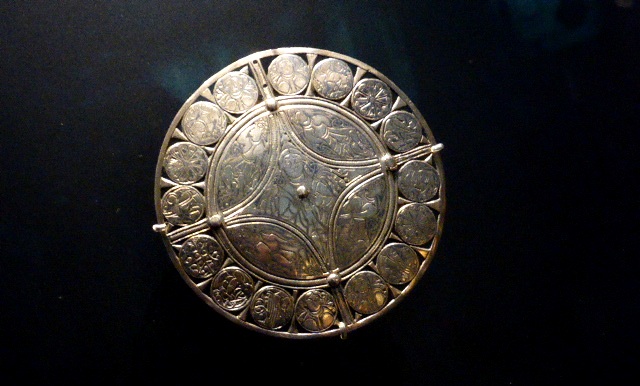
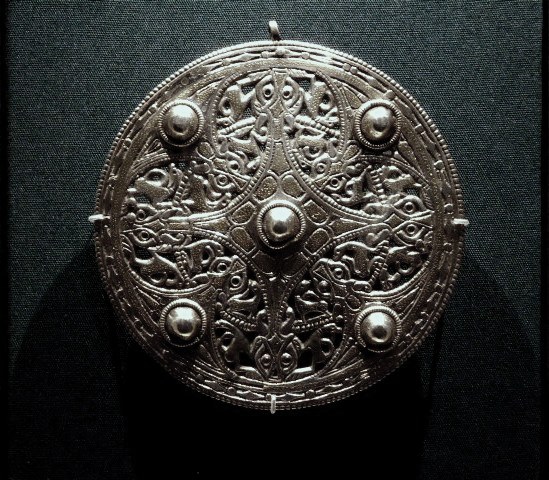
The Fuller Brooch
Anglo-Saxon England, late AD 800s
This large Anglo-Saxon silver brooch is of extraordinary craftsmanship and perhaps belonged to a high ranking churchman. The centre part is decorated with five figures representing each of the human senses. Sight is in the centre with large bulging eyes and he is surrounded by Touch, Taste, Smell and Hearing, who can be identified by their actions.
The Desborough Necklace
Anglo-Saxon England, late AD 600s
This necklace, found in a woman’s grave, is the finest of its kind to survive from Anglo-Saxon England. Its gold wire beads and pendants set with garnets reflect a mix of Mediterranean and continental fashions. The inclusion of a cross pendant reflects the influence of Christianity.
The Strickland Brooch
Anglo-Saxon England, AD 800s
This silver brooch is an especially fine piece of Anglo-Saxon jewellery. Its intricate pattern of lively animals with glittering gold bodies and blue glass eyes is inlaid with niello, a black metal alloy that was popular at this time. The mixture of materials is unusual for a brooch of this date and it was probably worn by a wealthy woman.
Images are my own. Descriptions are from the British Museum.
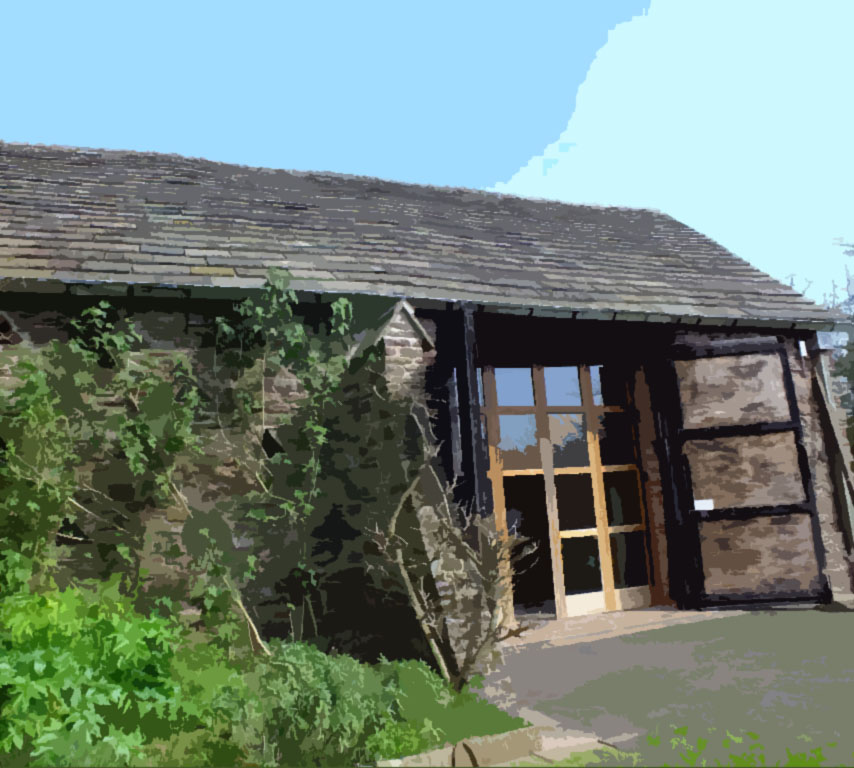
I discovered another garden not too far from here a few weeks ago. Apparently it is used as a location in ‘The English Garden’ magazine if anyone reads that. It also has a small café in a beautiful Tithe barn serving lunches and cakes, warm lemon & treacle tart anyone? So definitely worth a visit, although on this particular day I was feeling rather ill so had to sit and watch the OH devour a lovely chicken sandwich.
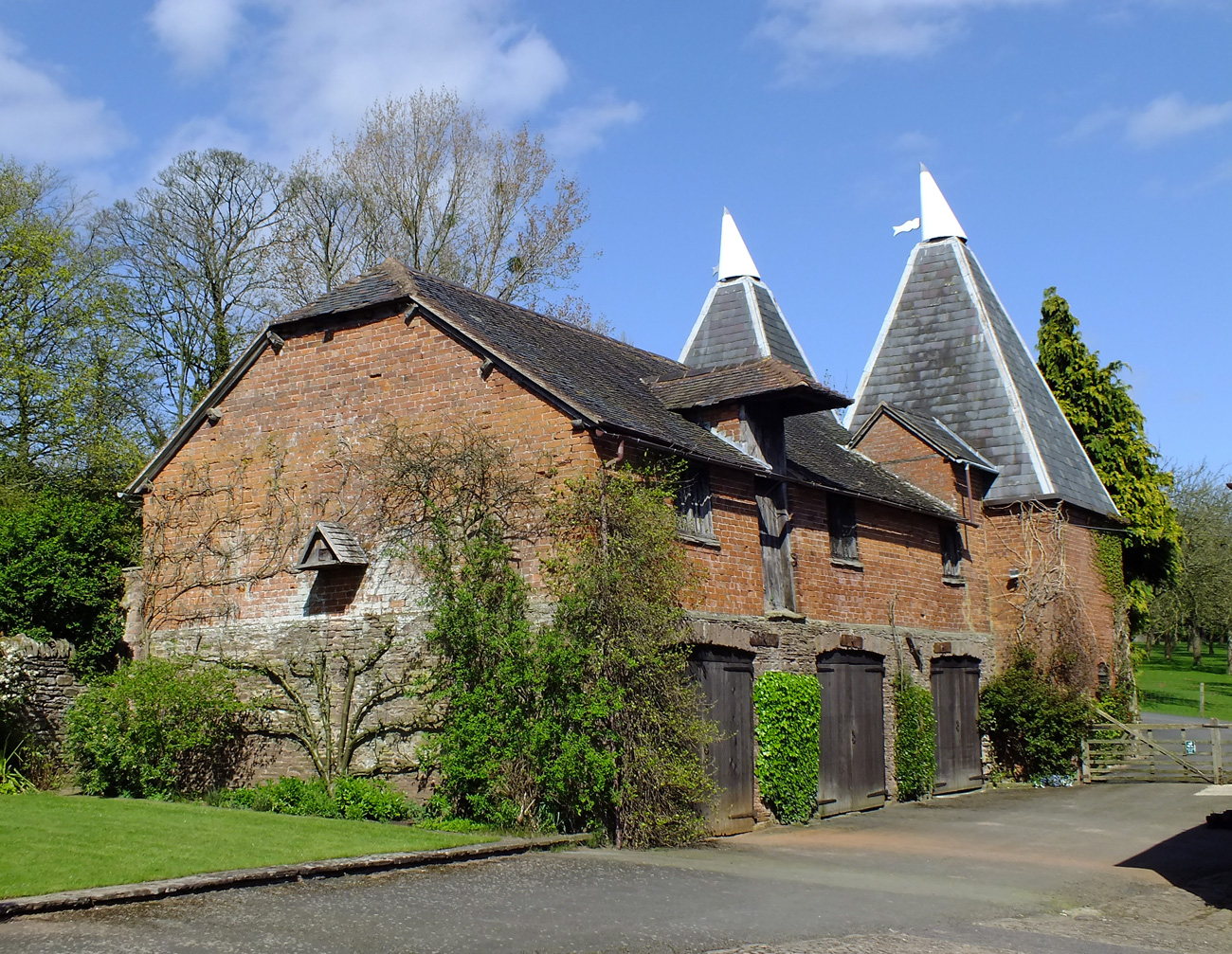
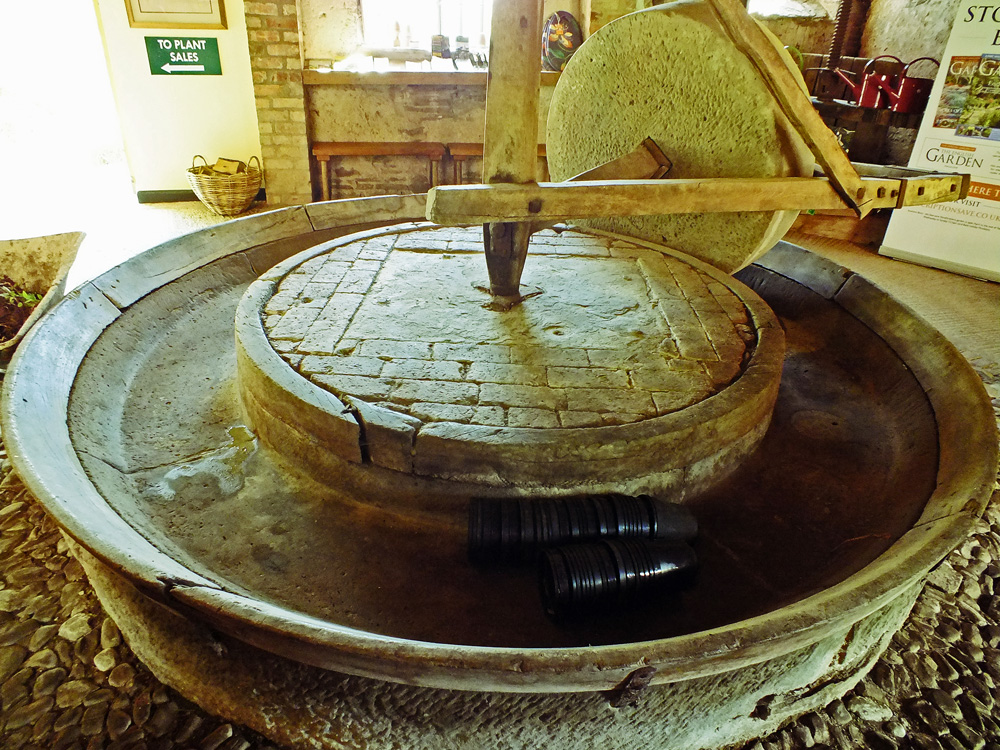
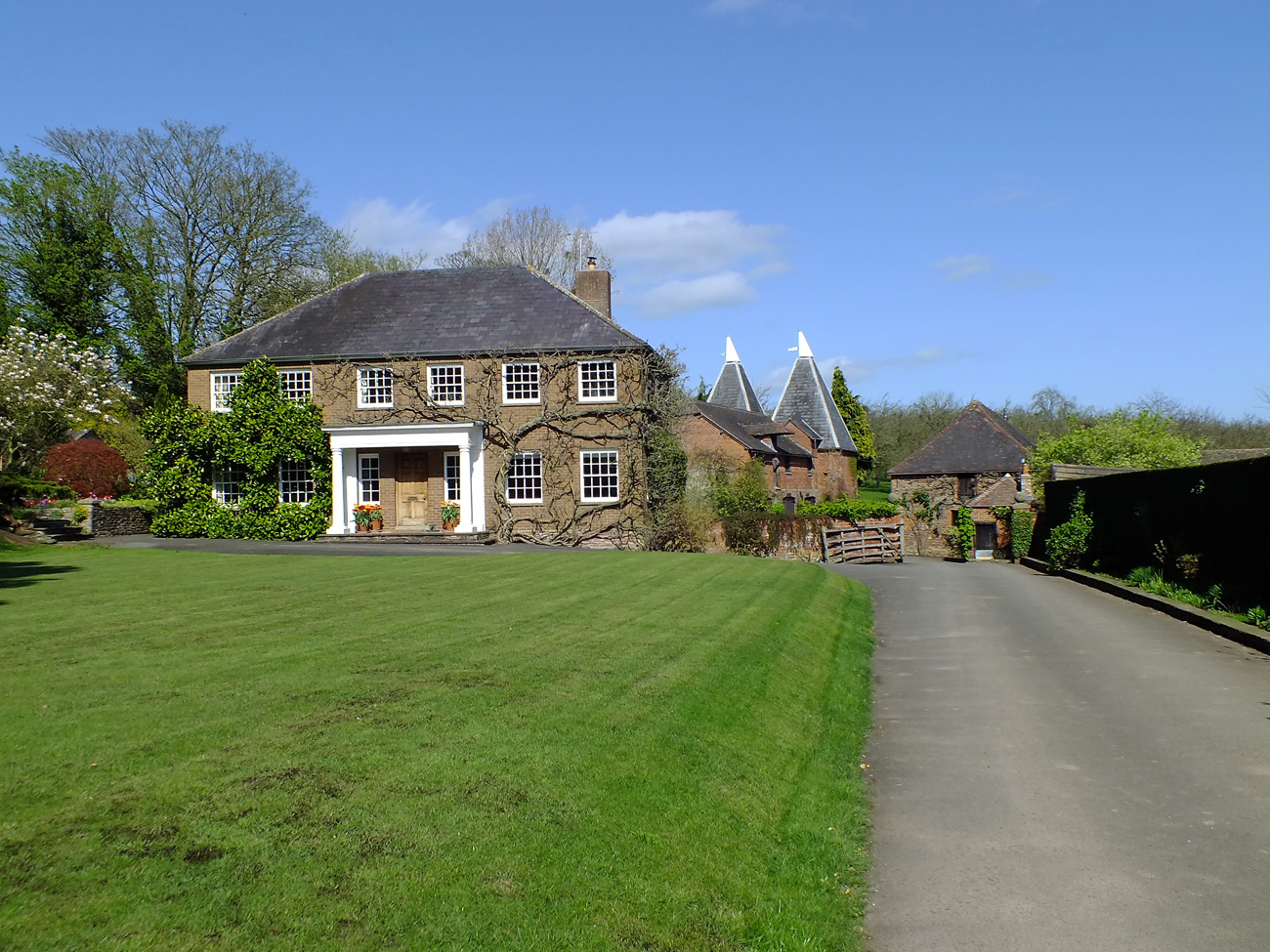
Probably the first thing you notice once you enter the gardens through the Cider Press, is this gorgeous Granary with the Oast Houses. I used to think Oast Houses only existed in Kent. Not so, there are quite a few in Herefordshire and Worcestershire and still plenty of hops in the fields.
I spent a fair while just photographing these gorgeous old buildings before venturing into the gardens themselves. But what a treat awaited me.
Steps on the Cider Press
Tulips
Redbuds
The problem was where to start? The Pigeon House Garden? The Spring Garden? What a choice.
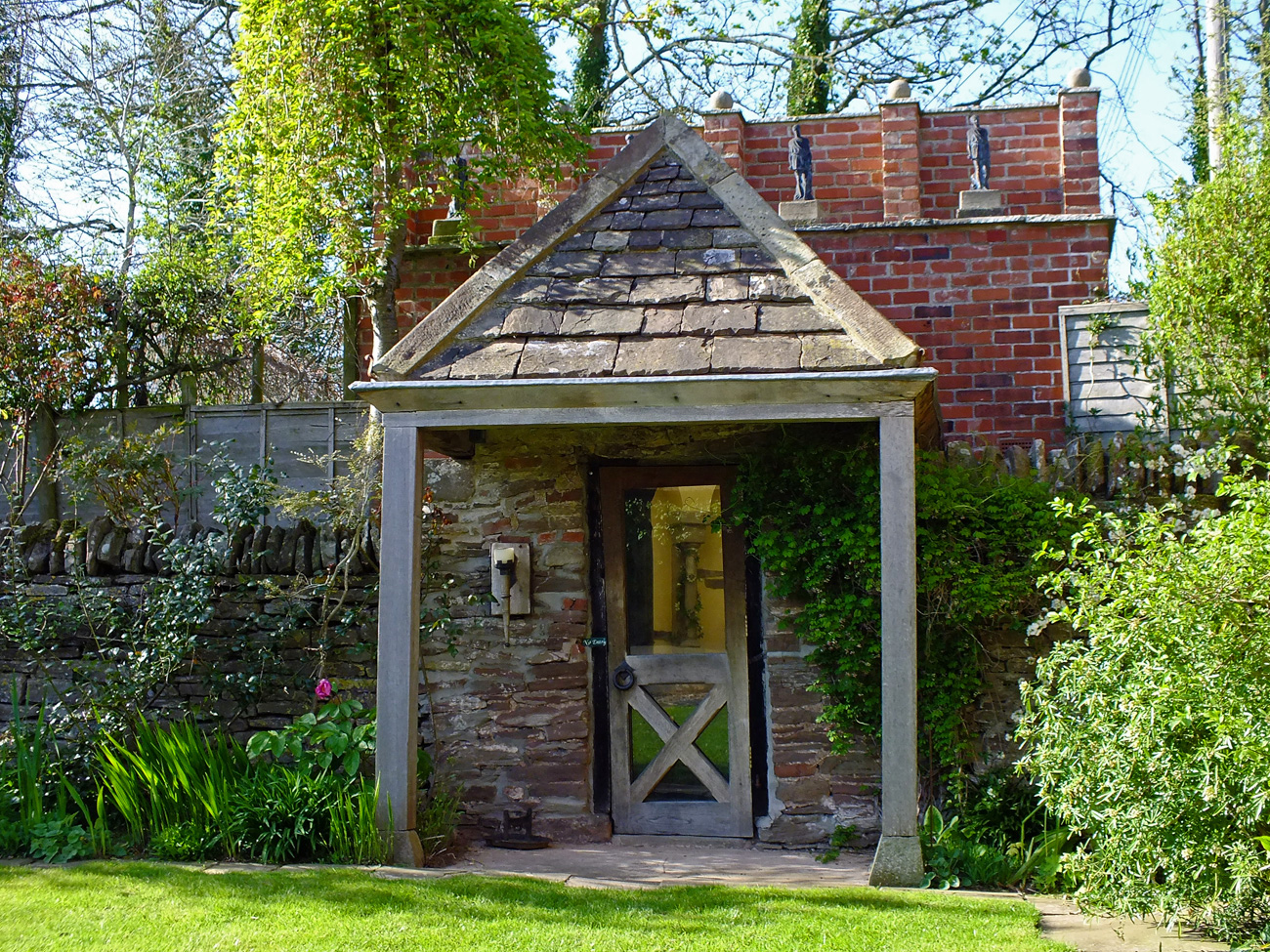
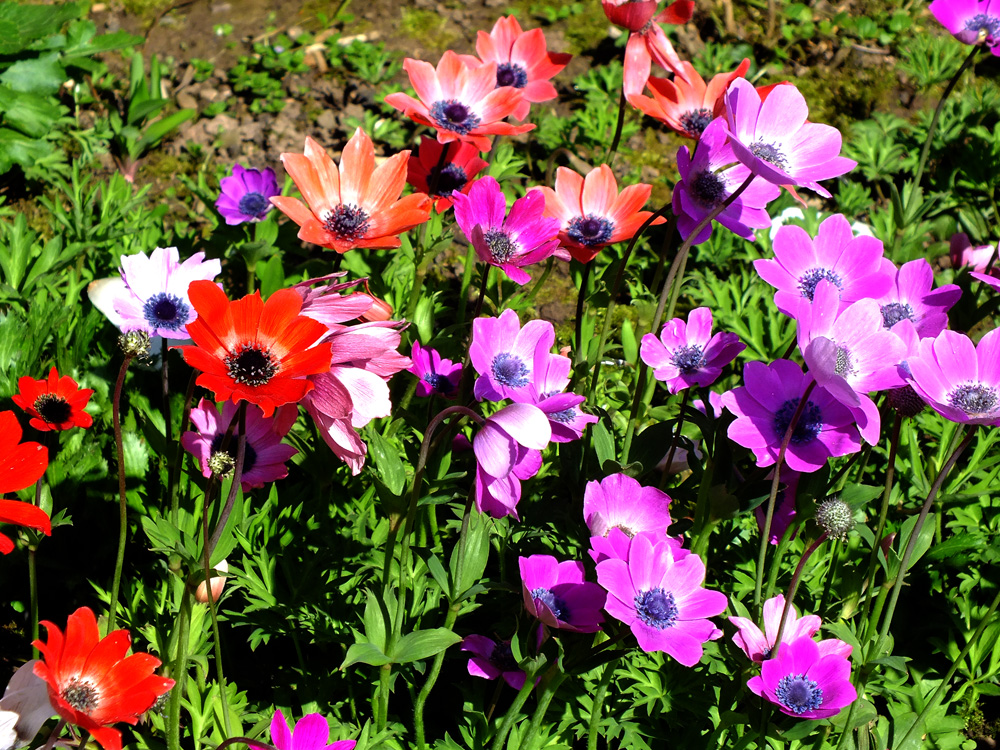
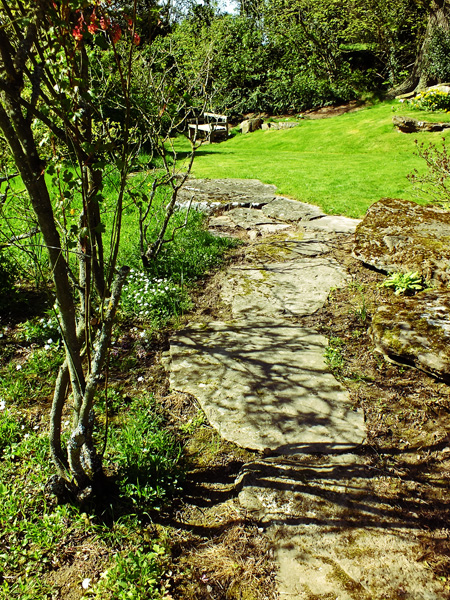
The Spring Garden was a delight with these jewel-like anemones flowering in the sun. A crooked path leading to a sweet little summer-house with magnolia blossom overhead.
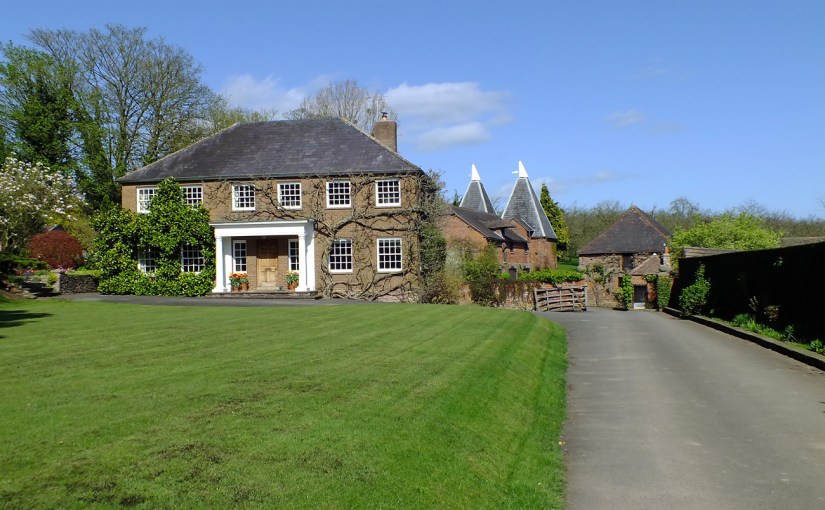
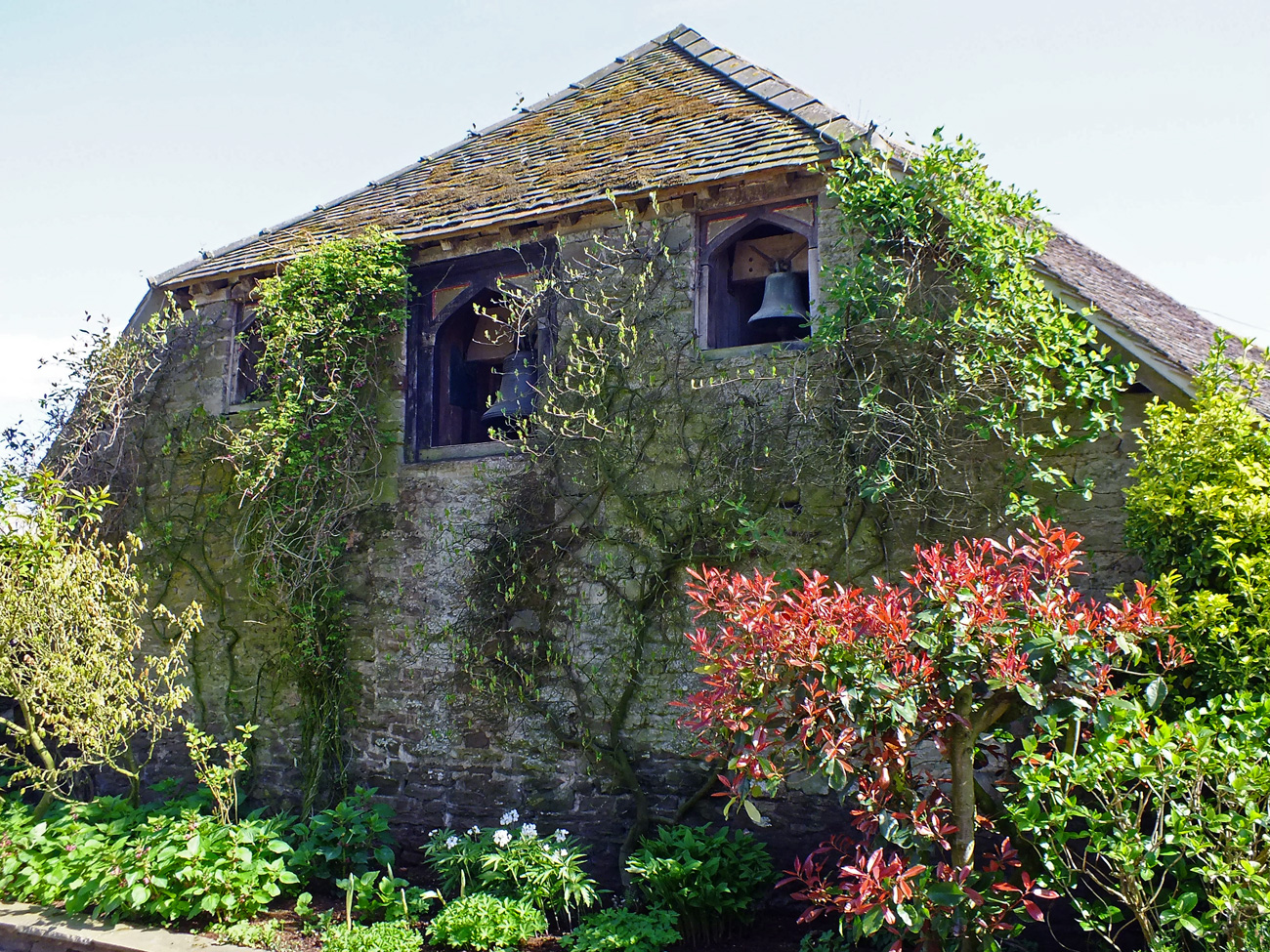
Leaving the Spring Garden behind brings you out in front of the Manor House, with pots of bright tulips outside the porch and walls festooned with budding wisteria. The Main Lawn softens the driveway which leads to the farmyard. And a barn with bells.
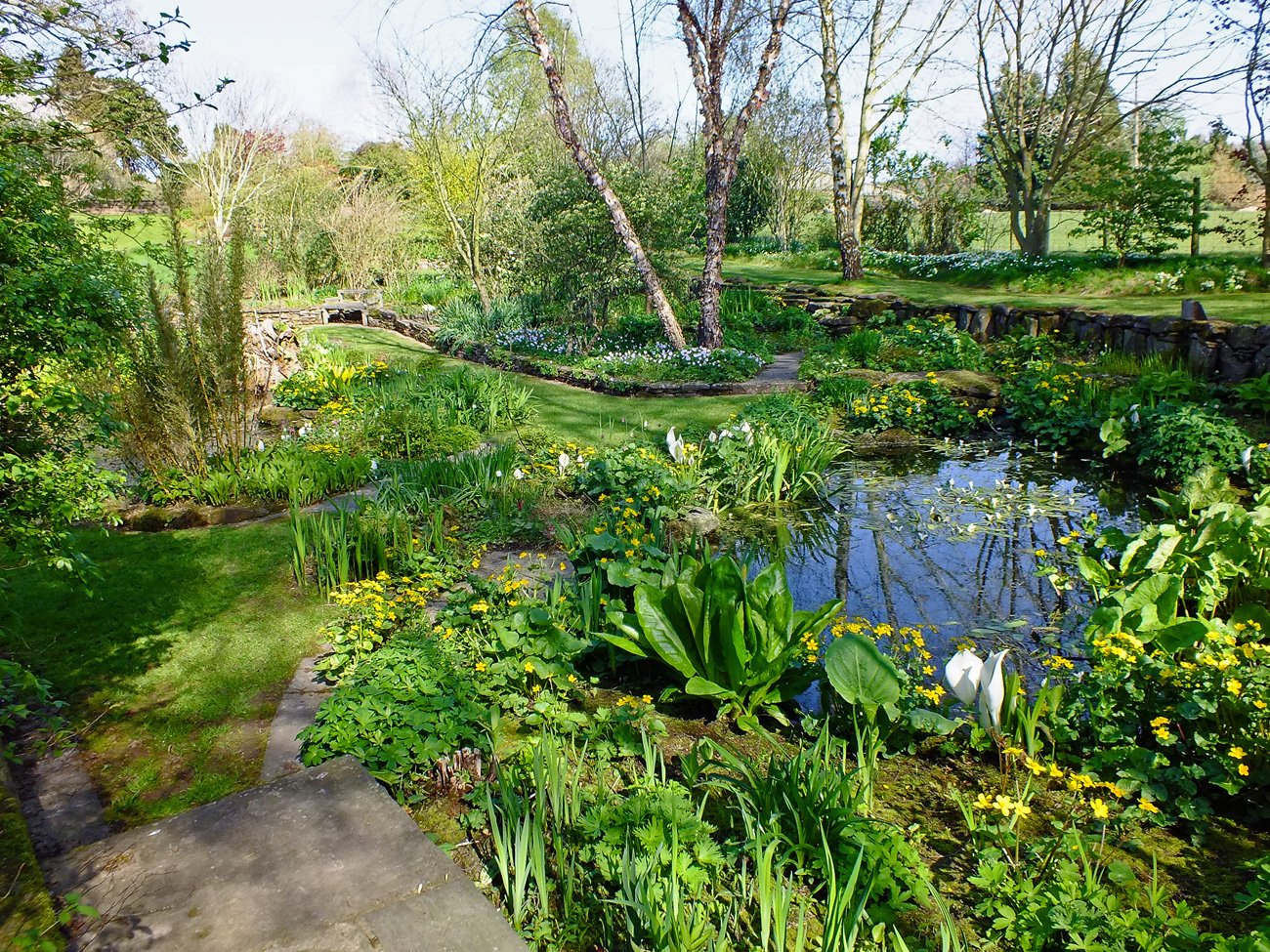
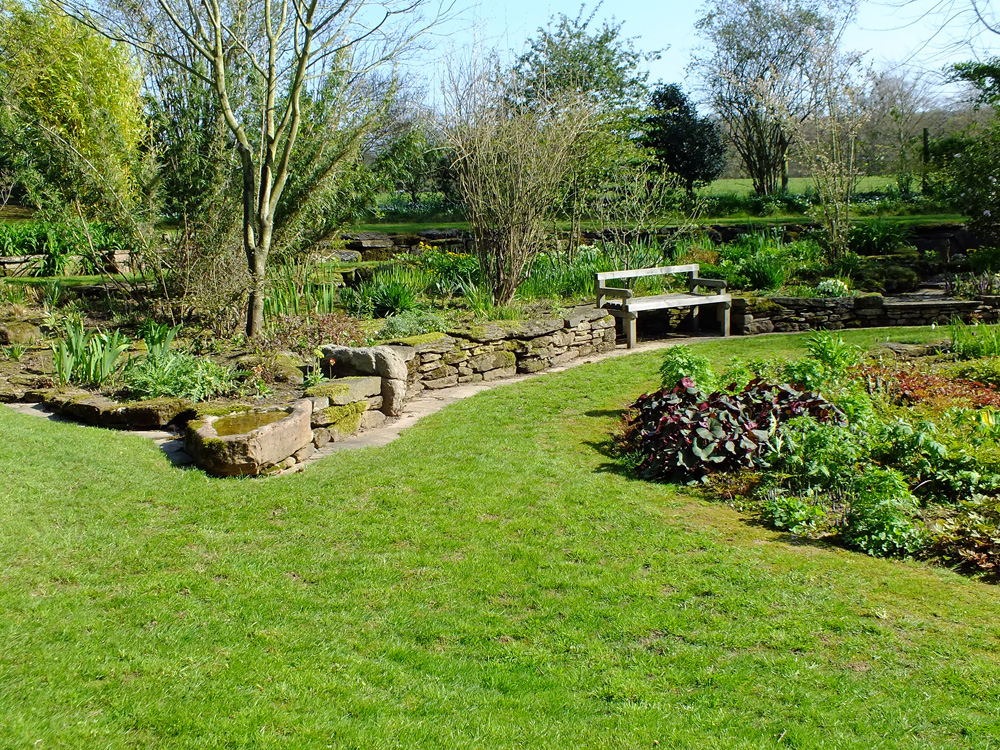
The Bathing Pool Garden was intriguing, especially as this leads to the Rock Pools where Fritillaria meleagrisand Pulsatillavulgaris flowered around the pool and blossom hung overhead.
Fritillaria meleagris
Chaenomeles japonica
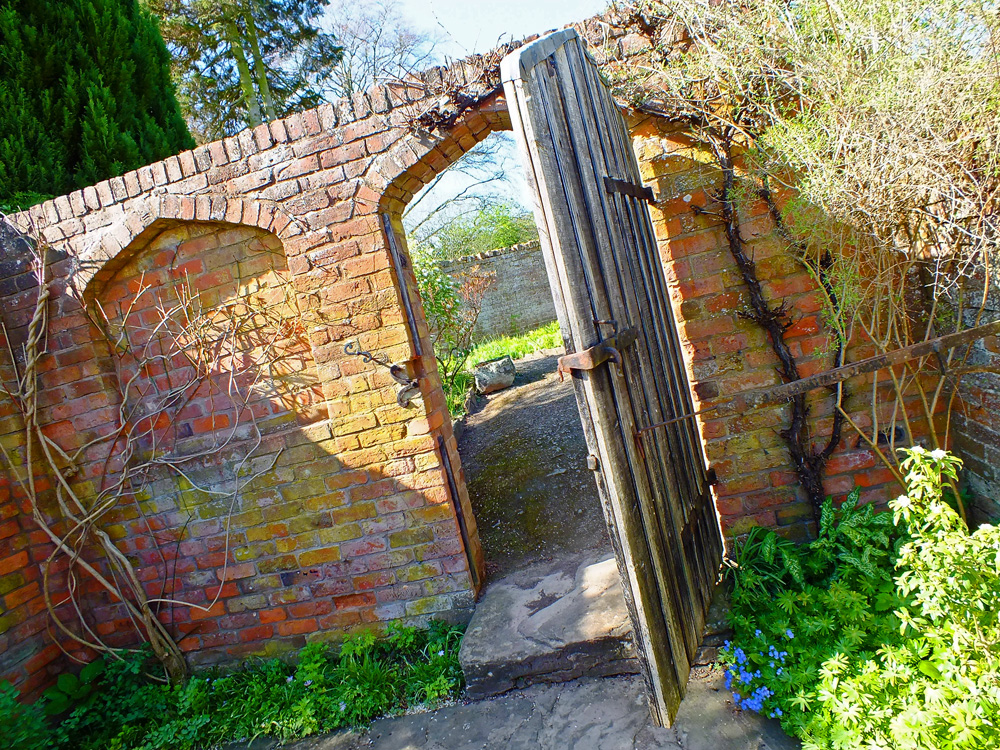
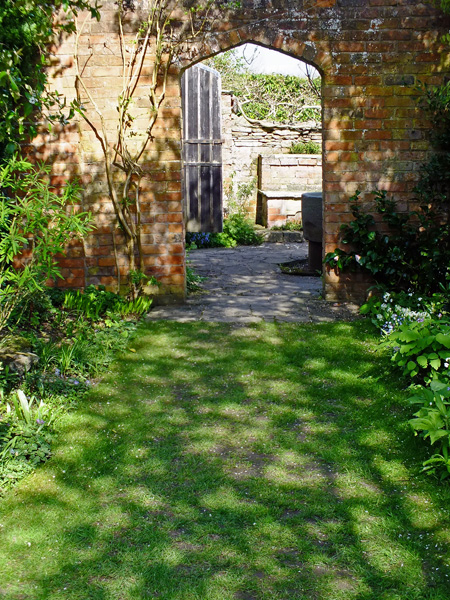
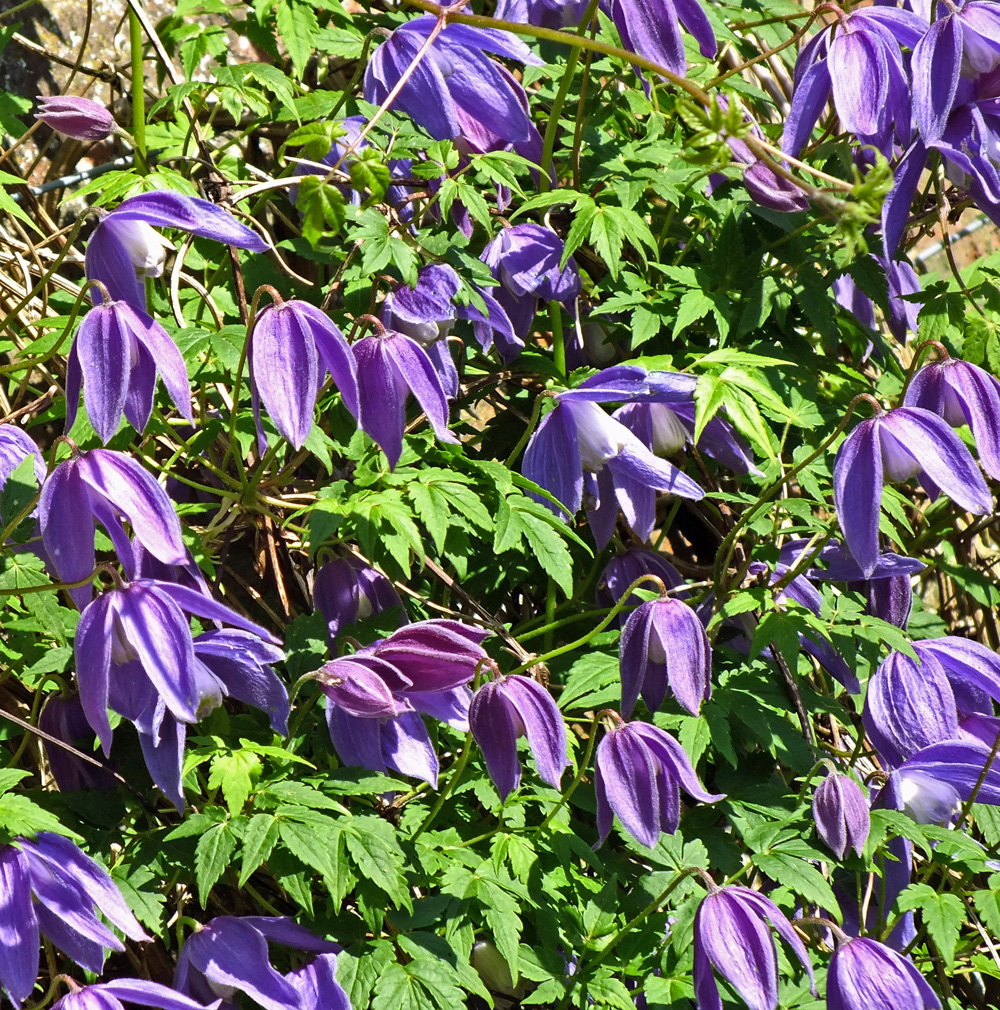
Doorways and water features entice you into the Elizabethan Garden with violet-blue clematis dripping over the wall.
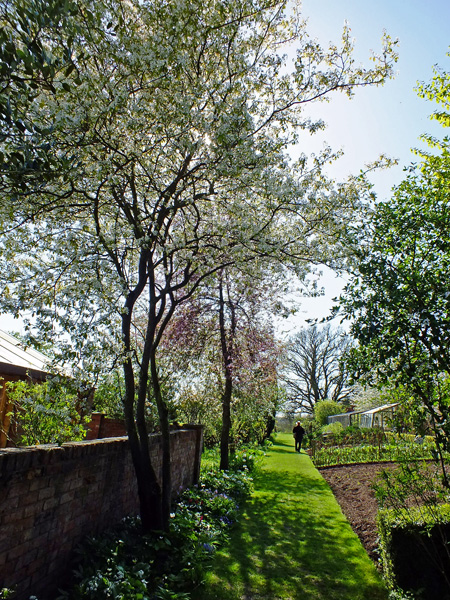
Next the Long Walk leads you past the Kitchen Garden, the Sunken Garden, the Pillar Garden and finally the Paddock Garden. See the blossom?
With plants and pots and watering-cans to catch the eye.
Pots
Erythronium
watering-cans
The path leads down to the Dingle, the furthest area of this lovely garden and where the Spring and the Grotto can be found. A very peaceful place to stop and rest and absorb the beauty of nature.
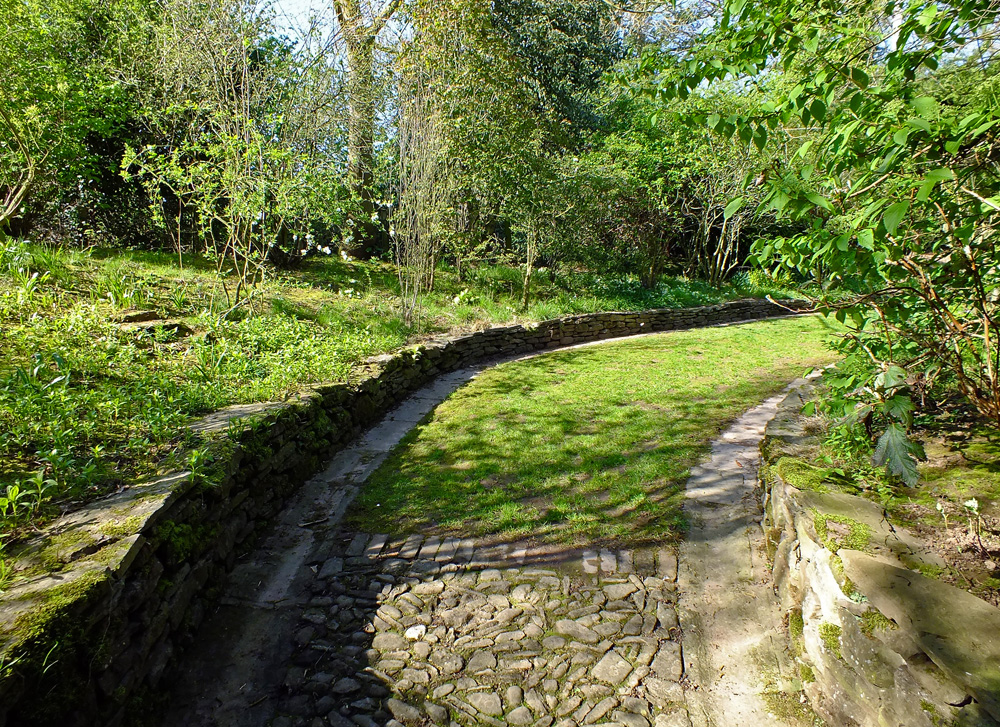
Lots of little paths to wander along.
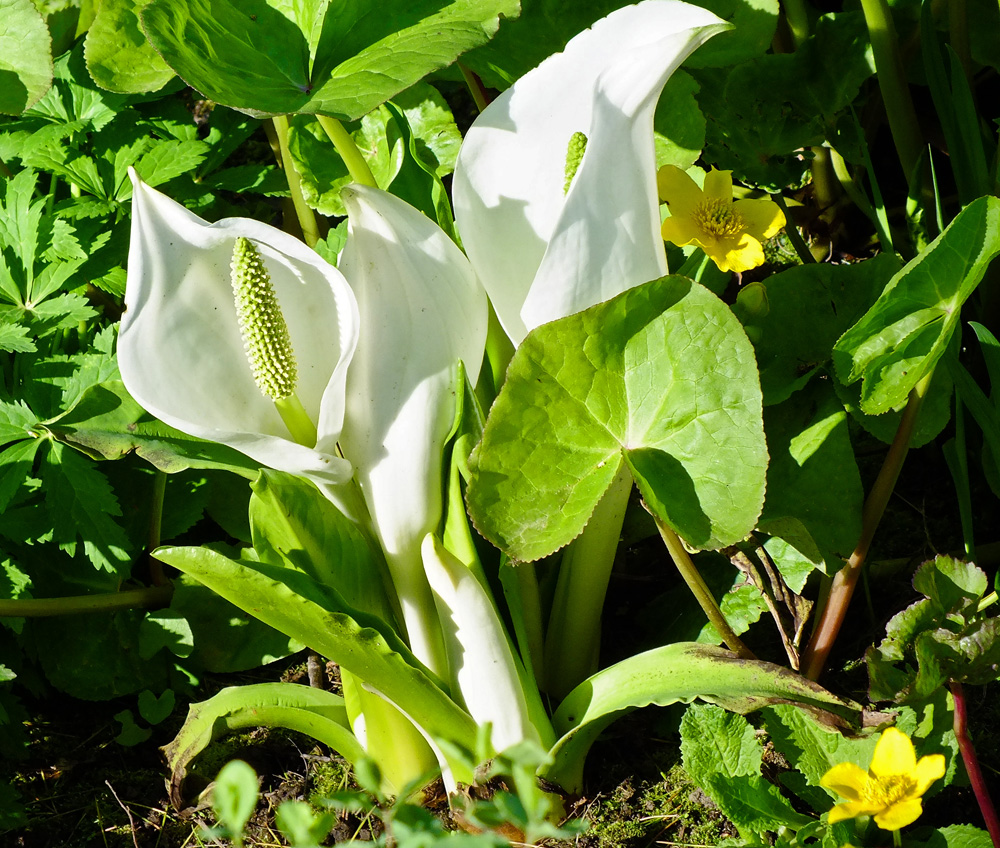
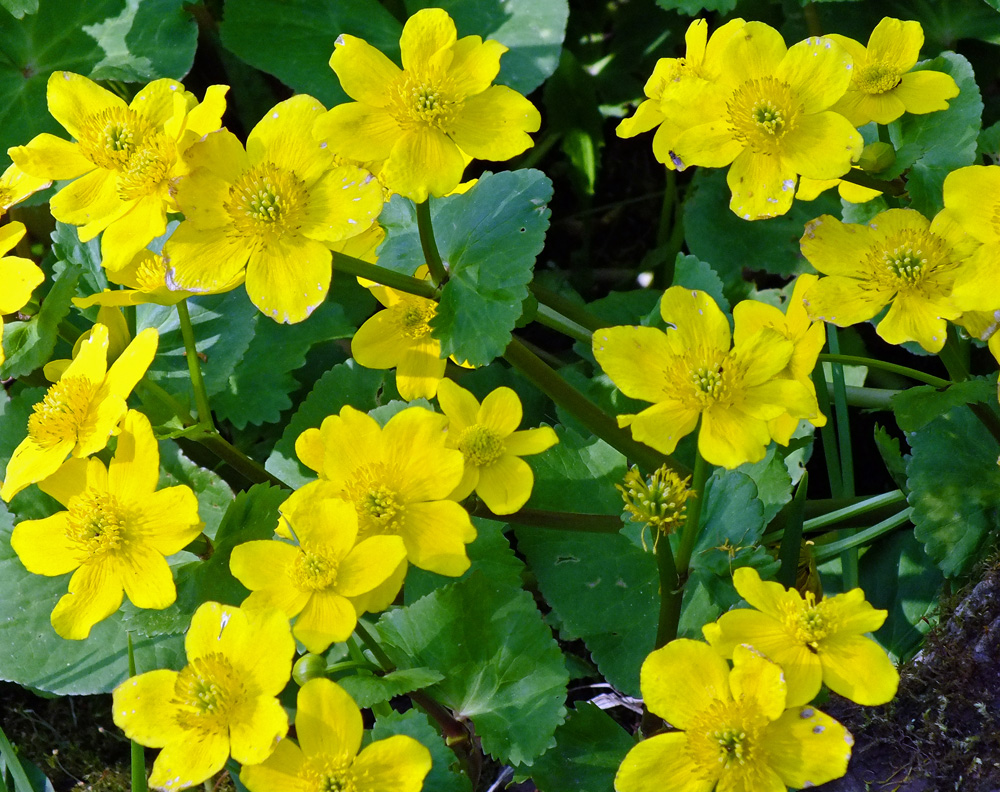
marsh-marigolds
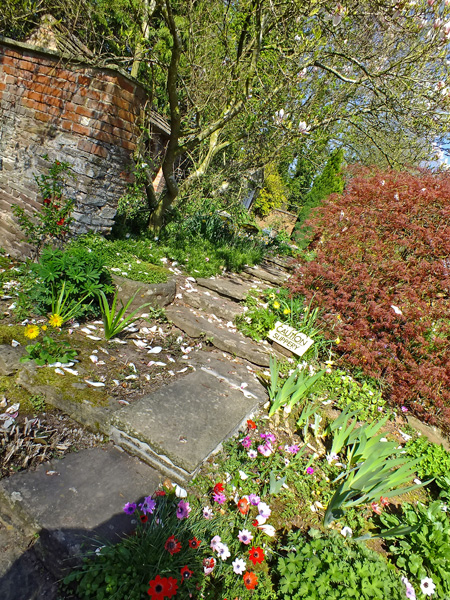
And a wider one which leads to the Grotto. But watch your step!
warning
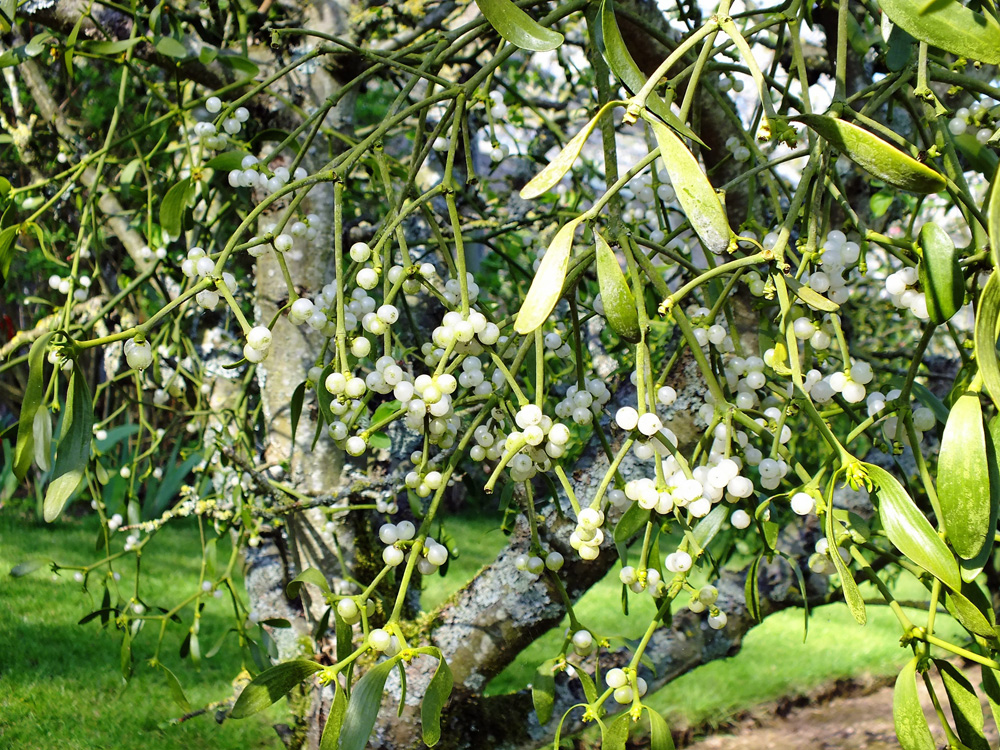
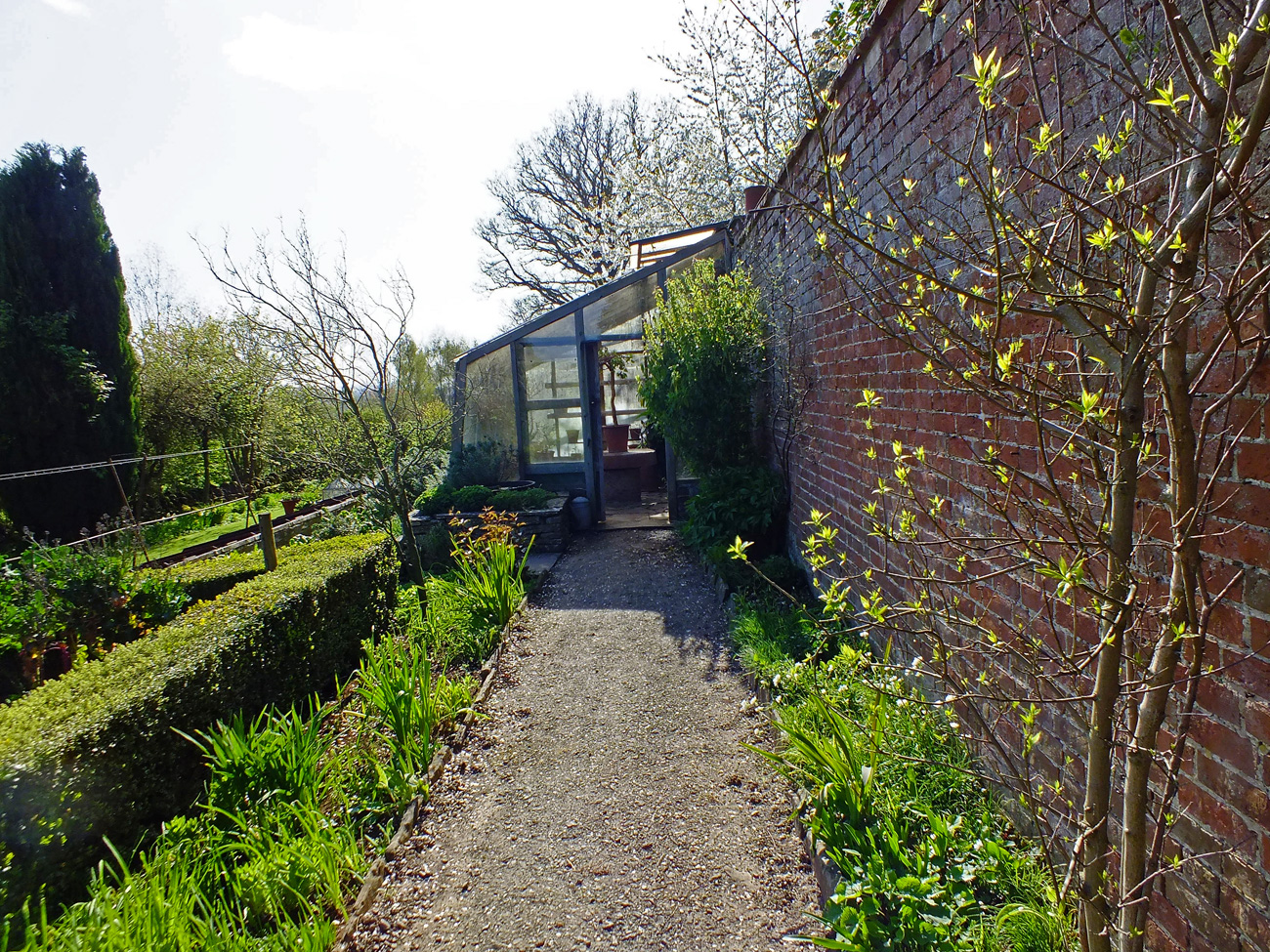
Finally on the way back to the exit there are the Iris Walk and the Greenhouses which I can never resist having a nosey in. The irises weren’t in flower, so another visit is required, very soon. But I did find some mistletoe growing on a fruit tree.
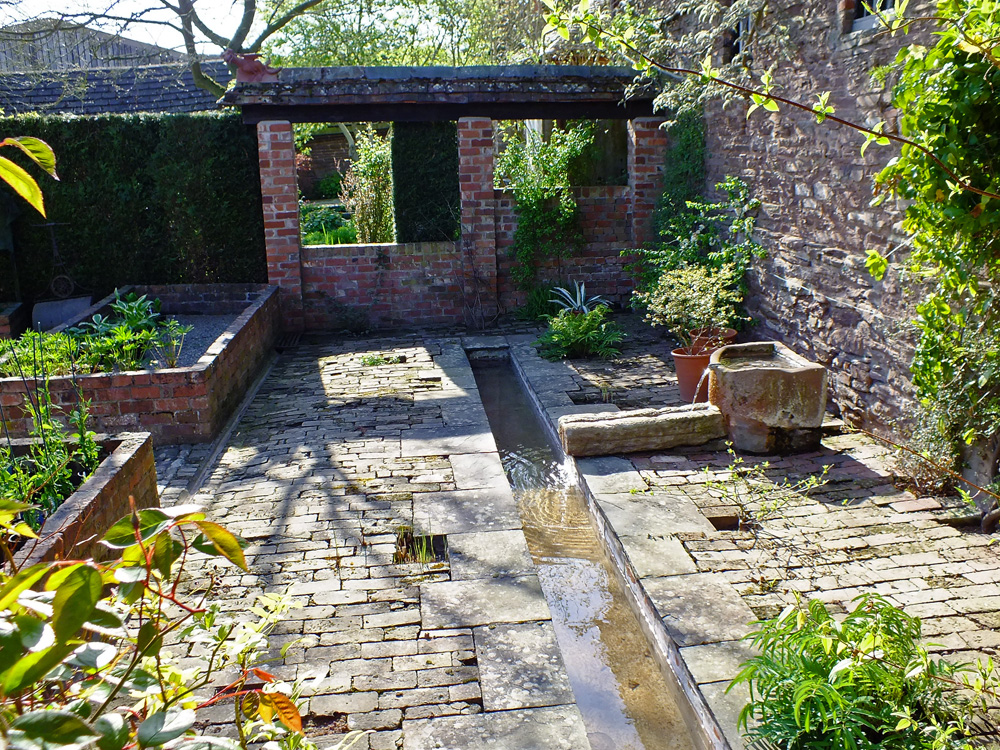
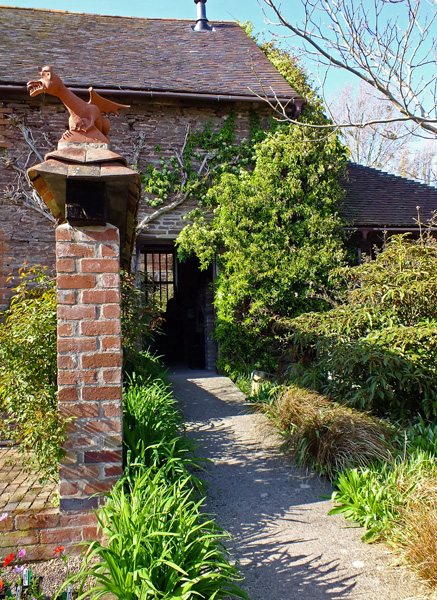
Before you leave, have a browse around the plant sales which is behind the Cider Press and where you’ll find the Rill and a pair of Welsh Dragons 🙂
I hope you have enjoyed your visit to Stockton Bury Gardens in Herefordshire. It has a very long history as there has been a dwelling on this site since 660. The ‘Bury’ is a Saxon word for Court House or Mansion House and was given the status of a Manor in the reign of Edward III.
“May comes sweet and complete in every detail.
Along every lane and hedgerow bank
spring a thousand small and seldom
considered things – Nature’s embroidery,
to finish off her festal robe to perfection…
Such hedgerows in May are everybody’s garden…”
~ Flora Thompson in A Country Calendar
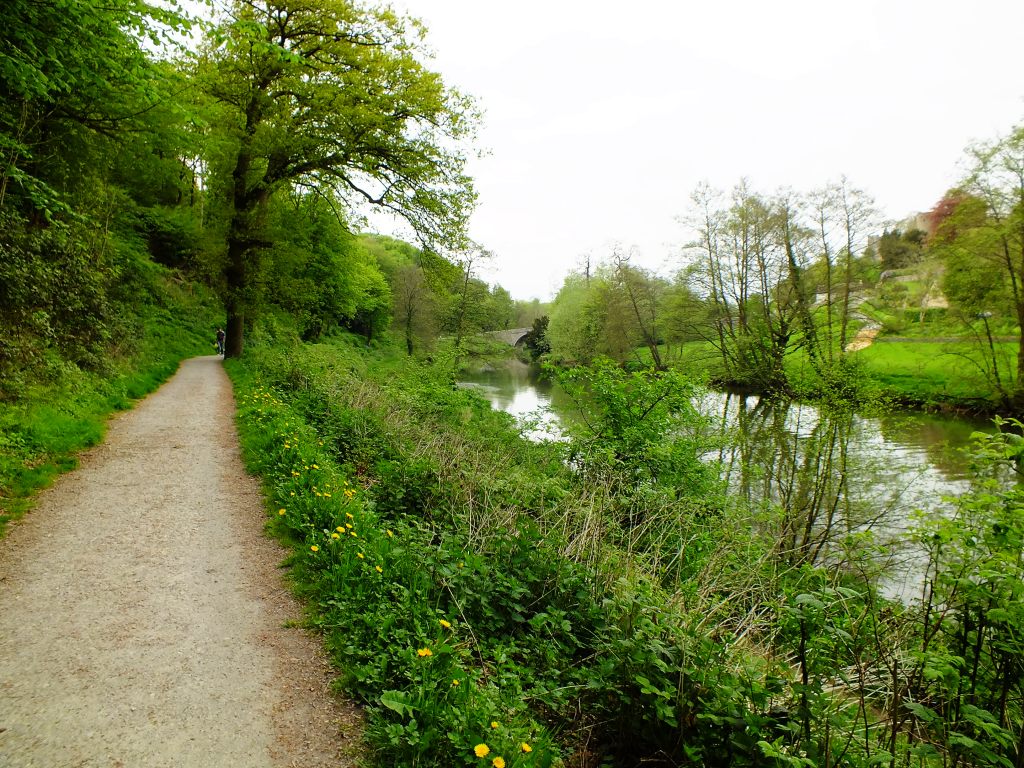
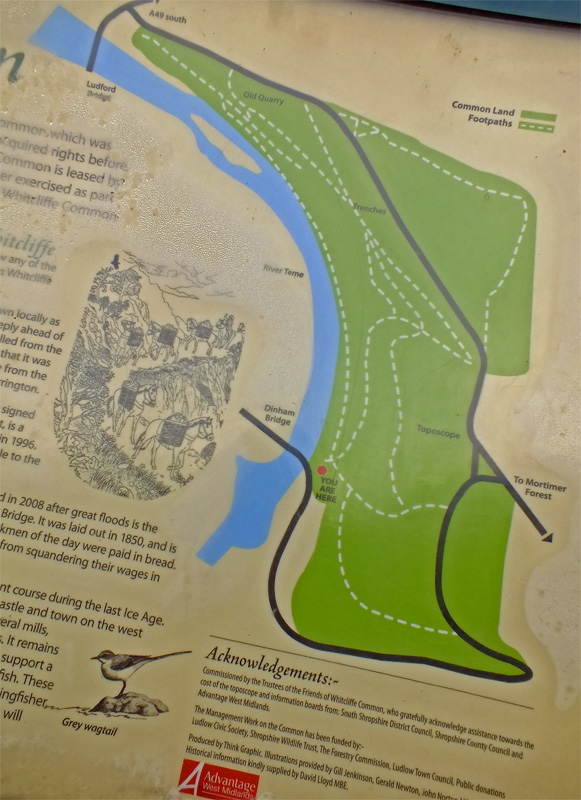
On Sunday when the sun was shining I thought I’d grab the camera and go for a walk along the Bread Walk, which is a walk alongside the River Teme, here in Ludlow. After the pavements of London it made a nice change to have the earth beneath my feet again, well not literally of course, though I do like bare-foot walking on grass or sand.
I have mentioned the Bread Walk before in my first ‘Guide to Ludlow‘ and basically it was an early form of the dole, where unemployed men were paid in bread and blankets to re-build the pathway, destroyed by flood, so they wouldn’t drink away all their wages in the inns on their way home.
We’ll start by walking through the Broadgate, the only surviving gate in the town (there were seven) and have a nosy at the container flowers grown outside the cottages in Lower Broadgate – they are kind of rivals in the Ludlow in Bloom competition held each year. I have to say they are looking good. But judging isn’t until June so these beauties will be long gone by then.
Cherry Blossom
Aquilegia
Tulips
Tulips
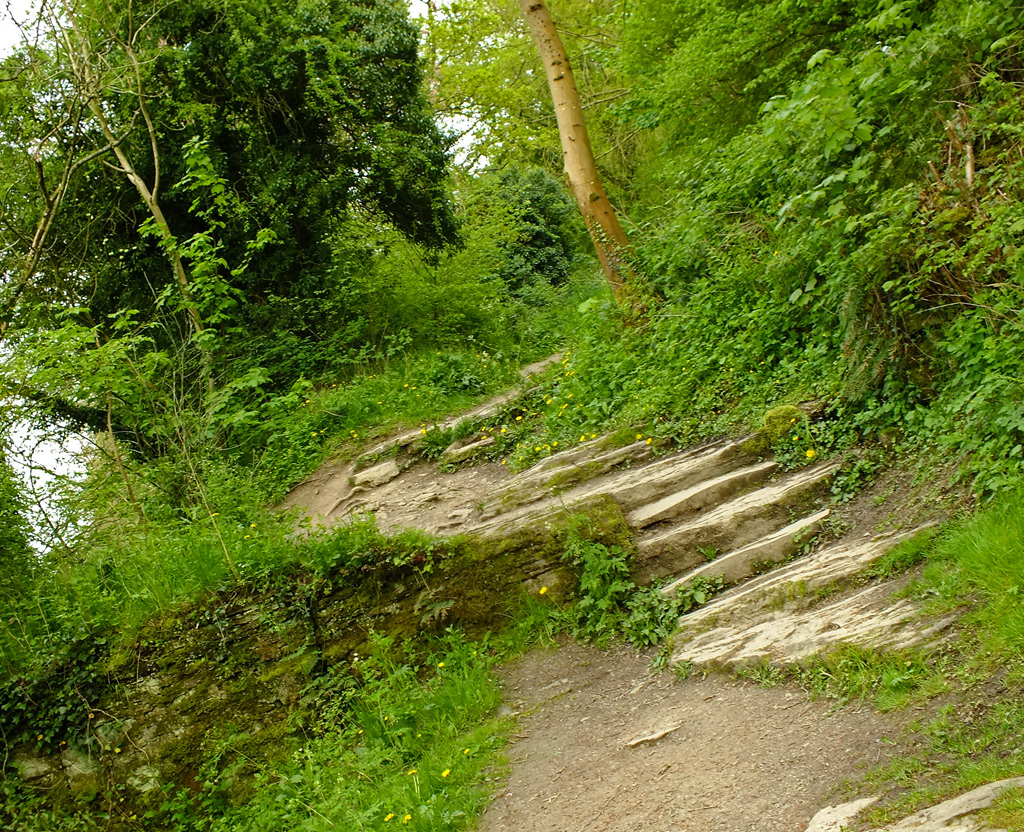
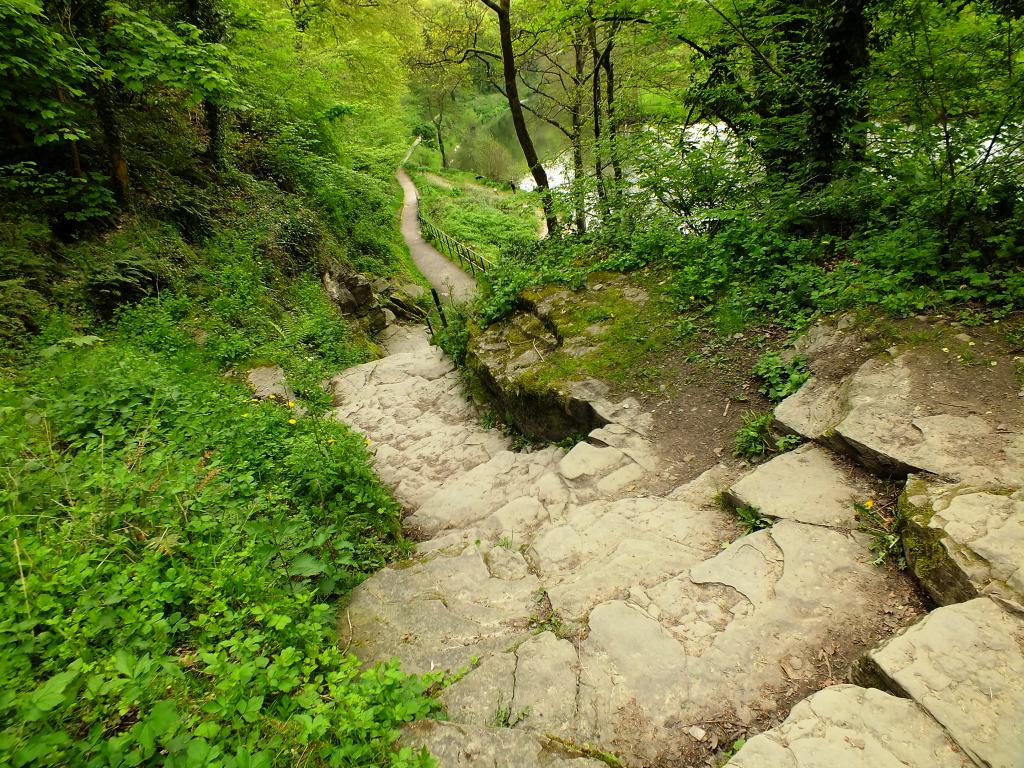
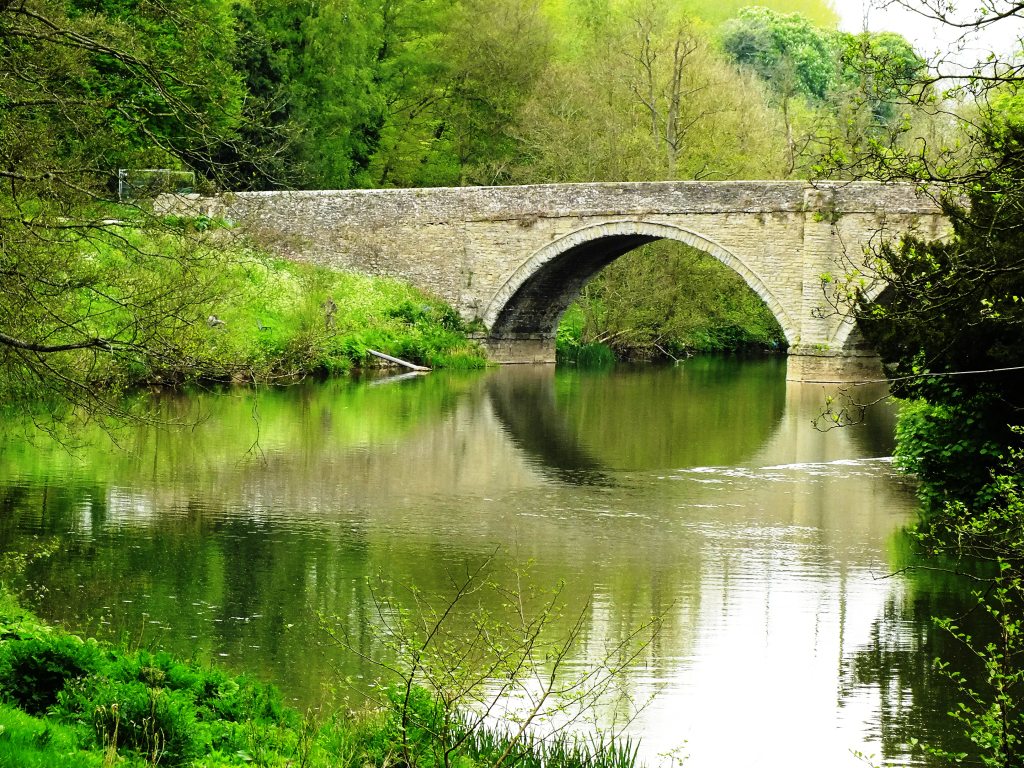
Now across the Ludford bridge, past the Charlton Arms, no stopping for a pint just yet, and round the corner, up the steps to Whitcliffe Common. The steps are very dry, which is unusual because I thought there had been rain whilst I was away. Anyway, dry is good as they can be slippery when wet with all the mud and leaves.
Onto flat ground and time for a breather as we admire, yet again, the view over the town. I don’t think I shall ever tire of this view. And today there is something different about it as the May Fair is in town and you can just about make out something on the horizon called the ‘Explosion’ which swings people around like a giant mixer.
From here you can continue on the flat and across to Whitcliffe Common, and through the woodland, but we have done part of that walk before. Today I’m going down more uneven steps onto the path beside the Teme.
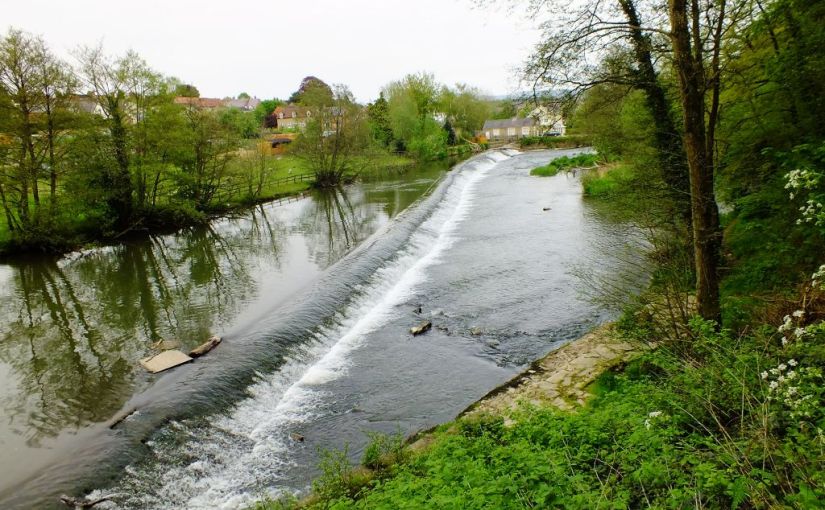
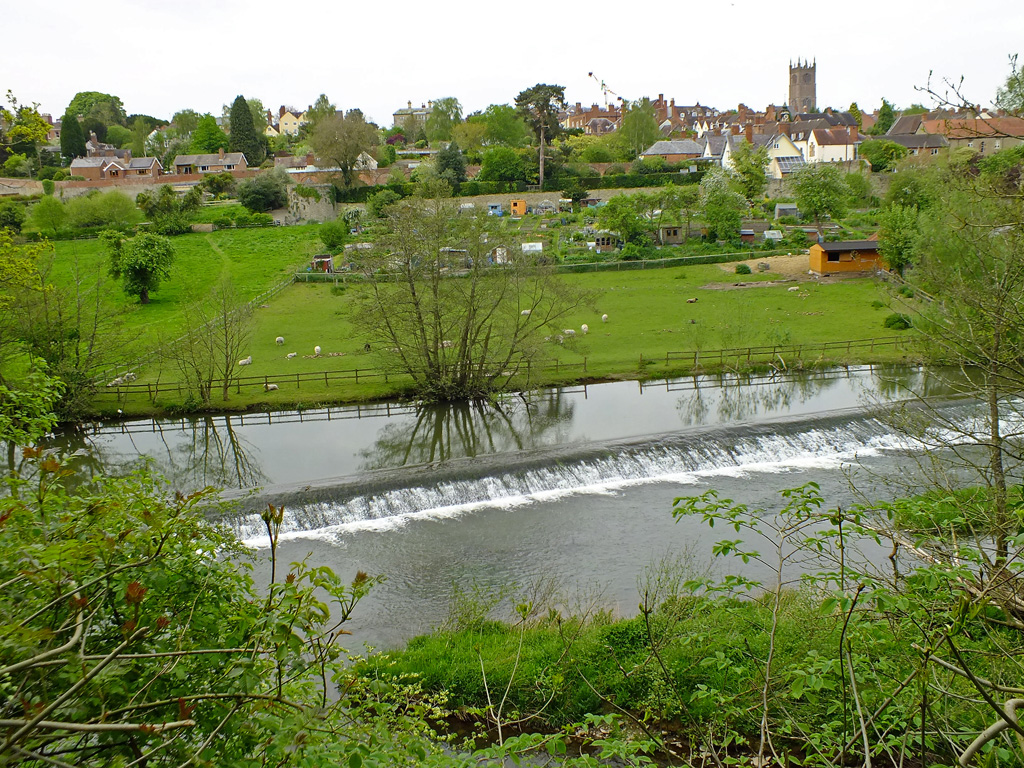
There’s always something different to see along this walk, wild flowers, birds, ducks, dogs swimming, sheep across the river in the paddock now with their lambs, reflections in the still water and the sound of birds trilling in the trees trying to make themselves heard above the rush of the mill weir.
The Mill Weir
Labrador Swimming
Treacle
Today there is some debris caught at the top of the weir, and two Labradors enjoying a swim. Looking up to the top of the cliff everything is a vivid new green – ferns and trees unfurling their spring shoots.
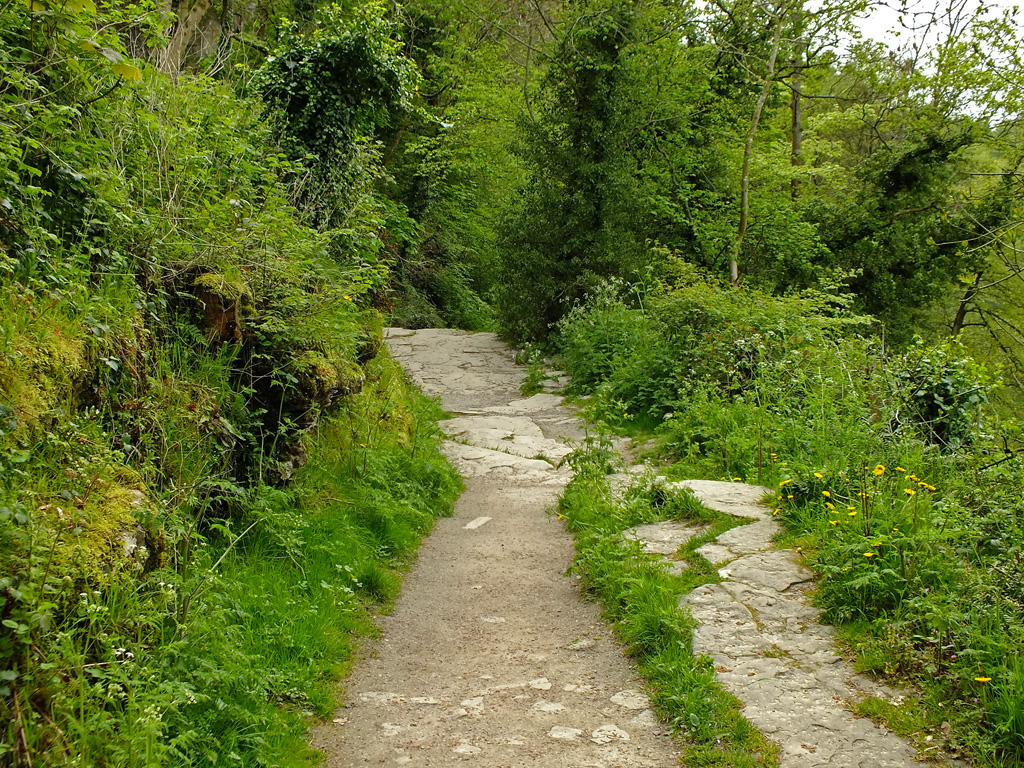
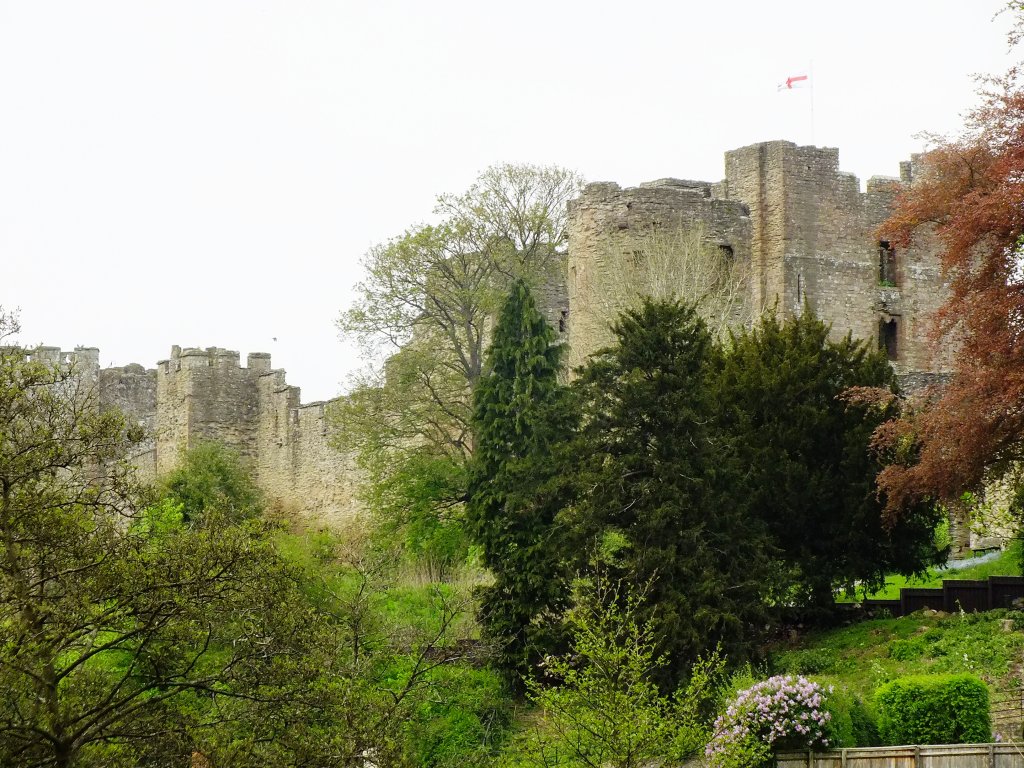
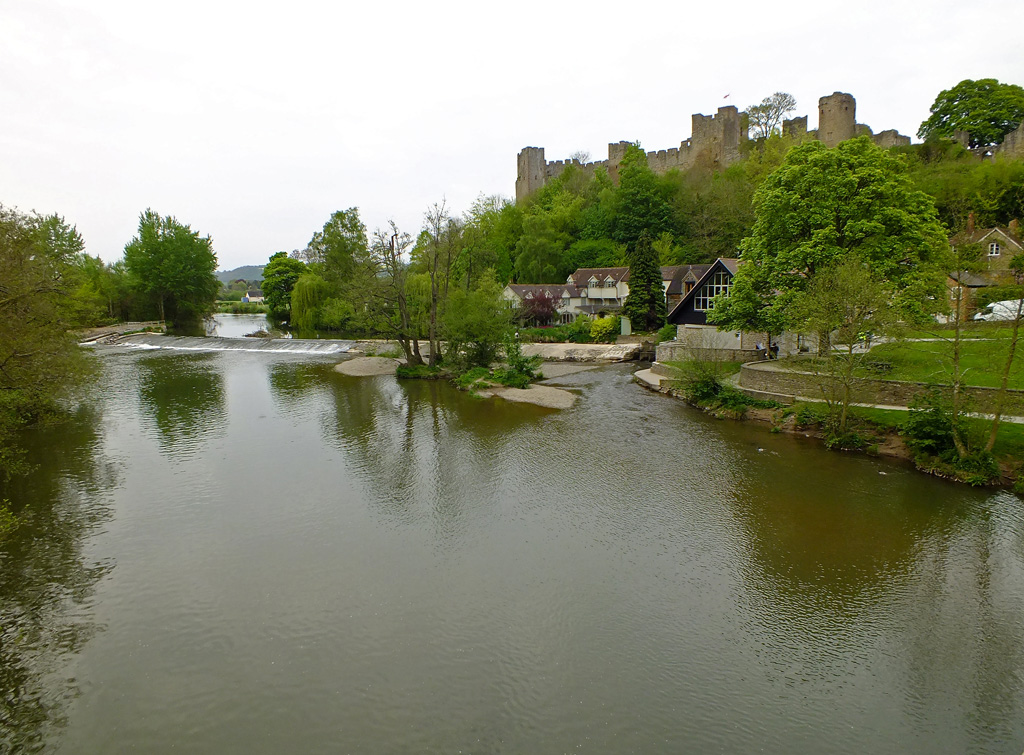
If you look ahead you can just glimpse the castle and Dinham bridge where the walk ends. It is a very short walk. Dandelions line the path here, but further on we’ll find some different wild flowers.
Above us is another path leading up to the common through the broadleaf woodland. The foliage is so lush at the moment it is difficult to see anyone. But look carefully.
The path curves around past clumps of forget-me-nots and alkanet (both members of the Boraginacae tribe) and patches of wild garlic amongst nettles and dock leaves and blackberry brambles.
Forget-Me-Not
Wild Garlic
Alkanet (Borage)
As we reach the end of the walk there are two pathways leading up to Whitcliffe common. Packhorse Path known locally as the Donkey Steps, climbs steeply ahead of you through the woods. So called from the long-established folk tradition that it was used by packhorses to carry ore from the Clee Hills to the ironworks at Burrington.
Packhorse Path
The Mortimer Trail which is signed through the woods to your right is a long-distance footpath established in 1996. It runs for 30 miles from Ludlow castle to the centre of Kington in Herefordshire.
The River Teme powered several mills in the past controlled by a series of weirs. It remains a clean river, clear well-aerated waters support a healthy population of fish and aquatic insects. These are fed upon in turn by birds such as kingfisher, dipper, grey wagtail and heron which will sometimes be seen from the Bread Walk.
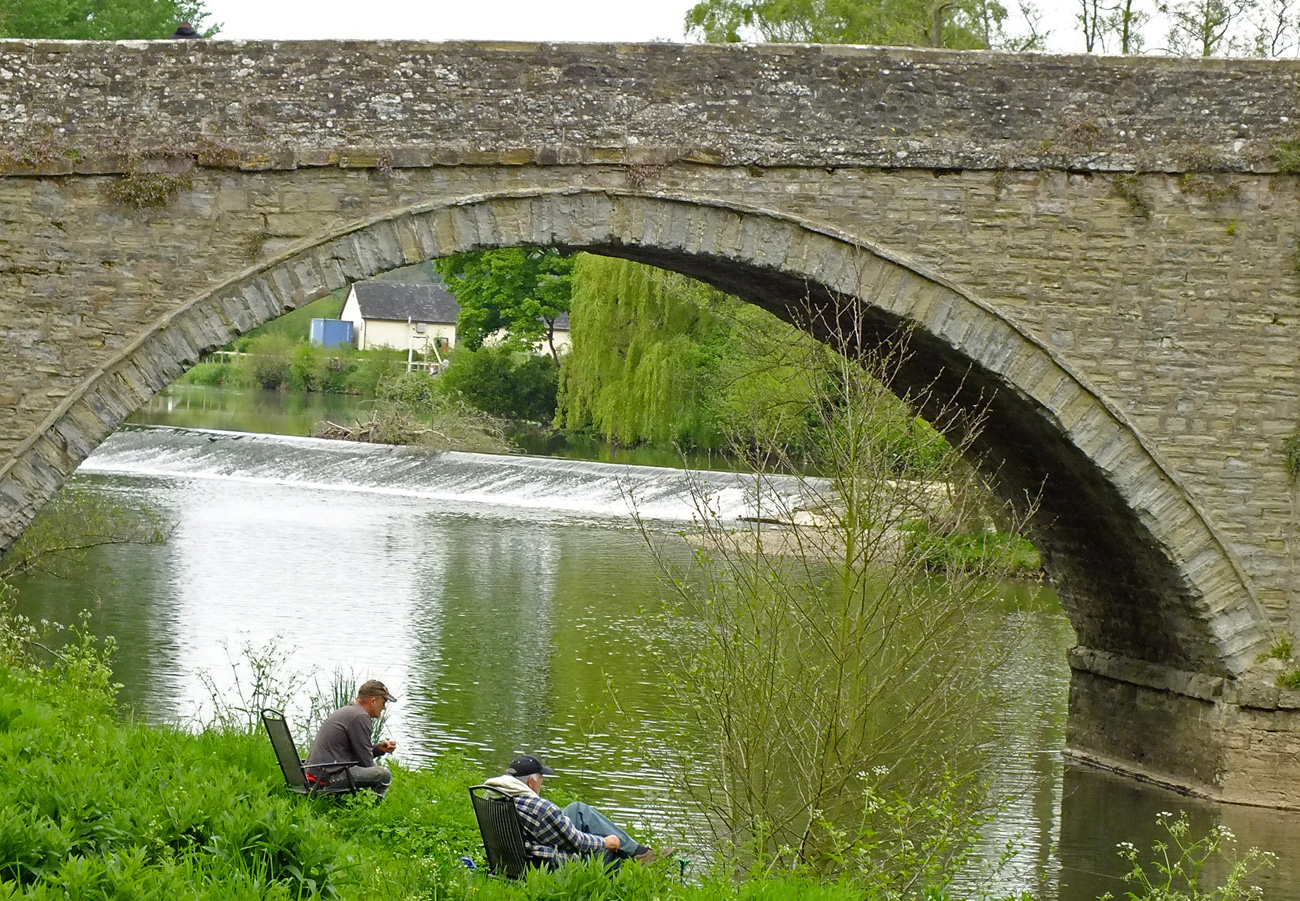
We are now at the end (or beginning) of the Bread Walk and to return to the centre of town you need to cross the Dinham Bridge.
Where you will get the classic Ludlow view of the castle and the Dinham Weir, which is the only place where I have seen a heron.
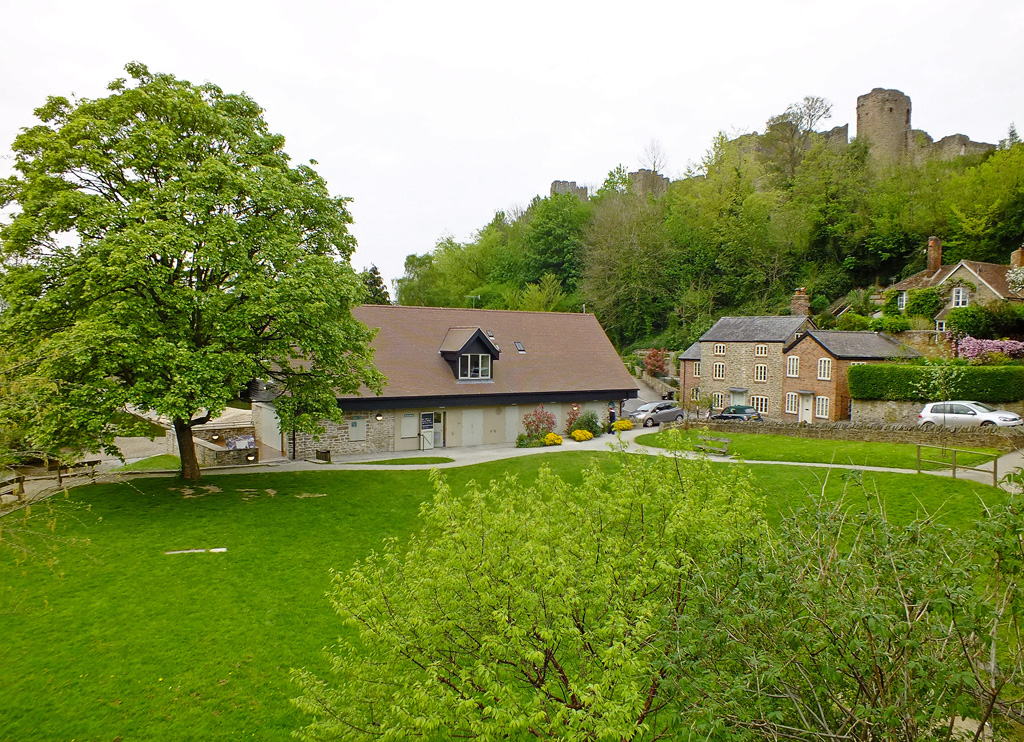
And if it is open, the Green Café on the Millennium Green serves a good lunch, but sadly not today.
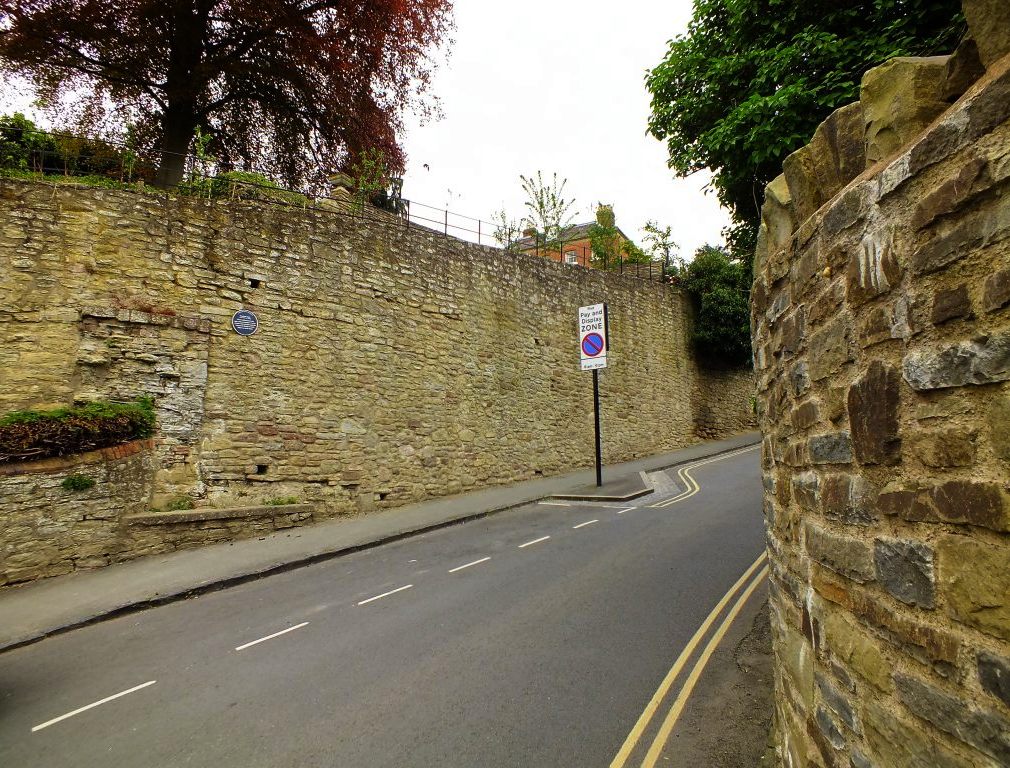
Now head up Dinham where the Dinham Gate (demolished in 1786), a medieval postern gate with a chamber over an arched entrance through the town wall, faced towards Wigmore and Wales. Look out for a hedgerow of lovely fragrant lilac and then follow the old town wall back to the castle square.
Lilac Blooming
A Living Wall
The Walk:Source of information from the Ludlow Civic Society blue plaque (Dinham Gate) and the information board commissioned by the Trustees of the Friends of Whitcliffe Common (Whitcliffe Common)
I’m combining Cee’s Which Way Challenge with Jo’s Monday Walk again this week as they complement each other.

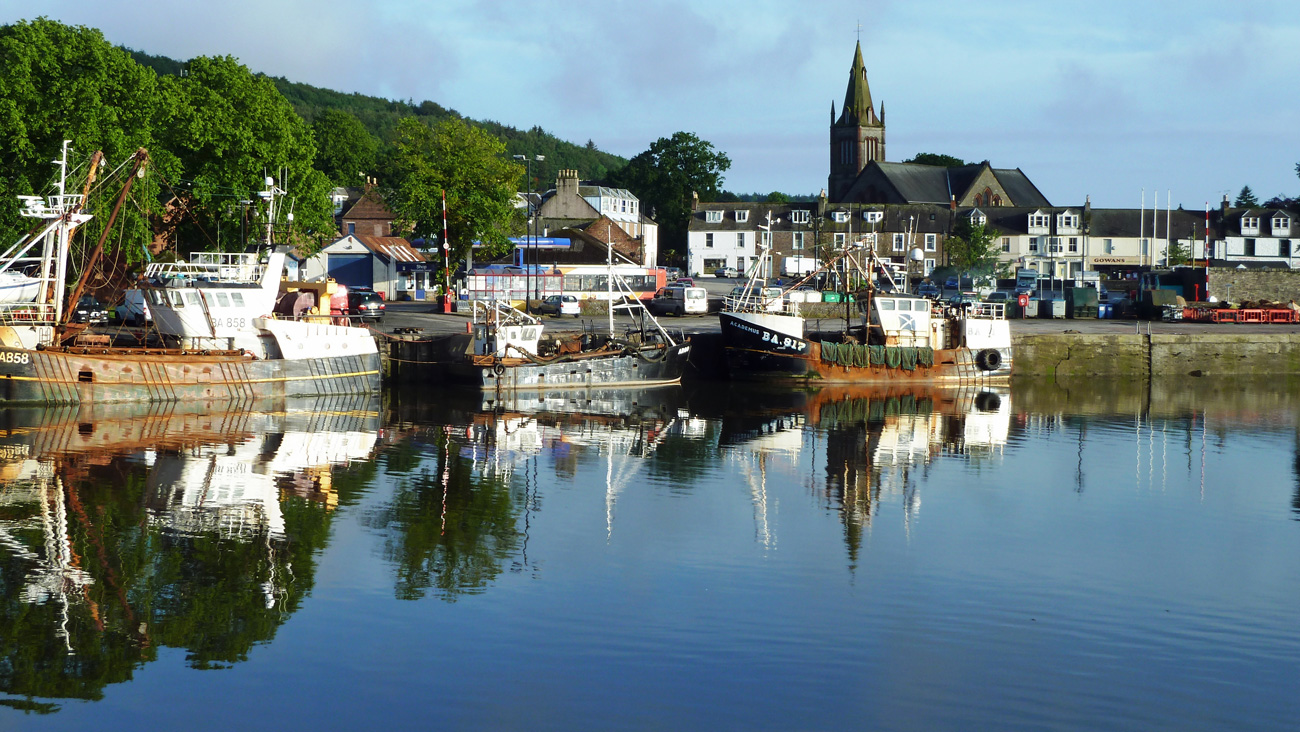
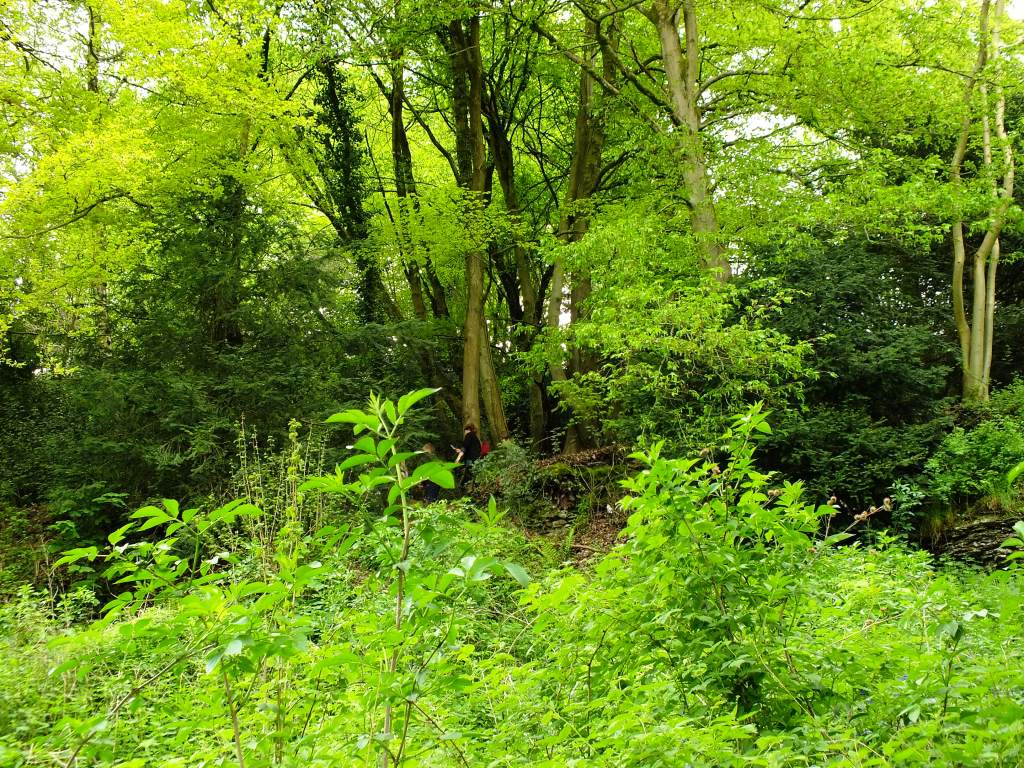
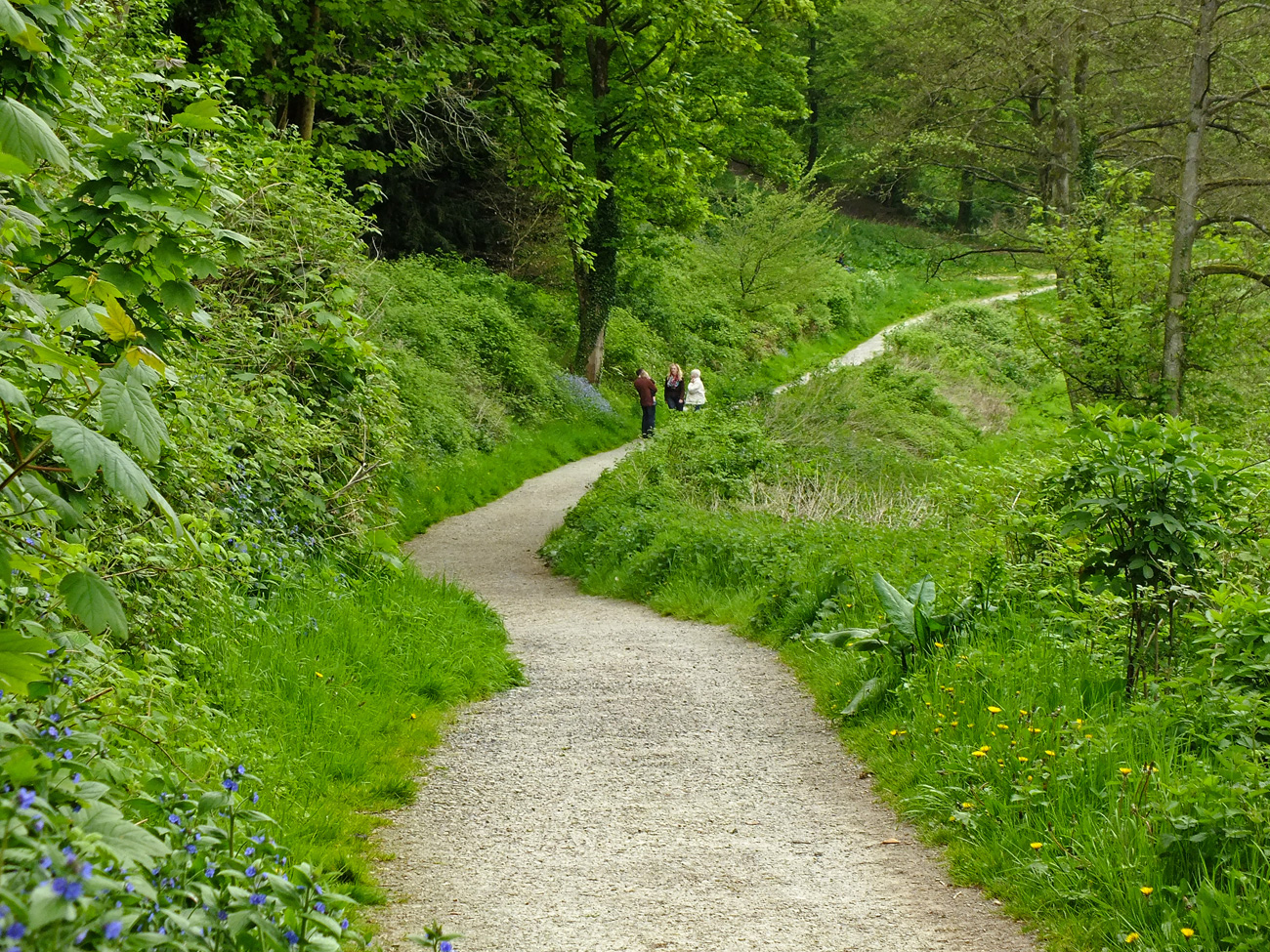
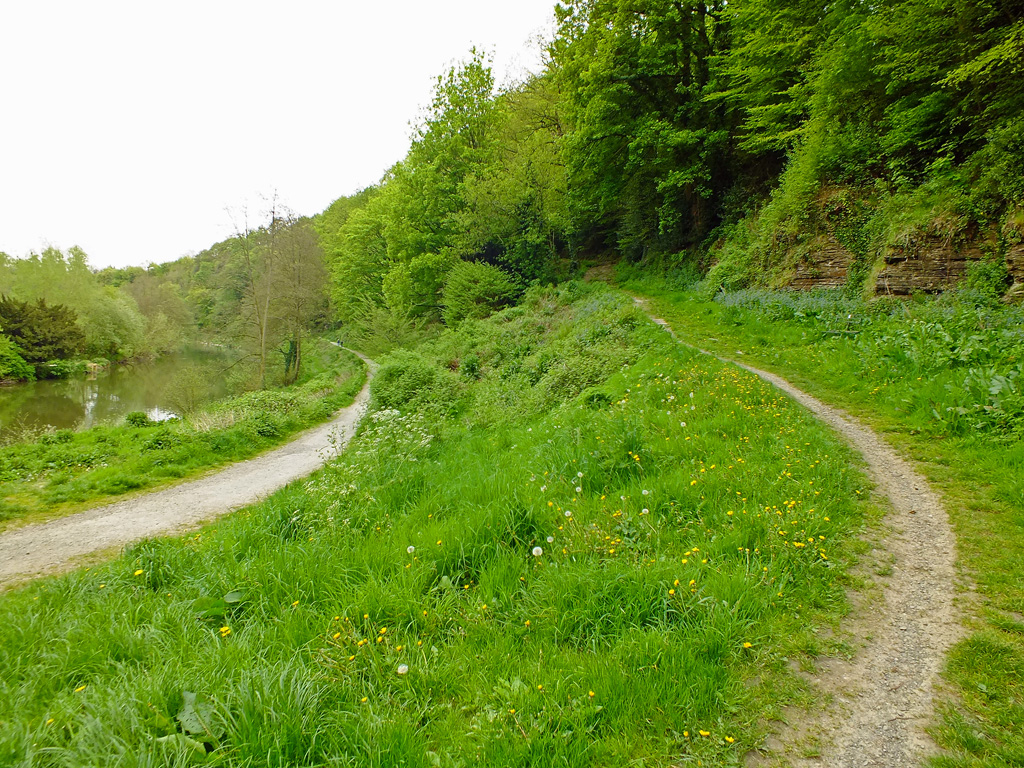
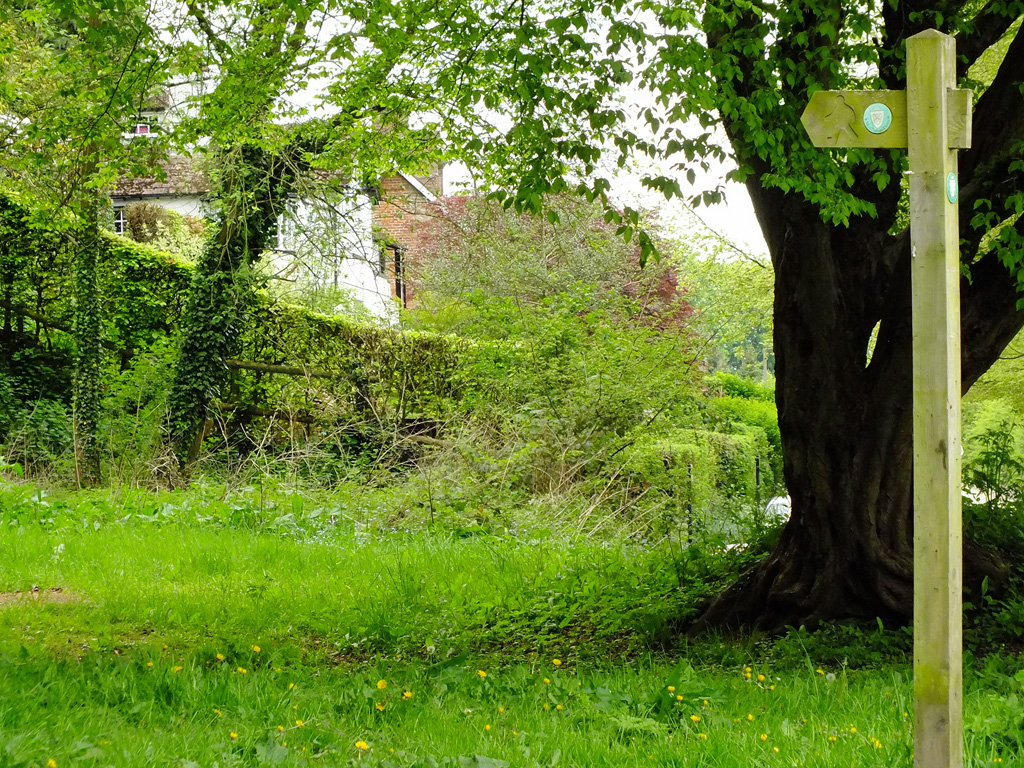
 and what a pretty place it is…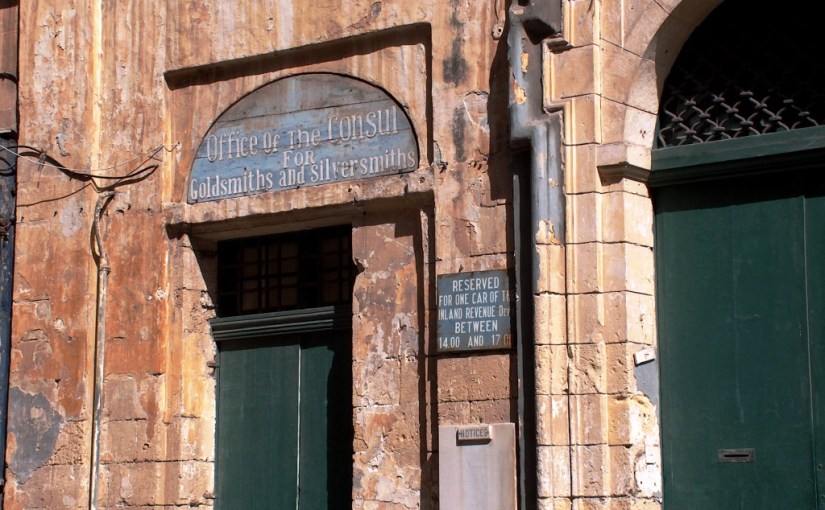




















 TRAVEL WORDS