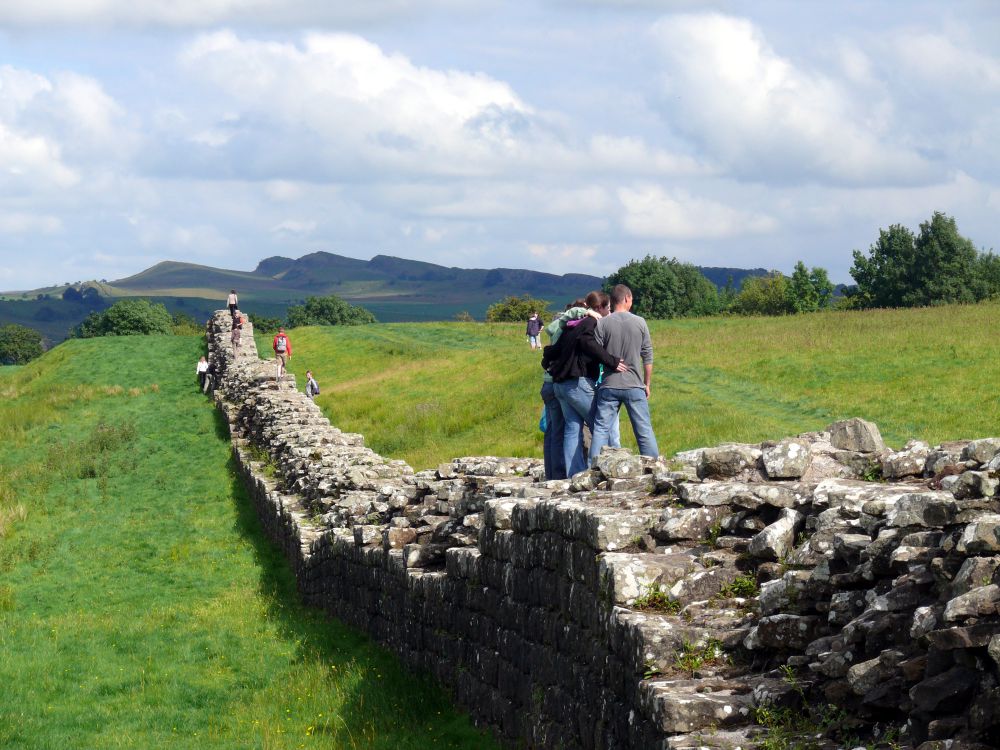
First there is Hadrian: milecastles, hill forts and temples and bucket loads of history from its turbulent English – Scottish conflicts. Where man and beast walk on the wall.
Then there are the green fells and bubbling rivers stained tea brown from all the tannin, and the heather-clad Pennine landscape where sheep abound and rare alpine plants can be found.
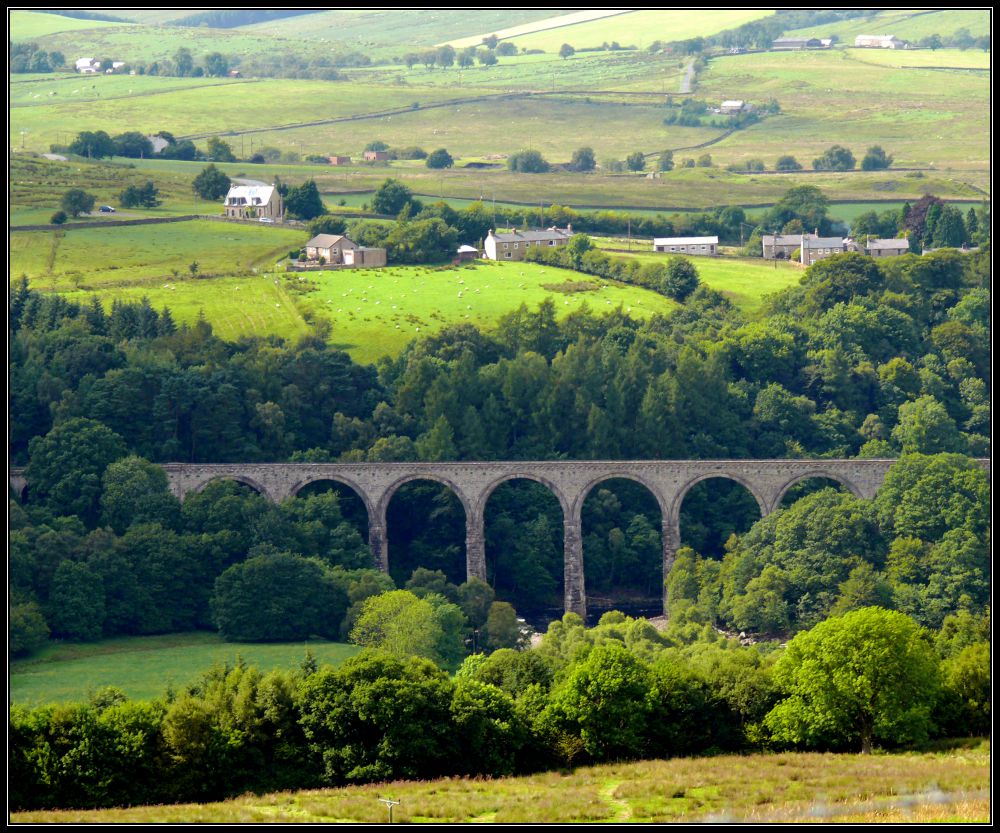
Mile after mile of roller coaster roads with their blind summits and hidden dips, twisting hairpin bends and narrow single lane bridges arching over wee burns. And long forgotten viaducts striding over a river many vertiginous feet below.
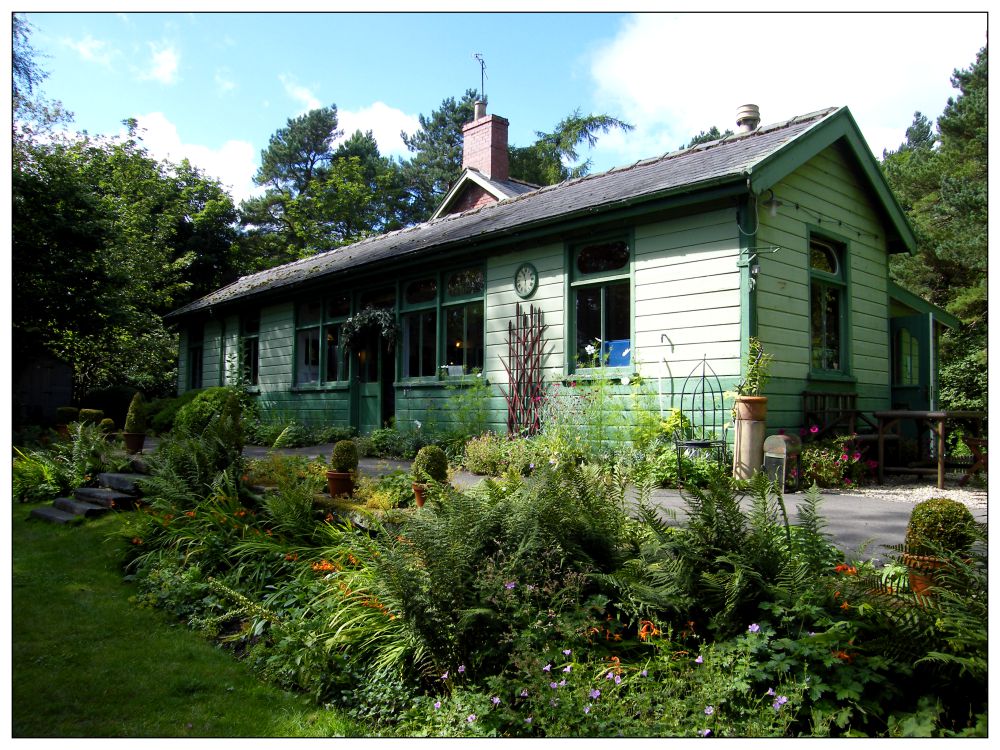
Invigorating walks lead past houses built in a golden stone with pots full of bright red geraniums and purple petunias cascade and where inviting tea-rooms with a friendly welcome are set amidst old rail tracks. Stop at a traditional pub, some dating back to the 12th century, others used as a meeting place in the Jacobite Rebellion, where smiling bar-staff greet you with their warm northern accent and make you reluctant to leave.
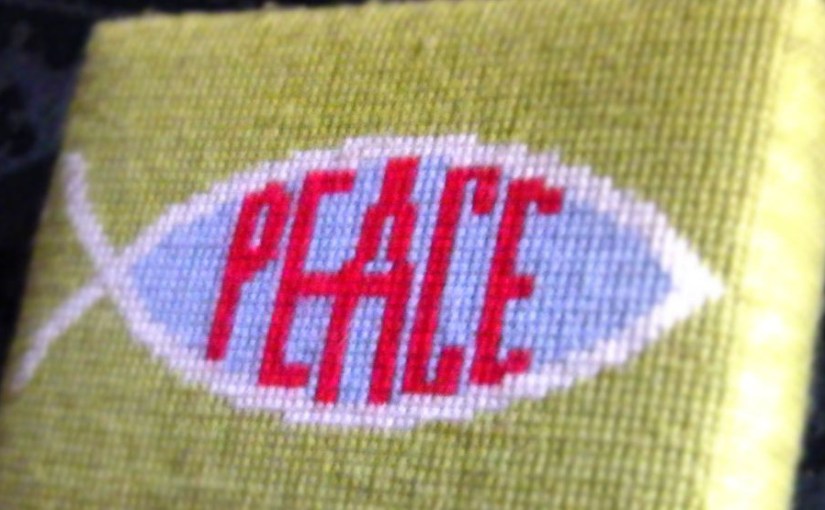
Explore villages and small towns where houses are crammed together supporting one another, wander down hidden snickets and narrow cobbled lanes with secret gardens. Where churches with ancient churchyards are open at all times welcoming strangers to view their beautiful stained glass windows, bell towers, carved pulpits and unusual altars or simply to admire the craftsmanship of the home-made pew cushions, lovingly stitched by the congregation.
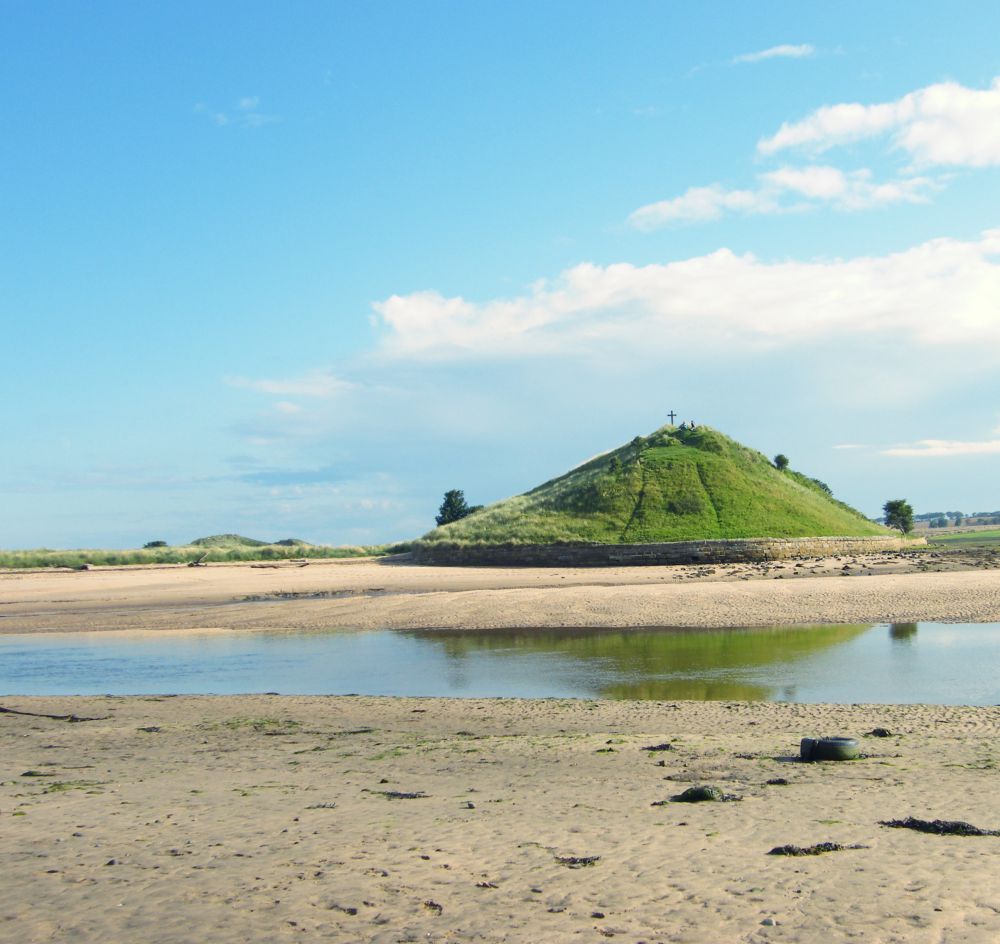
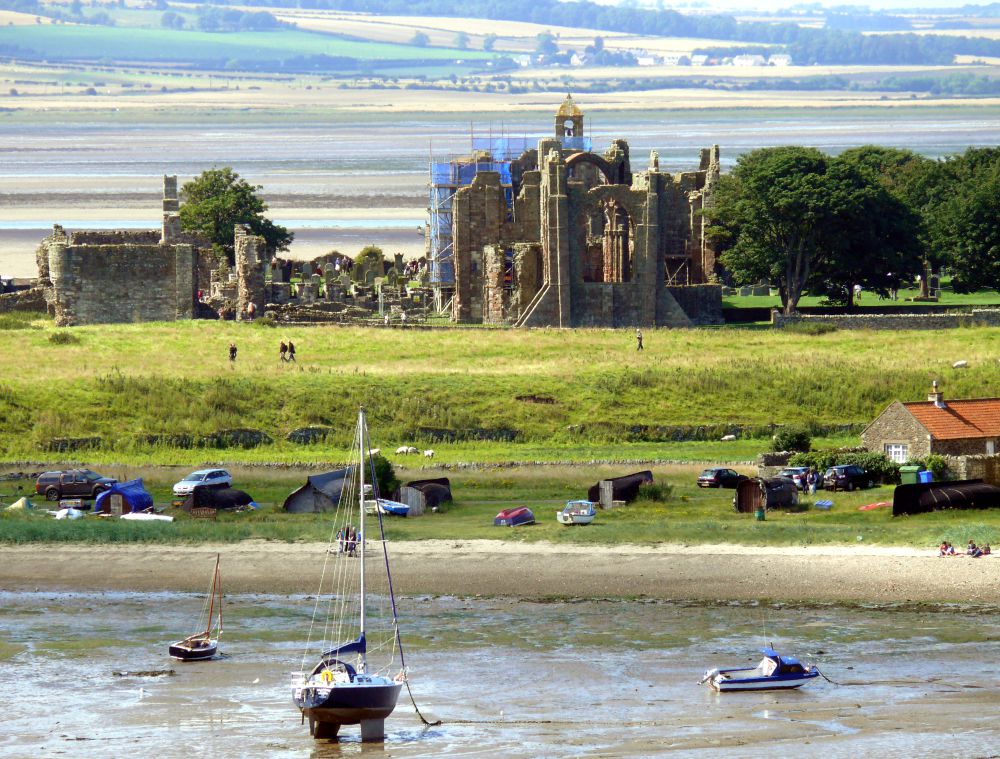
Finally there’s the coast and the castles. Wide, sandy beaches, river mouths and harbours and huge dunes with wild flowers. Tide timetables to consult, micro breweries and Craster kippers to taste, seals and summer sea-bird colonies to see and a walk to a castle last occupied during the Wars of the Roses. A church cut off from its village by the river changing its course in a violent storm over two centuries ago. History is around every corner.
Derwent reservoir
Herons and cormorants and twenty-five white swans on the River Coquet at Warkworth, swifts and finches flying in and out of the barns, stopping to briefly rest on the top of a stone wall beside you, but not long enough for a photo. The call of an owl, the sighting of a hawk. Dozens of rabbits scurrying around a churchyard at dusk. Grouse strutting nonchalantly along the lanes as if they know it’s not the shooting season.
And the sky – the big open sky – cumulus clouds, a rainbow over the fells, the zillion stars and the Milky Way. You want to gaze at it all the time. Your eyes are drawn upwards. And driving home in the dusk after a very long day you round a final bend and slam on the brakes as a young deer glides across the road in front of you. It stops, hesitates, eyes shining in the headlights before turning around to disappear back into the gloom of the woodland from whence it has come. Serendipity.
orange seems to be a very popular choice for a photographic challenge and here it comes again. Not wanting to repeat my previous choices I thought I’d stick with a floral scheme this time around.
“There is no blue without yellow and without orange.”
~ Vincent Van Gogh
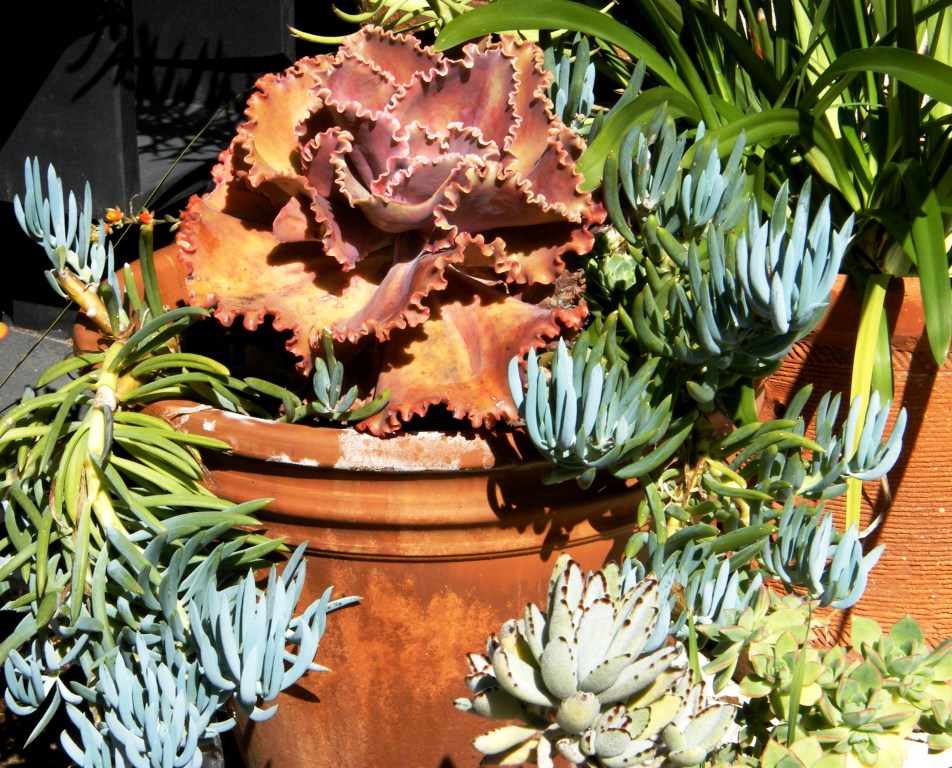
a terracotta pot contrasts beautifully with the blue-green hues of succulents. From the palest of peaches and apricots through to copper, rust, salmon-pink and terracotta, the range of orange shades in the natural world is phenomenal.
Rudbeckia
Lilium martagon with rust coloured stamens
Autumn Oranges
Red Admiral, vivid orange-red bands
Californian Poppy
Copper Pumpkins
Lily with yellow-orange stamens
Tulip
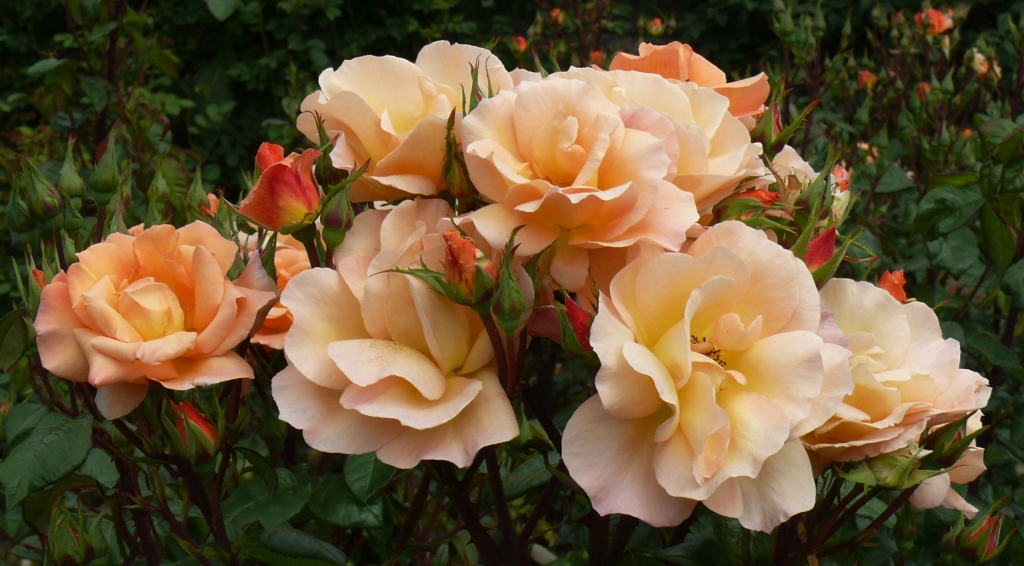
and some plants can display many different shades of orange simultaneously as in the largish, double-formed flowers of apricot-orange with shades of rose-pink borne in medium-sized clusters on the fragrant Ann Aberconway rose.
Ann Aberconway
“Orange is red brought nearer to humanity by yellow.”
~ Wassily Kandinsky
If you like flowers as much as I do then head over to The Earth Laughs with Flowers where you will find these and many more…
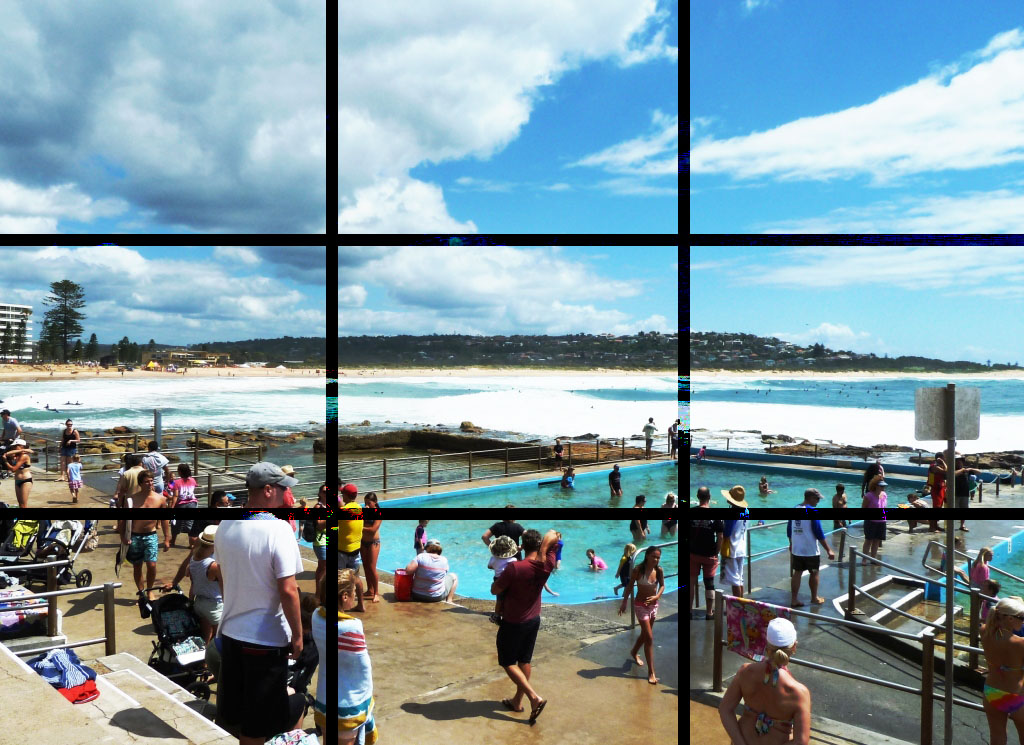
The rule of thirds is applied by aligning a subject with the guide lines and their intersection points, placing the horizon on the top or bottom line, or allowing linear features in the image to flow from section to section.
The theory is that if you place the point(s) of interest at the intersections, or along the lines you will have a better balanced image and the viewer will interact more naturally. With the photo above you can see that the main figures in this image are more or less in the bottom left sector and the main interest is in the lower half of the photo. I should have balanced the image though by having the horizon along the upper horizontal line.
In learning how to use the rule of thirds (and then to break it) the most important questions to be asking of yourself are:
What are the points of interest in this shot?
Where am I intentionally placing them?
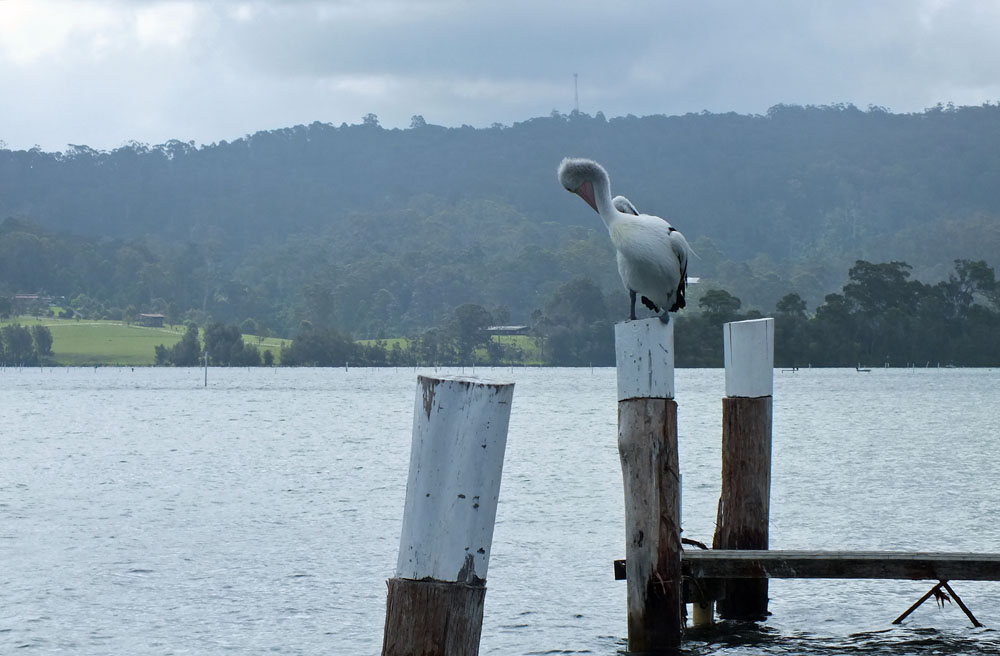
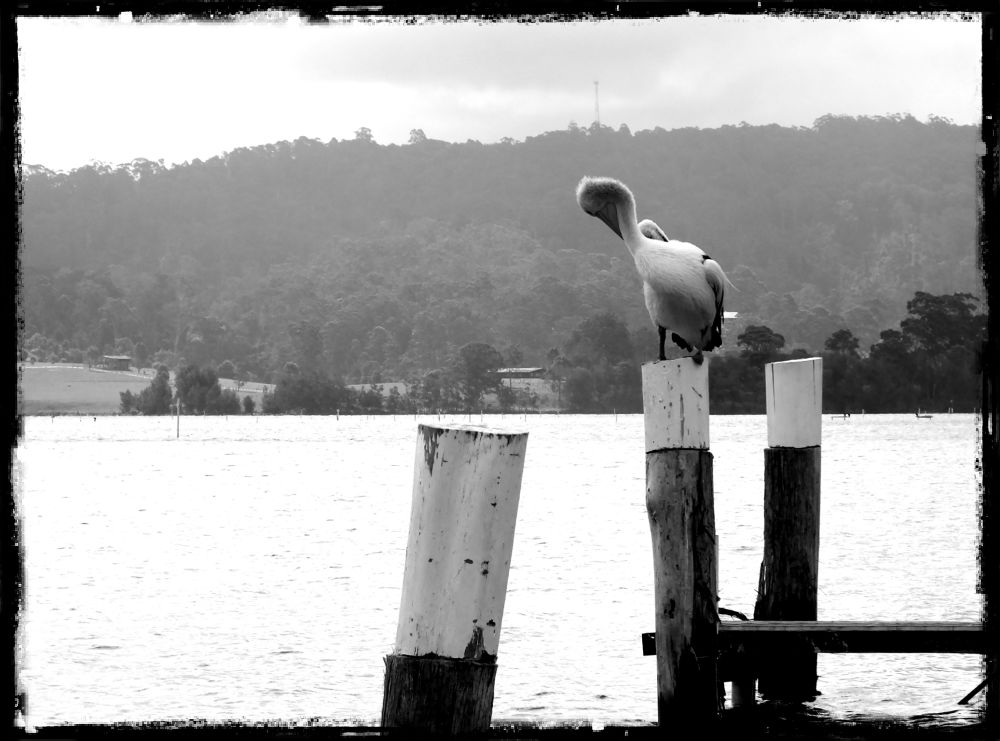
Sometimes it will be necessary to use cropping and editing to re-frame the image so it fits the rules as I have done with the photo below. I liked the pelican and the jetty posts, but felt that the photo was uninteresting overall.
To my eye there was too much unnecessary space on the right of the shot. I wanted to balance the pelican in line with the intersection on the right with its head and beak on the upper horizontal line.
So I did a little cropping from the left and right-hand sides to align the pelican and the post and because the background was a little dull I also converted it to black and white and upped the contrast slightly. Hopefully this has resulted in a better balanced and more interesting image.
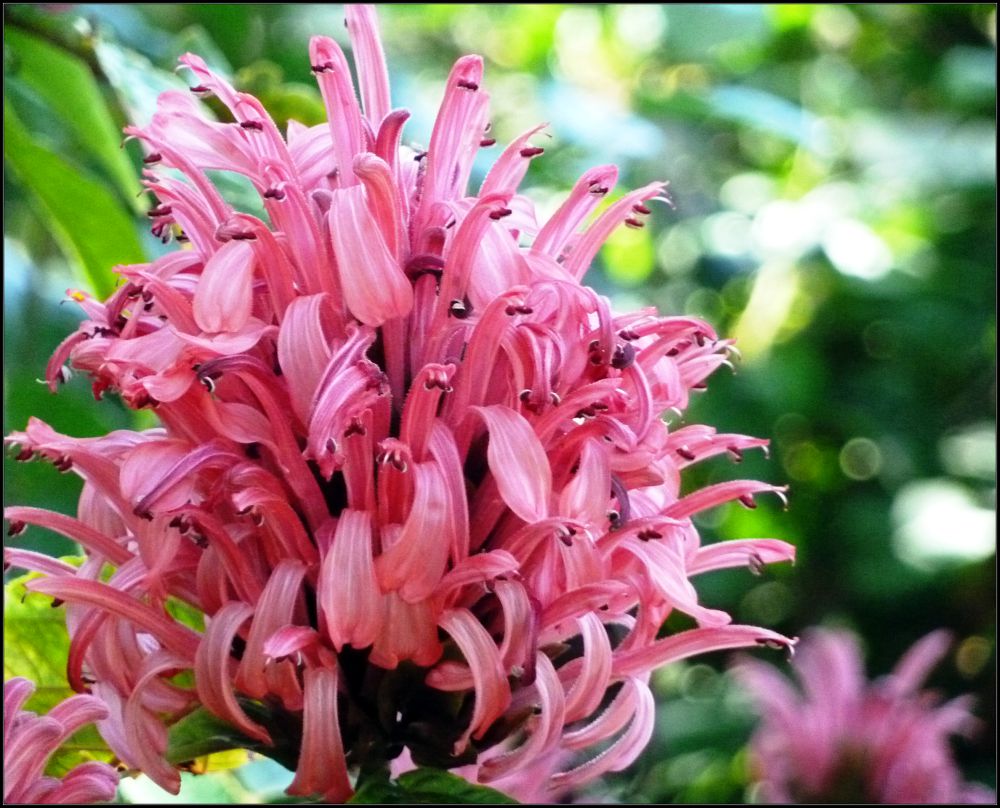
When taking a close-up or macro shot you might also find yourself with a lovely bokeh background, where the out-of-focus parts are aesthetically blurred, but the subject is sharp. Again, think of the rule of thirds as to where you position your subject.
Rules are of course meant to be broken, but it is worthwhile understanding the ‘rules of thirds’ first so that you understand why you want to break the rule.
This creative plate of food is more or less centred in my photograph. The reason for this is because I want you to focus on the food, and this composition felt right to me. I often shoot on instinct and although I have the idea of the ‘rules of thirds’ in my head I also consider the subject, the light and how I want to ‘frame’ the image.
I hope you find this useful and if you have any additional information to add then please do so in the comments. I’m not a ‘technical’ photographer so I have explained this in very simplistic terms.
the quality of being made up of exactly similar parts facing each other or around an axis
“this series has a line of symmetry through its centre”
correct or pleasing proportion of the parts of a thing
“the overall symmetry makes the poem pleasant to the ear”
similarity or exact correspondence between different things
“the political symmetry between the two debates”
Magnolia GrandifloraThe Sydney Opera House
I could have gone for architecture for this week’s challenge, but as I have only recently written a post about that I thought I would try for something different. My choice is to represent the third definition of symmetry.















 TRAVEL WORDS