Monthly Photo Challenge: The Changing Seasons #8

Whatever happened to the summer?

Month eight already? This year is zooming past sooo quickly. I have already noticed the night drawing in around 9 pm now. And summer is coming to an end. I no longer hear the dawn chorus and the swifts and their offspring appear to have gone back to Africa. And here in the Marches it has been unseasonally grey for weeks. The odd summer day breaks through, but I crave for more sunlight to get me through the winter.

Roadworks
Roadworks

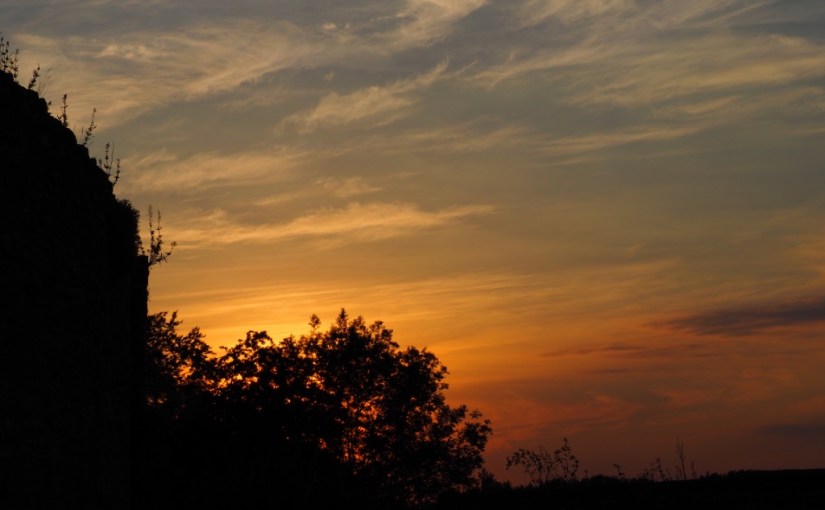
The challenge asks you to change the time of day; perhaps have a go at night photography; play with your camera settings. I have decided to show some of my monthly location in black and white. Not just any black and white, but a grainy film mode on my new camera. I went out for a nature walk around the castle in the golden hour, just before the sun set. Fancy coming with me?

First have a look at those funny trees I showed you in January, the pollarded limes (Linden). Pollarding is a pruning system in which the upper branches of a tree are removed, promoting a dense head of foliage and branches. It has been common in Europe since medieval times and is practised today in urban areas worldwide, primarily to maintain trees at a predetermined height. Wikipedia

Date: August 12 2015
Weather: Partly cloudy
Temperature:  (23°C during the day, warm and calm in the evening)
Time: 19:30 – 20:30 PM

OLYMPUS DIGITAL CAMERA
Castle Walk

The wild flowers have grown tall and some are almost over. The Rosebay Willowherb (Chamerion angustifolium) that dominates the castle slope are full of fluffy seed-heads. A successful coloniser this flower is known as ‘Bombweed’ in the south of England due to its increasing spread as a result of the clearing of bombed sites during both wars. Ragwort is still in flower, but the thistles are now in seed.  Continue reading Monthly Photo Challenge: The Changing Seasons #8

The Levant Mine

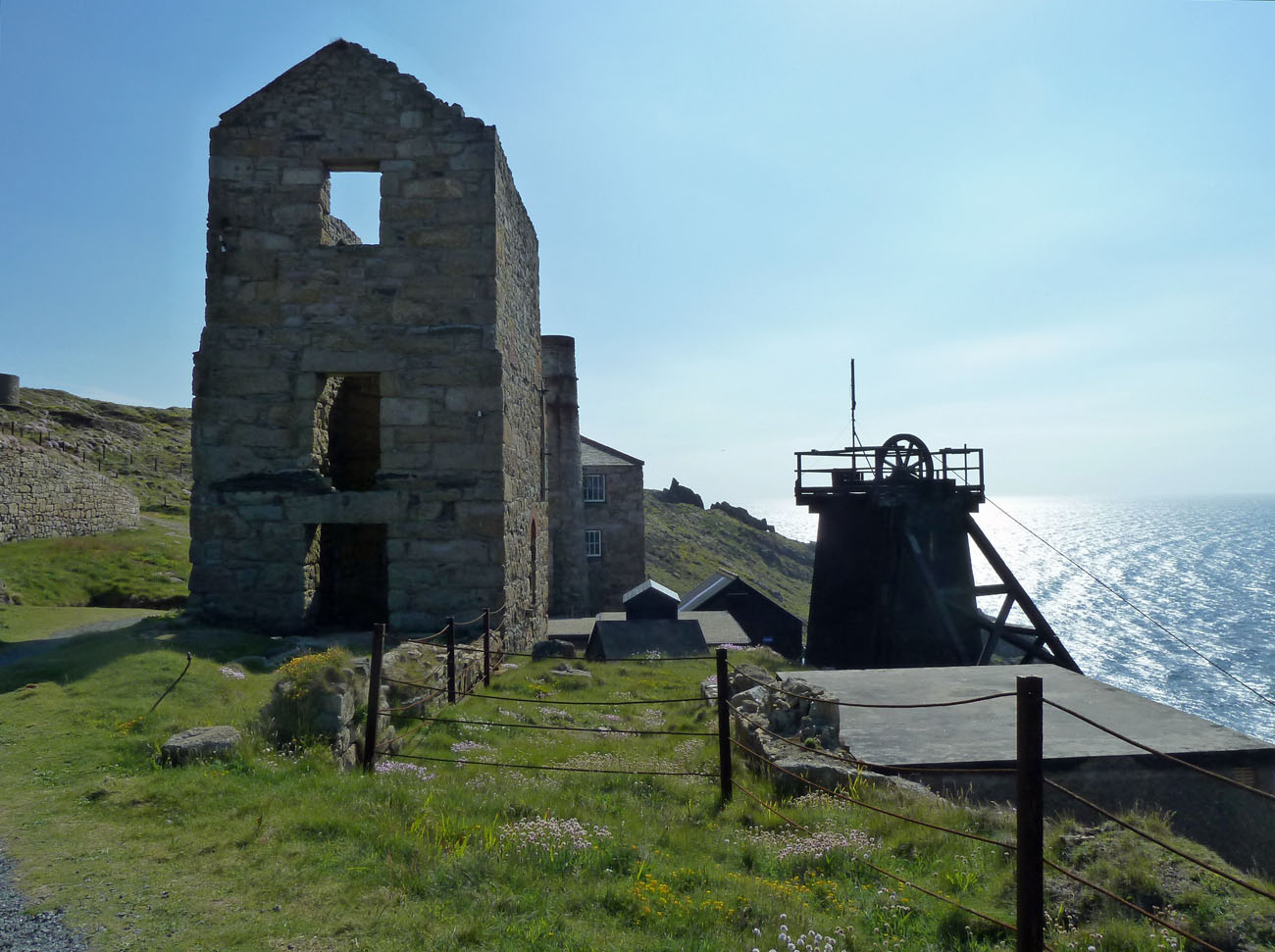
The site of the Levant Mine is truly splendid, perched as it is on the edge of the Atlantic coast in the south-west. Man has mined here since the Bronze Age. A copper mine was around in 1670 followed by the profitable tin mine in 1850. It was one of the top ten mines in Cornwall and shafts were sunk deeper and further under the sea. It was finally closed in 1930 partially brought about through the Man Engine* disaster in 1919.

P1210634

The Levant Beam Engine is still steamed up on selected days from April to October and guided tours of the site are available or you can do a self-guided trail. The site is under the control of the National Trust.

The Miner’s Dry is the site of the former washrooms and the tunnel to the Man Engine is at the bottom of the spiral staircase in the corner. It was here that a man ran in 1919 crying out “the engine’s gone!” Continue reading The Levant Mine

St Just in Penwith

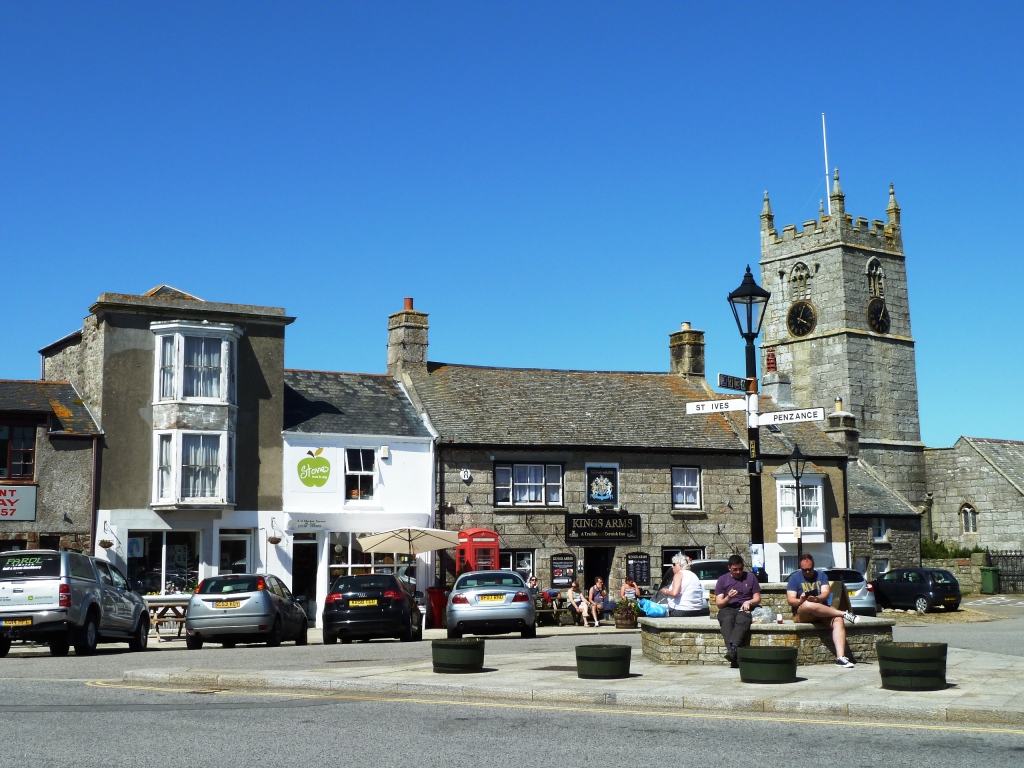
St Just in Penwith, shaped by its industrial mining past, is the most westerly town in England and began as a medieval settlement called Lafrowda. It is surrounded by dramatic landscapes of wild moorland, wind-shaped carns and Bronze Age remains. The town made its fortune from tin and the marks left by the boom of the mid-1800s still dominate. There are two squares – Bank (with its 1931 clock tower) which was the business centre (and where the miners would have collected their wages) and Market where the shops and pubs are located (and where the miners would have spent their wages).

Market Square
Bank Square

The grass amphitheatre behind the clock tower is Plen-an-Gwary (Old Cornish for ‘playing place’) where Miracle plays would have been performed 500 years ago. In more recent times it has been used to stage the full cycle again in 2004 and also to hold the Gorsedd, an important Cornish festival. Continue reading St Just in Penwith

On the Edge

Cape Cornwall

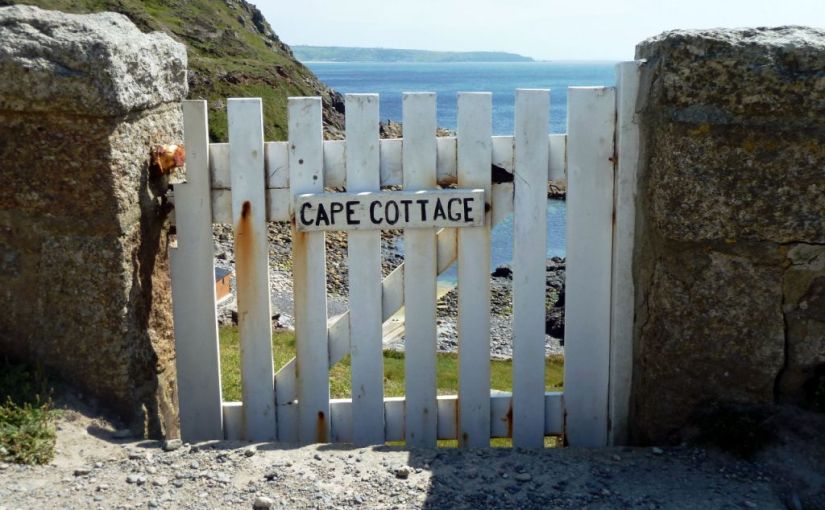
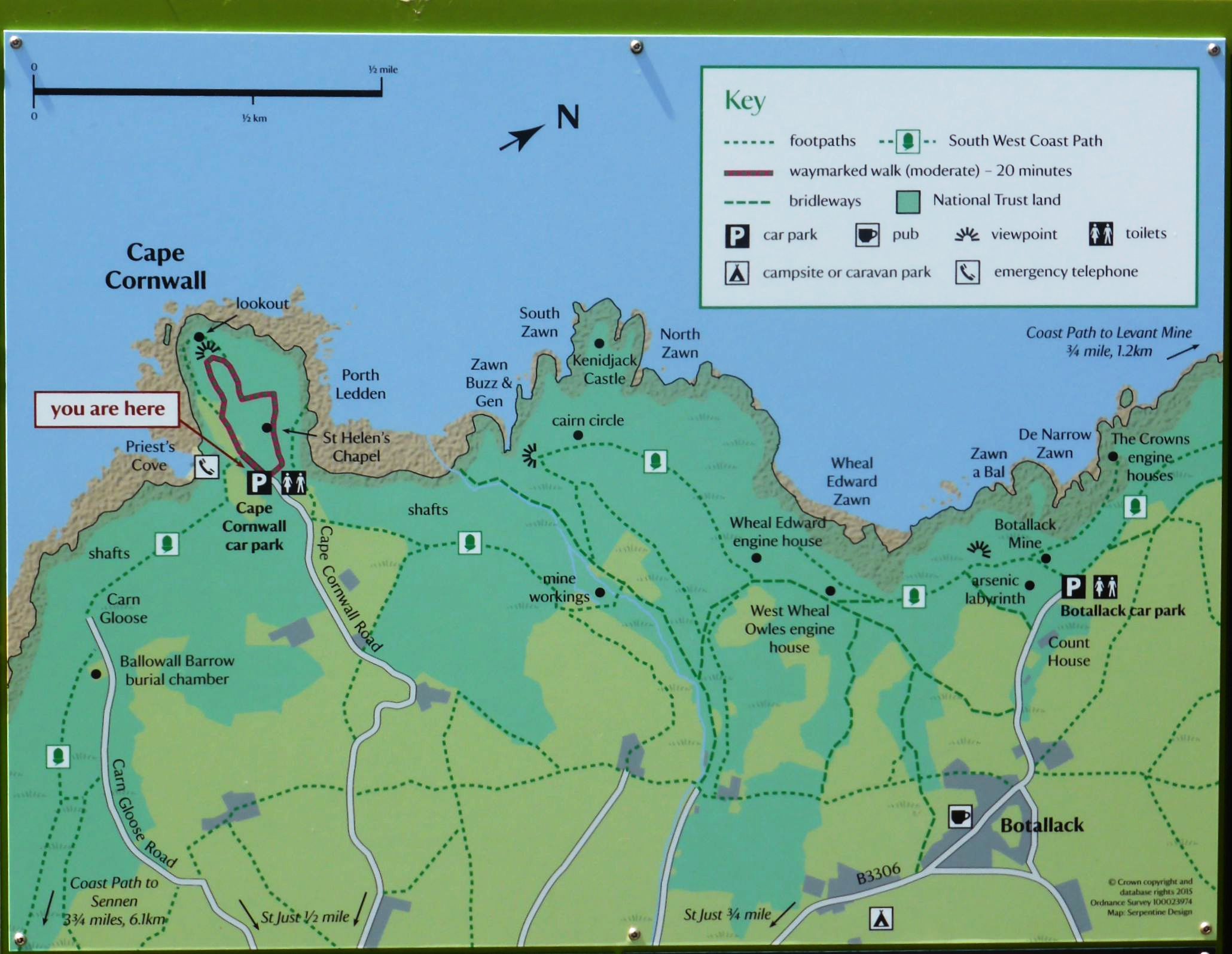
Cape Cornwall is the only Cape in England and is so-called because until the 19th century it was thought to overlook the meeting of the English Channel and St George’s Channel (they actually meet at Gwennap Head, near Land’s End). A climb up the Cape headland to the stack offers panoramic views of Lands End, Sennen Cove, the Brisons rocks, the Isles of Scilly and the Wolf Rock lighthouse. You can either walk here from St Just or via the south-coastal path, or drive down to the National Trust car park, from where you can walk down to the former Count House and holiday cottage Brisons Vean (the dark facing house with the two round windows)  and around to the lookout, or take one of the routes behind the house up to the summit.

The Summit

Continue reading On the Edge

Monthly Photo Challenge: The Changing Seasons #7

Summertime,
An’ the livin’ is easy

More than half way through the year now and for us in the northern hemisphere the days are starting to get shorter. Which is why I have always wondered who decided that school holidays have to be in August? I know that from an historical aspect it was so that the kids could help with the harvests, but those days are long gone so surely it is time to change the term dates?  How nice it would be for school children to have the long summer days of June and July off and to sit their exams in April before the hay-fever season starts. Anyway for all you teaching staff out there, happy holidays, I know you deserve each and every day of them!

I thought I’d have a different wander around the town this month and see what Ludlow in Bloom has to offer and to show you more of the beautiful historic buildings in this town. We’ll start in the street where I usually finish the stroll.

Ludford bridge towards town (Lower Broad Street)

Date: July 10 2015
Weather: sunshine
Temperature: Warm (20°C)
Time: 17:00 – 18:30 PM

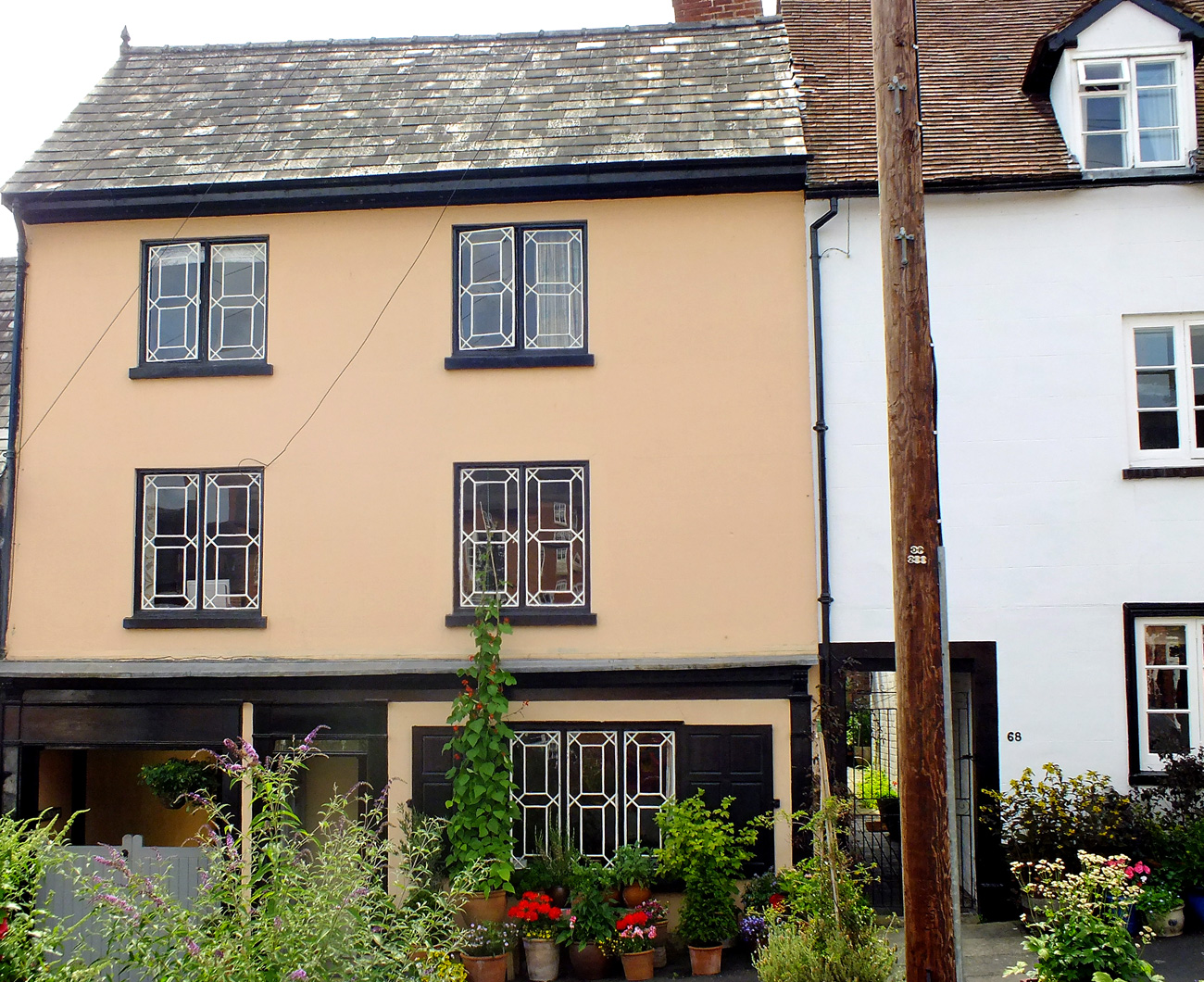
Cottage on Lower Broad Street
Charlton Arms Terraces over the river

I thought I’d show you part of Ludford as there are a few interesting buildings here. And from the terrace of the Charlton Arms you get good views along the Teme. The warmer weather makes these terraces a great spot for a G&T.  Continue reading Monthly Photo Challenge: The Changing Seasons #7