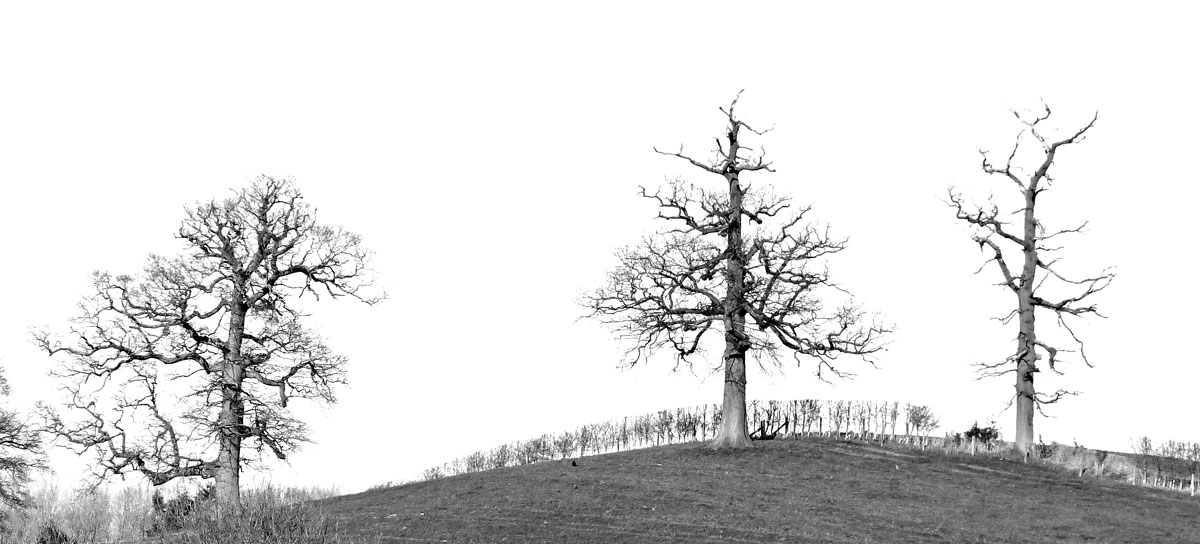
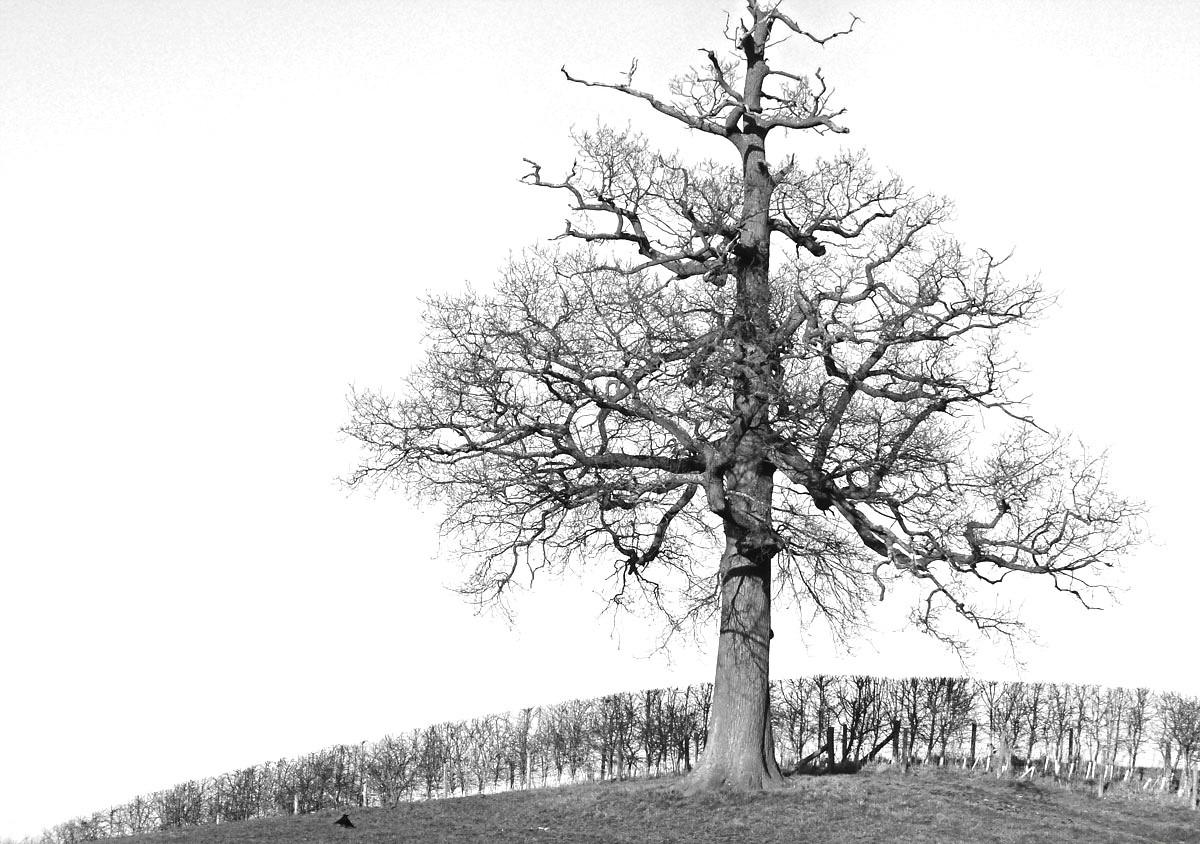
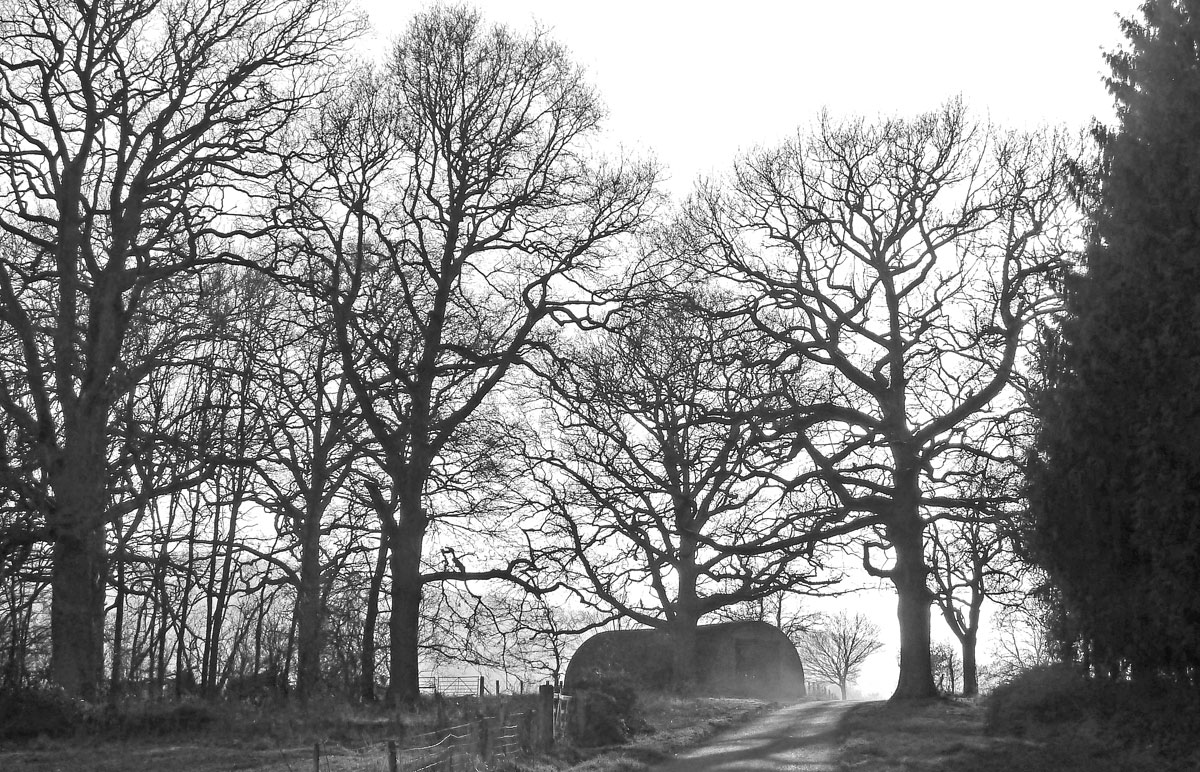
One thing that I noticed whilst living in Shropshire was the way the trees looked, especially in winter. Weirdly shaped limbs reaching for the sky, often looking as though they were leaning over to have a conversation. I called them my Ent trees.
Ents are a species of sentient beings in J. R. R. Tolkien’s fantasy world of Middle-earth who closely resemble trees; their leader is Treebeard of Fangorn forest. Their name is derived from an Old English word for “giant”.
I always thought Shropshire and the Welsh Marches were the inspiration behind Tolkien’s novels.
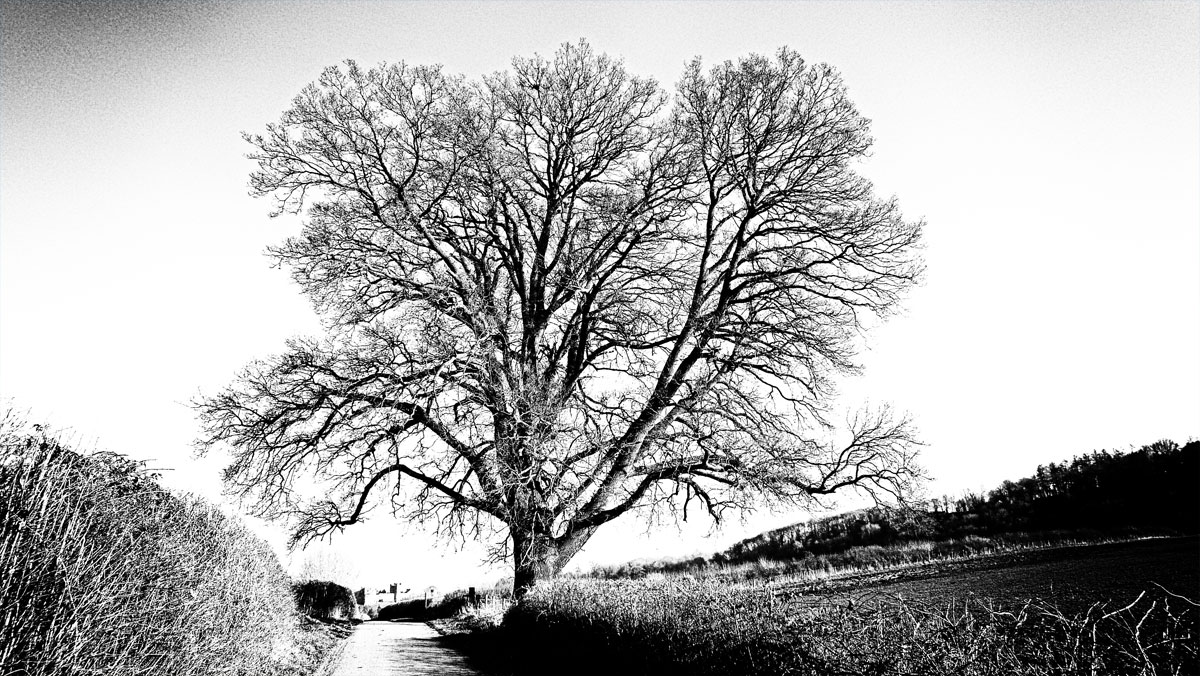
Join in with Sarah this week if you have some black and white trees to share.
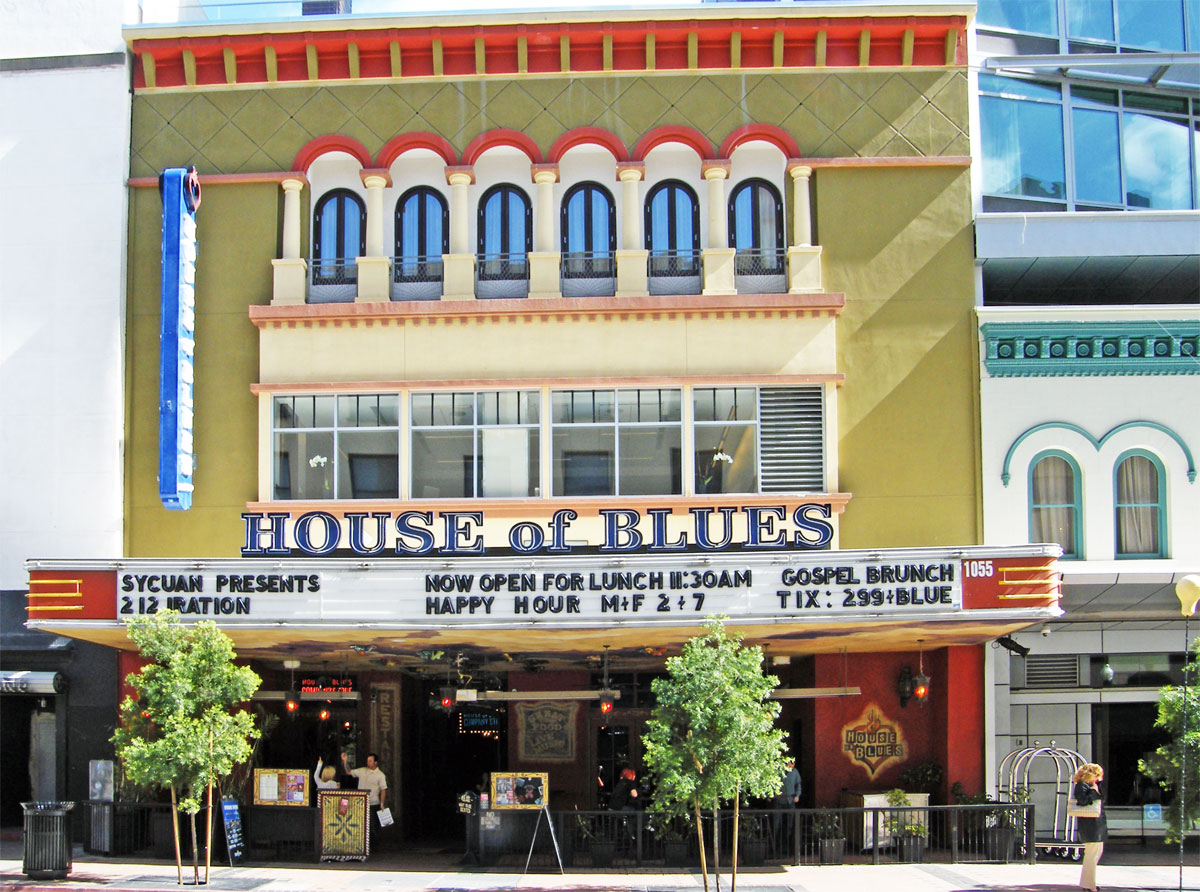
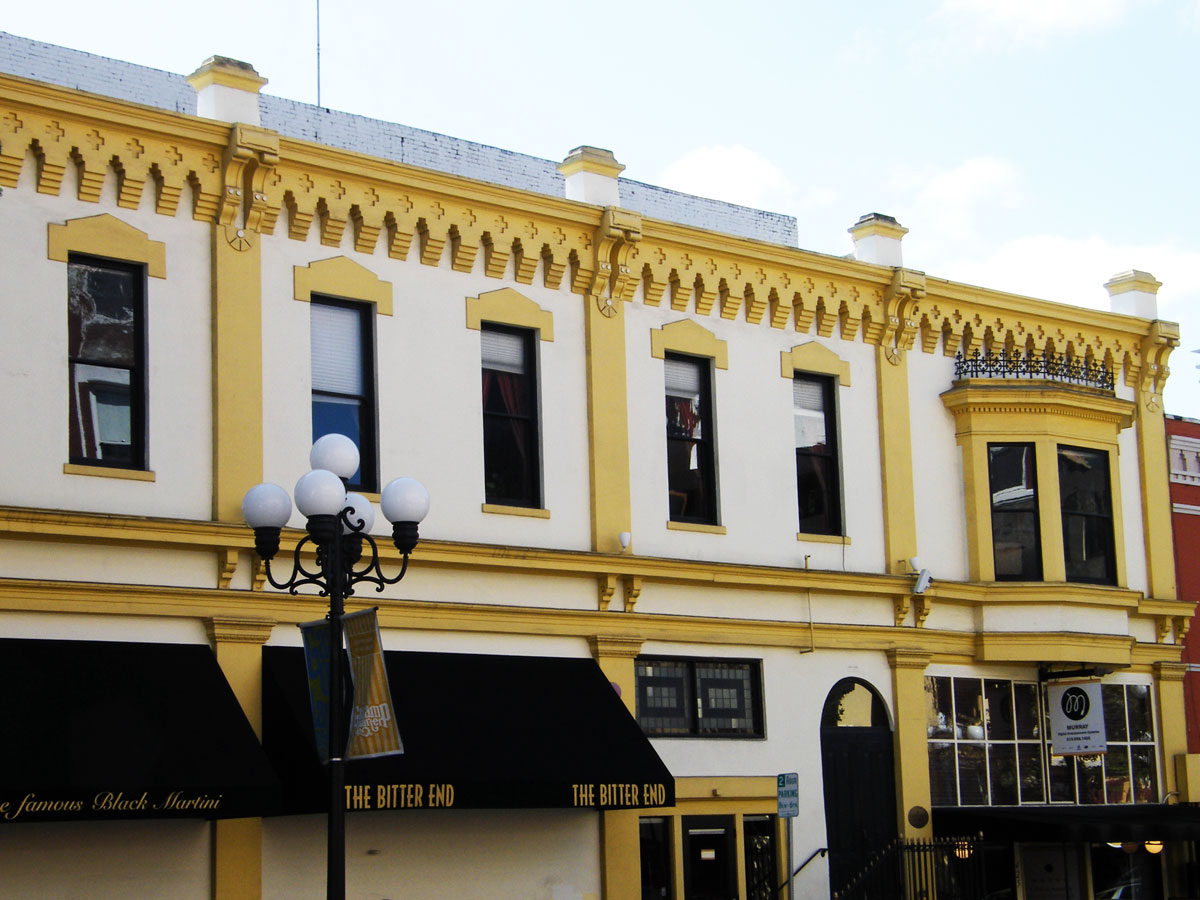
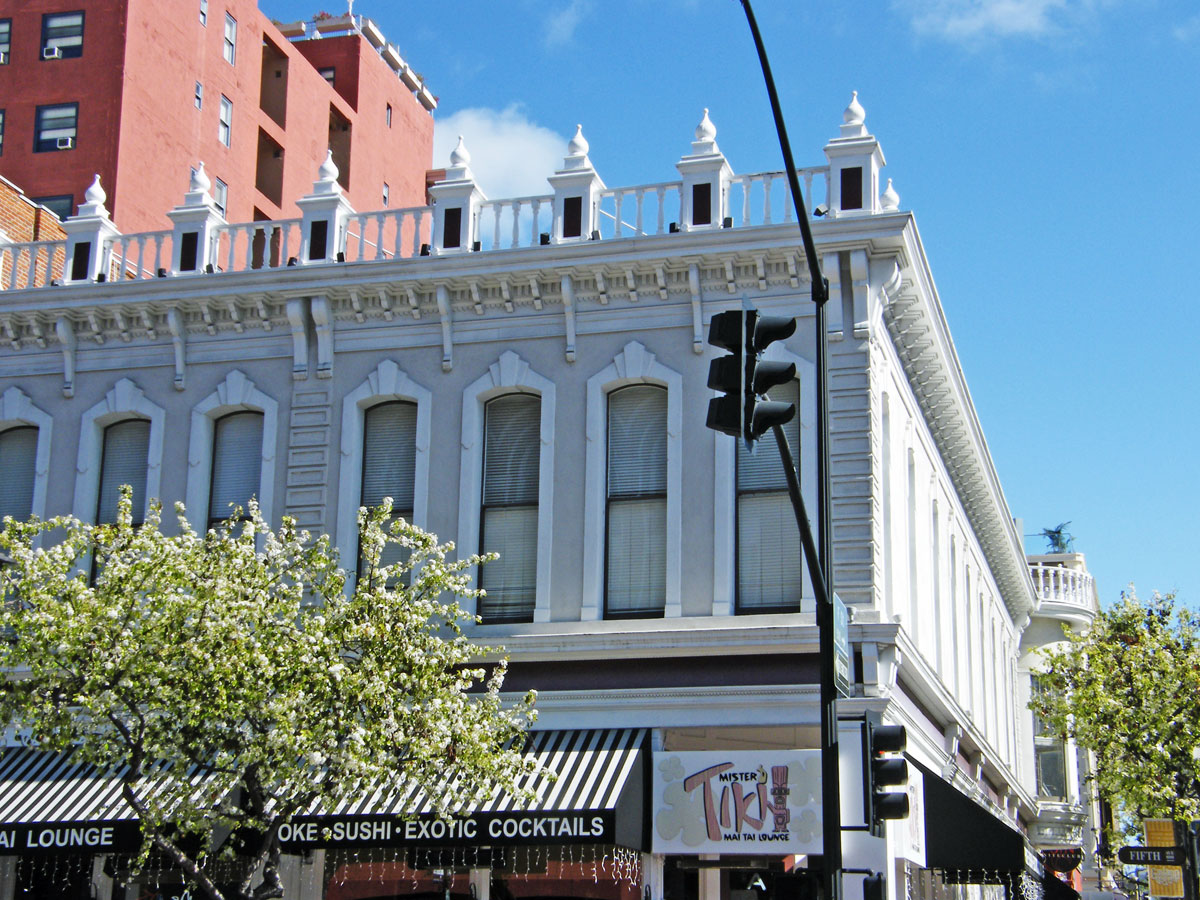
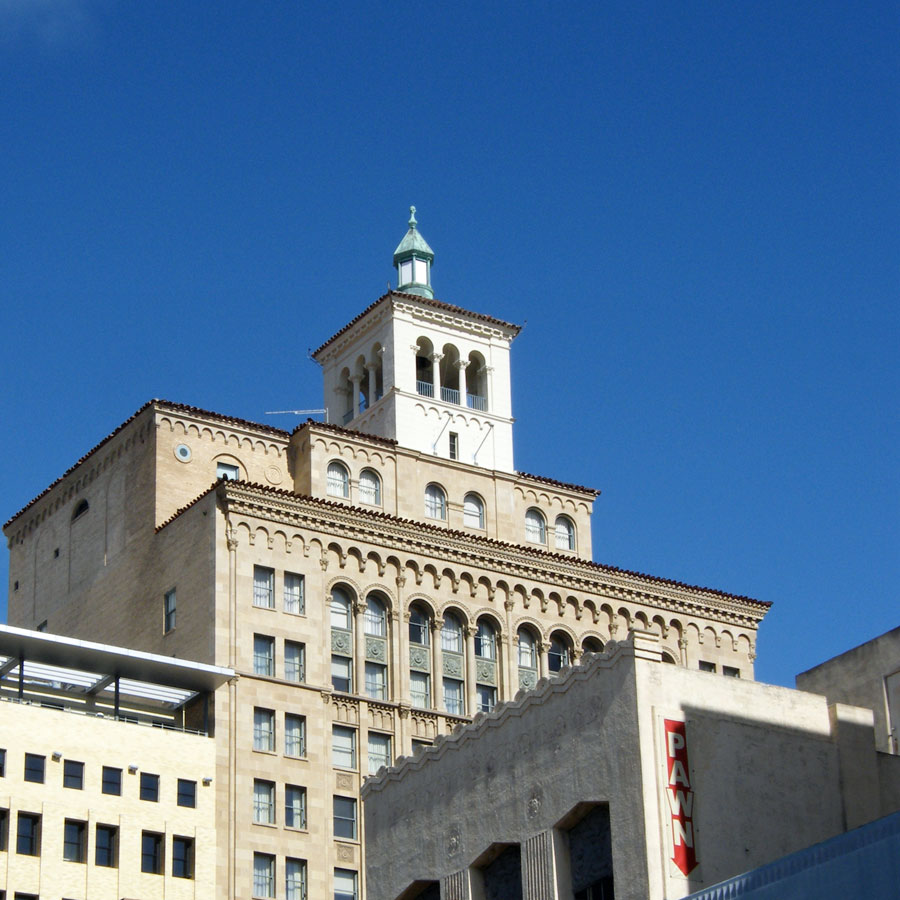
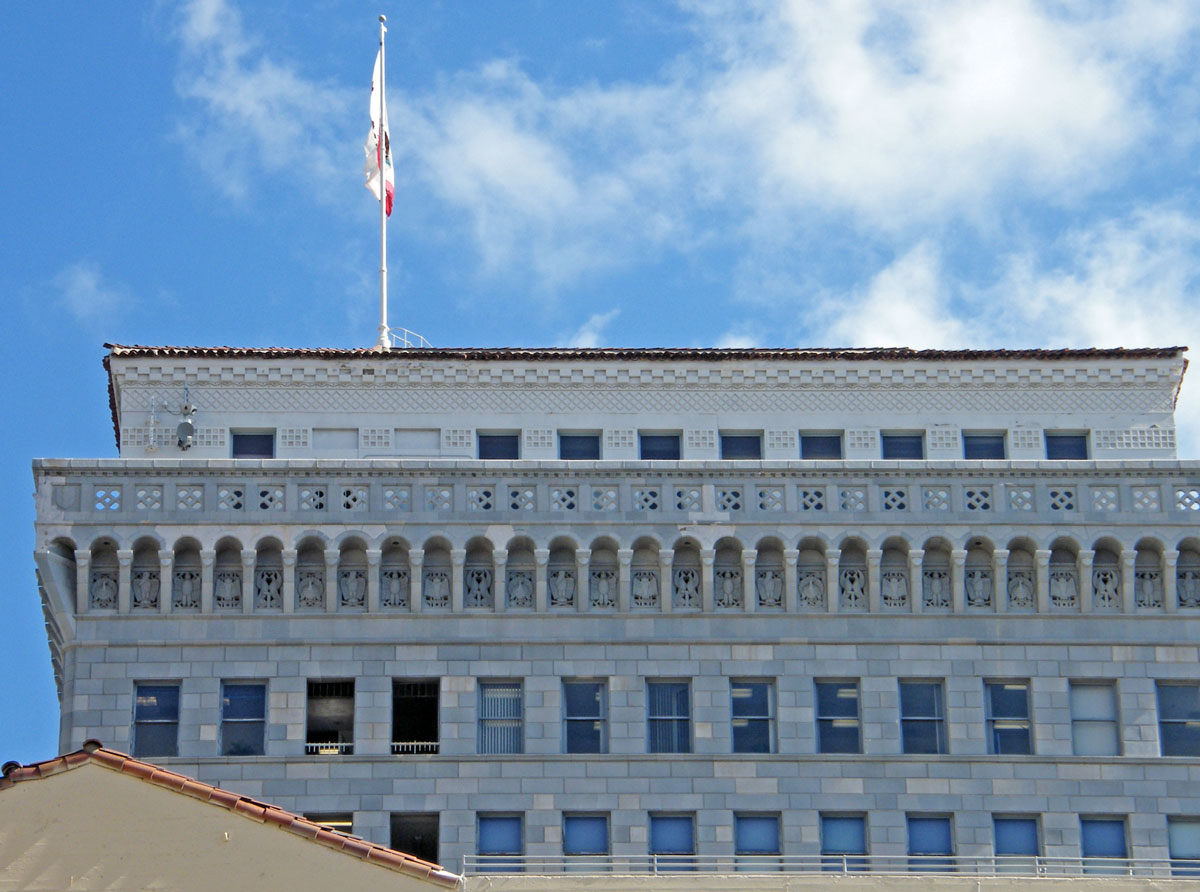
Another interesting district in San Diego is the Gaslamp Quarter. In the 1860s, the area was known as New Town, in contrast to Old Town, the original Spanish colonial settlement. San Diego has tried hard to protect and preserve the architecture of times gone by and the district features one of the largest collections of Victorian Era commercial architecture in the western US, comprising 94 historic buildings, many of which are in still use as restaurants, shops, entertainment venues, and nightclubs.
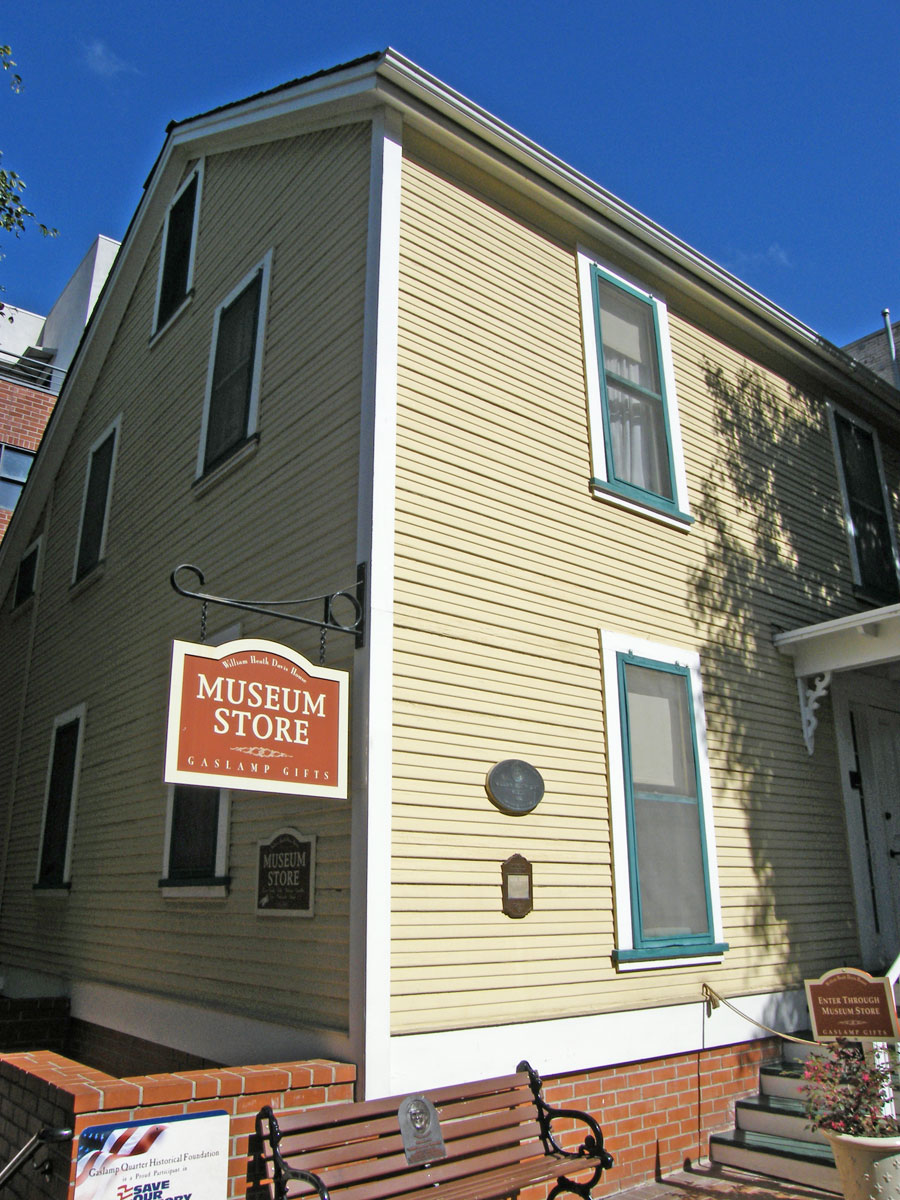
My first stop was the Gaslamp Museum at the Davis-Horton House which depicts the story of the downtown area’s early settlers. The Davis House (1850)is the oldest surviving structure from San Diego’s New Town. It is an example of a prefabricated, “salt-box” style home. Built on the East Coast, shipped around Cape Horn, and assembled in San Diego.
Museum
Located across the street from the Gaslamp Museum is the Horton Grand Hotel, a restoration of two historic hotels – the Grand Horton and the Brooklyn-Kahle Saddlery – both built around 1887. The Grand Horton was of Italianate design and more of a luxury hotel, whereas the Brooklyn-Kahle Saddlery was a less formal hotel that combined Western/Cowboy and Victorian styles.
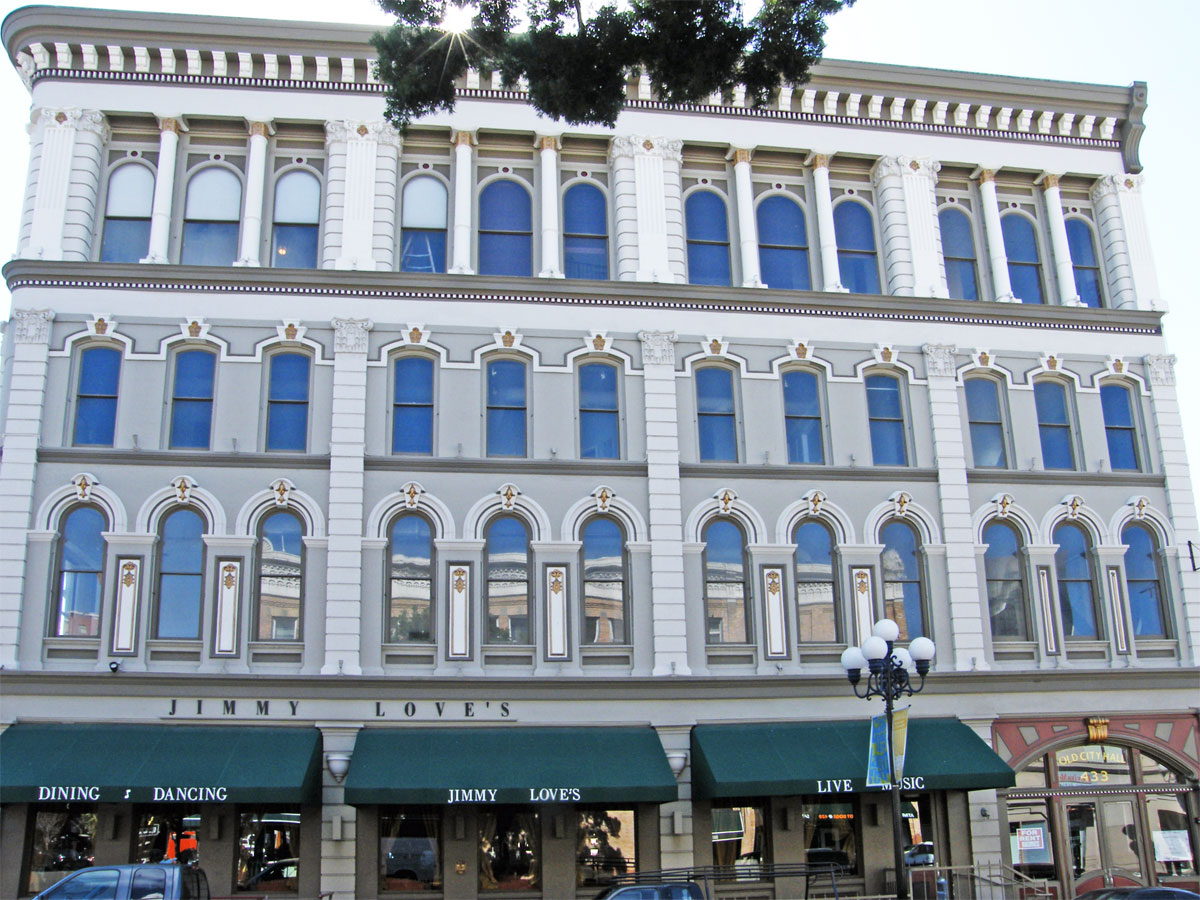
The Old City Hall is a beauty, a classic example of Florentine-Italianate architecture. Originally two-story structure was built in 1874, but 13 years later two more floors were added to accommodate the San Diego Public Library.
The Louis Bank of Commerce is a historic building which dates back to 1887. Reputed to be the most photographed building in the Gaslamp, this stately, four-story, twin-towered Queen Anne (Baroque Revival)-style structure possesses so many noteworthy and elaborate architectural features that it has been nicknamed “The Queen of the Gaslamp.”
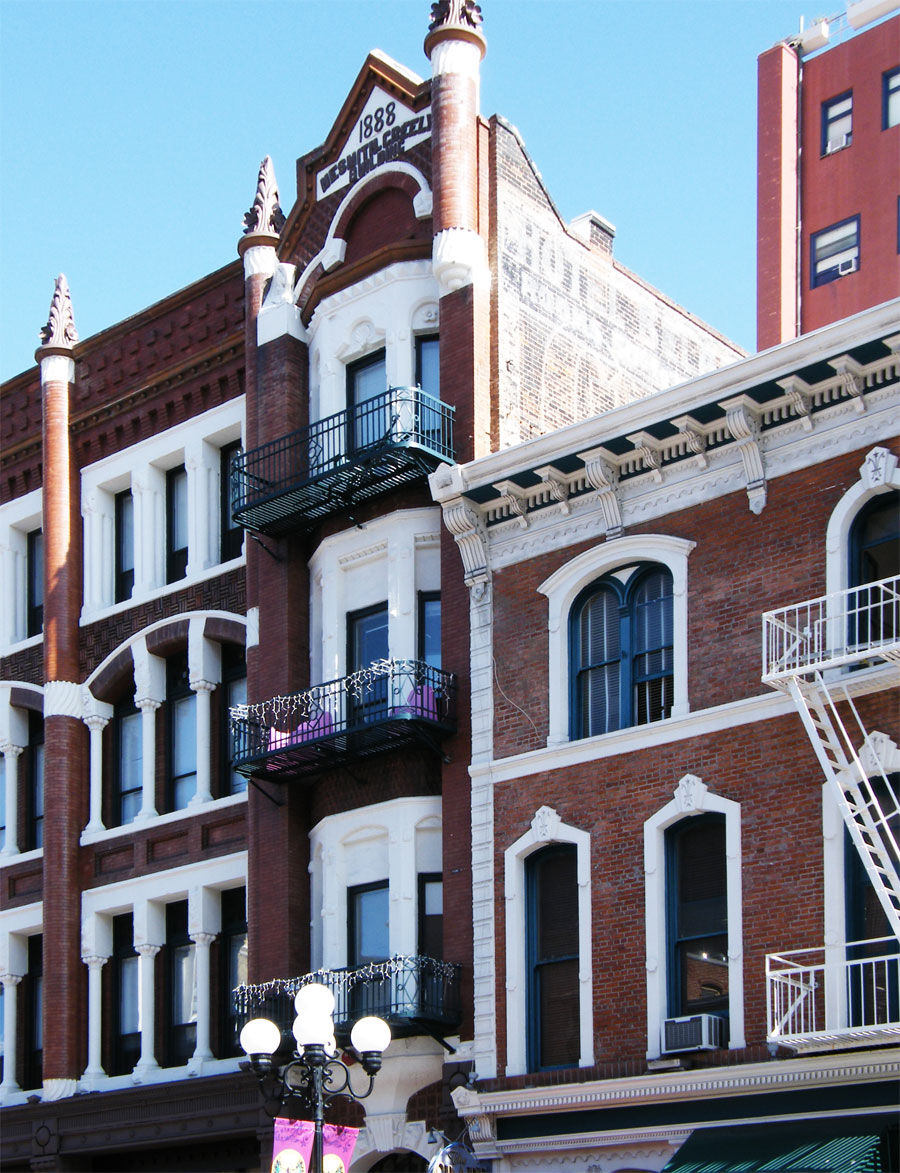
The Nesmith–Greely Building is a four-story historic structure located at 825 5th Avenue next to the Louis Bank of Commerce. Built in 1888 in the Romanesque Revival style the building is named for Thomas Nesmith, President of the Bank of San Diego, and Major General Adolphus Washington Greely. . The Hubbell building is on the right (1886) constructed in the Victorian style.
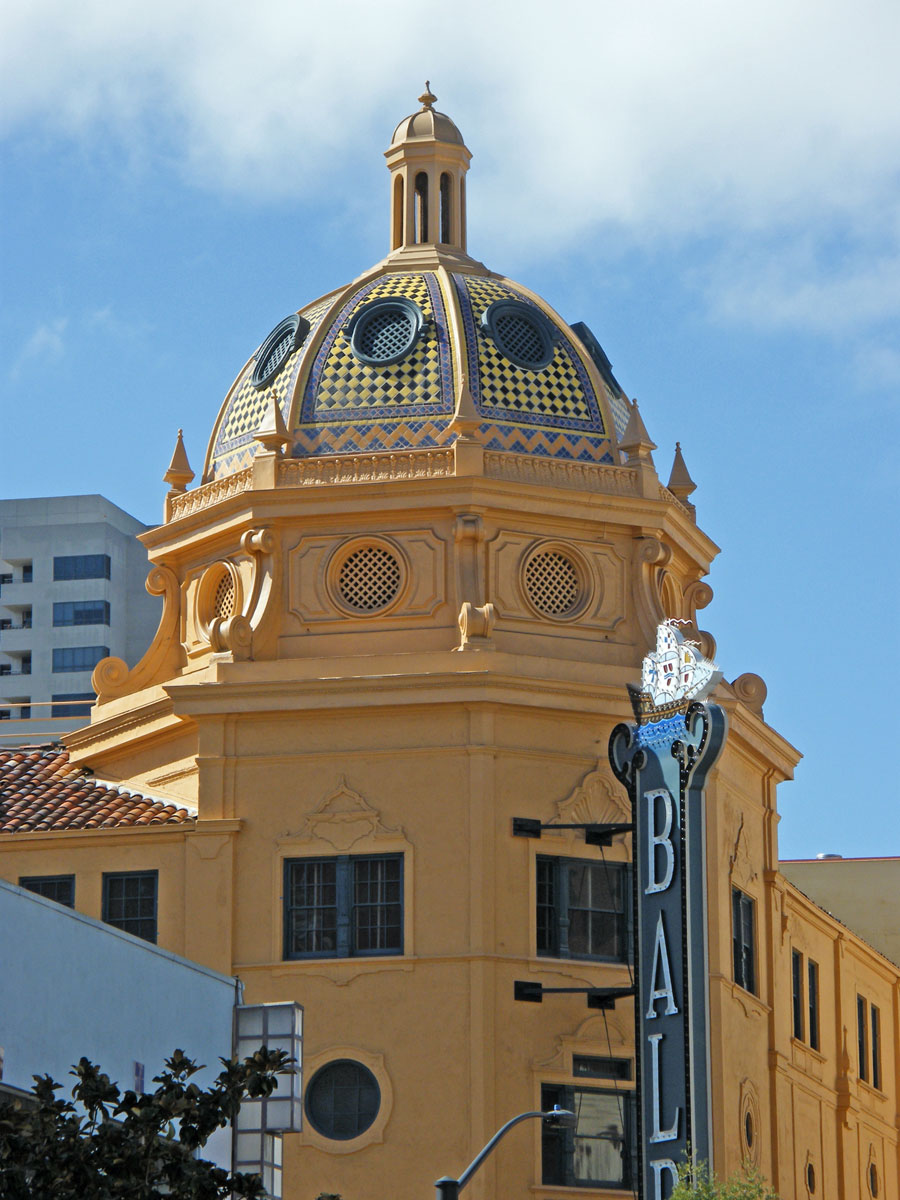
The Balboa Theatre in San Diego’s Downtown area blends Moorish and Spanish Revival architectural styles and was built in 1924.
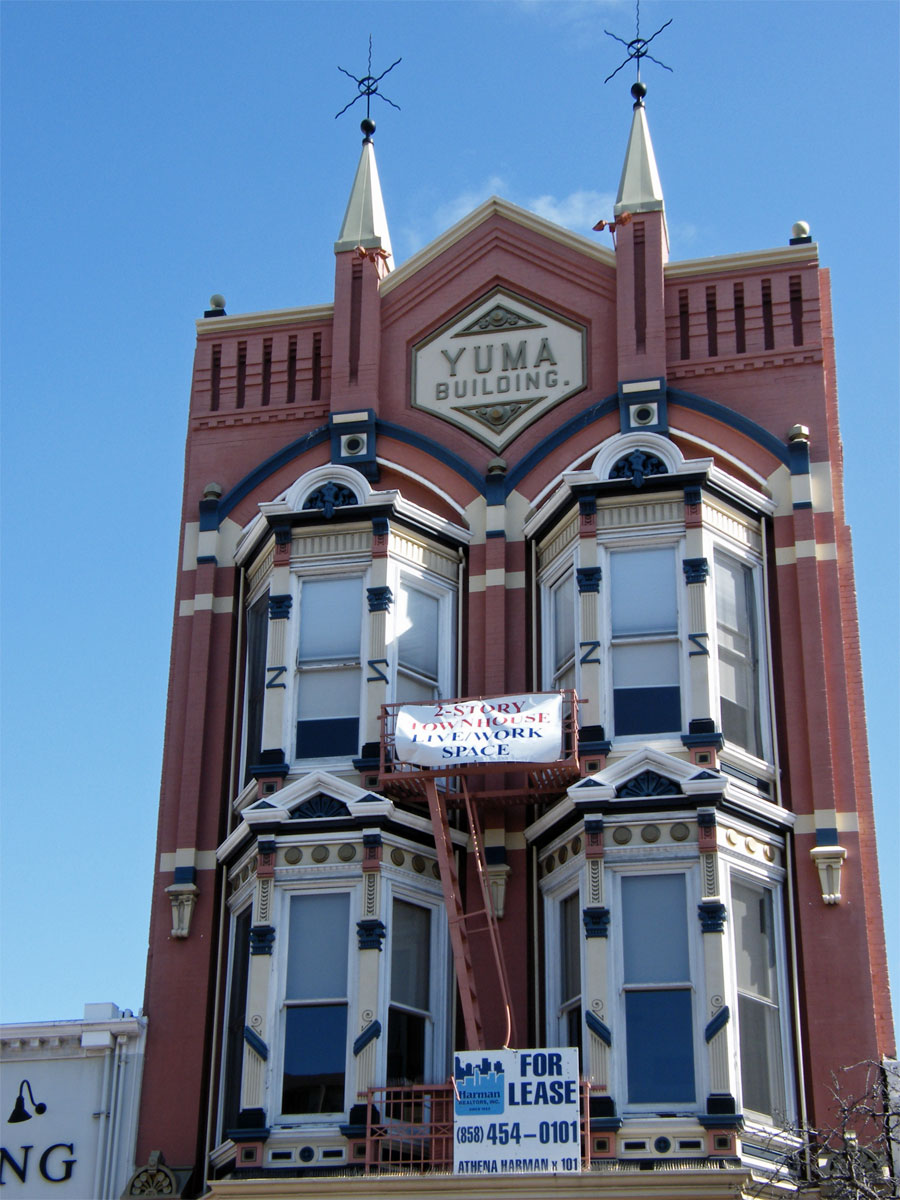
The Yuma Building, 1882, was one of downtown’s first brick structures, and was owned by Captain Wilcox who arrived in 1849 at the helm of the U.S. Invincible. The building is called the Yuma because of Wilcox’s business connections in the Arizona town.
The Spencer Ogden Building, 1874. The second floor was added in 1885, and the original ironwork of this French Renaissance-style building was replaced with newer material.
Marston’s department store (1881-1896) Marston’s was one of Southern California’s finest emporiums and a genteel social hub for all ages. During the early 20th century, it was the region’s exclusive source of Gustav Stickley’s prestigious Arts & Crafts oak furniture. With the building of the fifth store in 1912, the store soon grew to 500 employees, in a progressive environment where women held senior positions and salaries provided a living wage.
Construction of the San Diego Trust & Savings Bank building occurred in 1927 and is generally regarded as a fine example of the Italian Romanesque Revival style. From 1928 until March 18, 1994, the building at Sixth & Broadway served as the headquarters for San Diego Trust & Savings Bank. It was then repurposed as a Courtyard-Marriott Hotel.
Spreckels Building 625 Broadway was San Diego’s very first high-rise building and one of the last buildings constructed by John D. Spreckels in 1926. Now converted into luxury loft apartments.
Historic theatre (Reading Cinemas Gaslamp 15)
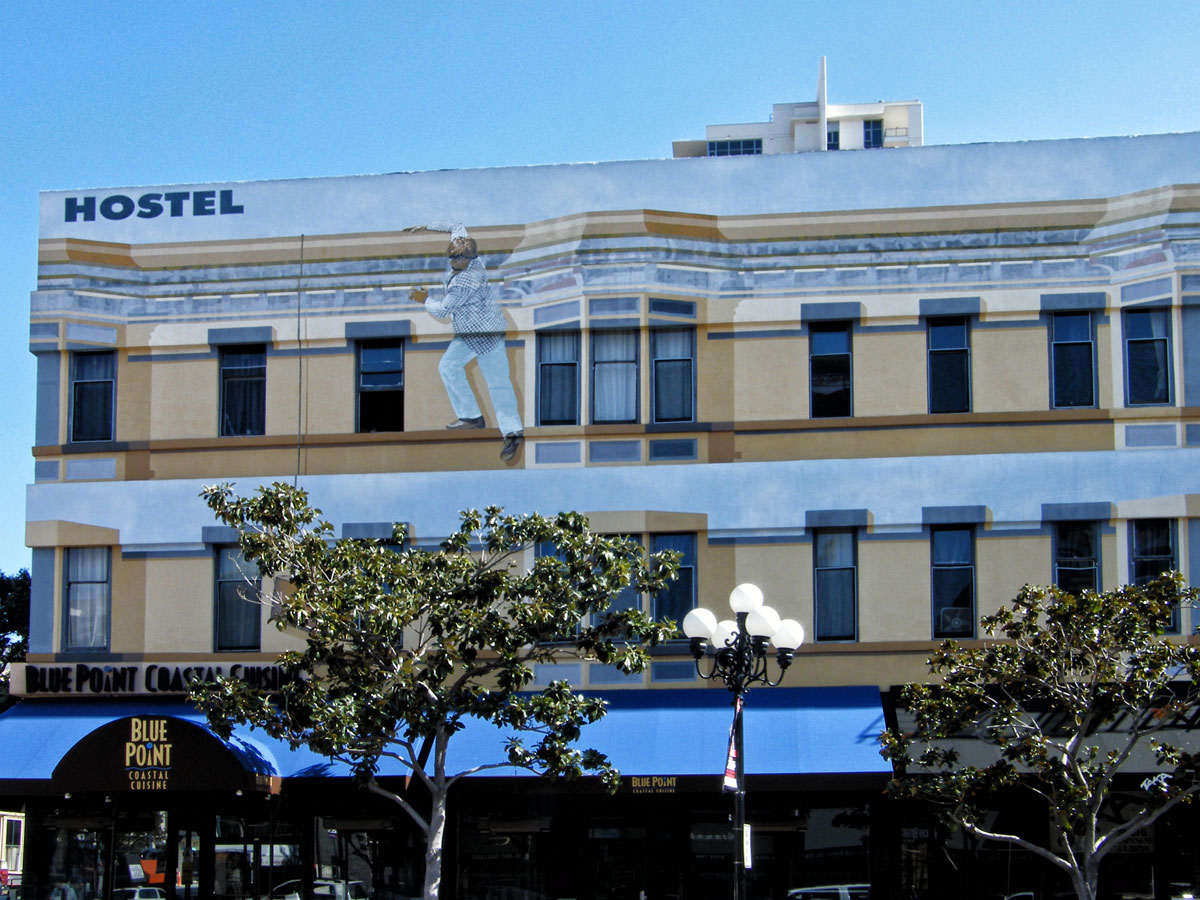
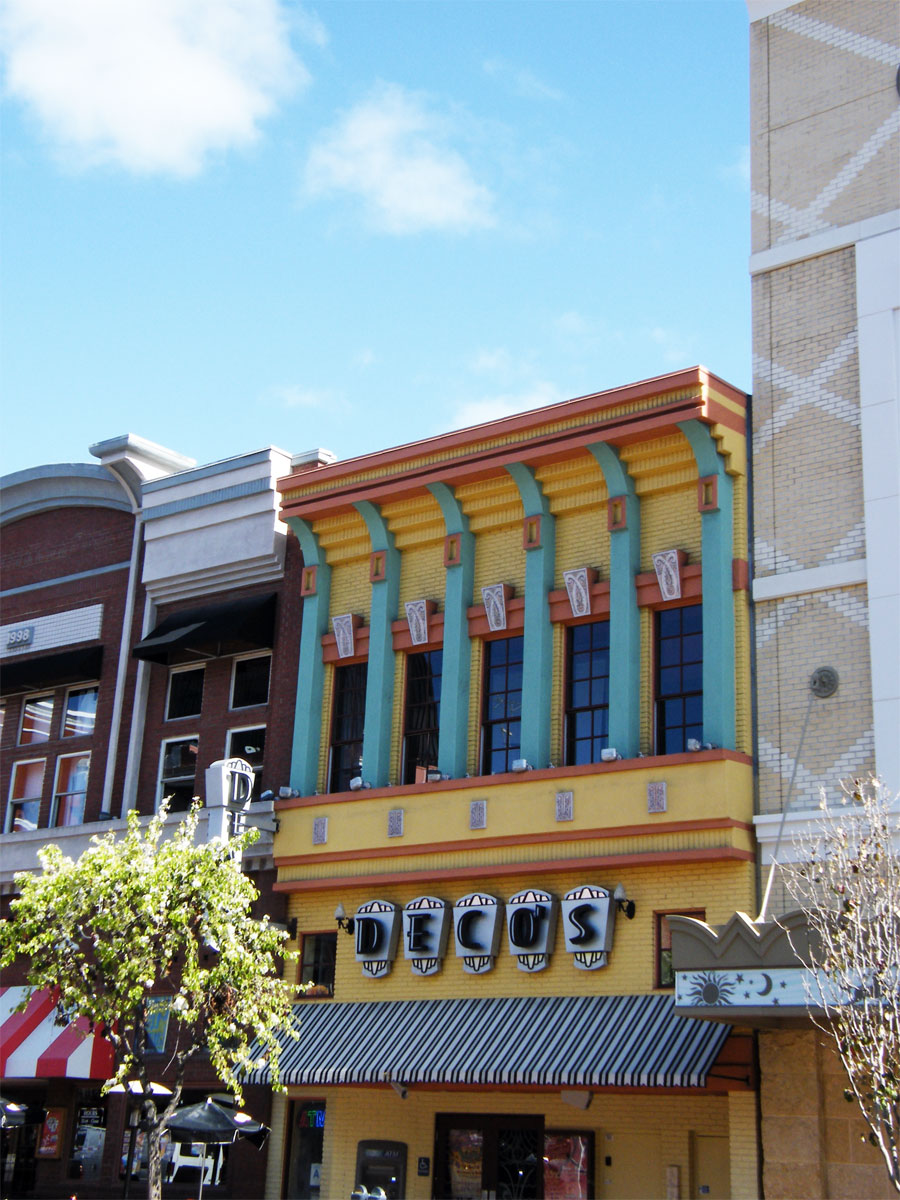
Downtown HostelArt Deco buildings on 5th Ave
Although often difficult to photograph these buildings without the horrid perspective distortion it is an interesting district to wander about in with lots of history although I was unable to discover much information about the art deco style buildings.
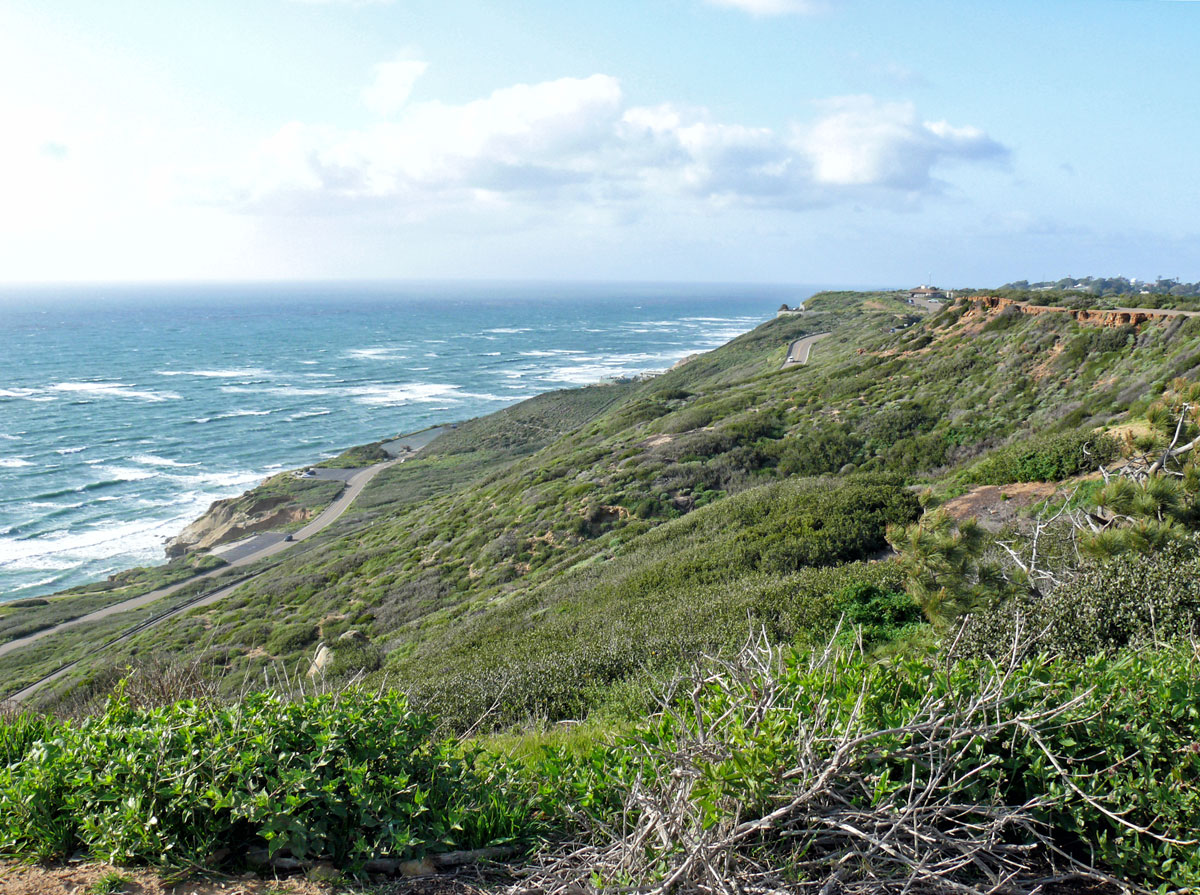
Just west of downtown San Diego and on the other side of the water from the Coronado Naval Air Station sits the Point Loma Peninsula, known for its tide pools, sandstone cliffs, and the historic Cabrillo National Monument which commemorates the landing of Juan Rodríguez Cabrillo at San Diego Bay on September 28, 1542.
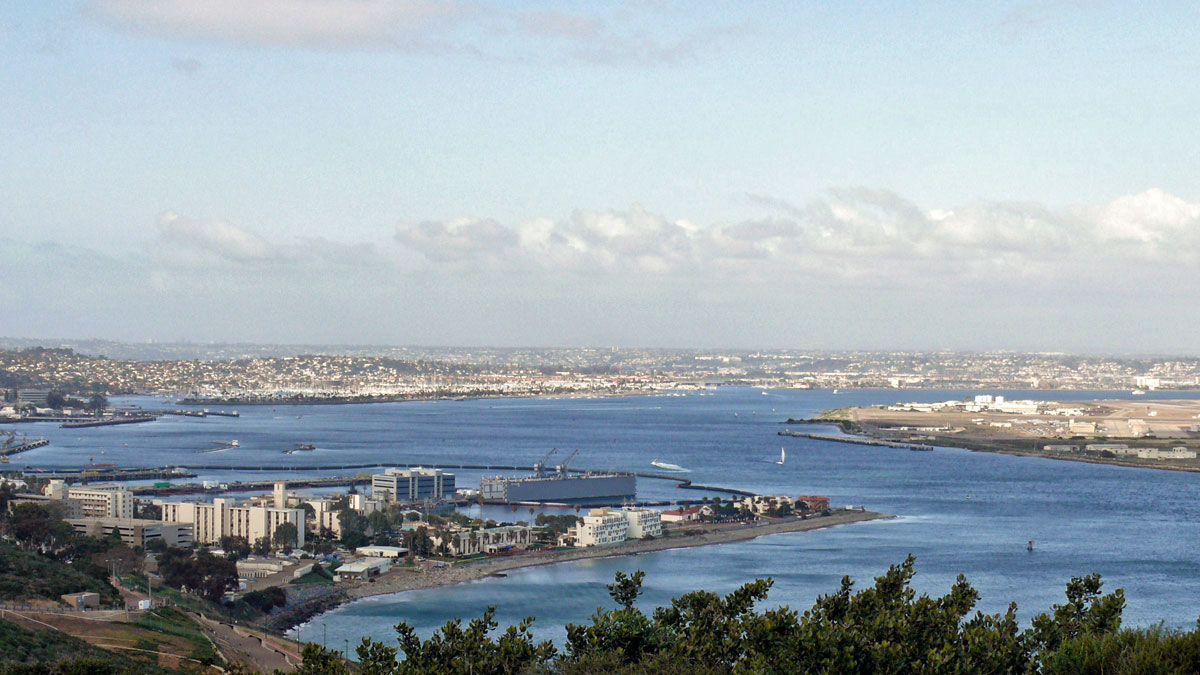
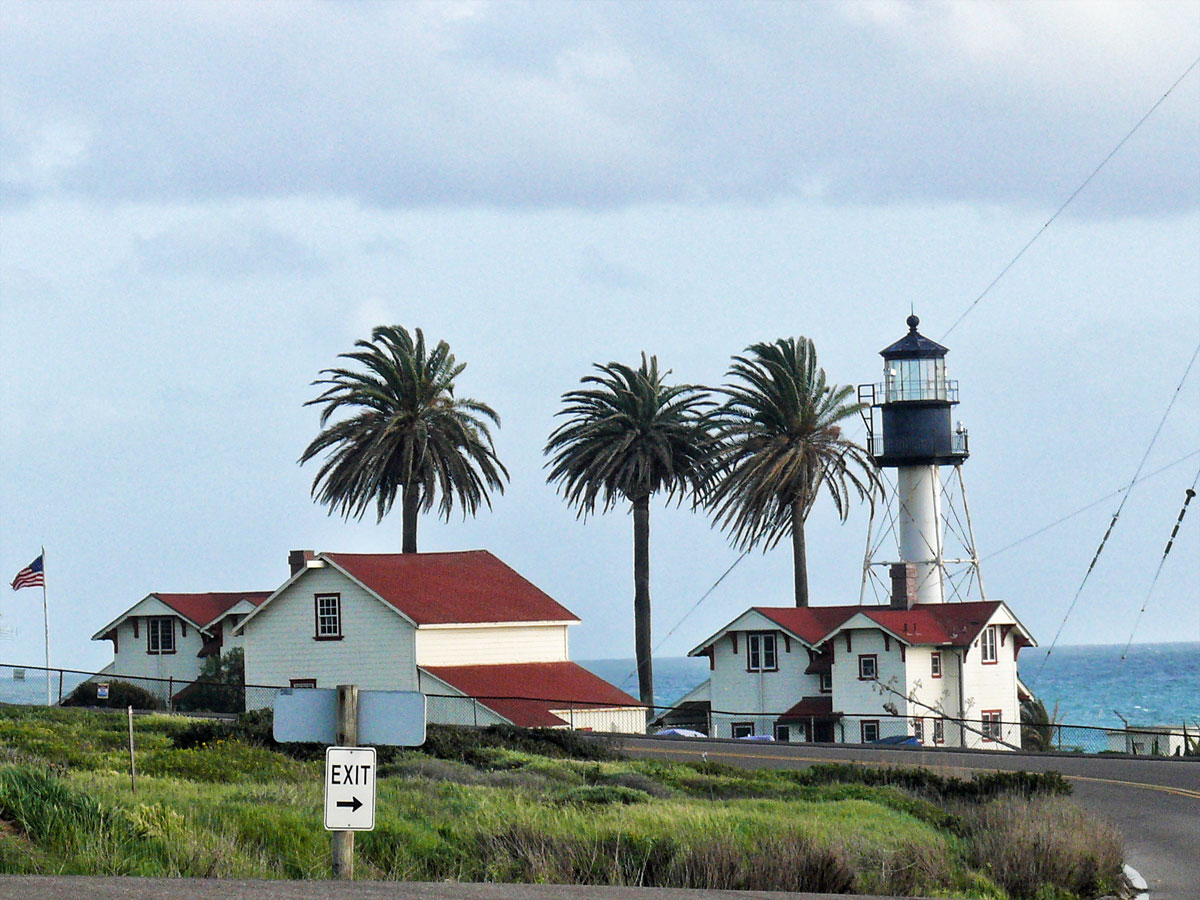
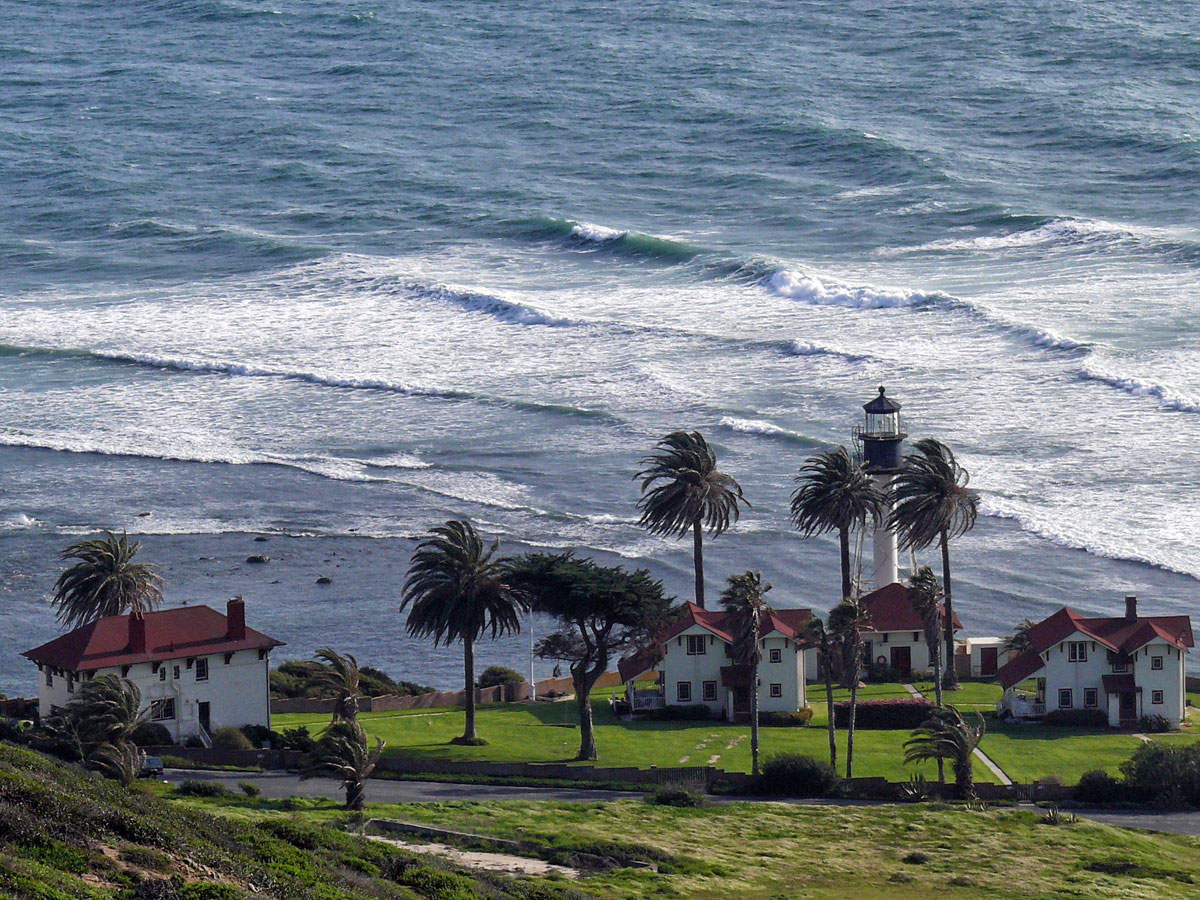
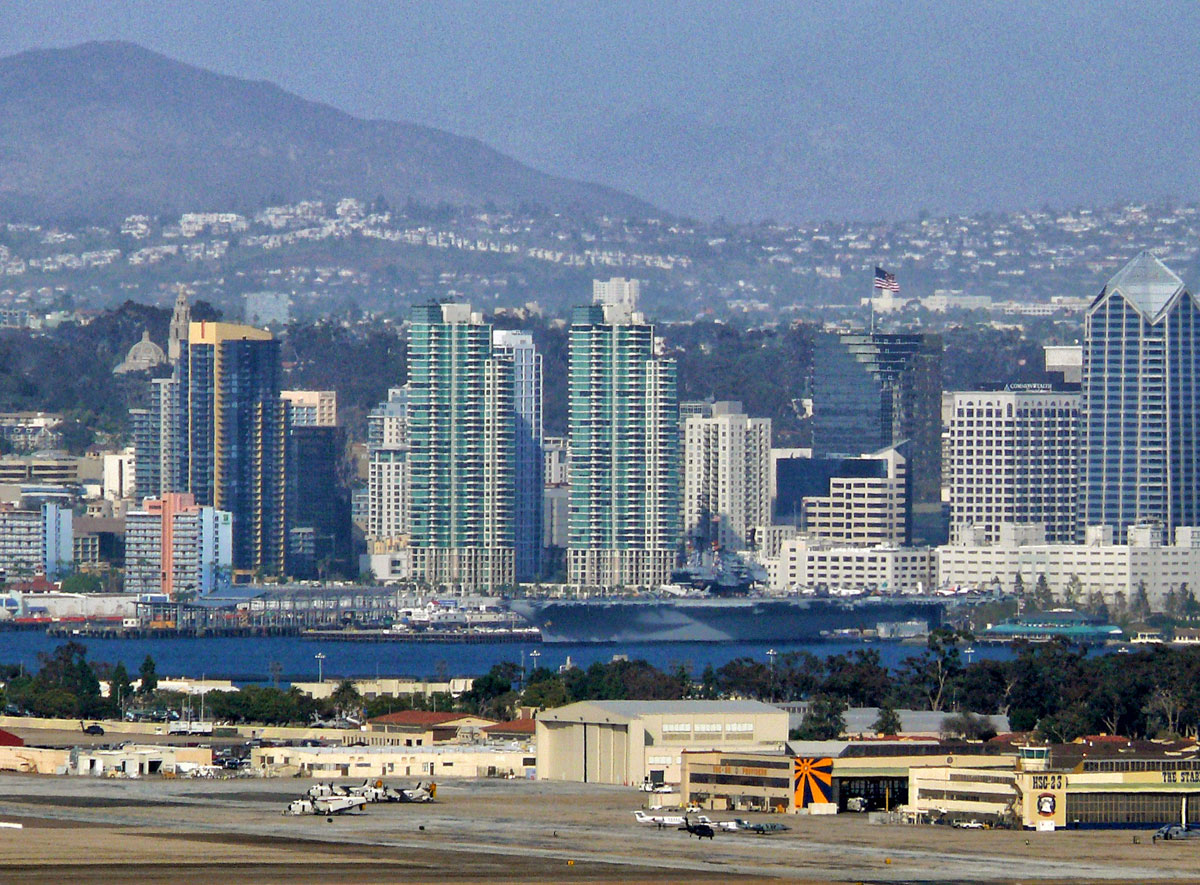
There are great views across to the harbour and San Diego region (Point Loma Naval Base in the foreground and the Naval Air Station on Coronado on the right).This is the new Point Loma Lighthouse in San Diego, California. It was in service from 1891-1997. The lens was removed and is now stored on site at the old Point Loma Lighthouse.
There are several hiking trails through the coastal sage scrub forest especially beautiful in spring with wildflowers. There are also tidal pools to explore which get very busy during the summer months.
Roads through the National Park
Scrubland
India Hawthorn (Rhaphiolepsis indica)
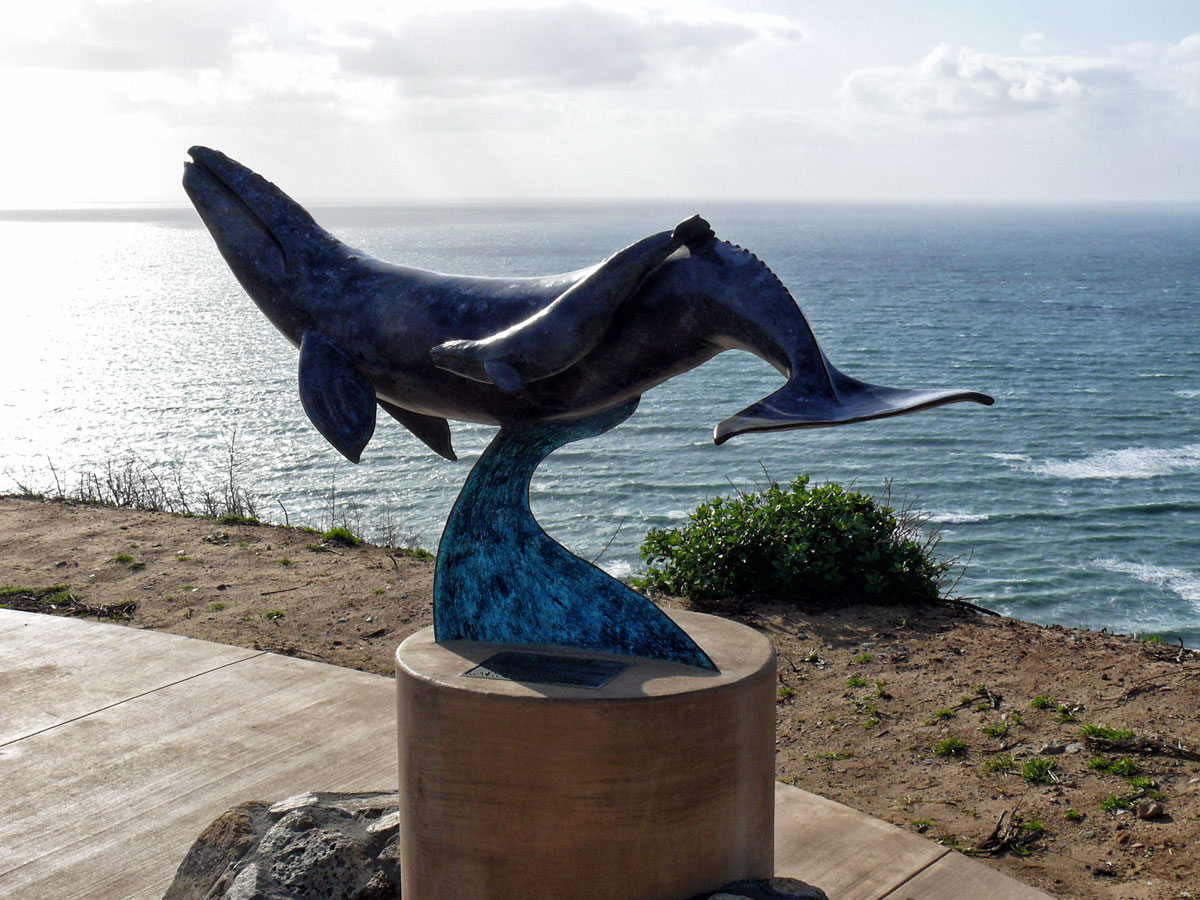
A little south of the lighthouse is the Whale Overlook. This vantage point offers pleasant views of the Pacific Ocean and the New Point Loma Lighthouse. Whales are often seen from here in January and February.
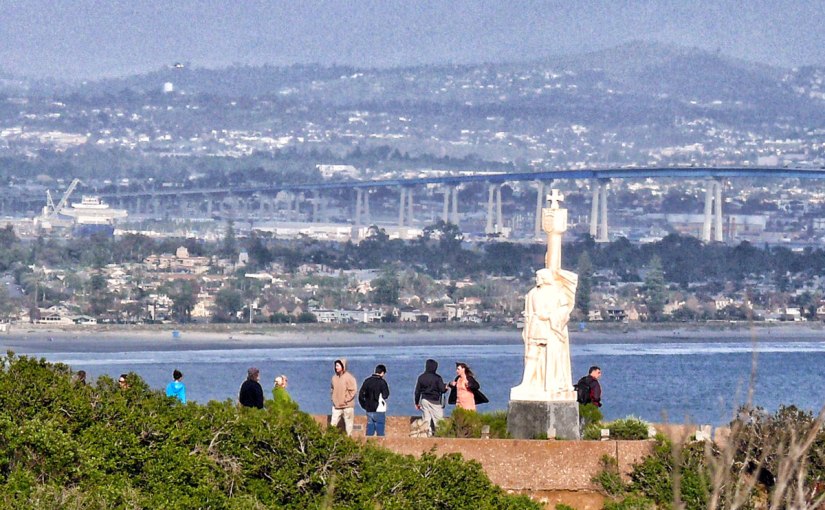
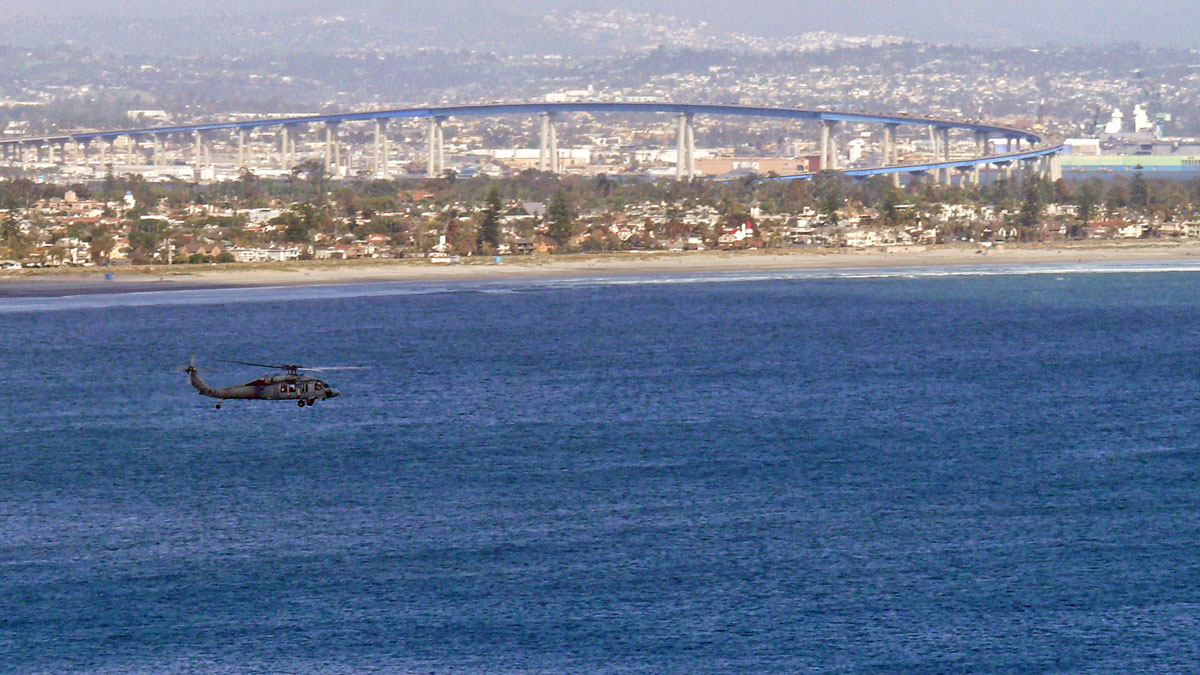
The Grey Whale statueNew Point Loma LighthouseA helicopter leaving North Island Naval Air Station against the impressive curved bridge to Coronado. The views from Cabrillo National Monument are impressive.
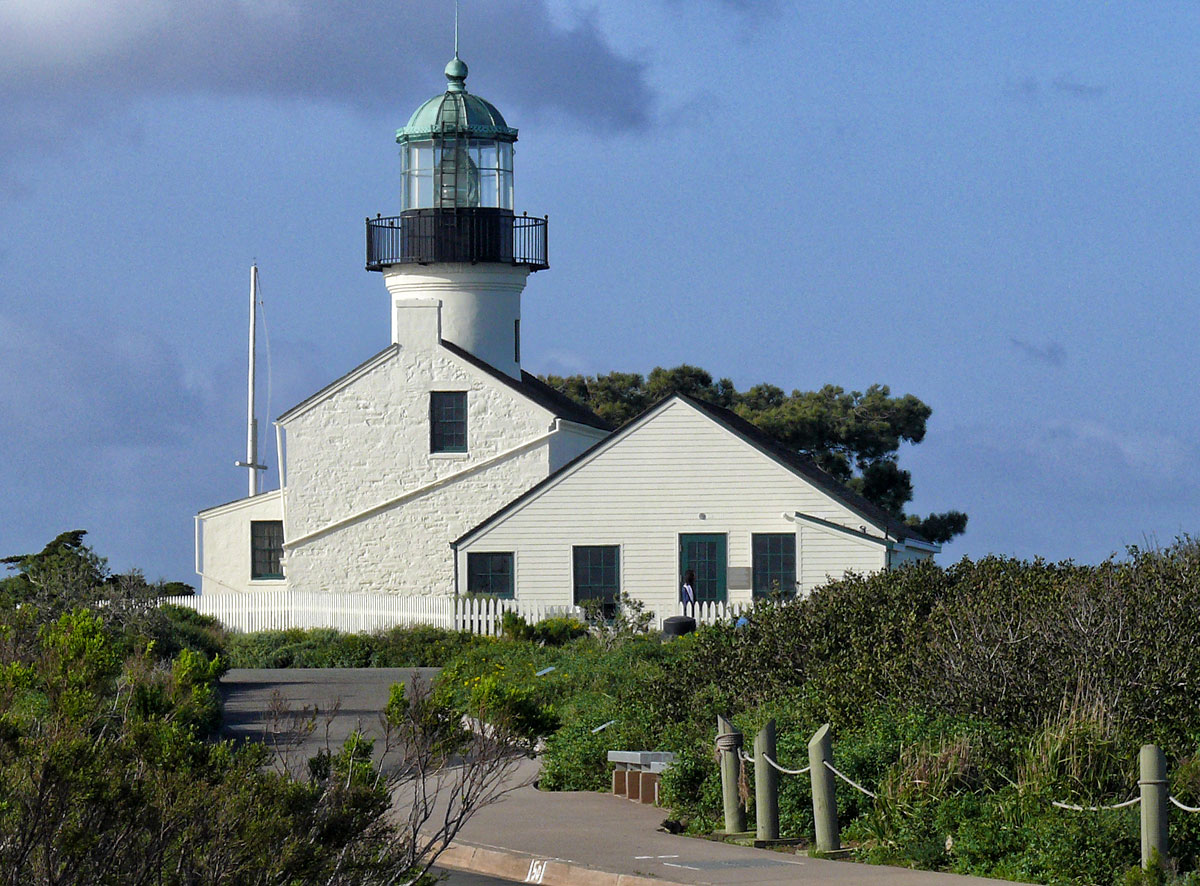
A short walk leads to the Old Point Loma Lighthouse. This picturesque structure is restored to its 1880s appearance and presents life as it was for the lightkeepers and their families. In the adjacent Assistant Keeper’s Quarters, interactive exhibits tell the story of the Lighthouses of Point Loma and, in a nearby historic military building, the exhibit “They Stood the Watch” presents the history of Fort Rosecrans.
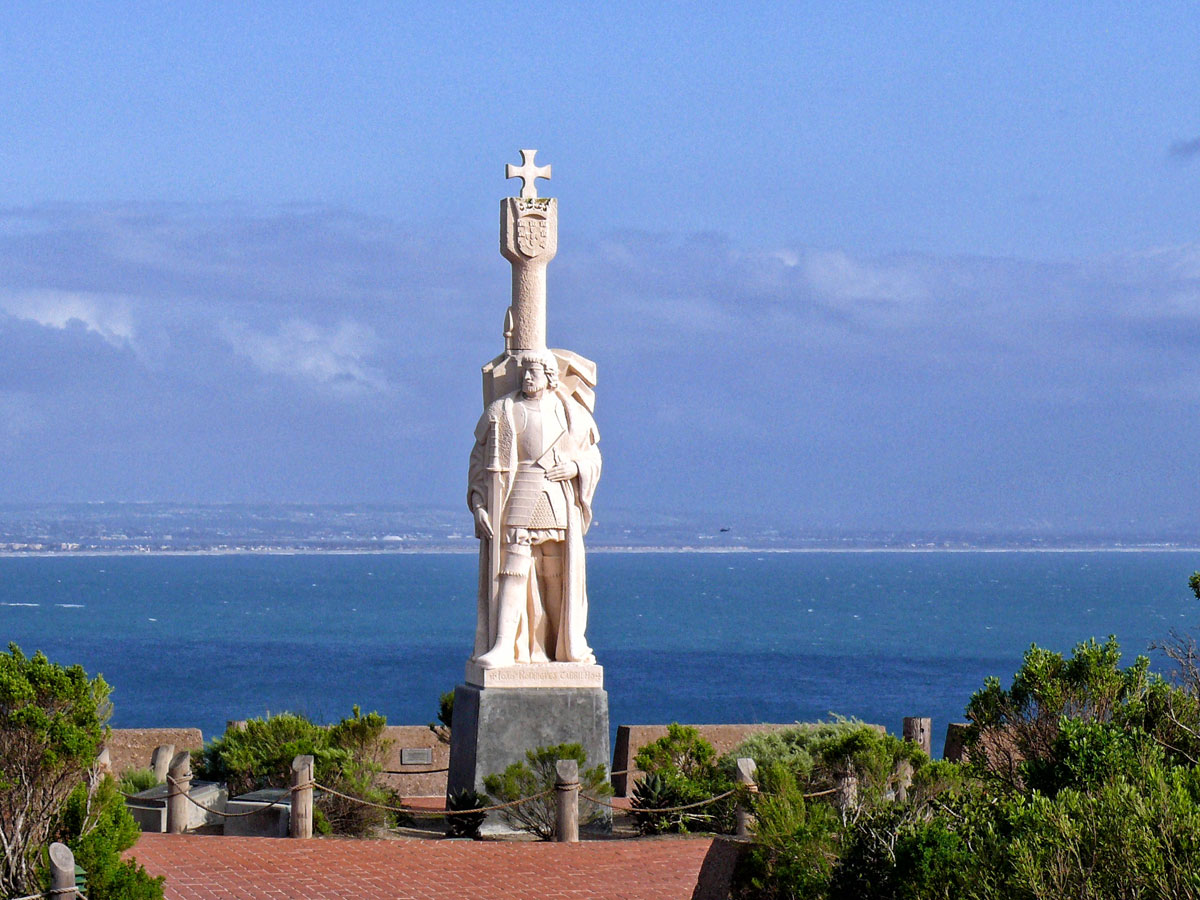
This is the old Point Loma Lighthouse. It was in service 1855-1891.The statue viewing area is down a short walking path just off the traffic circle in front of the Visitor Centre.
Cabrillo led the first European expedition to set foot on what would become the west coast of the United States, and the first to chart the coast of California. Cabrillo departed from the port of Navidad, Mexico on June 27, 1542. Three months later he arrived at “a very good enclosed port,” which is known today as San Diego Bay. He later died during the expedition though his crew made it as far as Oregon before harsh winter storms forced them back to Mexico.
Downtown San Diego
We had an America the Beautiful pass which covered our vehicle entrance as we were planning on doing the Canyons Circle after leaving the city.
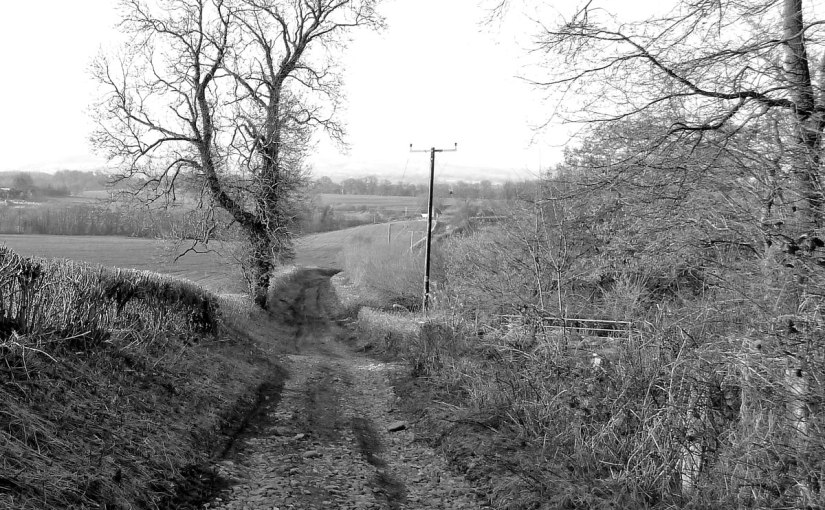
 Ents are a species of sentient beings in J. R. R. Tolkien’s fantasy world of Middle-earth who closely resemble trees; their leader is Treebeard of Fangorn forest. Their name is derived from an Old English word for “giant”.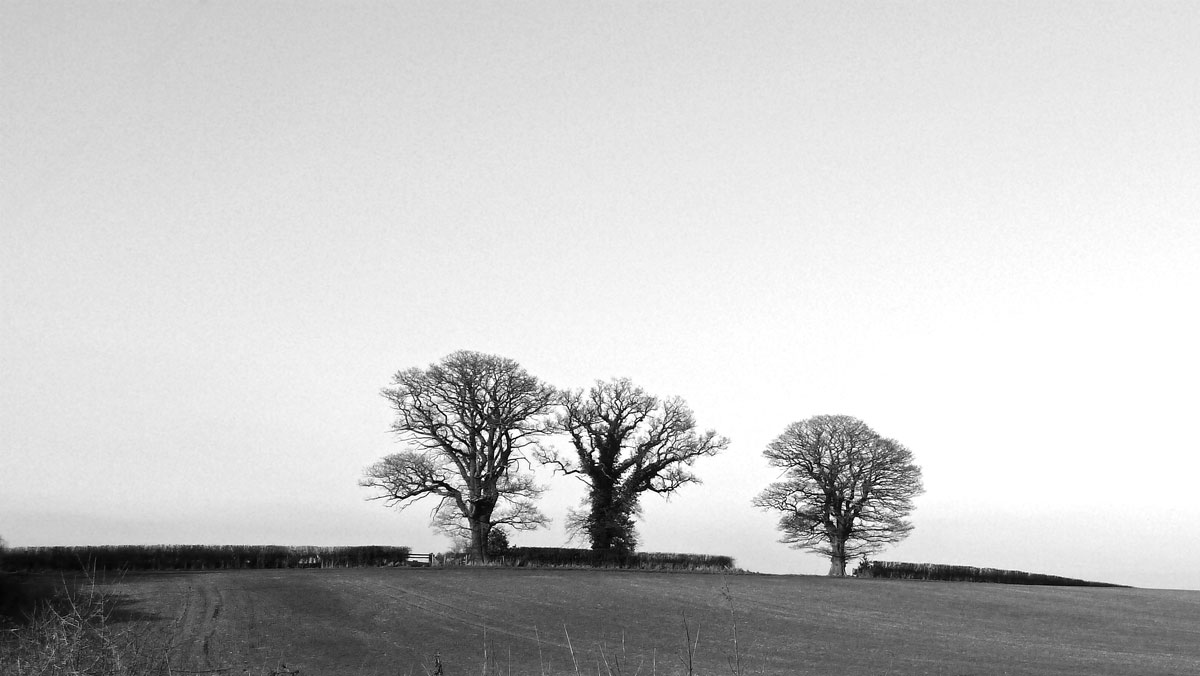
 Join in with Sarah this week if you have some black and white trees to share.