THIS WEEK, IN A POST CREATED SPECIFICALLY FOR THIS CHALLENGE, SHOW US AN IMAGE THAT SAYS REFLECTION.
I have blogged about Yosemite before; it is a place where I felt the opportunity to reflect on life. It seems appropriate to use this image for this week’s photo challenge.
Today was a much shorter drive, though very different from yesterday as we were driving through the snow that had fallen overnight. After a lovely breakfast and snapping a few shots of Steller Jays and Dark Eyed Juncos who were breakfasting outside on monkey nuts we were on our way to the Grand Canyon. Would it live up to the hype I wondered? Or would the reality fall flat.
(please click on an image to enlarge)
Black Eyed Junco
Steller Jay
We continued along 89A through Oak Creek Canyon weaving its way up and around the mountains. At the top we pulled into a viewing place to take a few photos of the canyon and the road on which we had just driven. I am so glad that they clear the roads in this part of the world!
A winding road
By noon we’d arrived at Tusayan the town just before the south entrance to the park and we stopped to visit the IMAX theatre to watch a film about the Canyon which is well worth doing if you haven’t been there before. Though I must be the only person on earth who suffers travel sickness whilst watching these films! I have to close my eyes to stop myself from feeling dizzy.
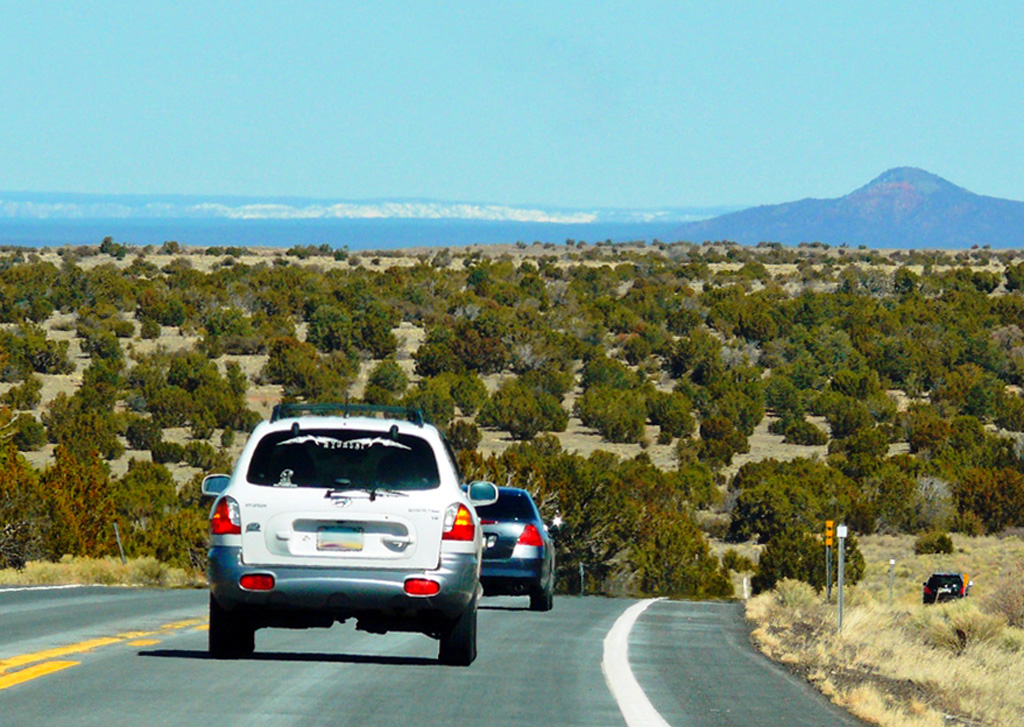
On the road to the Canyon, North Rim in the distance
The Grand Canyon fills me with awe. It is beyond comparison – beyond description, absolutely unparalleled throughout the wide world. Let this great wonder of nature remain as it is now. Do nothing to mar its grandeur, sublimity and loveliness. You cannot improve on it. But what you can do is keep it for your children, your children’s’ children and all who come after you, as the one great sight which every American should see. Don’t let them skin this wonderful country – as they will try to do” ~ Theodore Roosevelt, May 6, 1903
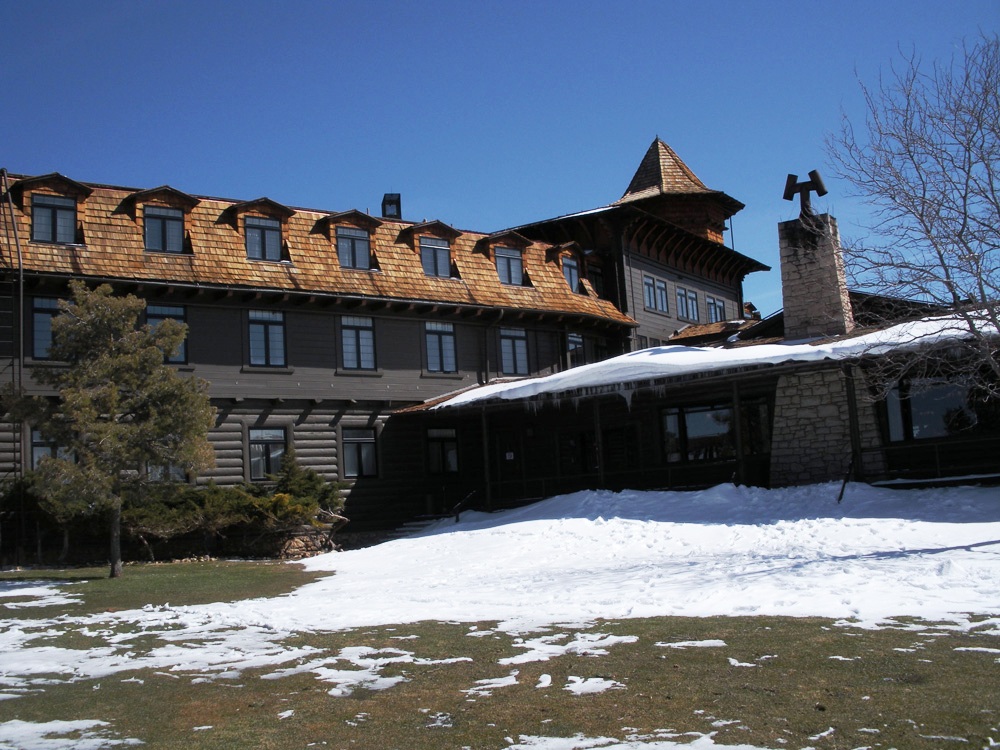
Now we were in the park and following the one-way system to our hotel – El Tovar – where we had booked for the night. It is a National Historic Landmark and is right on the South Rim with views of the canyon from rooms on the northern wing.
The hotel is made from native stone and Oregon pine and the design is based on European hunting lodges and has a world-renowned restaurant along with canyon views.
After settling in to our room, we went to have our first look at the view and then find the shuttle bus which would take us to Hermits Rest which is closed to private vehicles.
El TovarHopi HouseIcicles
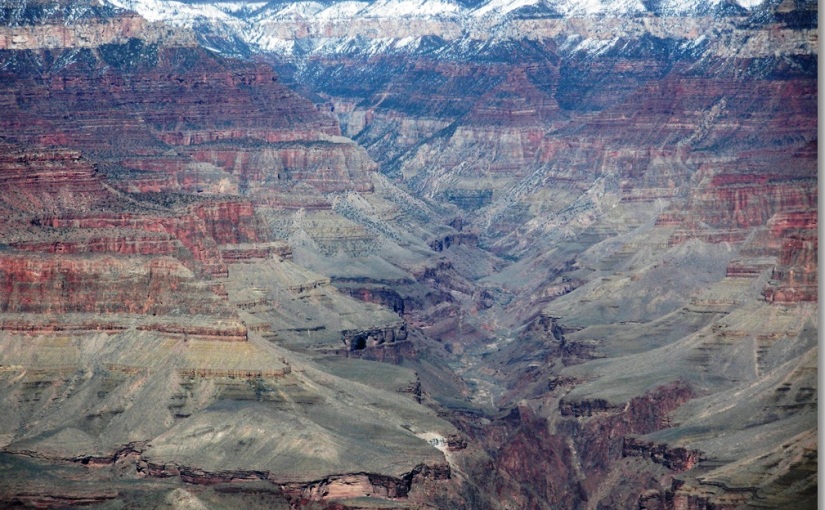
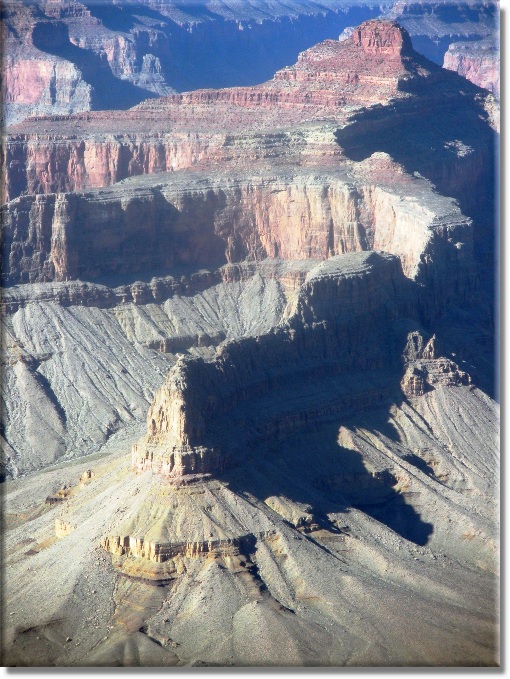
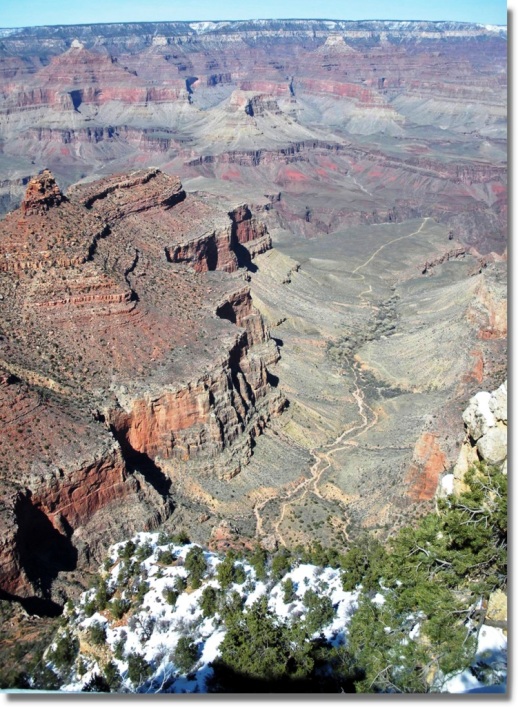
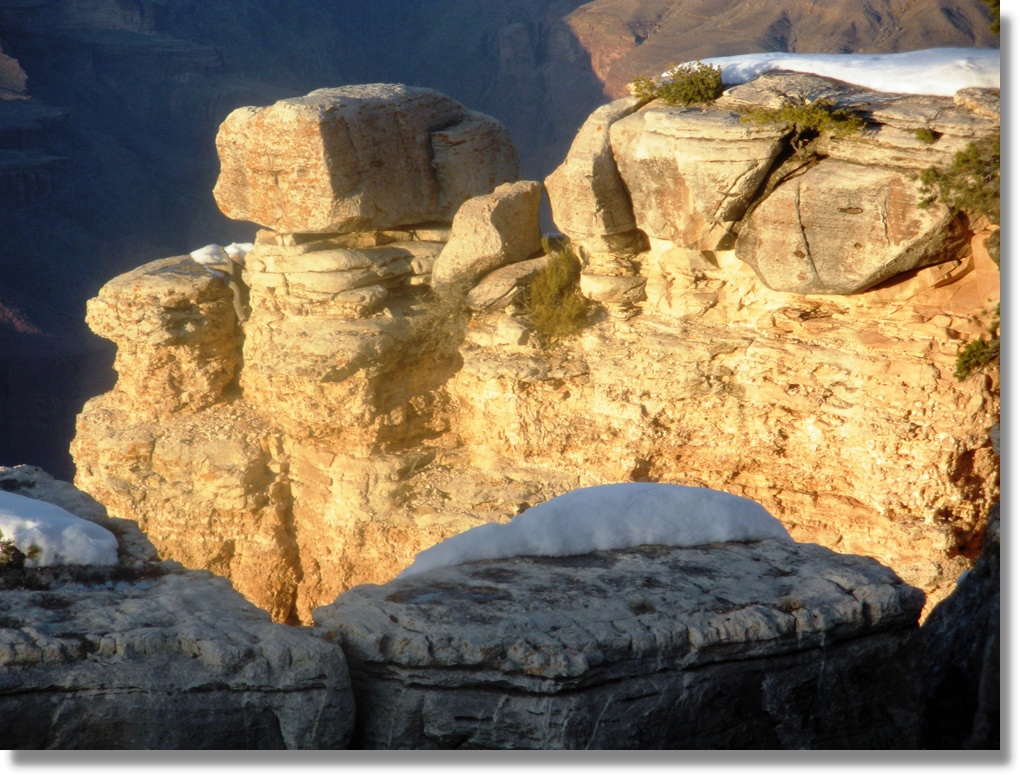
There are no words to describe your first view of the grand Canyon. Photographs do not do it justice, you cannot capture the multiple layers and colours and the sheer scale of the size and form. It overwhelms the senses and all you can do is stand and stare. Take time to pause on the rim and take in Earth’s history.
Hindu AmpitheatreView from Hermit’s rest
Don’t rush your visit to the Canyon. I know some people do a half day trip from Las Vegas, but it is worth spending at least one night there. During the afternoon we used the shuttle bus along the 7 miles to Hermits Rest and stopped off at different viewpoints along the way. You can of course walk the trail along the rim, but there are unpaved sections and while we were there it was very icy and snow covered so unless you have adequate walking boots I would advise using the bus.
The Colorado River Runs Through It
Visit the Kolb Studio, perched on the edge of the rim, the Victorian home of the Kolb Brothers who created a lasting legacy of adventure, exploration, family love, and amazing Grand Canyon photography or hike down Bright Angel Trail, if only to the first tunnel, if you are brave and it is not covered in snow!
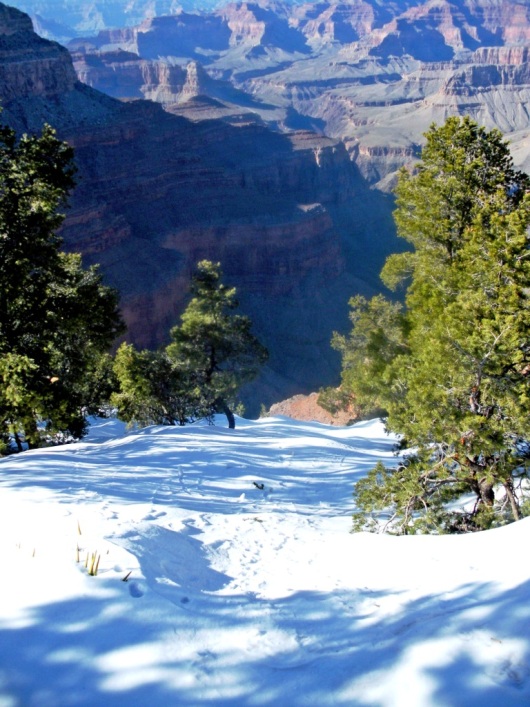
The Bright Angel TrailPinyon Pines cling to the edge
And if time allows the genuine artistry of Native American jewellery deserves a look in the better gift shops at the Hopi House or the Watchtower. Check for a genuine silver hallmark and the quality of stones in the lovely silver and turquoise jewellery. Hopi rugs, pottery and Kachina dolls are also good souvenirs. Finally we returned to the Village just before sunset around 6:30 before heading off into the El Tovar restaurant for a well-deserved steak.
A Road Trip through California, Arizona, Utah and Nevada
Itinerary
The Grand Circle is known as one of the best road trips in the US. Taking a minimum of ten days, starting and ending in Las Vegas, you circle round some of the most spectacular landscapes in the world: Grand Canyon, Zion, Bryce, Capitol Reef, Arches, Canyonlands, and Monument Valley. We only had six days in which to visit so it was difficult working out what to leave out. It was early March and not unlikely that we’d hit snow somewhere on route which was a factor in our final decision and starting from San Diego in the south-west corner of California also meant a bit of a trek to get into the region and would mean a further overnight stop so we really only had five days. Pouring over maps, and reading reviews of hotels, motels and B&B accommodation we eventually decided on our trip.
Buy an America the Beautiful – The National Parks and Federal Recreational Lands Annual Pass ($80) at the first park you enter to save you money.
San Diego to Sedona
It would be a long drive to our first overnight stop in Sedona. But a fairly easy route along Interstate 8 to Yuma, which immediately started us thinking about film and song titles we knew about the US, left at Gila Bend up onto the Interstate 10 and then skirting Phoenix on Interstate 17 and finally up towards Flagstaff, finally getting off the highways and onto the State Route 179 (also known as Red Rock Scenic Byway, an “All-American Road”[1]).
South Arizona Sand-dunes
We expected the journey to be fairly mundane as it was almost entirely on highways, but since it was the first time we’d driven this route there were several surprises along the way, not least the huge sand-dunes somewhere close to Yuma I think, where we spotted dune buggies and dune boards. The traffic was sparse until the Phoenix area when it was much more dense until we had passed the Phoenix Cardinals Stadium in Greendale. And the sight of the ‘three-armed cactus’ – Saguaro Cactus – alongside the road made us feel as though we were in a Western movie. Fully expecting Red Indians to come over the ridge! Unsurprisingly the flower of this plant is the state flower of Arizona.
Saguaro Cactus
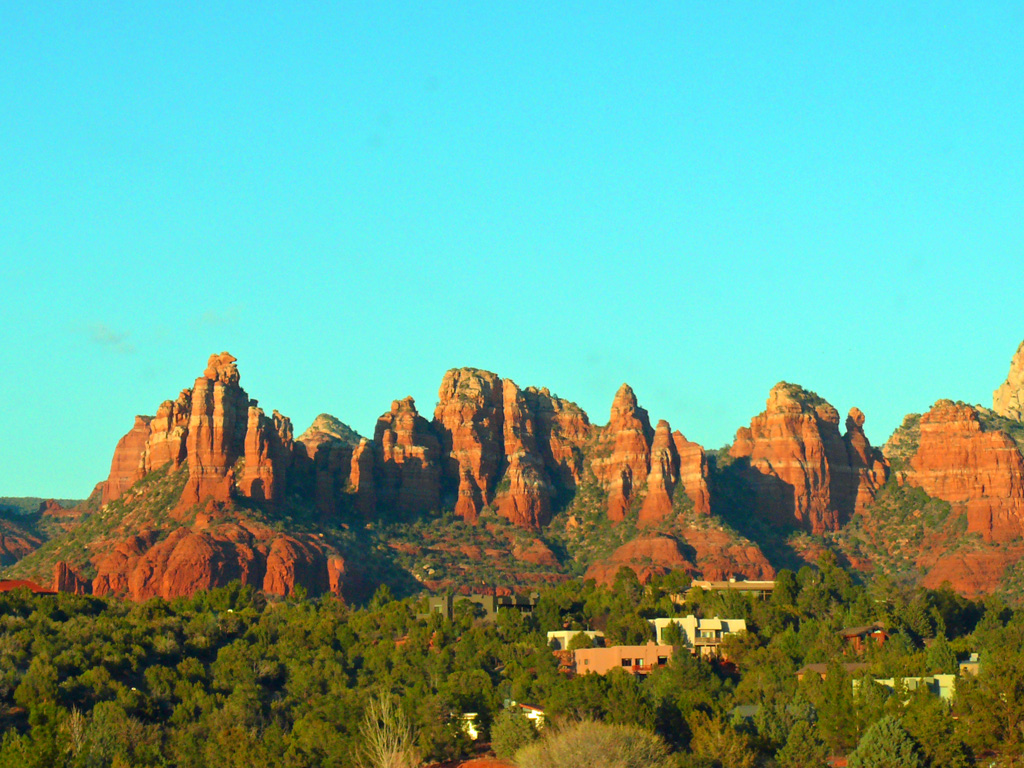
But the most exciting views were when we turned off Interstate 17 and onto 179 where the road winds through the pinion-covered Coconino National Forest with views of spectacular red rock buttes and mesas jutting out from the earth with names like Coffeepot, Cathedral and Thunder Mountain (you can see where they got the roller coaster idea from). We stopped off at a couple of the scenic pull-outs to take some photos around Bell Rock and stretch our legs around the Courthouse Butte Loop before driving on and through Sedona, known for the spiritual and metaphysical as well as hundreds of miles of hiking and biking trails, the red rock vistas and scenic drives and on to the 89A to our B&B for the night in Oak Creek Canyon close to Slide Rock State Park.
Thunder MountainEntering Sedona (Oak Creek Valley)
Shortly before our arrival there had been a fall of snow in the region and on entering Oak Creek Canyon we were surprised to see it lying all around, though thankfully the road was completely clear. Because of the weather and the fact it was almost dark, we didn’t venture back down into Sedona, but had an early night, looking forward to the drive to Grand Canyon and hoping that the snowfall wouldn’t be a problem.
(click an image to enlarge)
Cathedral Rock
Bell Rock
Courthouse Butte and Bell Rock
Astonishingly I had never heard of Sedona before I started planning this trip. How on earth has it stayed such a secret to us Brits? It is definitely a place to spend more time in and explore.
[1] There are 27 of these designated by the US Department of Transport, for their exceptional and unique recreational, natural and scenic qualities.
Earlier this week, the Daily Post talked about taking three-picture stories. Read the article for more ideas.
So the challenge this week is to share a story of your own using this format.
This is something I often do, though not necessarily in threes, but I do like to take an overview of a scene or subject, then home in on one or two elements relating to the subject and often include a close-up shot of some detail that catches my eye. Architecture, Landscapes, Travel and Gardens lend themselves to this sort of photography, but it can be used for any subject you like.
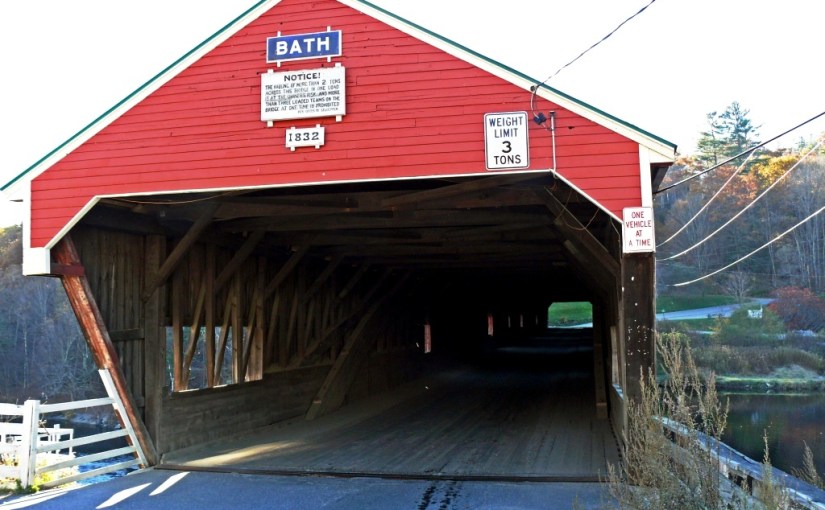
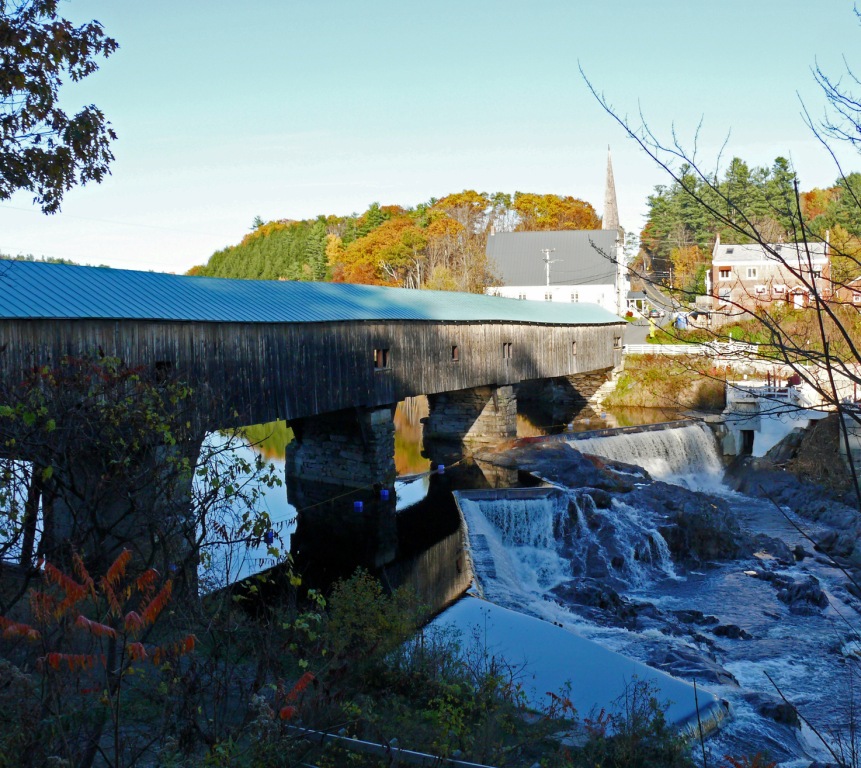
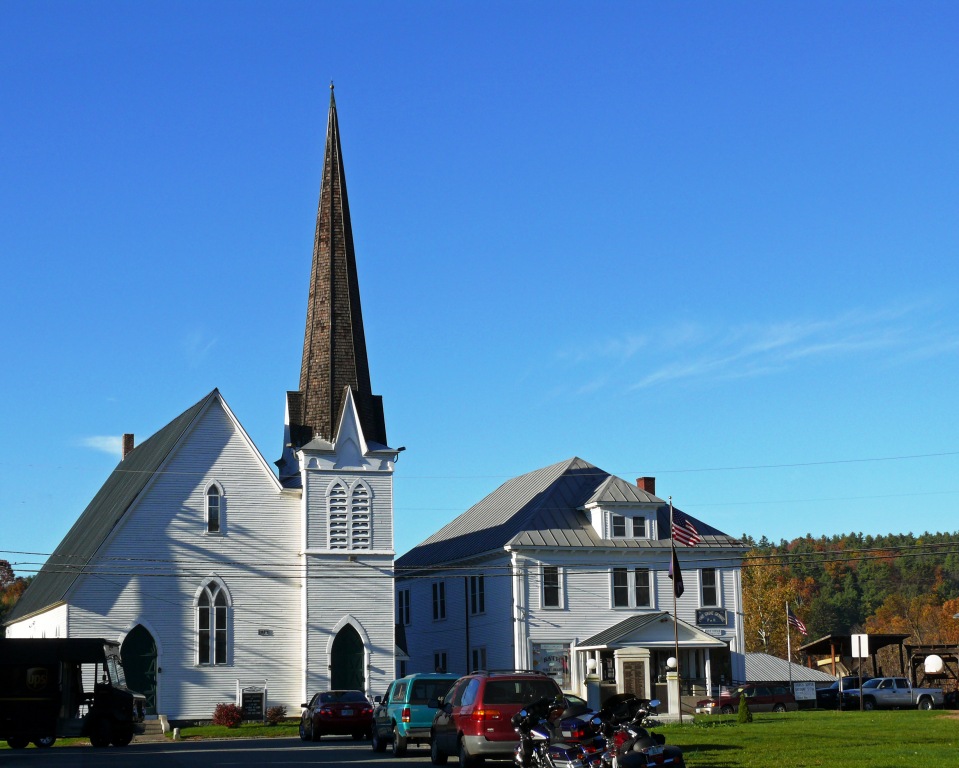
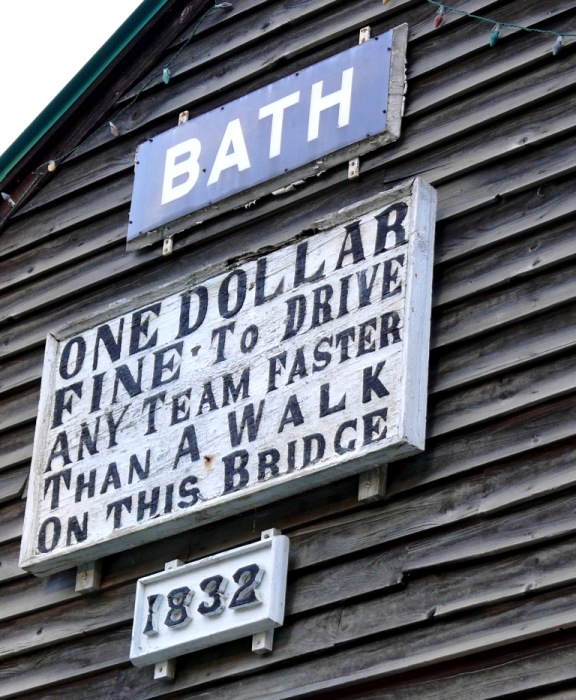
Bath Covered Bridge, New Hampshire
(click an image to enlarge)
First a shot of the Haverhill-Bath historic covered bridge over the Ammonoosuc River in New Hampshire. Look carefully – in the background you can just see the steeple of the clap-board church.
The second image shows the church in context with the neighbouring store
and the final shot is a close-up of the sign above the bridge entrance. Do they tell a story? You tell me.
If you would like to see what others have come up with for this challenge then go to the Daily Post @ WordPress Weekly Photo Challenge
Ed is a truck driving photographer from Tennessee who hosts a photography challenge blog called Sunday Stills here on WordPress.
This week Ed would like to see some MURALS.
Oh this is such a difficult challenge as I love taking photos of street art. So what should I choose? The amazing murals from Chemainus on Vancouver Island? Murals from Little Italy in San Diego? Or the random graffiti in Lisbon? Or what about the plethora of murals in and around Clarion Alley in San Francisco? And then there are the murals in North Beach. What a dilemma!
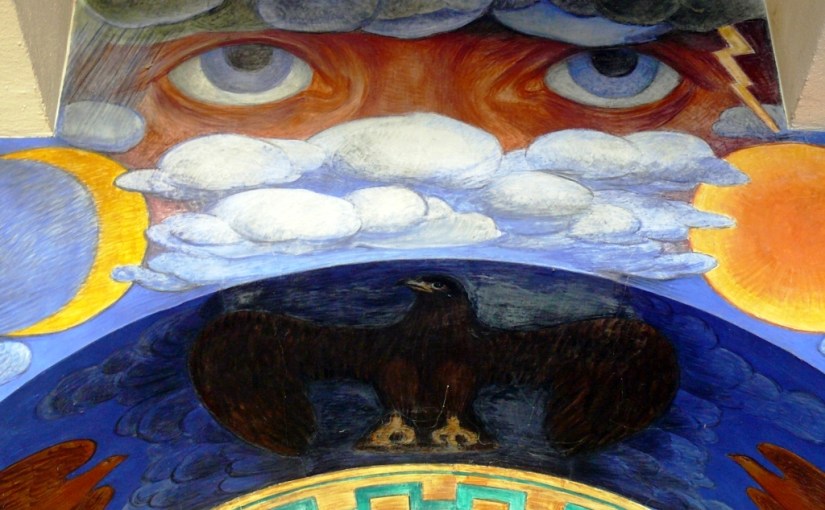
But some of my favourite murals, and the ones that have made the most impact on me, have to be the ones created in the Coit Tower, a 210 foot high Art Deco landmark in North Beach, San Francisco. You can get there by a steep walk up some steps or a #39 bus up Telegraph Hill – famous for its wild parrots, though I didn’t see any.
The views are good from the base of the tower, but I urge you to go inside to look at the 19 murals painted by 27 artists in the Depression era. Many of them studied under Diego Rivera. The themes focus mainly on “leftist” and socialist topics, popular in the 1930s.










 TRAVEL WORDS