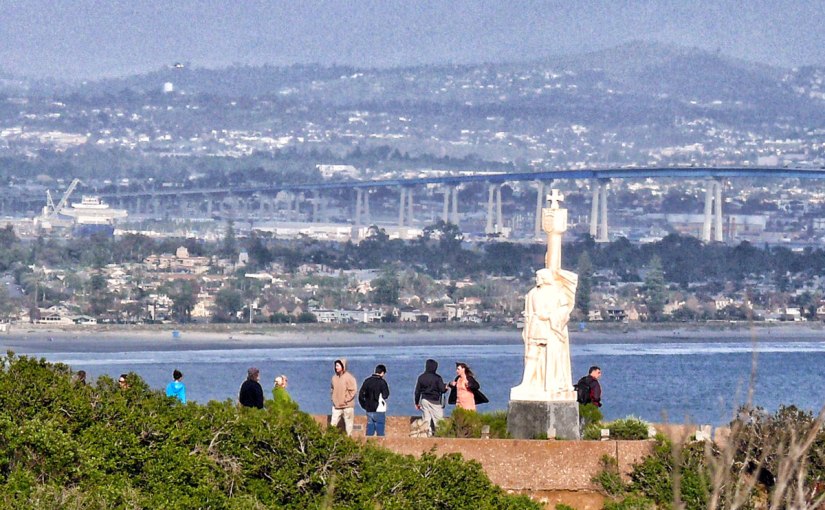
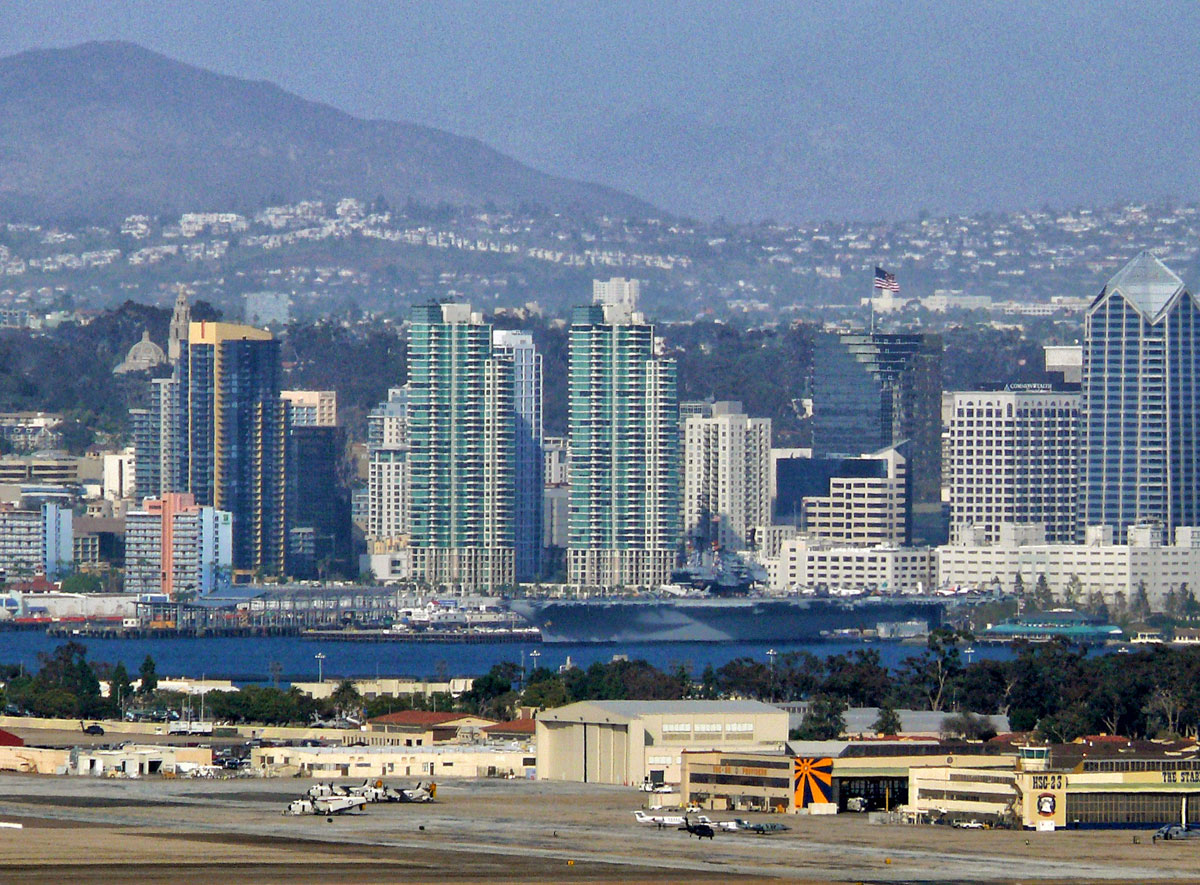
Just west of downtown San Diego and on the other side of the water from the Coronado Naval Air Station sits the Point Loma Peninsula, known for its tide pools, sandstone cliffs, and the historic Cabrillo National Monument which commemorates the landing of Juan Rodríguez Cabrillo at San Diego Bay on September 28, 1542.
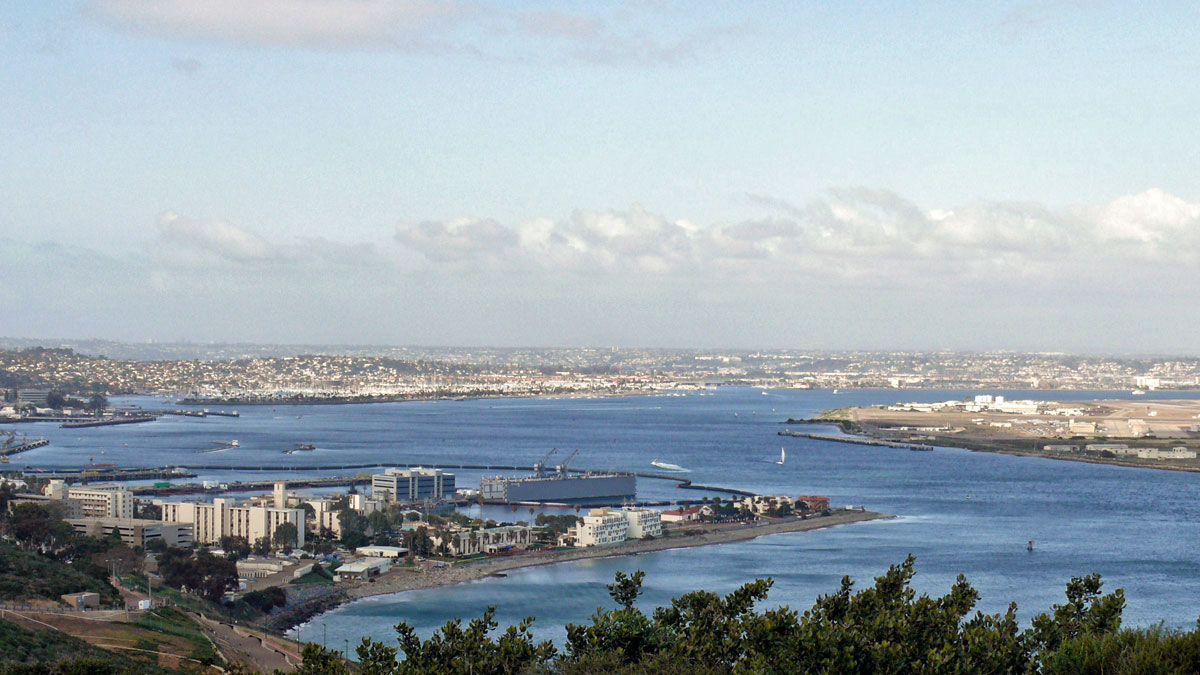
There are several hiking trails through the coastal sage scrub forest especially beautiful in spring with wildflowers. There are also tidal pools to explore which get very busy during the summer months.
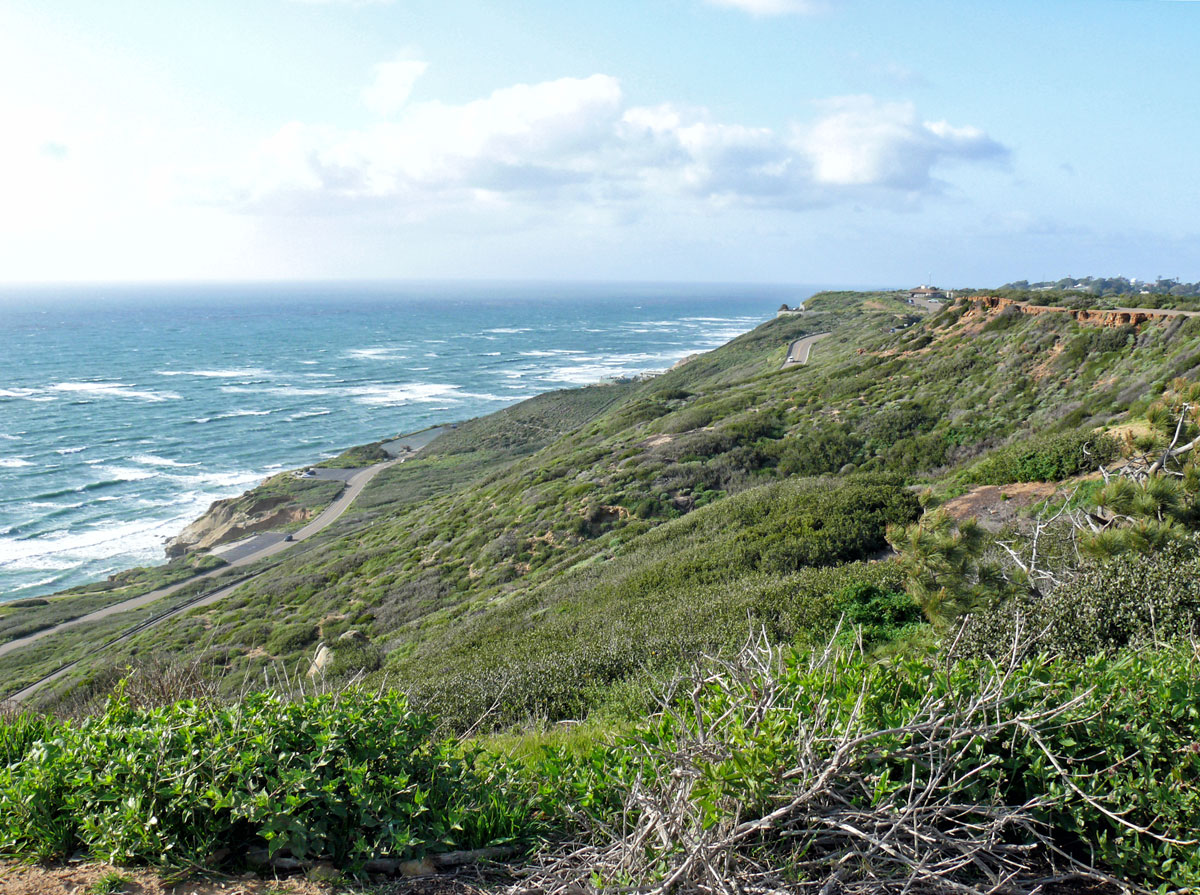


A little south of the lighthouse is the Whale Overlook. This vantage point offers pleasant views of the Pacific Ocean and the New Point Loma Lighthouse. Whales are often seen from here in January and February.
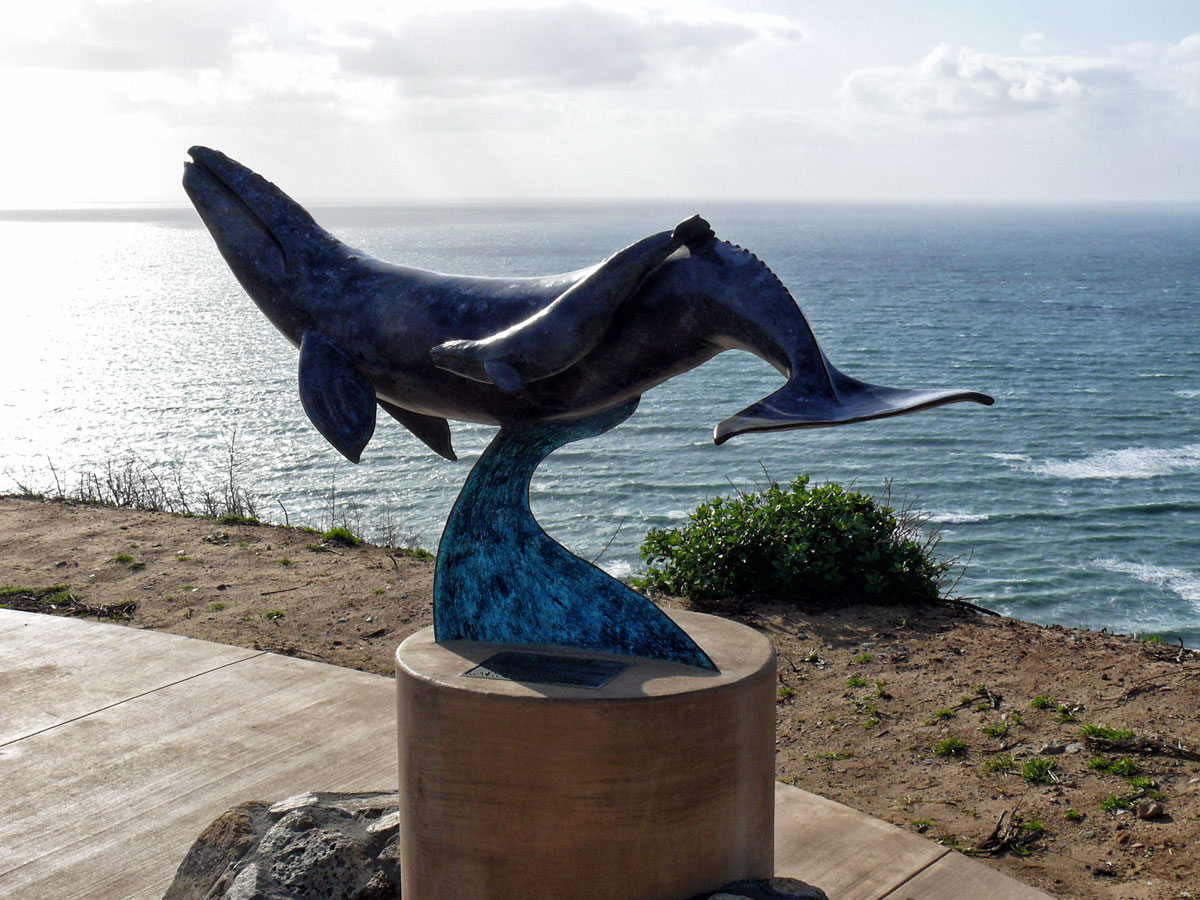
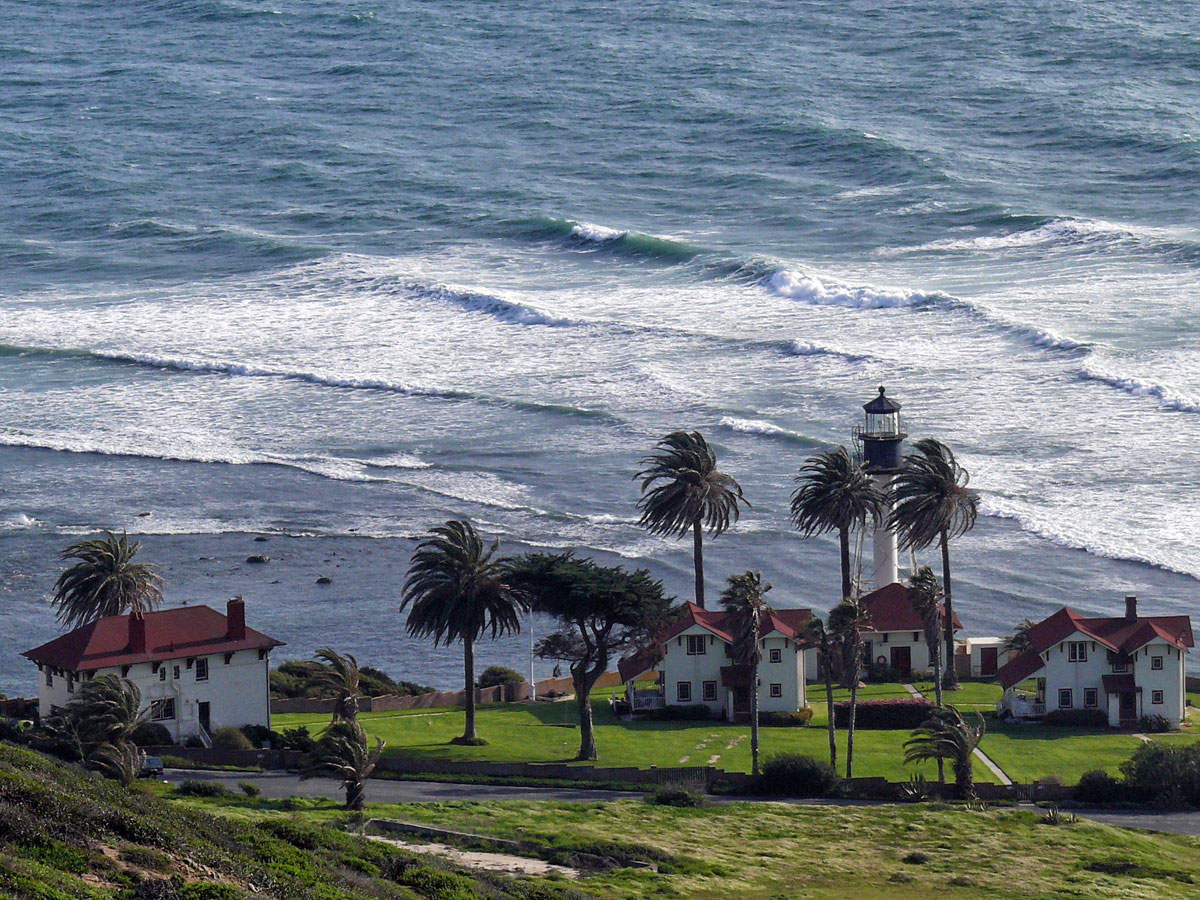
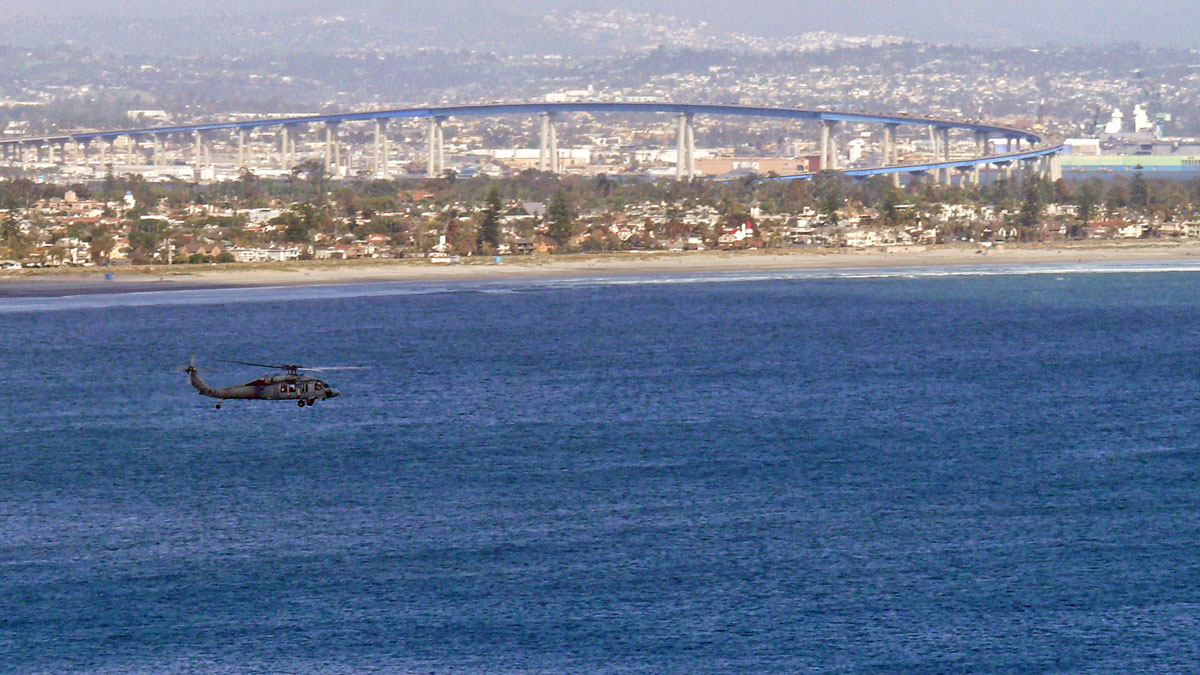
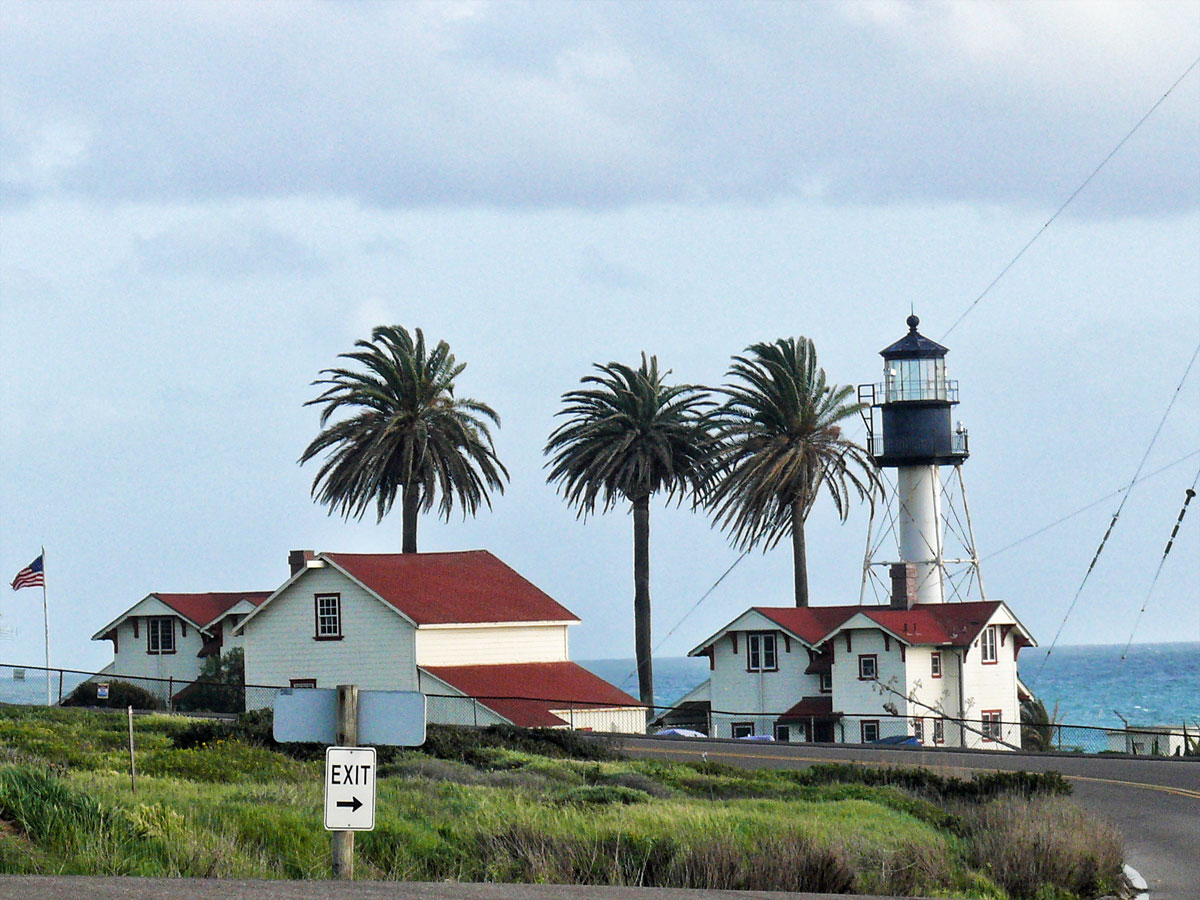
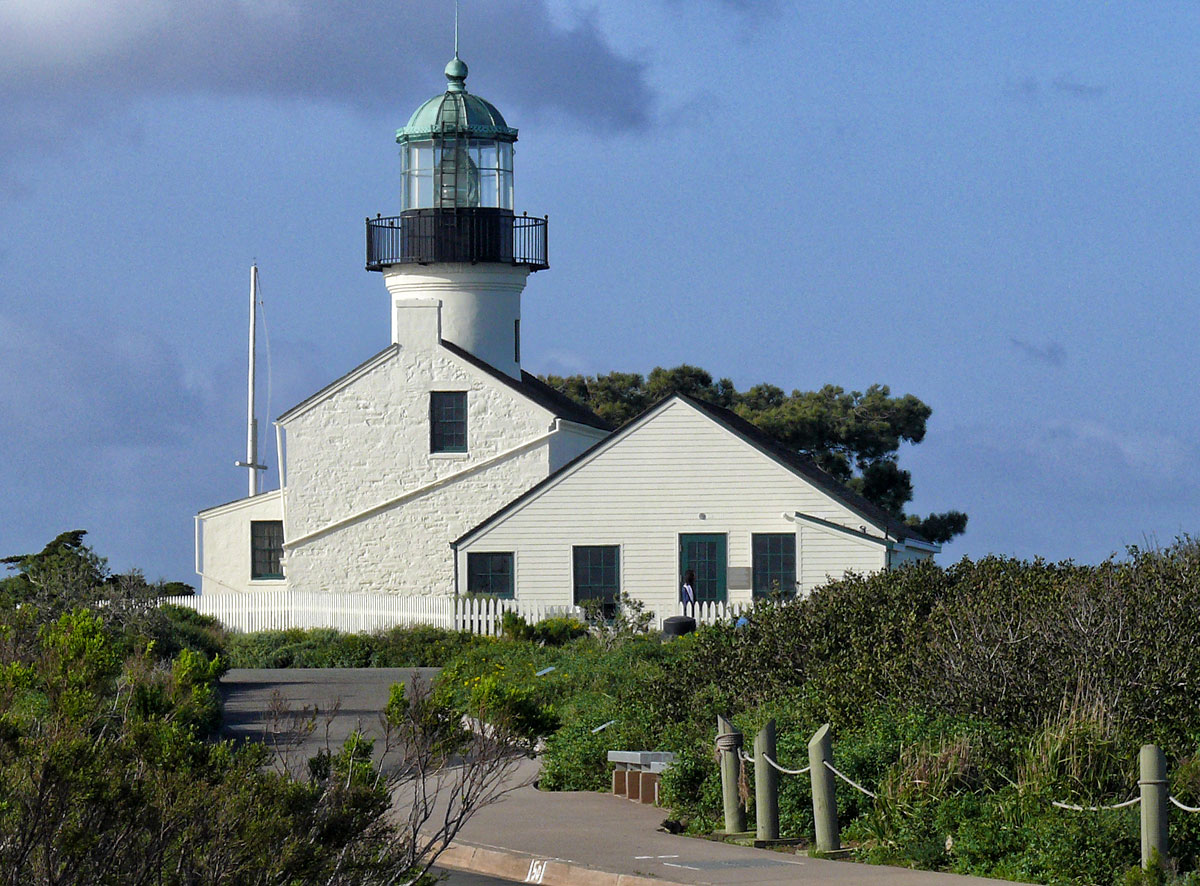
A short walk leads to the Old Point Loma Lighthouse. This picturesque structure is restored to its 1880s appearance and presents life as it was for the lightkeepers and their families. In the adjacent Assistant Keeper’s Quarters, interactive exhibits tell the story of the Lighthouses of Point Loma and, in a nearby historic military building, the exhibit “They Stood the Watch” presents the history of Fort Rosecrans.
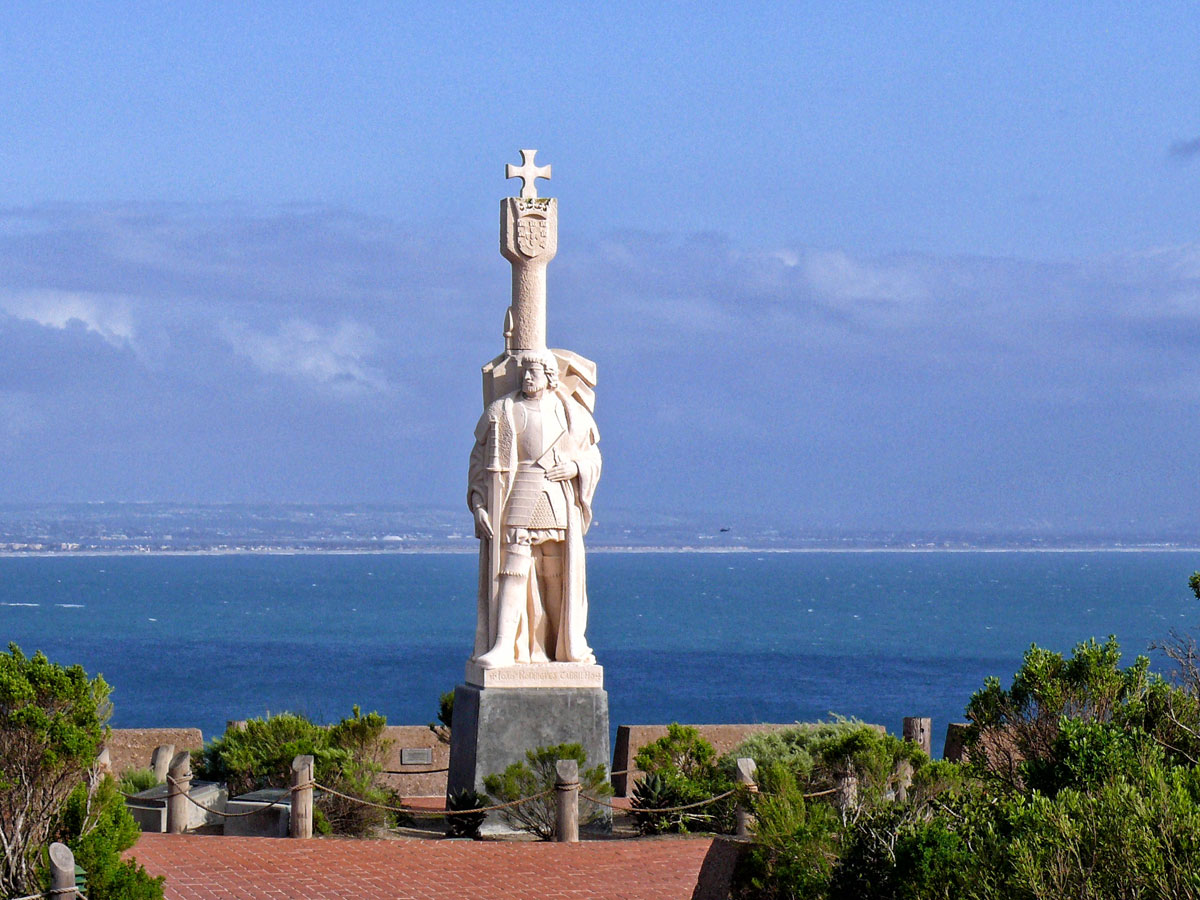
Cabrillo led the first European expedition to set foot on what would become the west coast of the United States, and the first to chart the coast of California. Cabrillo departed from the port of Navidad, Mexico on June 27, 1542. Three months later he arrived at “a very good enclosed port,” which is known today as San Diego Bay. He later died during the expedition though his crew made it as far as Oregon before harsh winter storms forced them back to Mexico.
We had an America the Beautiful pass which covered our vehicle entrance as we were planning on doing the Canyons Circle after leaving the city.
 TRAVEL WORDS