Once upon a time (2016) I ran a challenge on my Earth Laughs in Flowers blog with different topics for each month. During July it was edibles. So I have picked out a few of my favourites from that month for Denzil’s challenge this week.
As summer comes to an end you see the fruits appearing in the orchards all over the country. Kent is known as the ‘Garden of England’ and where better to show you fat, juicy, purple plums

and fresh crisp pears.

Known as zucchini in the USA, Germany and Australia from the Italian word zucchina or simply squash or baby marrows in other parts of the world. The word courgette comes from France. Although considered a vegetable in the culinary sense, botanically it is actually a fruit.

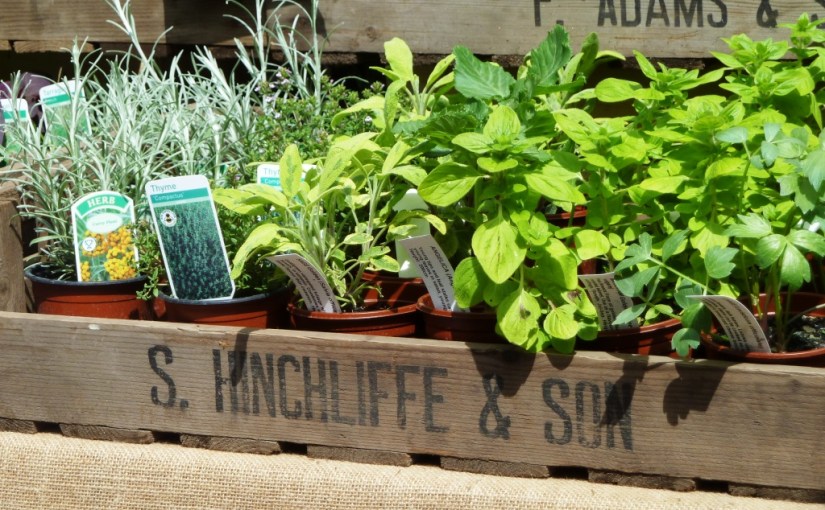
Herb gardens and potagers are favourites of mine. And herbs are really the only edibles that I have been successful in growing.

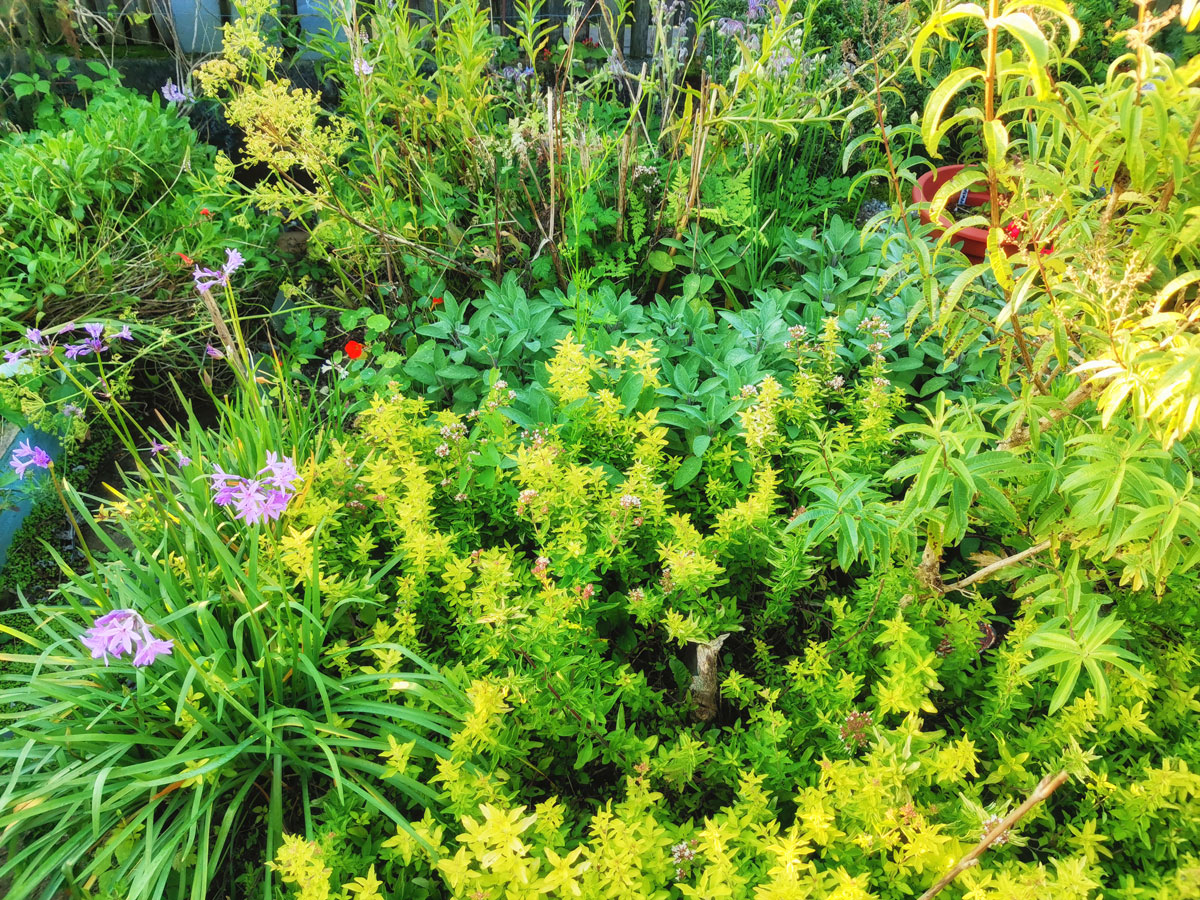
A potager is really a combination of a traditional English kitchen garden (which always used to be consigned to the back of the garden) and the style and elegance of a French garden. Plants are chosen for their edible and ornamental nature and put together in such a way to look beautiful whilst providing food for the table.

A potager can be any design, from traditional knot gardens to informal cottage garden style.

Sunflower seeds or kernels are commonly eaten as a snack food. Often used in bread making and baking, added to muesli and other cereals, mixed with peanut butter or even made in to sunflower butter as well as being sold as food for wild birds.

Finally my daughter’s allotment. With a growing family and a full-time job as a child minder as well as studying for a degree she no longer had time for it so had to give it up, but for several years she managed a plot a few hundred yards from her home where she learned how to grow her own produce for the table. Beans, carrots, onions, squash, courgettes, sweetcorn, garlic, peas, radishes, beetroot, strawberries, rhubarb and even Cape gooseberries.

An allotment is a lot of hard work – preparing the soil, digging in lots of compost and manure (where she lives it is all clay), weeding, sowing, watering, keeping bugs at bay – but the rewards are immense.

Not only the flavours of freshly picked produce, but also the ability to grow unusual varieties not found in the supermarket, the knowledge that no air miles are involved, the sense of achievement in growing your own and the enjoyment of sheer hard work keeping you fit and healthy and outdoors.

Denzil’s Nature Photo Challenge #24 | Edibles
 TRAVEL WORDS