A Spring Walk in Herefordshire

I discovered another garden not too far from here a few weeks ago. Apparently it is used as a location in ‘The English Garden’ magazine if anyone reads that. It also has a small café in a beautiful Tithe barn serving lunches and cakes, warm lemon & treacle tart anyone? So definitely worth a visit, although on this particular day I was feeling rather ill so had to sit and watch the OH devour a lovely chicken sandwich.
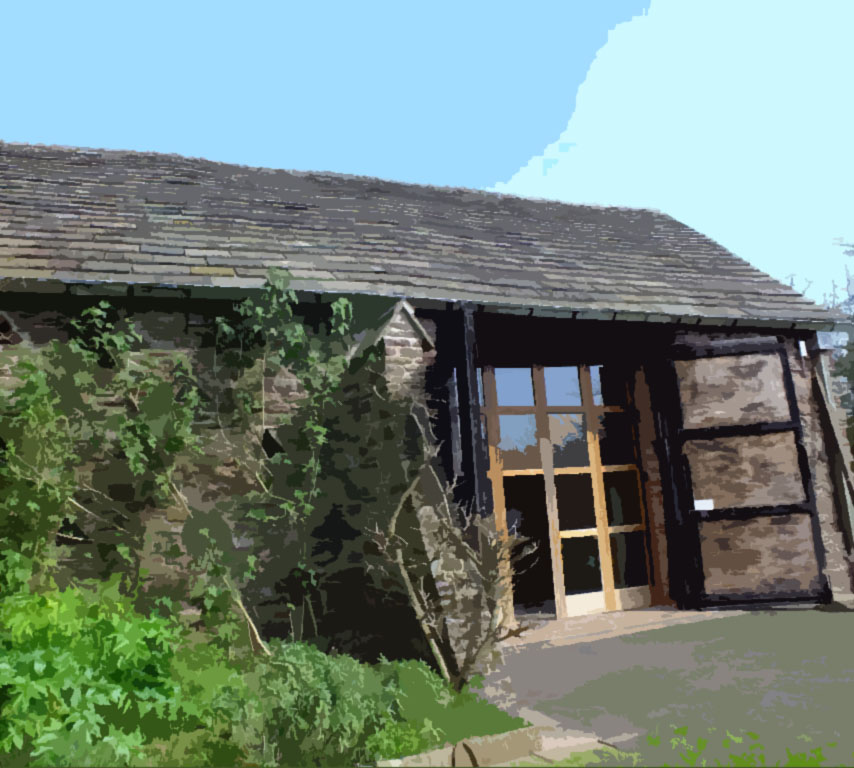
tithe barn

This post is linked with Cee’s Which Way Challenge, Jo’s Monday Walk and this week’s Travel Theme from Ailsa which is Blossom.
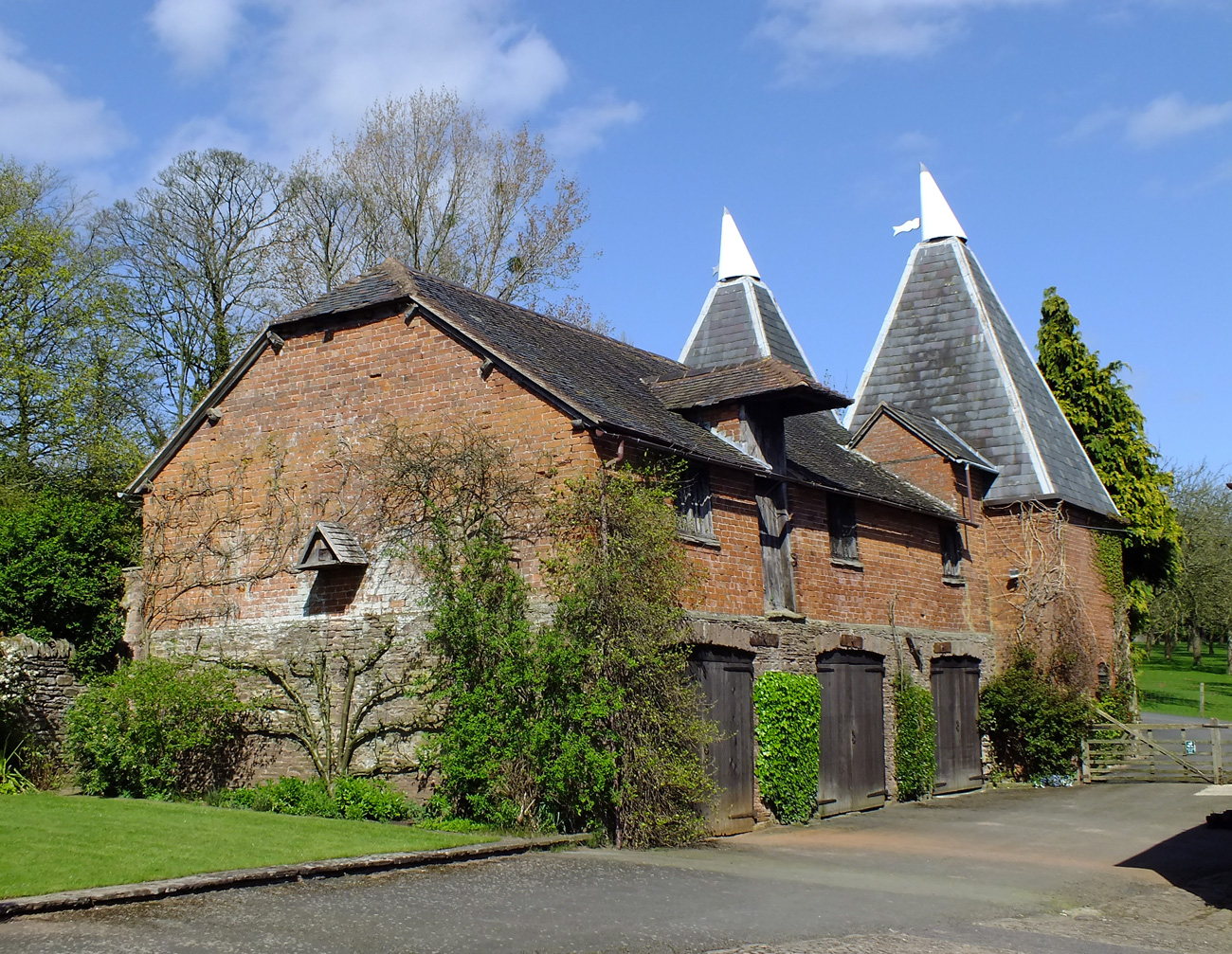
The Granary

Probably the first thing you notice once you enter the gardens through the Cider Press, is this gorgeous Granary with the Oast Houses. I used to think Oast Houses only existed in Kent. Not so, there are quite a few in Herefordshire and Worcestershire and still plenty of hops in the fields.
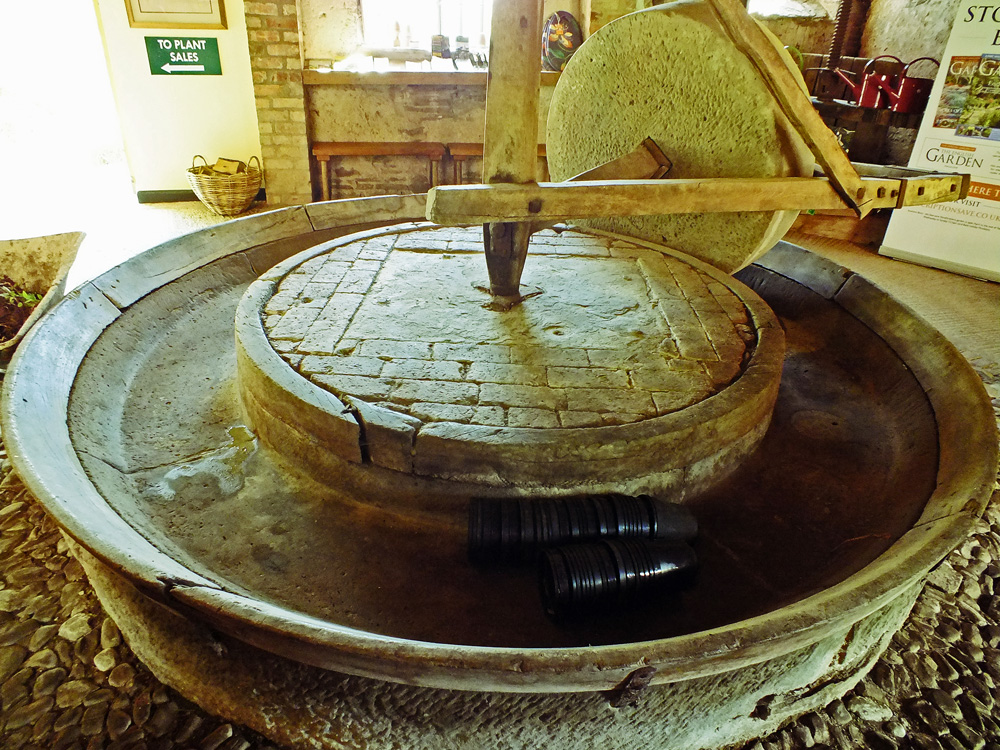
Cider-Press

I spent a fair while just photographing these gorgeous old buildings before venturing into the gardens themselves.  But what a treat awaited me.
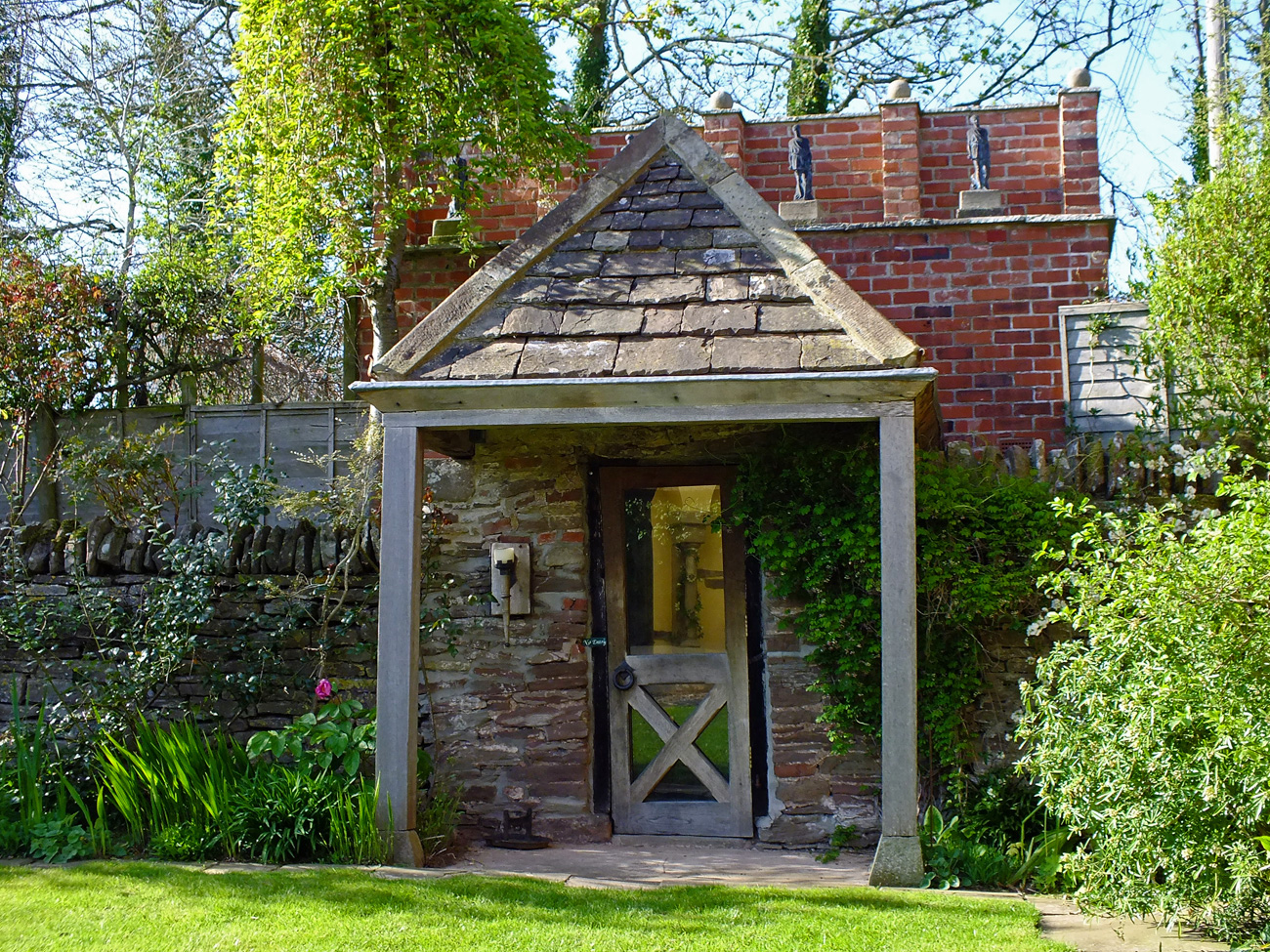
private

The problem was where to start? The Pigeon House Garden? The Spring Garden? What a choice.
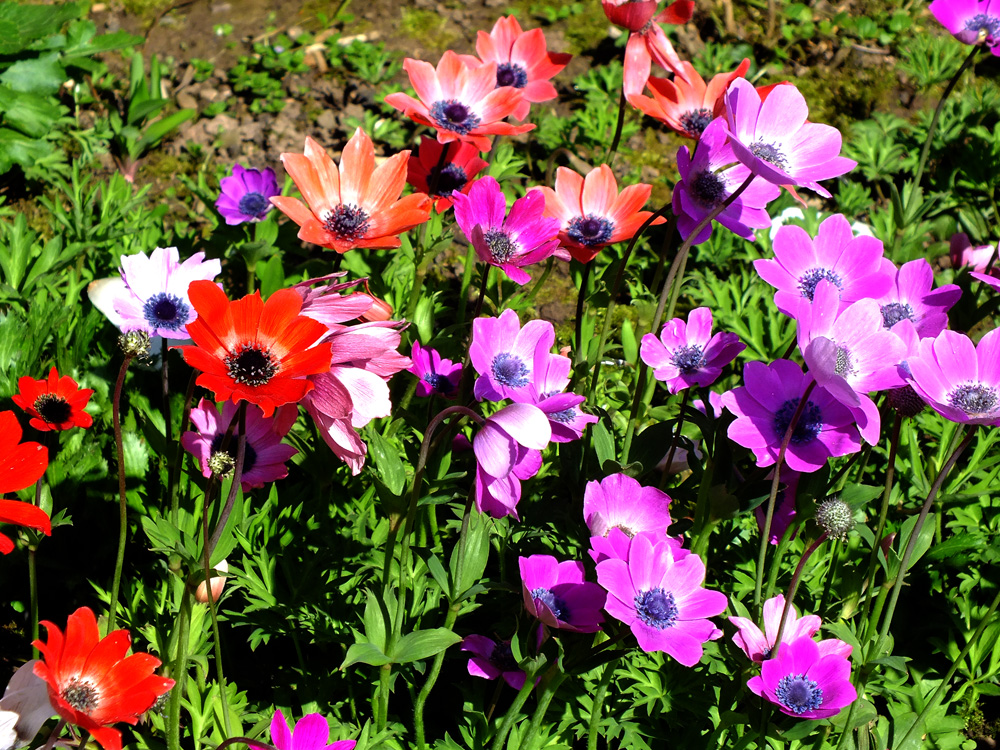
anemones

path-in-the-spring-garden

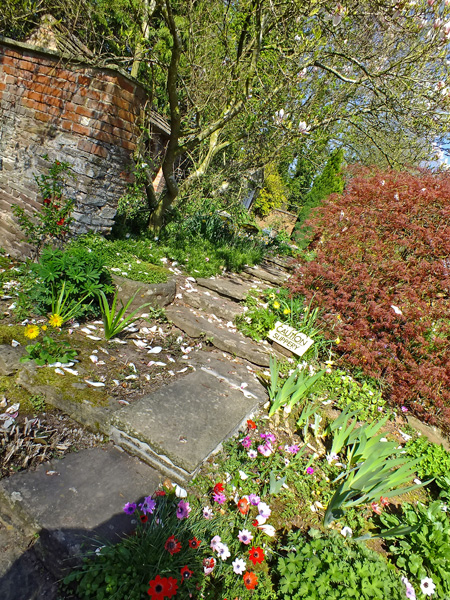
The Spring Garden was a delight with these jewel-like anemones flowering in the sun. A crooked path leading to a sweet little summer-house with magnolia blossom overhead.
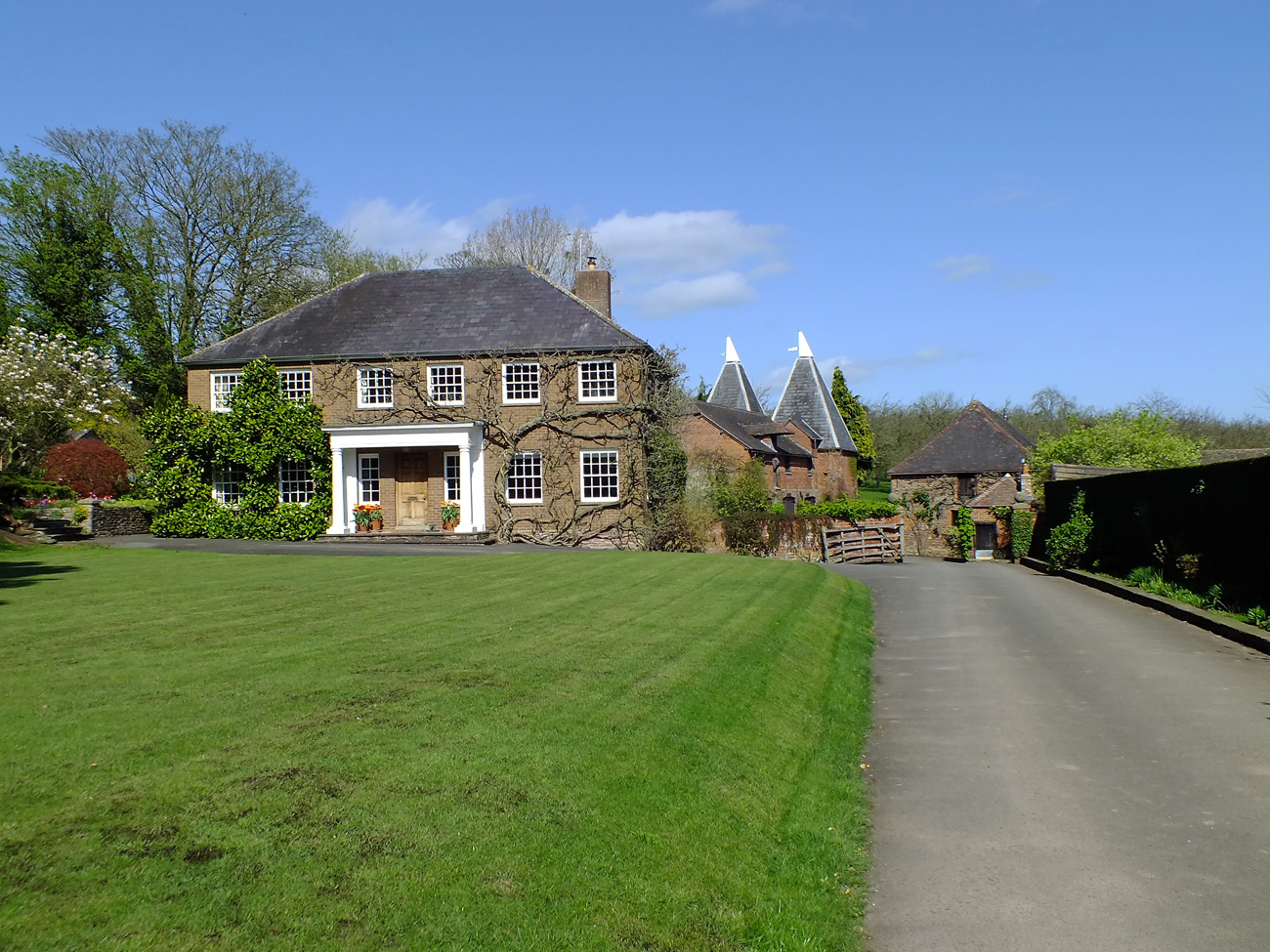
house

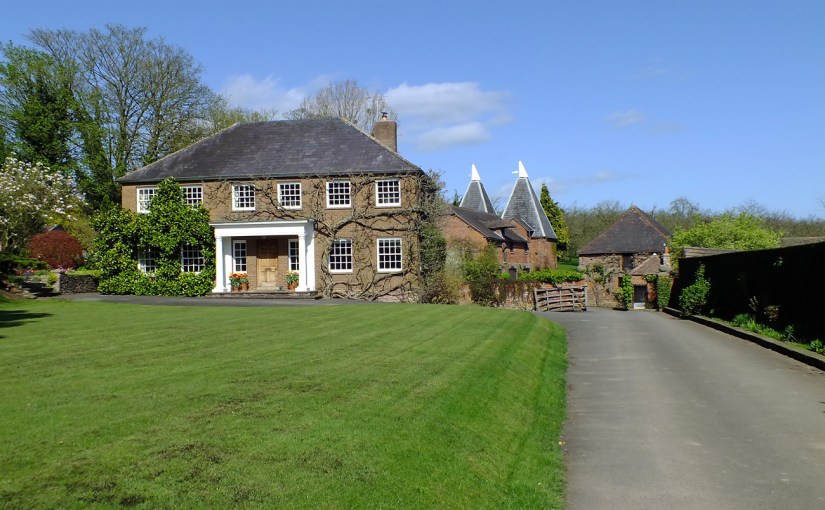
Leaving the Spring Garden behind brings you out in front of the Manor House, with pots of bright tulips outside the porch and walls festooned with budding wisteria. The Main Lawn softens the driveway which leads to the farmyard. And a barn with bells.
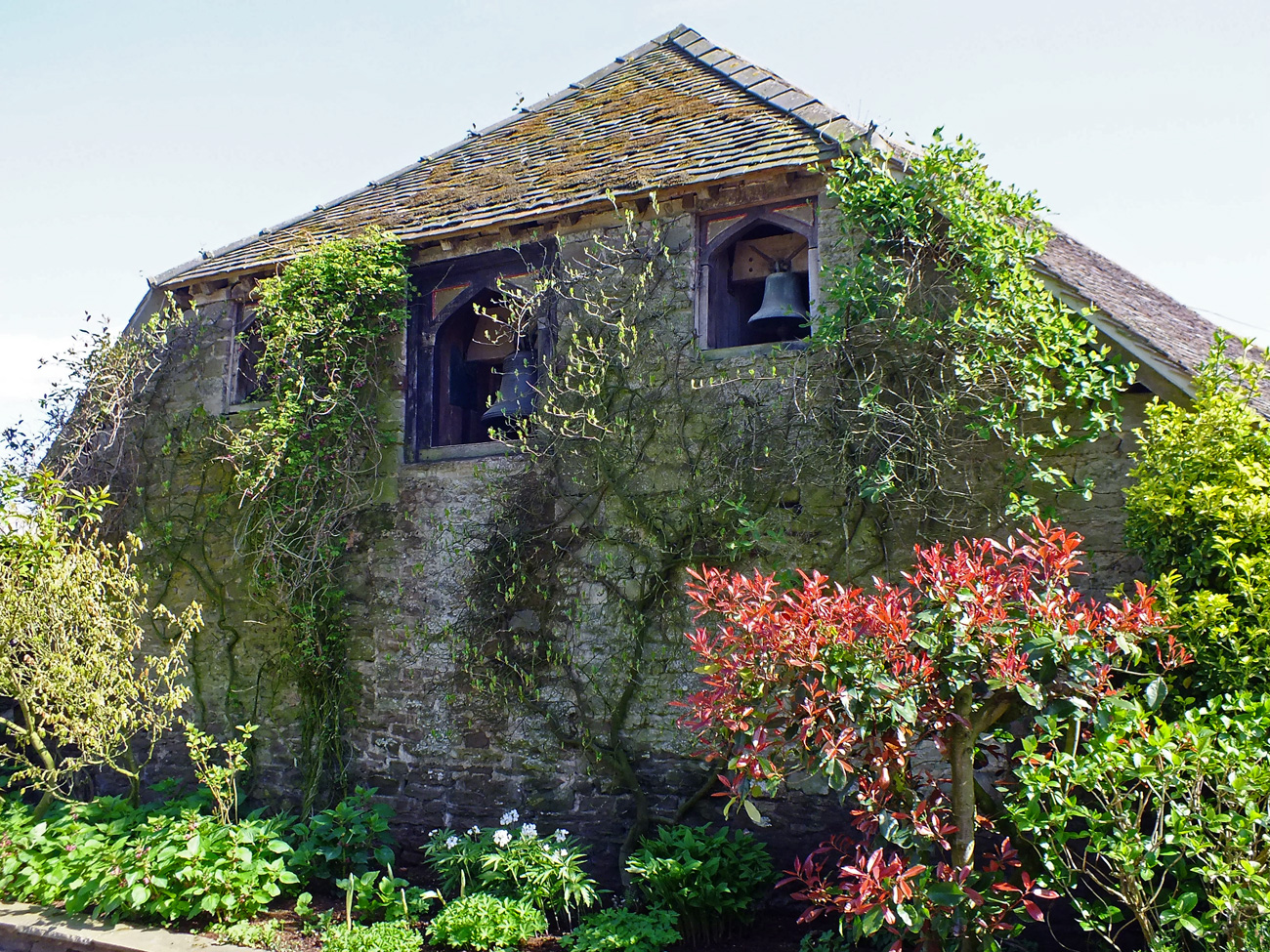
bells-in-the-barn

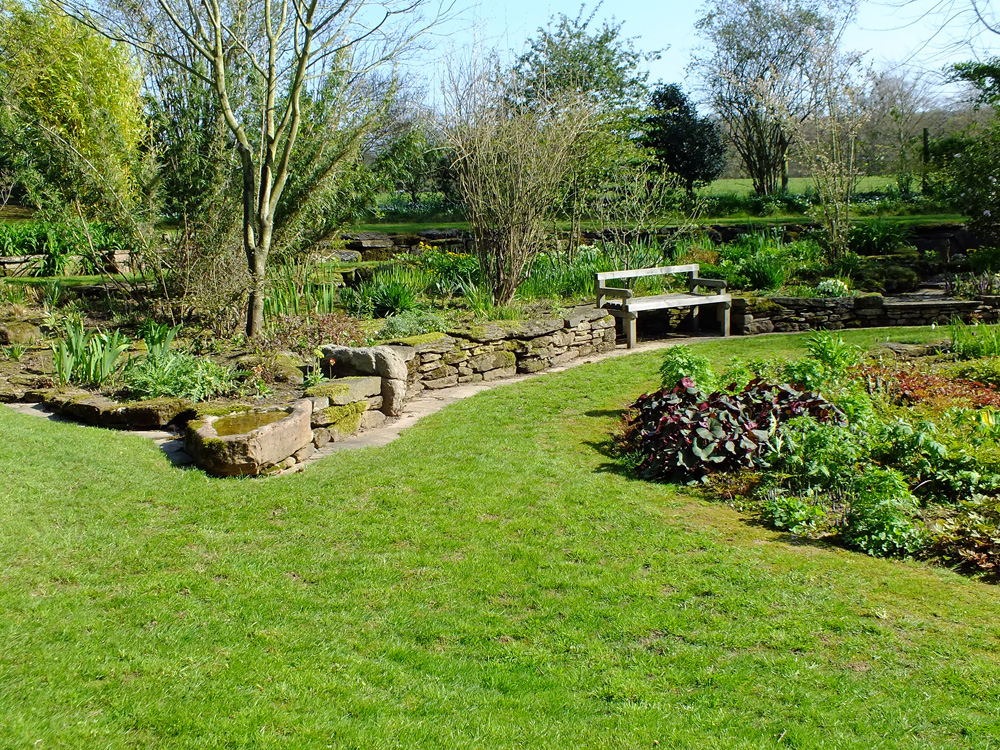
The Bathing Pool Garden was intriguing, especially as this leads to the Rock Pools where Fritillaria meleagris and Pulsatilla vulgaris  flowered around the pool and blossom hung overhead.
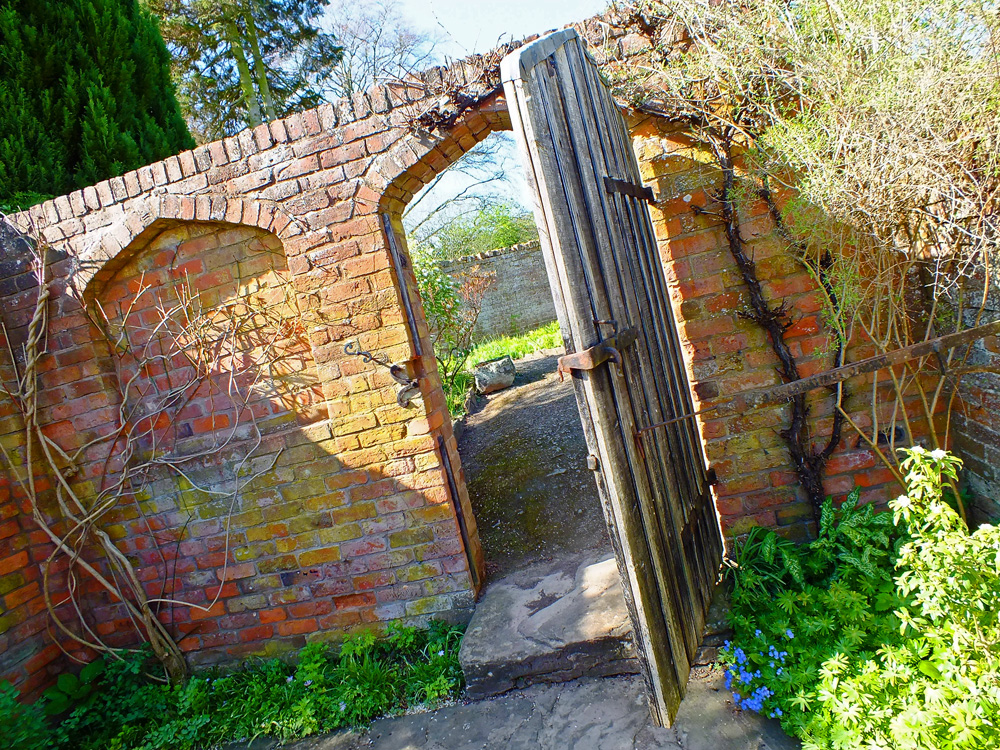
doorway

outside-the-bathing-pool-garden

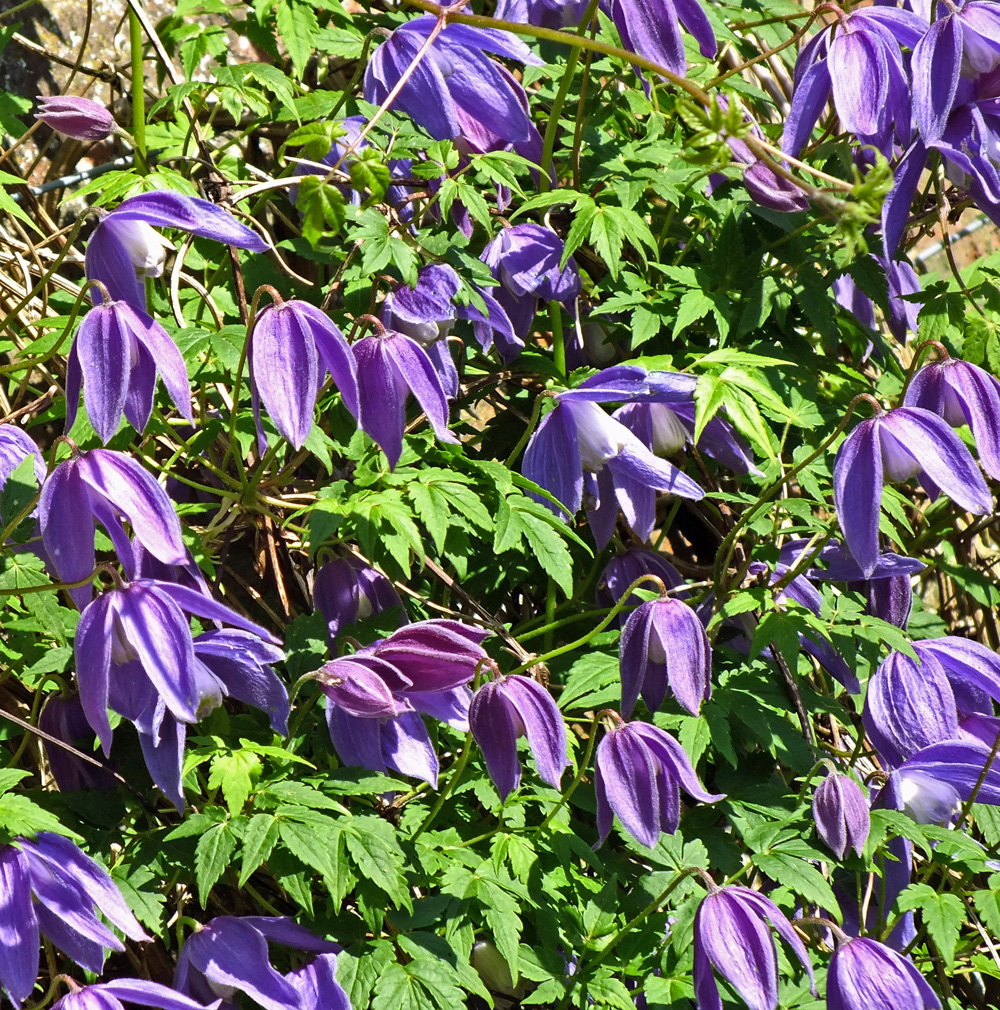
Doorways and water features entice you into the Elizabethan Garden with violet-blue clematis dripping over the wall.
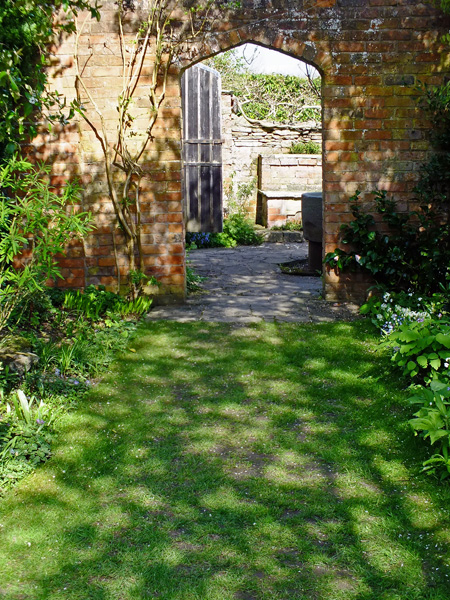
through-to-the-bathing-pool-garden

cleamatis

Next the Long Walk leads you past the Kitchen Garden, the Sunken Garden, the Pillar Garden and finally the Paddock Garden. See the blossom?
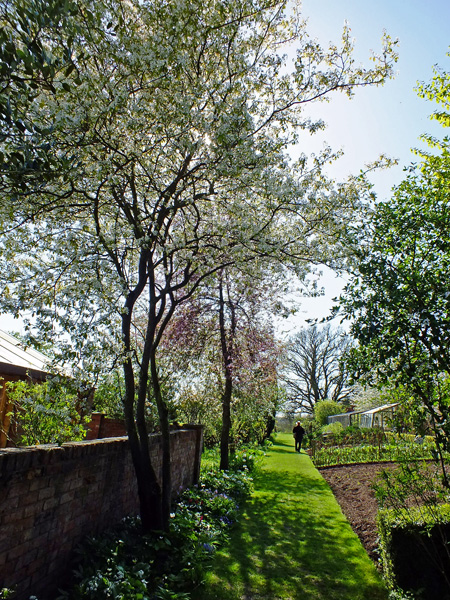
The-Long-Walk

The-Pillar-Garden

Paddock-Gardens

With plants and pots and watering-cans to catch the eye.

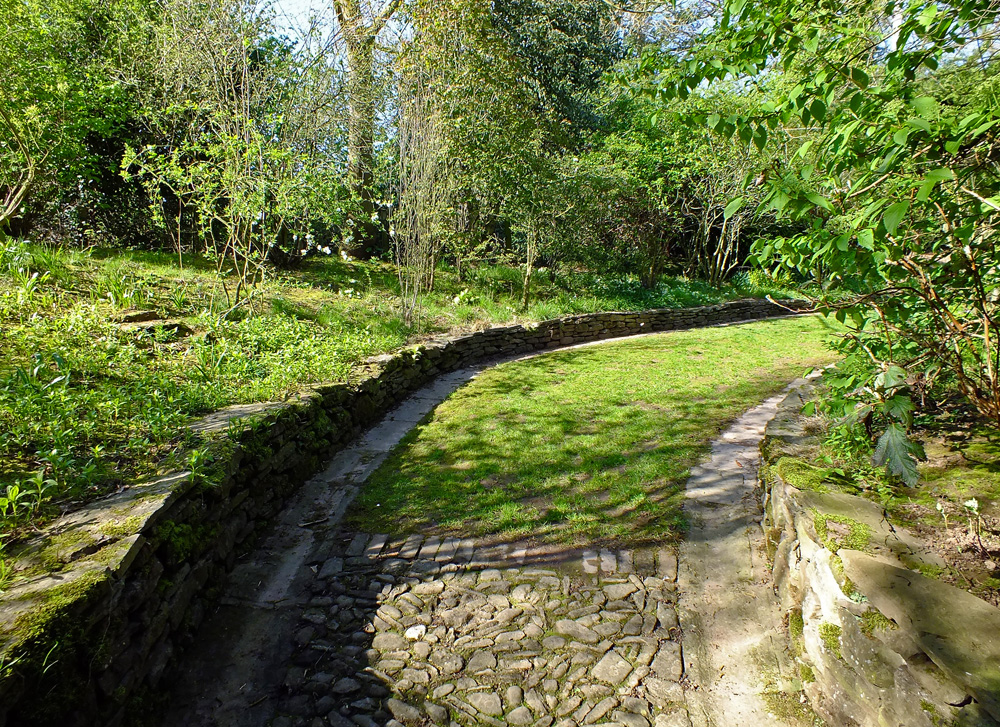
The path leads down to the Dingle, the furthest area of this lovely garden and where the Spring and the Grotto can be found. A very peaceful place to stop and rest and absorb the beauty of nature.
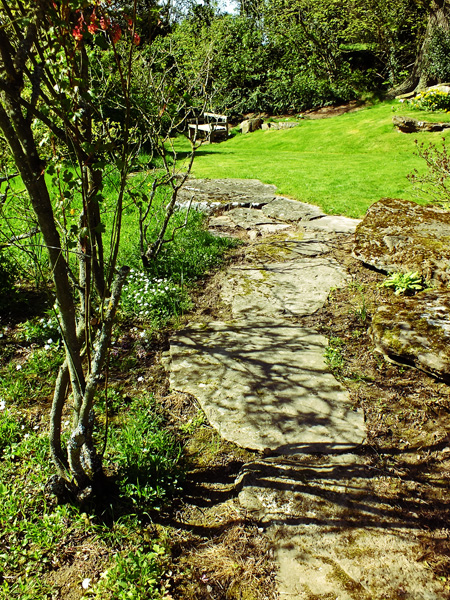
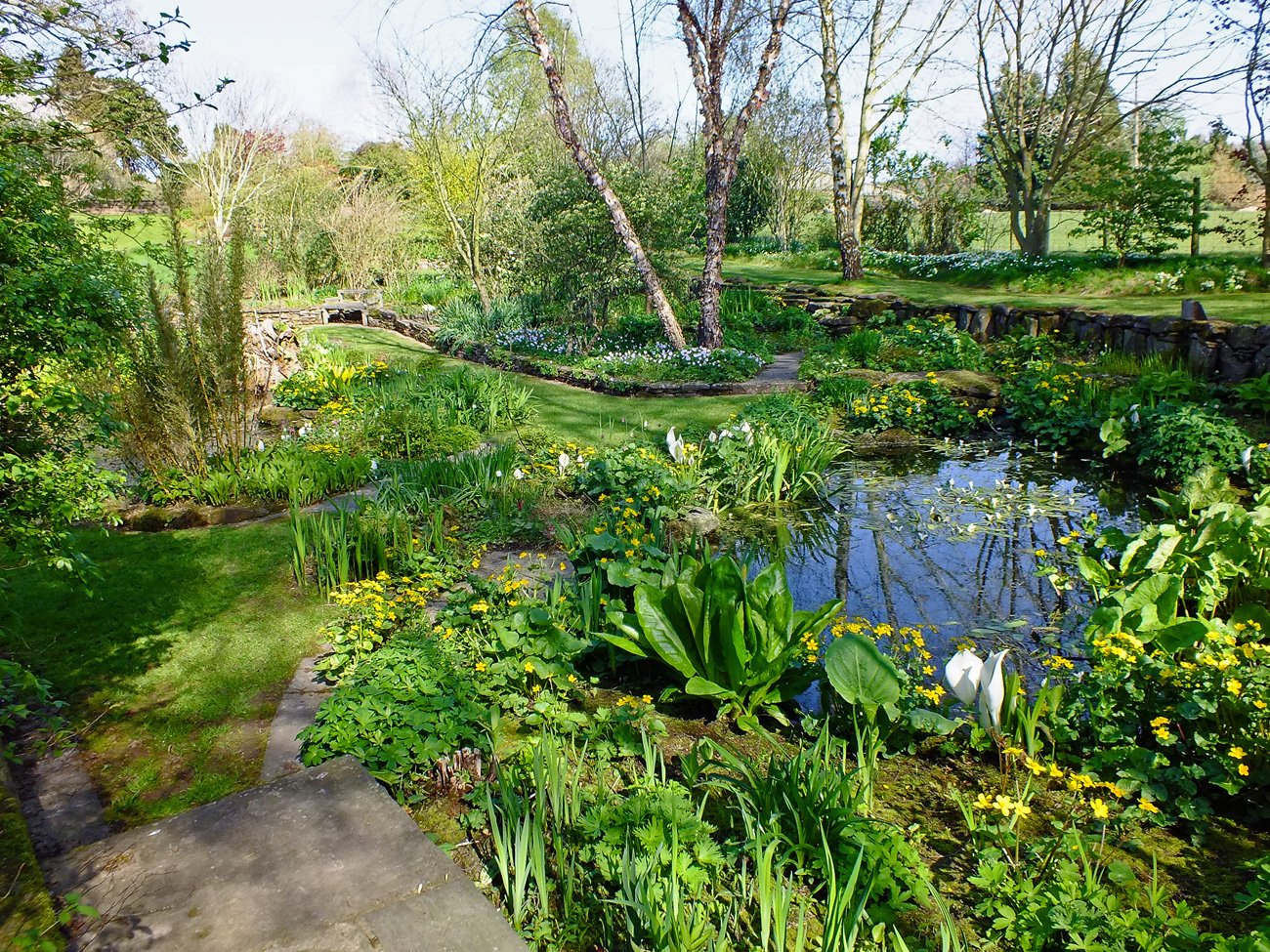
path-to-The-Dingle

The-Dingle

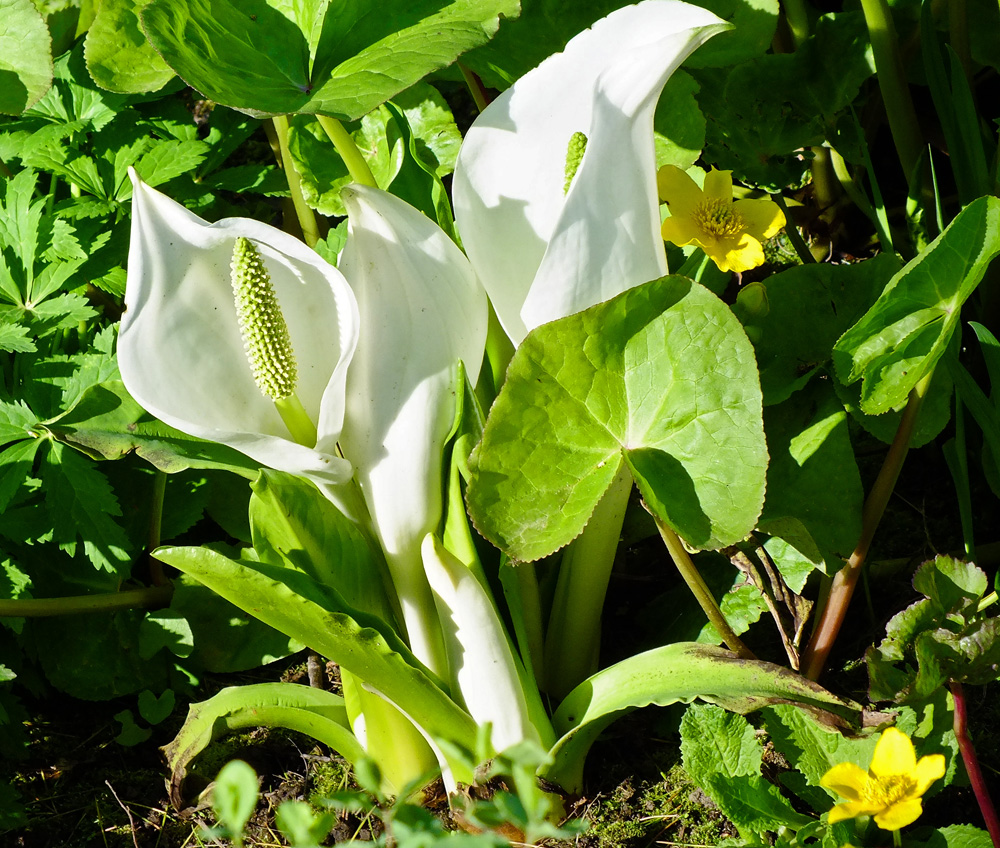
cabbage-skunk

Lots of little paths to wander along.
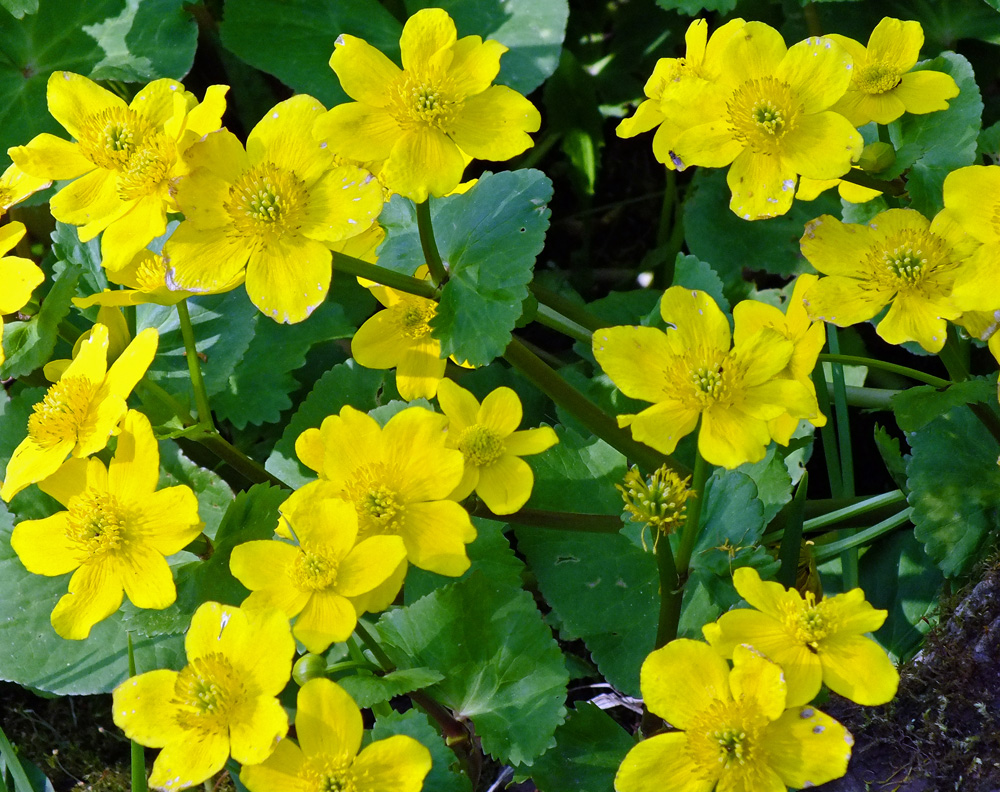
marsh-marigolds
marsh-marigolds

Path-to-the-Grotto

And a wider one which leads to the Grotto. But watch your step!

warning
warning

Time-to-rest

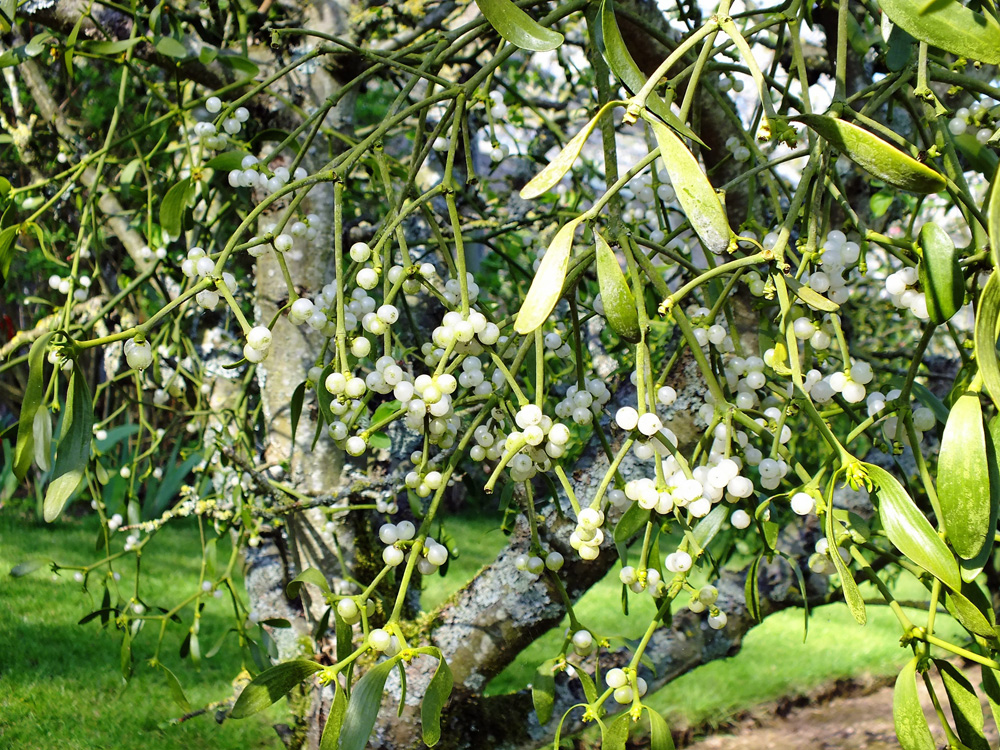
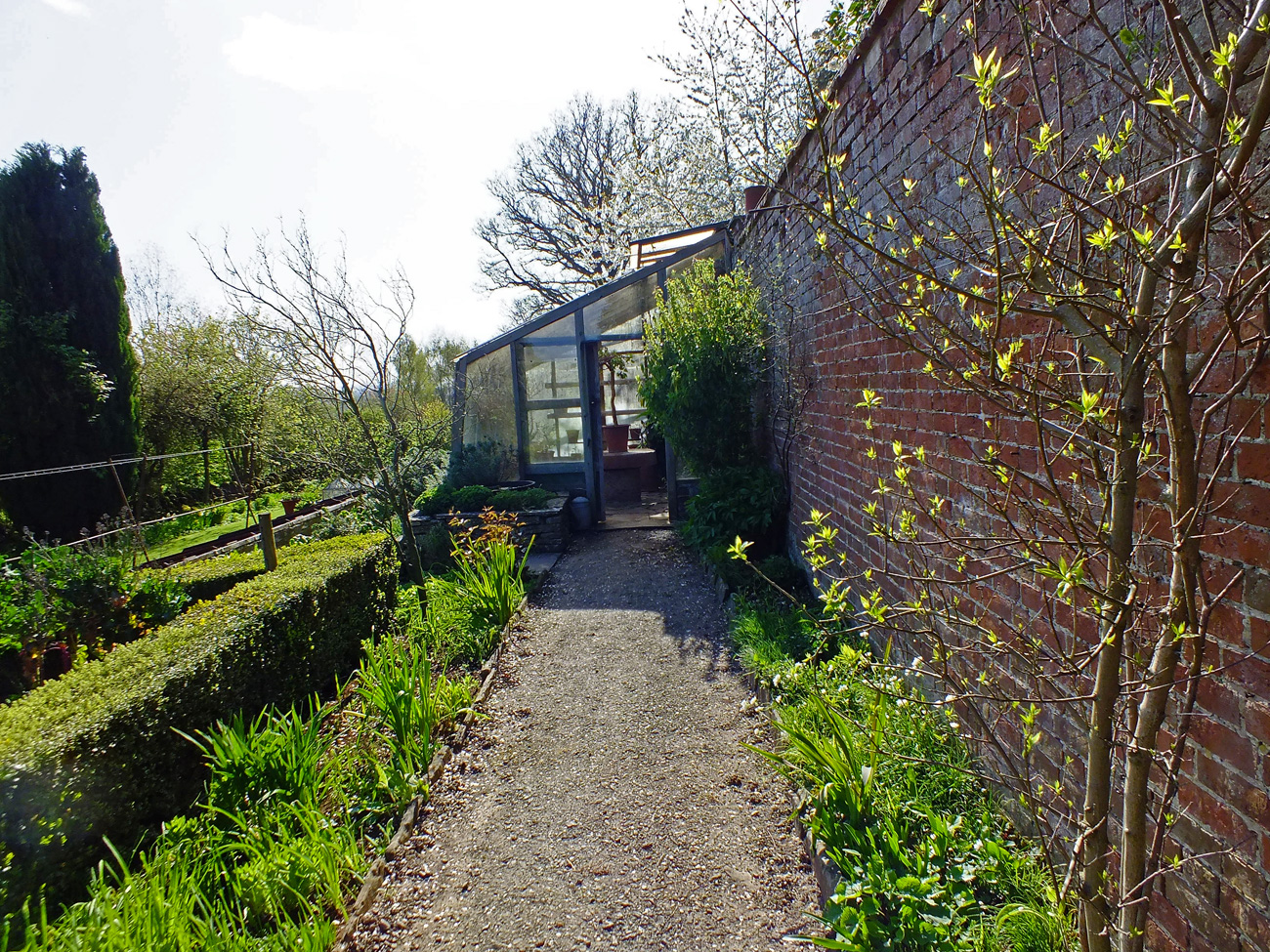
Finally on the way back to the exit there are the Iris Walk and the Greenhouses which I can never resist having a nosey in. The irises weren’t in flower, so another visit is required, very soon. But I did find some mistletoe growing on a fruit tree.
misletoe

Greenhouses

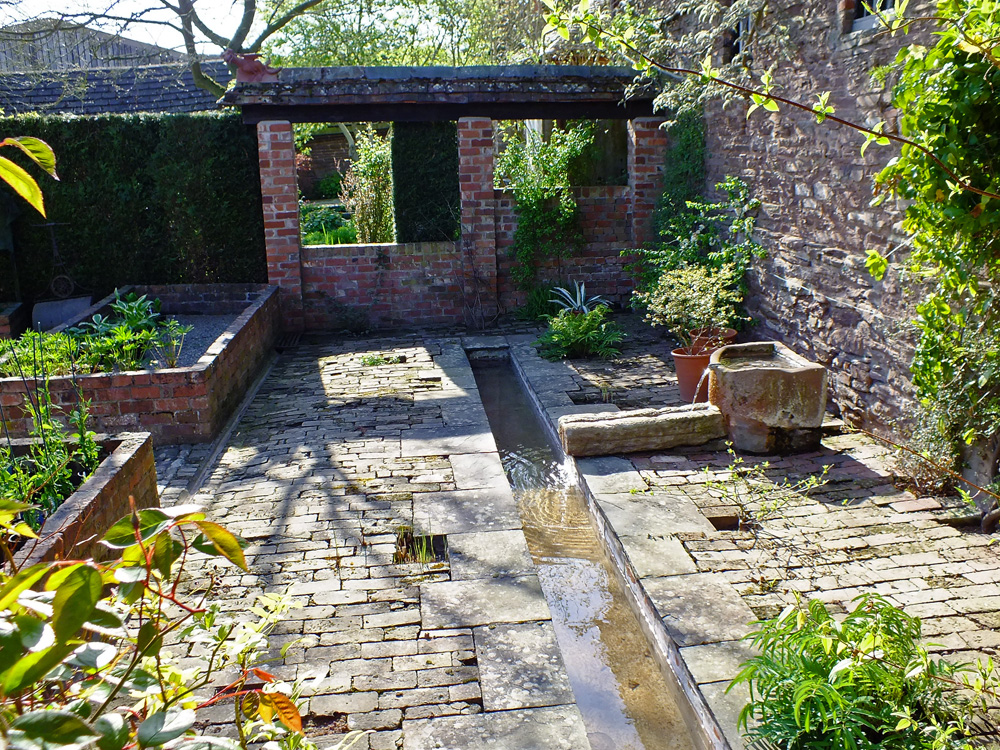
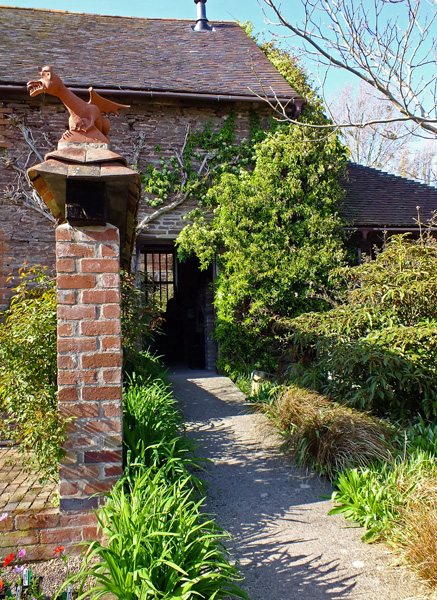
Before you leave, have a browse around the plant sales which is behind the Cider Press and where you’ll find the Rill and a pair of Welsh Dragons 🙂
The-Rill

Plant-Sales

I hope you have enjoyed your visit to Stockton Bury Gardens in Herefordshire. It has a very long history as there has been a dwelling on this site since 660. The ‘Bury’ is a Saxon word for Court House or Mansion House and was given the status of a Manor in the reign of Edward III.

Weekly Photo Challenge: Letters

For this week’s challenge, share a photo with letters — no matter the alphabet. As you look through your lens, think about how your image might convey something bigger: a snapshot of how we communicate with one another, even if we don’t speak the same language.

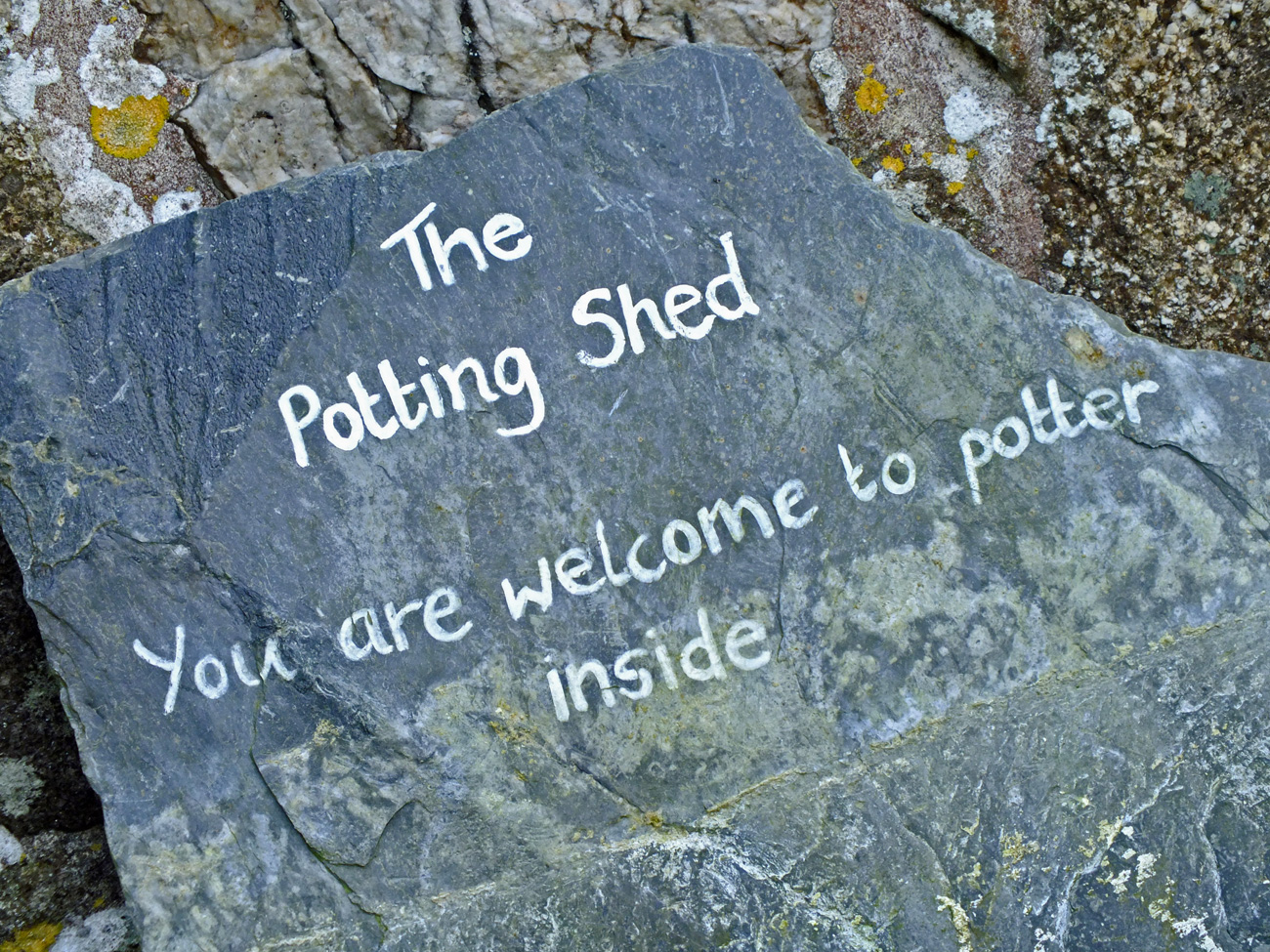
The Potting Shed

potting-shed-2potting-shed-sign

Do I need any more encouragement? Well, the open door invites you in even if you don’t read the language.

potting-shed-information

Words and pictures describe the history of the estate.

Words on slate
Words on slate

Most gardeners refer to plants by their Latin name, so everyone knows what it is. Common names can differ between countries and be quite confusing.

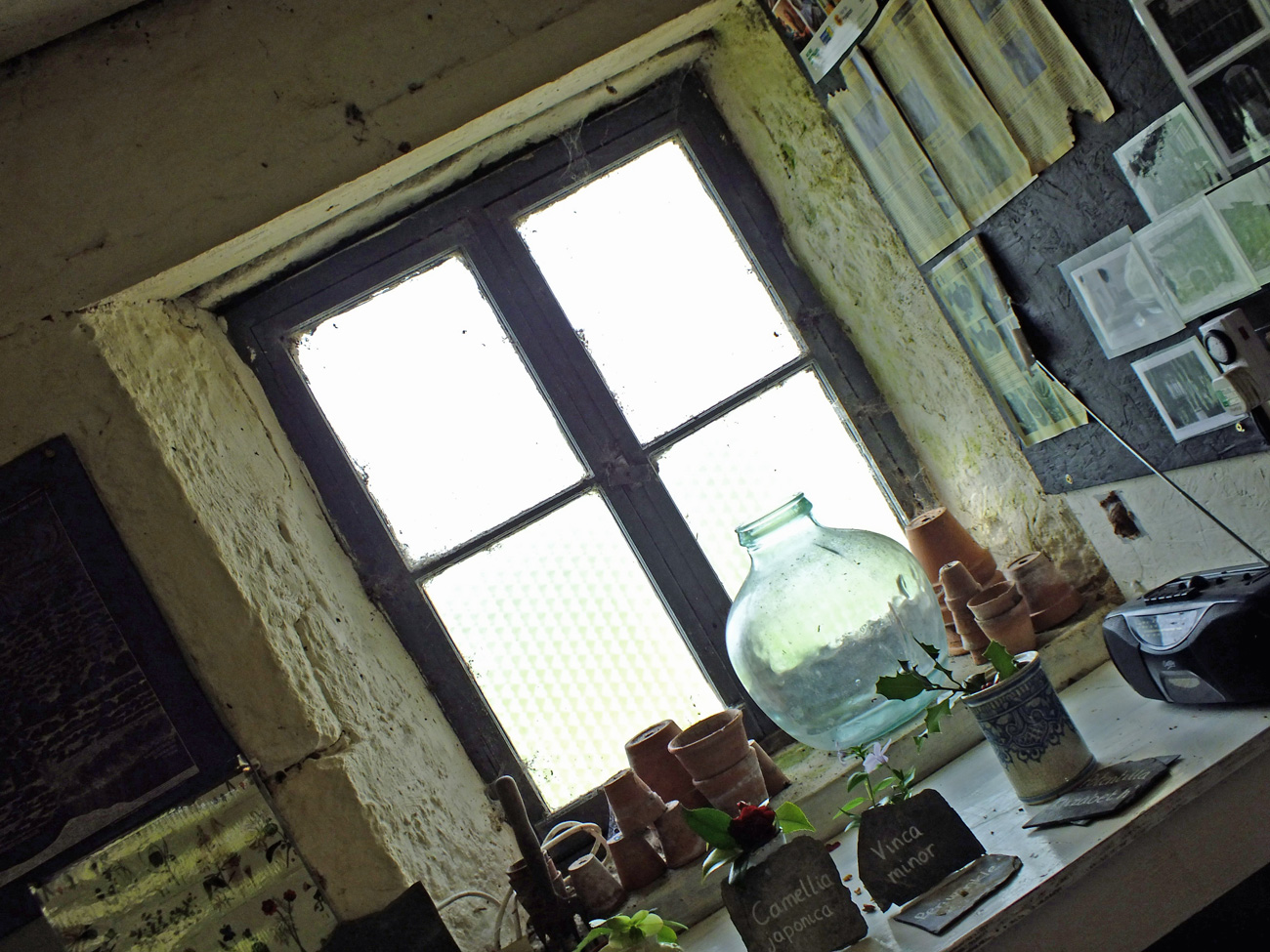
Pots in the potting shed

Every gardener needs pots and where better to keep them than in the potting shed.

A bottle garden?
A bottle garden?

And possibly a garden in a bottle? I once tried this, but wasn’t very successful. It is difficult to keep the temperature and moisture level to suit the plants, or in my case, they grow too big!

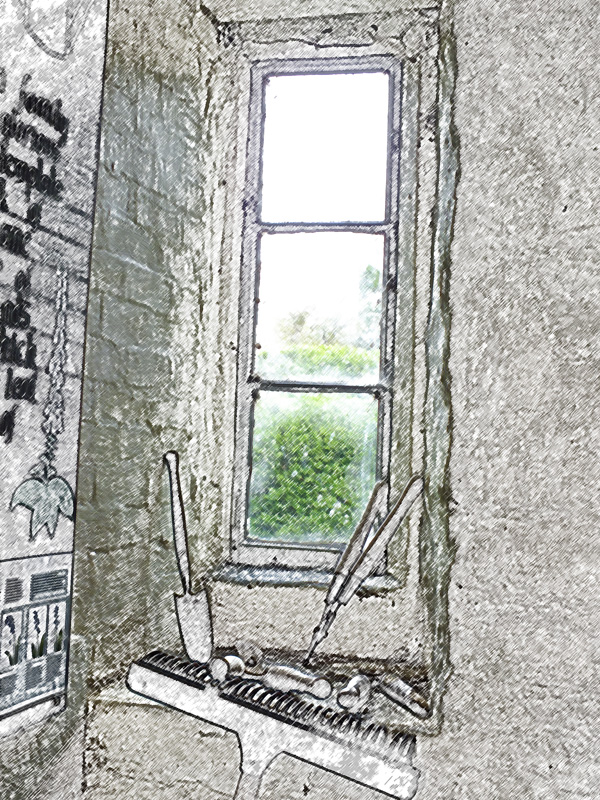
tools

And what every gardener needs – tools!

If you would like to see what others have come up with for this challenge then go to the Daily Post @ WordPress Weekly Photo Challenge

(This post really should feature on Earth Laughs in Flowers, but I’m coming to the end of the April a to Z challenge on there so didn’t want to interrupt the flow. If you’d like to see more flowers then please pop over to see what’s happening there.)

Travel Theme: Glow

Ailsa of “Where’s My Backpack?” is ready to GLOW with the flow this week. If you would like to join in with her challenge then please do. Everyone is welcome.

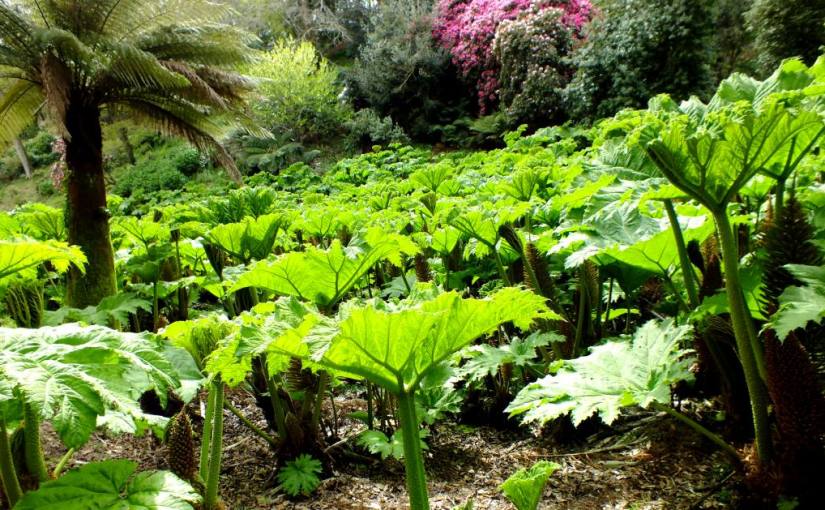
Just back from a trip to Cornwall where I visited several of the gardens there, many of which are famous for their camellias, rhododendrons, azaleas and magnolias. But there were a lot more plants that caught my attention, including these fresh giant leaved Gunnera plants which glowed in the sunlight, and seemed an obvious choice for the challenge.

Gunnera glow 3

Gunnera glow 2

Hindringham Hall

Hindringham Hall is privately owned, but the gardens are open to the public each Wednesday during the summer season and four times a year there is a tour of the house itself. We booked one of the two holiday cottages for a fortnight in the North Norfolk countryside, though I was worried that being four miles from the wild north coast, to which I am strangely drawn, would be too far. I should not have fretted, as it was an ideal location. Far enough away from the madding crowds, but close enough to visit regularly enough. And entering the five-barred gate, driving down the long gravel driveway and crossing the moat bridge leading to the hall was a lovely experience – for two weeks we could pretend to be Lord and Lady of the Manor 😉

The village of Hindringham is typical of many small villages in the countryside today (not only in Norfolk) where there are few, if any, amenities. There is no village store or post office, no butcher or baker or indeed a candlestick maker, and the only pub is a bar in the cricket pavilion – aptly called The Pavilion – which is run by the community and only open on a Friday evening! Oddly enough though there is a Primary School, a large village hall and the church so you might have expected a shop at least.

Parts of Hindringham Hall were probably built from some of the stone torn down from the nearby Binham Priory, but it has been extended over the generations. It is now a handsome stepped-gabled building with a complete moat and a characterful history. There are not many fully moated houses remaining in the county; Oxburgh Hall (which has historical connections with this hall) is another.

The gardens are in several different sections, some outside the moat and the more private areas within the same plot as the house and bordered by the moat. In late summer they were probably not showing at their best, but there is still enough of interest to spend an hour or two drifting around them and finishing with a nice cuppa on the lawn. The walled kitchen garden was impressive for its well-stocked soft fruit bushes, salads, potatoes, beans and fragrant herbs mingling with the sweet scent of the colourful jewel-like sweet-peas. The buddleias alongside the moat opposite our cottage were smothered in butterflies the whole time – Large Whites, Painted Ladies, Red Admirals, Commas and a profusion of Peacocks. Within the private, walled, west lawn to the side of the house various clematis clung to the walls or pergolas, stone urns frothed with Pelargoniums and beautiful Romneyas stole the show, their egg yolk centres gleaming within the startling white, crêpe petals.

Roses and clematis wound their way around the thick rope-hung poles bordering the gravel driveway near to the front of the house and vibrant blue African Lilies provided splashes of intense colour. The roses were already ‘gone over’ by the time of our visit, but I am sure they would have been lovely.

I needn’t have worried being away from the coast. Sitting, relaxing in the sunny, private garden of the cottage lazily watching the bright blue damselflies and red dragonflies flitting around, spotting the heron fishing in the moat, listening to the ducks and solitary black swan calling, seeing a sky streaked with oranges and lemons and stars shining from an inky background and drifting off to sleep with echoes of the soft hoot of a tawny owl is really what a holiday is all about.

Lost

A tale about getting lost might involve taking the wrong train, having a lousy navigator beside you, or leaving the compass at home. It could also mean losing one’s mind in the moment, being absorbed in a stunning painting or architectural style, momentarily forgetting who you are and where you are. There have been many moments in my life when that is true. Getting physically lost can be exciting, frightening or frustrating, but generally if you keep on going you always arrive somewhere. Getting lost spiritually however can be a similar journey of discovery.

chateau and marina at Yvoire - FranceIt was hot. The last week in September, but feeling more like mid-summer with the sun kissing my skin and a soft breeze floating offshore. The lake was like a mirror reflecting the clouds and the boats bobbing in the little marina. The majority of the crowd disembarked from the ferry and made their way to one of the two nearby restaurants on the quayside. I watched them melt away before making my decision to explore first and eat later.
In immense anticipation I made my way through the narrow streets of the beautiful medieval village to “Le Labyrinthe Jardin des Cinq Sens,” (the Garden of Five Senses) and my “raison d’être” for visiting Yvoire.

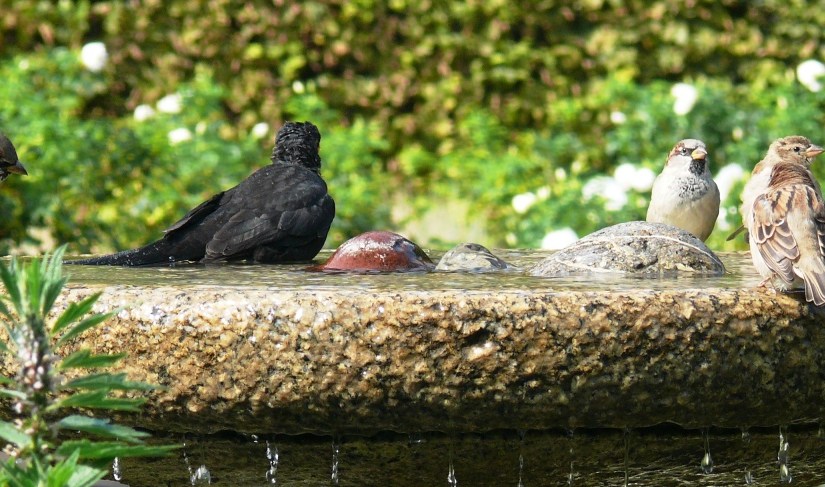
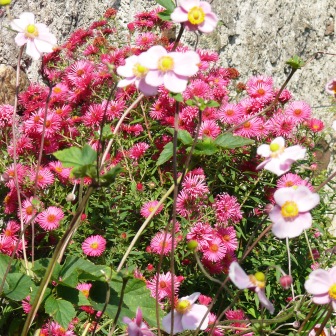
astersIn an oasis of tranquillity you can smell, touch, contemplate, listen and taste. The garden is divided into rooms where you can connect with flavours, fragrances and textures. Gently touch the furry quince or spiky heads of the teasels; smell the chocolate cosmos and rub the apple-scented pelargonium leaves between your thumb and fingers; study the glacial-blue of a clematis, the considered planting of deep pink asters amongst paler pink Japanese anemones; nibble spearmint, chocolate mint or a sprig of rosemary and listen to the birds splashing cheerfully in the bird bath in the centre of the maze of hornbeams.
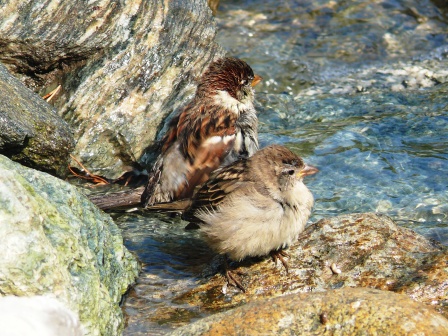
sparrowsAs I relaxed on a bench, undisturbed, the sun burning two copper discs onto my retina, I drifted into another world:

lost in the moment

My senses reaching out to the sensations around me, aware only of what I could hear and smell and feel – the babbling water and the incessant birdsong mingling in the background, the perfume of the flowers and the light soft breeze on my face.