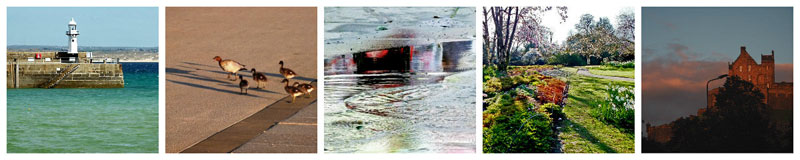
May’s theme / technique: It’s all about the Light
The six visual keys to a great photograph are:
-
- Patterns
- Texture
- Lines
- Light
- Depth of field
- Space
Being Creative with light. Photography literally means writing with light which immediately tells you how important lighting is. And with light comes shadows. Another important feature. An appreciation of light is crucial to making great photographs.
The qualities of light that affect a photograph are:
-
- brightness of light
this is fairly easy to understand; it is the intensity of light. - lighting contrasts
is the difference between highlights and shadows in a scene - specular light
or hard light can be explained by thinking how sunlight strikes an object on a bright and clear day. One side will be lit up, the other in dark shadow. - diffused light
on the other hand when it is an overcast day the sun lights the clouds and they become the source of light. Light wraps itself around the subject and reflects light into the shadows. The light is soft or diffused. - direction of light
creating depth in photographs relies on knowing the source of the light. Front light comes from behind the camera and strikes the front of the scene, usually producing a 2-dimensional image. Use bold colours or a strong colour contrast to replace the lack of shadows. Sidelight is most apparent when the sun is low and shadows are long separating foreground from the background and giving a 3-dimensional look. Backlight comes from behind the subject and can create depth and shape. If a subject is transparent then backlighting is a way to make them glow. - colour of light
Sometimes you can actually see the colour of light. The so-called ‘magic hours‘ before sunrise or after sunset can produce coloured air which can be pink or orange or golden. Everything seems to change colour. There is also the question of white balance (WB). A setting on your camera that makes things that are supposed to be white really look white. This setting can be changed either in the camera, or if you shoot in RAW, in processing.
- brightness of light
As I have previously said, I am not an expert in the technicalities of photography. I tend to use auto settings most of the time. I have altered the white balance occasionally when it has been cloudy or when photographing snow, to prevent that blueness you often get. But by all means experiment to see what difference the presets in your camera make.
This week's assignment - Study light throughout the day from one location / or one object returning to see how light changes and affects it. Compile 6 shots. Which is your favourite?
 TRAVEL WORDS