St Just in Penwith

St Just in Penwith, shaped by its industrial mining past, is the most westerly town in England and began as a medieval settlement called Lafrowda. It is surrounded by dramatic landscapes of wild moorland, wind-shaped carns and Bronze Age remains. The town made its fortune from tin and the marks left by the boom of the mid-1800s still dominate. There are two squares – Bank (with its 1931 clock tower) which was the business centre (and where the miners would have collected their wages) and Market where the shops and pubs are located (and where the miners would have spent their wages).
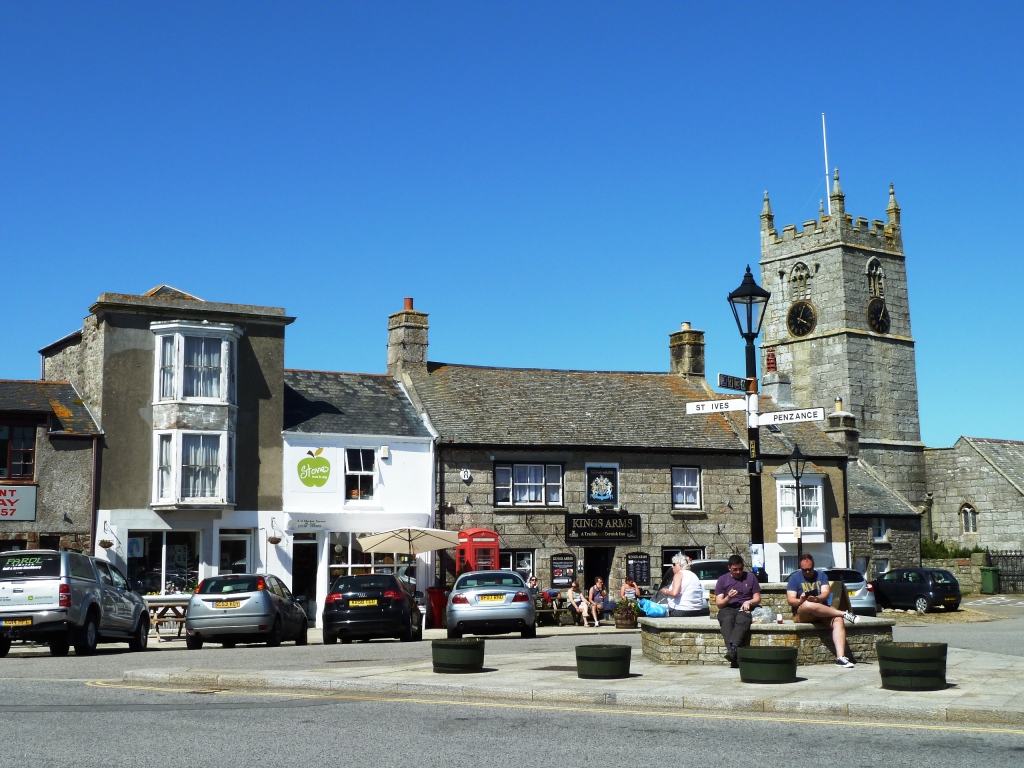
Market Square
Bank Square

The grass amphitheatre behind the clock tower is Plen-an-Gwary (Old Cornish for ‘playing place’) where Miracle plays would have been performed 500 years ago. In more recent times it has been used to stage the full cycle again in 2004 and also to hold the Gorsedd, an important Cornish festival. Continue reading St Just in Penwith
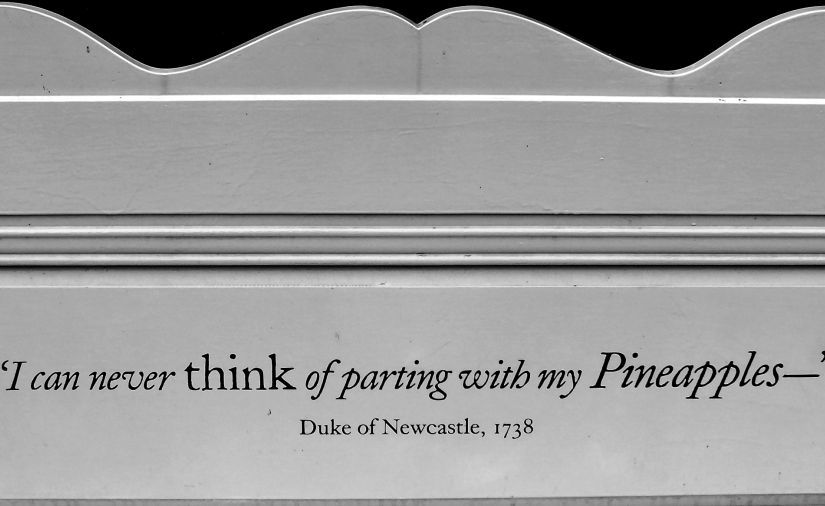
Bench series #30

For the month of July I’m looking for a bench with ‘Unusual Details’ 

(This month I want to see photos of a bench which is different to the norm. It may be the shape, style, length, height, colour, material or even location that attracts your attention)

glendurgan (2)

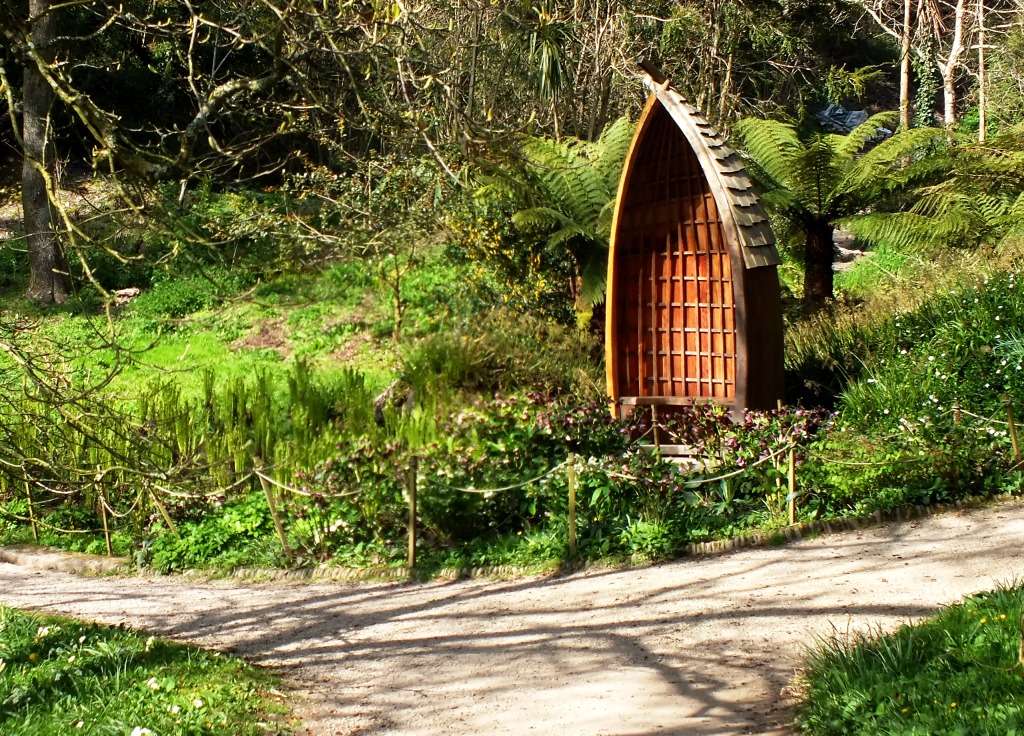
Upturned ‘boat’ benches are so fascinating and so practical as the boat provides shelter from the sun or rain – these are two that I have found in different parts of the country. Have you seen a ‘boat’ bench? If so perhaps you’d like to share it with me.

If you would like to join in with the Bench photo challenge then please take a look at my Bench Series page. No complicated rules, just a bench and a camera required 🙂

  • Create your own post and title it Bench Series: July
  • Include a link to this page in your post so others can find it too
  • Add the tag ‘bench series’ so everyone can find the benches easily in the WP Reader
  • Get your post in by the end of the month, as the new bench theme comes out on the first Sunday in August.

This is the last week for unusual benches so please get your entries in soon!

My Picks of the Week:

Violetsky has these happy feet and snuggly hands to show us.
Debbbie finds a map in the countryside around St Albans.
Pauline (or PP as I often call her) has two lovely benches this month – one with the lovely Jack attached and another for ‘tiny bottoms‘. Thank you Pauline xx
Dailymusings has a wonderful butterfly bench and darling Gilly is riding with cherubs 

As always there are so many delightful benches to view, I hope you will check out the other links within the comment section.

Come a little closer…

The WPC this week is not really a challenge for me as I am always taking photographs close up. Rocks and lichens have been my most recent subjects on here, and there has even been a dragonfly, a bee and a zebra in the past.

Dragonfly
Worker Bee
Up close and personal


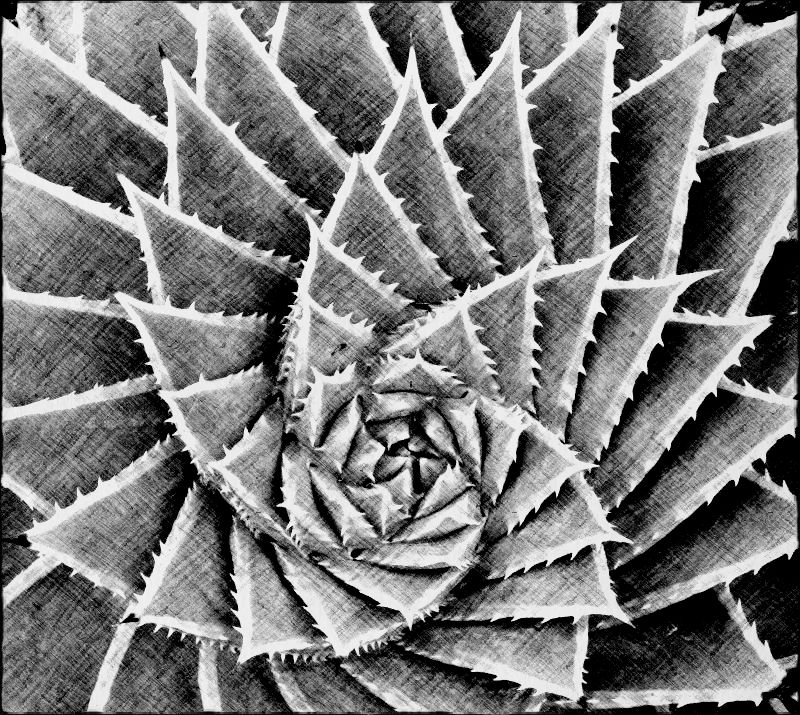
Flowers feature frequently over on the Earth Laughs in Flowers blog. Stunning osteospermums and gazanias are enchanting close up, but structural or textural plants such as succulents or grasses can look completely different if you ensure that pattern details fill the frame.

DSCF9989

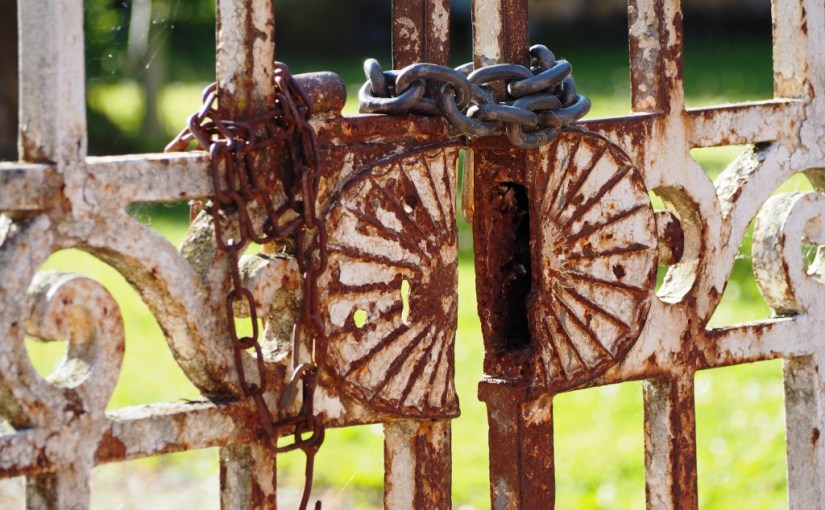
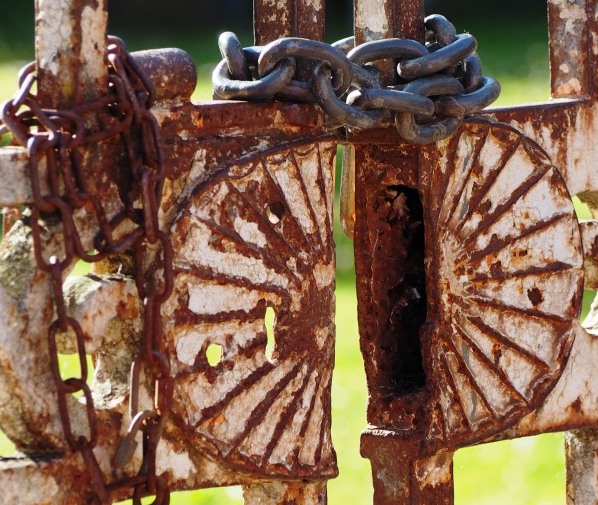
But let’s step away from nature and turn to a man-made object for a change and get a little closer. Would you have noticed that pattern as you walked by?

OLYMPUS DIGITAL CAMERA
Rusty pattern

And the difference between Macro photography and a close-up? Well a close-up image will fill the frame as my lock does above and can generally be done using any type of lens including cameras with a macro setting. Macro photography on the other hand, although a form of close-up, is usually only achieved using a special (and expensive) macro lens. A macro shot, allows for bigger magnification and shows the finest detail in focus. A real macro lens has the capability of achieving in the least a 1:1 magnification. Having just taken delivery of a new camera I am looking forward to buying my first real macro lens and getting even closer.

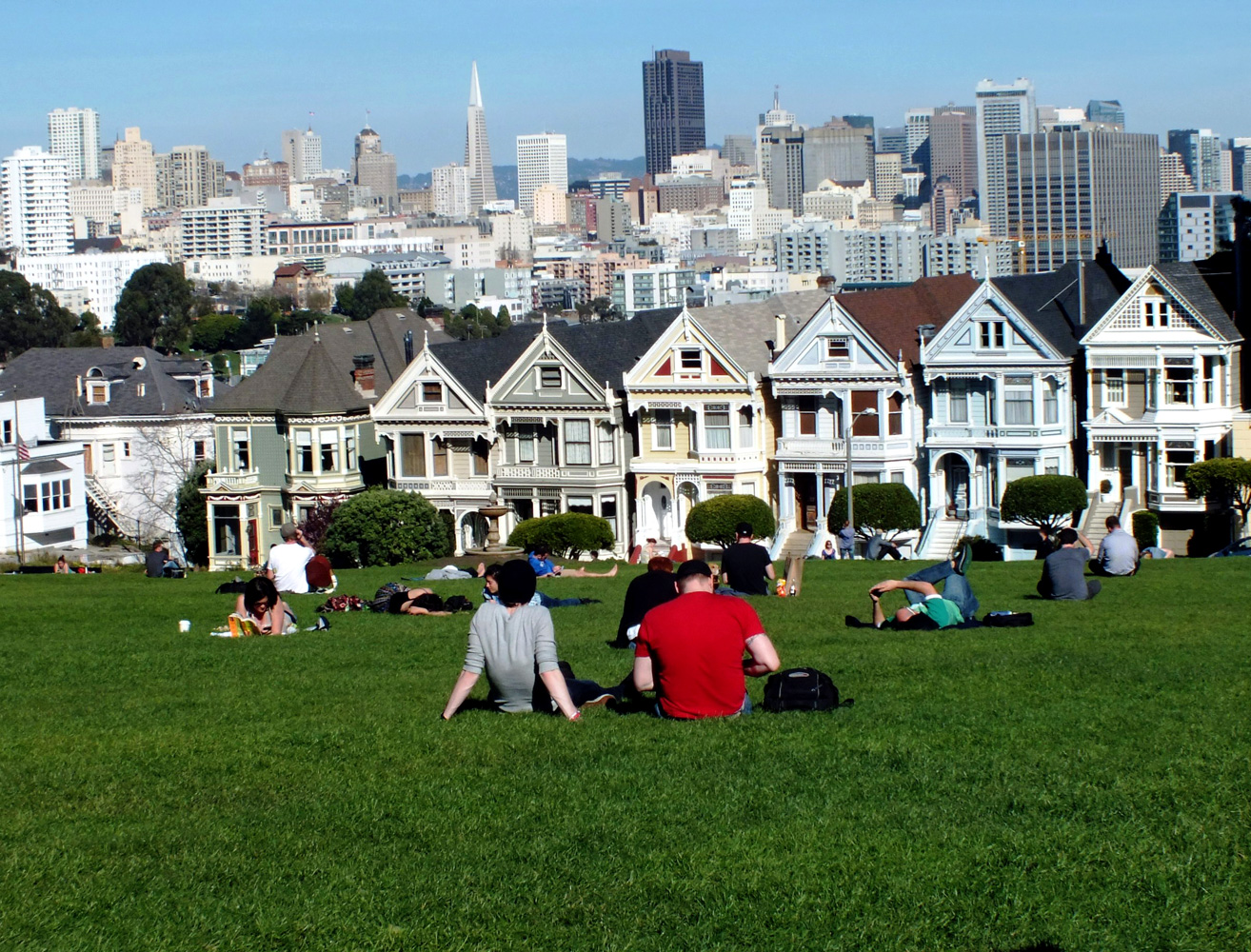
Painted Ladies of San Francisco

The “Painted Ladies” of San Francisco sounds quite scandalous, but is actually a nickname for the city’s Victorian and Edwardian mansions with their genteel pastel hues and feminine façades, lacy wooden mantles and perfectly pitched roofs.

Postcard Row

One of the most photographed vistas is from Alamo Square on the corner of Hays and Steiner where you get a background of the modern city that contrasts with these lovely ladies. It is sometimes known as “Postcard Row.” The houses were built between 1892 and 1896 by developer Matthew Kavanaugh, who lived next door in the 1892 mansion at 722 Steiner Street.  The definition of a painted lady is a Victorian with three or more paint colours. So, even though the seven on Steiner Street are the most famous — there are several other painted ladies in the neighbourhood to enjoy.

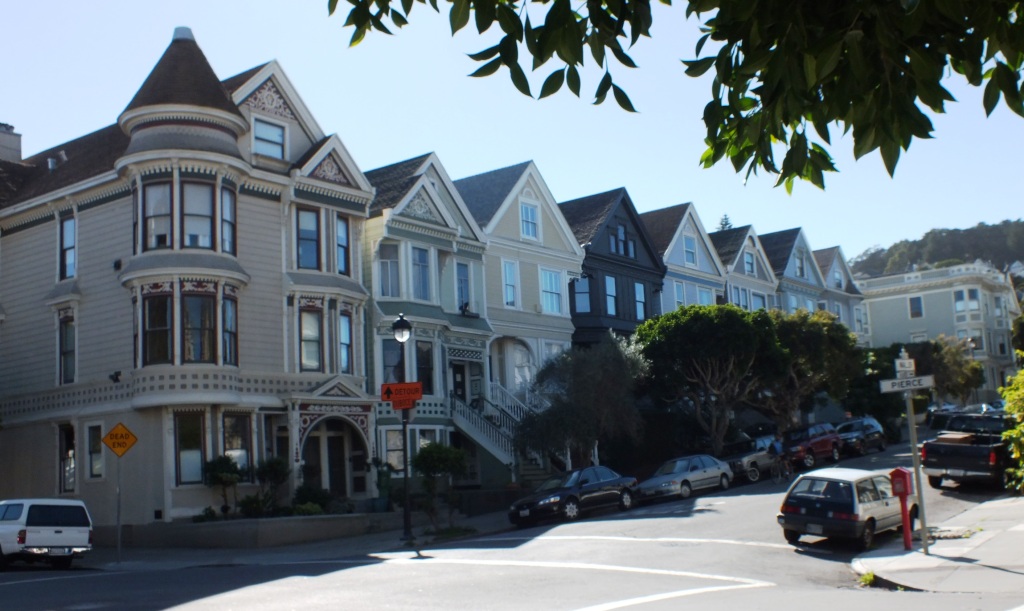
DSCF4329

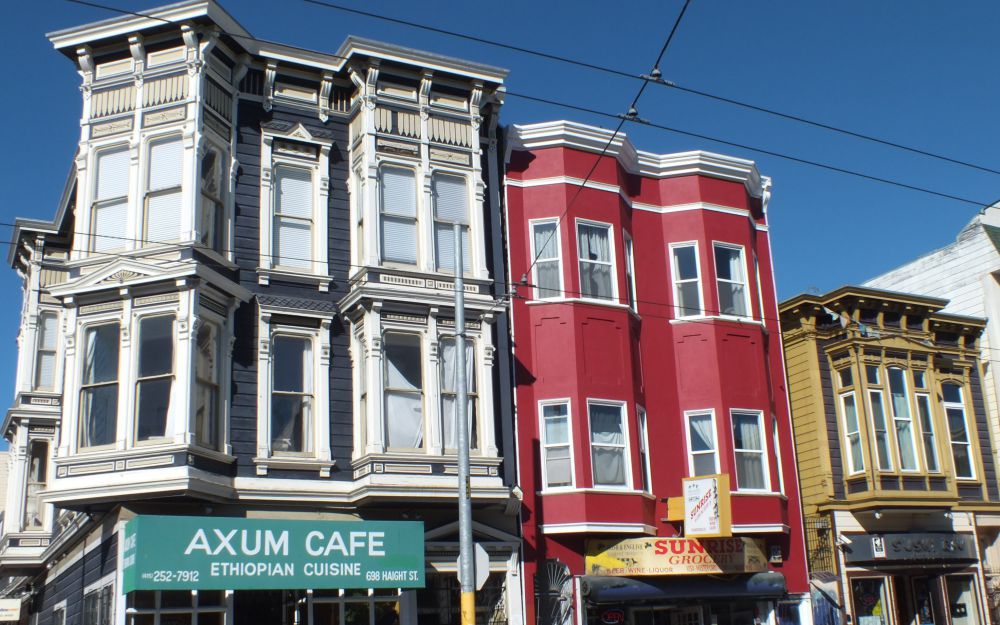
Explore the streets, parks and vistas around Scott Street, McAllister, Haight Street, Steiner and Pierce that tell the story of a Victorian era and discover more beautiful mansions, but be warned, it is very hilly around here so it can be quite a strenuous walk. Alamo square is a great place to sit and rest and admire the view after your walk around the neighbourhood.

I walked about 10 blocks from the Misión San Francisco de Asís on 16th Street which is some distance away, through Duboce Park. You can of course take public transport to Alamo Square, but then you’d miss an awful lot of this wonderful architecture. And don’t forget to look up!

DSCF4332

This monthly challenge is hosted by Dawn from ‘The Day After’ who invites participants to post pictures of any windows that  they find curious, inviting, photogenic, or in some way tell a story. Visit her blog to see more windows and/or to join in with the challenge.

On the Edge

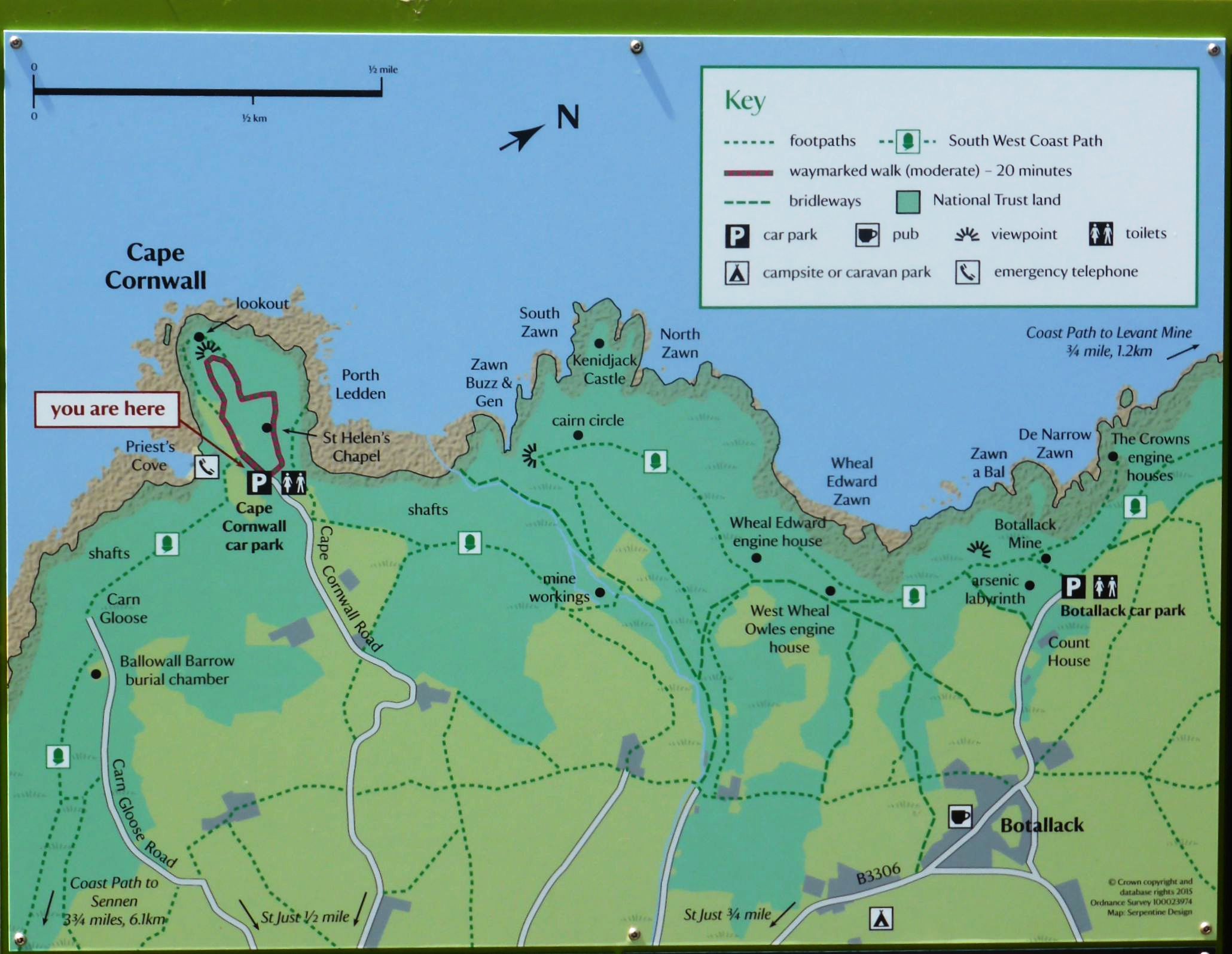
Cape Cornwall

Cape Cornwall is the only Cape in England and is so-called because until the 19th century it was thought to overlook the meeting of the English Channel and St George’s Channel (they actually meet at Gwennap Head, near Land’s End). A climb up the Cape headland to the stack offers panoramic views of Lands End, Sennen Cove, the Brisons rocks, the Isles of Scilly and the Wolf Rock lighthouse. You can either walk here from St Just or via the south-coastal path, or drive down to the National Trust car park, from where you can walk down to the former Count House and holiday cottage Brisons Vean (the dark facing house with the two round windows)  and around to the lookout, or take one of the routes behind the house up to the summit.

The Summit

Continue reading On the Edge