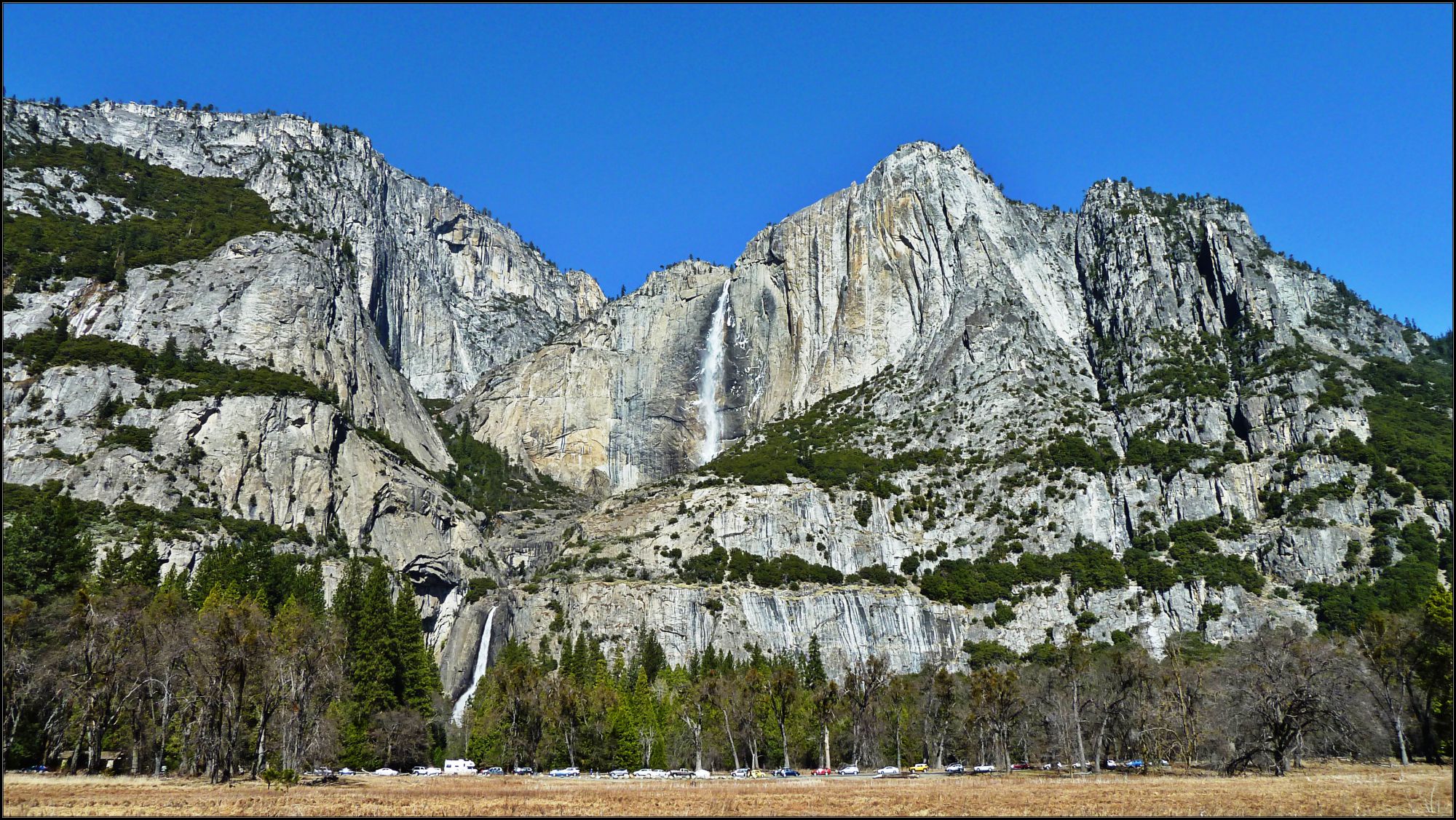
The rule of thirds is applied by aligning a subject with the guide lines and their intersection points, placing the horizon on the top or bottom line, or allowing linear features in the image to flow from section to section.
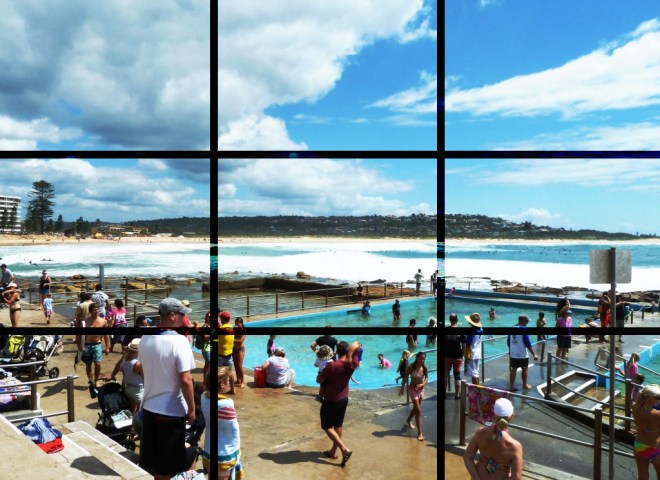
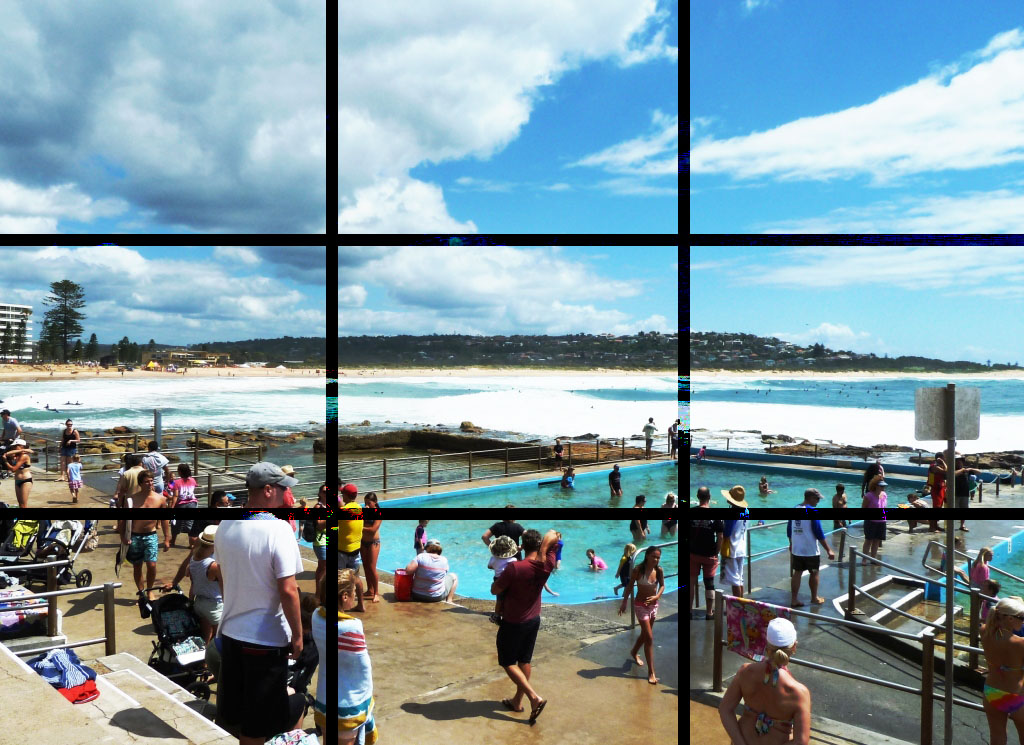
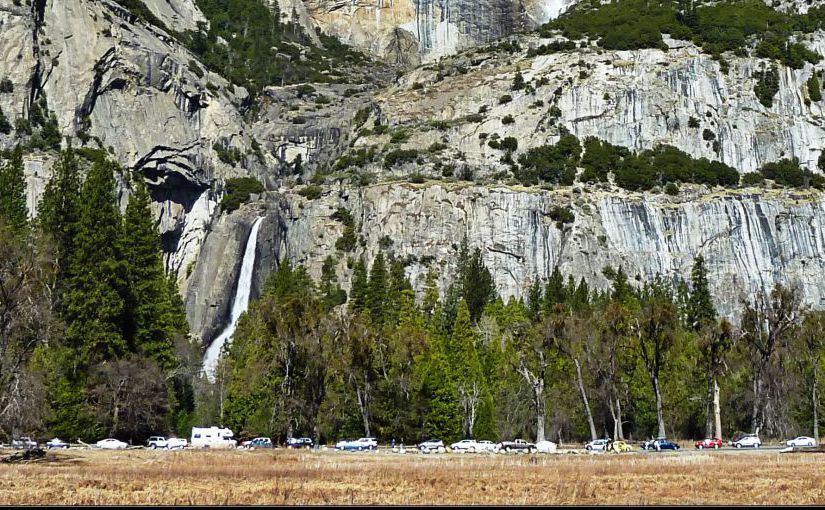
The theory is that if you place the point(s) of interest at the intersections, or along the lines you will have a better balanced image and the viewer will interact more naturally. With the photo above you can see that the main figures in this image are more or less in the bottom left sector and the main interest is in the lower half of the photo. I should have balanced the image though by having the horizon along the upper horizontal line.

In learning how to use the rule of thirds (and then to break it) the most important questions to be asking of yourself are:
- What are the points of interest in this shot?
- Where am I intentionally placing them?
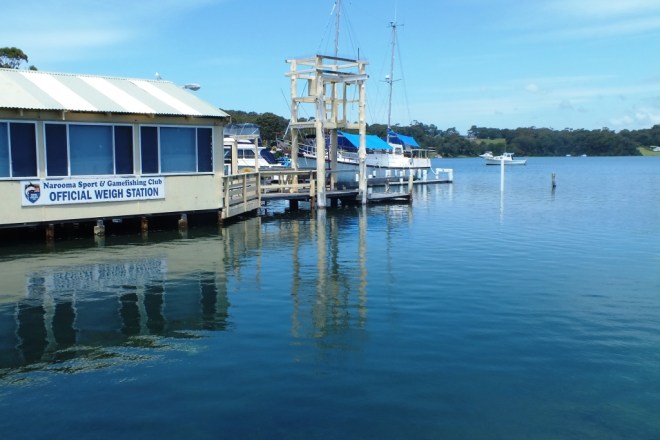
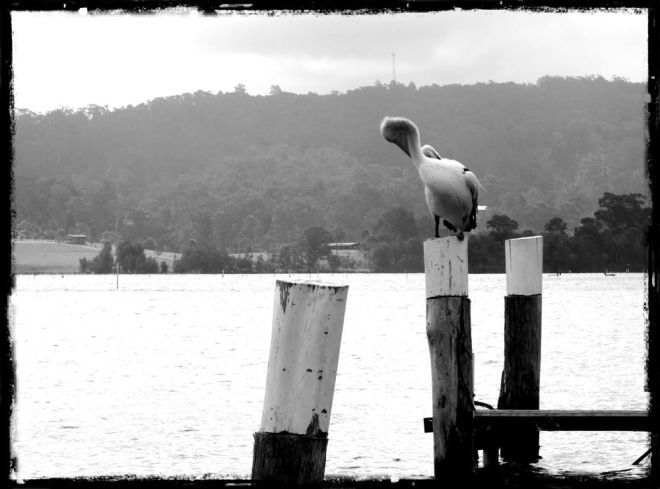
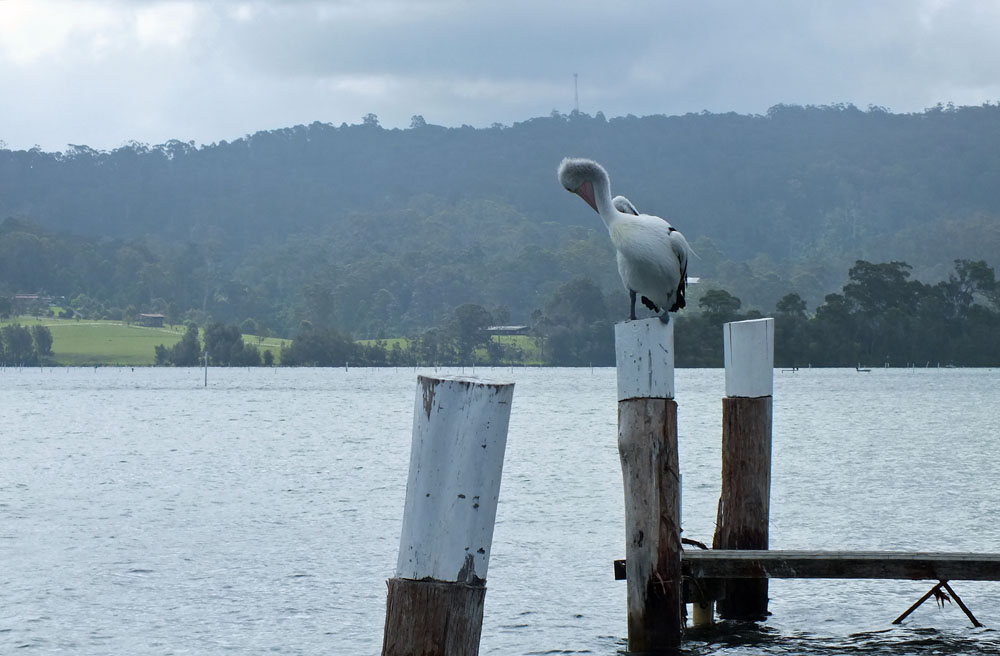
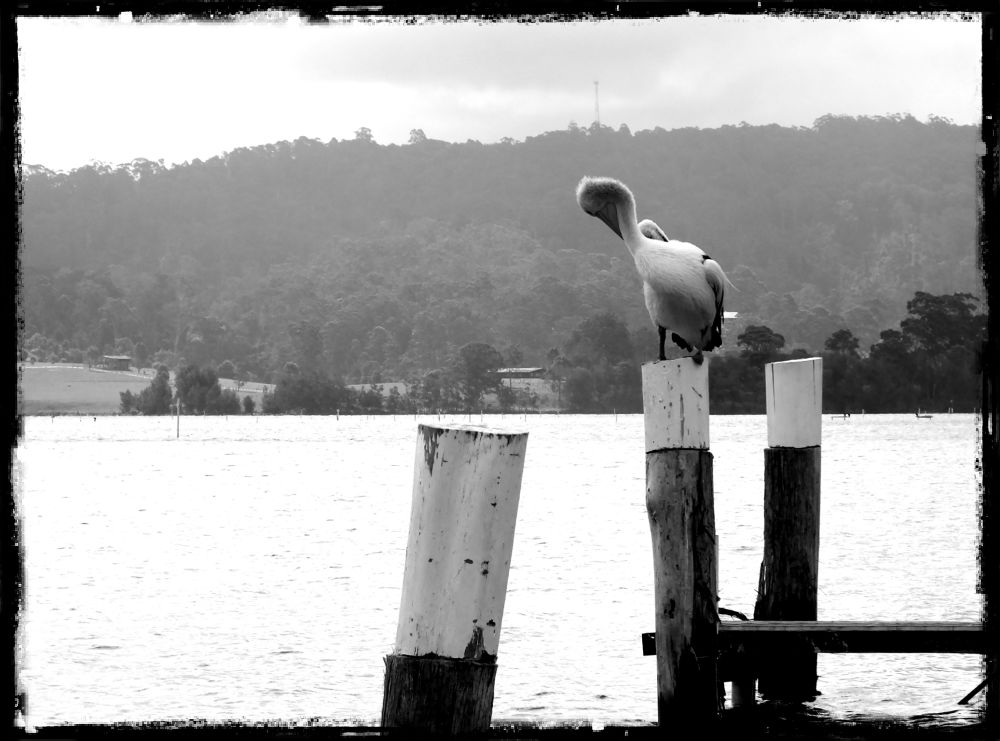
Sometimes it will be necessary to use cropping and editing to re-frame the image so it fits the rules as I have done with the photo below. I liked the pelican and the jetty posts, but felt that the photo was uninteresting overall.
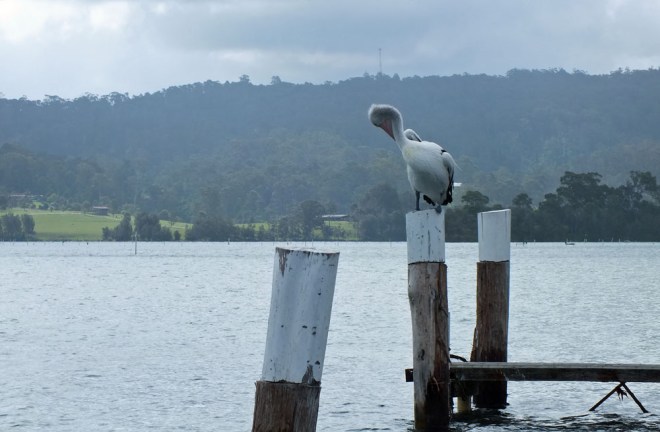
To my eye there was too much unnecessary space on the right of the shot. I wanted to balance the pelican in line with the intersection on the right with its head and beak on the upper horizontal line.
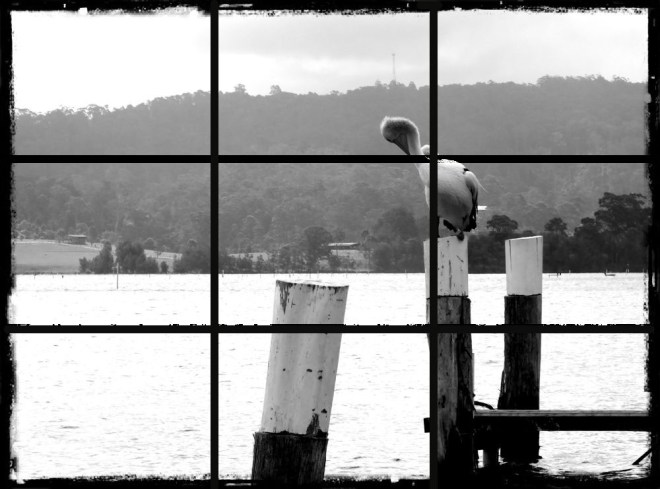
So I did a little cropping from the left and right-hand sides to align the pelican and the post and because the background was a little dull I also converted it to black and white and upped the contrast slightly. Hopefully this has resulted in a better balanced and more interesting image.
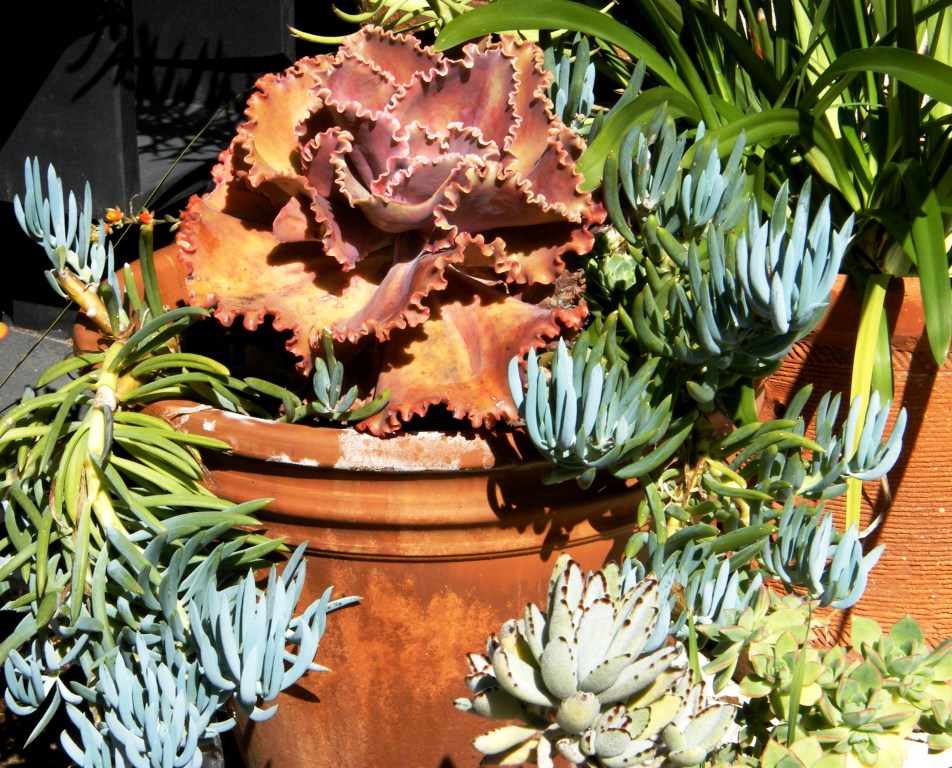
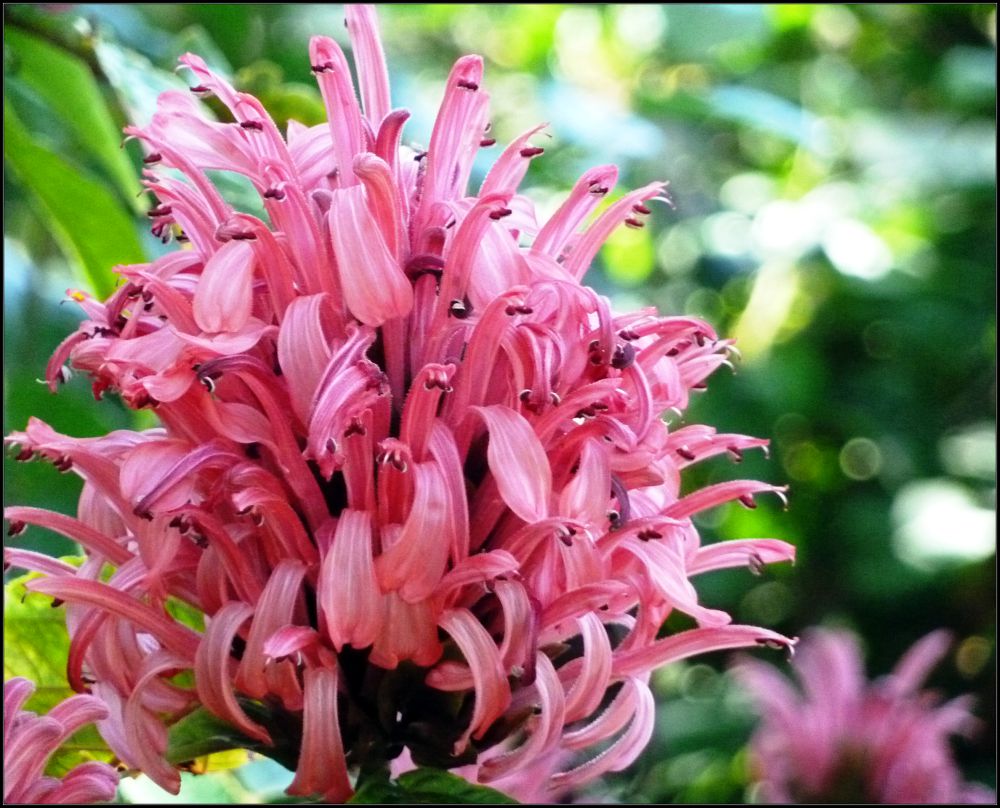
When taking a close-up or macro shot you might also find yourself with a lovely bokeh background, where the out-of-focus parts are aesthetically blurred, but the subject is sharp. Again, think of the rule of thirds as to where you position your subject.

Rules are of course meant to be broken, but it is worthwhile understanding the ‘rules of thirds’ first so that you understand why you want to break the rule.
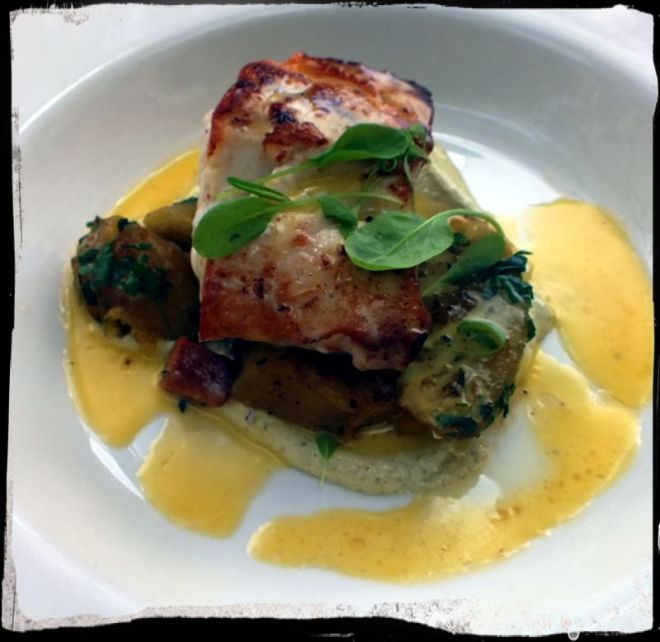 This creative plate of food is more or less centred in my photograph. The reason for this is because I want you to focus on the food, and this composition felt right to me. I often shoot on instinct and although I have the idea of the ‘rules of thirds’ in my head I also consider the subject, the light and how I want to ‘frame’ the image.
I hope you find this useful and if you have any additional information to add then please do so in the comments. I’m not a ‘technical’ photographer so I have explained this in very simplistic terms.








 TRAVEL WORDS