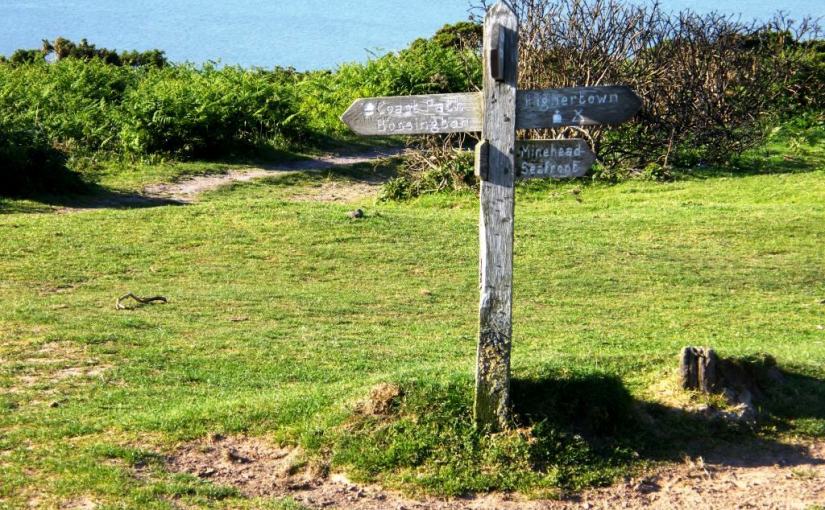
Cee’s Which Way Challenge: There is no specific theme given. It just needs to be some sort of ‘Which Way’. The possibilities are endless.
Join in with the challenge or to view other ‘Which Ways’.
A fingerpost (sometimes referred to as a guide post) is a traditional type of sign post in the United Kingdom and Ireland, consisting of a post with one or more arms – known as fingers – pointing in the direction of travel to places named on the fingers. The posts have traditionally been made from cast iron or wood, with poles painted in black, white or grey and fingers with black letters on a white background, often including distance information in miles. In most cases, they are used to give guidance for road users, but examples also exist on the canal network and walking trails for instance.
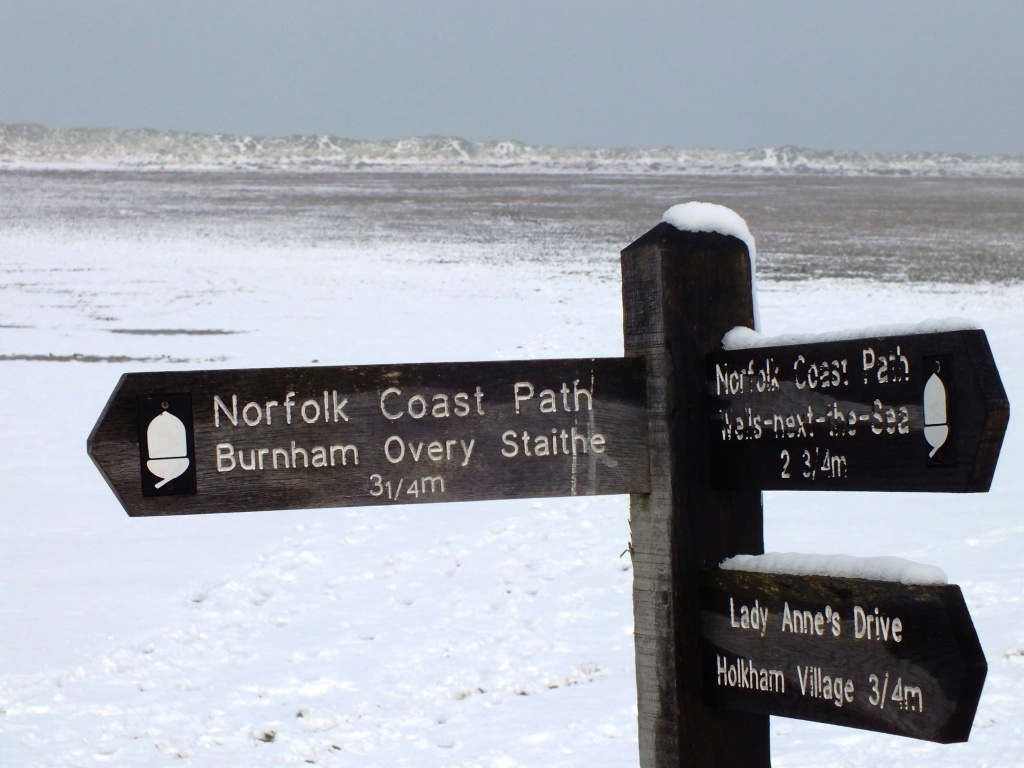
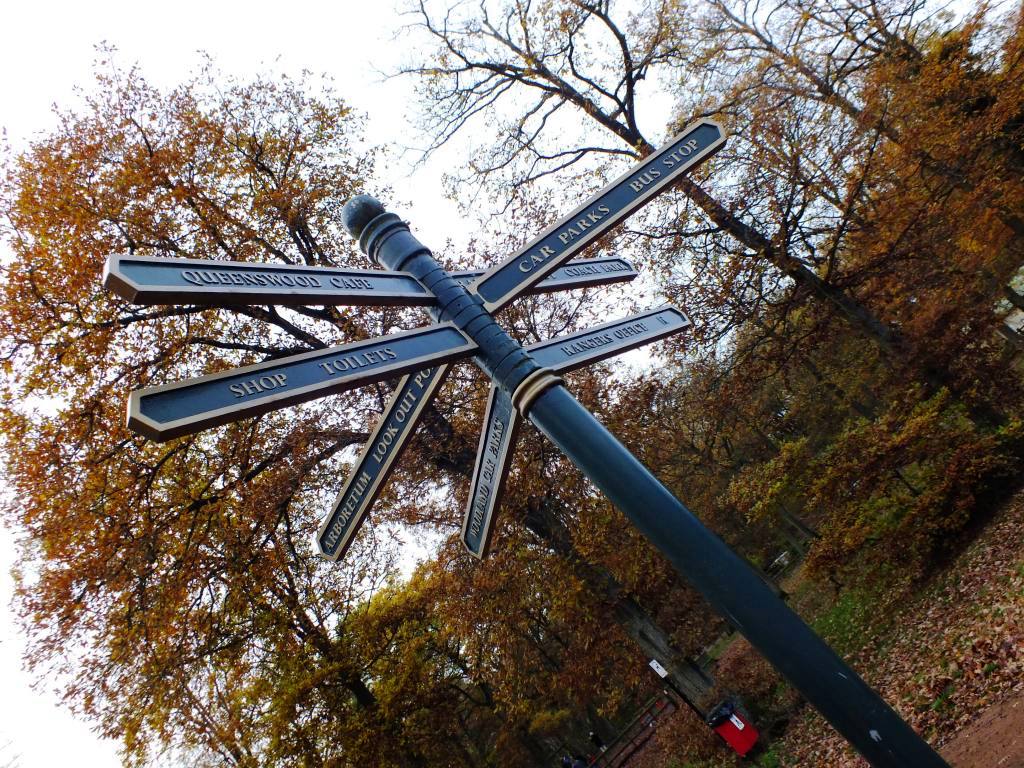
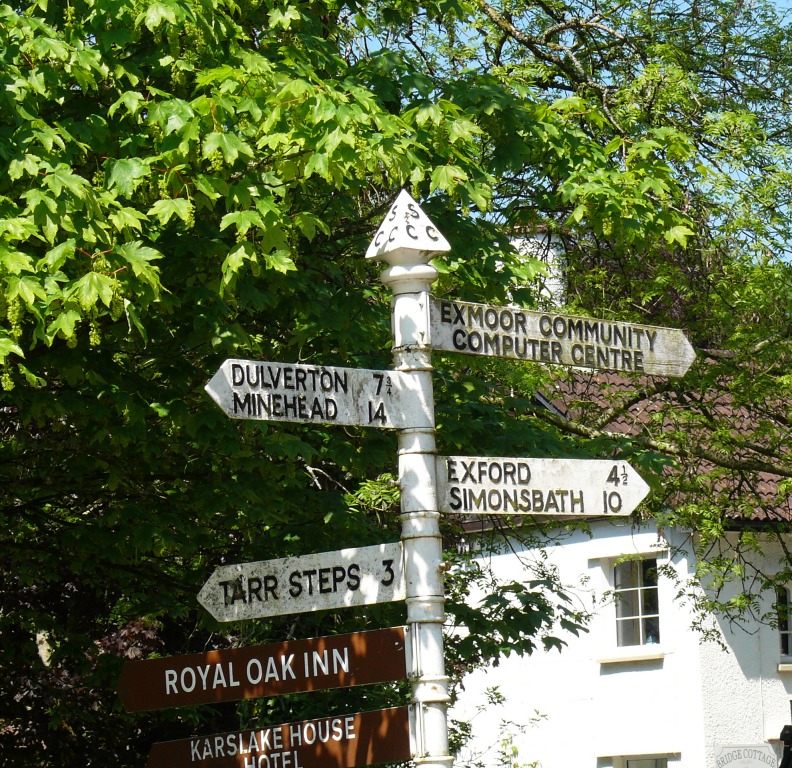
There was plenty of scope for distinctive spread of designs which remains to today. Roundel designs can include the junction name, a village name, highway authority names in full or initials, and some can include grid numbers.
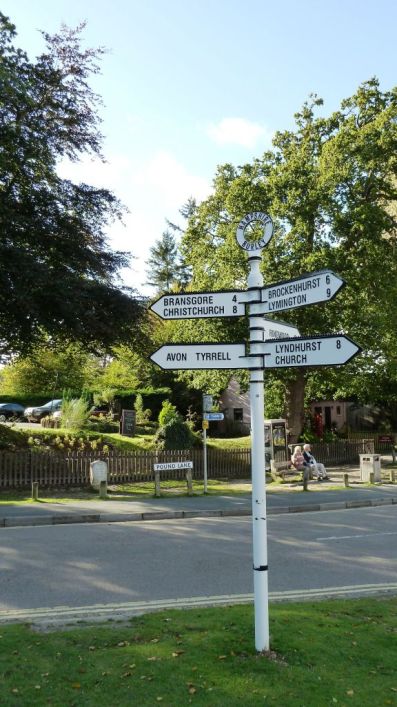
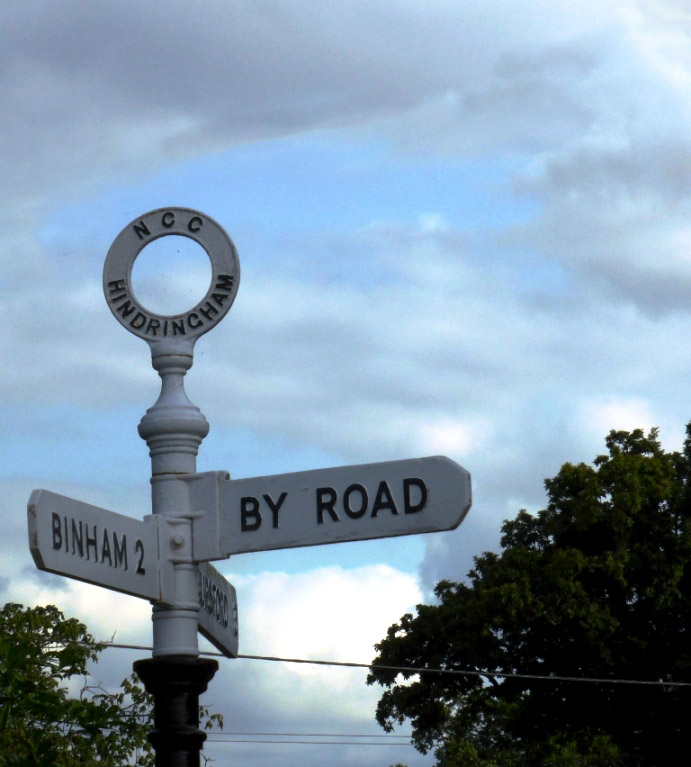
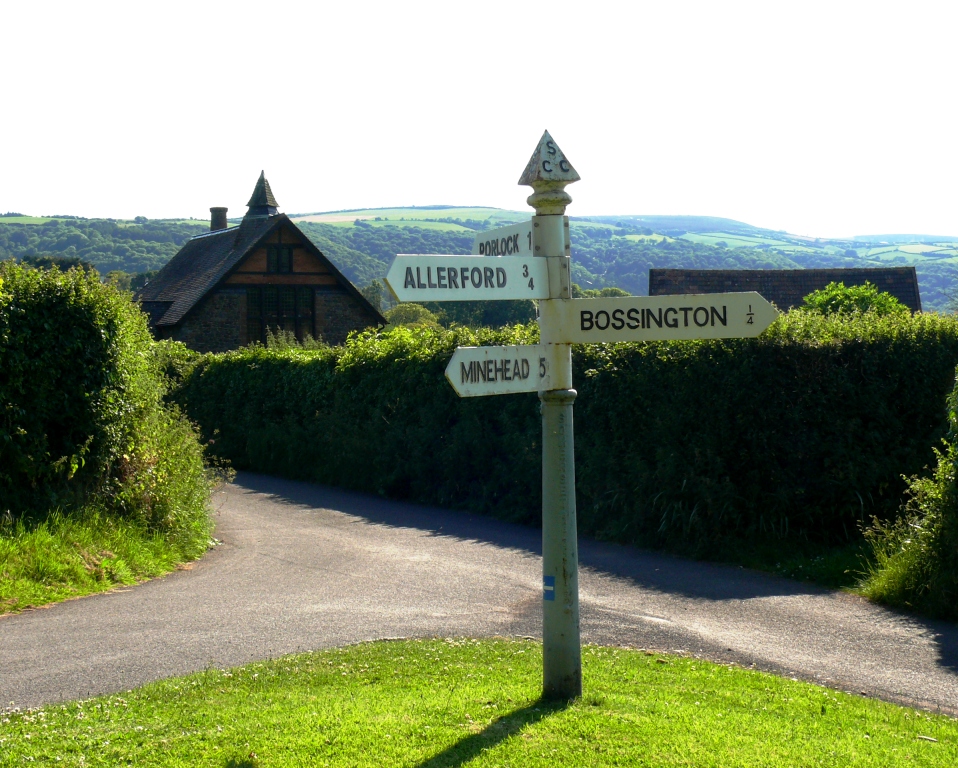
The fingers also vary with some (Cornwall and Devon) being square ended, Dorset is curved and Somerset triangular ended. Note the different shapes at the top of the column too.
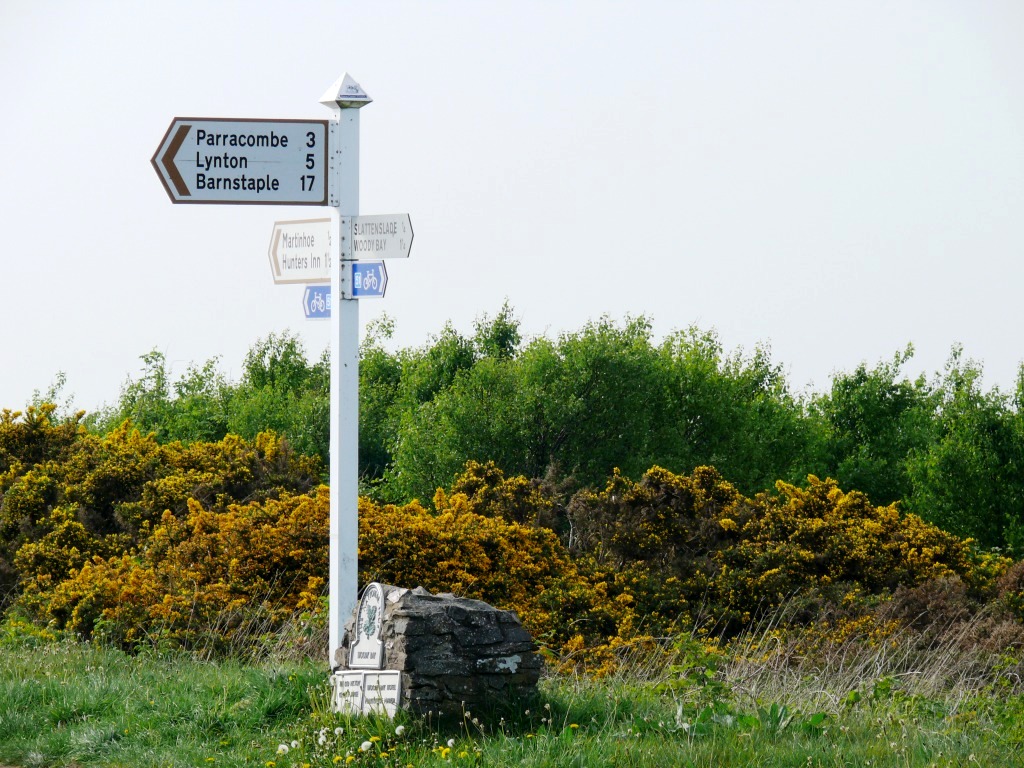
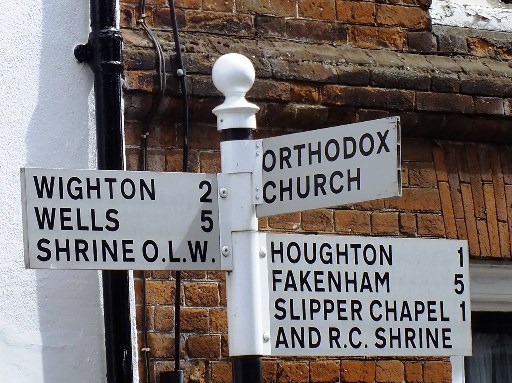
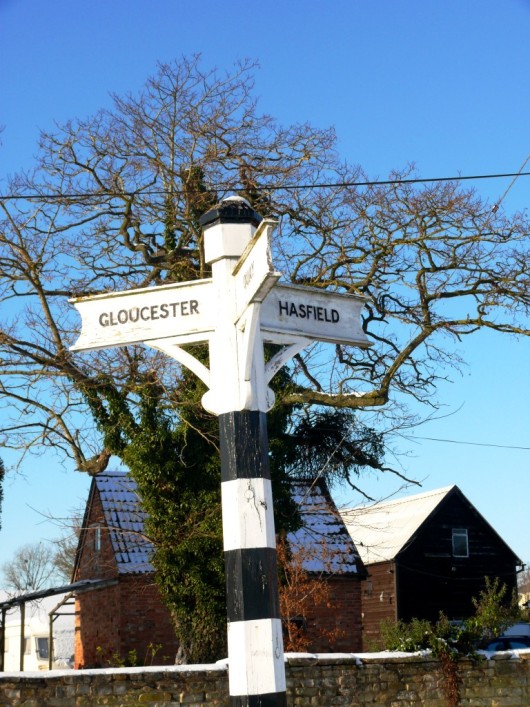
And note the mileage information in this post in Somerset. We were parked in Bossington, so only had 1/4 mile to walk back to the car.
Most finger posts are coloured white, black and grey, but there are others. Red ones are seen in Dorset and you may find green ones that indicate a minor road or ‘drift’ road. Brown signs (below) indicate a tourist site or location and blue signs indicate a cycle network. These are more recent.
So, have you seen any unusual finger posts on your travels? If you have then I’d like to hear about them.

 TRAVEL WORDS