We’re goin’ to the zoo, zoo, zoo

This month Becky’s Squares are focusing on odd things – you can interpret this any way you want so I am going to take you all to the zoo this month. San Diego Zoo to be precise and the photos featured will be either odd looking animals, animals with odd names, odd facts or slightly odd photos. I hope you’ll enjoy my selection.
Day 21

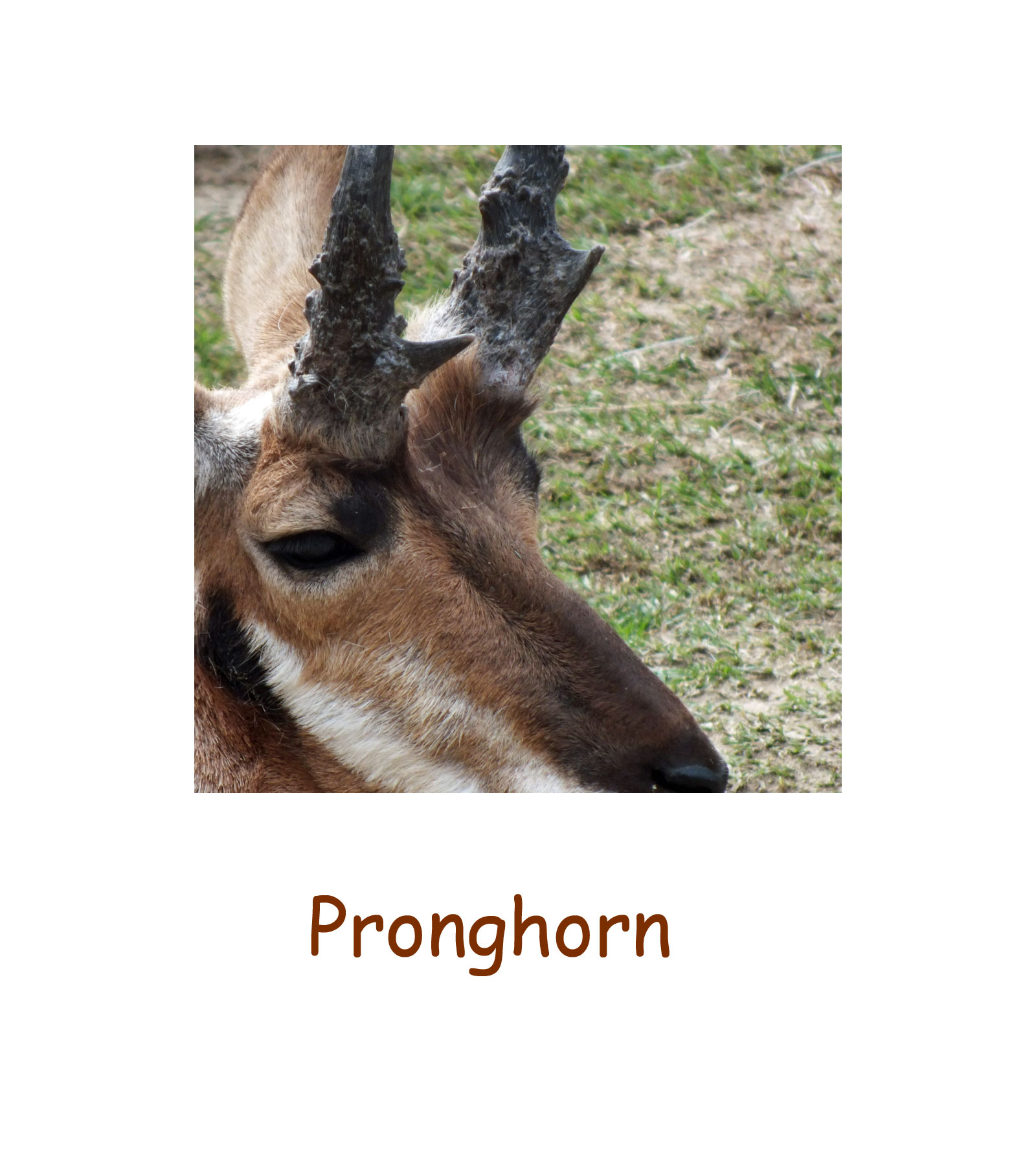
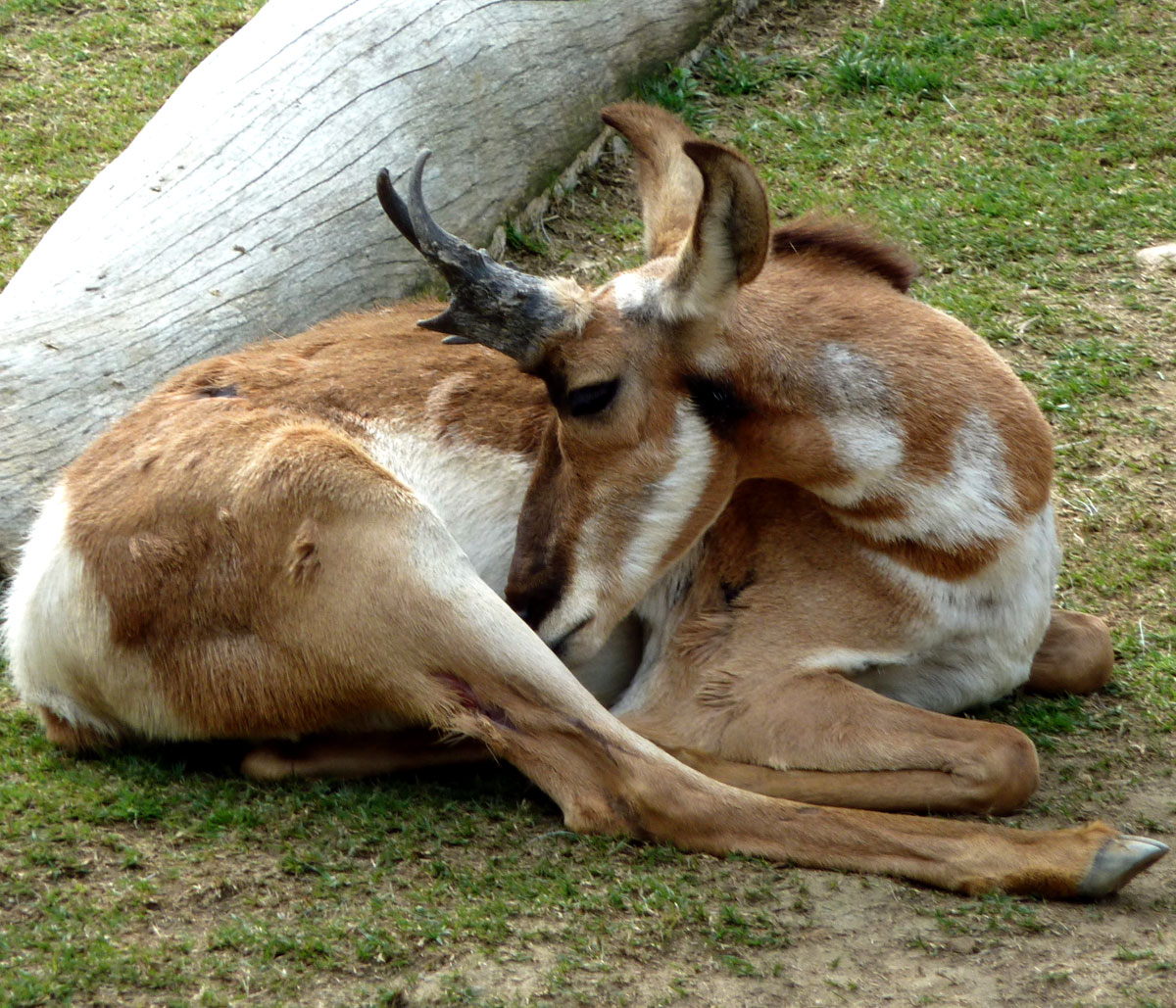
The pronghorn is native to North America. It has no close relative on this—or any other—continent. The horns of the pronghorn help make it unique: they are a cross between horns and antlers, with qualities of both. True antlers are made of bone and shed each year; true horns are made of compressed keratin that grows from a bony core and are never shed. The horns adorning the pronghorn are neither true horns nor true antlers. Instead, the sheath is made of keratin but the horns shed yearly. Pronghorn are the only animals in the world that have forked horns that shed each year!
We are entering into the last week of the ODD SQUARES month so please join in with Becky and the Square gang; the only rule is that the main photo MUST be a square – that is four equal sides! You have been warned 😉
We’re goin’ to the zoo, zoo, zoo

This month Becky’s Squares are focusing on odd things – you can interpret this any way you want so I am going to take you all to the zoo this month. San Diego Zoo to be precise and the photos featured will be either odd looking animals, animals with odd names, odd facts or slightly odd photos. I hope you’ll enjoy my selection.

Day 20

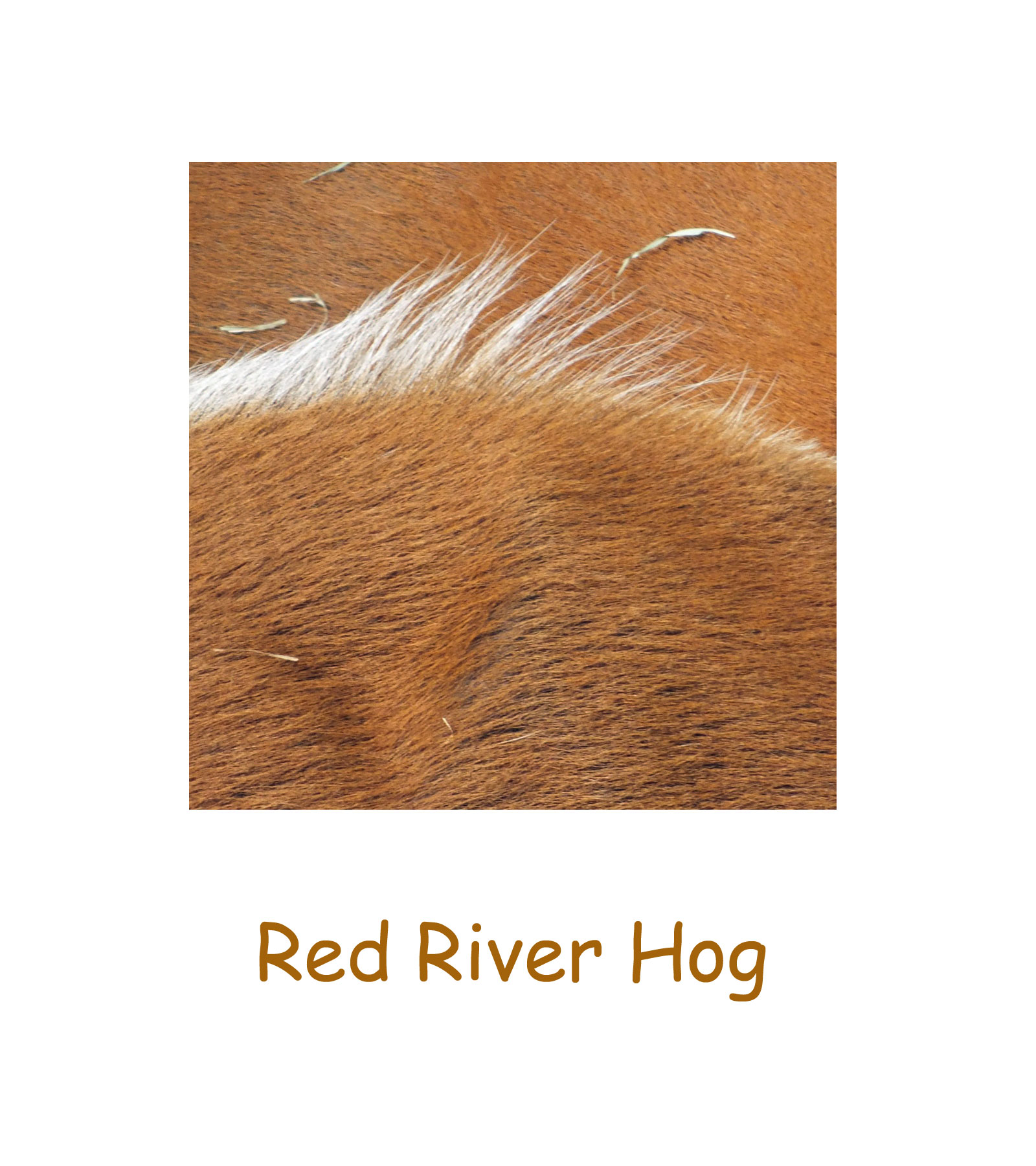
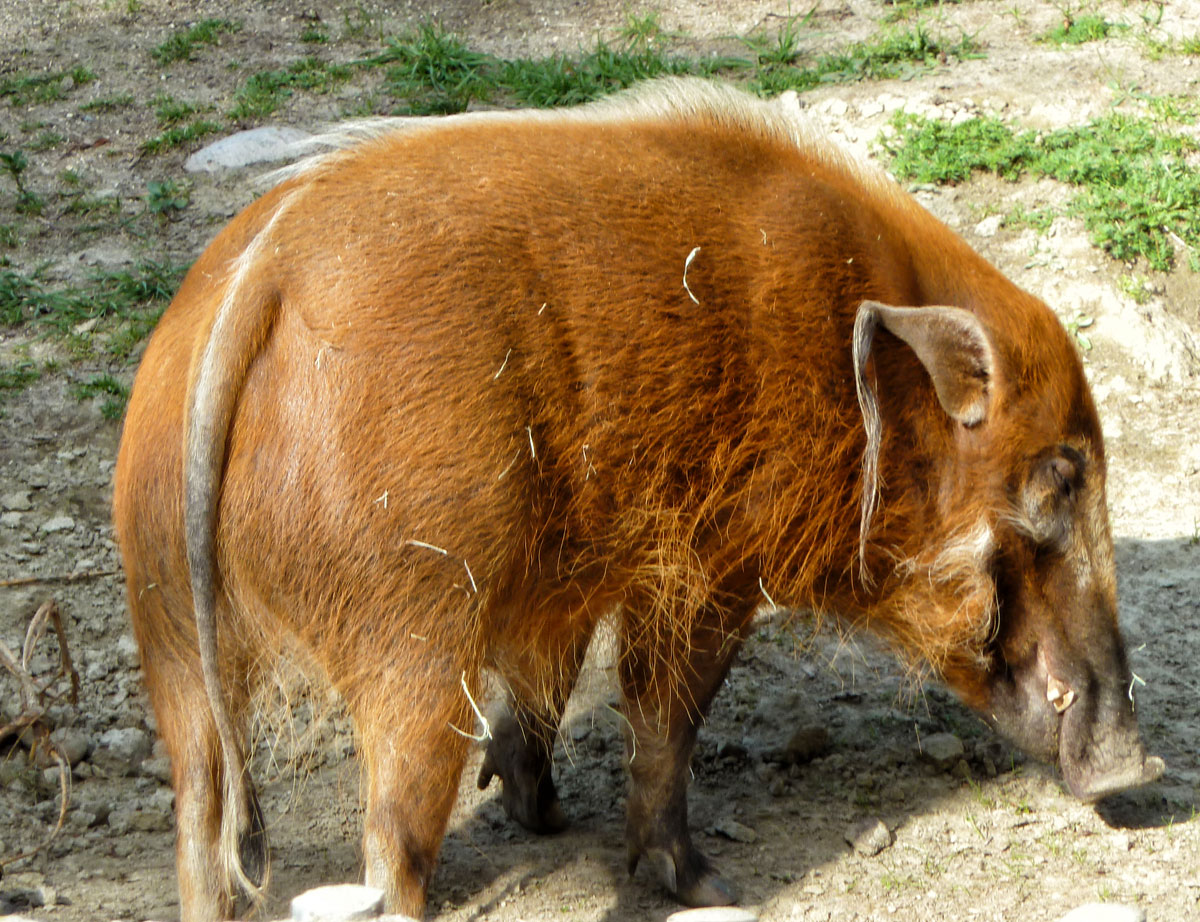
The Red river hog (Potamochoerus porcus) or bushpig is a wild member of the pig family living in Africa. Red river hogs are also called “tufted pigs” due to their long, white whiskers and tufts found on the ears. In male hogs, the elongated snout features two well-developed warts. These warts provide added protection from tusk damage during fights for dominance with other males. As in all wild pigs, the canine teeth extend to tusks.

Red river hogs can even swim underwater to escape from leopards, catching a breath every 15 seconds or so.

If you want to join in either daily, weekly or just on the odd occasion then please visit Becky, the only rule is that the main photo MUST be a square – that is four equal sides! You have been warned 😉
We’re goin’ to the zoo, zoo, zoo

This month Becky’s Squares are focusing on odd things – you can interpret this any way you want so I am going to take you all to the zoo this month. San Diego Zoo to be precise and the photos featured will be either odd looking animals, animals with odd names, odd facts or slightly odd photos. I hope you’ll enjoy my selection.

Day 19

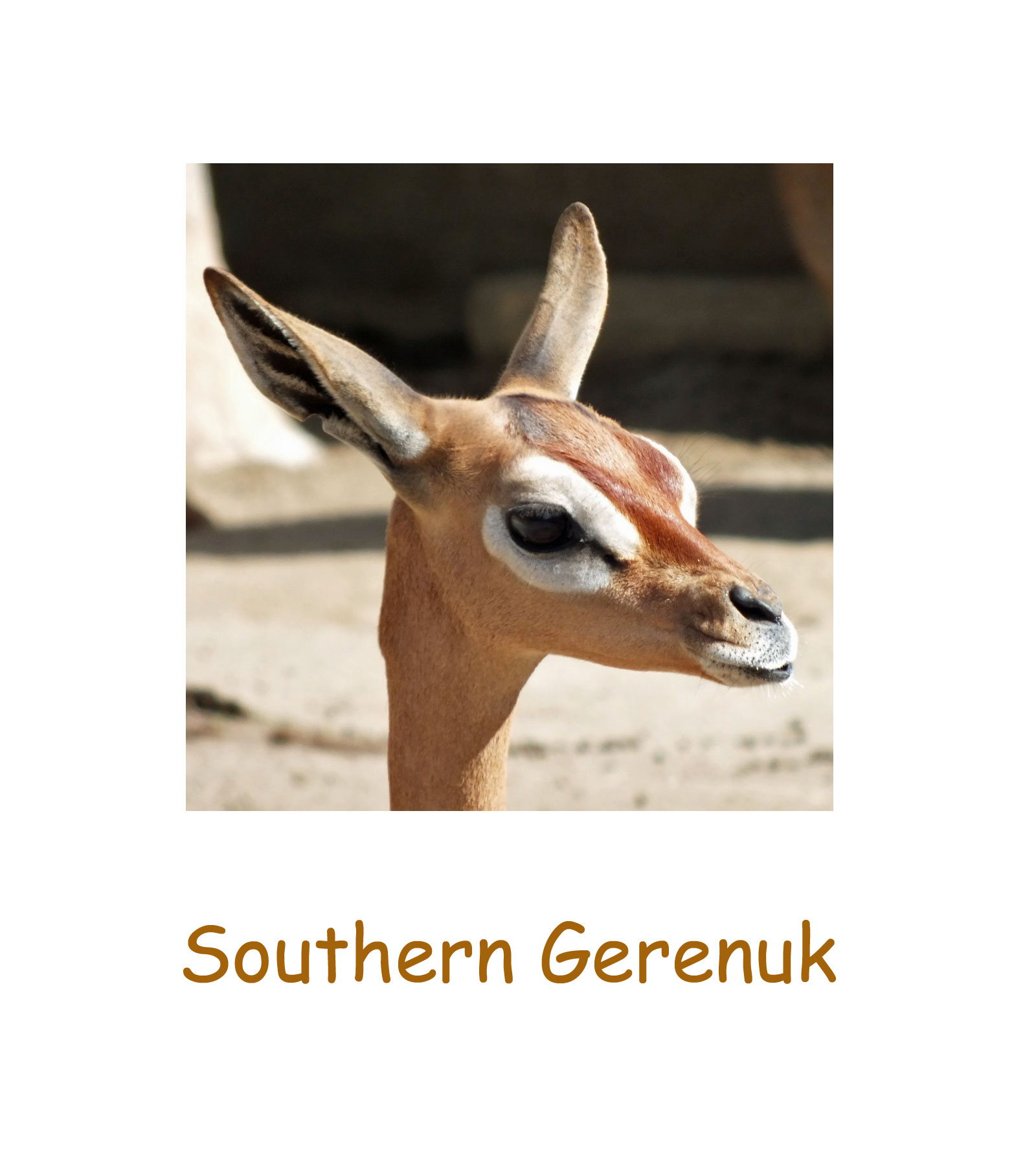
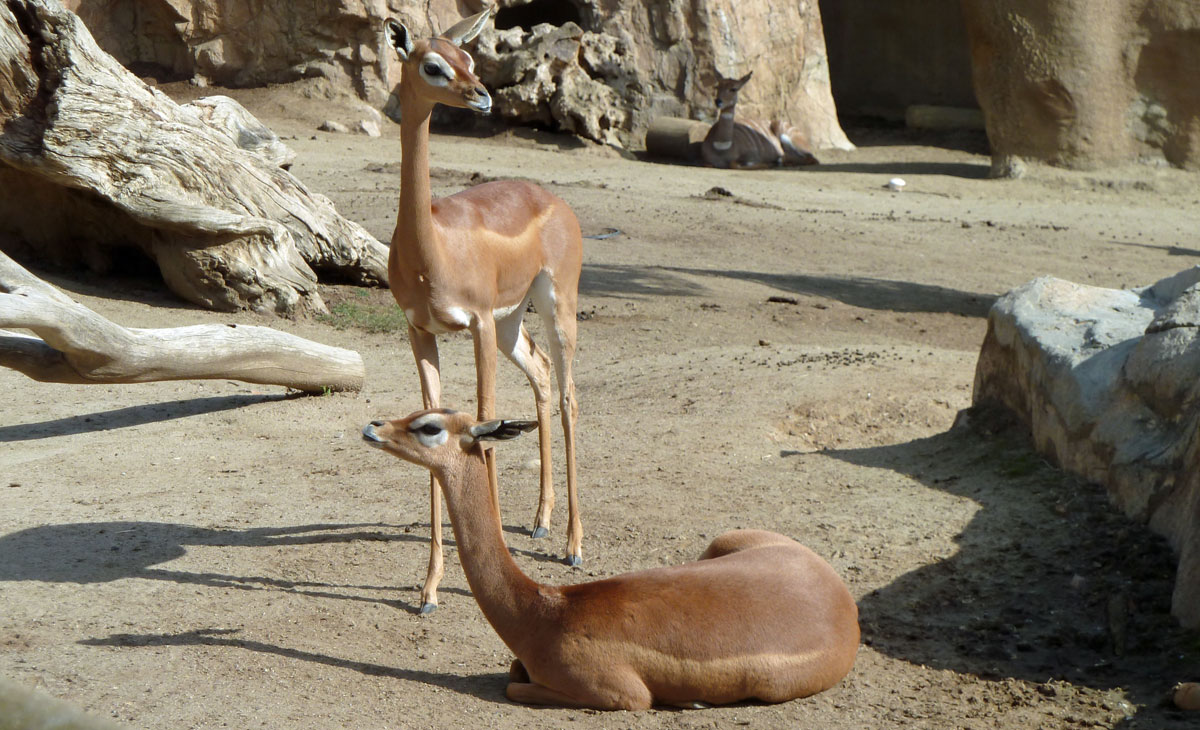
The gerenuk, whose name means “giraffe-necked” in Somali, is an exceptionally long-necked antelope. Their head is small for their size, but their eyes and ears are large and I particularly like the pretty stripes inside their ears. Only the males have horns, which are stout and heavily ringed. They are found in the Horn of Africa and the drier parts of East Africa.

Because they can balance on two legs, they can use their front legs to reach and pull down branches up to eight feet (2.4 m) above ground.

If you want to join in either daily, weekly or just on the odd occasion then please visit Becky, the only rule is that the main photo MUST be a square – that is four equal sides! You have been warned 😉
We’re goin’ to the zoo, zoo, zoo

This month Becky’s Squares are focusing on odd things – you can interpret this any way you want so I am going to take you all to the zoo this month. San Diego Zoo to be precise and the photos featured will be either odd looking animals, animals with odd names, odd facts or slightly odd photos. I hope you’ll enjoy my selection.

Day 18

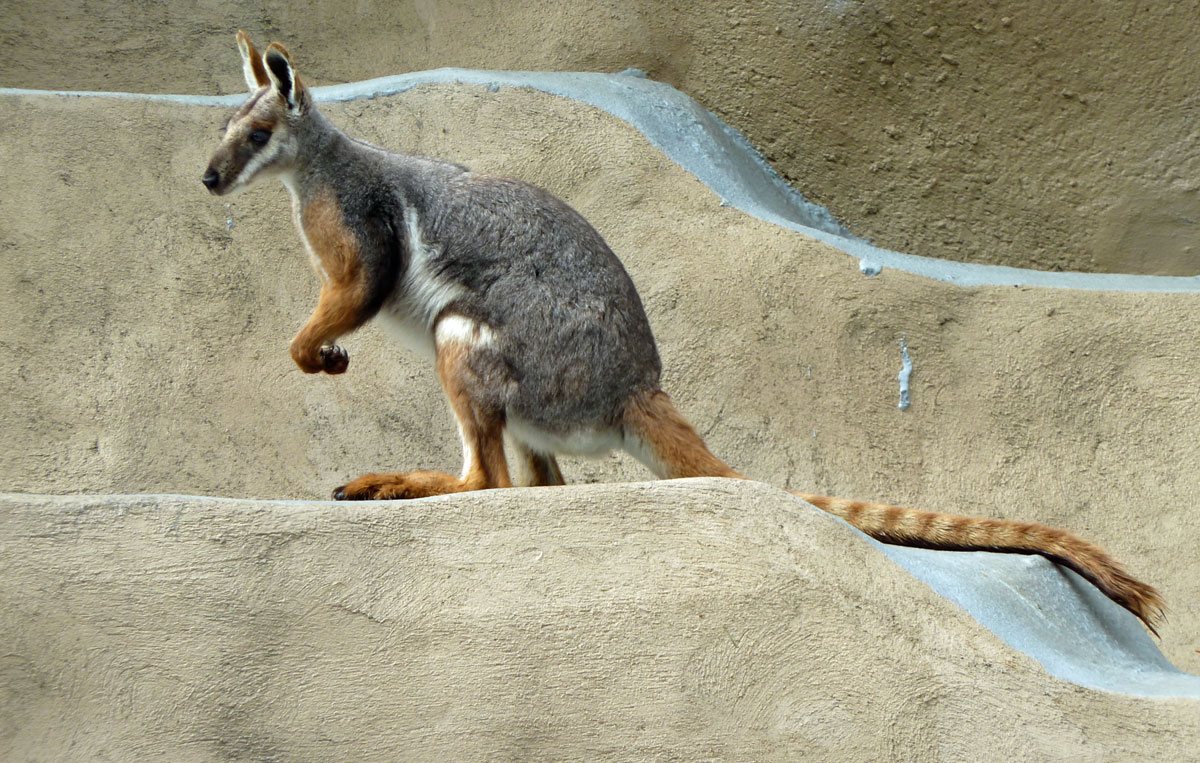
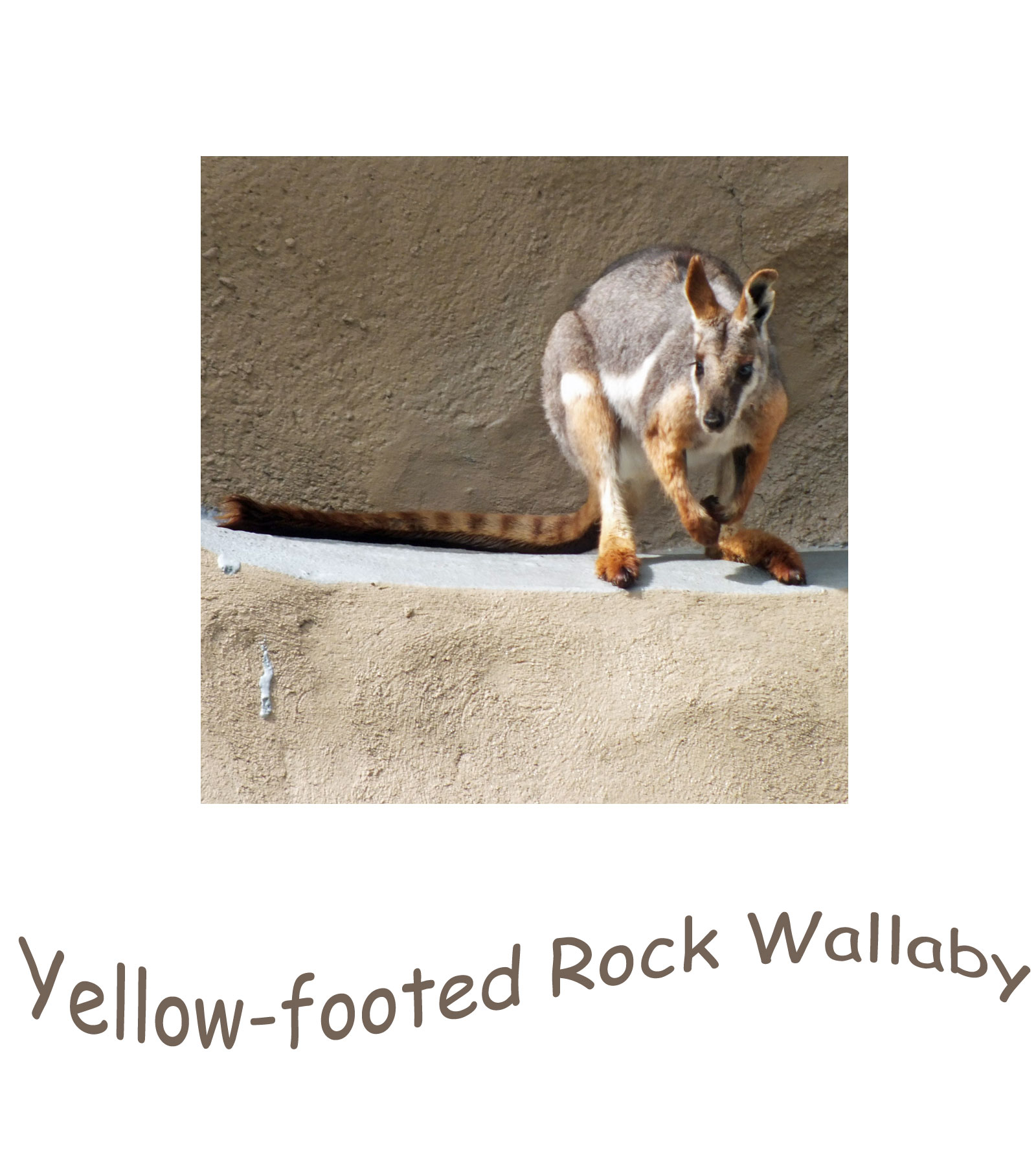
The Yellow-footed Rock-wallaby, formerly known as the ring-tailed rock-wallaby, is one of the most brightly coloured of all Australian mammals and is readily identified by its colouring and patterning. It moves easily around mountaintops, jumping as far as 13 feet (4 m) from rock to rock.

Wallabies are part of the large group of macropods / Macropodidae, means “big feet” the group includes kangaroos, wallabies, wallaroos, quokkas, pademelons, potoroos, honey possums, and tree kangaroos. In most species, the hind legs and feet are much larger and more powerful than the forelimbs. Their tail is long, muscular, and thick at the base, helping the kangaroo or wallaby balance and turn during hopping and providing support when it rests.

If you want to join in either daily, weekly or just on the odd occasion then please visit Becky, the only rule is that the main photo MUST be a square – that is four equal sides! You have been warned 😉
We’re goin’ to the zoo, zoo, zoo

This month Becky’s Squares are focusing on odd things – you can interpret this any way you want so I am going to take you all to the zoo this month. San Diego Zoo to be precise and the photos featured will be either odd looking animals, animals with odd names, odd facts or slightly odd photos. I hope you’ll enjoy my selection.

Day 17

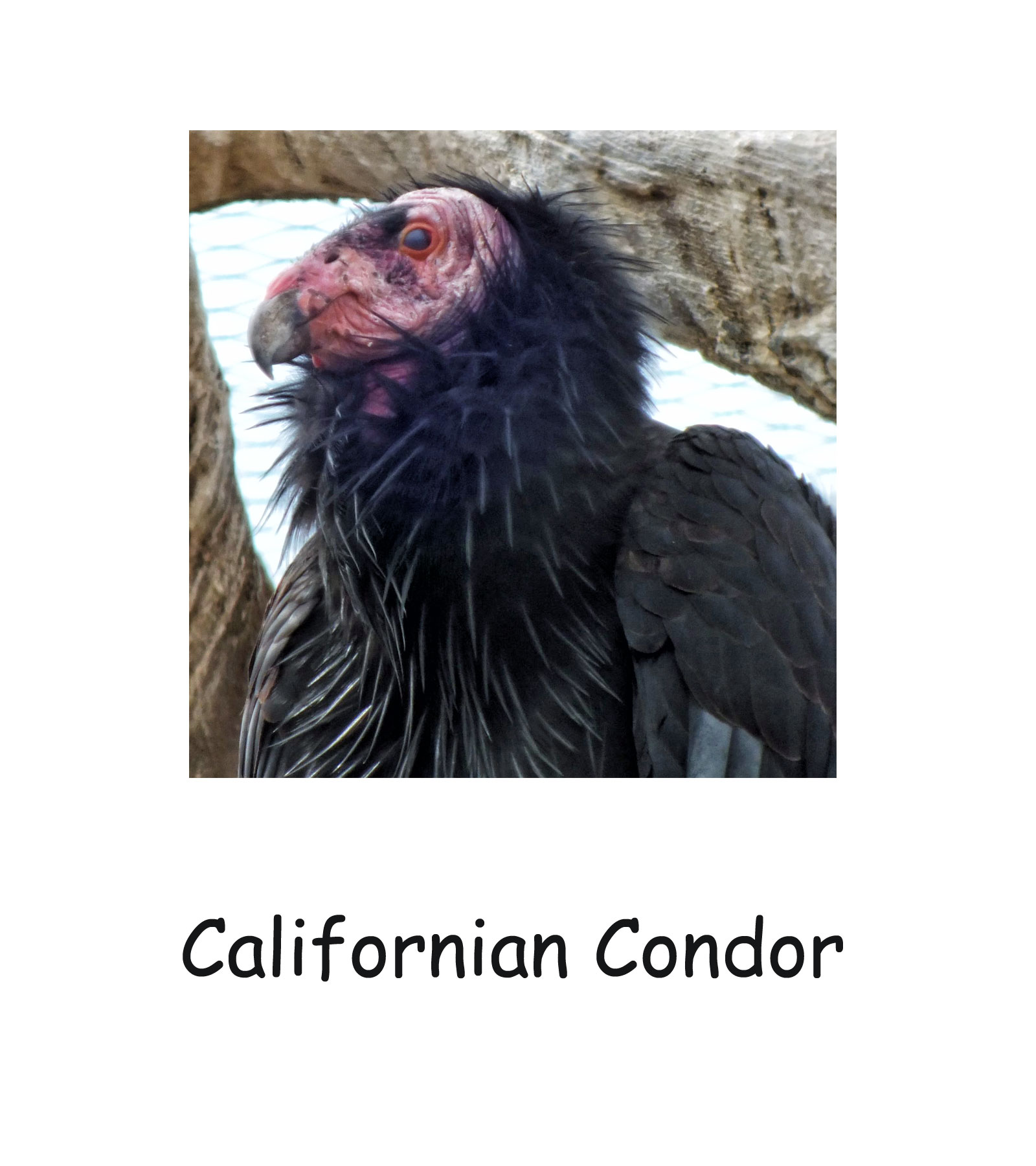
Surely a face only a mother could love? California condors are one of the largest flying birds. They are known for their enormous black wings, extraordinary eyesight, and an inquisitive and engaging intelligence. Indigenous tribes in North America have great respect for the condor and see it as a symbol of power. Some call it the thunderbird because they believe the bird brings thunder to the skies with the beating of its huge wings.

Adult California condors have a distinctive pink head and neck that is bare of feathers. That bare head is perfectly designed to keep rotting food from sticking to it as the birds eat. The skin on an adult condor’s head can also express some emotions. It turns a deep red-pink during courtship or when the birds are excited or alarmed.

If you want to join in either daily, weekly or just on the odd occasion then please visit Becky, the only rule is that the main photo MUST be a square – that is four equal sides! You have been warned 😉