We’re goin’ to the zoo, zoo, zoo

This month Becky’s Squares are focusing on odd things – you can interpret this any way you want so I am going to take you all to the zoo this month. San Diego Zoo to be precise and the photos featured will be either odd looking animals, animals with odd names, odd facts or slightly odd photos. I hope you’ll enjoy my selection.
Day 11

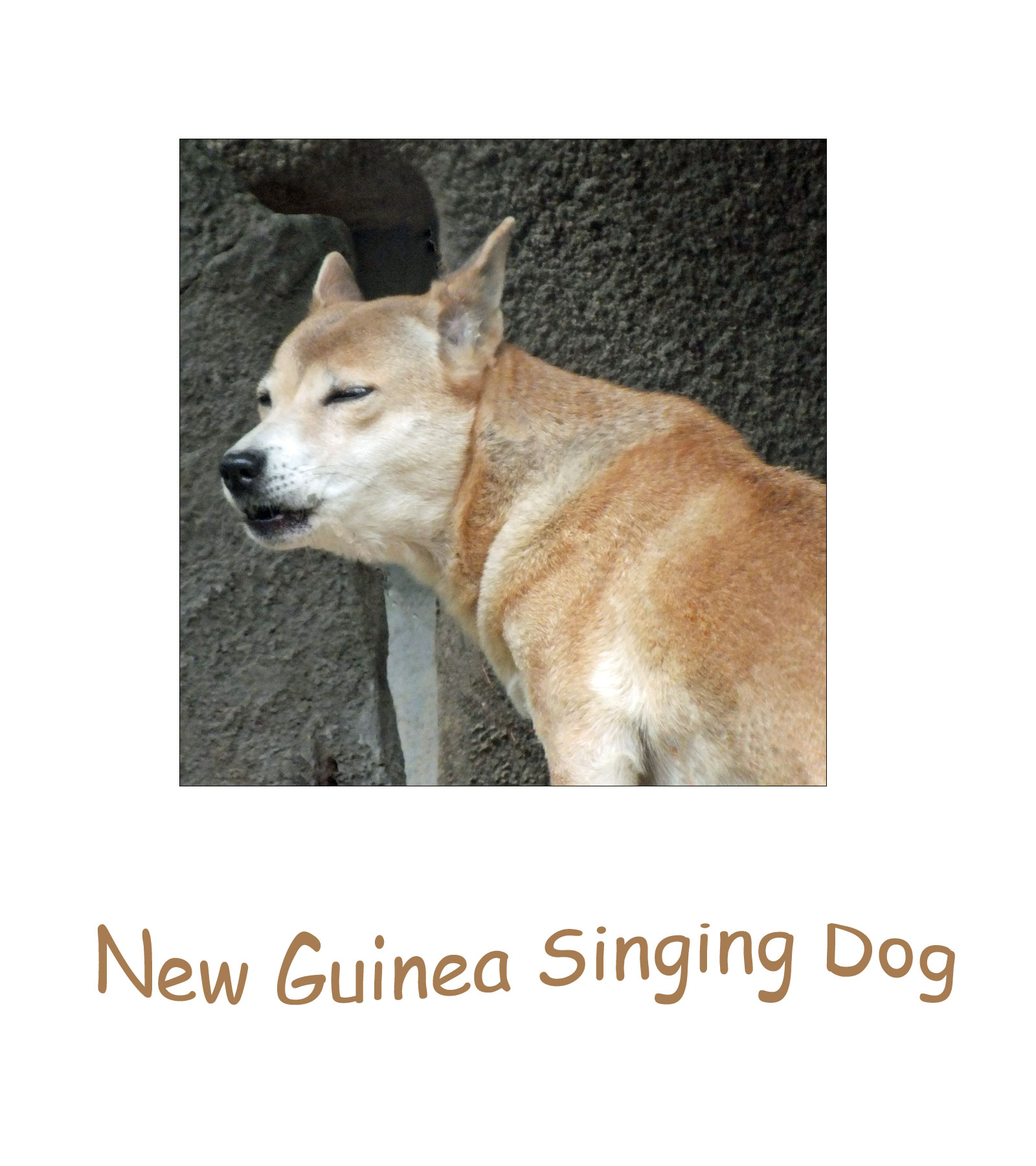
New Guinea singing dogs are different from domestic dog breeds in several ways. Physically, their upper first molar, called a carnassial tooth, is quite large, a trait normally present only in wild canid species such as wolves. Then, their eyes seem to be more reflective of light than domestic dogs’, shining bright green in low light. The singers also appear to have social or play behaviours that are different from that of wolves and dogs. They like to be tidy and neat, and they regularly groom themselves, much like a cat.

When in a group, one singing dog starts singing and then others join in at different pitches, each with its own unique voice. Singers also whine, yelp, bark, and scream (a drawn-out yelp).

If you want to join in either daily, weekly or just on the odd occasion then please visit Becky, the only rule is that the main photo MUST be a square – that is four equal sides! You have been warned 😉
We’re goin’ to the zoo, zoo, zoo

This month Becky’s Squares are focusing on odd things – you can interpret this any way you want so I am going to take you all to the zoo this month. San Diego Zoo to be precise and the photos featured will be either odd looking animals, animals with odd names, odd facts or slightly odd photos. I hope you’ll enjoy my selection.

Day Ten

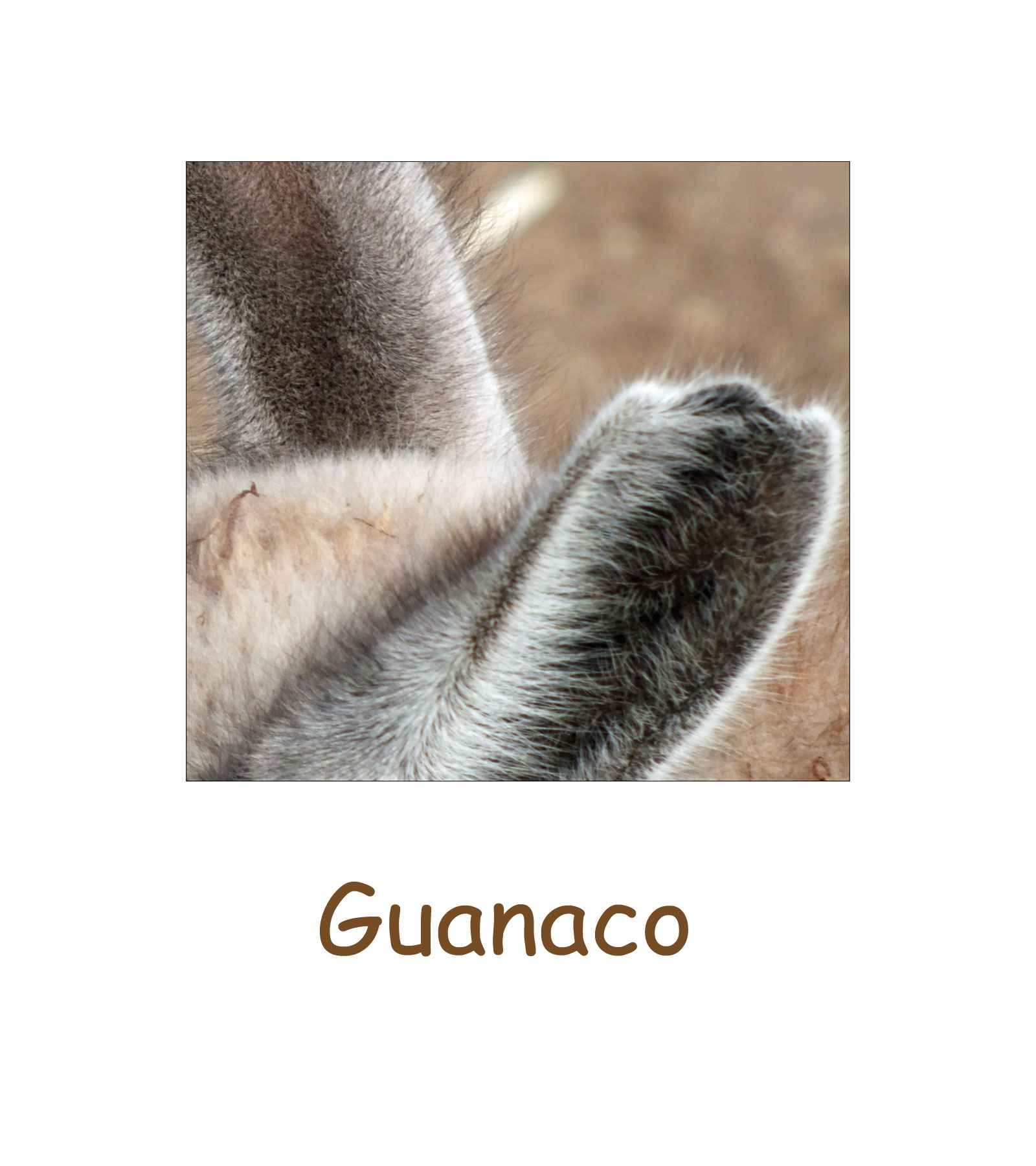
Graceful guanacos are related to camels. Pronounced “gwa NAH ko,” they live throughout South America in dry, open country in the mountains or on the plains. Llamas and Alpacas are the domesticated descendants of Guanacos. Baby guanacos, called chulengos or guanaquitos, are able to run soon after birth.

In communication: When the ears are up, it means the guanaco is relaxed. Ears forward means the guanaco is alarmed, and ears laid flat signals aggression. Oh, and they also spit like camels.

If you want to join in either daily, weekly or just on the odd occasion then please visit Becky, the only rule is that the main photo MUST be a square – that is four equal sides! You have been warned 😉

We’re goin’ to the zoo, zoo, zoo

This month Becky’s Squares are focusing on odd things – you can interpret this any way you want so I am going to take you all to the zoo this month. San Diego Zoo to be precise and the photos featured will be either odd looking animals, animals with odd names, odd facts or slightly odd photos. I hope you’ll enjoy my selection.

Day Nine

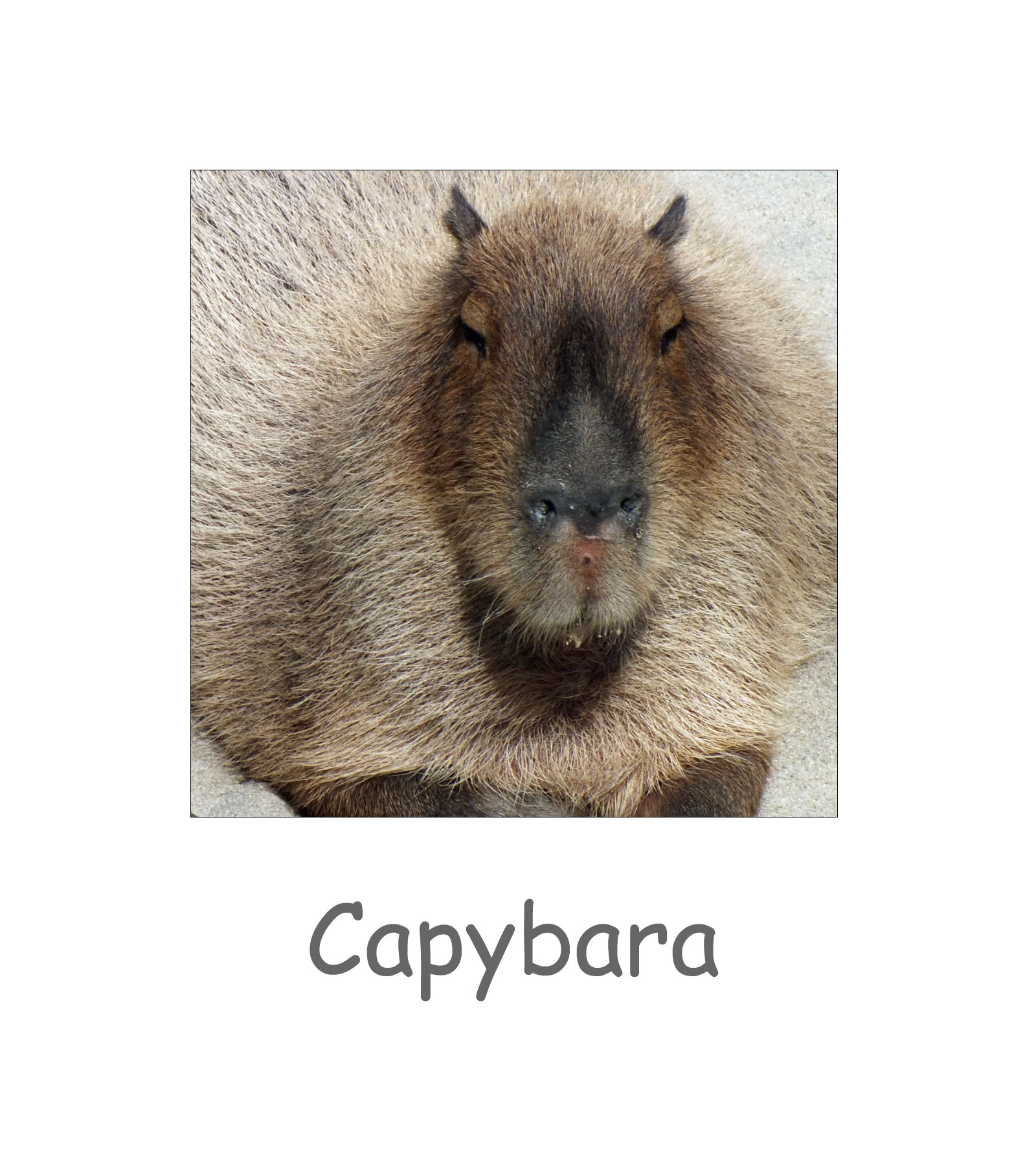
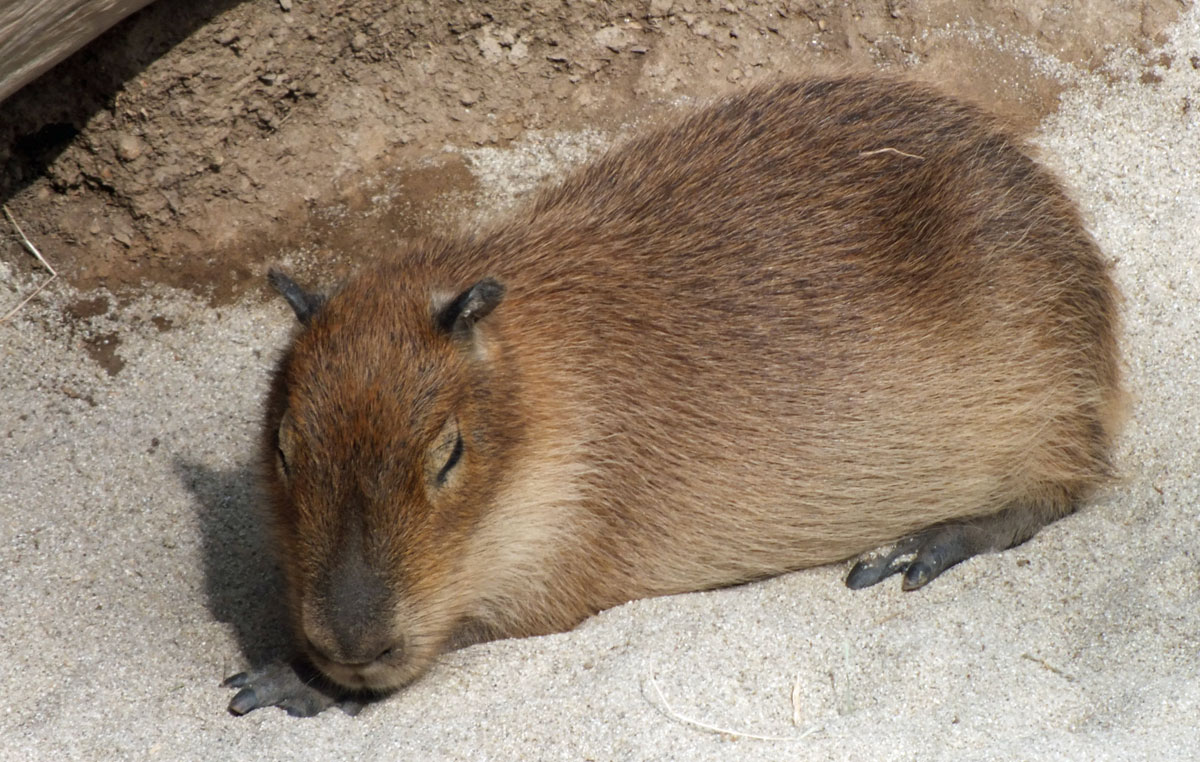
Africa has hippos, and the Americas have capybaras! The capybara has something in common with the hippo: its eyes, ears, and nostrils are all found near the top of the its head. During the dry season, when fresh grasses and water plants dry up, capybaras eat reeds, grains, melons, and squashes. They also eat their own poop to get beneficial bacteria to help their stomach break down the thick fibre in their meals.

Originally thought to be a pig of some sort, we now know that the capybara is a rodent, closely related to cavies and guinea pigs. Standing 2 feet (60 cm) tall at the shoulder and built somewhat like a barrel with legs, the “capy” has long, light brown, shaggy hair, a face that looks like a beaver’s, no tail, and slightly webbed feet.

If you want to join in either daily, weekly or just on the odd occasion then please visit Becky, the only rule is that the main photo MUST be a square – that is four equal sides! You have been warned 😉
We’re goin’ to the zoo, zoo, zoo

This month Becky’s Squares are focusing on odd things – you can interpret this any way you want so I am going to take you all to the zoo this month. San Diego Zoo to be precise and the photos featured will be either odd looking animals, animals with odd names, odd facts or slightly odd photos. I hope you’ll enjoy my selection.

Day Eight

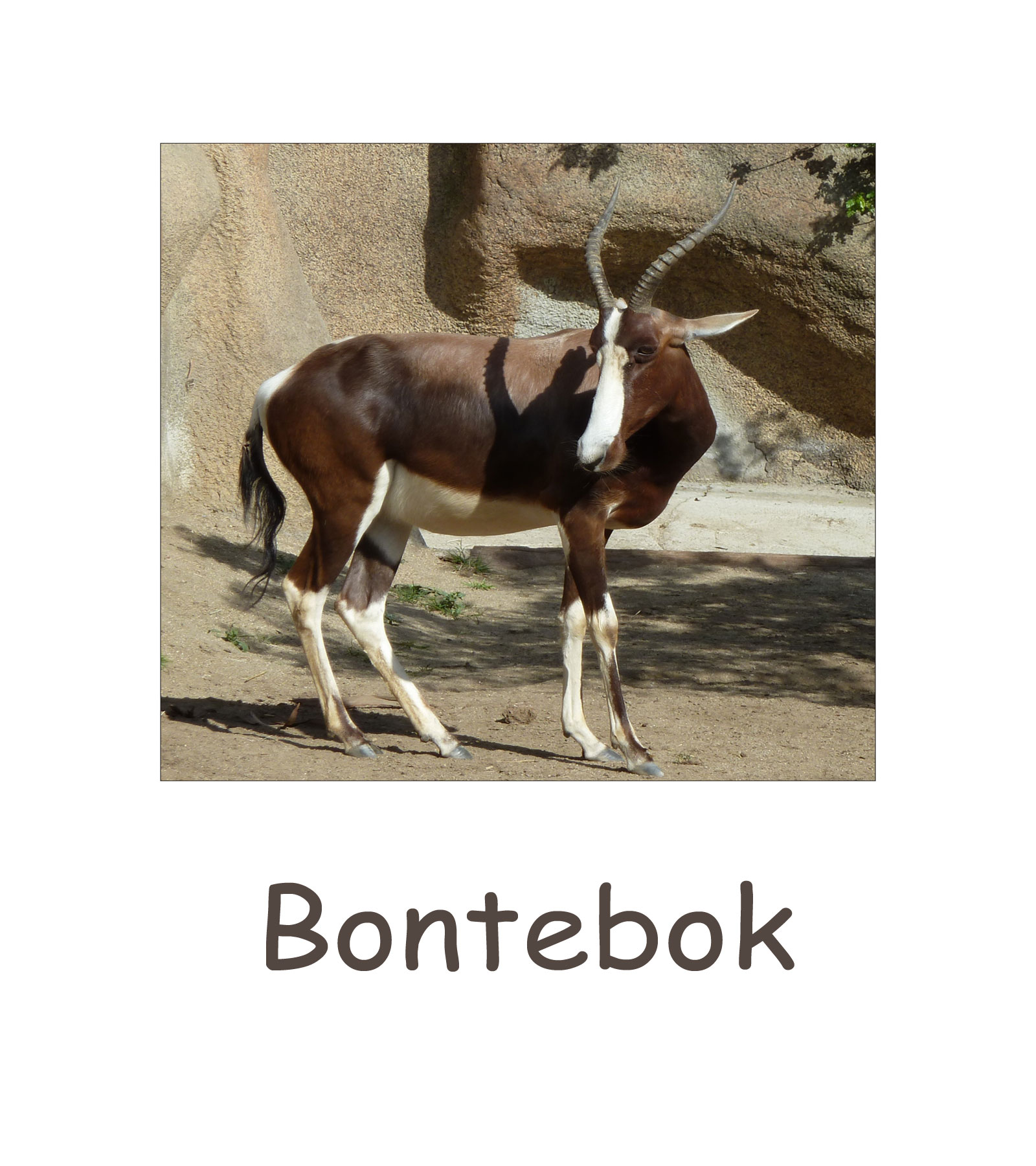
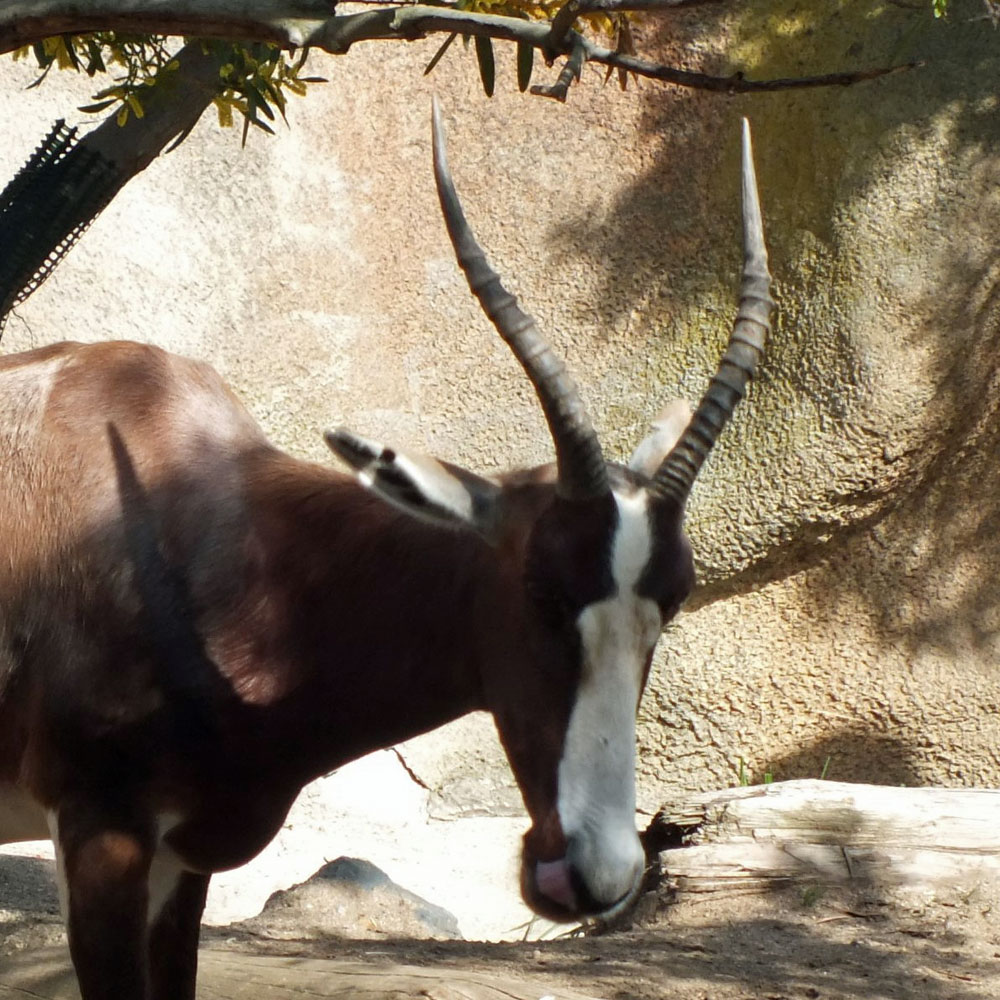
The bontebok is one of the rarest antelope in South Africa and is characterized by its stylish ring-shaped horns, striking markings on its torso, and distinctive white blaze that runs down the centre of its face.

The white facial markings are known as a threat mask, resembling a medieval knight’s helmet. It is intended to intimidate predators.

If you want to join in either daily, weekly or just on the odd occasion then please visit Becky, the only rule is that the main photo MUST be a square – that is four equal sides! You have been warned 😉
We’re goin’ to the zoo, zoo, zoo

This month Becky’s Squares are focusing on odd things – you can interpret this any way you want so I am going to take you all to the zoo this month. San Diego Zoo to be precise and the photos featured will be either odd looking animals, animals with odd names, odd facts or slightly odd photos. I hope you’ll enjoy my selection.

Day Seven

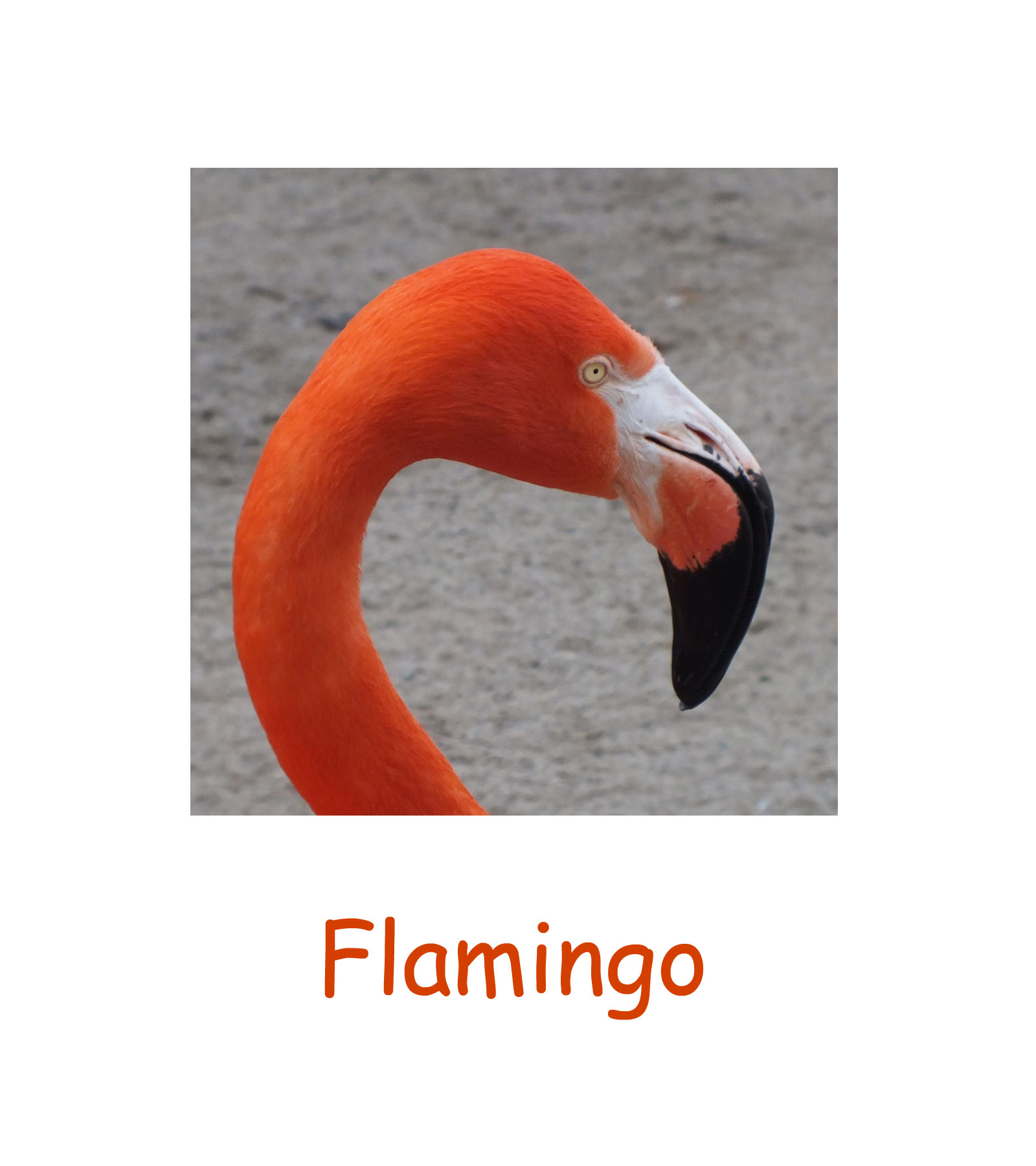
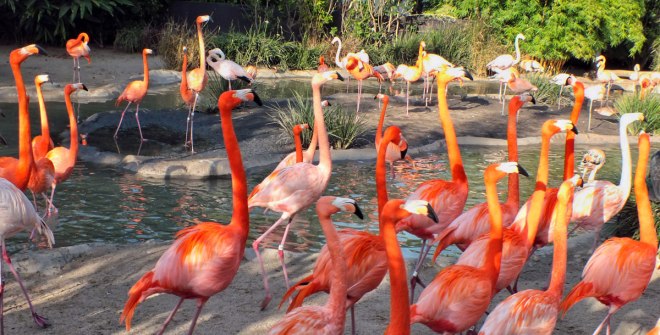
With their pink and crimson plumage, long legs and necks, and strongly hooked bills, flamingos cannot be mistaken for any other type of bird. Today, images of flamingos are found in literature (Alice used them as croquet mallets in Through the Looking Glass by Lewis Carroll), and immortalized as plastic lawn ornaments!

American flamingos, a subspecies of greater flamingo, are the brightest, showing their true colours of red, pink, or orange on their legs, bills, and faces. It’s funny to watch them marching: the large, tightly packed flock walks together as one, before switching direction abruptly.

If you want to join in either daily, weekly or just on the odd occasion then please visit Becky, the only rule is that the main photo MUST be a square – that is four equal sides! You have been warned 😉