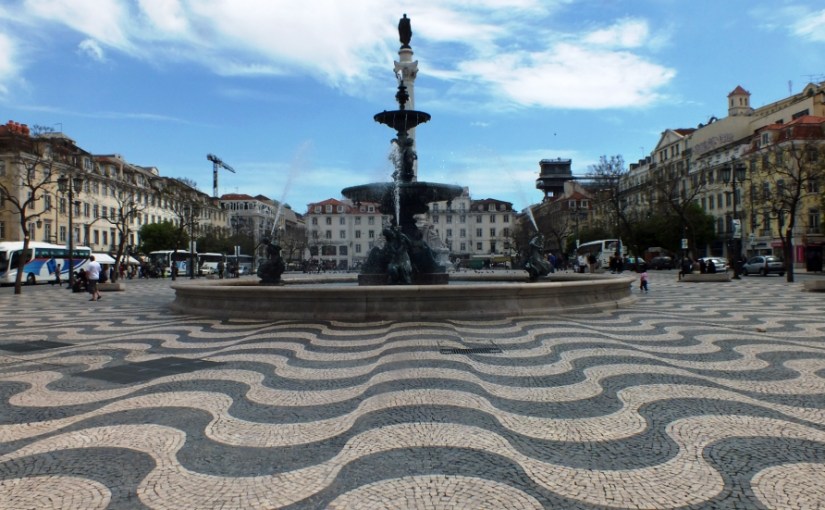
A city where it is impossible not to look at what is beneath your feet is Lisbon, Portugal. The endless intricate patterns of the cream and black cobbles automatically draw your eyes down. Known as calçada (Portuguese Pavements) some, like the wave pattern above and below in Praca Dom Pedro IV Square (Rossio), can even interfere with your balance and make people look as though they are floating above the pavement.
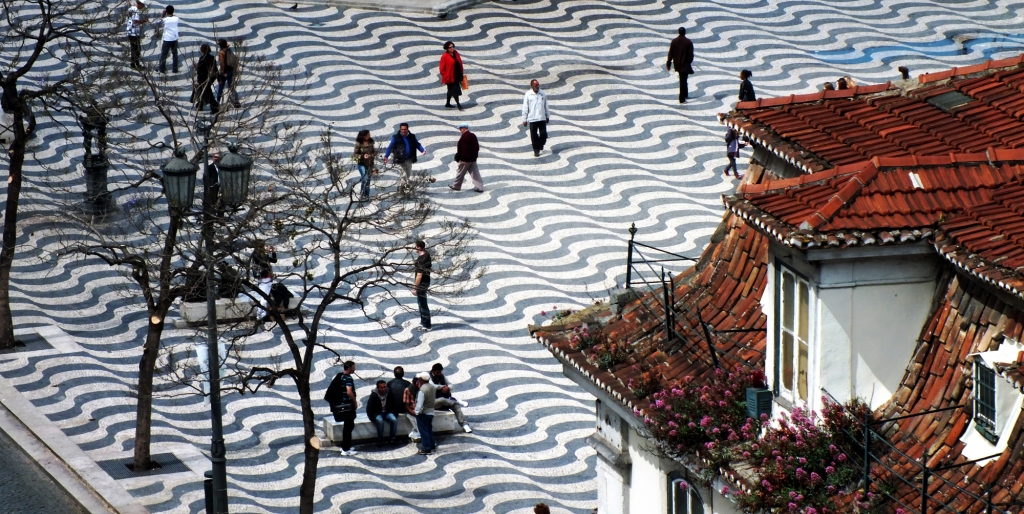
This is where it all started, Rossio Square, given the wave patterns in 1849.
Arch to Praca do Comércio
Belem Wave pattern
Belem Astrological Sign – Gemini
In Belém coloured marble is used with the flat cobbles to create patterns and pictures including a map of the world depicting the voyages that Portuguese explorers made during the Age of Discovery.
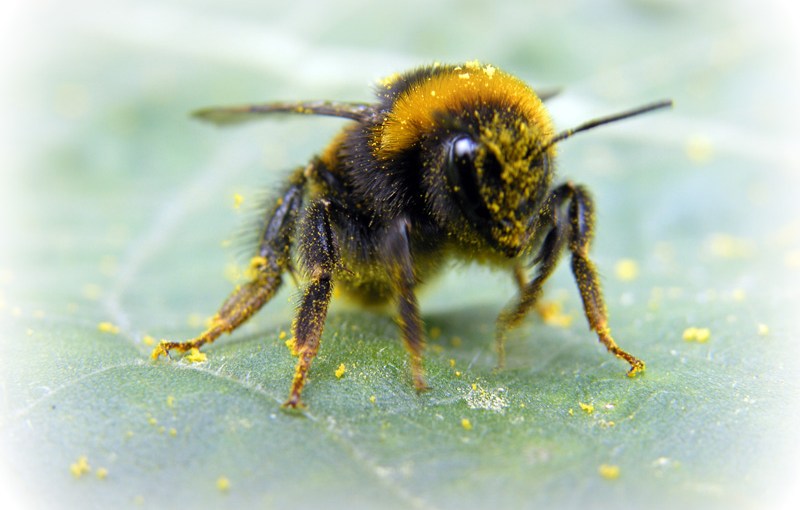
The WPC this week is not really a challenge for me as I am always taking photographs close up. Rocks and lichens have been my most recent subjects on here, and there has even been a dragonfly, a bee and a zebra in the past.
DragonflyWorker BeeUp close and personal
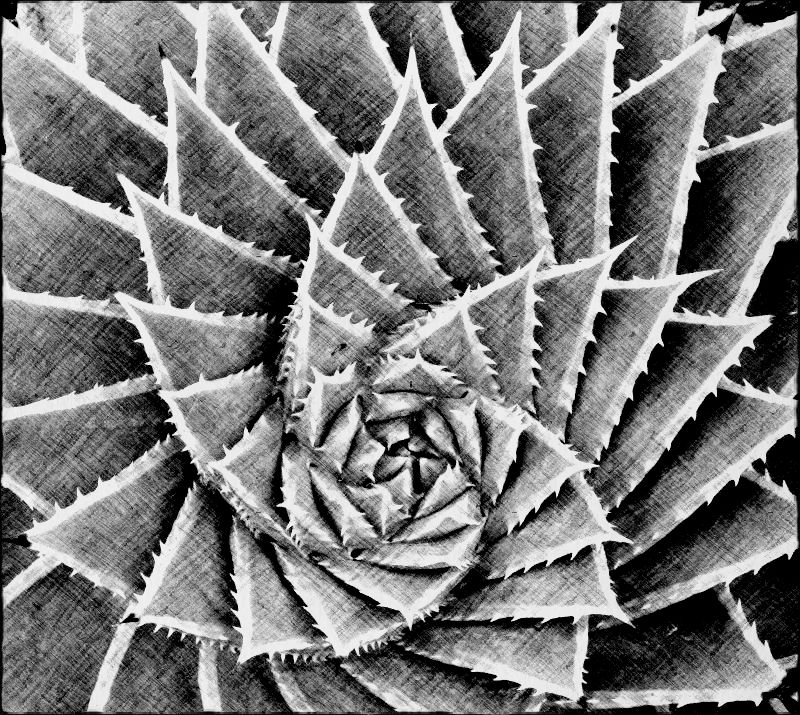
Flowers feature frequently over on the Earth Laughs in Flowers blog. Stunning osteospermums and gazanias are enchanting close up, but structural or textural plants such as succulents or grasses can look completely different if you ensure that pattern details fill the frame.
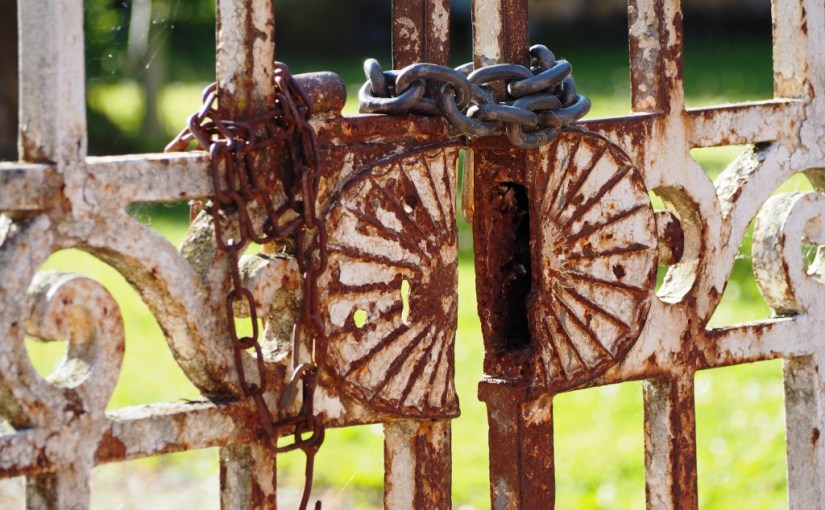
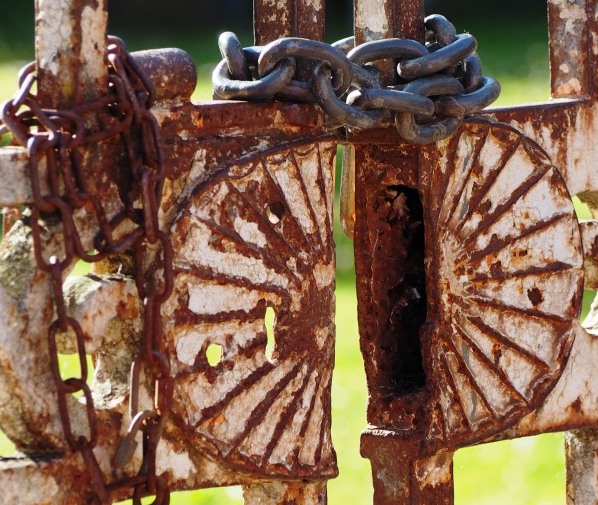
But let’s step away from nature and turn to a man-made object for a change and get a little closer. Would you have noticed that pattern as you walked by?
Rusty pattern
And the difference between Macro photography and a close-up? Well a close-up image will fill the frame as my lock does above and can generally be done using any type of lens including cameras with a macro setting. Macro photography on the other hand, although a form of close-up, is usually only achieved using a special (and expensive) macro lens. A macro shot, allows for bigger magnification and shows the finest detail in focus. A real macro lens has the capability of achieving in the least a 1:1 magnification. Having just taken delivery of a new camera I am looking forward to buying my first real macro lens and getting even closer.
Twilight is the time of day that is half way between daylight and darkness. It is when the earth’s surface is neither completely lit nor completely dark. Here in the far northern hemisphere twilight lasts much longer in the summer months and sometimes it never gets properly dark. In Norway and other countries close to the north pole it is known as the ‘Midnight Sun’.
At the end of twilight dusk falls and a bat appears in my courtyard every evening to fly in circles feeding on the night-time bugs. When I see ‘Batty’ I know it is summer.
twilight has long been popular with photographers, who refer to it as ‘sweet light’, and painters, who refer to it as the blue hour, after the French expression: l’heure bleue.
As a child growing up in West Yorkshire I knew that a friendly rivalry existed between Yorkshire and Lancashire, our neighbours on the other side of the Pennines. Later on at grammar school I learnt a little about the Wars of the Roses and was astonished to discover that it wasn’t a war between the two counties as I had believed, but a series of battles fought in medieval England from 1455 to 1485 between the House of Lancaster and the House of York.
The name of the battles derives from the symbols used by the two sides:
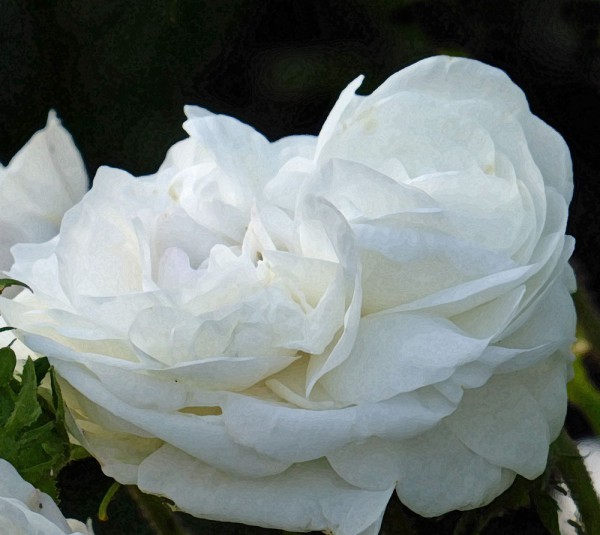
Red Rose – House of LancasterWhite Rose – House of York
On moving to Ludlow a few years ago I found out that one of the major battles of these wars took place only a few hundred yards from where I now live. The Battle of Ludford Bridge 12 October 1459. The Yorkist factions gathered here to make a push into Worcestershire, but fell back when they encountered a large group of Lancastrians led by Henry VI. The two sides took up positions on the opposite banks of the River Teme, but many of the Yorkists deserted during the night and the rest retreated the next day. So a victory for the Lancastrians. It is such a picturesque spot now that it is hard to imagine a battle taking place here.
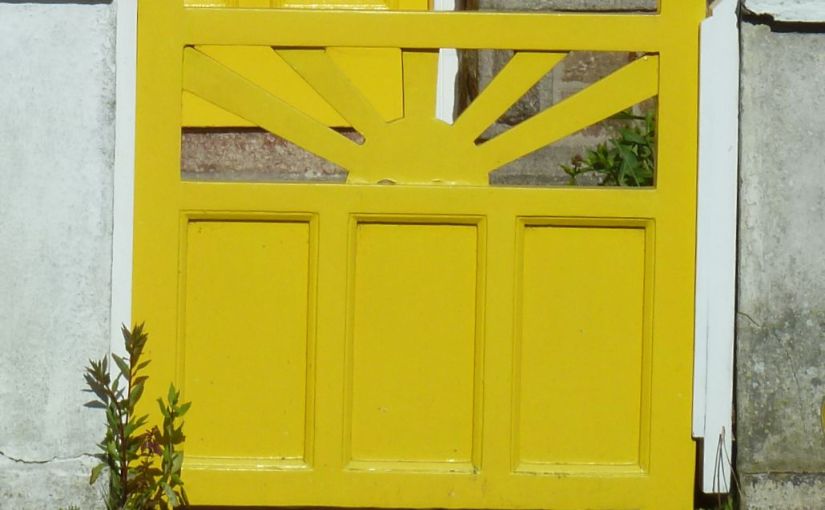
The Weekly Photo Challenge is about Doors. Those of you who are regulars to my blog will know that I am quite partial to a door or two. My last post explained about the importance of having the correct colour for your front door so that everything was good in Feng Shui terms. One colour escaped me though. A yellow door. Lo and behold on a house hunting trip to Penzance I spied one across the road. And naturally had to take a photograph.