During this year I shall be posting photographs from places around the UK, many of which have not been published before. Where I have previously blogged about a location I will provide a link to the post, though you won’t be able to comment on it as I restrict comments to six months.
Y is for York
I couldn’t miss out York seeing that I am a Yorkshire lass and spent a good part of my childhood growing up in and around the county and then moved back to South Yorkshire for almost 19 years. York was a city I visited fairly often as a child. My dad loved horse-racing so we would all go to the York races most years and my brothers and I would walk around the city walls, or go to the fair that was always there at the same time.

York still has most of the medieval walls that surrounded the city 700 years ago. The tops of these walls were partly rebuilt about 150 years ago so the public could walk along most of them –and feel safer by having a tall parapet on one side of them. There is a guided trail walk for those of you that fancy it.
Later on I would take my own children to the city for a day out as it was easy to reach by train and the museums were fun. (Jorvik Viking Centre – all about the Viking era and complete with smells and my favourite the Castle Museum with its world renowned Victorian street Kirkgate. For the trainspotters amongst you the National Railway Museum is extremely interesting and there is even a chocolate museum now).
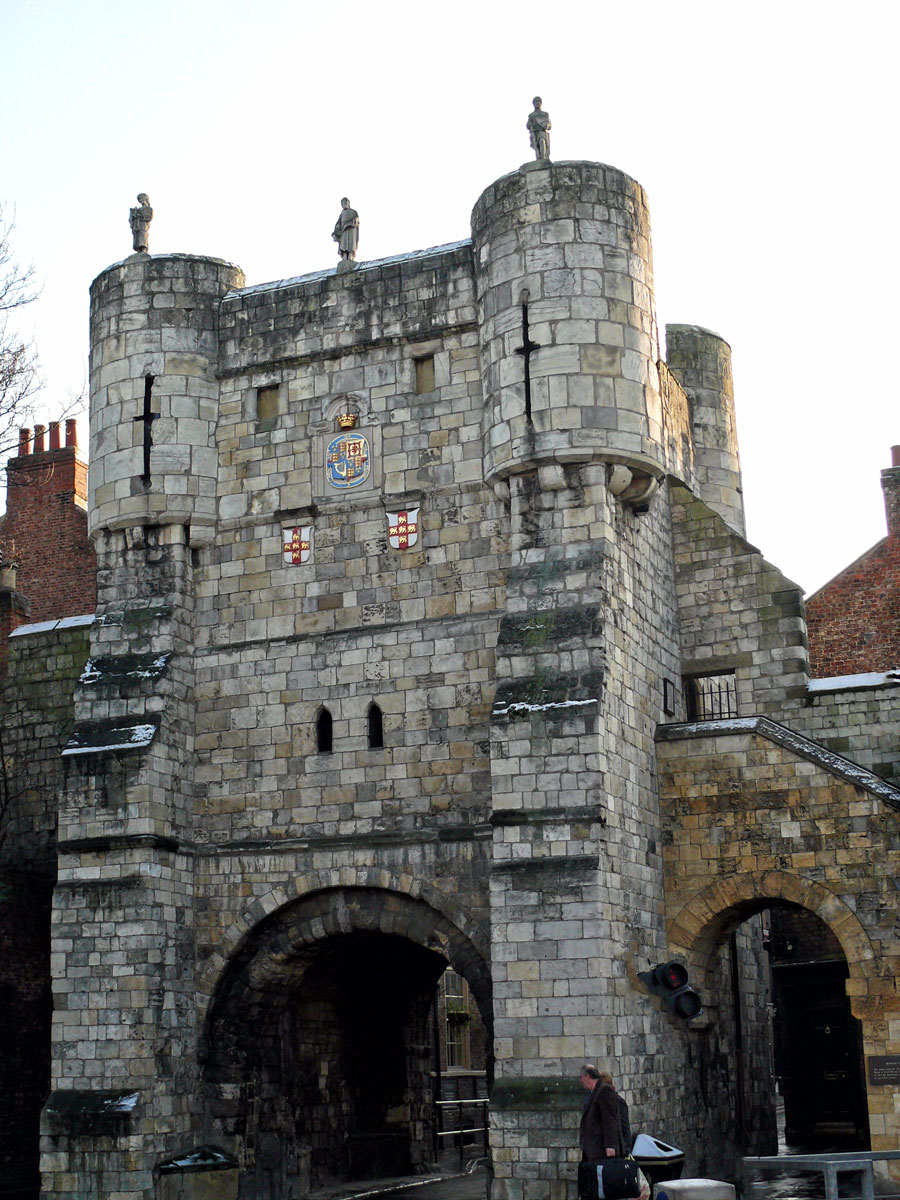
There is so much history to be found in this compact city including these wonderful gateways. Bootham is a continuation of Petergate outside the city walls. There has been a gateway here for nearly 2000 years and Bootham Bar stands on the site of the western entrance to the Roman fortress.


Another beautifully preserved gateway is Micklegate Bar, famous for displaying the skewered heads of rebels and traitors above the gate as a warning to others. These were a regular fixture with the longest being up there for 9 year. The last one to be displayed was removed in 1754.

The best way to explore York is on foot. I love simply wandering around the centre of the city, within the city walls, walking alongside the river and on the walls themselves.
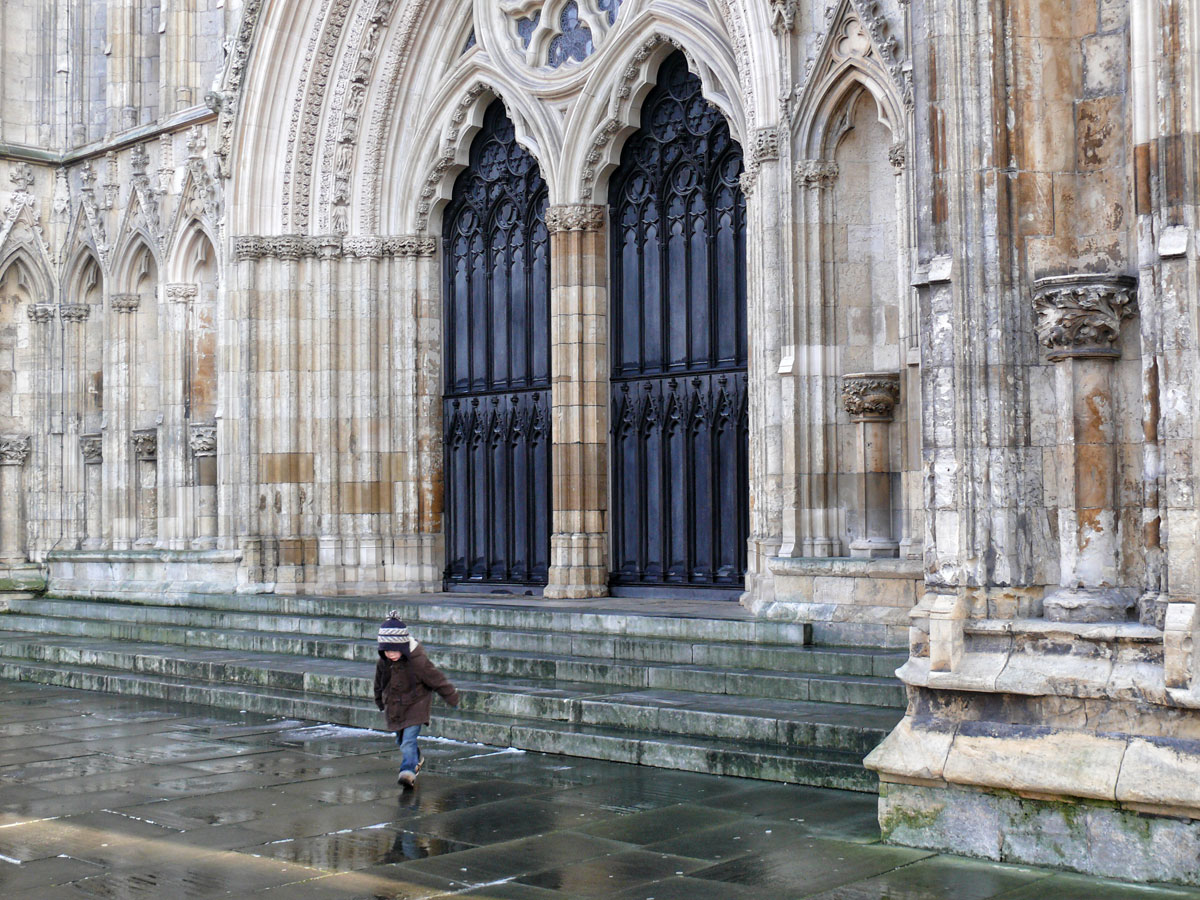
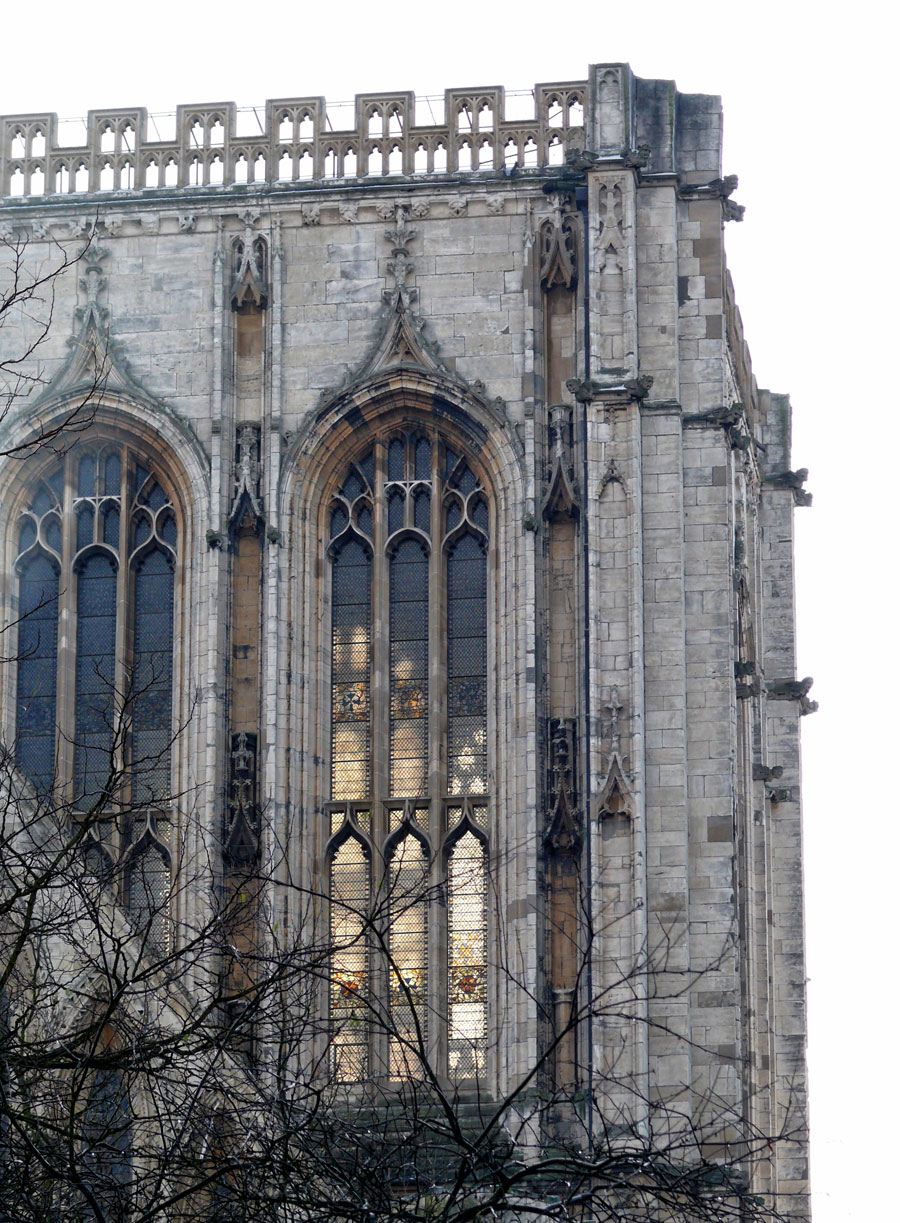
The majestic York Minster is very difficult to get a good photo of as it is hidden behind trees, even in winter they obscure the view. It is quite expensive to visit so we didn’t actually go in (plus there was a service on at the time), but it is an impressive building and I hope one day to actually have a look around inside.


Tucked behind York Minster, Treasurer’s House is not as it first appears. In 1897 it was bought by Frank Green, the grandson of a wealthy industrialist, and by 1900 he had transformed it at great speed into an elaborately decorated town house, ready for the visit of Edward VII.

In November 2008 I was in the city for a few days when it happened to snow. Although rather cold, the place was decorated for the coming Christmas holidays so looked rather cheerful. We stayed in a typical terraced guest house (the type with brown linoleum in the hallway and heavily patterned carpets in the rooms) just outside the city walls which was convenient for us to walk along the riverside and through the museum gardens and into the city.

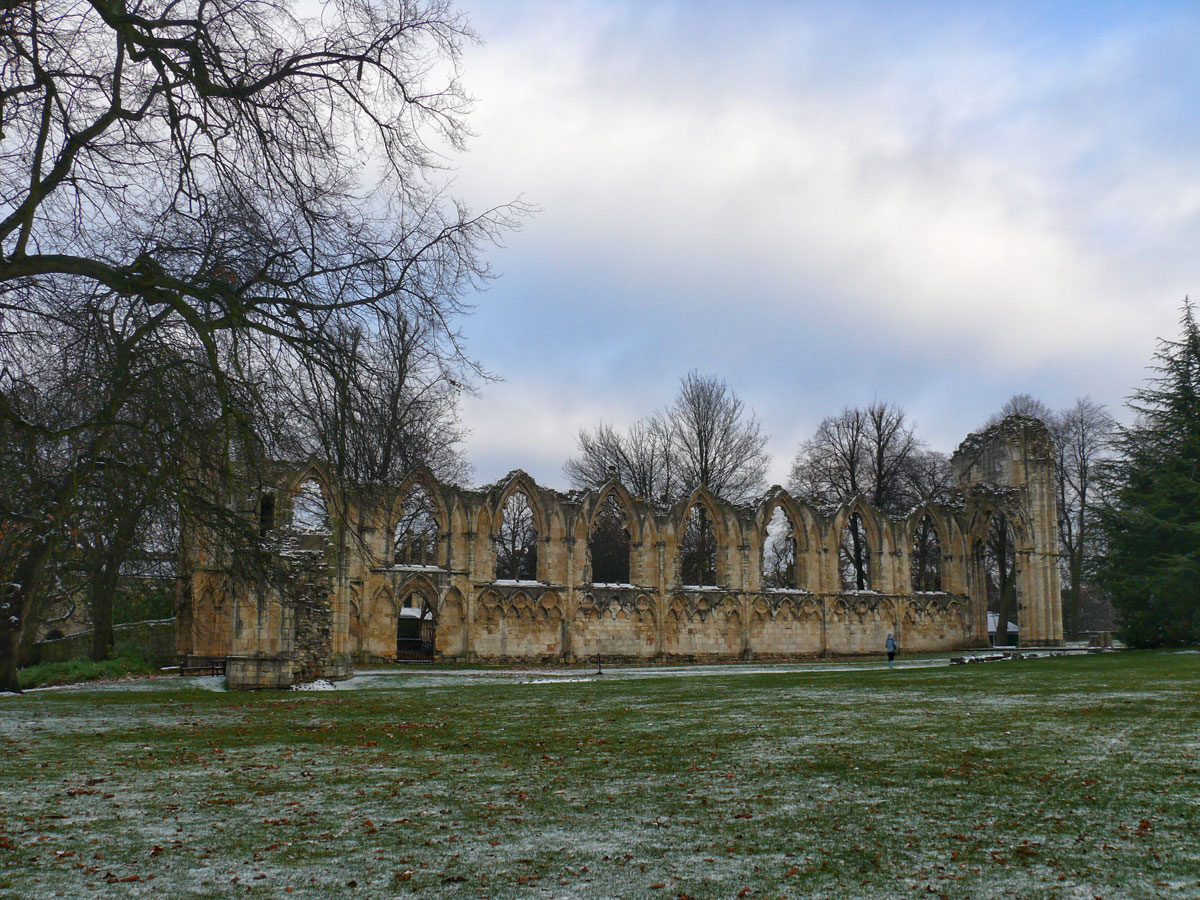
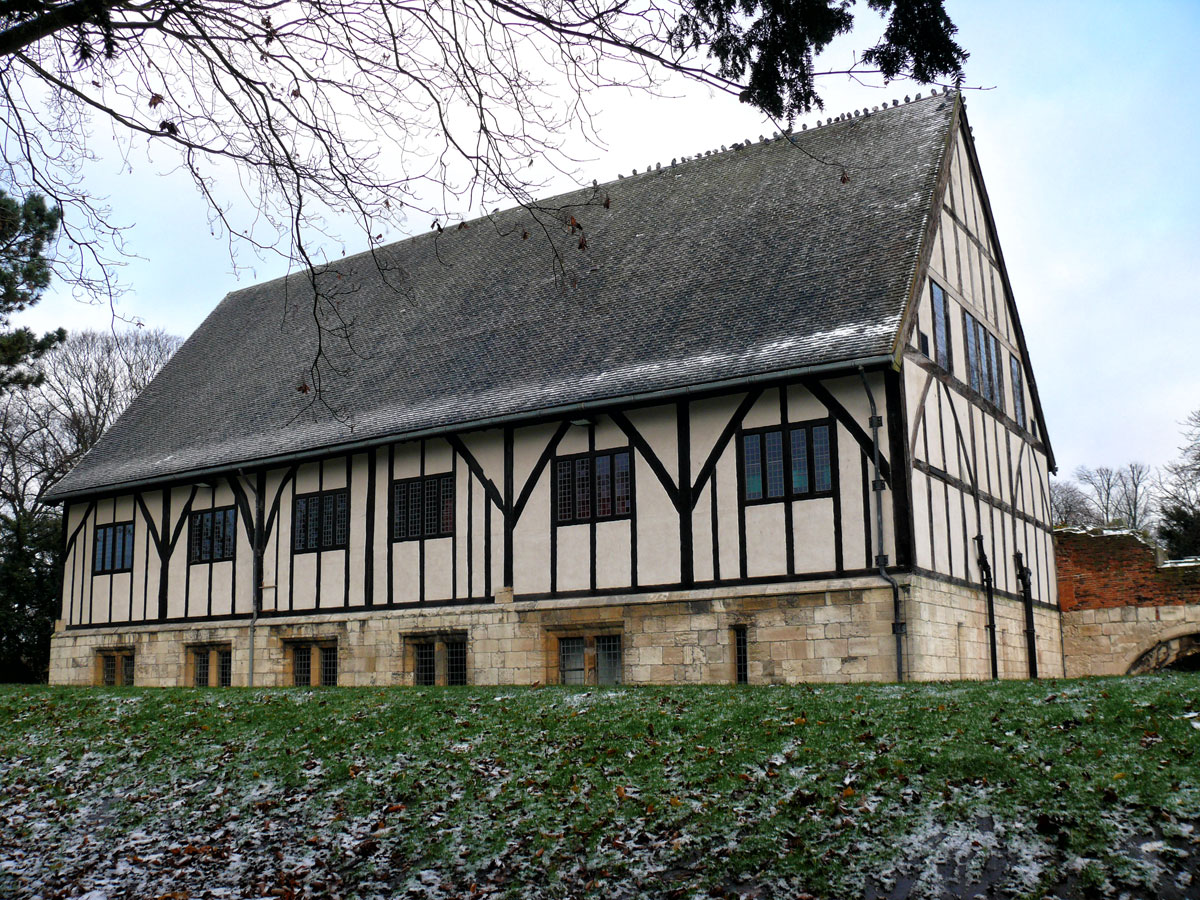
There is so much to say about York and Yorkshire (we also took a trip out to the North York Moors and to Whitby Abbey whilst there) but this would turn into a very long post. If you haven’t discovered the pleasure of this lovely city then I urge you to find out about it for yourself. Shops ✔ Restaurants.✔ Great Pubs. ✔
What are you waiting for?
 TRAVEL WORDS