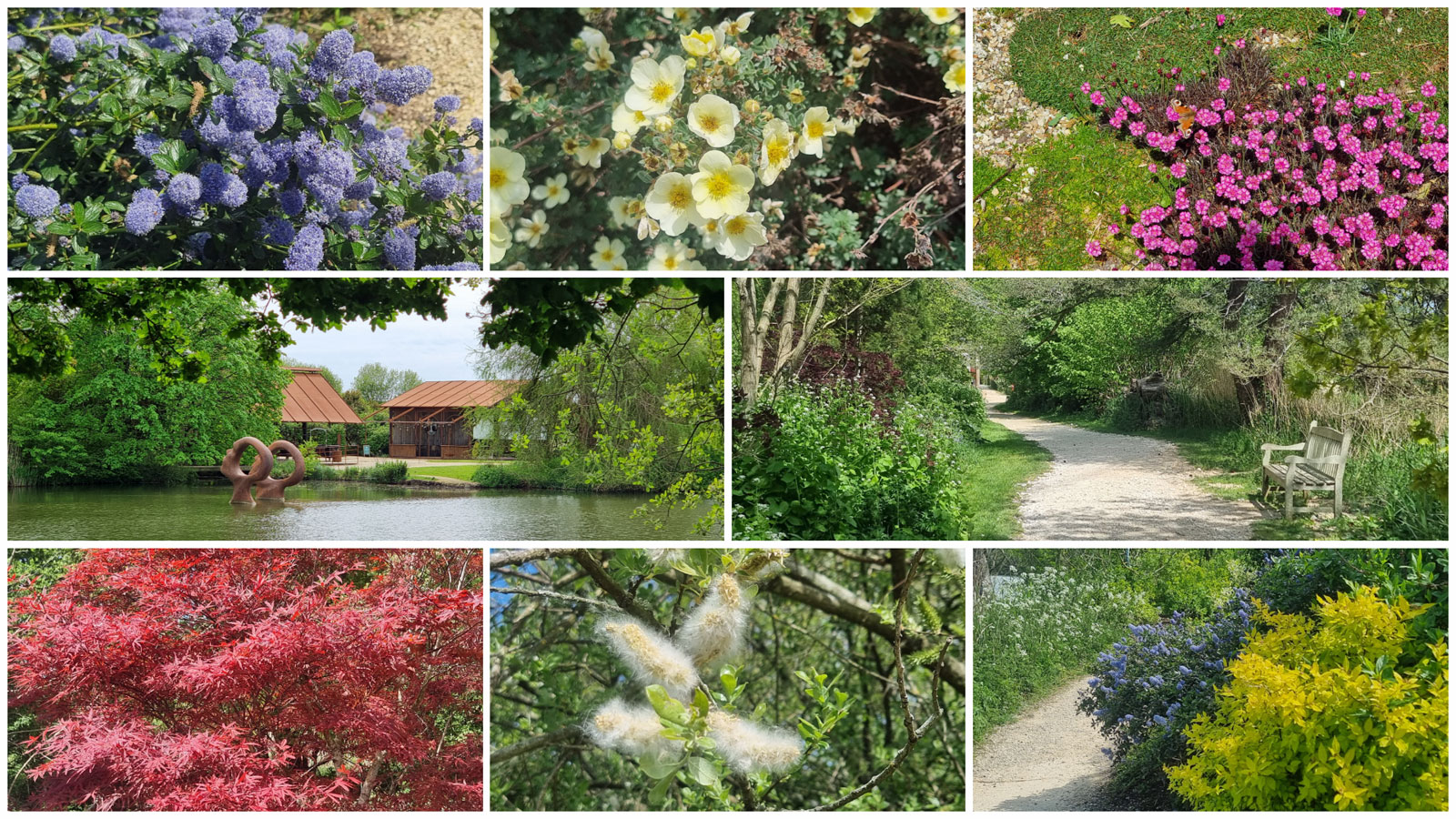
Simon and Monique Gudgeon are the creators of Sculpture by the Lakes, with over 100 sculptures in this 26 acre sculpture park many of them around the level meandering paths around the North Lake and Rainbow Lake. It makes for a lovely leisurely stroll through native trees and planting. There are several waterside venues available for private hire and an excellent Pantry offering self-service fresh, seasonal food with plenty of seating outdoors and around the park where to relax and unwind.
Showcasing the work of sculptor Simon Gudgeon and more than twenty other sculptors among the garden designed by Monique.
As Jo loves to be beside water I am sure she’d love this walk:
(please click on an image for an enlargement)
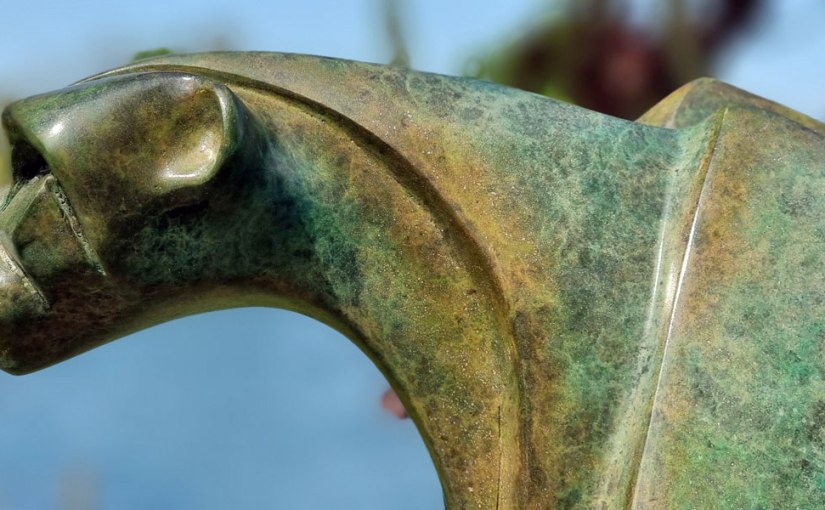
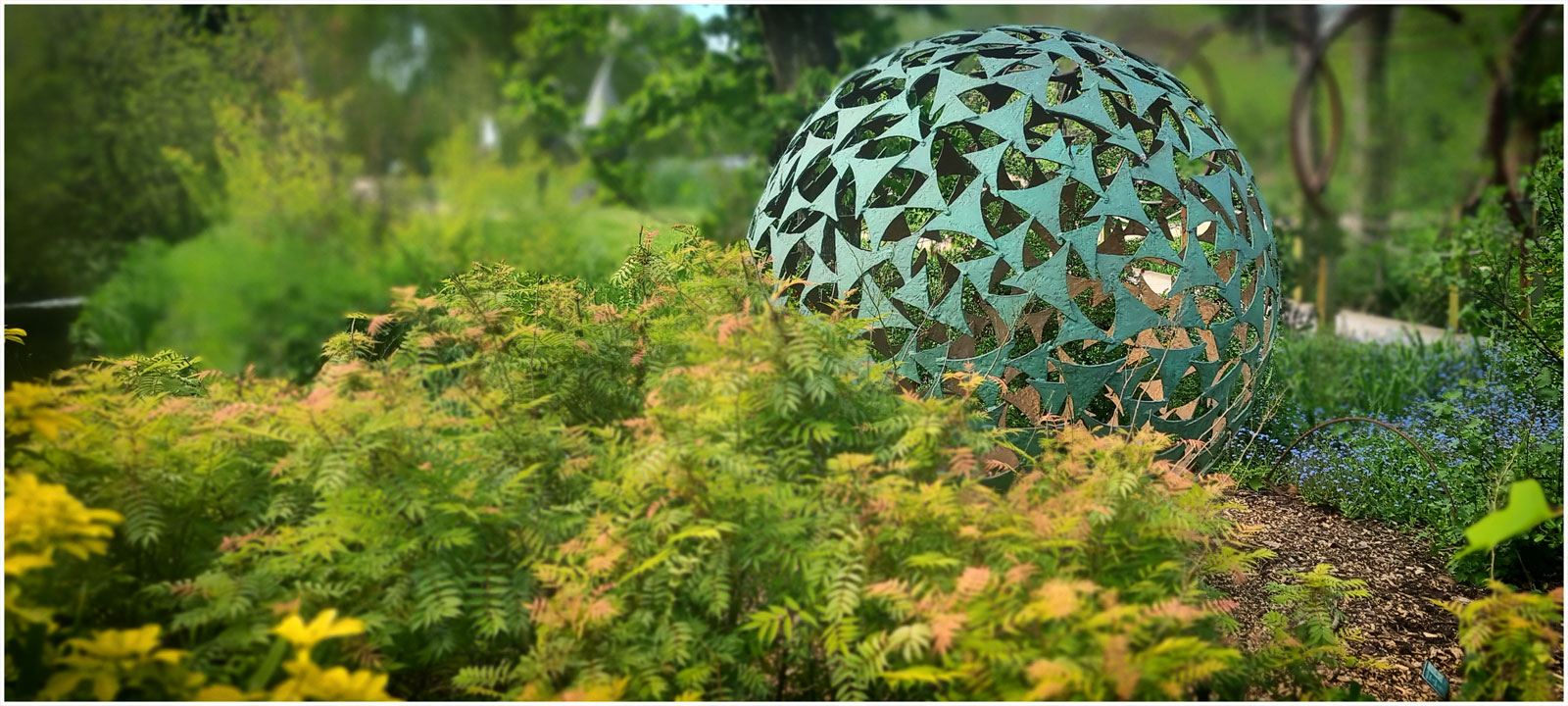
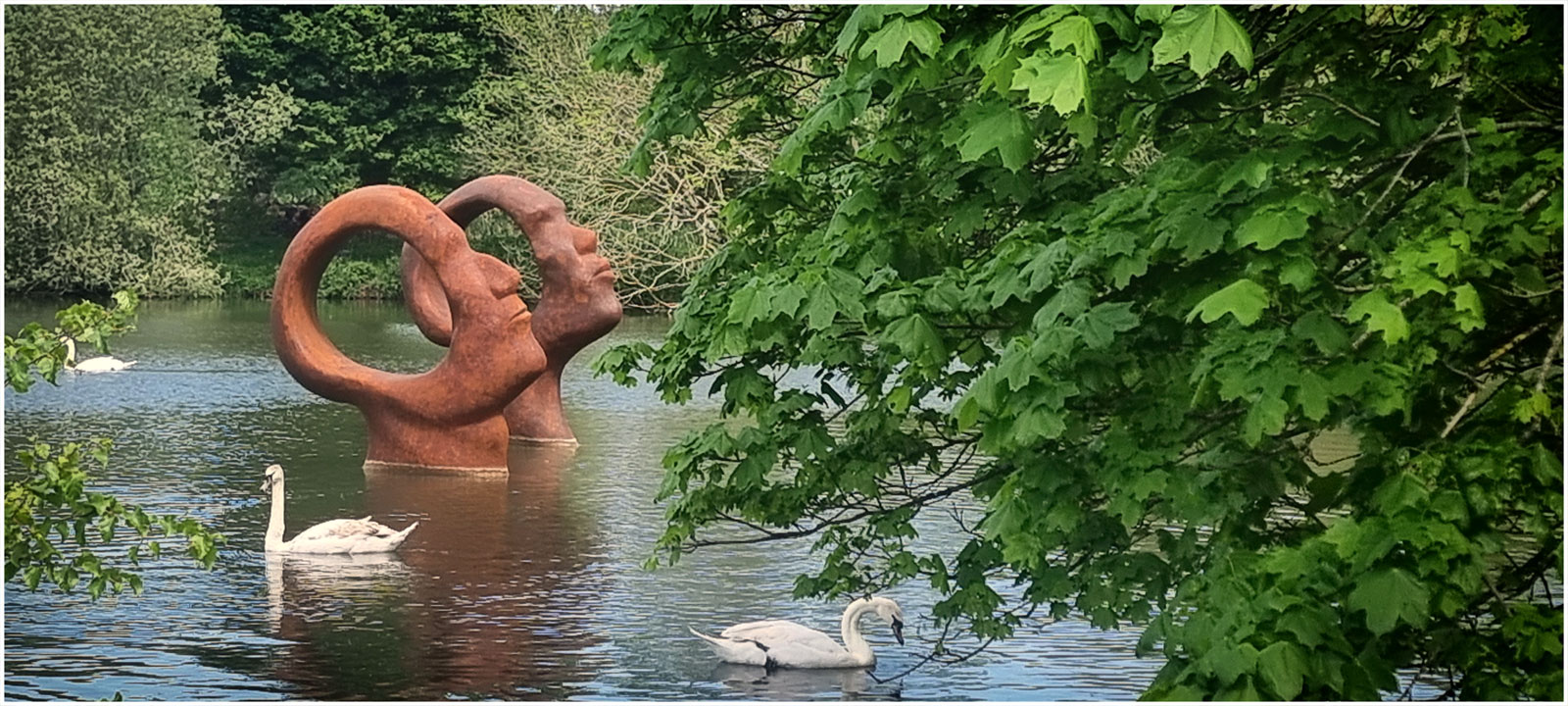
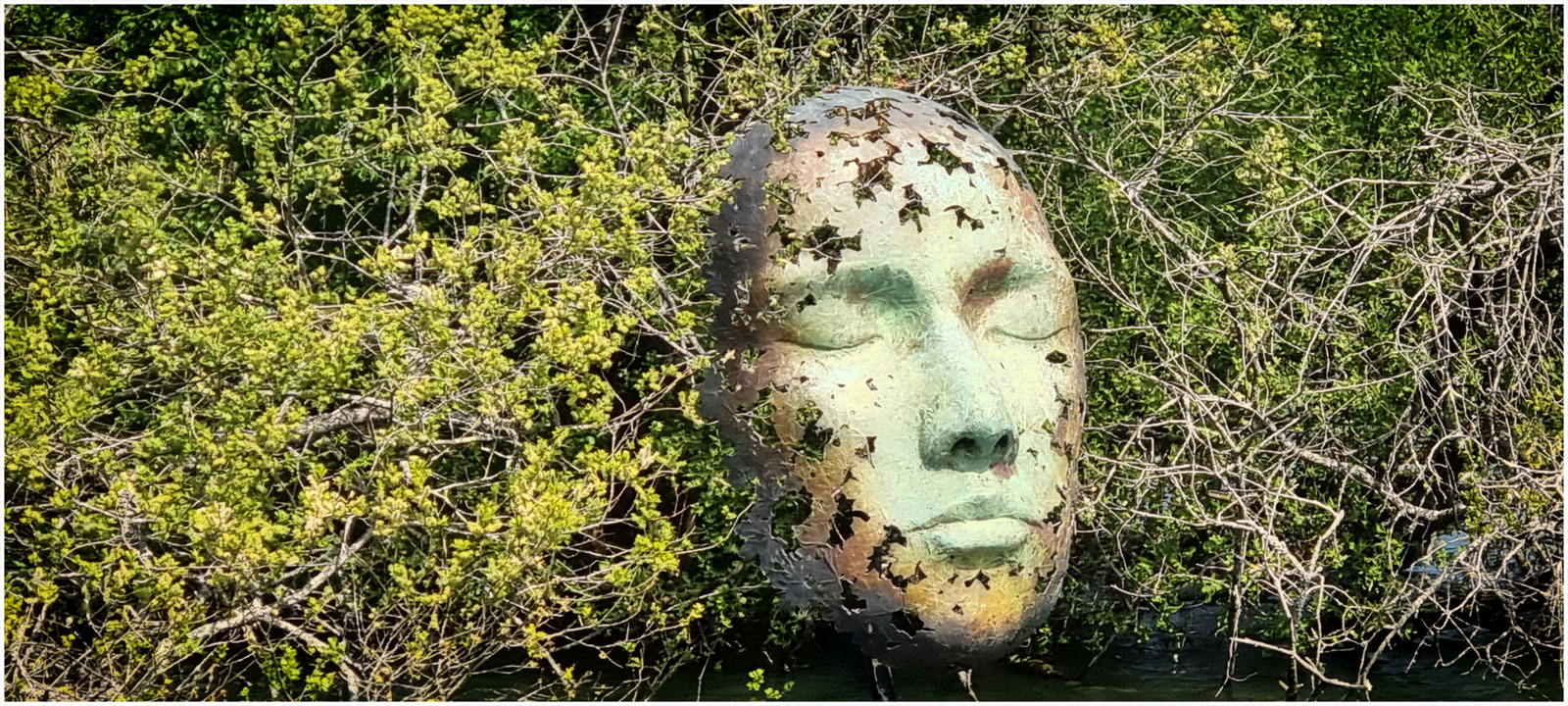
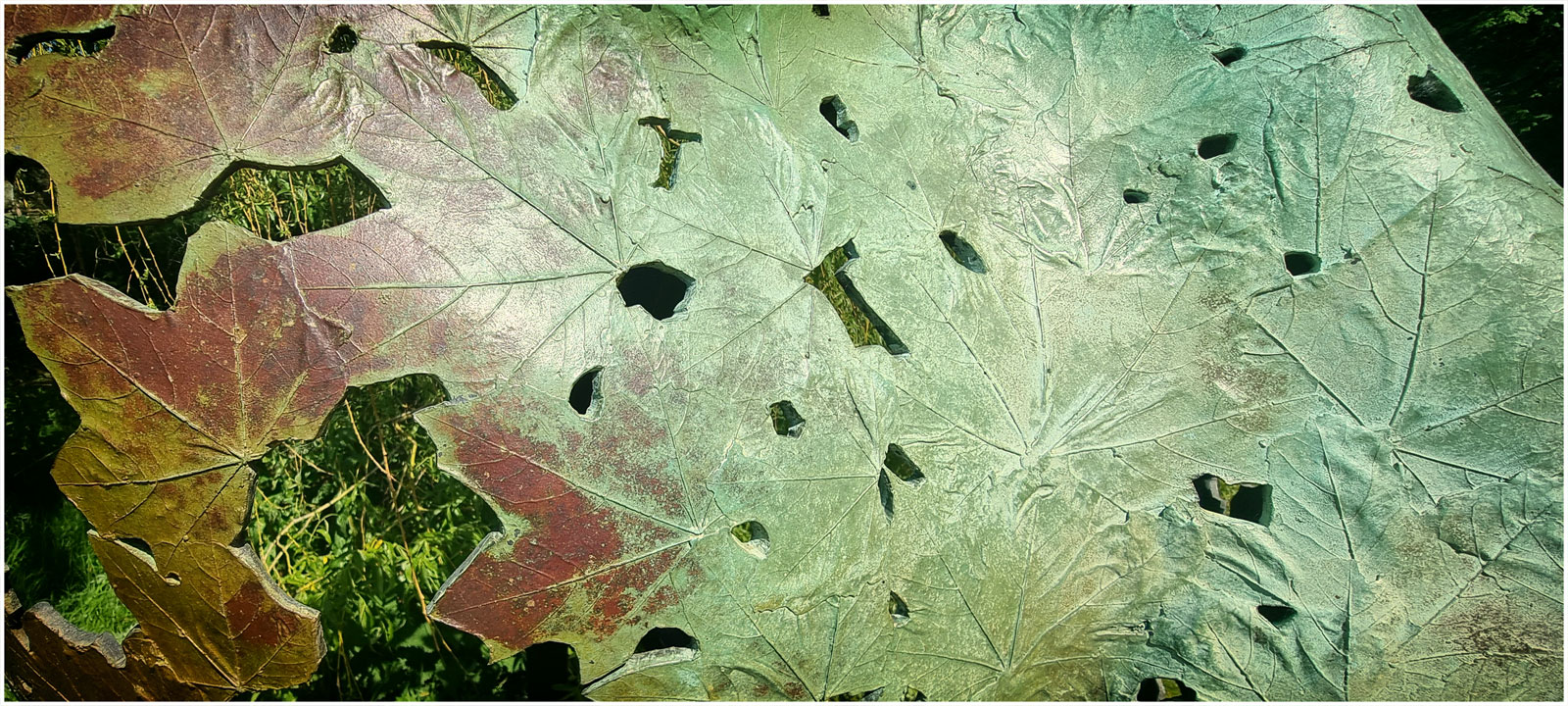
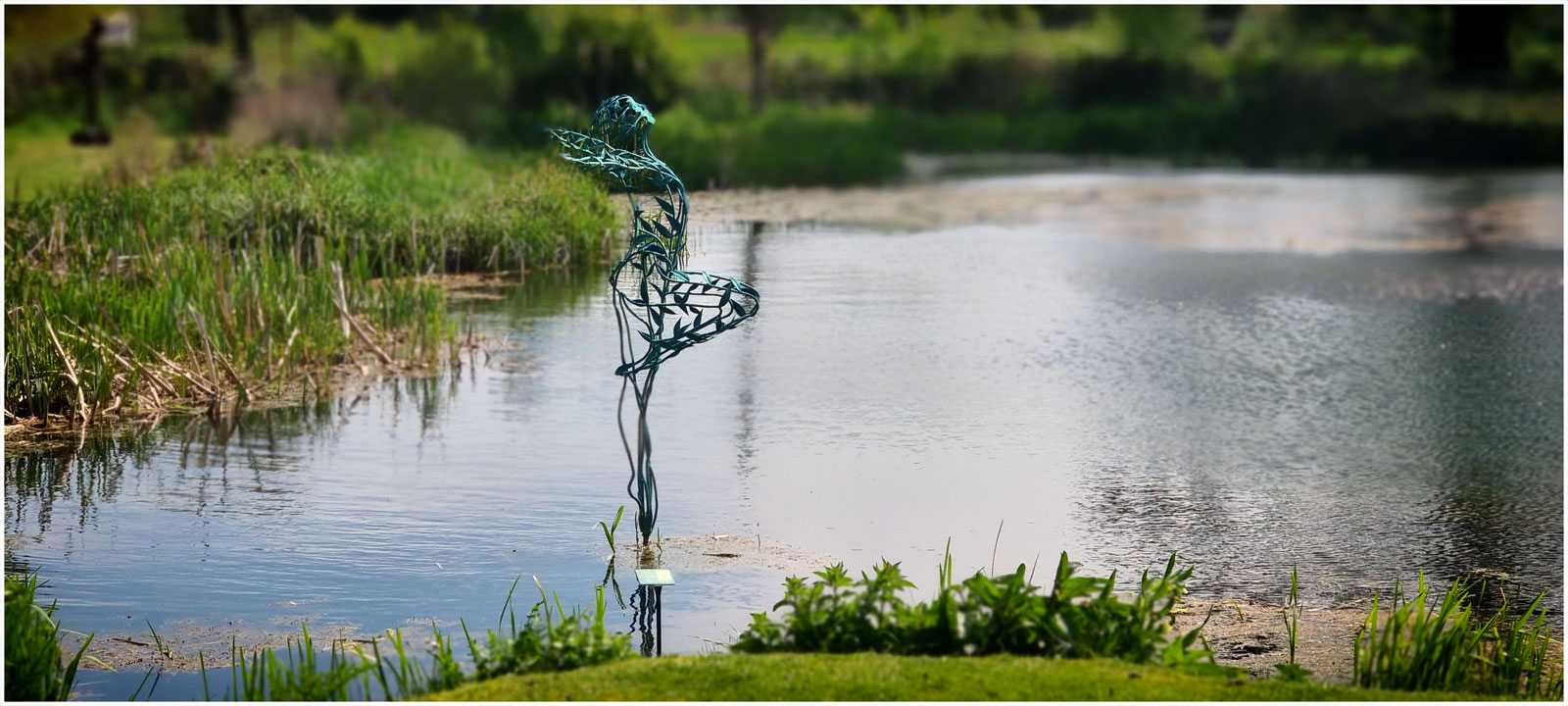
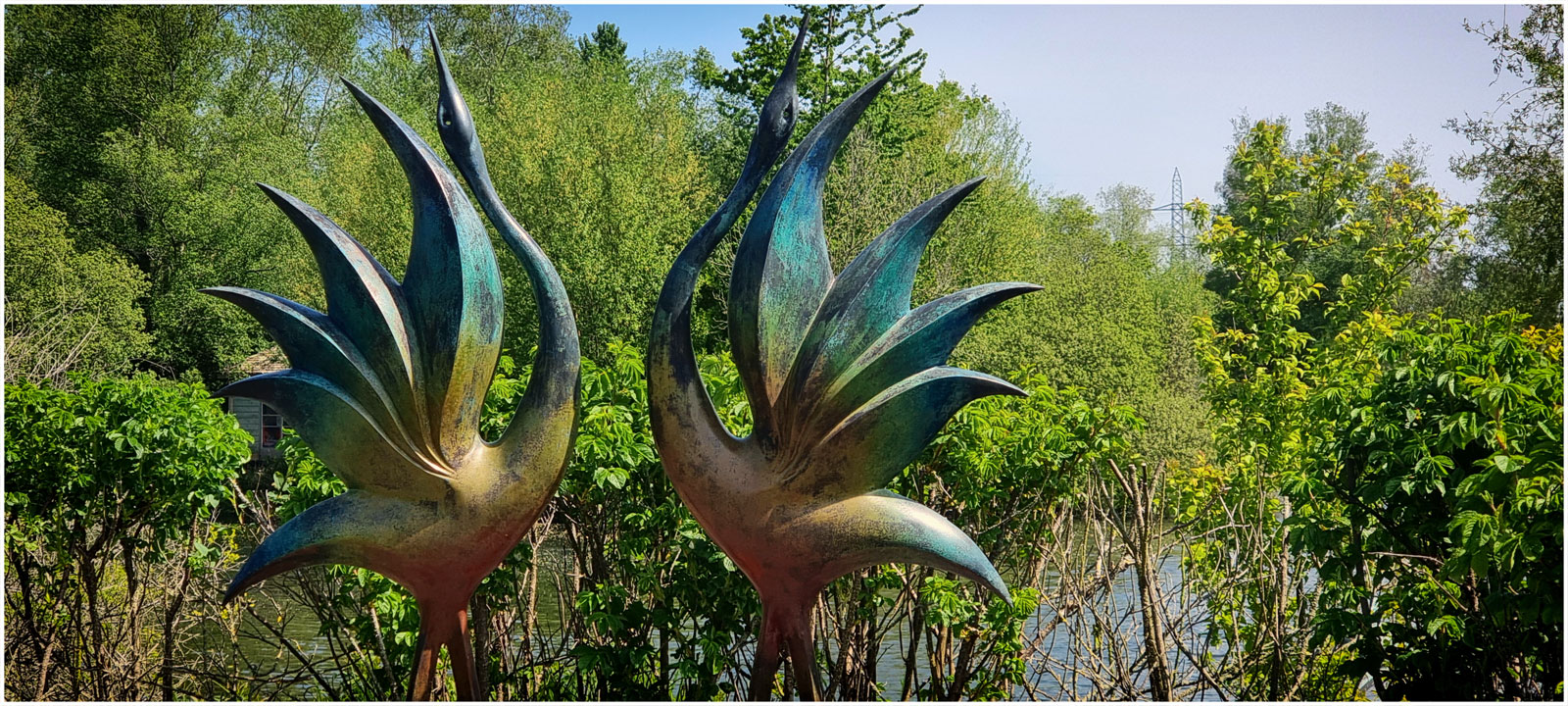
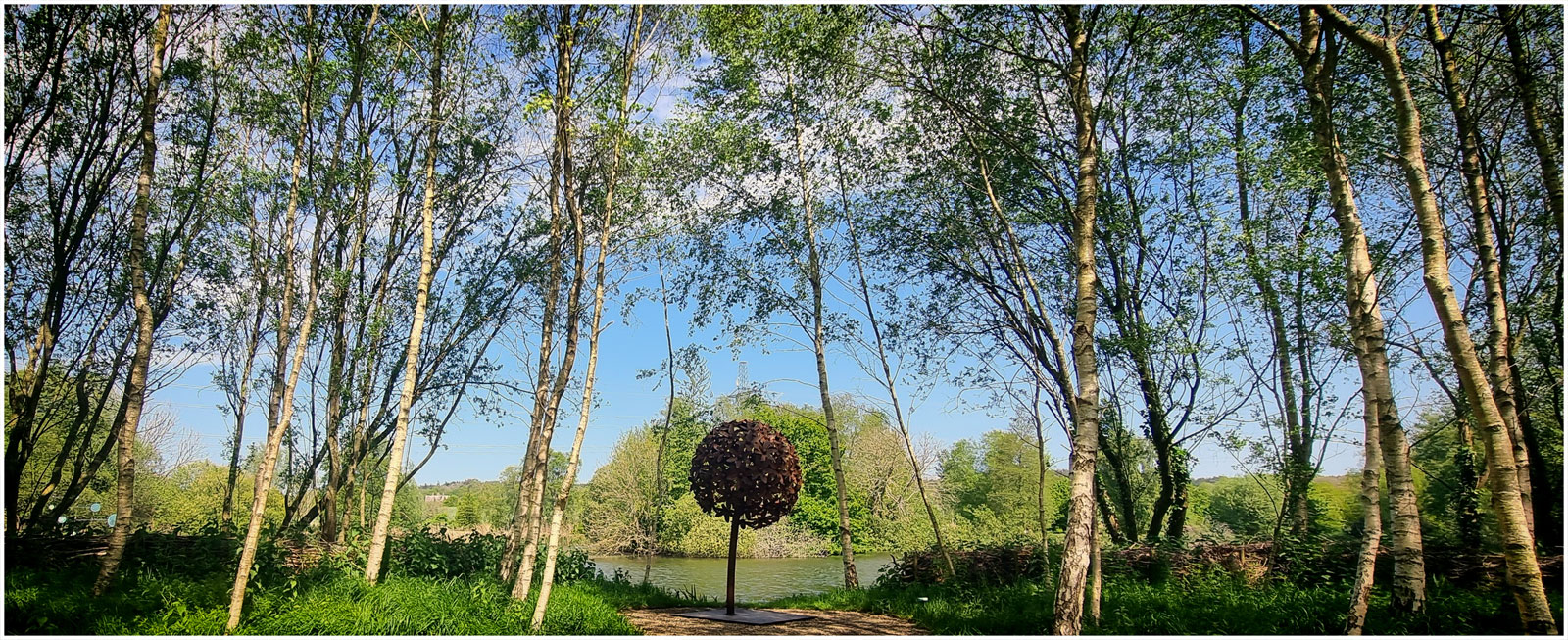
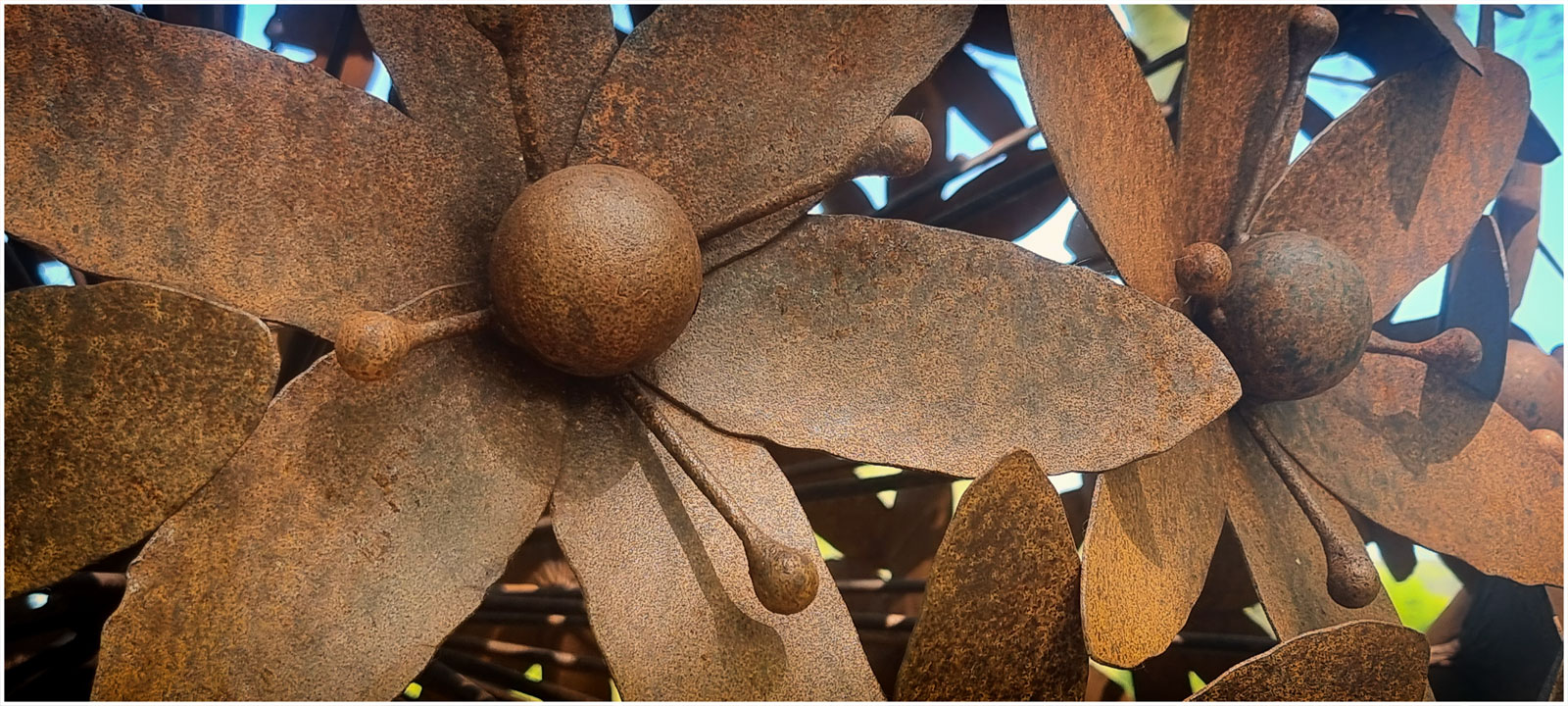
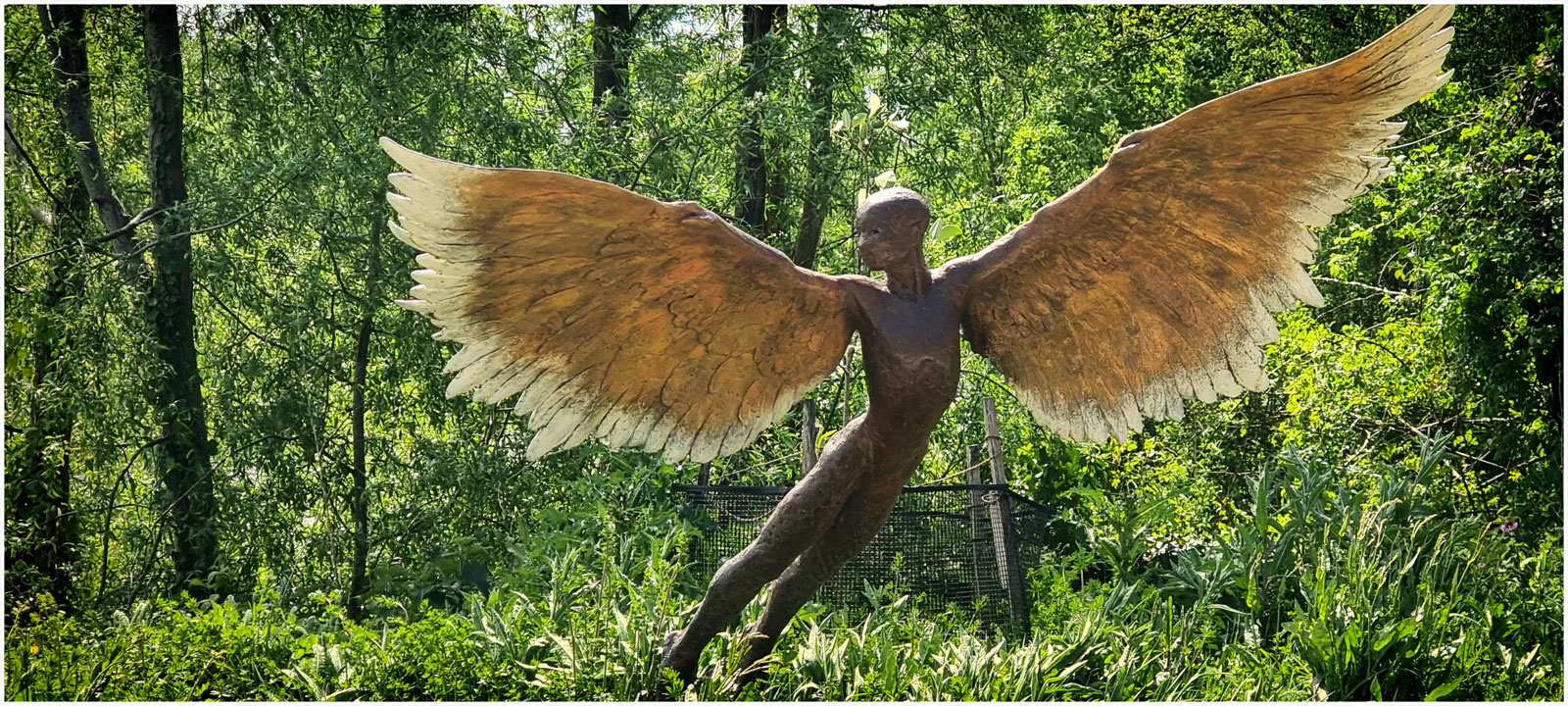
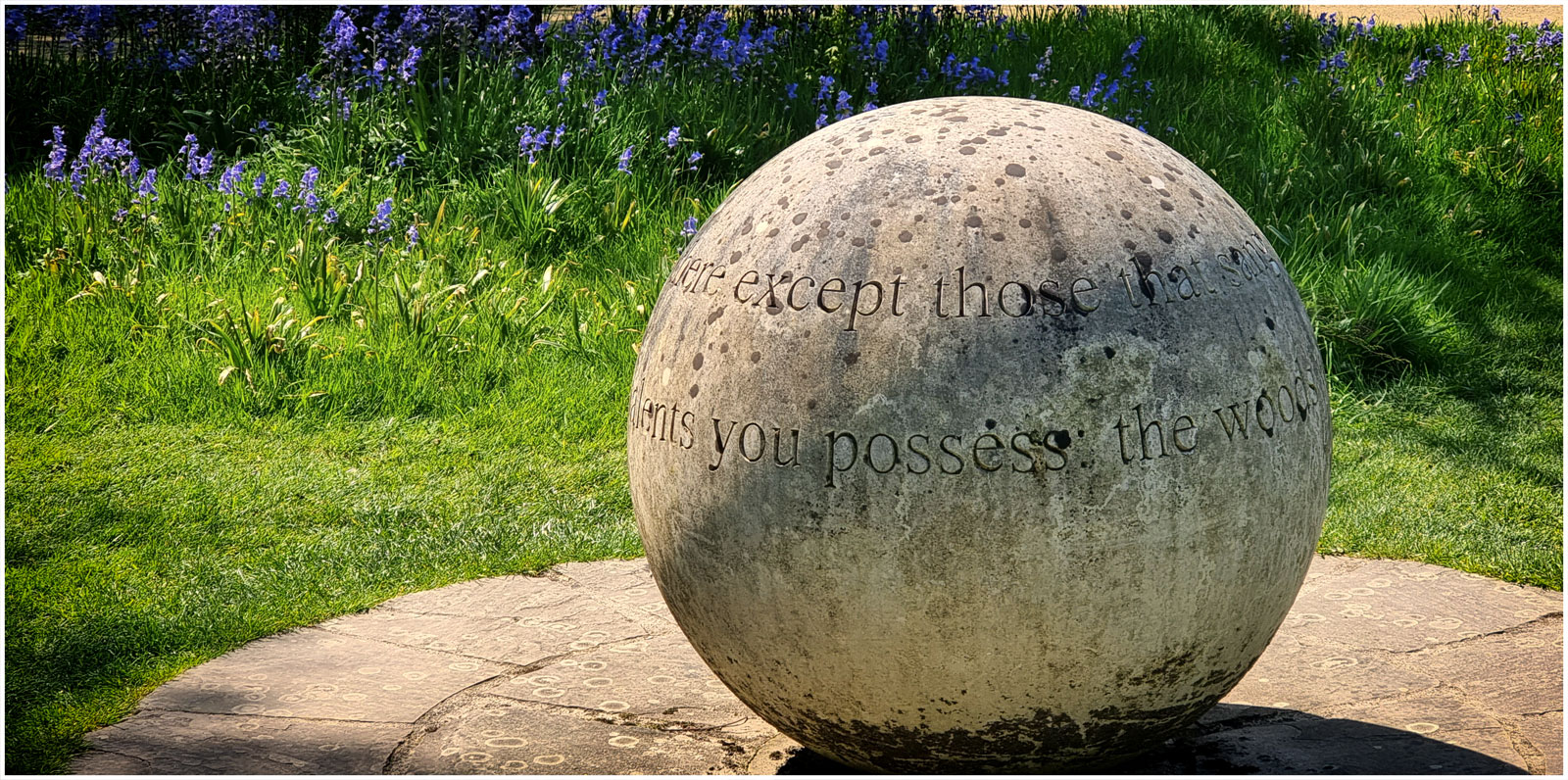
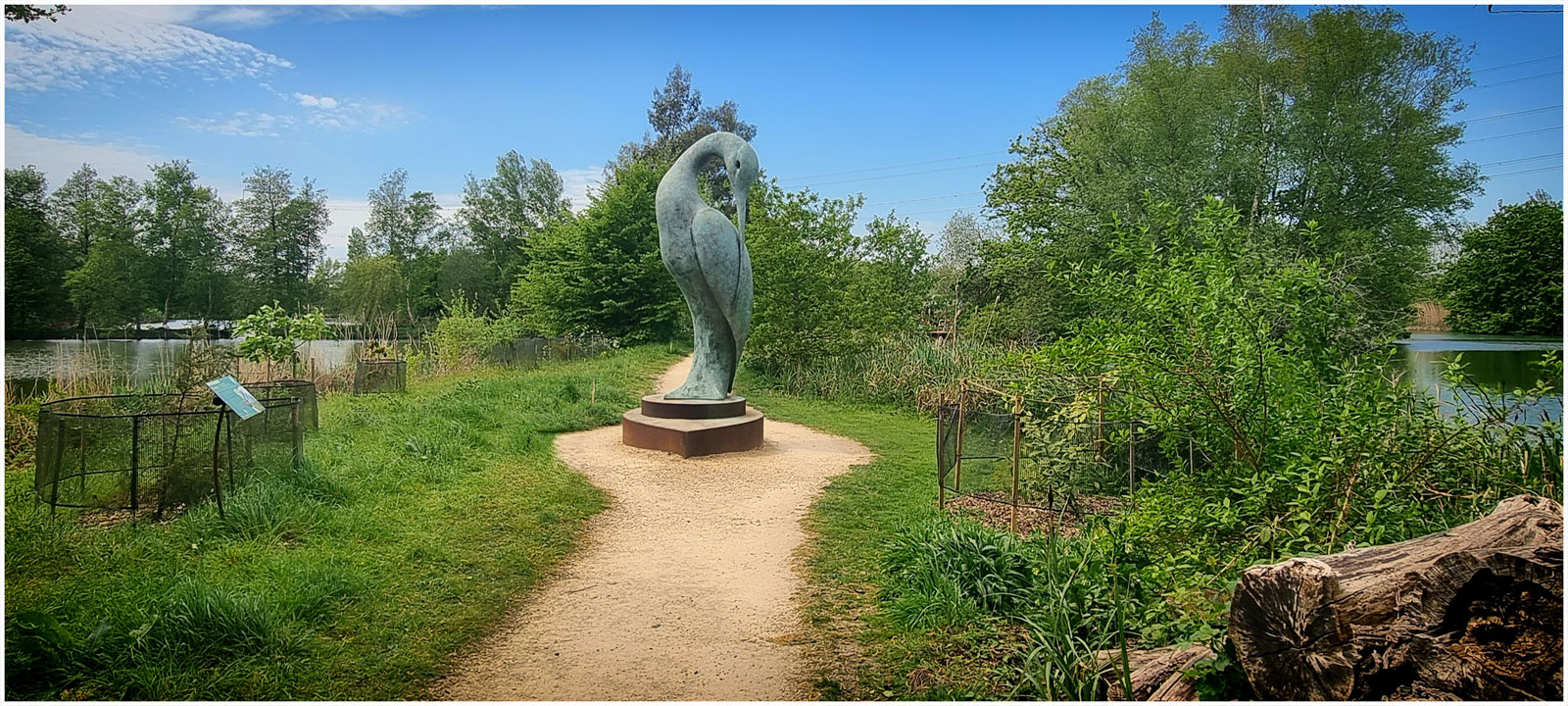
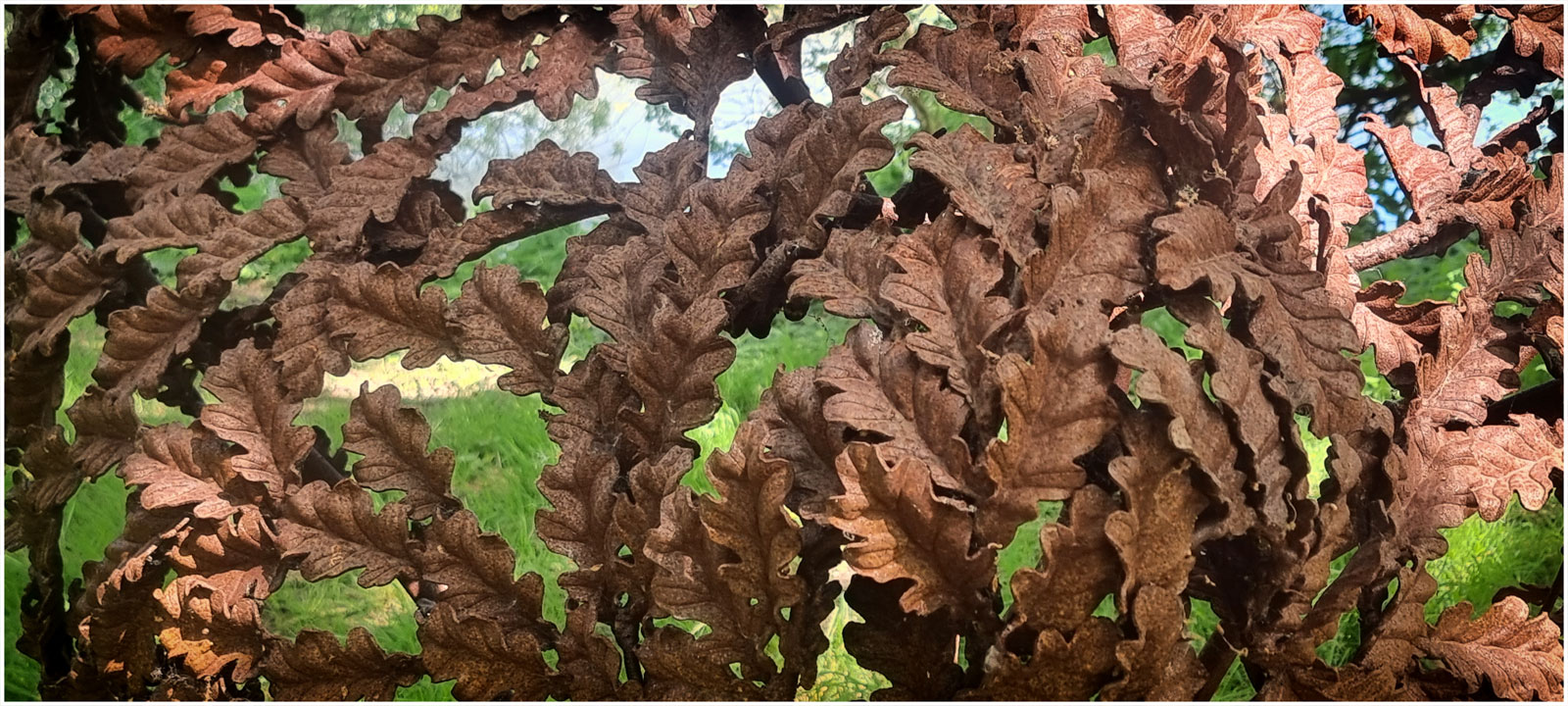
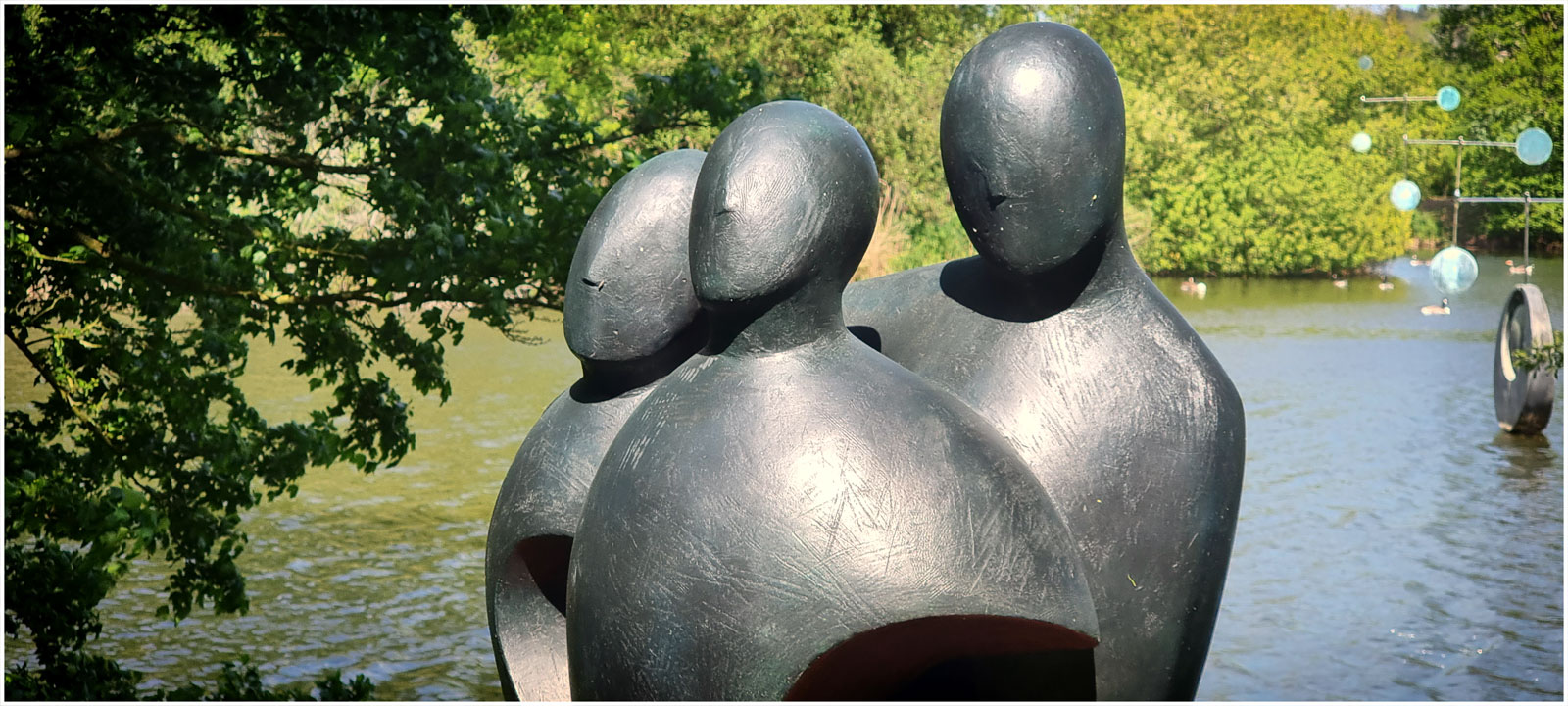
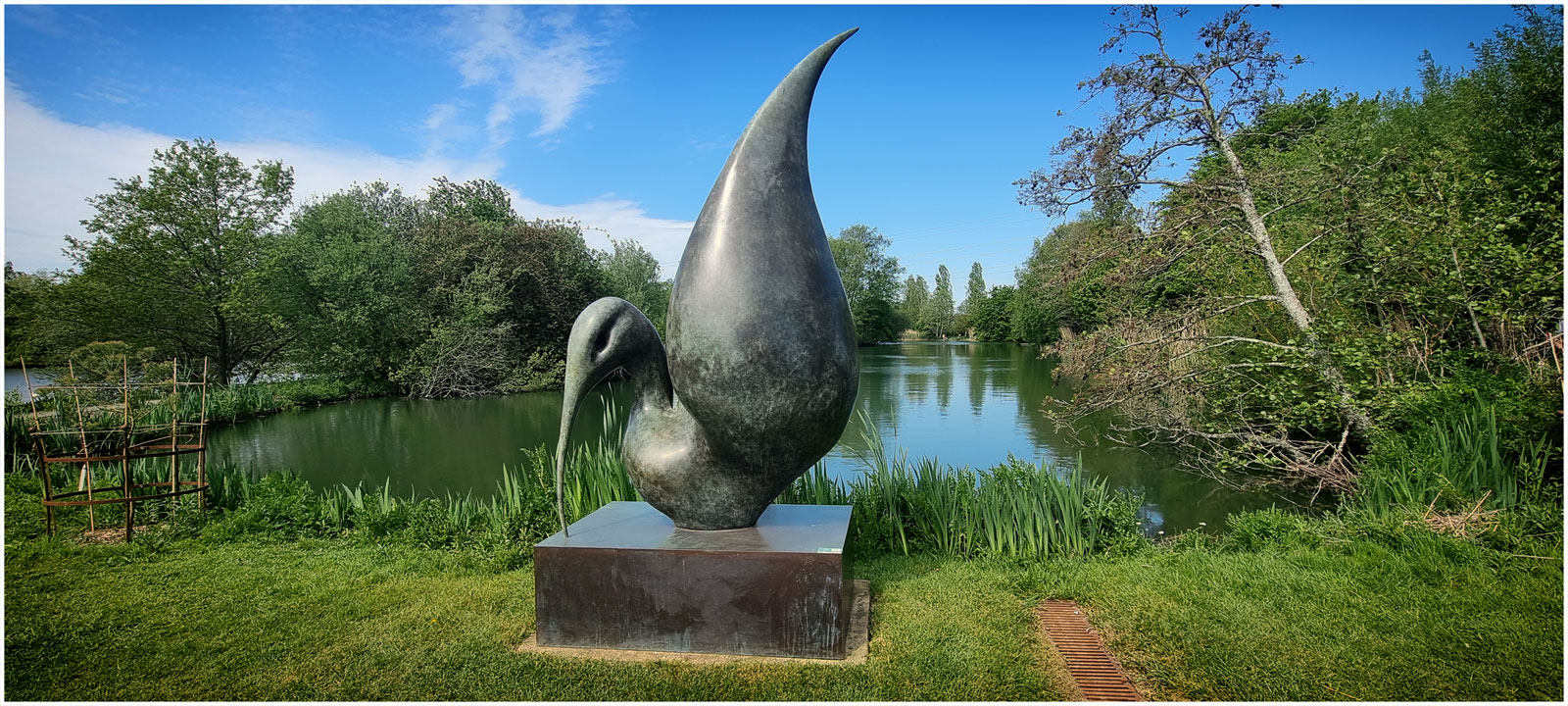
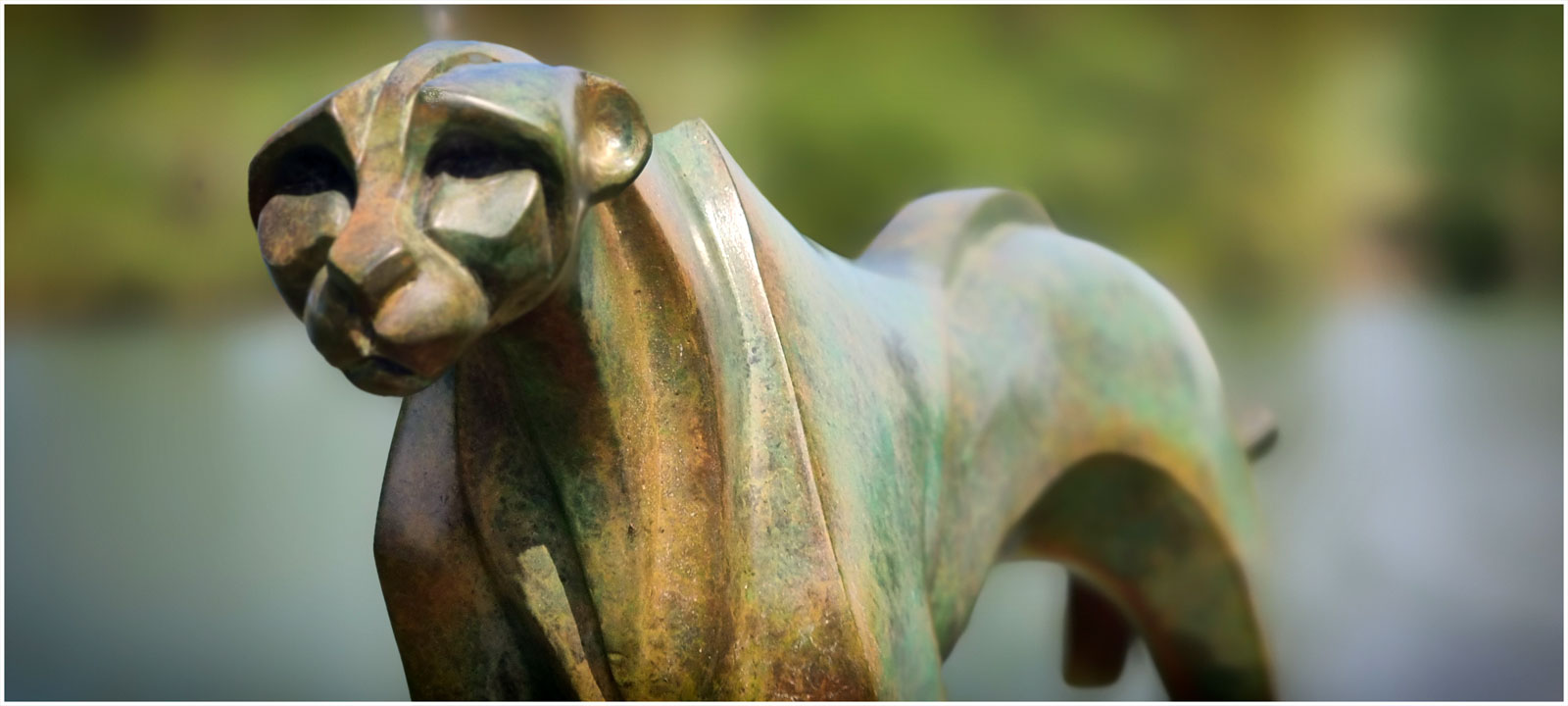
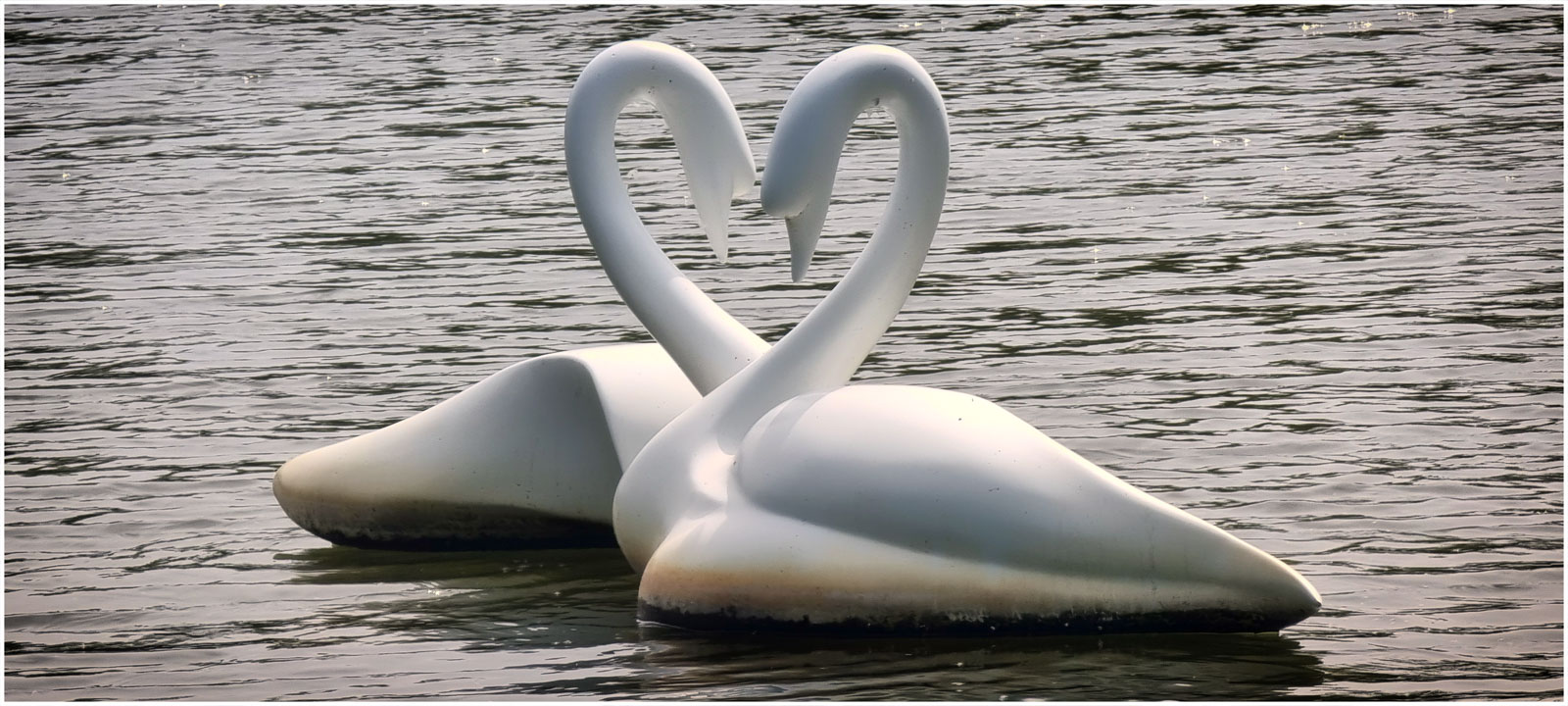
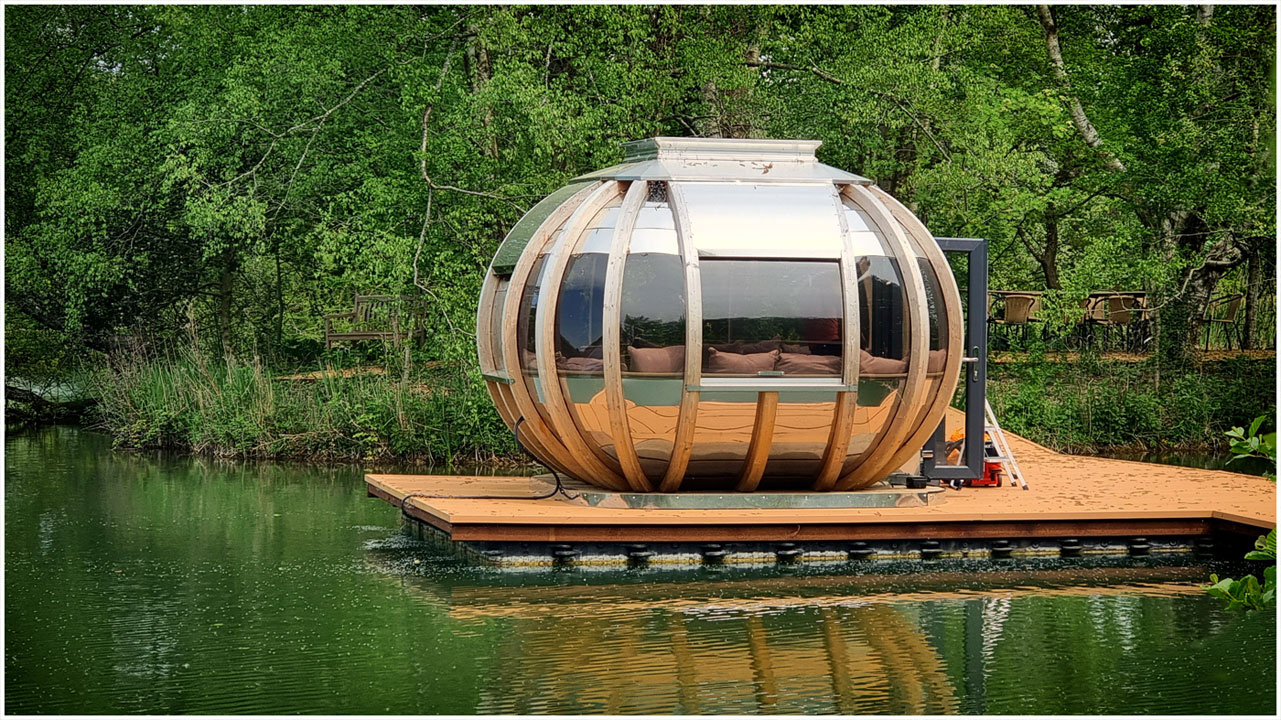
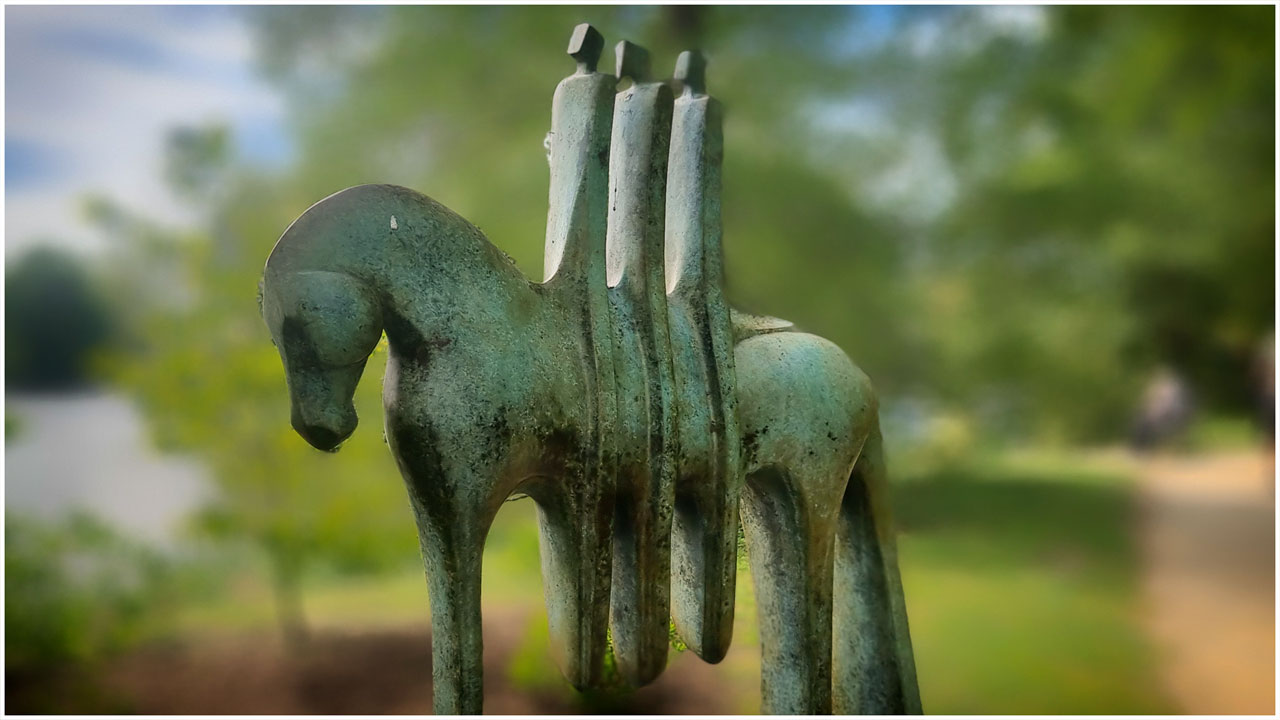
This is a Charles Elliott ‘Verdigris and Gold Sail Sphere’ Handmade Metal Garden Lighting Sphere Sculpture“Search for Enlightenment” by artist Simon Gudgeon.‘Leaf Spirit’ by Simon Gudgeon‘Leaf Spirit’ by Simon Gudgeon (close-up)‘Prima’ by Simon Gudgeon‘Dancing Cranes’ by Simon Gudgeon‘Allium’ by artist David Cutler.‘Allium’ by artist David Cutler. (close-up)‘Icarus II’ by Nicola Godden‘Sphere’ by Simon Gudgeon “Use what talents you possess: the woods would be very silent if no birds sang there except those that sang best.” Henry Van Dyke‘Isis’ by Simon Gudgeon. The sculpture is inspired by the Egyptian Ibis bird, a wading bird characterized by a long, down-curving bill.Oak Leaves (close-up)“Family Group” sculpture by artist Beatrice HoffmanIt’s not all about the sculptures‘Thoth’ by Simon Gudgeon.‘Walking Cheetah’ by Marie Ackers‘Swans’ by Simon GudgeonThe Lake House (for hire)‘Three Riders’ by Marie Ackers
Set in 26 acres alongside Dorset’s River Frome, with lakes, streams, meandering paths and plenty of places to sit it’s somewhere you can leave your busy life behind and enjoy peace and tranquillity in a beautiful and serene environment.
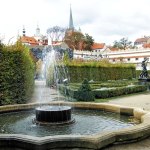
Wherever I travel I like to find a public garden to visit. Prague proved a little more difficult especially in late October, but then I read about the Wallenstein Gardens designed in the Italian style with a sala terrena (a garden pavilion), a grotto, an aviary and an artificial lake with an island.
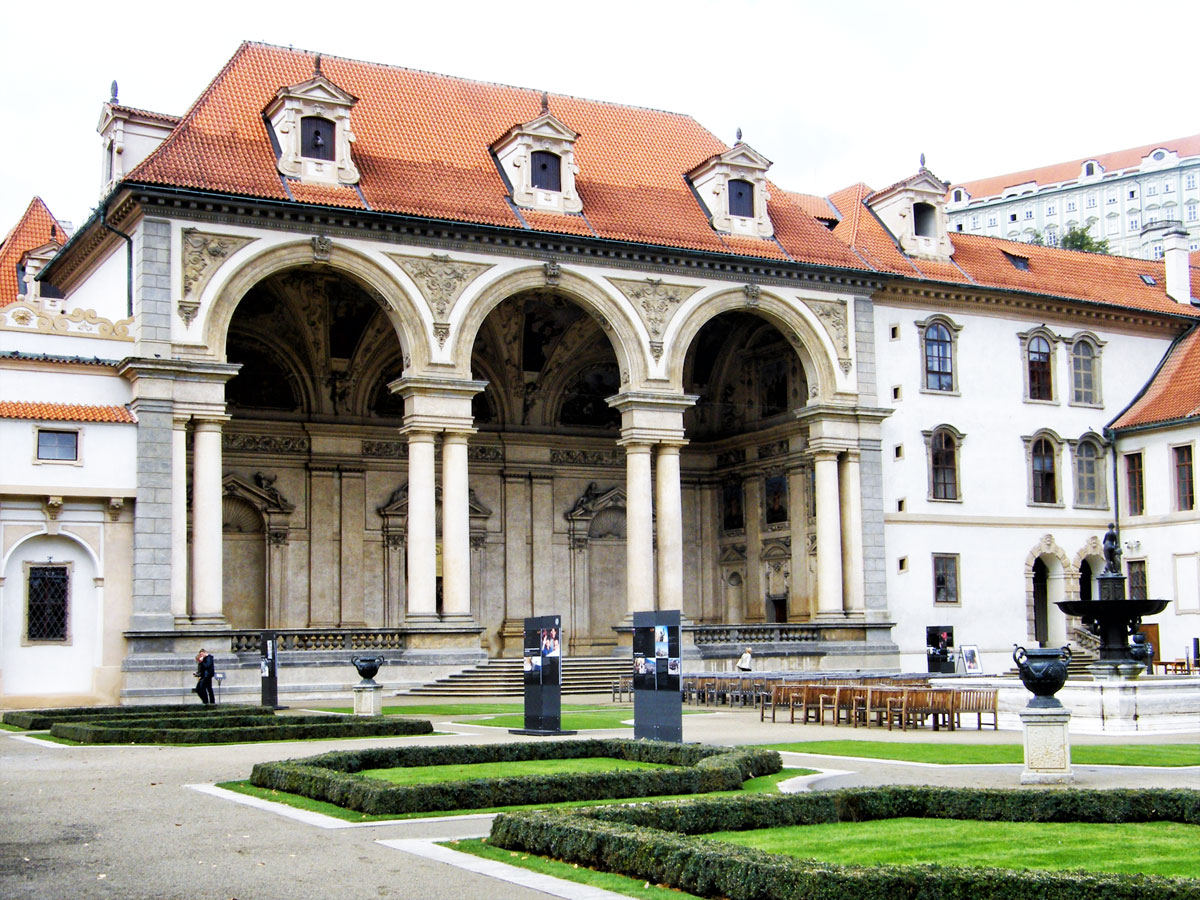
Sala Terrena, a loggia with three arches and richly decorated with frescoes.
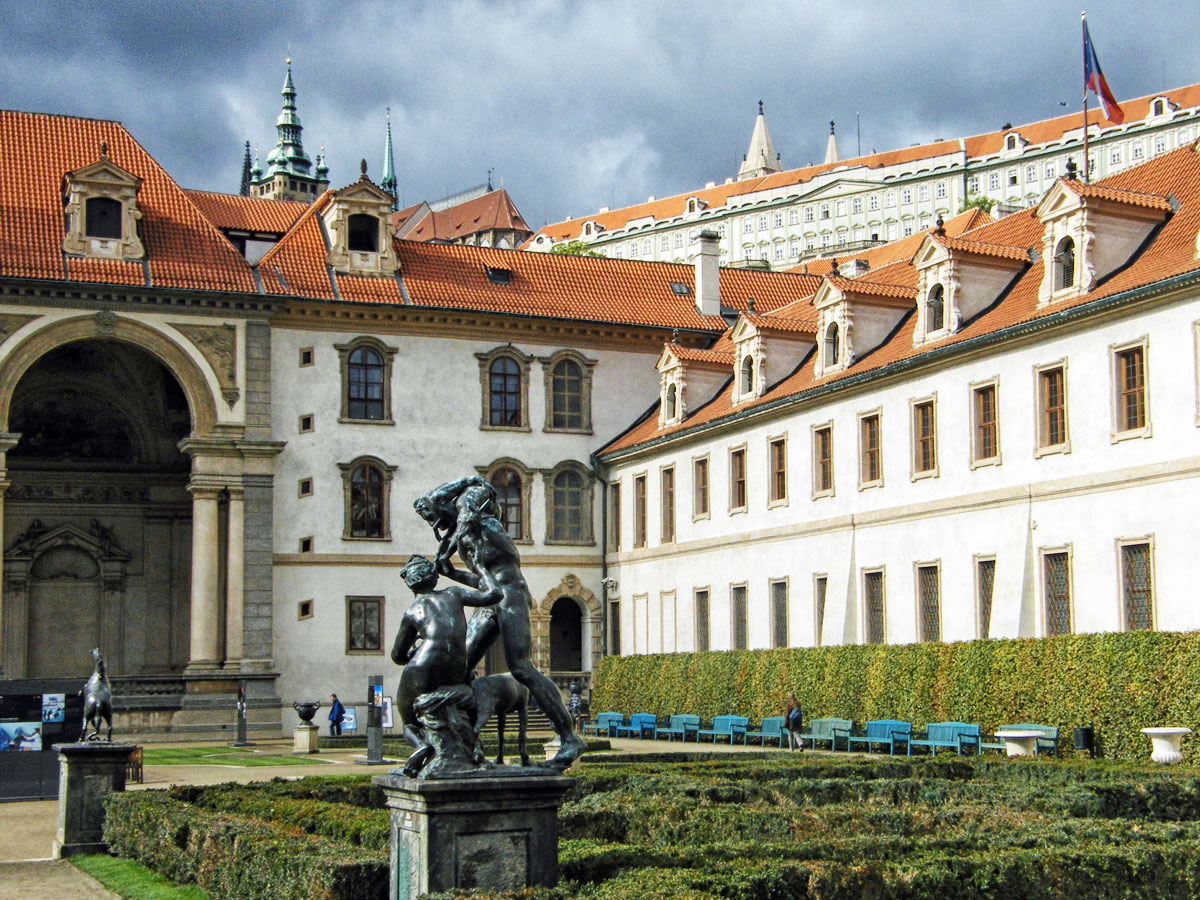
The statues you see in the garden are replicas.¹ The original statues were taken as spoils of war by the Swedes during the Thirty Years’ War in the seventeenth century.
Hercules frees Deianeira from the centaur Nessus.
Hercules fighting the Dragon
Horses
Venus and Adonis
Apollo
Bacchus
They also took a statue of Venus by Benedikt Wurzelbauer which is the only one to have been returned. A copy of it and all the other sculptures have been replaced in the garden.
Venus
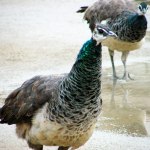
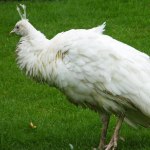
The garden lies in the middle of a beautiful Baroque complex, hidden behind a variety of buildings in Malá Strana. It is free to enter and is a peaceful place to get away from the madding crowds and sit for a while. Peacocks roam the grounds among the many sculptures.
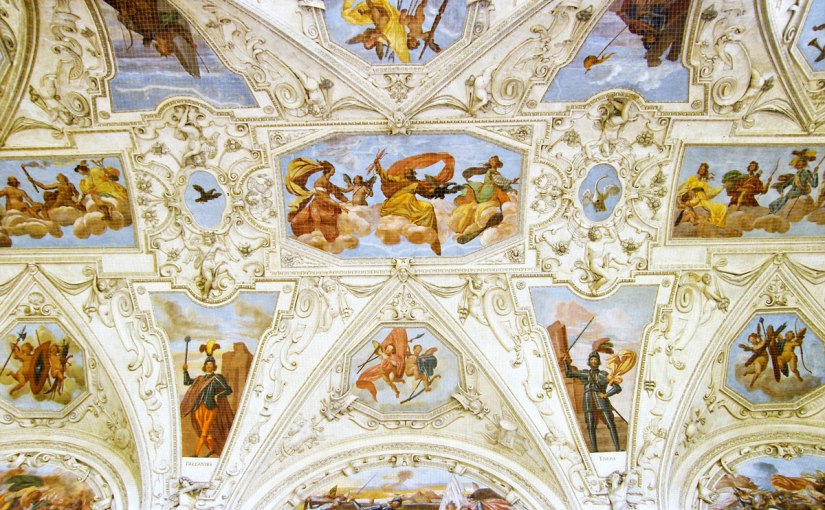
At one end is the Wallenstein Palace which houses the Czech Senate. The palace has a remarkable loggia with painted ceiling (header photo) and at the other end is the Wallenstein Riding School though you won’t find any horses here now.
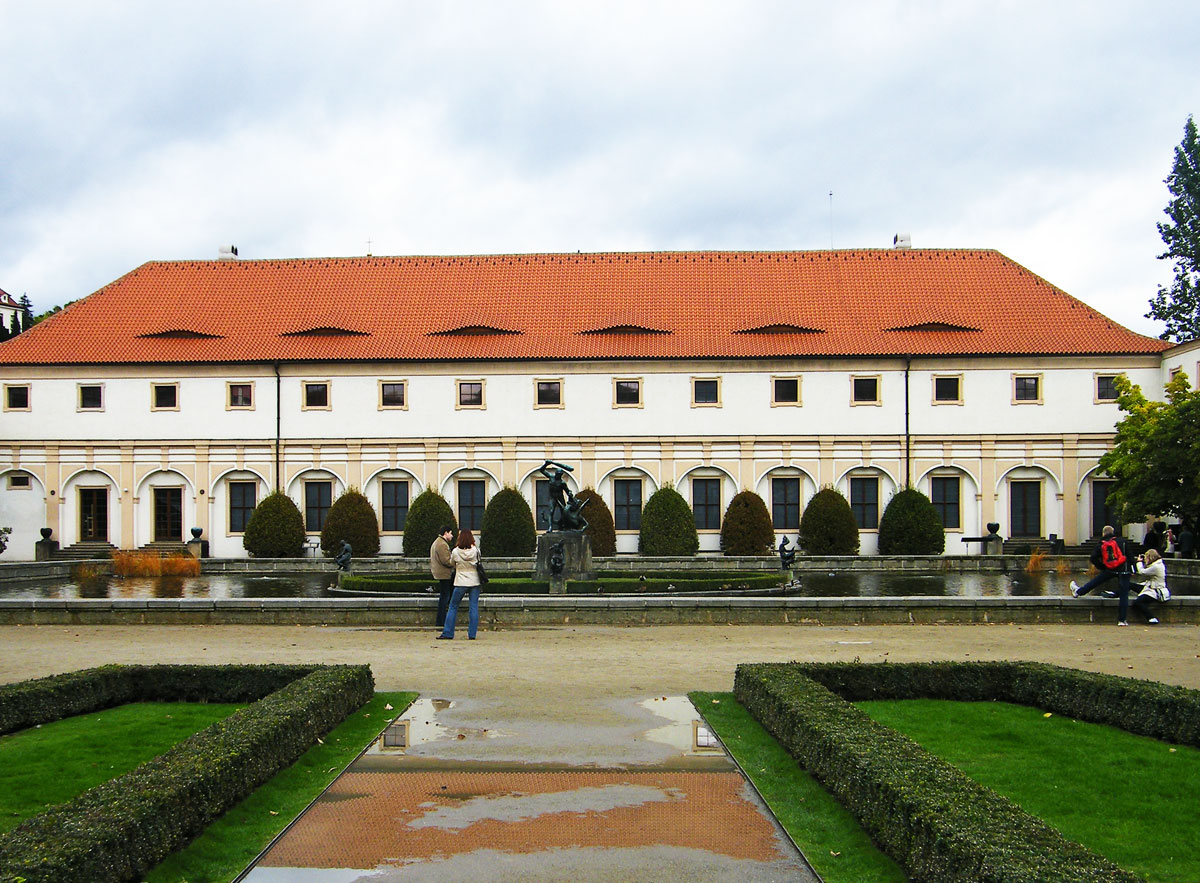
The Riding School
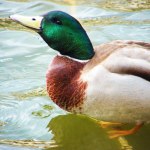
Today, it houses the meeting room and the National Gallery. It hosts various exhibitions of both Czech and international artists throughout the year. Next to the Wallenstein Riding School is a fish pond with koi, pike, and other ornamental fish, a fountain and statue in the middle. Feel free to feed the ducks.
The large fish pond and islet with the statue of Hercules fighting Hydra in the centre
A bizarre part of the garden (and one which I had noticed from the castle) is an enormous stalactite grey wall with hidden creatures among what looks like dripping mud.
During the summer season, the public can watch live concerts and performances here.
¹In the years 1625 and 1626, a collection of bronze statues and sculptural groups by significant Dutch sculptor Adrian de Vries, depicting antique gods and horses, one of the highlights of Mannerist sculpture was placed there. The Palace has been looted twice: at the end of the Thirty Years’ War in 1648 by mercenaries of the Swedish general Königsmark and during the War of the Austrian Succession in 1742 when the French established a depot there. The Swedes took all the sculptures to Sweden in 1648 where they are located at Drootningholm Palace.
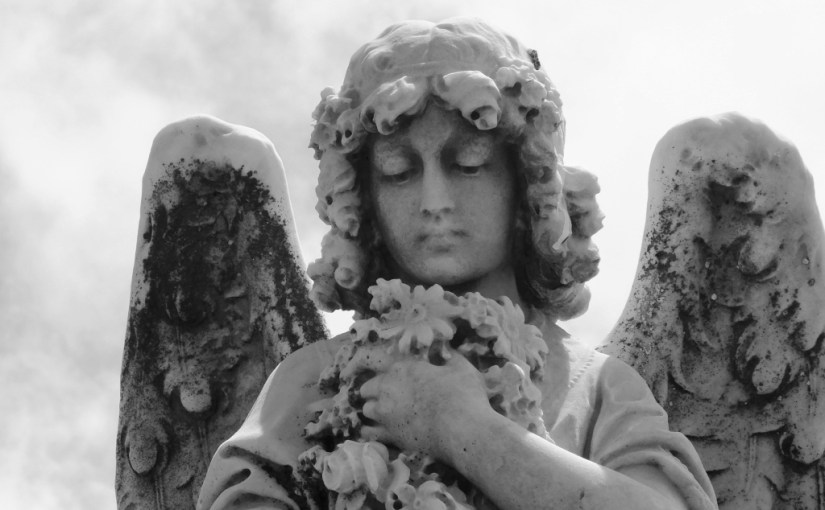
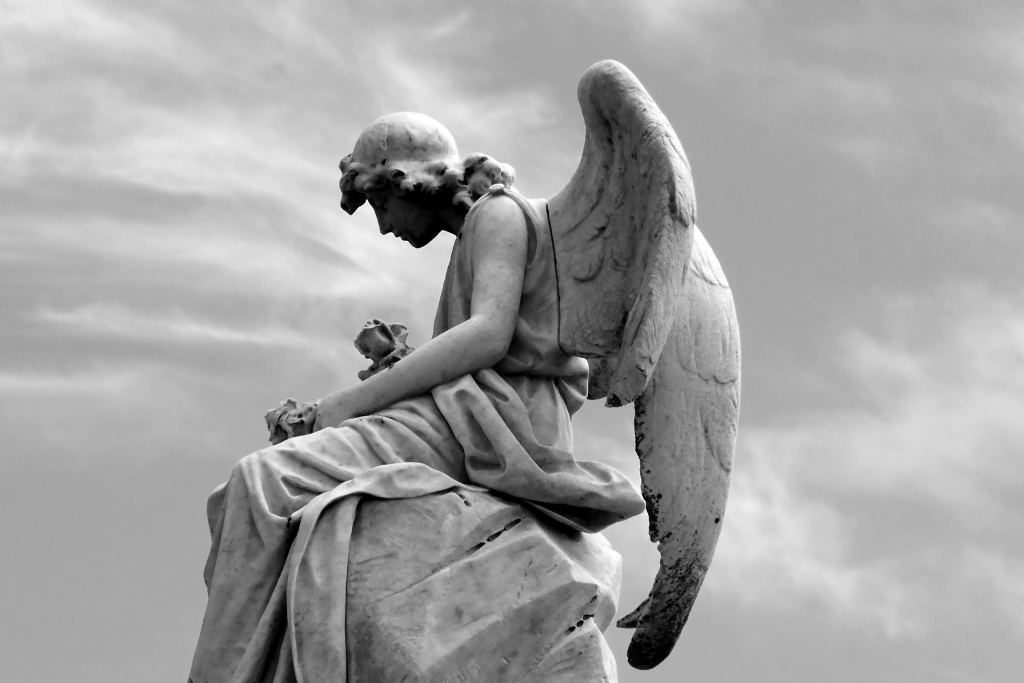
Patti’s challenge this week is going back to basics and starting with the letter A. I immediately thought of Angels and so I want to link to an older post from Australia where I spent a happy hour or so wandering around the Waverley Cemetery and finding angels.
Please click here for the original post and to leave your comments.
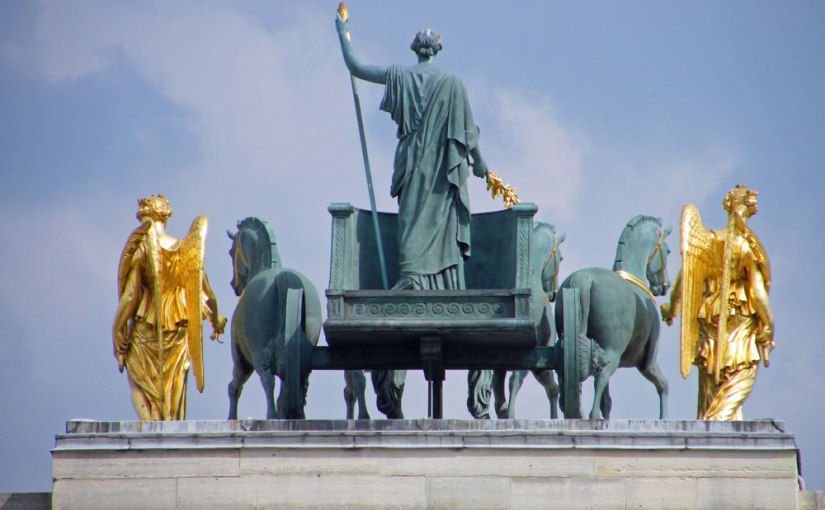
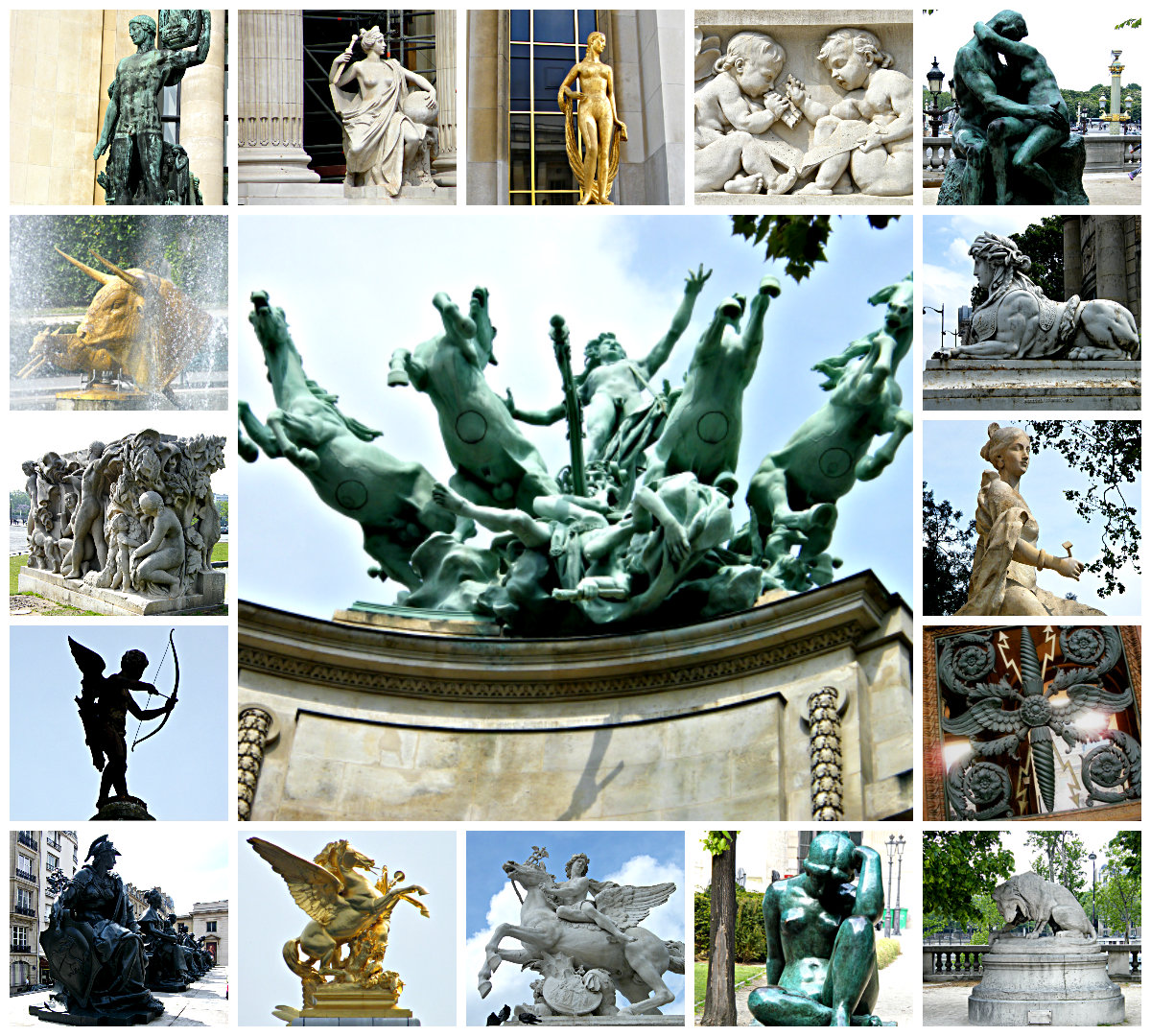
Another photo essay from Paris, France – this time of the wonderful sculptures and statues that can be found in a relatively small area along the River Seine.
The Cascade bridge (header) divides the lake into two – Upper Lake which leads to a Greek Temple and Shell Grotto and Lower Lake which is larger and has walking tracks through the woods or on the north side a pathway suitable for wheelchairs and pushchairs. I stayed on the pathway because now the sun had come out and it was becoming quite hot and I was already too tired to take the longer route to the south of the lake.
Lower Lake to the Gate & Dam Head Bridge
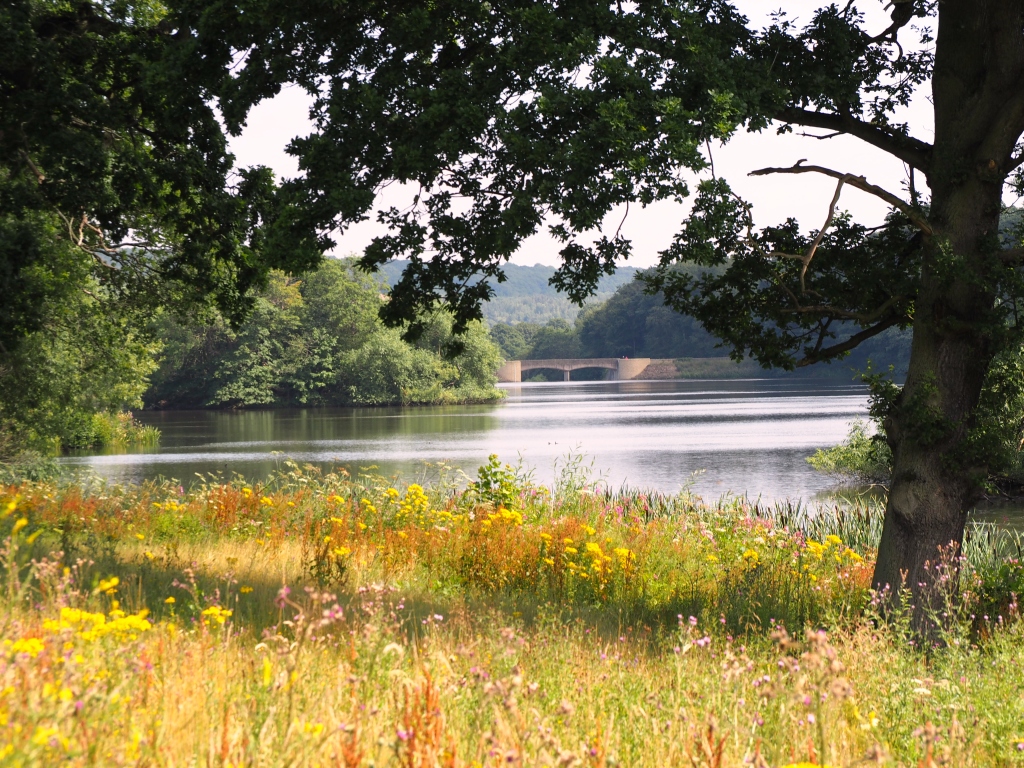
Most of the sculptures are located near the YSP centre and around the actual hall, but it is a rather pleasant stroll alongside the lakeside with both natural landscapes and man-made views. A wild flower meadow attracts bees and butterflies and ducks lazily swim by. Continue reading Yorkshire Sculpture Park: Part Two