Bodiam Castle

In the south-eastern corner of England you can find several impressive castles – Hever, Leeds, Dover, Rochester, Deal and Bodiam amongst them. Historically the region has always been vulnerable to attack from foreign shores.

information

As we were staying in the Weald of Kent for a few days, which is on the East Sussex border, we decided to take the historic steam train from Tenterden to Bodiam and walk to the moated castle, often glimpsed from the road when passing by. We could have driven there in about 10 minutes, but sometimes it is nice to take things slowly and enjoy the journey as much as the destination.

6619

In 1377 French ships raided the Sussex coast, causing widespread damage and panic among the local population which led to the building of nearby Scotney Castle. The French later raided nearby Winchelsea in 1380, so when a new French invasion threatened in 1385 Sir Edward Dalyngrigge (one of Edward III’s knights) applied to King Richard II for a license to fortify and strengthen the existing hall he lived in.

DSCF2544

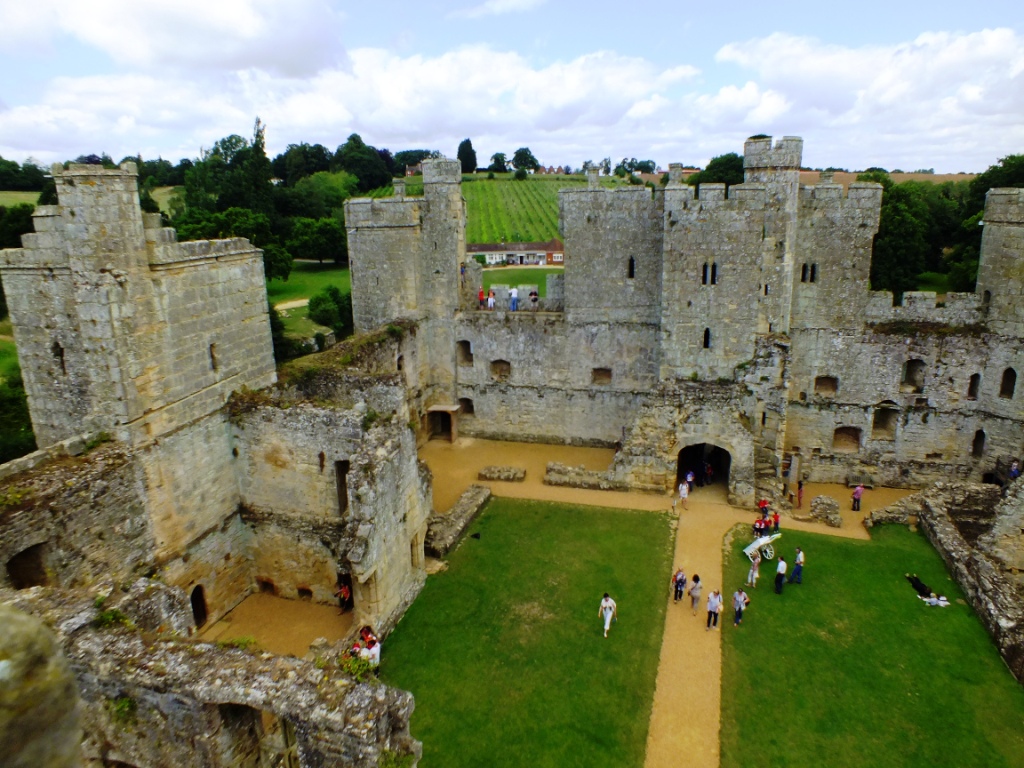
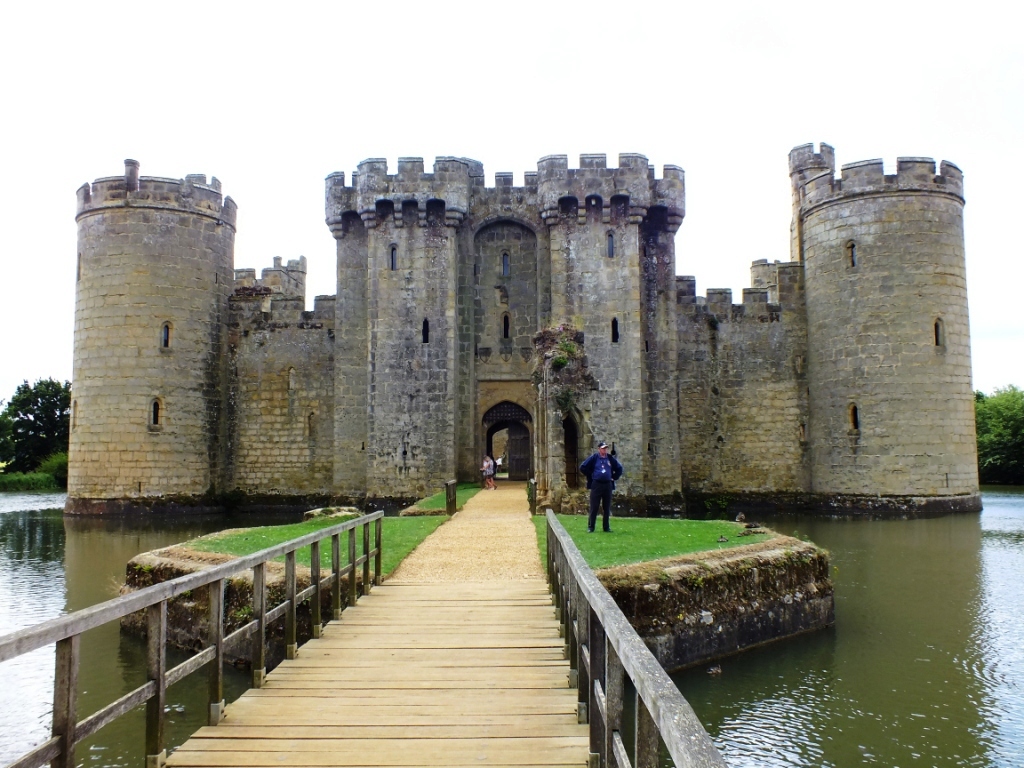
Having been granted permission he decided to build a new sandstone fortress near the River Rother, which at that time was navigable to the coast. Though its primary aim was defense, Dalyngrigge made sure that Bodiam was also a comfortable abode, as much a fortified residence as a military stronghold. And of course a visual symbol of his wealth.
DSCF2560

Bodiam Castle is considered to be the finest example of  medieval, moated, military architecture in Britain.

The interior from the Postern Tower

The French invasion never took place, and Bodiam’s impressive defenses were never tested until 1484 when the castle fell to a siege by Richard III.

Do you have a favourite castle?
Welcome to Gourmetville

It’s that time of the year again…

…when people from miles around converge on this beautiful little Medieval market town for the Ludlow Food Festival. They come to attend numerous workshops and tastings, visit local producers, hit the sausage trail or try the pudding tastings, listen to top chefs deliver talks and demonstrations in the castle grounds or learn knife skills and attend Egyptian Masterclasses. This town of 10,000 people will double its population over the coming weekend.

On Sunday there will be a Local Producers’ Market with over 40 small, local food and drink exhibitors on the Market Square.

And, as usual, there is a Window Dressing Competition. So I took the camera around the town today (before the hoards arrive) to see what merchandise I could find.

DSCF3004

What kind of festival do you like to attend?

Cathedral of the Weald

DSCF2143

If you read about my recent visit to the delightful Weald town of Cranbrook you will have seen my reference to St Dunstan’s church which is known as the ‘Cathedral of the Weald’. Wealth from the cloth industry enabled successive enlargements of the medieval church in the 15th and 16th century.

This delightful church is well worth a more detailed look around, so let’s go inside.

DSCF2134

Around the church are information panels providing details about particular interesting objects within.

The Font

DSCF2077

This font is Victorian from 1852, and example of early Victorian Gothic and made of Caen stone. The white marble carved figure behind commemorates Thomas Webster, an artist, and the Alexander Window above was installed by Col Alexander in memory of his wife and three children.

 The Green Man

DSCF2084

Although of pagan origin it is not unusual to find carvings of the Green Man inside a Christian church, even Canterbury Cathedral has 80 of them. When this church was built Cranbrook was surrounded by dense forest – the Weald. Four circular oak shields depicting these fierce-looking woodland spirits can be found here.

The church contains some splendid stained-glass windows

DSCF2112

The St Thomas Chapel

DSCF2126

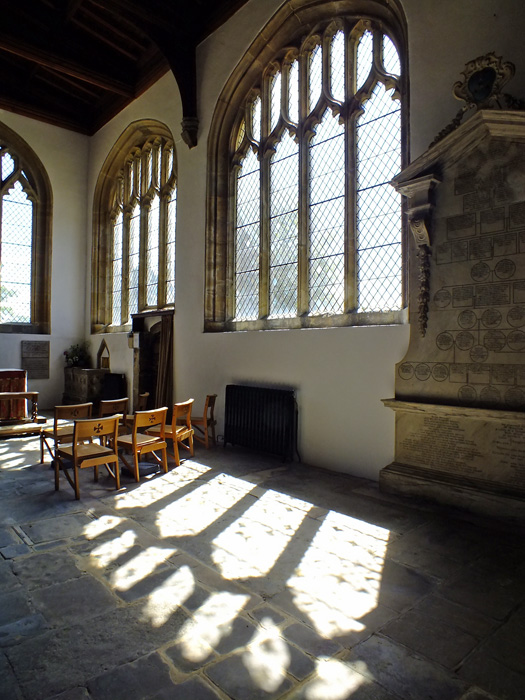
This beautiful serene corner of the church is named after St Thoma a Beckett, who by the 15th century had replaced St Dunstan as England’s most popular saint. I loved the light flooding through the clear leaded windows.

The South Porch

This porch was built around 1390. The wooden door added in 1569 at a cost of 17 shillings and 7 pence (£2k today). On the ceiling is a stone-carved Green Man.

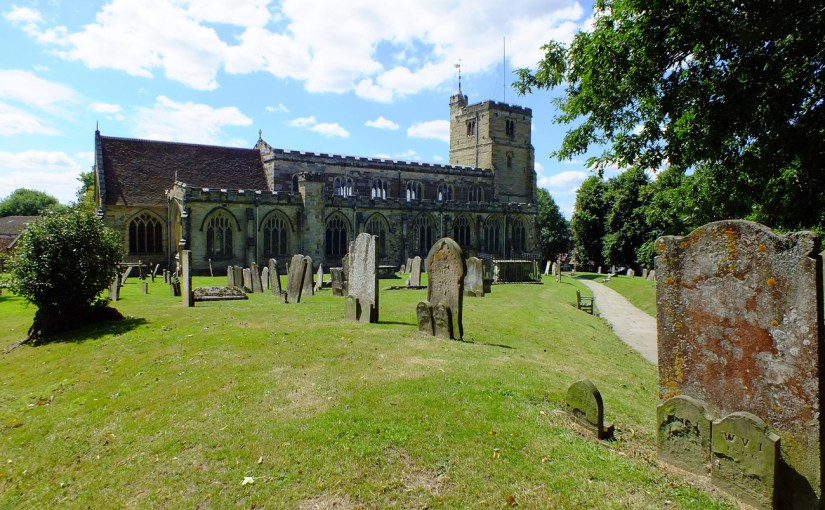
And a final look at the church surrounded by the old graveyard with interesting headstones.

If your interest is windows then Dawn from ‘The Day After’  invites participants to post pictures of any windows that  they find curious, inviting, photogenic, or in some way tell a story.

Kirkcudbright Harbour

rust

noun
  1. a reddish- or yellowish-brown flaking coating of iron oxide that is formed on iron or steel by oxidation, especially in the presence of moisture.

    The fishing fleet in Kirkcudbright provided me with plenty of photos for this week’s word challenge, those ‘torture instruments’ are used for dredging scallops – I think!

    rust

WPC: Fray

fray
verb
verb: fray; 3rd person present: frays; past tense: frayed; past participle: frayed; gerund or present participle: fraying.
  1. (of a fabric, rope, or cord) unravel or become worn at the edge, typically through constant rubbing.
    “cheap fabric soon frays”
    synonyms: unravel, wear, wear thin, wear out, wear away, wear through, become worn, become threadbare, become tattered, become ragged, go into holes, go through

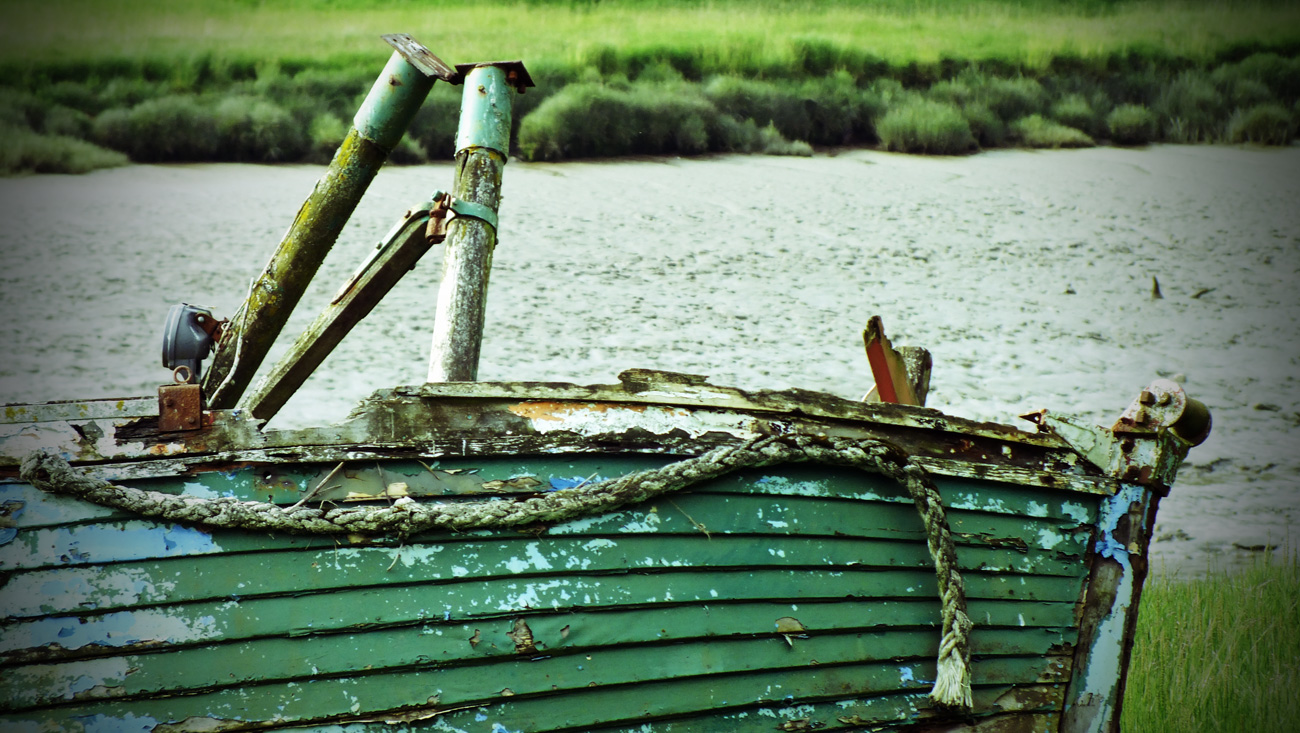
I love the coast. I love what you can find at the coast. From typical bucket and spade beaches to wild unpopulated coastlines. And the variety of photographs that can be taken. Although I am a terrible sailor (just looking at waves can make me sea-sick) I like to wander near fishing harbours for scenes to snap, boats and ropes, lobster pots, chains and winches. I also like to look for flotsam and jetsam, driftwood and frayed rope.

DSCF9405