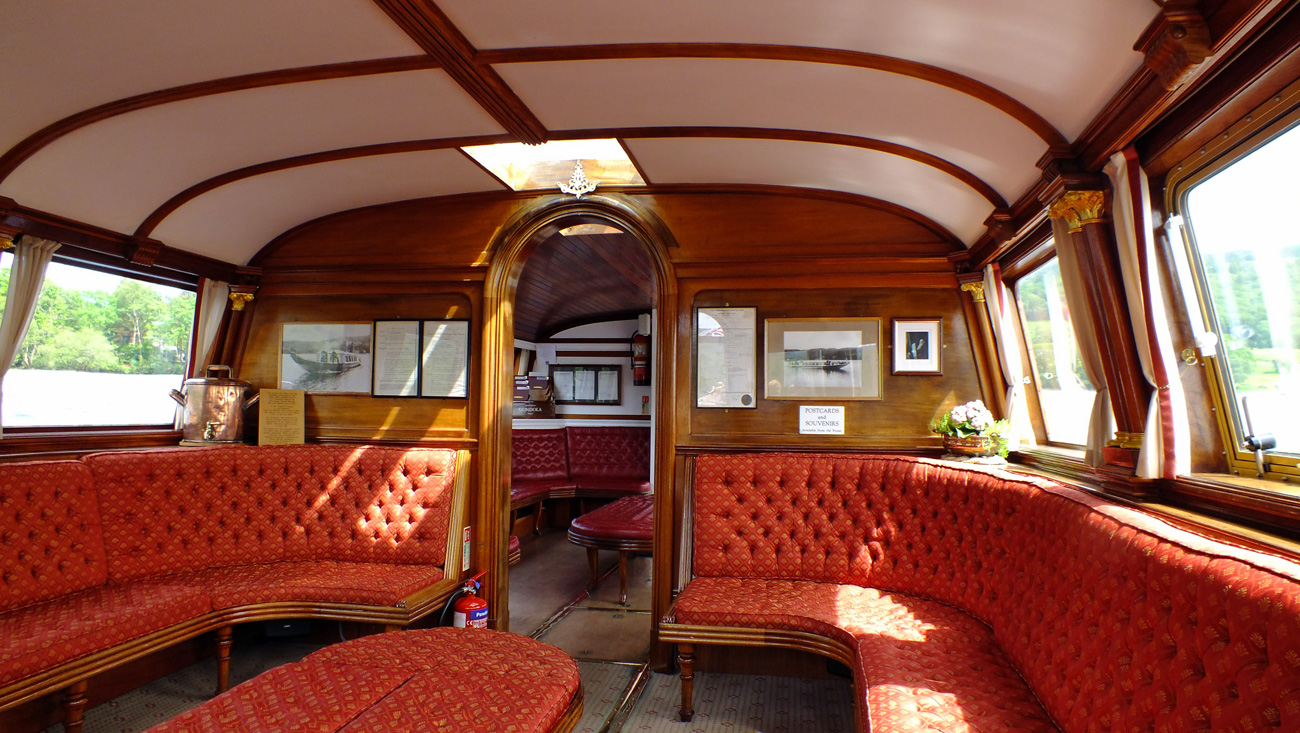
The steam yacht Gondola is a rebuilt Victorian, screw-propelled, steam-powered passenger vessel on Coniston Water, England. Originally launched in 1859, she was built for the steamer service carrying passengers from the Furness Railway and from the Coniston Railway. She was in commercial service until 1936 when she was retired, being converted to a houseboat in 1946. In 1979, by now derelict, she was given a new hull, engine, boiler and most of the superstructure. She is back in service as a passenger boat, still powered by steam and now operated by the National Trust. Source: Wikipedia.
The Illustrated London News of 7 July 1860 reported after her maiden voyage that the first class saloon was “beautifully finished in walnut wood and cushioned and decorated after the style of the royal carriages of our railways.”
Locomotion Enterprises, a training company in the North-East of England, got the task of building the new engine whilst W Bertram & Sons of South Shields provided a new high-pressure boiler, fittingly to the same design as the Ffestiniog Railway’s locomotive Prince.
If you find yourself in the Lake District then I can recommend a cruise on this beautiful boat.
is Malta’s capital city: Valletta is named after its founder, the respected Grand Master of the Order of St. John, Jean Parisot de la Valette. Started in 1566, Valletta was completed, with its impressive bastions, forts and cathedral, in the astonishingly short time of 15 years. Today, it is one of the most concentrated historic areas in the world. (source)
(click an image to scroll through the gallery)
St Ursula street Valletta
lantana
Auberge de Castile
Fort St Elmo
Les Gavroches (street urchins)
Lower Barakka Gardens
Maltese Bus
Victoria – Republic Square
Valletta from the parade in Sliema
Pot plants
Upper Barakka Gardens
Valletta enclosed balconies
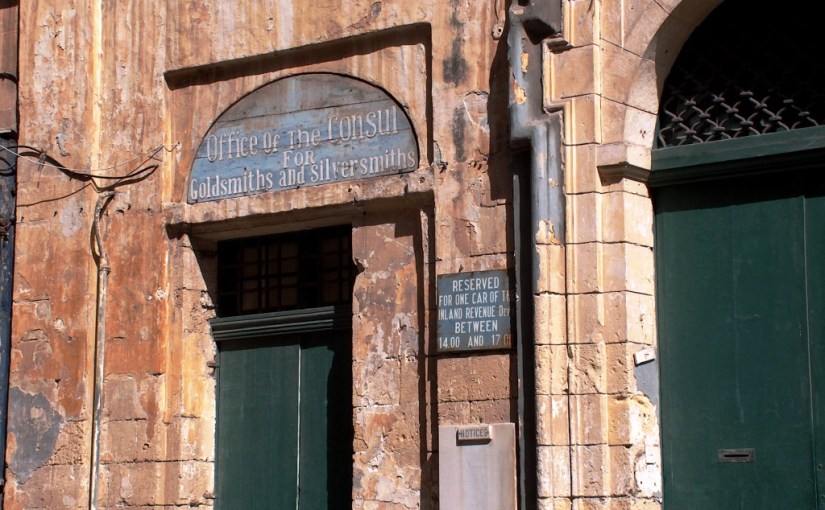
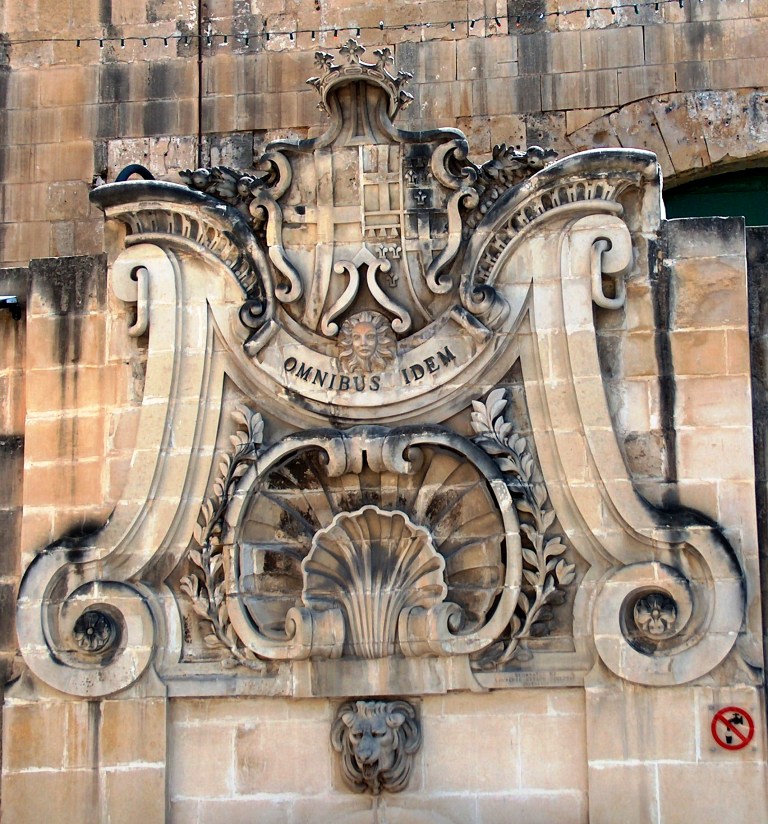
If you visit Malta take time to wander the streets of Valletta, you will find hidden gems around every corner. Look up to see statues, niches and interesting lanterns. Doors, windows and covered walkways and interesting door handles.
Ailsa of “Where’s My Backpack?” is concerned about clean air and is choosing CLEANfor the themethis week. If you would like to join in with her challenge then please do. Everyone is welcome.
My personal bugbear is that of clean water. We take it for granted that we can turn on a tap and have water so good we can drink it, let alone wash in it or clean our clothes in it. Sadly this isn’t the case in a lot of the world.
In Slovenia in the Vintgar Gorge flows some of the clearest water I have ever seen. The 1.6 km long Vintgar gorge carves its way through the vertical rocks of the Hom and Bort hills and is graced by the Radovna with its waterfalls, pools and rapids.
Discovered in 1891 by Jakob Žumer and Benedikt Lergetporer, the gorge was soon after equipped with wooden observation walkways and bridges, and was opened to the public on August 26, 1893. Wikipedia
On a hot day there is nothing better than walking through this gorge in the shade with the sound of the water beside you.
Where is the clearest, cleanest water you have seen?
Fortunate to have a lovely sunny day on Sunday (Mother’s Day in the UK) and an extra hour of daylight (the start of British Summer time so clocks went forward an hour) I was determined to get out of the house and go for a walk.
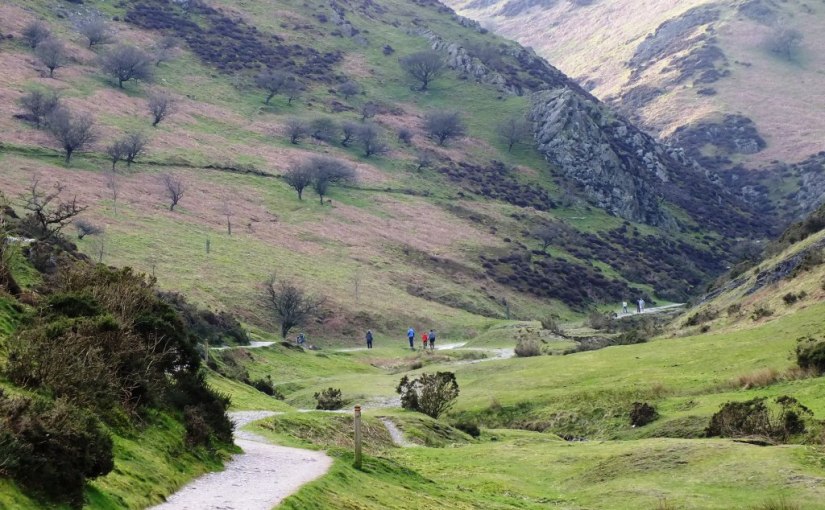
Cardingmill Valley lies on the edge of Church Stretton, a little Shropshire town that I still need to explore. Church Stretton is a small town and civil parish in Shropshire, England. The town lies entirely in the Shropshire Hills AONB, on the A49 road approximately 13 miles south of Shrewsbury, the county town, and 15 miles north of Ludlow. Wikipedia
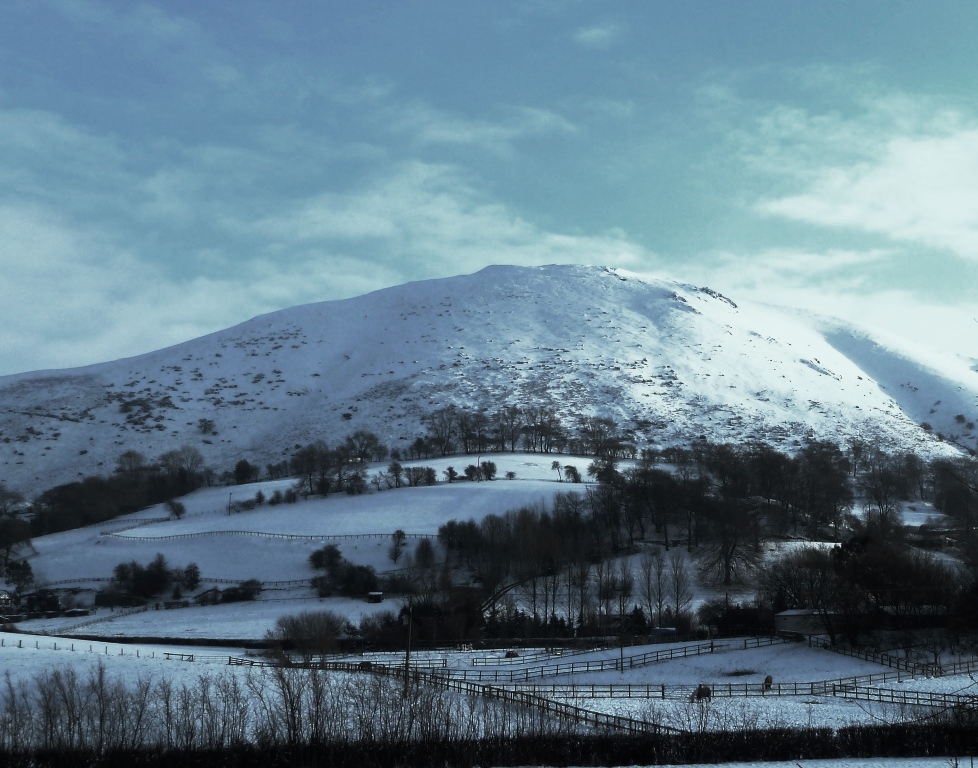
Just as Ludlow is the gastronomic capital of Shropshire, Church Stretton is the walking capital of the Shropshire Hills Area of Outstanding Natural Beauty. I have been here many times, it is my favourite part of Shropshire and has been called ‘Little Switzerland’ on account of its hills. And when coated in snow it is very pretty.
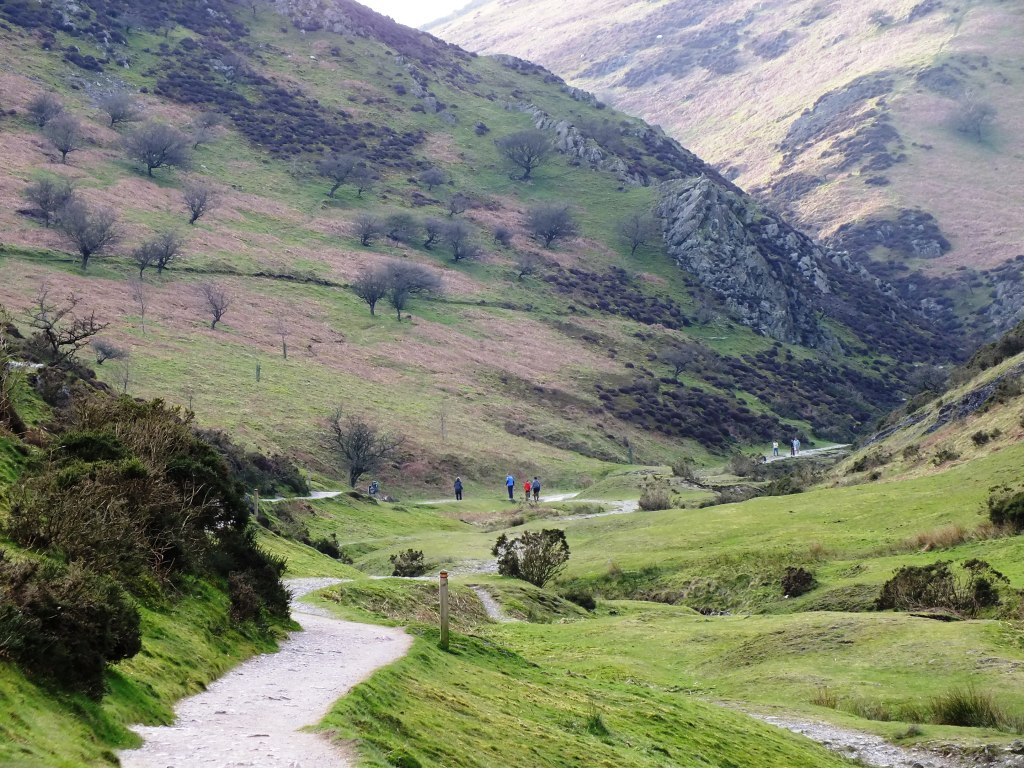
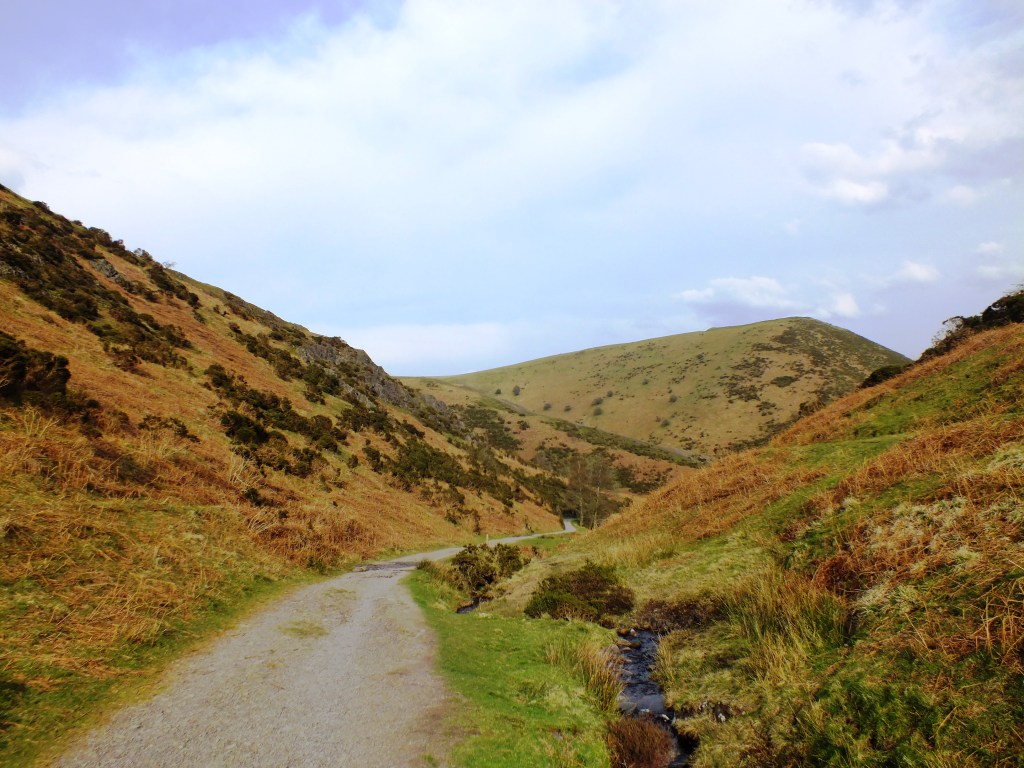
But on Sunday it was sunny and spring was springing. We could have taken any number of trails, but decided that we’d return to the Reservoir as it is a wide path and fairly flat.
Turn right onto the orange trail
This trail is quite gentle and soon you are hidden amongst the hills with only the sound of birdsong and a burbling brook. A hidden lost world.
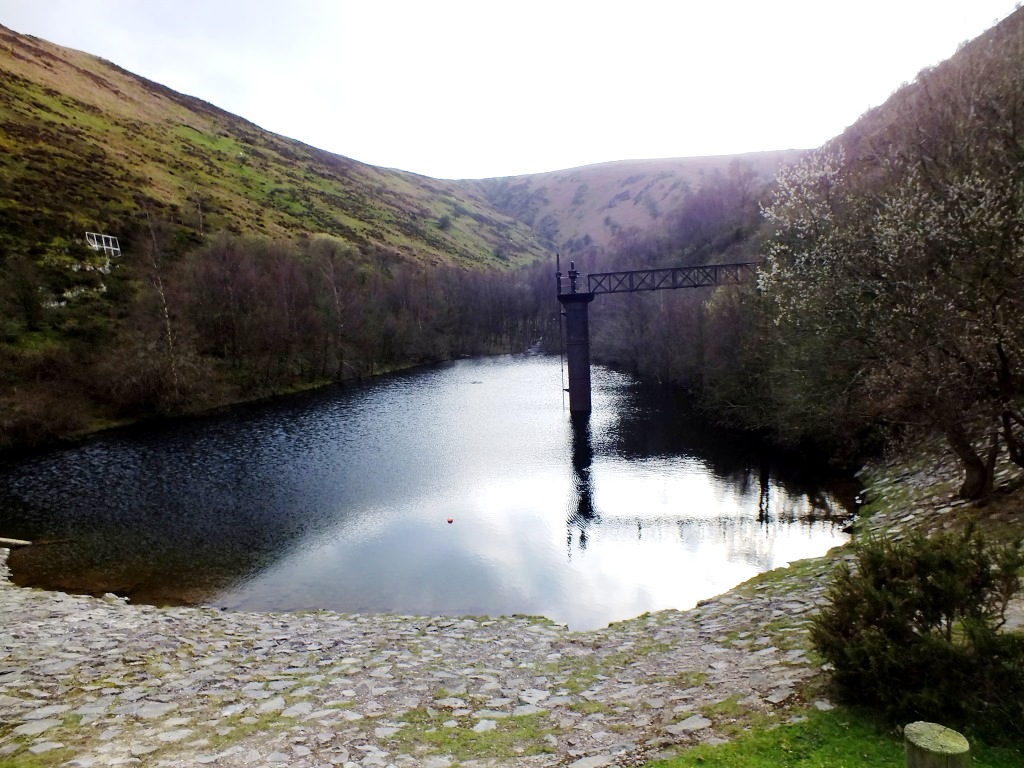
At the reservoir you do have to climb up quite a steep hill to reach the water, and the trail continues should you wish to head further onto the Long Mynd (Long Mountain).
You can swim in the reservoir, though the water probably isn’t all that warm today.
Before heading back to the car park I nipped over a stile to have a closer look at the reservoir and found this pair of Common Toads at the side of the path. I spared them their blushes and swiftly moved on.
Need to be nimble!
Amplexus
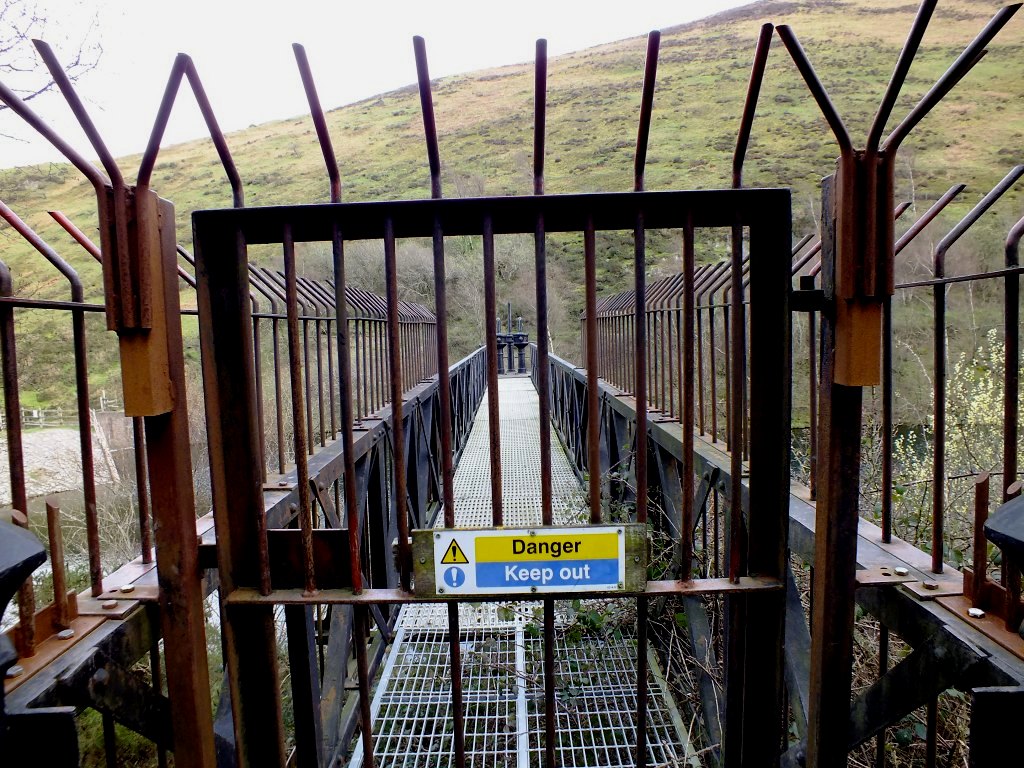
Doesn’t look as though we can go this way, so head back down the hill.
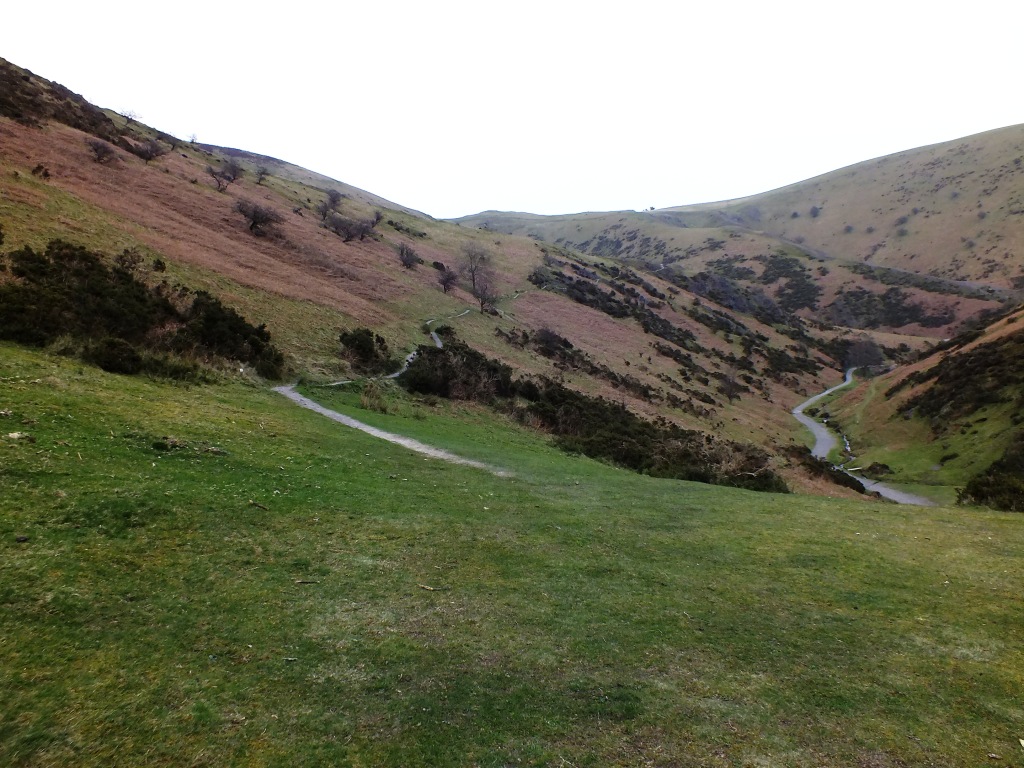
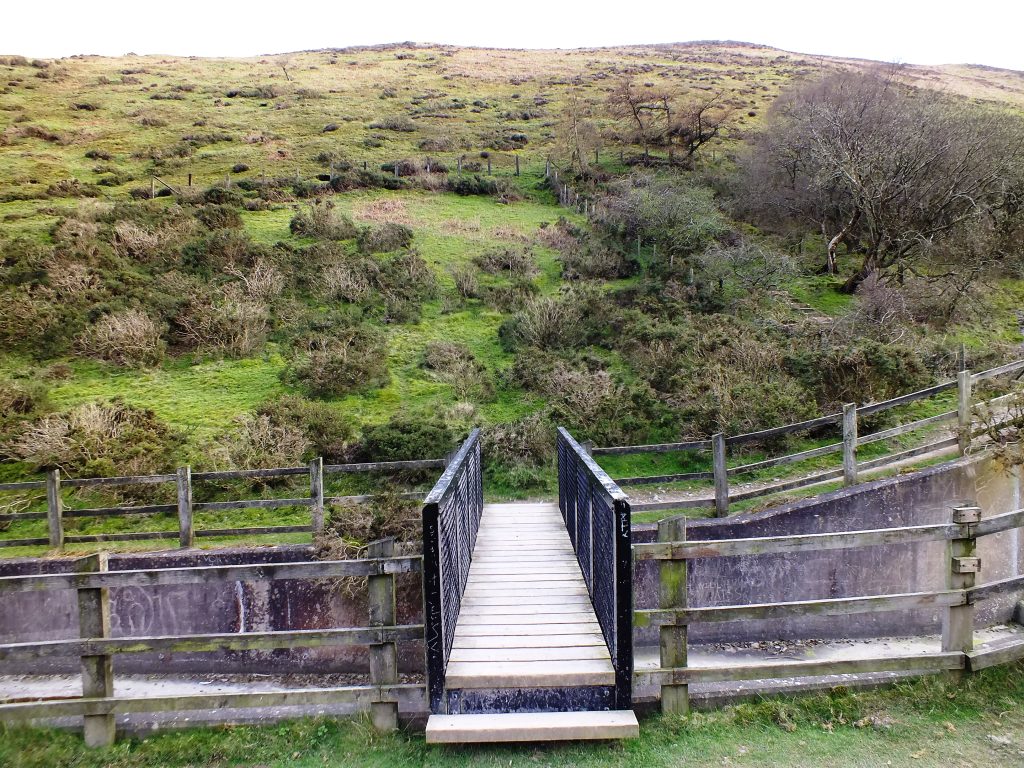
A choice of routes, but I’m going to stick to the one I came along, the other one looks as though it might end in a sheep trail and I’ve been there before and it didn’t end well.
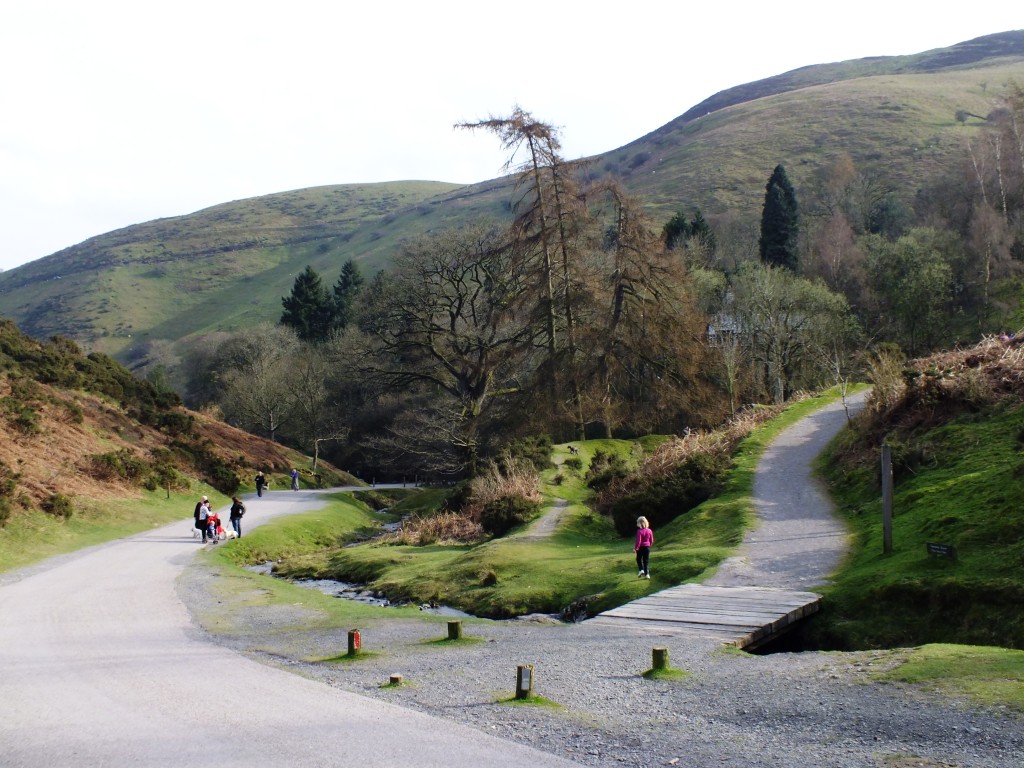
Or you could go over the stream and head for a path on the other side.
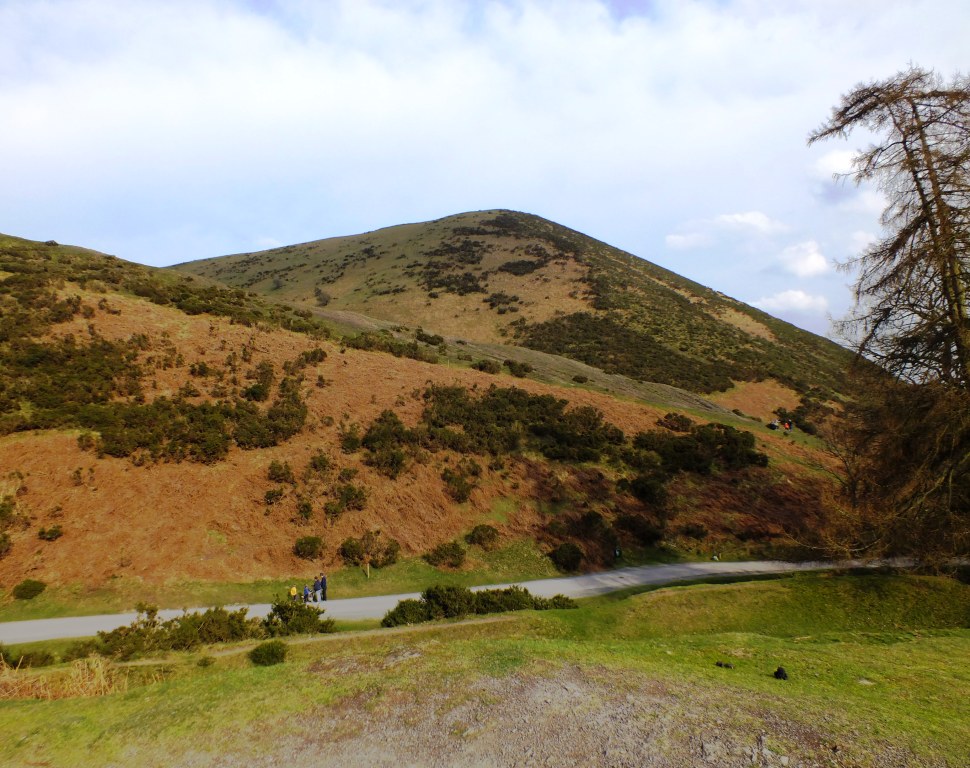
Returning on the orange route there are caves up on the left, and ahead on the top of that hill in front are the remains of an Iron Age Hill Fort.
Back at the road we could turn right and walk to the tea-room, but as it is now after 5 p.m. it will be closed.
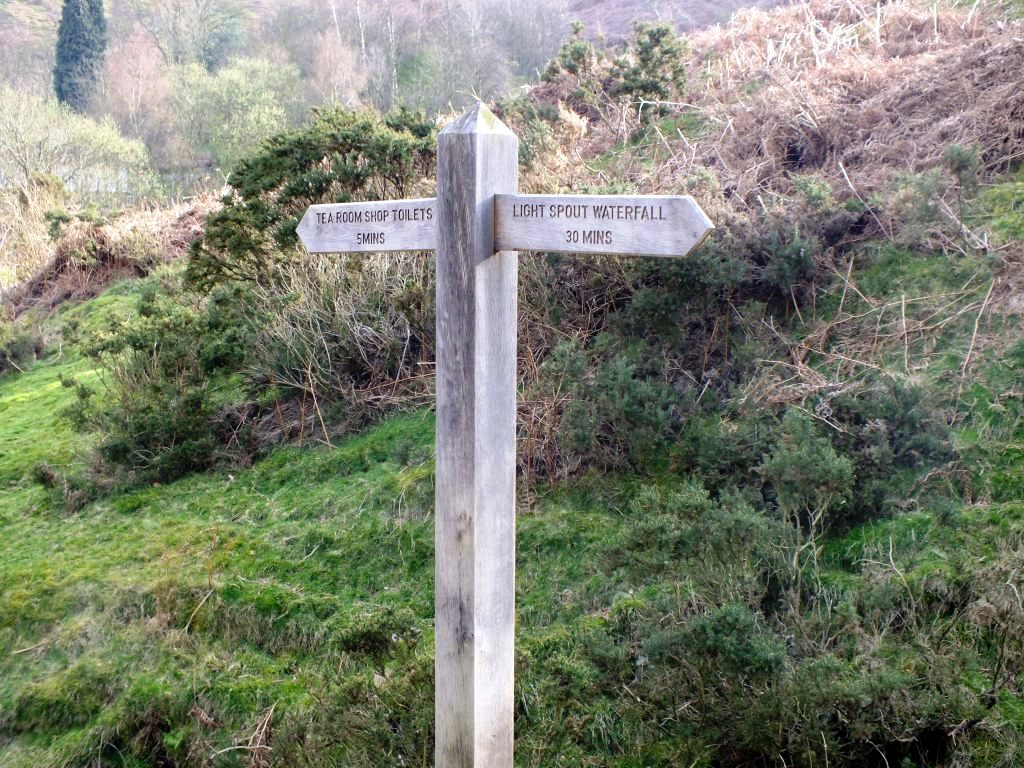
A typical “Which Way” fingerpost
We’ll head back to the car, after one last look around and go home for a well-deserved glass of red wine. If you decide to come for a walk here, please take note of the signs. Some people seem to think their dogs are much better controlled than they actually are around sheep, and watching a sheep being chased is not amusing for me or the sheep.
That means on a lead!
Yes, there are sheep grazing
Taking the red route next time…
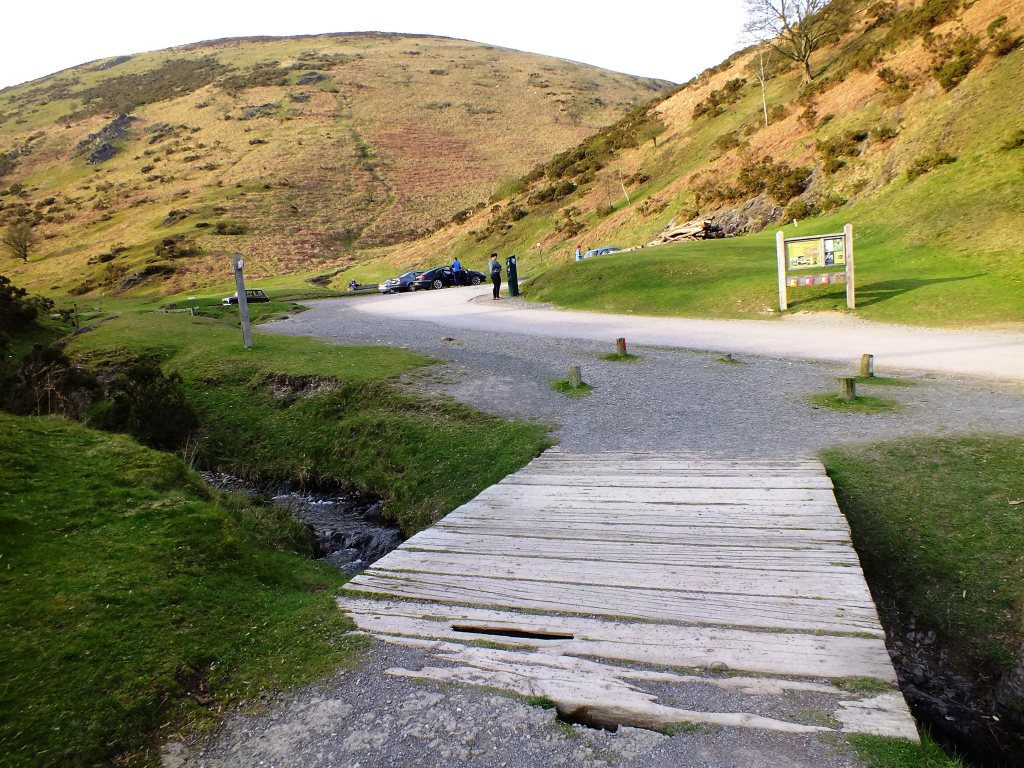
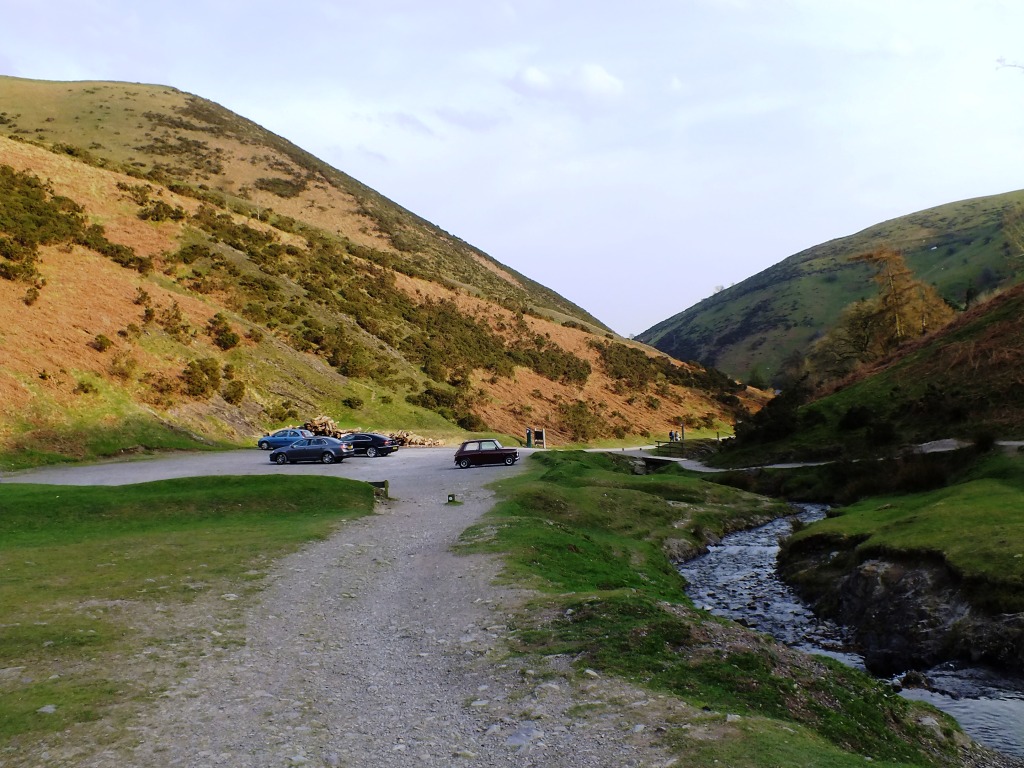
The Most Scenic Carpark?
Next time I’ll take you up the red route and see if we can find the waterfall.
Cee’s Which Way Challenge: There is no specific theme given. It just needs to be some sort of ‘Which Way’. The possibilities are endless.
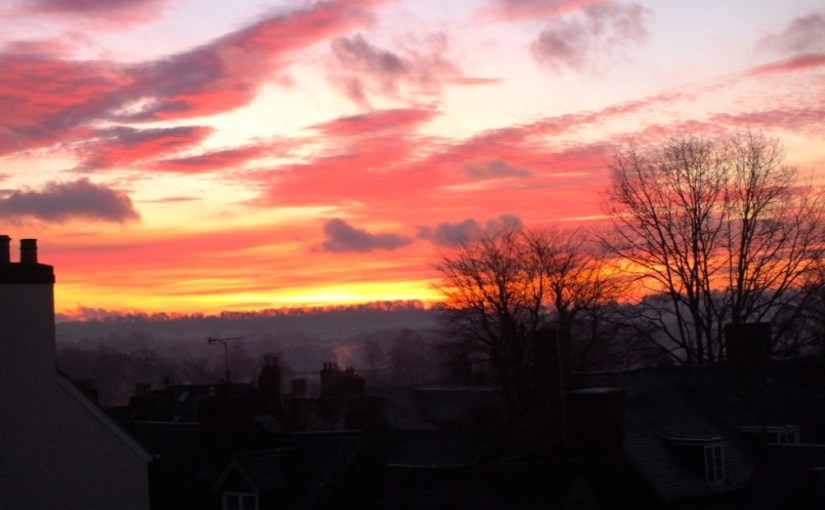
Red sky at night, shepherds delight,
Red sky in the morning, shepherds warning.
Well I don’t usually see sunrises (I am more of a night person), but this morning I happened to catch sight of this sky around 8 a.m. and it made me so happy I had to go downstairs and grab my camera. Sadly the old wives tale was all too true as the day turned foggy and wet. Again. (click on an image to enlarge it )

















 TRAVEL WORDS