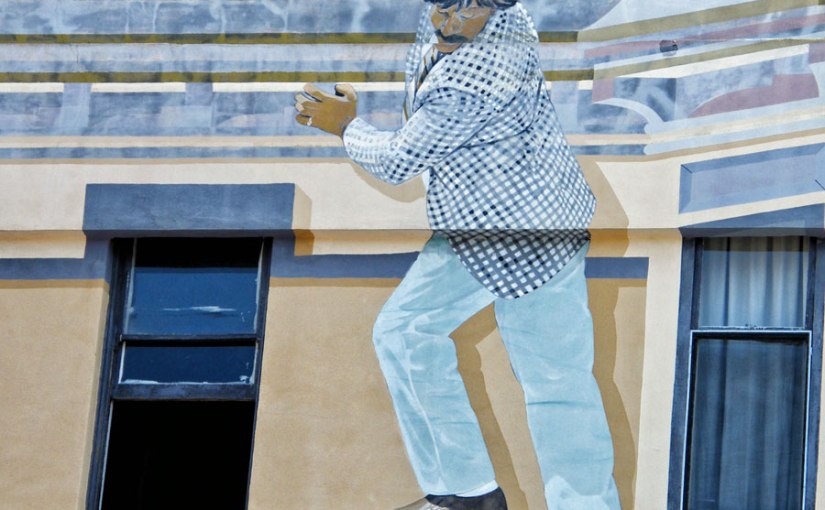
Architecture of the Gaslamp Quarter San Diego
Another interesting district in San Diego is the Gaslamp Quarter. In the 1860s, the area was known as New Town, in contrast to Old Town, the original Spanish colonial settlement. San Diego has tried hard to protect and preserve the architecture of times gone by and the district features one of the largest collections of Victorian Era commercial architecture in the western US, comprising 94 historic buildings, many of which are in still use as restaurants, shops, entertainment venues, and nightclubs.
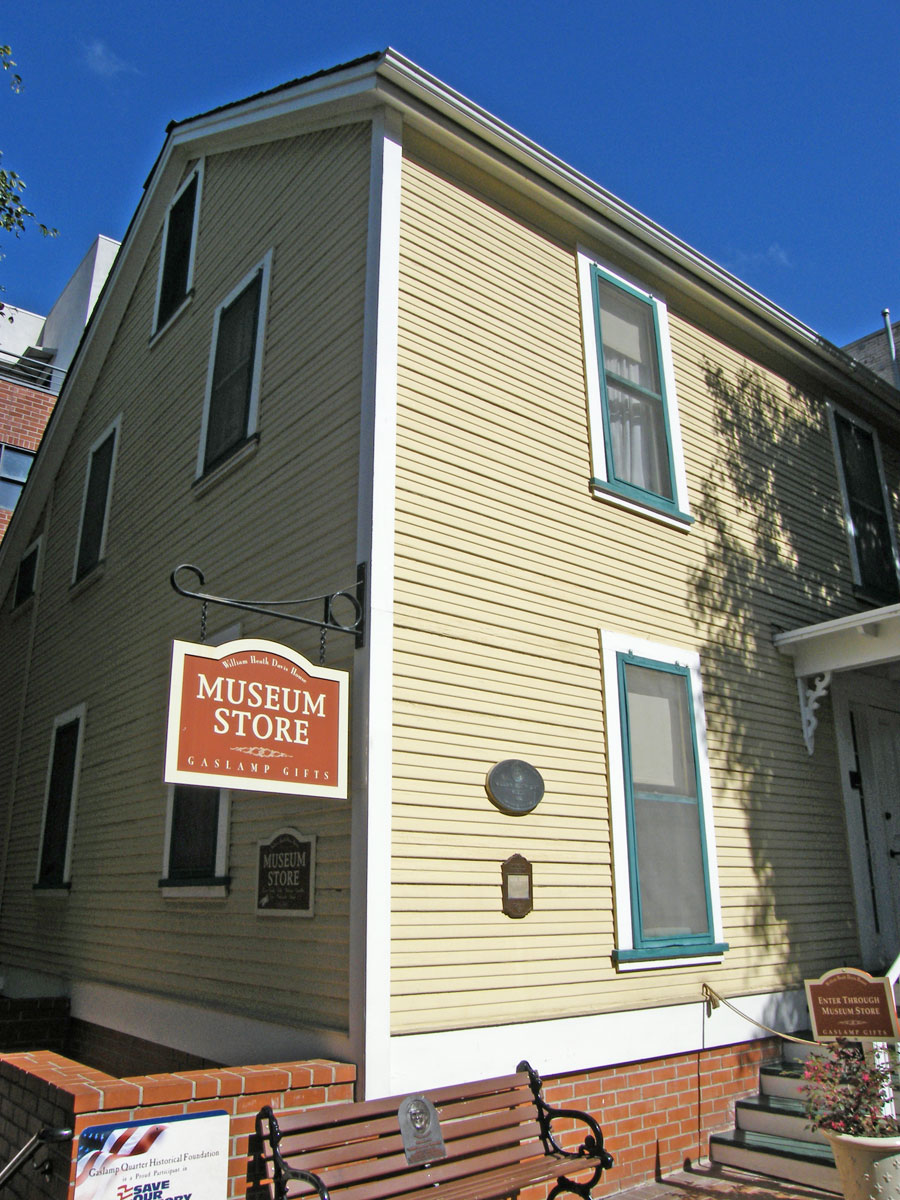
My first stop was the Gaslamp Museum at the Davis-Horton House which depicts the story of the downtown area’s early settlers. The Davis House (1850)is the oldest surviving structure from San Diego’s New Town. It is an example of a prefabricated, “salt-box” style home. Built on the East Coast, shipped around Cape Horn, and assembled in San Diego.
Located across the street from the Gaslamp Museum is the Horton Grand Hotel, a restoration of two historic hotels – the Grand Horton and the Brooklyn-Kahle Saddlery – both built around 1887. The Grand Horton was of Italianate design and more of a luxury hotel, whereas the Brooklyn-Kahle Saddlery was a less formal hotel that combined Western/Cowboy and Victorian styles.


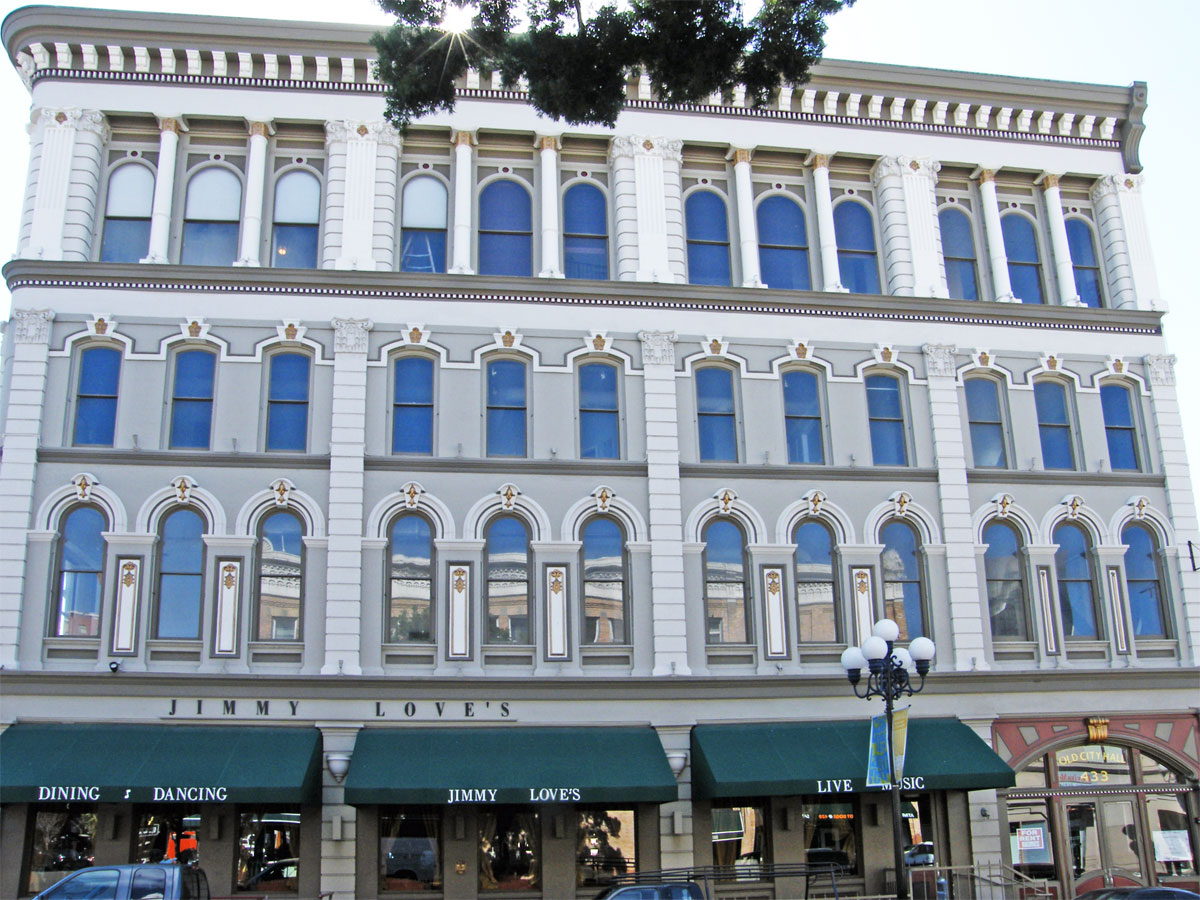
The Old City Hall is a beauty, a classic example of Florentine-Italianate architecture. Originally two-story structure was built in 1874, but 13 years later two more floors were added to accommodate the San Diego Public Library.
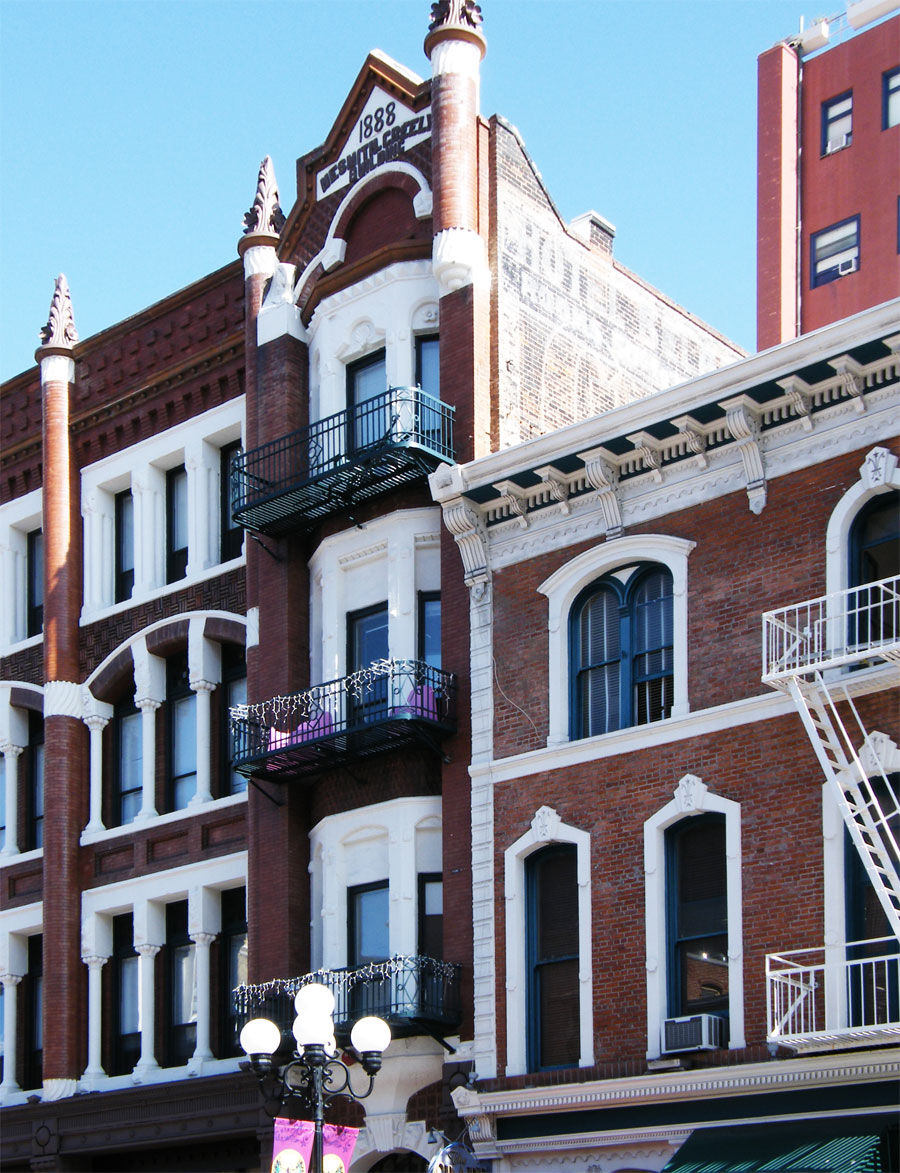
The Louis Bank of Commerce is a historic building which dates back to 1887. Reputed to be the most photographed building in the Gaslamp, this stately, four-story, twin-towered Queen Anne (Baroque Revival)-style structure possesses so many noteworthy and elaborate architectural features that it has been nicknamed “The Queen of the Gaslamp.”


The Nesmith–Greely Building is a four-story historic structure located at 825 5th Avenue next to the Louis Bank of Commerce. Built in 1888 in the Romanesque Revival style the building is named for Thomas Nesmith, President of the Bank of San Diego, and Major General Adolphus Washington Greely. . The Hubbell building is on the right (1886) constructed in the Victorian style.
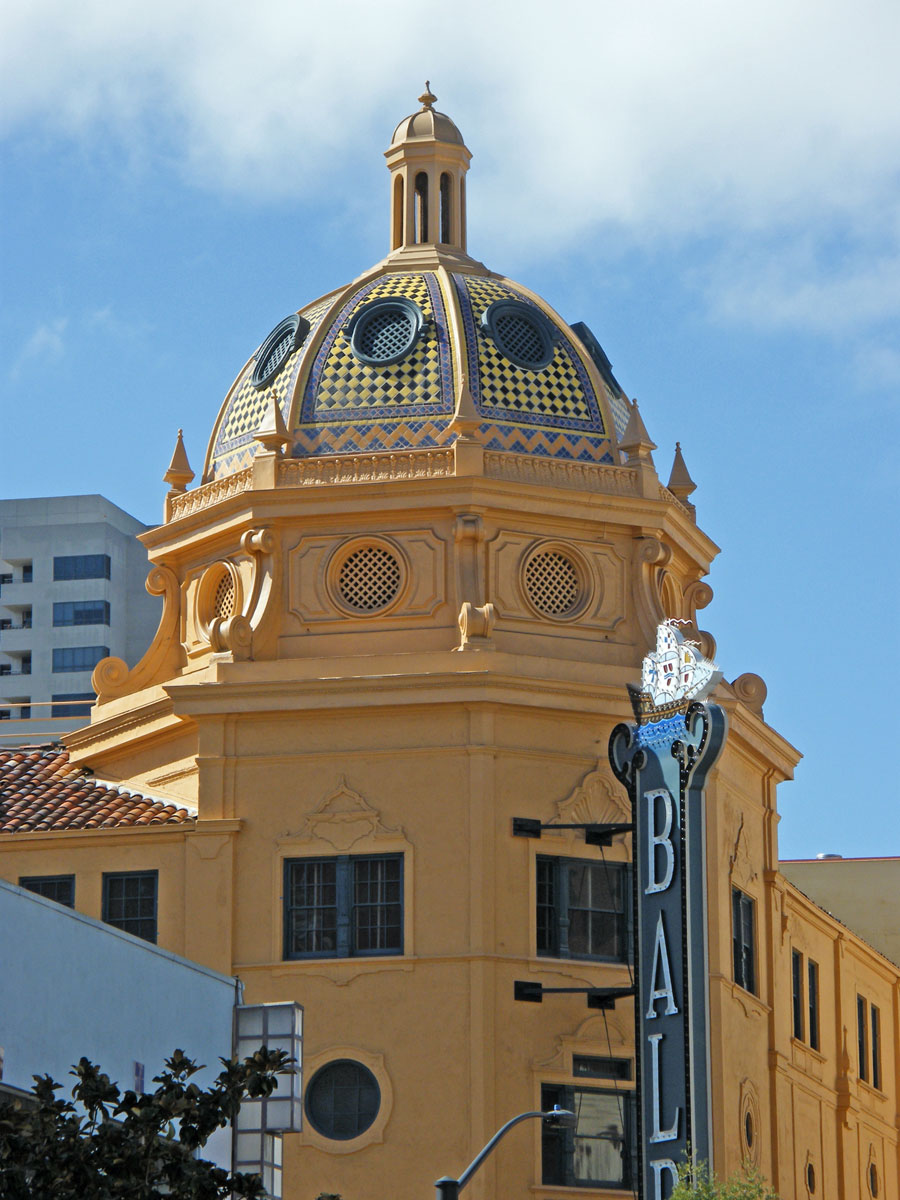
The Balboa Theatre in San Diego’s Downtown area blends Moorish and Spanish Revival architectural styles and was built in 1924.
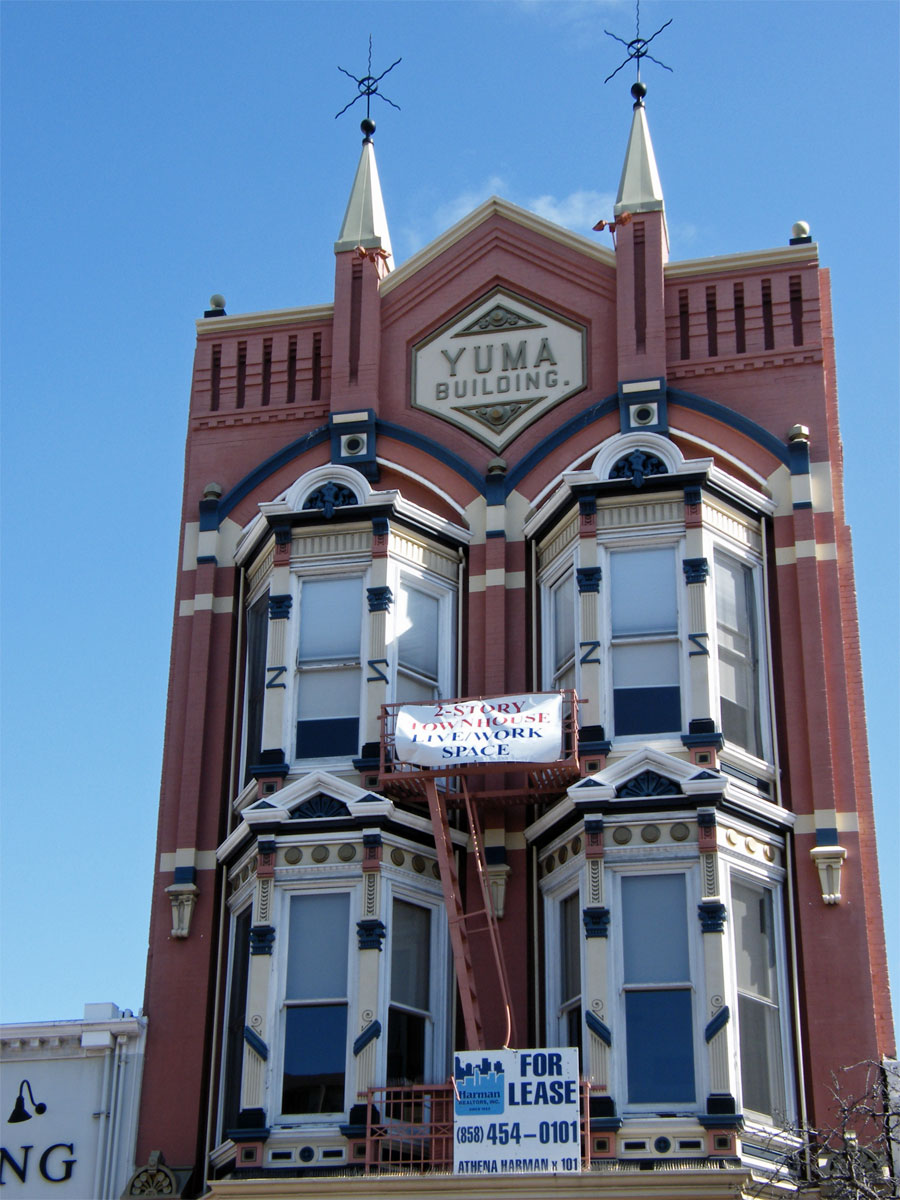
The Yuma Building, 1882, was one of downtown’s first brick structures, and was owned by Captain Wilcox who arrived in 1849 at the helm of the U.S. Invincible. The building is called the Yuma because of Wilcox’s business connections in the Arizona town.
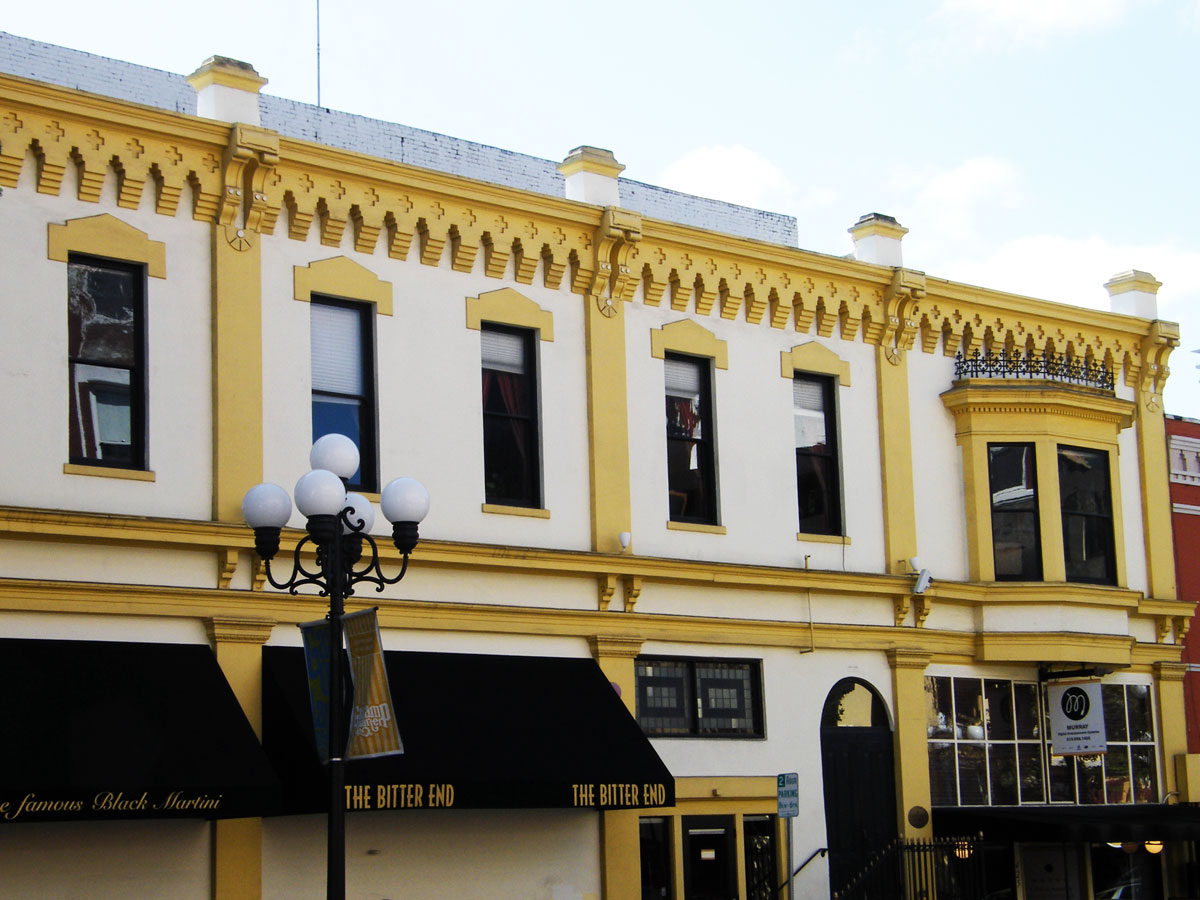
The Spencer Ogden Building, 1874. The second floor was added in 1885, and the original ironwork of this French Renaissance-style building was replaced with newer material.
Marston’s department store (1881-1896) Marston’s was one of Southern California’s finest emporiums and a genteel social hub for all ages. During the early 20th century, it was the region’s exclusive source of Gustav Stickley’s prestigious Arts & Crafts oak furniture. With the building of the fifth store in 1912, the store soon grew to 500 employees, in a progressive environment where women held senior positions and salaries provided a living wage.
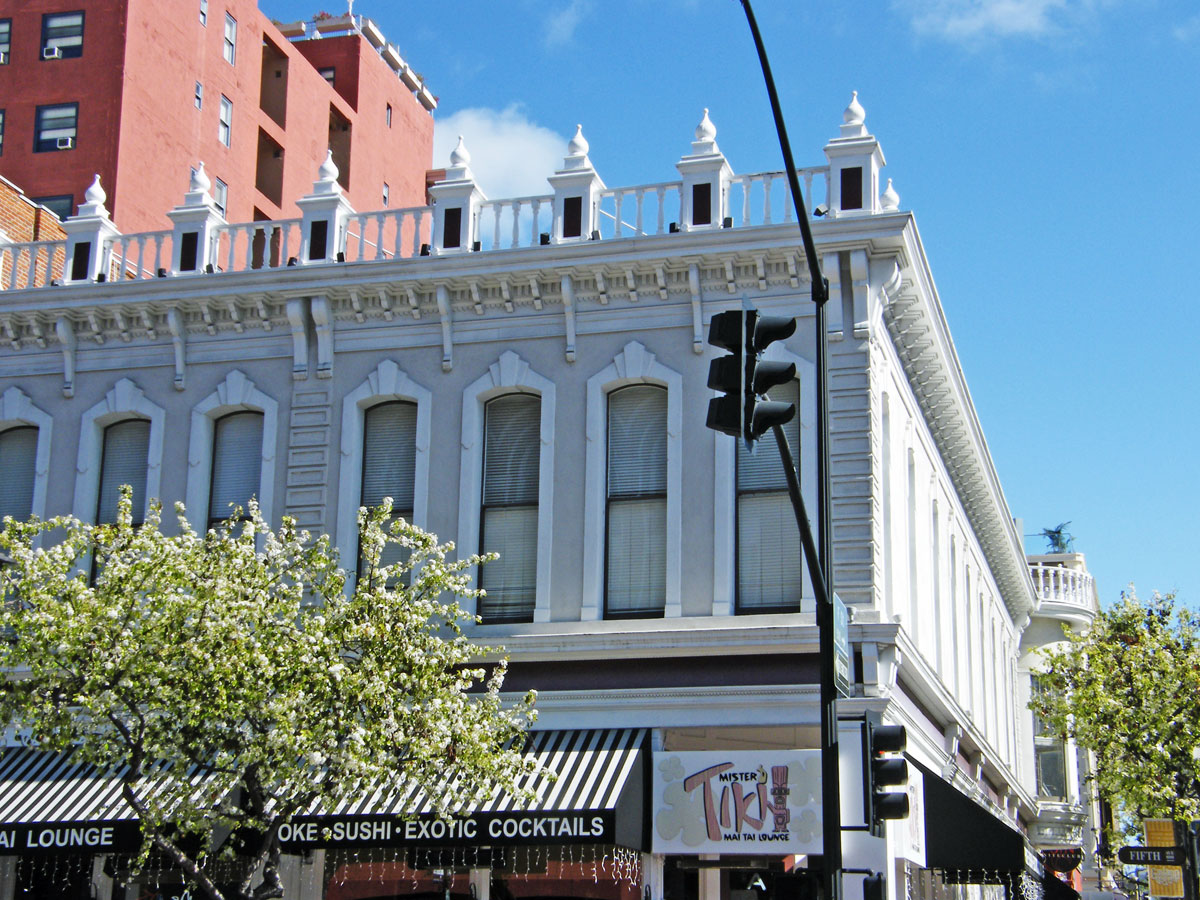
Construction of the San Diego Trust & Savings Bank building occurred in 1927 and is generally regarded as a fine example of the Italian Romanesque Revival style. From 1928 until March 18, 1994, the building at Sixth & Broadway served as the headquarters for San Diego Trust & Savings Bank. It was then repurposed as a Courtyard-Marriott Hotel.
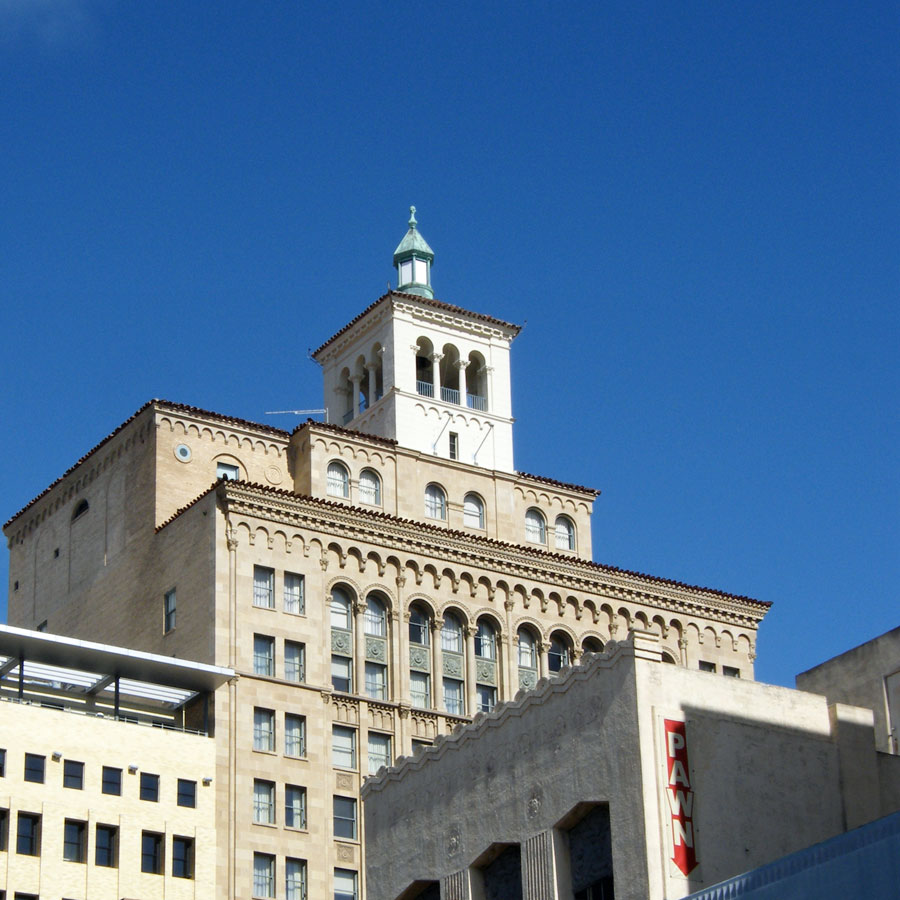
Spreckels Building 625 Broadway was San Diego’s very first high-rise building and one of the last buildings constructed by John D. Spreckels in 1926. Now converted into luxury loft apartments.
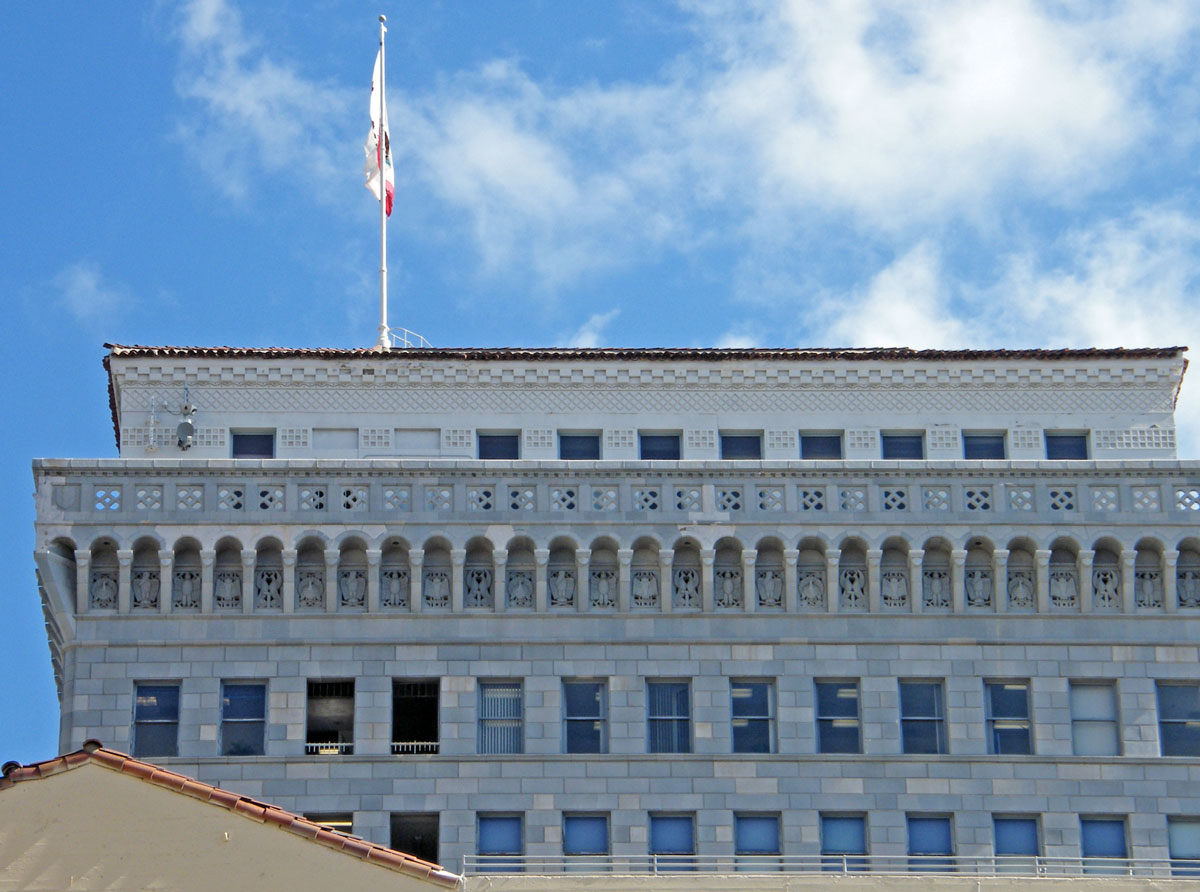
Historic theatre (Reading Cinemas Gaslamp 15)


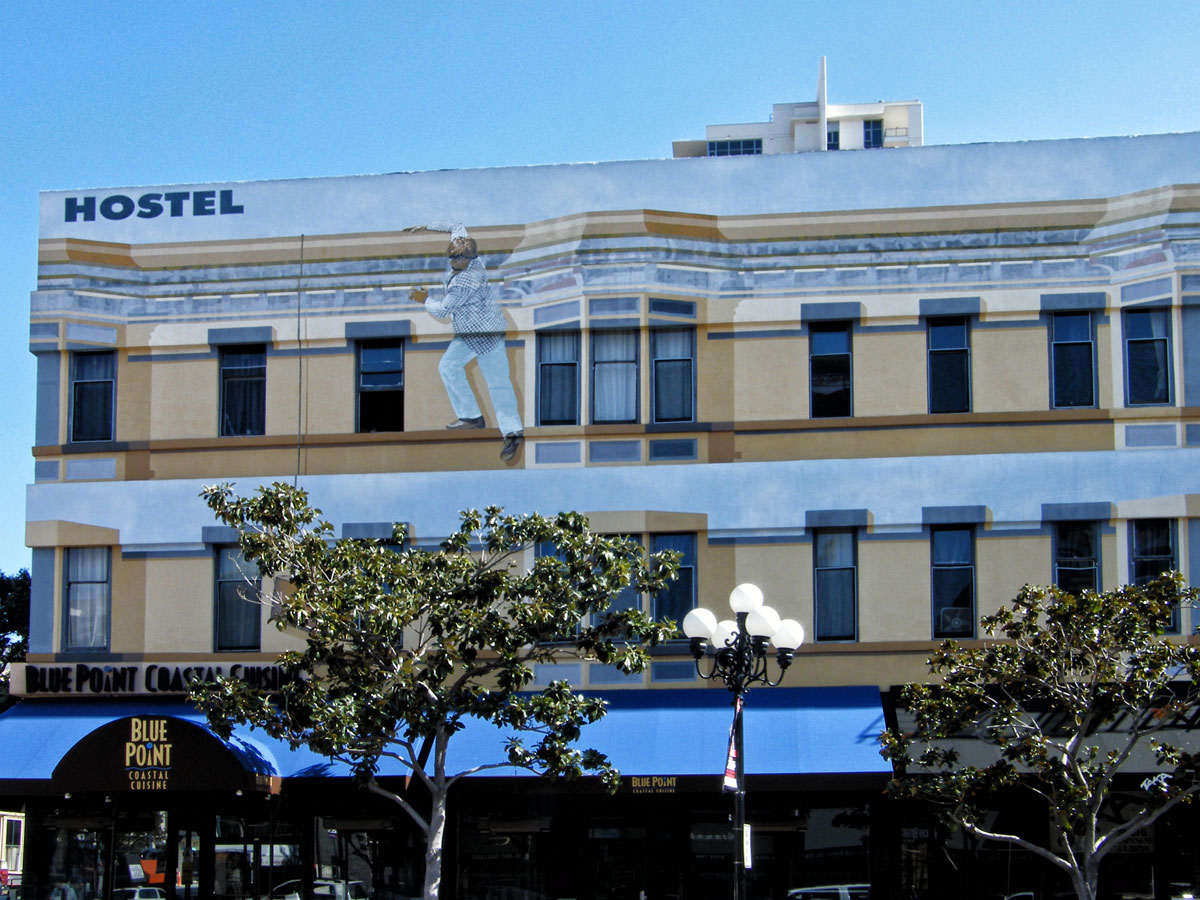
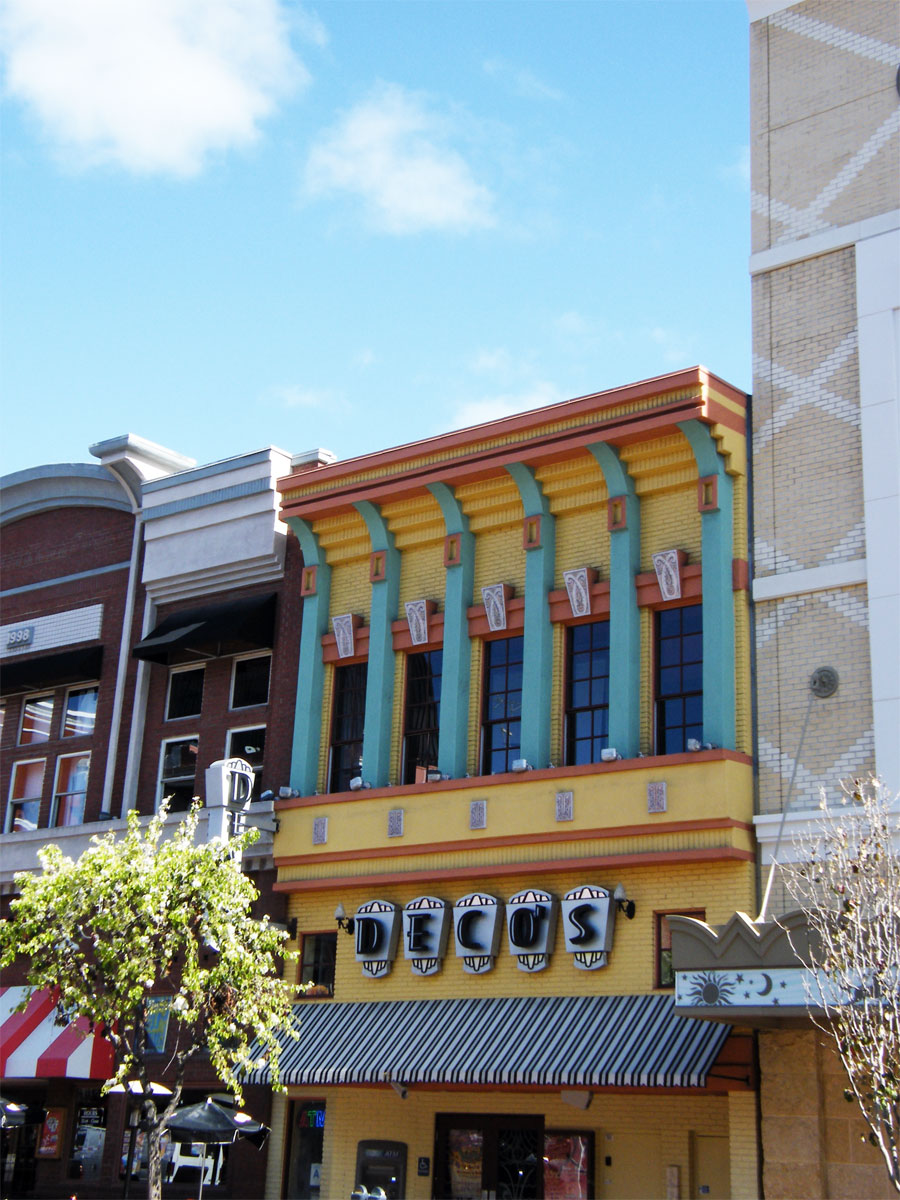
Although often difficult to photograph these buildings without the horrid perspective distortion it is an interesting district to wander about in with lots of history although I was unable to discover much information about the art deco style buildings.

 TRAVEL WORDS
You have some wonderful shots of the area, Jude, and it must have taken a while to unearth all the information. I was only there very briefly and have little recollection of these fabulous buildings.
I should have photographed more of the historic building signs which would have made identifying them easier. San Diego is made up of many interesting areas, but Little Italy remains my favourite.
🤭🩷
How lovely that all these gorgeous buildings have been preserved. Someone had a lot of foresight.
I’m so glad to be introduced to America’s rich architectural history, and about which I knew almost nothing, through your posts Jude.
I stayed at the Horton Grand in the 1980s. I remember it as being a posh hotel with fireplaces in the rooms, at least mine. Fond memories.
San Diego keeps on giving. The Art Deco buildings are my personal favourites of course.
Best wishes, Pete. x
Love the Art Deco buildings, Jude
Yes, they are rather lovely, just a shame I couldn’t find much about those.
Wonderful architecture Jude, well photographed.
When I take those, rare for me, buildings, I now try to take a photo of any information that I can find nearby.
I do that with plants, but obviously neglected to do the same with buildings back in those days. I am wiser now!
👍😃
What a wonderful collection of interesting architecture in the one place! I love all the Art Deco touches 🙂 The Davis House looks similar to buildings I saw in Old Town Chicago that had been put up in a hurry after the Great Fire there. We were told the prefabricated techniques were refined in part as a response to that fire, so it’s interesting to see that houses built in that manner made it all the way to the West Coast!
I get more and more sorry, reading your posts, that I didn’t take the opportunity to visit San Diego when it was there! These are fabulous buildings.
You could still go there!
Hmm, unlikely. Ambivalent, to say the least, about the ethics of both flying and visiting the US these days.
I must admit I’m not hugely keen on flying again.
Thanks for reviving memories. Was in San Diego in 2010 and remember the Gaslamp Quarter , Old Town … loved the place