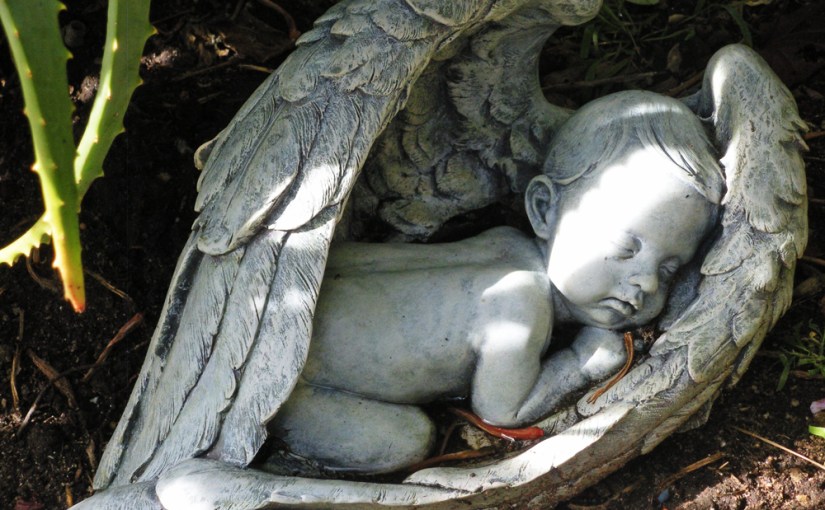
On a visit to California, a few years ago, we had to travel to San Diego from San Francisco and decided that it might be fun to drive down the coast using the PCH rather than fly between the two cities. So from that decision a little road trip was born.
This is the first section between San Francisco and the lovely town of Carmel-by-the-Sea.
Distance: 133 miles via Halfmoon Bay, Santa Cruz
Time: 3 hours without stopping
The PCH (Pacific Highway) is one of those iconic drives that should be done in a pink Cadillac convertible with the top down making the most of the azure blue skies and brilliant Californian sunshine with plenty of Beach Boys and Mamas and Papas CDs on board. In reality this was February and an open top car was not an option. We ended up with a Chevvy, but a poor imitation of the Chrysler PT Cruiser with black tinted windows; the skies were gun-metal grey. Not the ideal start, but hey it felt good to be on the road.
We began our journey in San Francisco and immediately headed southwest on to the Cabrillo Highway at Pacifica to follow it south to Monterey and Carmel – our first stop. This is not a long section, but it can take a long time, as there are plenty of scenic viewpoints to stop off at on your way down the coast and in the summer there are several roadside food stalls to entice you.
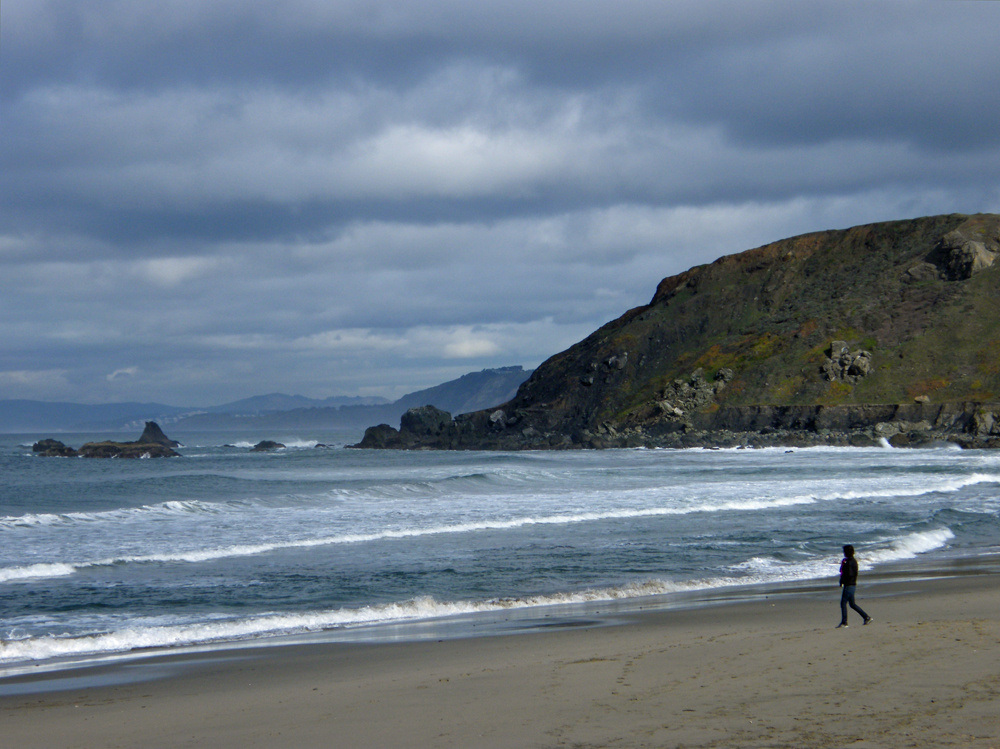 The section between Pacifica and Half Moon Bay in San Mateo County is prone to periodic landslides and road closures and one stretch is known as the Devil’s Slide*. This particular stretch of road reminded me of Chapman’s Peak Drive in the Cape Peninsula, South Africa, as it hugs a similar steep promontory with equally stunning vistas. We stopped at Half Moon Bay to admire the surfers and the beautiful beach until the rain sent us scudding back to the car.
*(This stretch of the Cabrillo Highway has since been replaced by a road tunnel).
Don’t forget to stop at the family run Duartes Tavern in Pescadero which is a little further south and only 2 miles off the state road; it is still run by the 4th generation of Duartes and home to the worlds most divine Olallieberry Pie, world-famous Cream of Artichoke Soup, and Crab Cioppino. We, on the other hand have had a full breakfast there and no complaints. In this small town you can also find interesting craft shops, artichoke bread and a goat dairy. If you have the time a stroll along the Pescadero State Beach back at the junction with Highway One may bring you into contact with harbour seals among the sand dunes.
Passing through several State Beaches and State Parks the road becomes the Coast Road as you enter into Santa Cruz County. If you want to stretch your legs visit the Natural Bridges State Park or if you’re after more thrills perhaps pop into the Santa Cruz Beach Boardwalk where you can find the world-famous Giant Dipper, the classic wooden roller-coaster which opened in 1942.
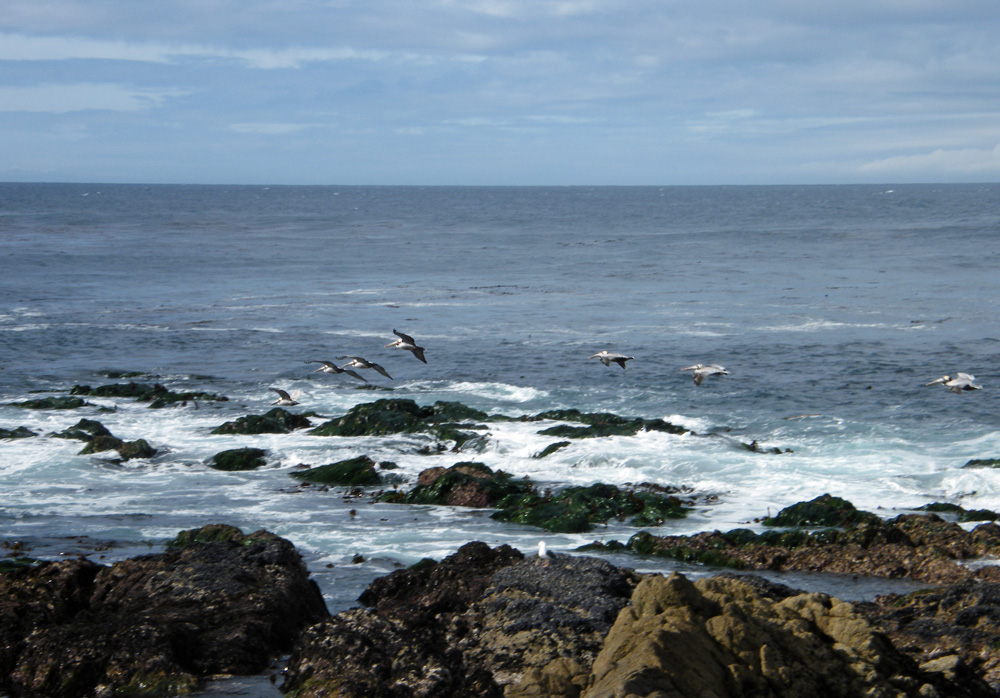 At this point the highway swings away from the coast and heads inland for a while before re-joining the coast at Moss Landing State Beach, another popular surf beach which is good for bird-watching too. Turn right at Jetty Rd and follow the road as it curves between the Elkhorn Slough estuary and the sand dunes.
Continuing south you pass between fields of artichokes, a Monterey County favourite and where Marilyn Monroe gained fame as the Artichoke Queen, before they change to mountainous sand dunes and the Monterey State Beach which is apparently the number one spot for kite-flying.
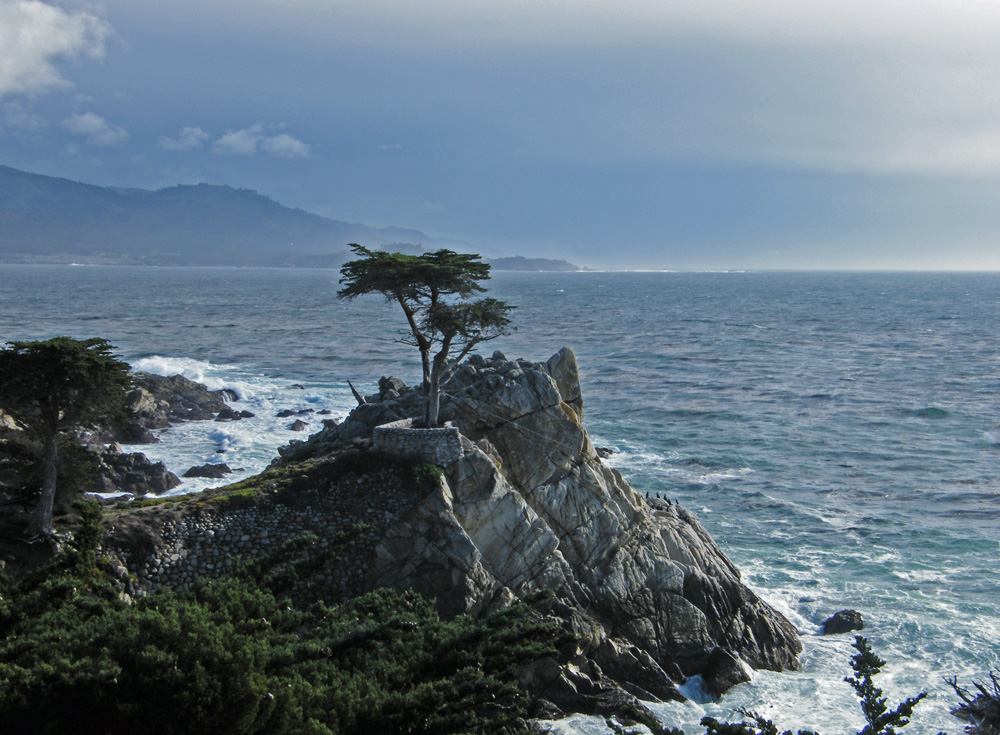 Californians will tell you that you “must” go on the 17 Mile Drive at Monterey a scenic toll road through the Del Monte Forest that leads to The Lone Cypress, Seal and Bird Rocks, Fanshell Beach, Point Joe and the colliding currents of The Restless Sea. It all sounds very romantic. Along the way you pass through emerald-green fairways of famous golf courses such as ‘The Links’ at Spanish Bay, Spyglass Hill and Pebble Beach. You may see black cormorants, brown pelicans, California sea otters, harbour seals and sea-lions in their natural habitat and colourful native wildflowers among the preserved dunescape, or like us, you may not. I’m still not convinced it was worth the toll to drive around what is essentially a series of golf courses, but the coffee was good at the Pebble Beach resort.
We entered at Highway 68 Gate and exited at Carmel Gate to explore the much photographed fairy-tale cottages, twee teashops and boutique shops of the legendary artists’ colony Carmel-by-the-Sea. We didn’t spot Clint though (the Mayor in 1986-88).
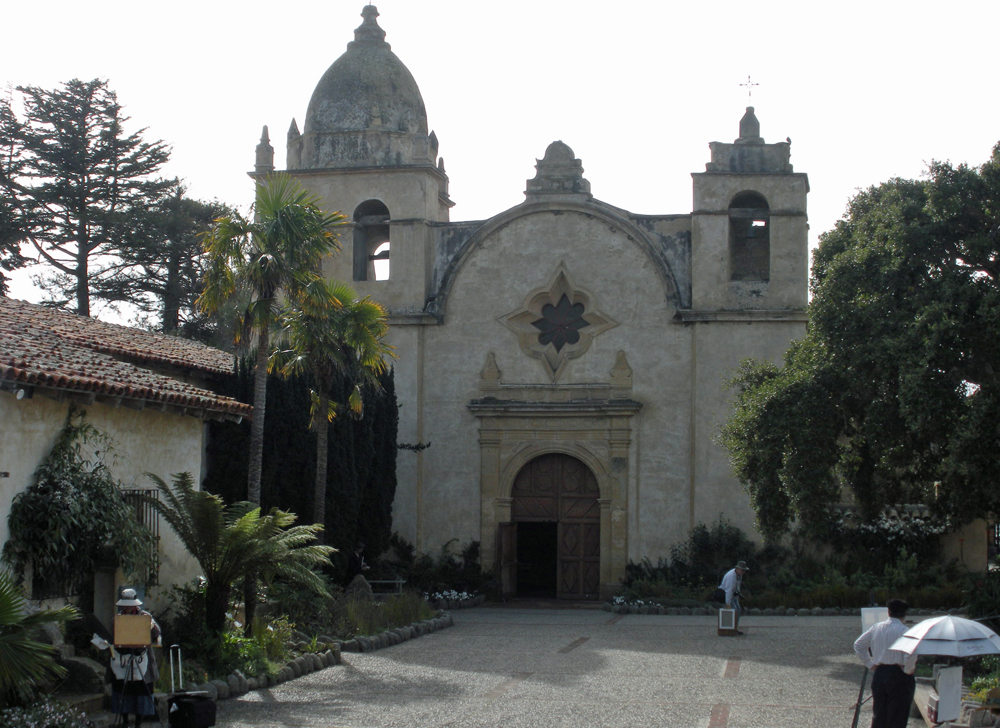 I recommend a visit to one of the great old Spanish Missions, San Carlos Borroméo del Río Carmelo, second of the California missions founded by Padre Junípero Serra in 1770. Known as the Carmel Mission a visit to the grounds is like travelling back in time with the gardens equally as beautiful as the 18th century baroque church and three museums. It presents the complete quadrangle courtyard typical of mission architecture which is Moorish in design and the façade holds a star-shaped window directly above the main entrance. The gardens include culinary and medicinal herbs, citrus and olive trees, roses, Mexican sage and Bougainvillea. It is an obvious attraction for artists several of which had set up their easels in the yard.
 I love the Spanish names found all over California reflecting its Spanish heritage and to be honest I have become slightly obsessed with the 21 Spanish missions along the historic trail located near Highway 101 which roughly traces the Royal Road “El Camino Real” from San Diego in the south to Sonoma in the north.
The Old Fisherman’s Wharf in Monterey is iconic and if you get there early in the morning it will be people free. Allow a couple of hours to visit the world-class Monterey Bay Aquarium and apparently there are twenty golf courses in Monterey County so if you like swinging a club this must be paradise to you.
Either Monterey or Carmel is a good spot to stop for the night. We stayed in a bland, but cheap motel just outside Carmel and headed across the road for dinner at a grill house. We both had potato and fennel soup followed by a good steak burger (OH) and Mahi Mahi (dolphin fish) for me. Not bad, though I must confess to being rather unimpressed by Californian food as it is often too bland and/or salty for me. No complaints about the margaritas though 🙂

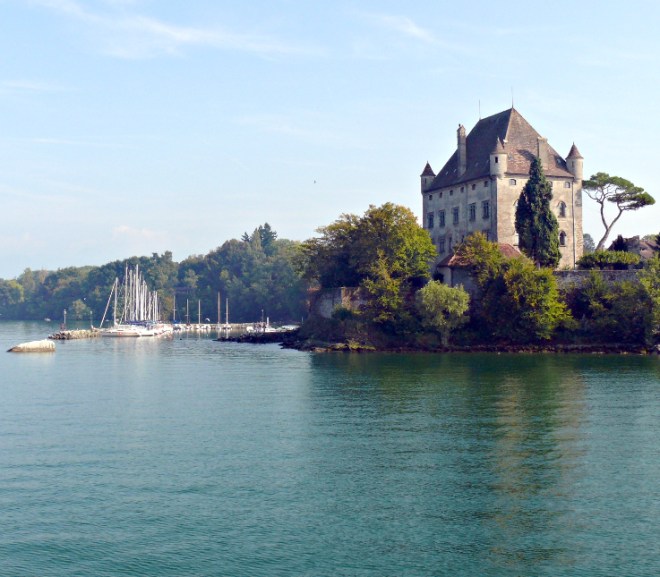 It was hot. The last week in September, but feeling more like mid-summer with the sun kissing my skin and a soft breeze floating offshore. The lake was like a mirror reflecting the clouds and the boats bobbing in the little marina. The majority of the crowd disembarked from the ferry and made their way to one of the two nearby restaurants on the quayside. I watched them melt away before making my decision to explore first and eat later.
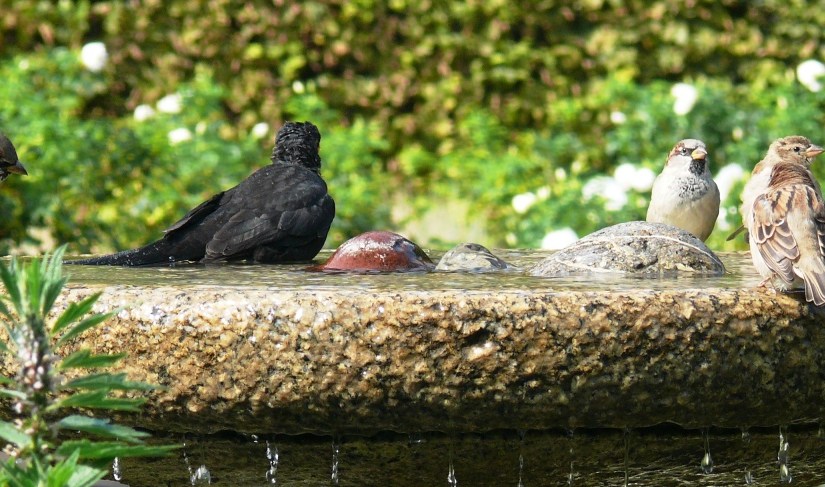
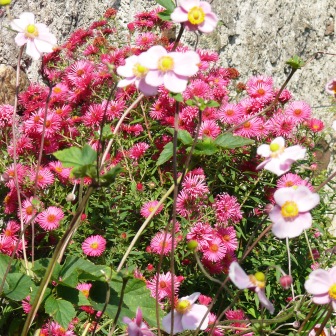 In an oasis of tranquillity you can smell, touch, contemplate, listen and taste. The garden is divided into rooms where you can connect with flavours, fragrances and textures. Gently touch the furry quince or spiky heads of the teasels; smell the chocolate cosmos and rub the apple-scented pelargonium leaves between your thumb and fingers; study the glacial-blue of a clematis, the considered planting of deep pink asters amongst paler pink Japanese anemones; nibble spearmint, chocolate mint or a sprig of rosemary and listen to the birds splashing cheerfully in the bird bath in the centre of the maze of hornbeams.
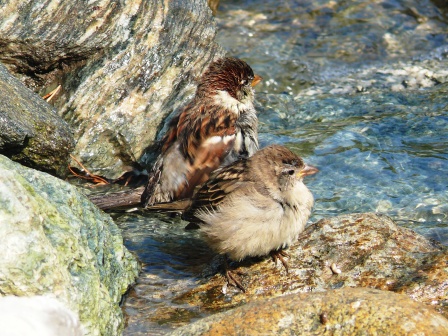 As I relaxed on a bench, undisturbed, the sun burning two copper discs onto my retina, I drifted into another world:








 TRAVEL WORDS