To find out more about this year’s photo challenge here on Travel Words, please read this post.
This month we will be looking for Green. Green signals new life in spring, fresh green leaves, the shoots of new bulbs emerging from the soil. It is a cool and soothing colour, bringing us moisture and shade. But there is more to green than the colour of nature. This week I am going to look at San Francisco Streetcars. Green ones naturally.
Melbourne (Australia) 496, built in 1928. The famed W-class trams dominated Melbourne’s transit system, with a layout that reversed San Francisco’s ‘California’ design, by putting closed sections at both ends, with the lowered section for boarding and alighting placed in the middle.
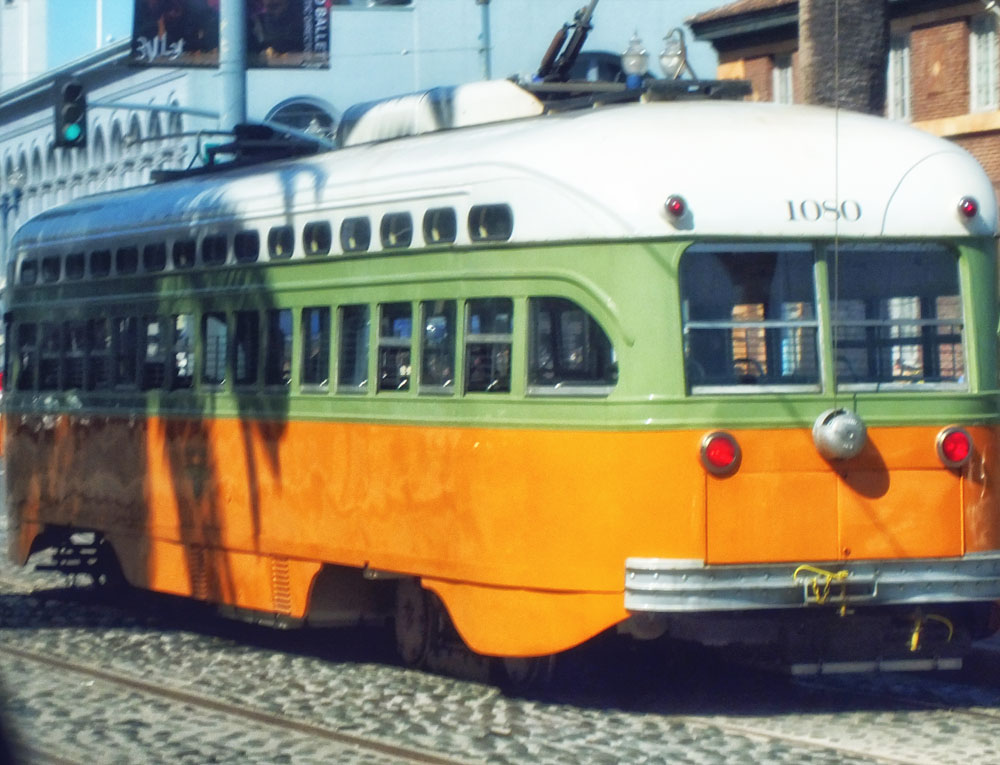
Los Angeles Transit Lines 1080, built in 1946. This car is painted in the livery of Los Angeles Transit Lines (LATL), which operated PCC streetcars after World War II

Pittsburgh, Pennsylvania 1062, built in 1948. The “Steel City”, as Pittsburgh has long been called, was also one of the great PCC streetcar cities as well. It operated the world’s first PCC carrying passengers, in August 1936. Car No. 1062 now honours Pittsburgh’s extensive PCC operation, after spending its first 21 years in Muni service painted in tribute to Louisville, Kentucky, a city that bought, but never operated, PCCs after World War II.
Philadelphia, Pennsylvania 1055, built in 1948. The ‘City of Brotherly Love’ first ran PCC streetcars in 1938. This car, numbered 2122 in Philly (now Muni No. 1055), was delivered in 1948 and wore this livery of green, cream, and red from 1955 to 1968.
 St. Louis Public Service Company 1050, built in 1948. Here it is painted in its original Muni green and cream “Wings” livery. In 2016 it was decided to honour St. Louis by repainting Car No. 1050 in SLPS livery (red and cream).
Chicago, Illinois 1058, built 1948. This streetcar is painted to honour Chicago, which ran PCC streetcars from 1936 to 1958. Chicago had the largest PCC fleet ever purchased new by one city–683 cars. At 50′ 5″ they were the longest single-end PCCs ever built, and boasted three sets of doors to swallow crowds quickly.
Milan, Italy (1930s 1970s) 1818, built 1928. The second most common type of streetcar in Muni’s historic fleet is an American classic with an Italian accent. This type of car is named for Cleveland street railway commissioner Peter Witt, who designed it for his Ohio city around 1915.
If you want to learn more about San Francisco’s historic streetcars and cable cars then please visit the Market Street Railway Museum.
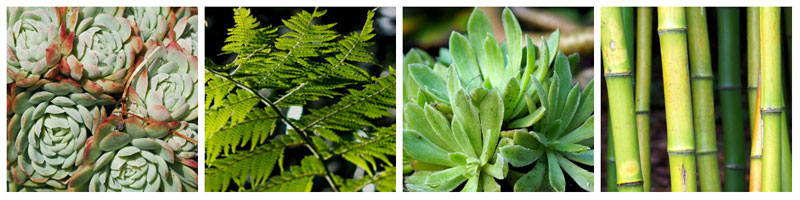
It’s easy to find shades of green in nature, but what else can you discover?
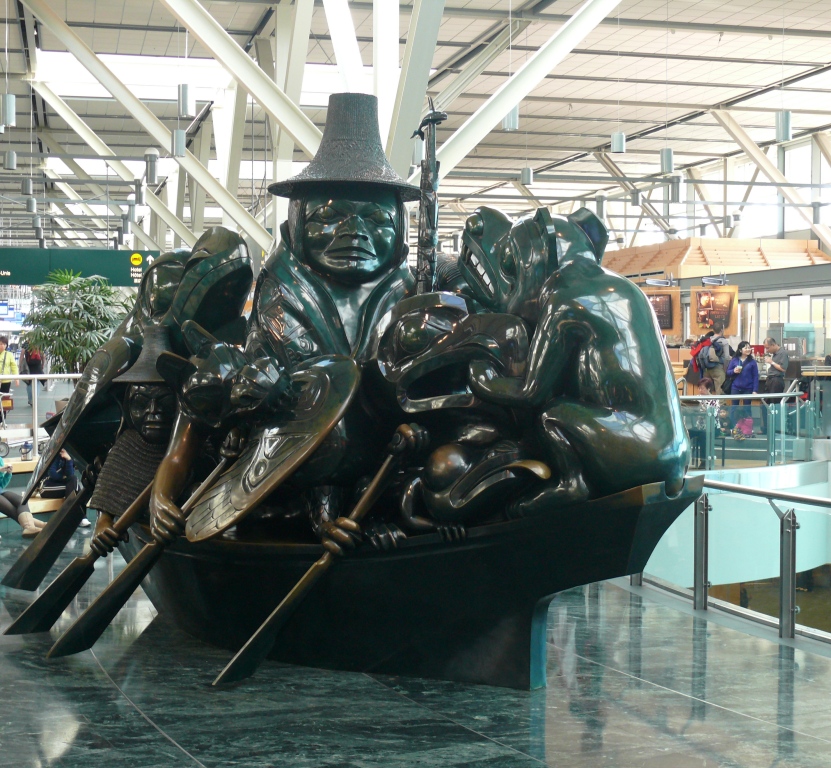 A 1996 bronze casting can be seen in YVR International. It is intended to represent the aboriginal heritage of the Haida Gwaii region in the Queen Charlotte Islands.





 TRAVEL WORDS