St Chad’s – Shrewsbury

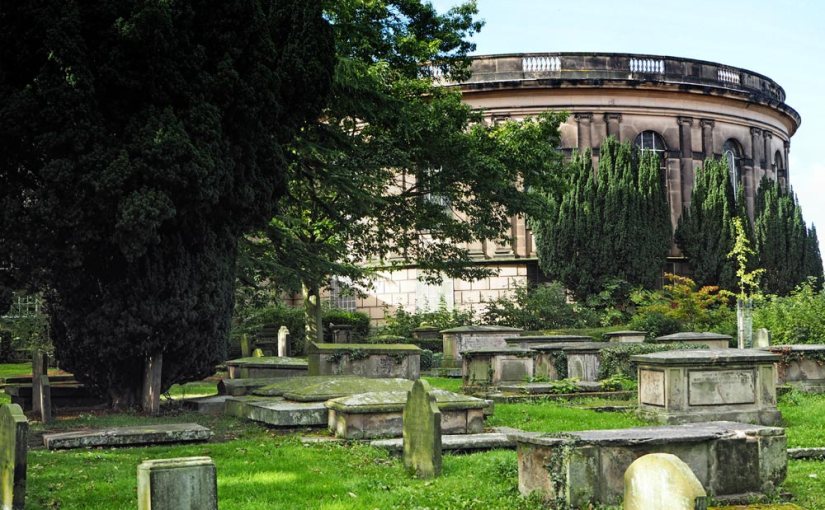
St Chad’s is an unusual church in that it has a circular design. The actual design was due to a misunderstanding as this plan was originally rejected in favour of a more normal rectangular one.
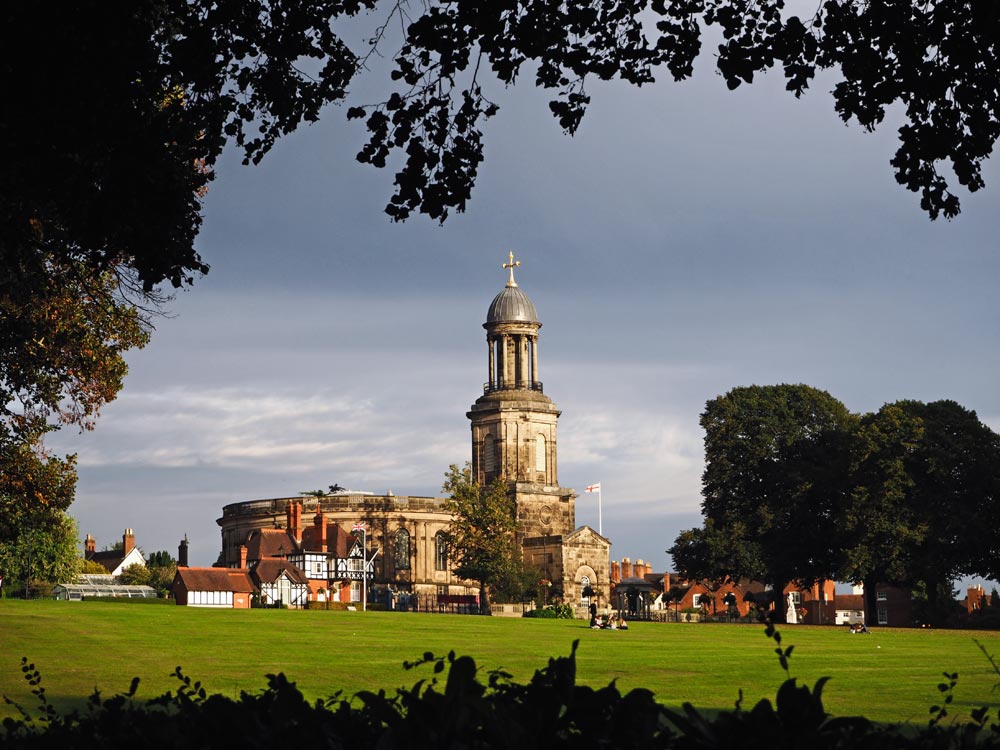
St Chad’s from the Quarry Park by the River Severn

I was very excited on my visit to Shrewsbury last September to be able to go into the church and also be allowed access onto the upper gallery. Oddly enough, even though I lived in the town for two years I never managed to get inside this church.

The circular nave is unique, with pews arranged like a maze. The original ‘three-decker’ pulpit has been replaced by one in Arts and Crafts style in copper and brass, placed under the rim of the gallery. This opens a clearer view of the Sanctuary, which, bordered by Corinthian pilasters and columns, contains a fine reredos and a colourful window, made by the renowned Shrewsbury firm of Betton and Evans.

source: History of St Chad’s with St Mary’s

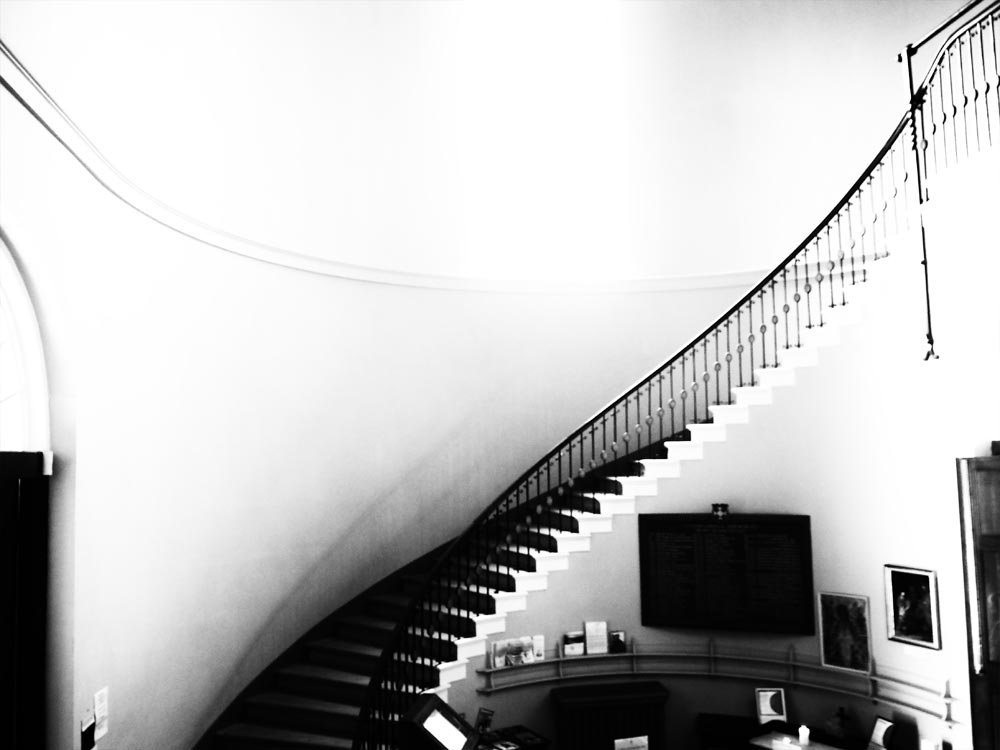
In the vestibule two arms of a fine staircase sweep up to the gallery. The rail is of elegant Shropshire ironwork.
Daily Post Photo Challenge | Rounded

Yorkshire Sculpture Park: Part Two

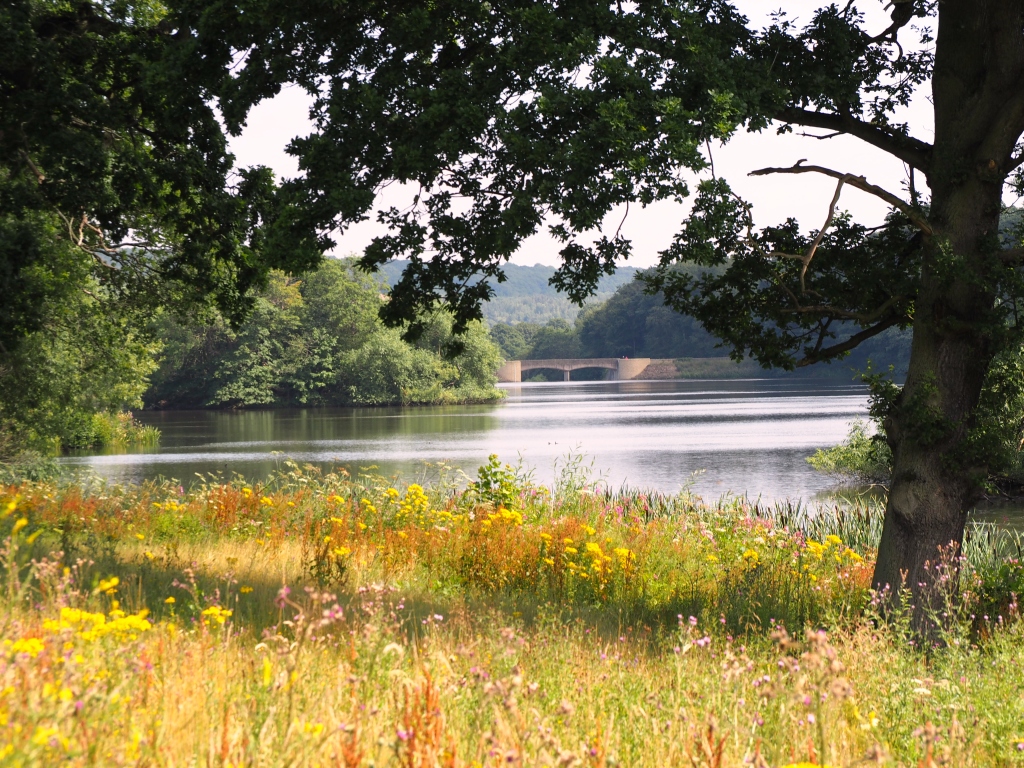
The Cascade bridge (header) divides the lake into two – Upper Lake which leads to a Greek Temple and Shell Grotto and Lower Lake which is larger and has walking tracks through the woods or on the north side a pathway suitable for wheelchairs and pushchairs. I stayed on the pathway because now the sun had come out and it was becoming quite hot and I was already too tired to take the longer route to the south of the lake.

Lower Lake to the Gate & Dam Head Bridge

Most of the sculptures are located near the YSP centre and around the actual hall, but it is a rather pleasant stroll alongside the lakeside with both natural landscapes and man-made views. A wild flower meadow attracts bees and butterflies and ducks lazily swim by. Continue reading Yorkshire Sculpture Park: Part Two

Yorkshire Sculpture Park: Part One

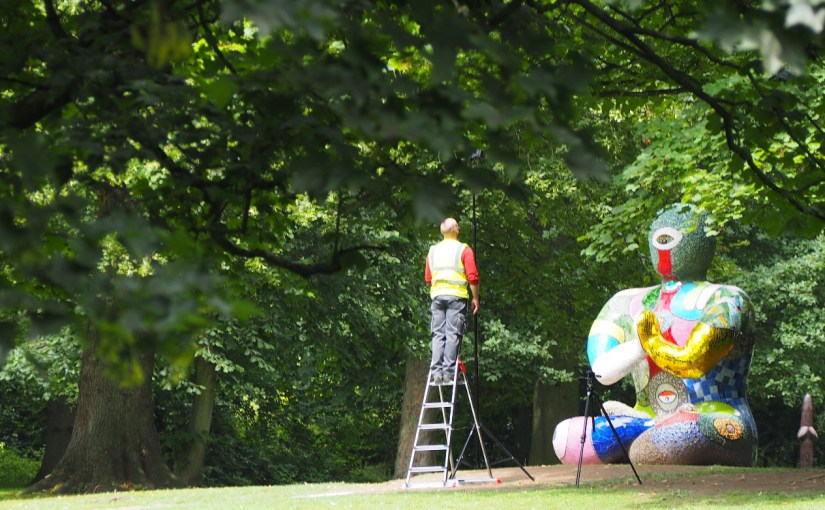
On a recent visit to South Yorkshire for family reasons I took time out to visit the YSP near Wakefield. I vaguely remember Bretton Hall as a teacher training college from my teenage years living in Wakefield. Today the park hosts exhibitions both indoors and outdoors as well as permanent sculptures in the grounds.

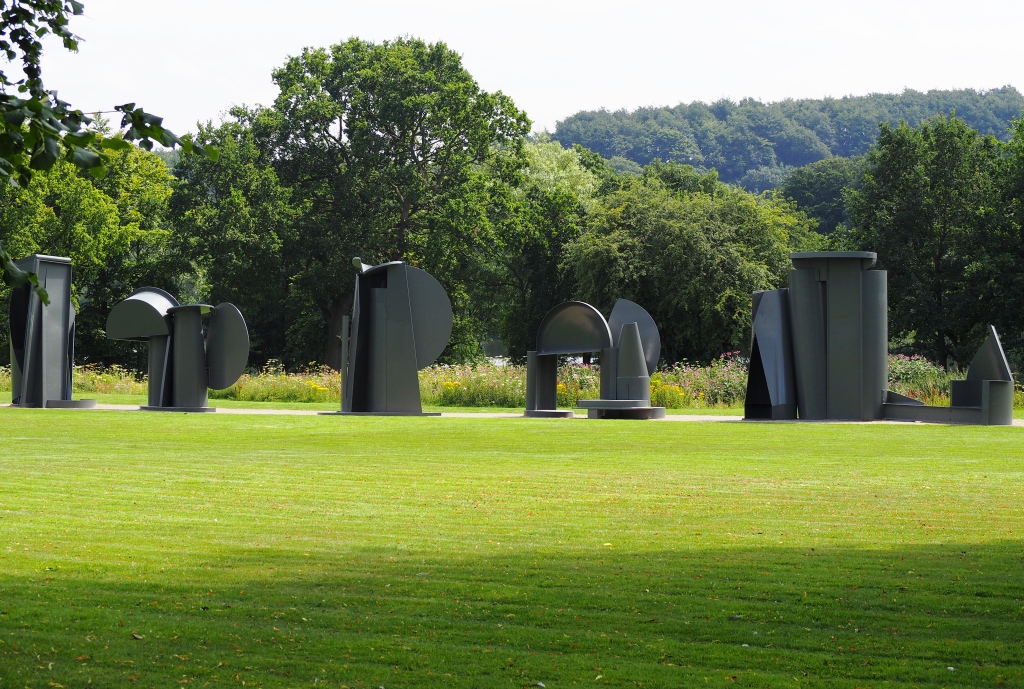
Anthony Caro “Promenade”

The way one views sculptures, as with many forms of art, is highly subjective. Some I loved, others puzzled me, but the setting is great and if nothing else you get a good workout walking around the different parts of the park.

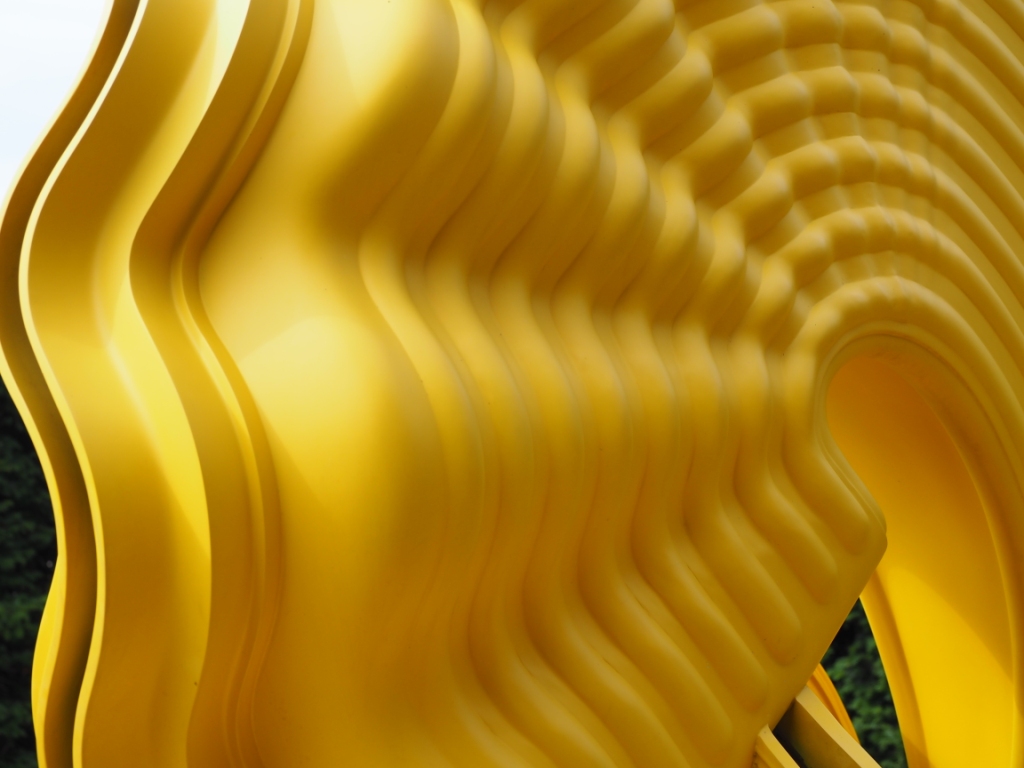
Outspan by Tony Cragg

Continue reading Yorkshire Sculpture Park: Part One

WPC: Unusual

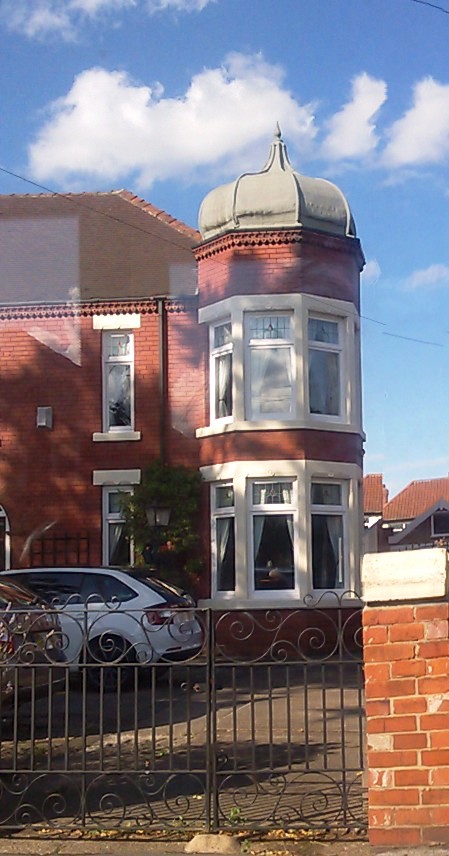
I am in Doncaster, South Yorkshire at the moment as my son is in hospital there. The daily route to the hospital goes along Town Moor Avenue which is opposite the racecourse. The field itself I remember as where my children played school sports. The houses along this road are quite spectacular (and very large) and today I managed to snap one of the more unusual ones through the bus window.

This conservation area contains Town Field itself and the planned suburban expansion of Doncaster’s residential area carried out in the early twentieth century along its northern side. The architecture of most of the buildings date from this period. The land was developed by Harold Arnold and Son from 1901 and it can be seen that the architects were influenced by the Arts and Crafts movement of the late 19th century. This was based on a dislike of mechanical ornamentation and a belief in the return to hand craftsmanship and simpler forms.

Buildings are mainly two-storied, although along and towards Thorne Road there are three-storied development. They are predominantly in red brick with slate or small red clay plain tiles. There are often elaborate forms of buildings with decorative architectural features, such as windows, doors, chimneys, bays, turrets, gables and porches. There are also areas of half timbering, stucco and decorative brickwork. Front boundary walls are generally low brick walls with castellated terracotta decorative copings often backed with hedges or shrubs.

Doncaster – Town Field was designated a conservation area on 8 April 1991.

Source: DMBC