Thursday’s Special: Traces of the Past

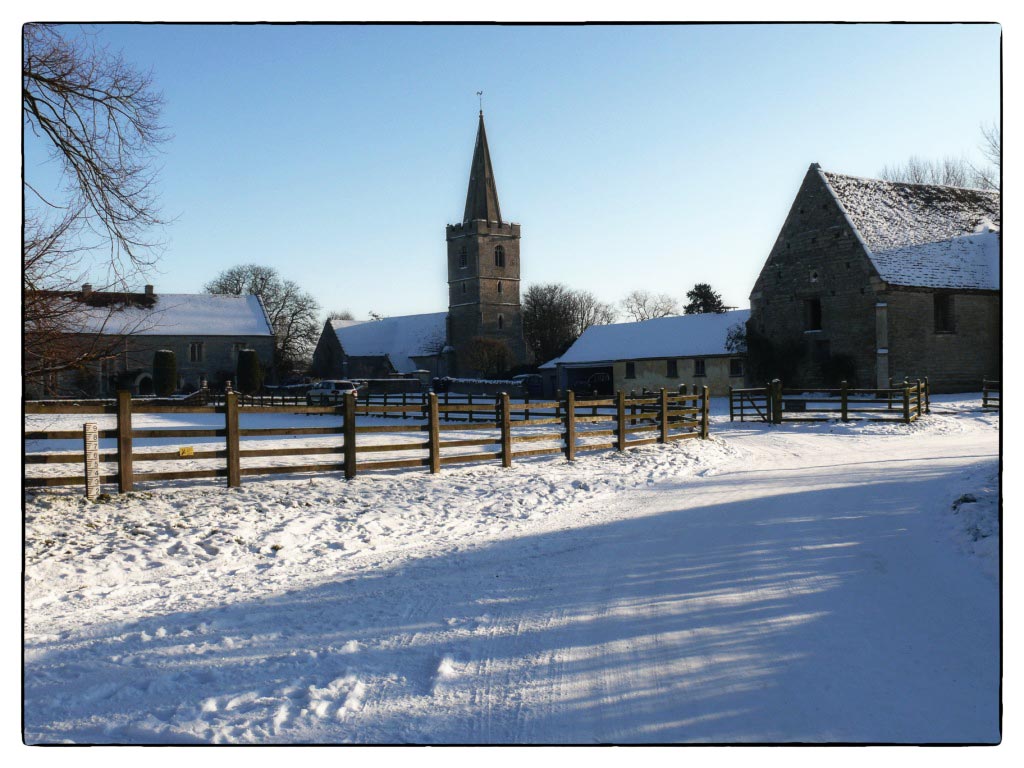
This large medieval tithe barn is situated at Ashleworth in Gloucestershire. The barn was built about between 1481 and 1515 by the canons of St Augustine’s, Bristol and used to store foodstuffs given to the church. At that time the manor  of Ashleworth was in possession of Bristol Abbey. Currently undergoing restoration by the National Trust.

Directly behind the barn is the parish church, St Andrews, with Saxon stonework and one of the earliest known examples of a royal coat of arms. Together with Ashleworth Court (privately owned) these buildings have existed together in a very attractive location close to the River Severn.

Thursday’s Special |Traces of the Past.

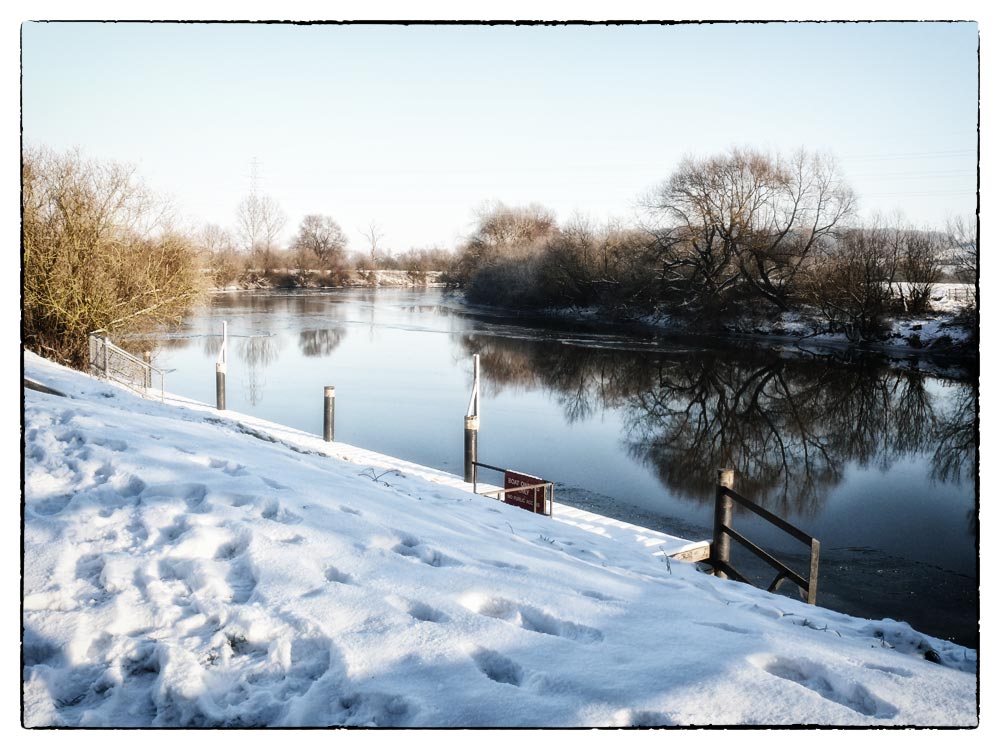
(All photos taken on an extremely cold , -5ºC , Christmas Day in 2010)

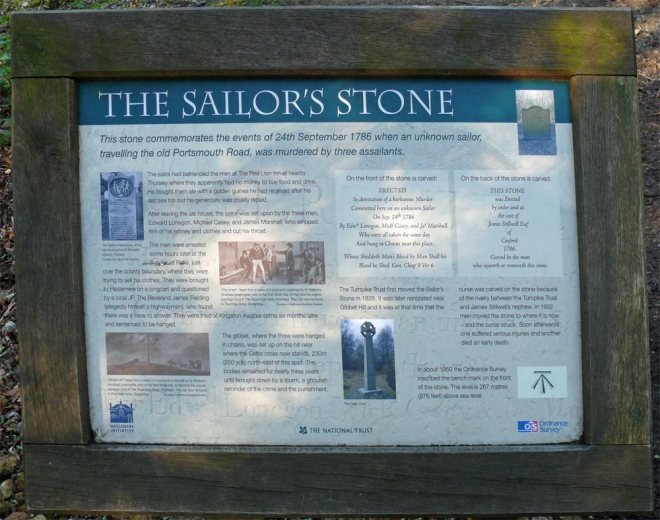
The Sailor’s Stone

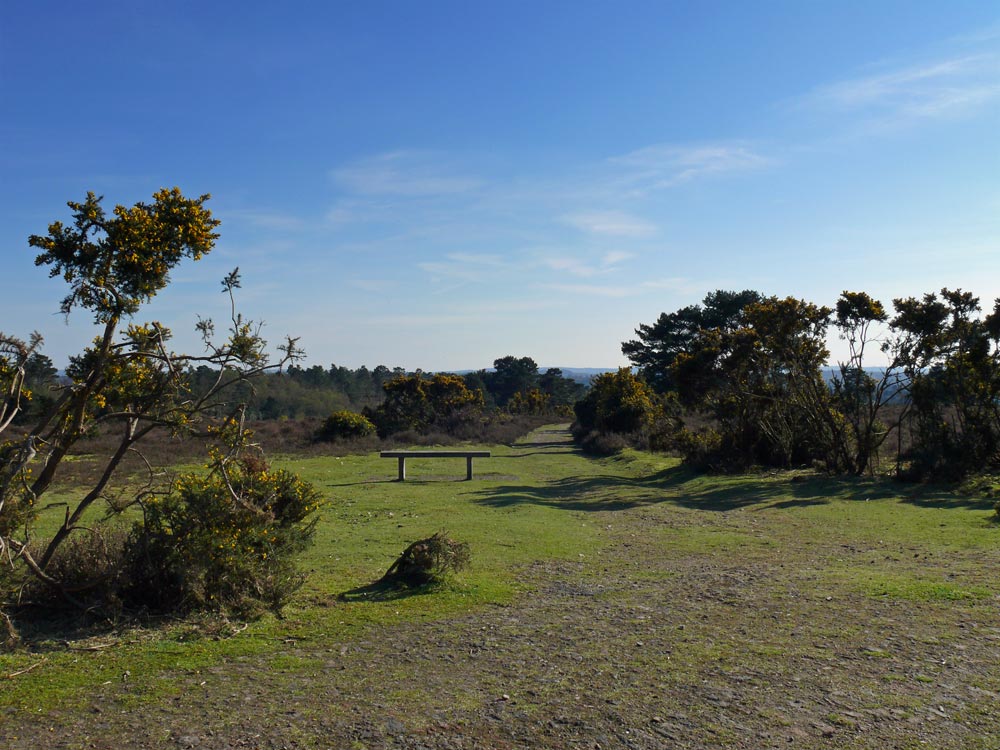
A comment by Becky of It Caught My Eye in Portugal and The Life of B on my post about the Eassie headstones mentioned an unusual stone hidden on the Hindhead Commons. I say hidden, because when I used to explore this area before the Hindhead tunnel was completed in 2011 (yes just as we were about to move to Shropshire) it was not easy to find. Nowadays I believe there is a track / walk signposted from the car park at the Devil’s Punchbowl. The stone itself is quite unremarkable, but the story behind it is not.

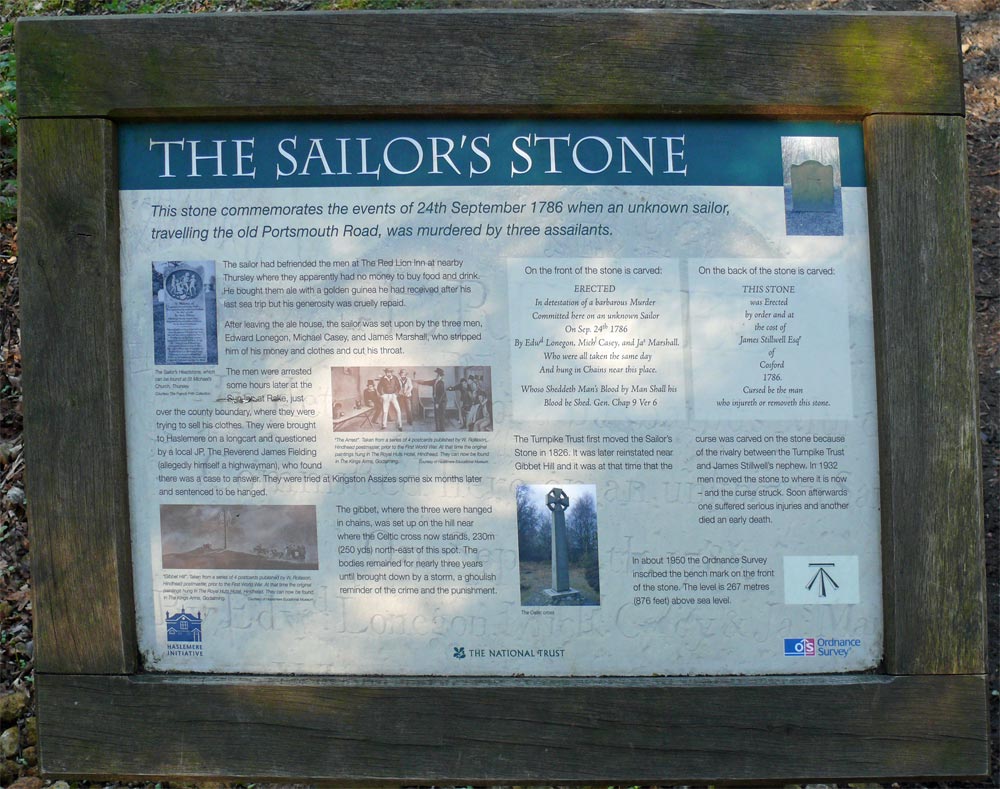
This stone commemorates the events of 24 September 1786 when an unknown sailor travelling on the old Portsmouth Road was murdered by three men.
The sailor had befriended the men  in the Red Lion Inn at nearby Thursley when they appeared to have no money to buy food or drink. He paid for ale with a golden guinea which he had received after his last sea trip.
After leaving the inn the three men set about him and robbed him of his money, slitting his throat and leaving him to die. The men, Edward Lonegon, Michael Casey and James Marshall were arrested at the Sun Inn, Rake in neighbouring Hampshire several hours later as they were trying to sell his clothes. They were brought to Haslemere on a longcart to be questioned by the JP, the Rev James Fielding (allegedly a Highwayman himself) and later tried at Kingston Assizes 6 months later and sentenced to death.
The sailor was buried in Thursley churchyard with a much more impressive headstone.

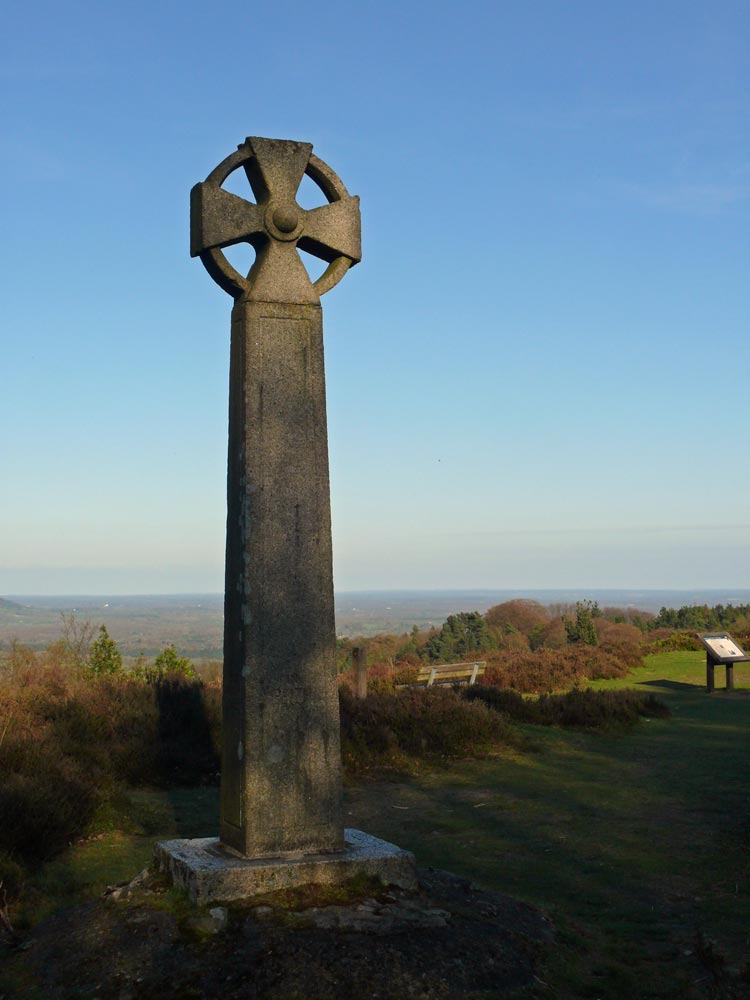
The gibbet where the three men were hanged in chains was set up on the hill where the Celtic cross now stands. The bodies remained there for three years until brought down by a storm. A hideous reminder of the crime and the punishment.
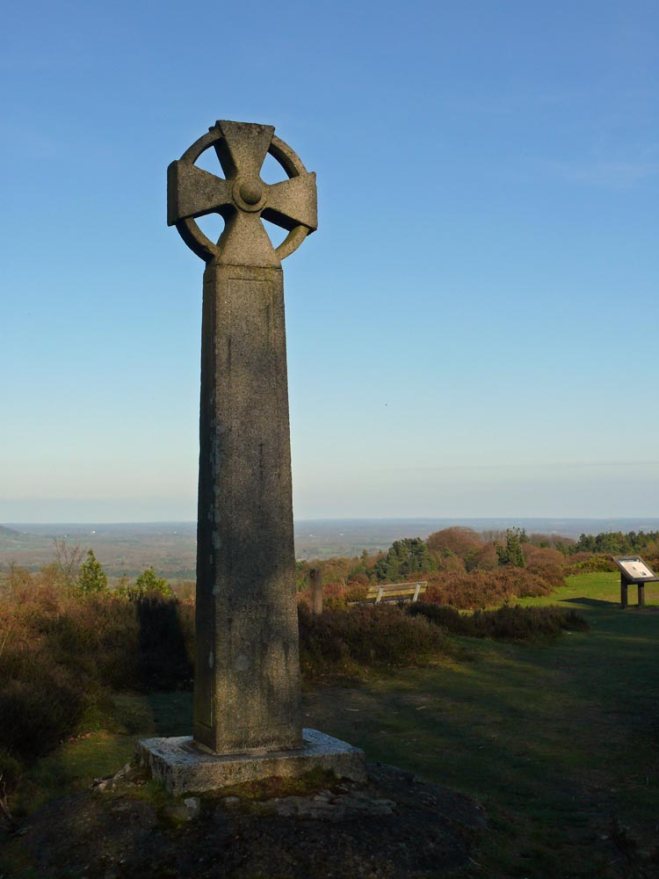
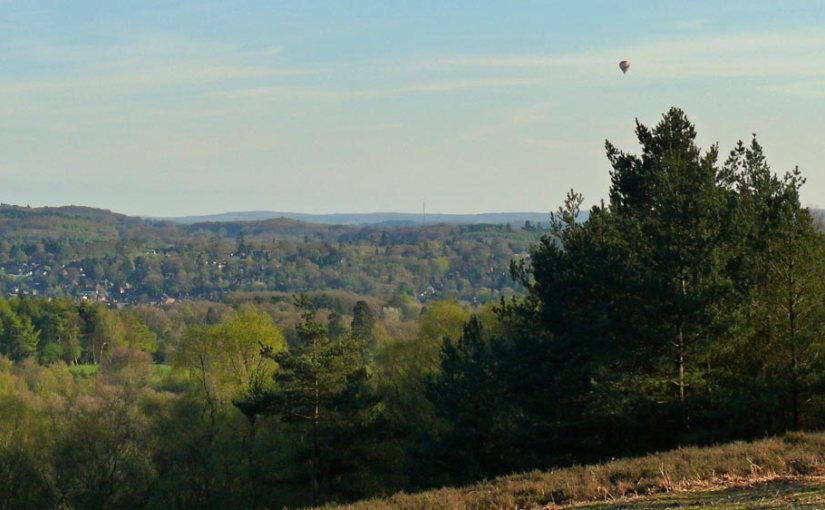
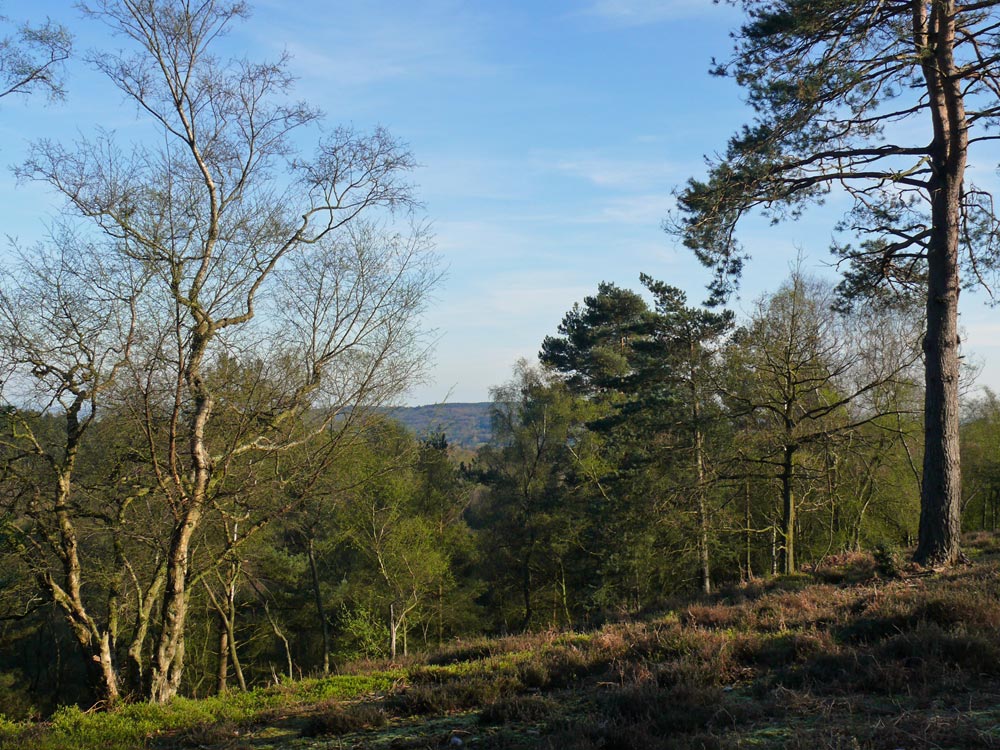
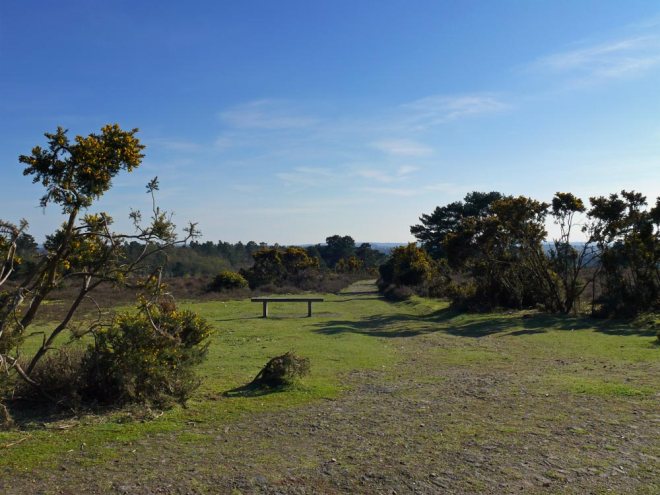
Gibbet Hill is the second highest point in Surrey and provides extensive views over the countryside.

(The Sailor’s Stone is found on Hindhead Common, just off the old A3 road near the Devil’s Punchbowl Surrey and information has been taken from the plaque next to the stone)

Thursday’s Special: PICK A WORD IN DECEMBER

Paula’s last pick a word this year and my choice is Sagacious (and yes I did have to look it up)

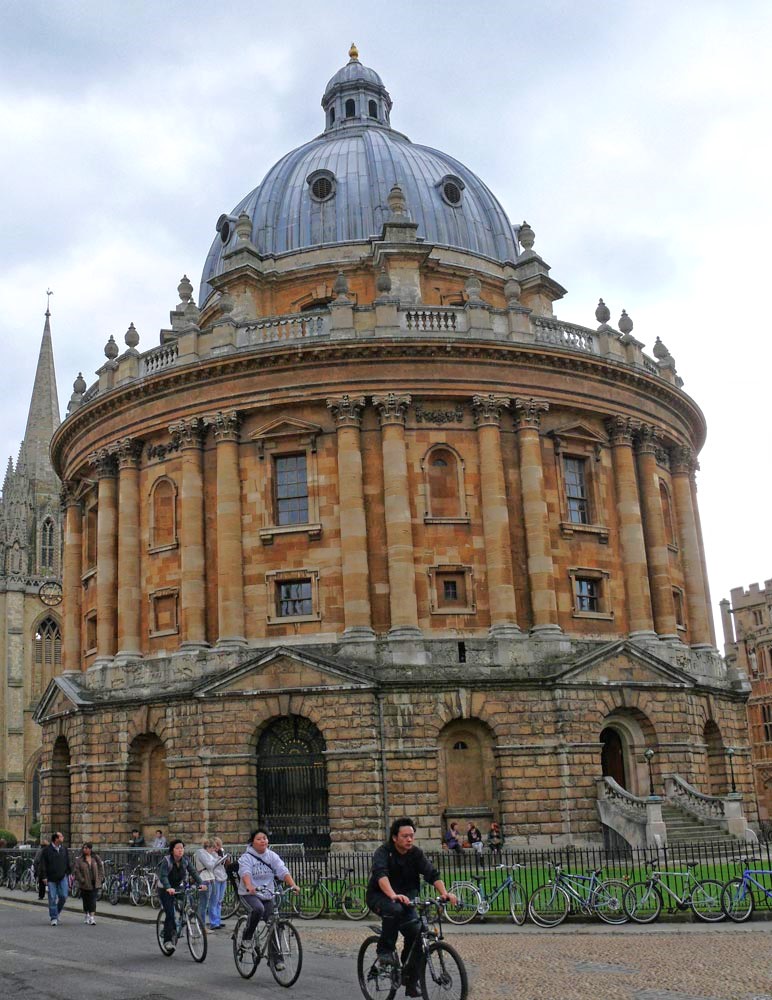
The Bodleian Library is one of the worlds oldest libraries at the heart of Oxford’s historic University. The Library opened in 1602 and has since been used as a working library belonging to the University of Oxford. Discover the Divinity School, a masterpiece of English Gothic architecture and the oldest teaching and examination hall in the University.

Source: Experience Oxford

Thursday’s Special | Sagacious 

Eassie Old Church: Gravestones

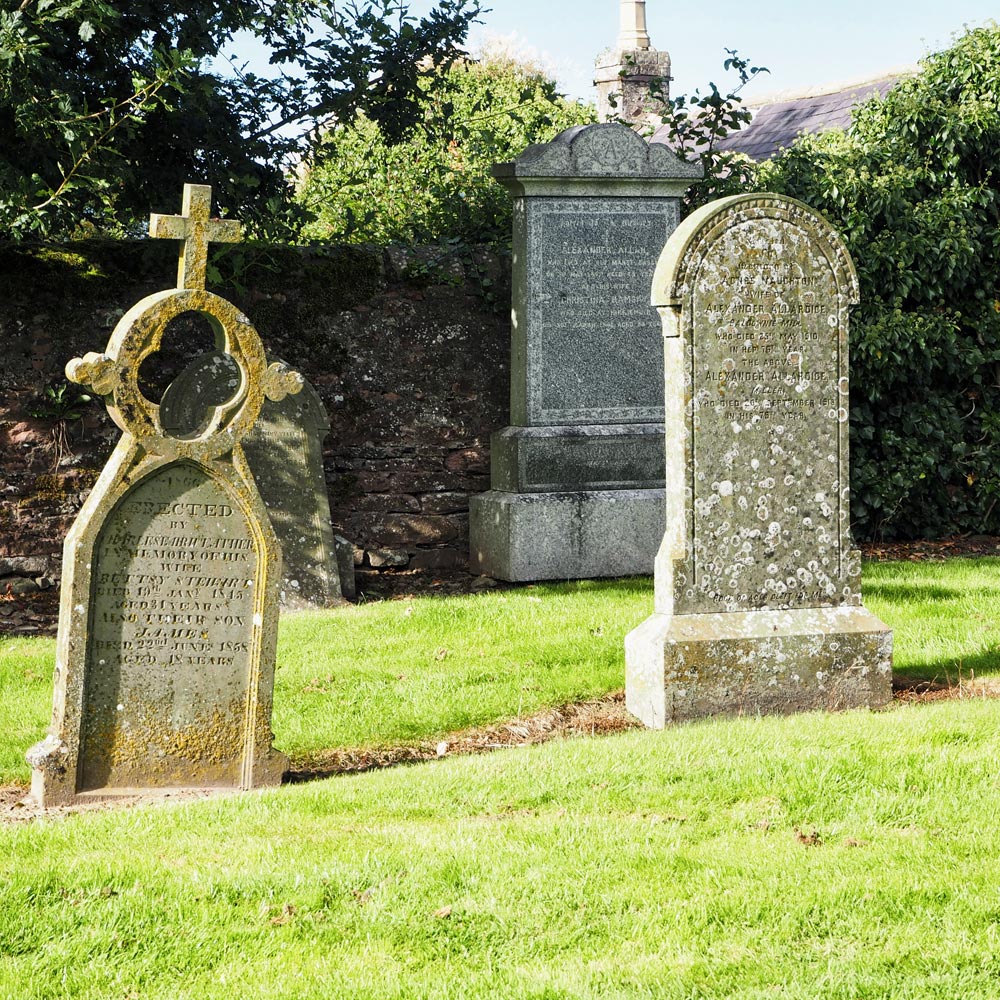
Whilst looking at the Pictish Stone in this churchyard I had to take a look at the unusual headstones, including a series of tablestones.

I am always curious to see what symbols have been used on the headstones. Here the hourglass is used which symbolises a short life or swiftness of time. The cross and skulls as well as angel wings are common. But my favourite was the pressing iron and shears that indicate the grave was that of a tailor.

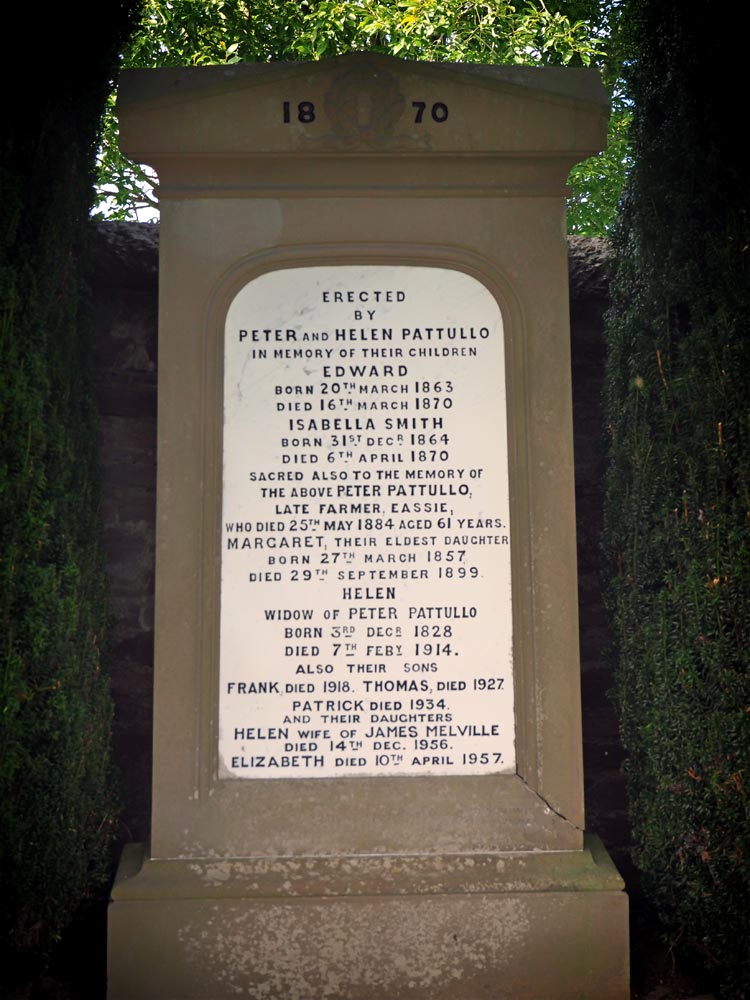
Sometimes the dates indicate some illness struck a family; above the two children died within a month of each other. The son only 4 days short of his 7th birthday and his sister not even 5½ years old. What illness struck them down? Measles? Smallpox? Influenza?

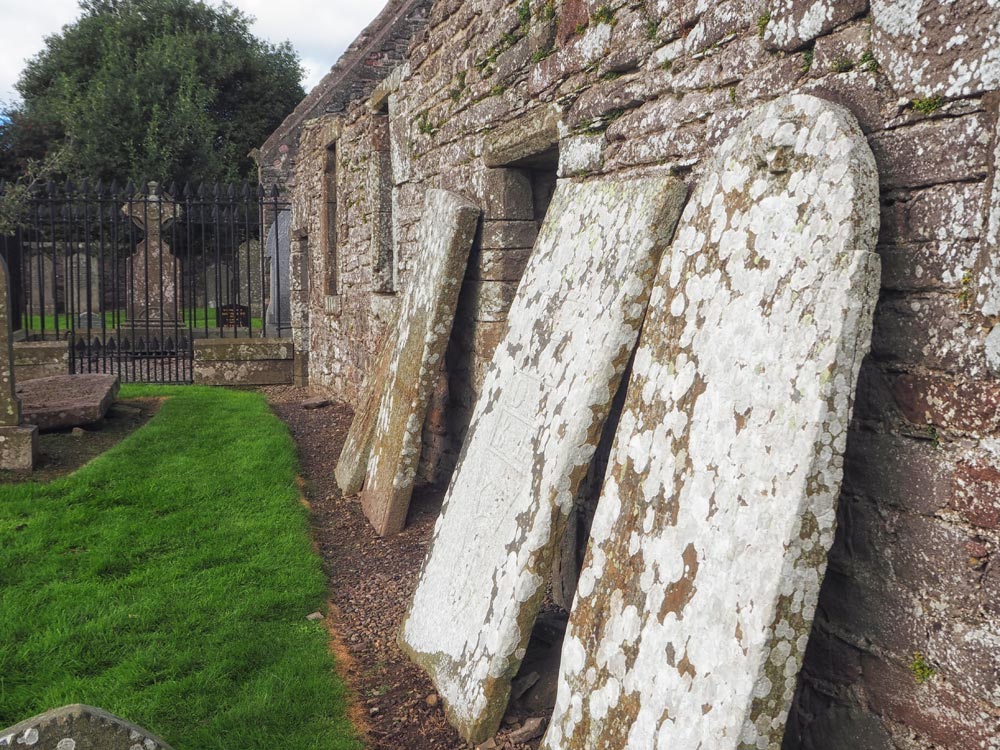
The grounds of this cemetery appear to be well looked after, the grass is short and the area around the stones is cleared, but it is sad to see some of the old headstones broken and discarded, some in piles, others propped up against the walls of the ruined church. Lichens and moss make some of them illegible.

A war grave stands proud in the cemetery. Though it too raises questions. How did the young soldier die? And what is 3/5th Black Watch? ¹

When we take such great care to protect one ancient stone (the Pictish Stone) we also need to protect stones that in the future would also relate our history.

Thursday’s Special | Traces of the Past

¹ 3/4th, 3/5th, 3/6th and 3/7th Battalions
Formed at home bases in March and April 1915. All moved to Bridge of Earn and later in 1915 to Ripon.
8 April 1916 : renamed 4th to 7th Reserve Bns; on 1 September 1916 4th absorbed all others.
Moved to Edinburgh in May 1918.