A brief look at Colchester

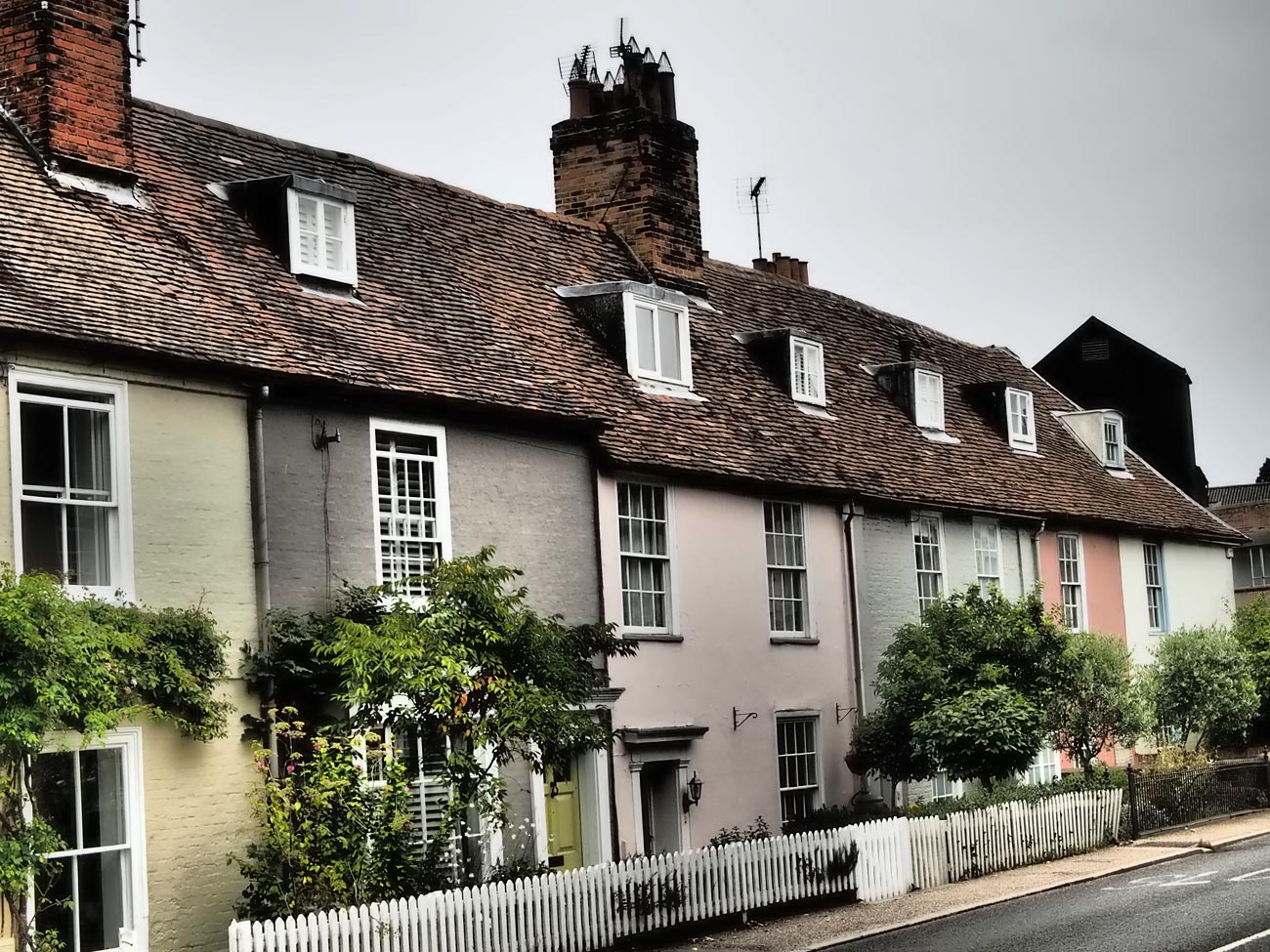
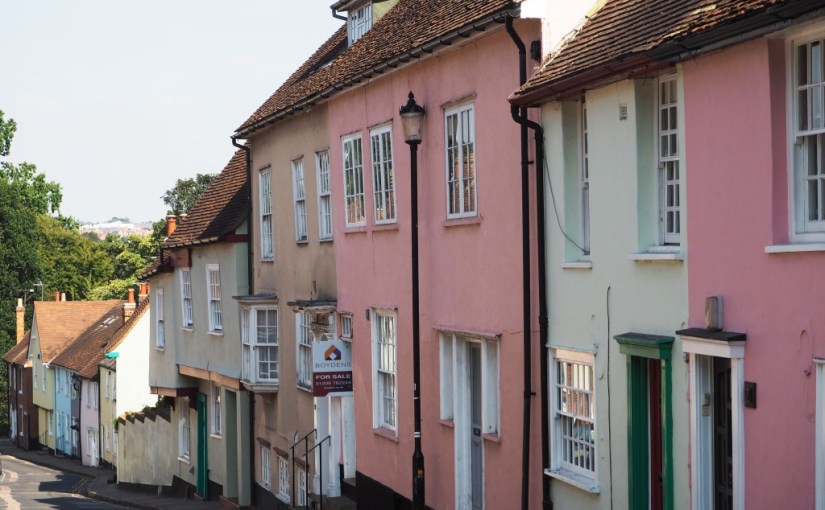
We were in Colchester at the beginning of September for a wedding so didn’t really do much in the way of exploring. Given my love for architectural styles I did have a brief wander around the Cultural area where we were staying to see what I could find.  It is of course a very old Roman town (Camulodunum ) and once the capital of Roman Britain, but was attacked and destroyed during Boudica’s rebellion in AD 61.

At only 50 or so miles north of London it is growing fast as a commuter town.

We stayed at the recently opened Greyfriars Hotel on the eastern edge of the High Street.  It is not only a beautiful C18th neo-classical building, but was for a hundred years a much-loved icon of educational excellence and, even centuries before 1755 when the current house was built, its site had religious, social and educational significance. Occupants have included friars, nuns, householders, clergy, physicians, horticulturists, an industrialist and students (young and adult). Empty from 2007 when sold by Essex County Council who decided it was no longer fit for purpose for education the building has been transformed.

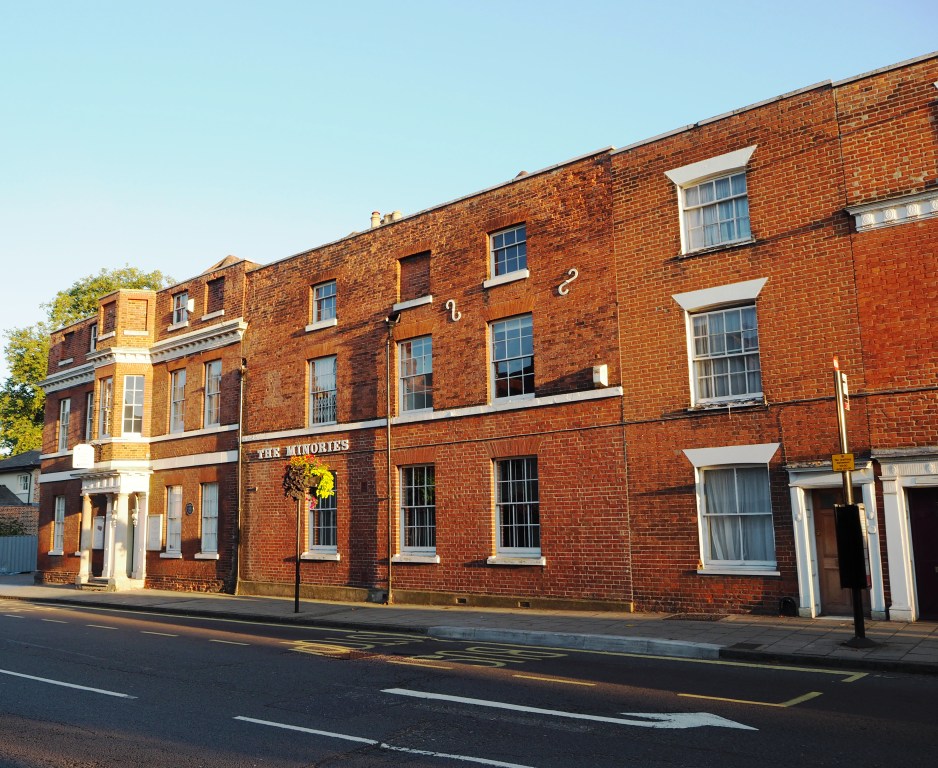
The wedding we were attending was held across the road in the Minories – another lovely Georgian building and now an art gallery and centre for post-graduate study in art. This house in a very similar style to Grey Friars was bought in 1731 by Isaac Boggis a merchant in the wool trade.
OLYMPUS DIGITAL CAMERA

Continuing along the High Street you reach Castle Park and another neo-classical designed Georgian house – Hollytrees – which was built in 1718 by Thomas Blagden for Elizabeth Cornelisen. It was completed by March 1719 but unfortunately Elizabeth passed away before she had the chance to live in it. It is now a museum (free entry) and forms the eastern part of Castle Park. Continue reading A brief look at Colchester
All Saints Church – Brightlingsea

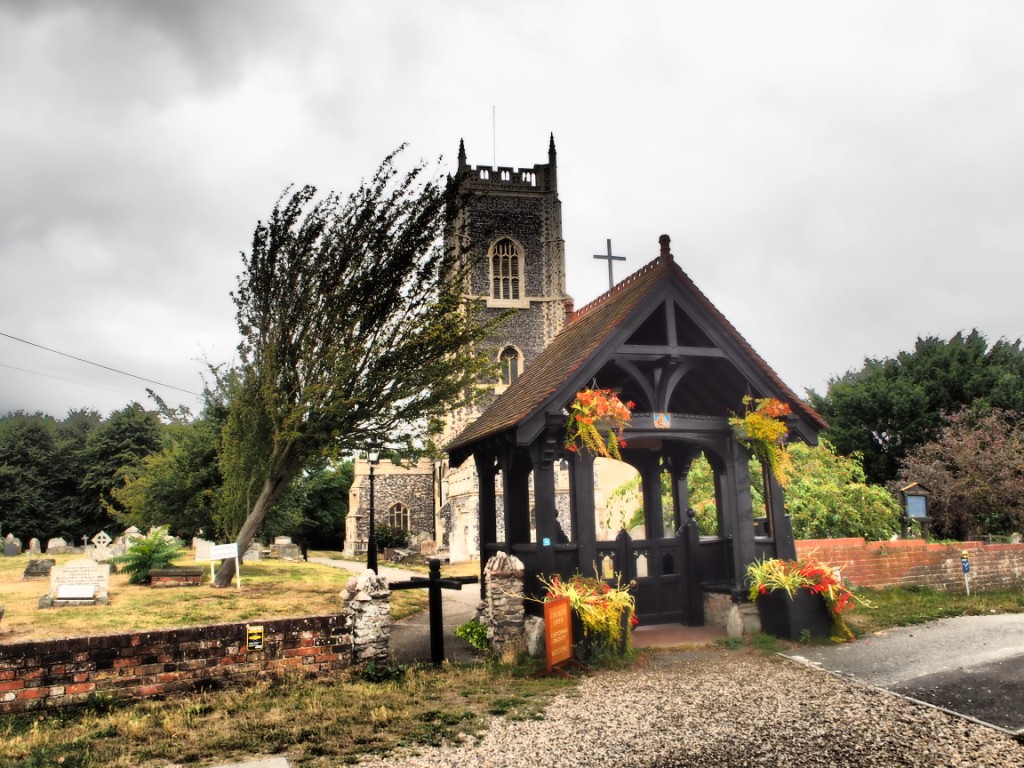
After visiting the Beth Chatto gardens it was still too early to return to Mistley Thorn so we drove down to Brightlingsea, for no other reason than to see something of the Essex coast. However, if you look closely there is often something of interest to find. Brightlingsea has the distinction of being the only Cinque Port not within Kent or Sussex. It was not taken into the Confederation of the Cinque Ports until after 1353. As a thriving ship-owning port, in becoming a Limb of Sandwich it could contribute to that town’s ship-service quota.

The town has a history of shipbuilding and seafaring. In 1347 five ships and 51 men were sent to the siege of Calais. And ‘William of Brightlingsea’ was in Sir Francis Drake’s fleet which defeated the Spanish Armada in 1588.

OLYMPUS DIGITAL CAMERA

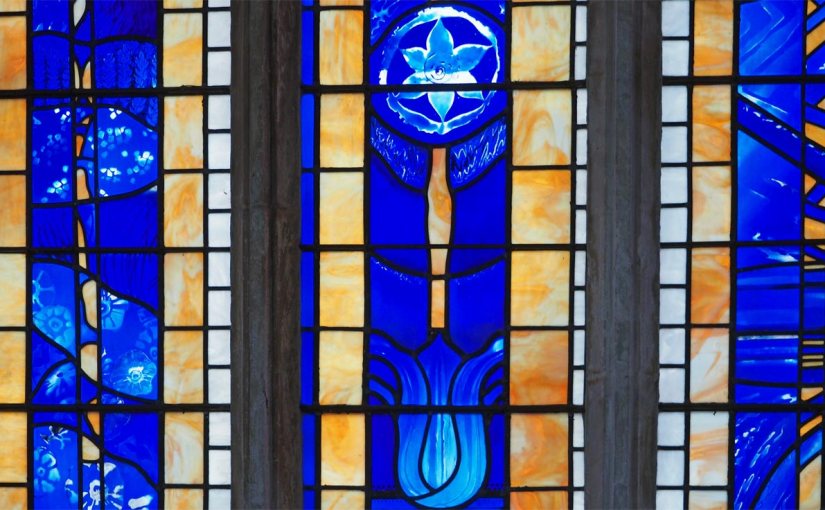
On our way in to the town we noticed a rather lovely church so decided to have a look inside on the way back. Continue reading All Saints Church – Brightlingsea

The Witch Finder General and Malthouses

Our first stop on the recent trip up the east coast of Britain was in a little place called Mistley which is situated on the River Stour in Essex. You may have heard of Manningtree which is a little further up the river as it is the smallest town in England. Mistley’s use as a port can be traced back to the Roman occupation with archaeological evidence indicating that a Roman road connected its riverside to the important garrison town of Colchester (Camulodunum).

p9050059

Both Manningtree and Mistley are attractive towns with Georgian and Victorian architecture. Manningtree was a centre for cloth in Tudor times with barges transporting it to London and it is believed that the reference to Falstaff in Shakespeare’s Henry IV as “that roasted Manningtree Ox” relates to the practice of roasting a whole ox at the town’s medieval annual fair.

p9050071

Mistley is also the village where Matthew Hopkins lived – the notorious Witch Finder General, who struck terror into the local community during the 17th Century.  Continue reading The Witch Finder General and Malthouses

Monthly Photo Challenge: September

One thousand, nine hundred and seventy-five miles and I am finally back home in Cornwall. Not spent enough of this month at home to do a challenge post on the Cornish blog, so here is a summary of my September elsewhere in the UK.

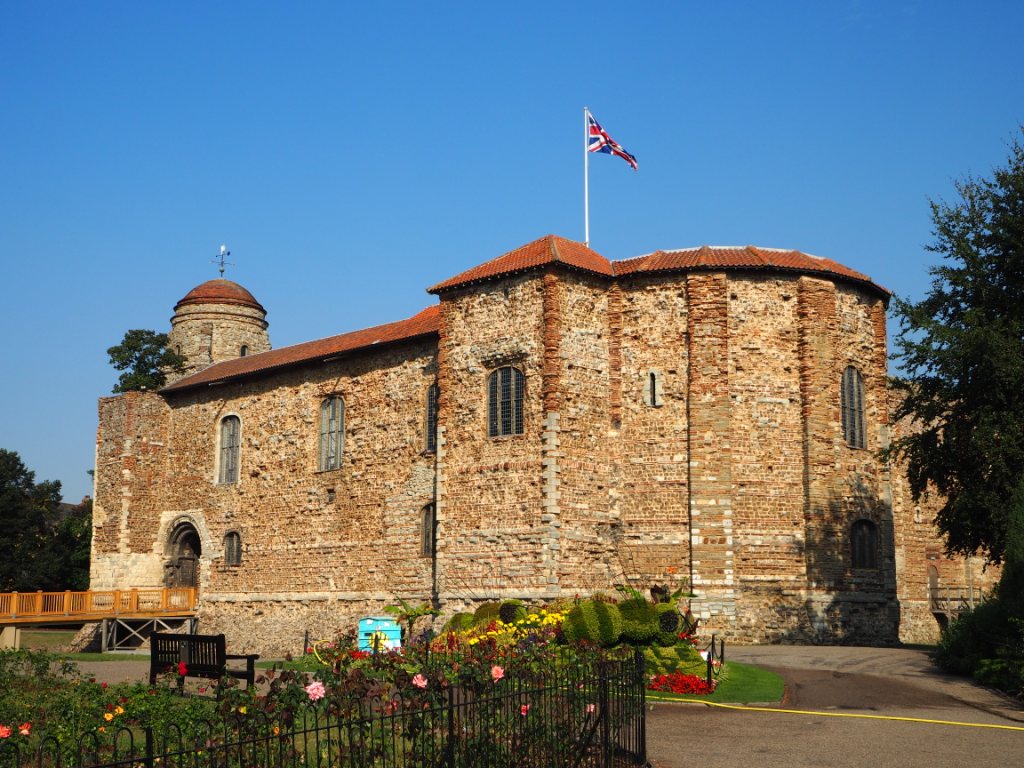
Colchester Castle
Colchester Castle

Starting with a wedding in Colchester, Essex and then winding slowly northwards along the eastern side of the country to Edinburgh, where I met up with the delightful restless one – fellow blogger Jo who has now retreated to her home in the Algarve for a rest. Finishing with a relaxing week in the “Country of the Big Trees” – Perthshire and a brief stopover in Shrewsbury to visit the mother-in-law.

The wedding went off fine, a lovely bright and sunny day after a couple of humid and grey ones so the ceremony and the buffet were held outdoors. A beautiful cake made up of dozens of flower-iced cupcakes, unfortunately I prefer my cake to have more cake than icing and this wasn’t the case. Looked incredible though. And neither the bride nor her father managed to trip over on the uneven flooring!

This slideshow requires JavaScript.

Weather-wise it was a pretty good month. Began with hot and humid in Essex, a wet day in Norwich, sunshine and clear skies in Lincolnshire, back to hot and humid in Durham followed by a couple of days in the murky fog and damp, before becoming sunny and bright once more in Scotland. Rained pretty much all the way home, but you can’t have it all!

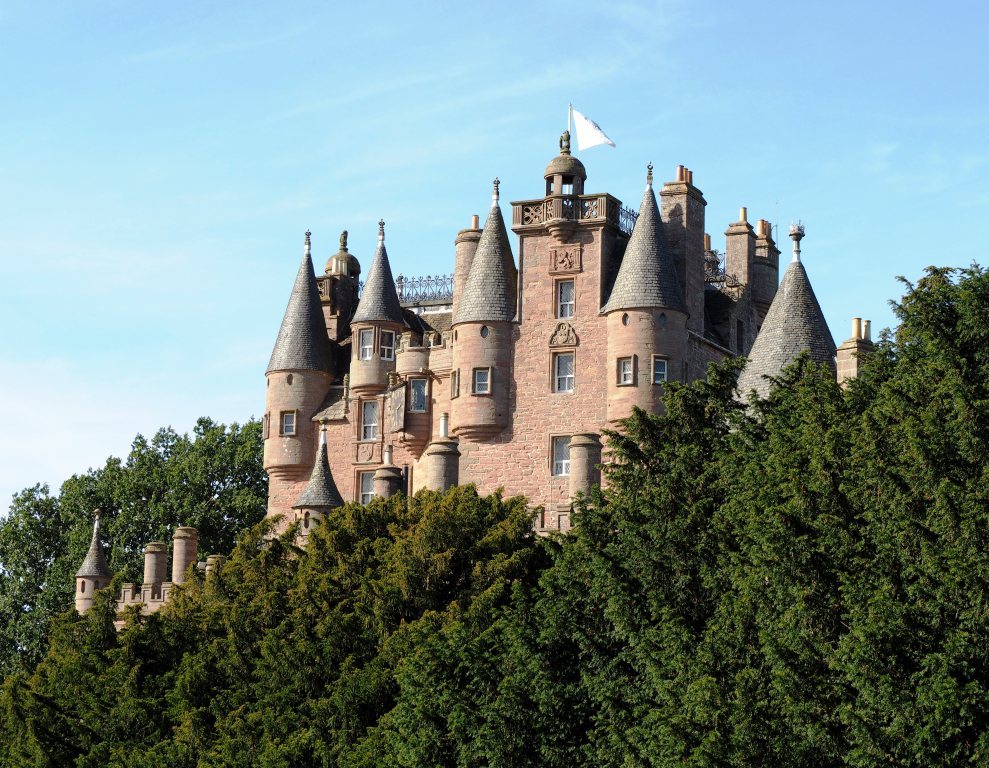
Glamis Castle, Scotland

I will write about each of the places we visited in turn, once I have sorted through the hundreds of photos and caught up with stuff back home – not least the garden which appears to have gone wild during my absence.

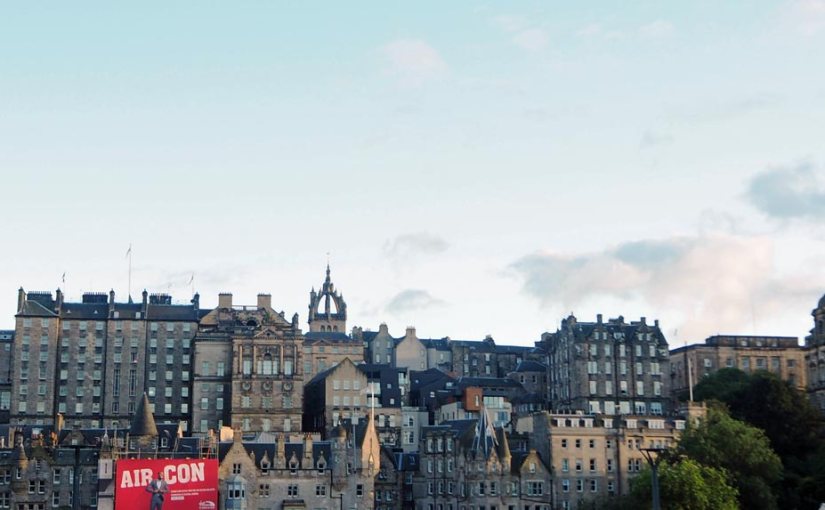
[the header image is of the skyline in Edinburgh – for some reason the skyline caught my eye there more than anything else – all those spires and chimneys]

The Cardinal is continuing his photo project throughout 2016 – a blogging event, a monthly photo challenge. Read his blog for the new rules this year (he is running two versions) and to view his interpretation and those of other participants.

Lost at Sea

Paula’s black and white Sunday this week is ‘Traces of the Past’.

OLYMPUS DIGITAL CAMERA

This bronze by Jill Watson was commissioned by the people of Berwickshire to commemorate the women and children left by the East Coast Fishing Disaster of 1881.

The small bronze figures are the wives and children of Charles Purves, James and William Thorburn, three men lost at sea in 1881 from the fishing village of St Abbs. In total 189 men from the east coast of Scotland perished on that fateful day.