Monthly Photo Challenge: September

One thousand, nine hundred and seventy-five miles and I am finally back home in Cornwall. Not spent enough of this month at home to do a challenge post on the Cornish blog, so here is a summary of my September elsewhere in the UK.
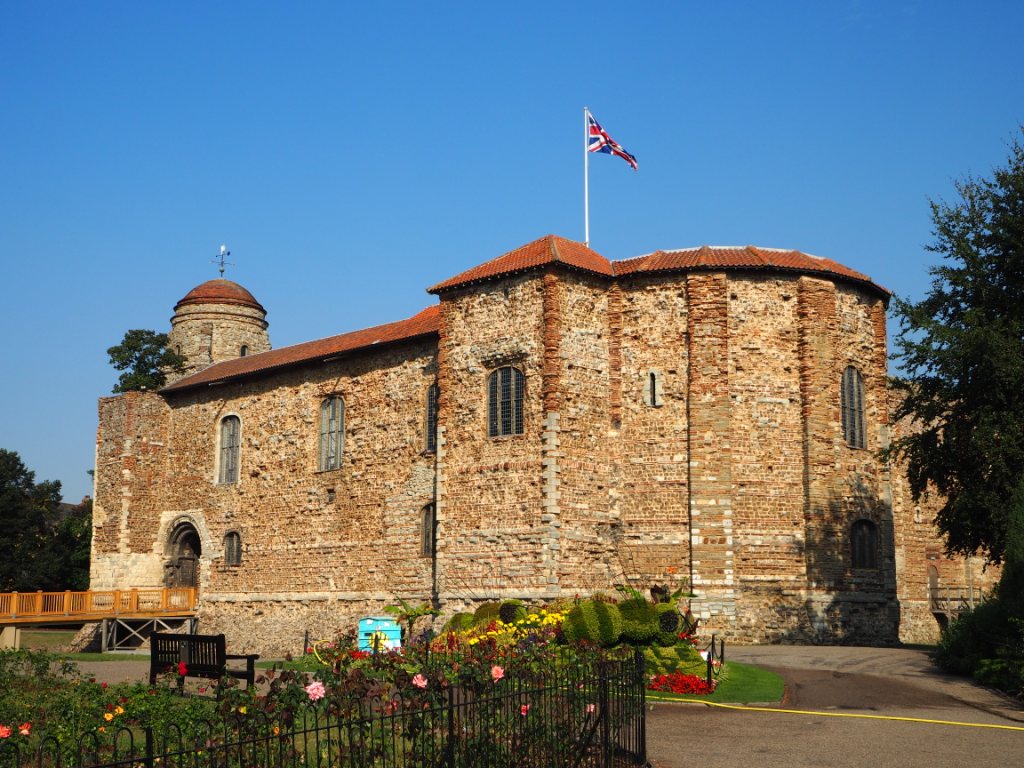
Colchester Castle
Colchester Castle

Starting with a wedding in Colchester, Essex and then winding slowly northwards along the eastern side of the country to Edinburgh, where I met up with the delightful restless one – fellow blogger Jo who has now retreated to her home in the Algarve for a rest. Finishing with a relaxing week in the “Country of the Big Trees” – Perthshire and a brief stopover in Shrewsbury to visit the mother-in-law.

The wedding went off fine, a lovely bright and sunny day after a couple of humid and grey ones so the ceremony and the buffet were held outdoors. A beautiful cake made up of dozens of flower-iced cupcakes, unfortunately I prefer my cake to have more cake than icing and this wasn’t the case. Looked incredible though. And neither the bride nor her father managed to trip over on the uneven flooring!

This slideshow requires JavaScript.

Weather-wise it was a pretty good month. Began with hot and humid in Essex, a wet day in Norwich, sunshine and clear skies in Lincolnshire, back to hot and humid in Durham followed by a couple of days in the murky fog and damp, before becoming sunny and bright once more in Scotland. Rained pretty much all the way home, but you can’t have it all!
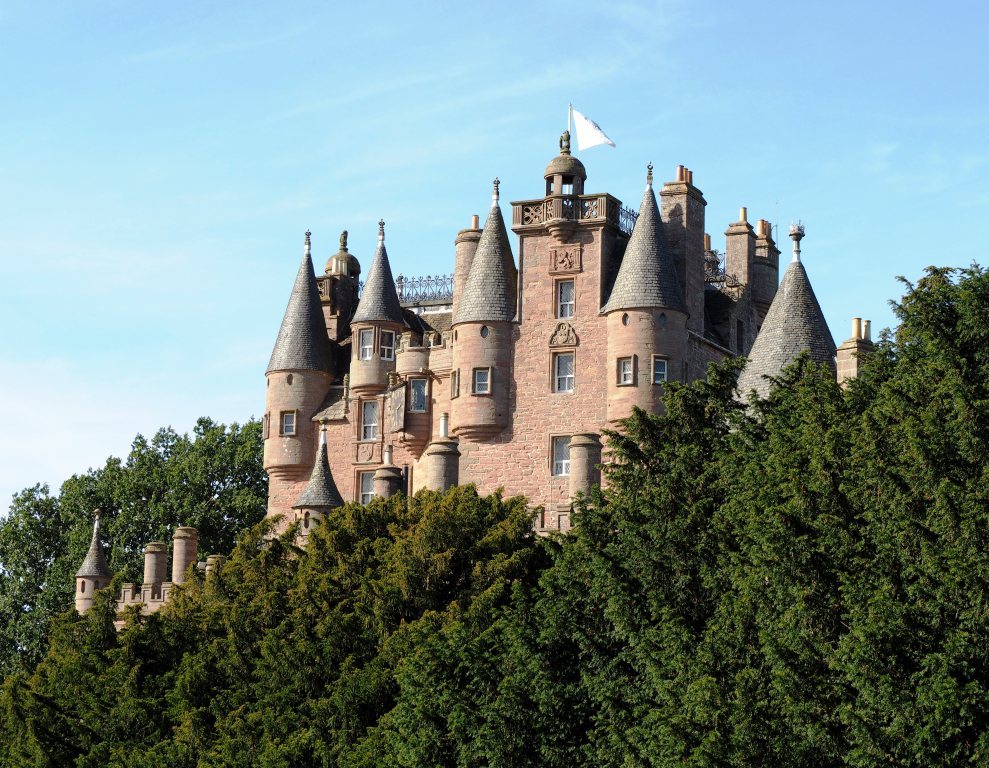
Glamis Castle, Scotland

I will write about each of the places we visited in turn, once I have sorted through the hundreds of photos and caught up with stuff back home – not least the garden which appears to have gone wild during my absence.

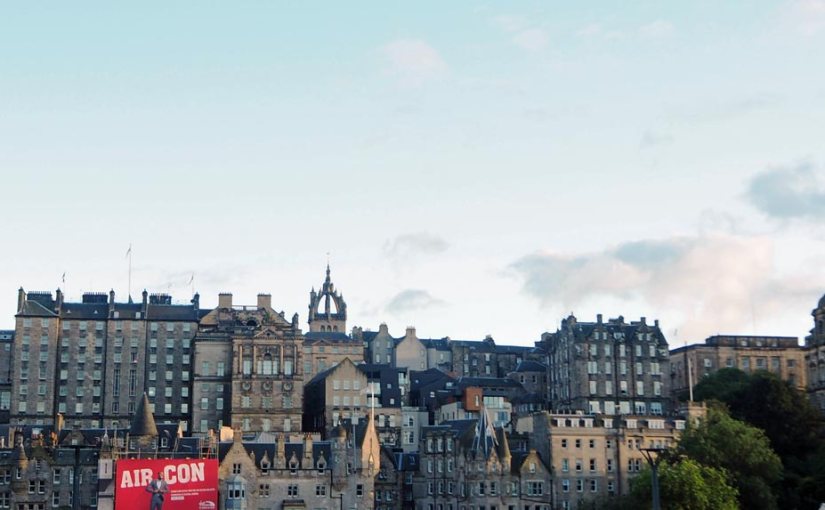
[the header image is of the skyline in Edinburgh – for some reason the skyline caught my eye there more than anything else – all those spires and chimneys]

The Cardinal is continuing his photo project throughout 2016 – a blogging event, a monthly photo challenge. Read his blog for the new rules this year (he is running two versions) and to view his interpretation and those of other participants.
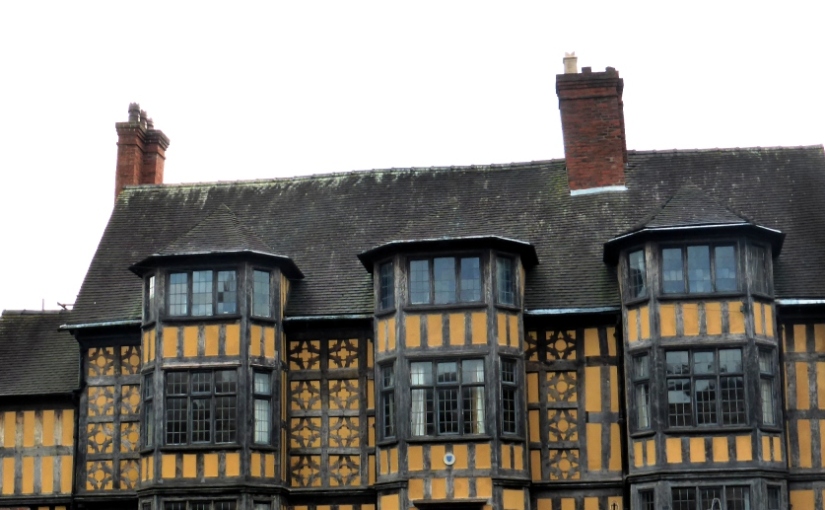
Scrobbesbyrig/Shrewsbury: Town Trail Part 1

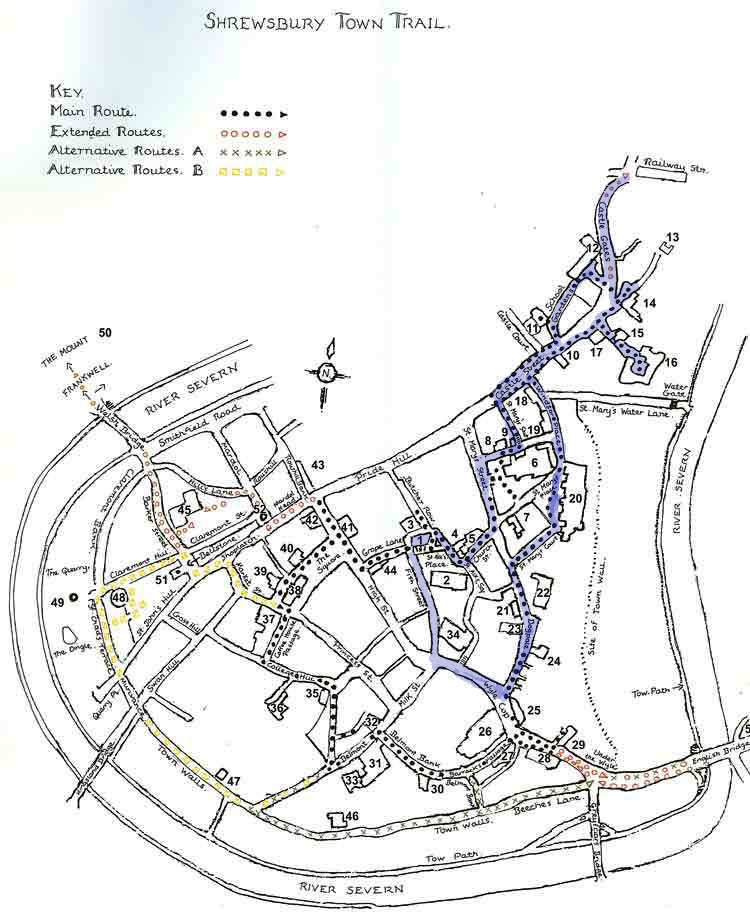
Today we are going to follow the blue path around town, starting from the Bear Steps (1) heading to the railway station. (The churches, station and library appear in ‘Looking at stone buildings)

towntrailmap (Trail 1)

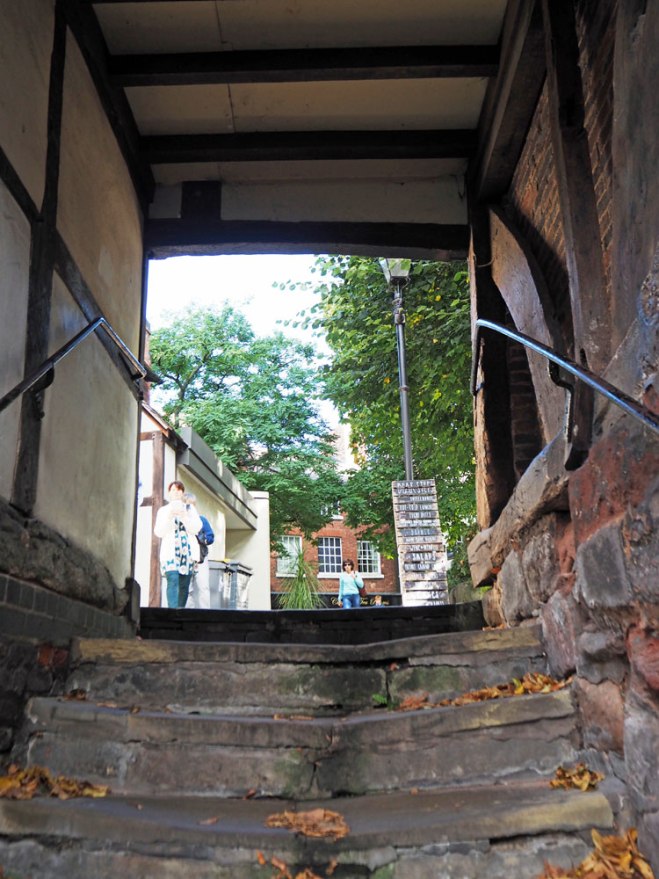
The Bear Steps (1) is in the centre of town and named after a pub that was opposite the steps.

This place has a family connection as the OH’s eldest uncle was born in one of the small cottages back in 1913. The Bear Steps hall is one of only a few remaining medieval stone and timber-framed halls that dominated the town’s architecture. It now houses the offices of the Shrewsbury Civic Society (who produce a Shrewsbury Town Trail booklet and from which much of this information has been gathered) an Art Gallery and Coffee Shop. Continue reading Scrobbesbyrig/Shrewsbury: Town Trail Part 1
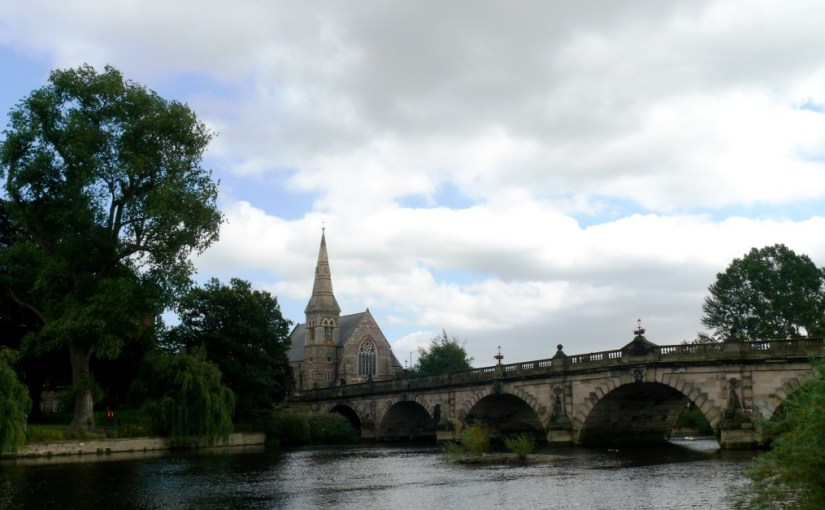
Scrobbesbyrig/Shrewsbury: A look at stone buildings

Although I lived in Shewsbury for two years at the beginning of the millennium, and relocated to south Shropshire from Surrey in 2011 I have not written much about the county town. I do have rather a large number of photos though taken over several years from various visits and since it has quite an interesting history, including buildings of various designs and styles built over a thousand years, I thought it time to set this right.

The first written evidence that refers to Shrewsbury dates back to 901. It refers to Shrewsbury as ‘Scrobbesbyrig’ which indicates that it was then a fortified settlement with ‘Scrobbes’ most likely referring to a scrub covered hill, and ‘bryig’ suggesting the presence of fortifications. Shrewsbury is a stunning historic town with over 660 listed buildings and some very strange street names – Dogpole and Mardol, Gullet Passage and Grope Lane. And there is still disagreement as to whether the modern-day name is pronounced Shrewsbury, or Shrowsbury.

Shropshire is England’s largest inland county with Shrewsbury as the county town. Curled up within a horseshoe bend of the River Severn (Great Britain’s longest river), it narrowly escapes being an island.

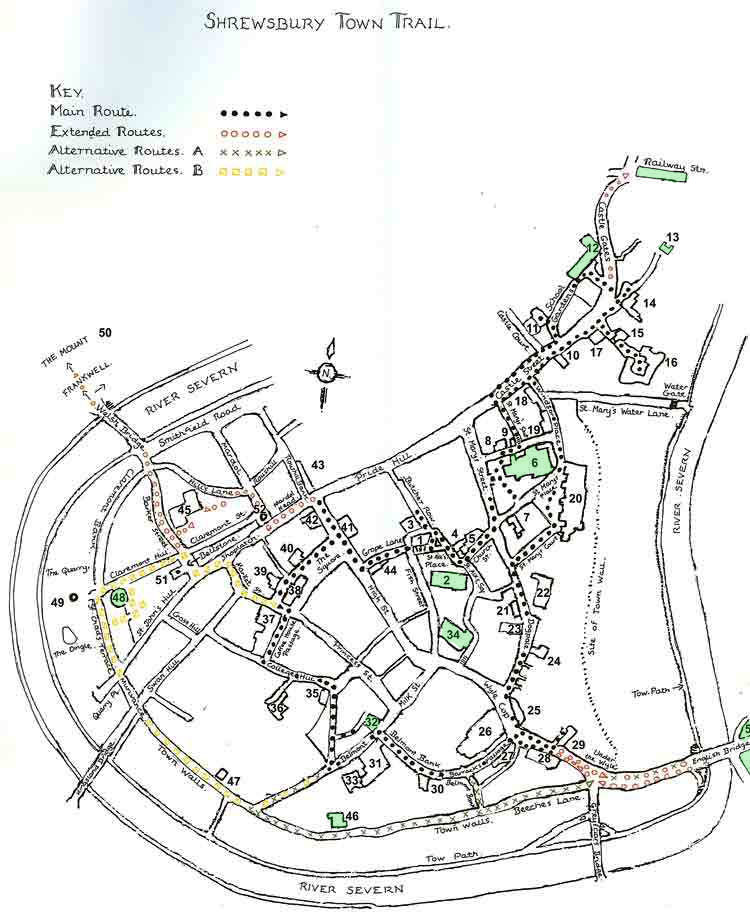
towntrailmap (stone)

A thriving Saxon town it had a mint by the early 900s and following the Norman Conquest, a castle and a monastery. By the 1380s Shrewsbury was the third largest centre after London and York. The town’s heart still remains within the embrace of the river, protected and rich in ancient streets and historic buildings. Continue reading Scrobbesbyrig/Shrewsbury: A look at stone buildings

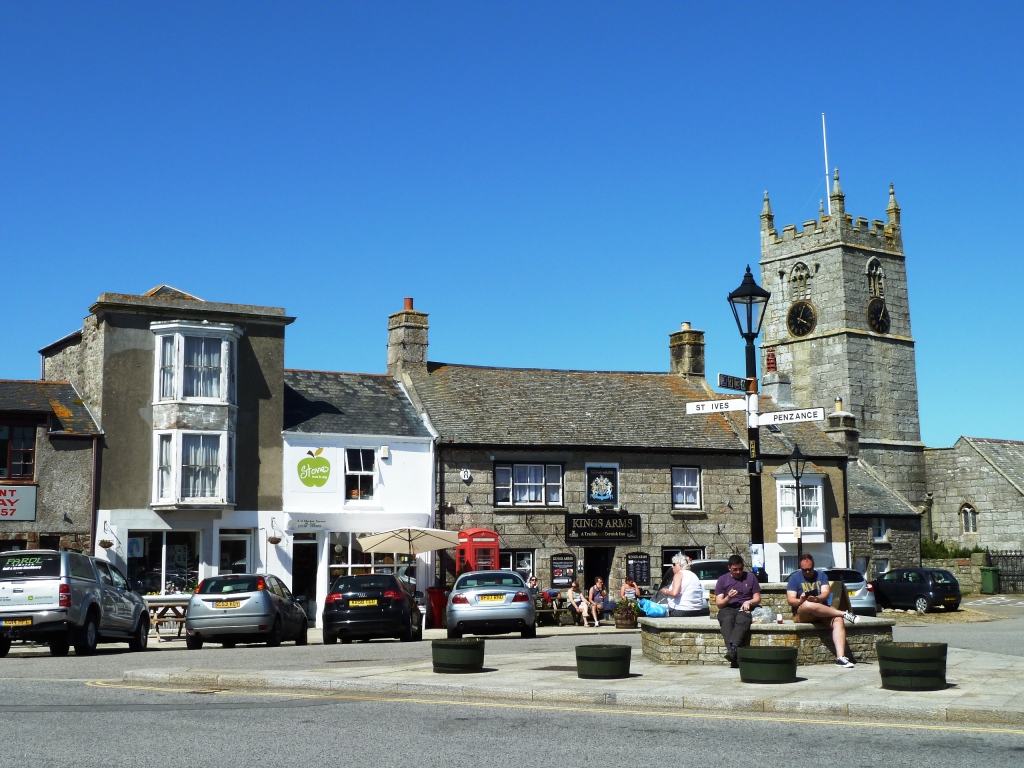
St Just in Penwith

St Just in Penwith, shaped by its industrial mining past, is the most westerly town in England and began as a medieval settlement called Lafrowda. It is surrounded by dramatic landscapes of wild moorland, wind-shaped carns and Bronze Age remains. The town made its fortune from tin and the marks left by the boom of the mid-1800s still dominate. There are two squares – Bank (with its 1931 clock tower) which was the business centre (and where the miners would have collected their wages) and Market where the shops and pubs are located (and where the miners would have spent their wages).

Market Square
Bank Square

The grass amphitheatre behind the clock tower is Plen-an-Gwary (Old Cornish for ‘playing place’) where Miracle plays would have been performed 500 years ago. In more recent times it has been used to stage the full cycle again in 2004 and also to hold the Gorsedd, an important Cornish festival. Continue reading St Just in Penwith

Just Back From… West Penwith

P1200996 - CopyWe transferred to Bojewyan, slightly north of Pendeen on Friday 5 June from Penzance. Initially we’d only booked for a one week holiday/house-hunting trip, but at the last minute I managed to find an extension. I was looking forward to exploring the coastline in this wild region of West Penwith. It has a very different character to the rest of Cornwall; it feels almost like an island. Remote villages and hamlets are strung along one of the most beautiful roads in the land  between St Just and St Ives. Travelling by road is slow, tractors, trucks, German campervans, French motorhomes, sharp bends, drystone granite walls, abandoned tin mines, carns, views across the patchwork arable fields, bleak moorland, gravel lay-bys barely big enough to fit two cars in to, a maze of hidden lanes and paths and tiny trout streams trickling down to the aquamarine coloured coast. Continue reading Just Back From… West Penwith