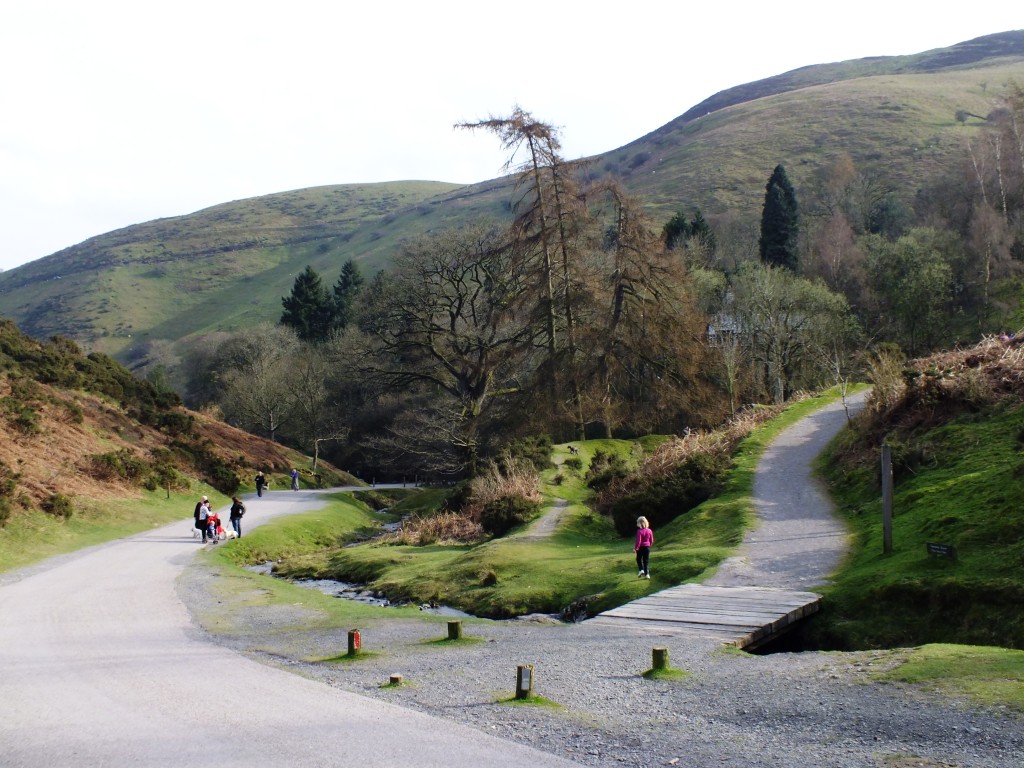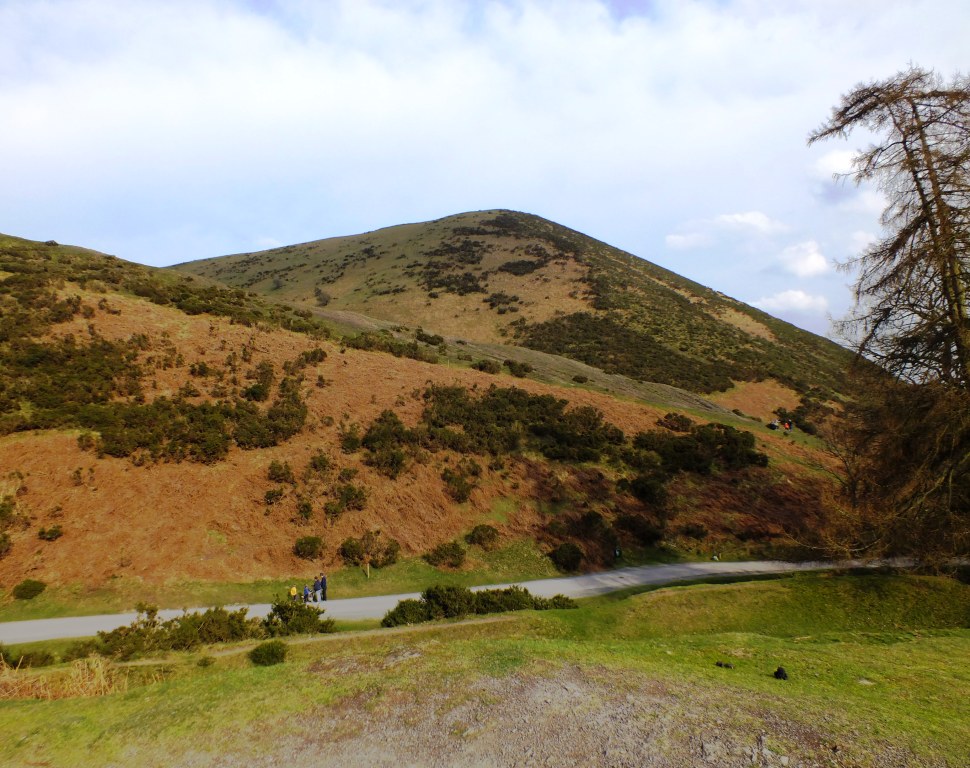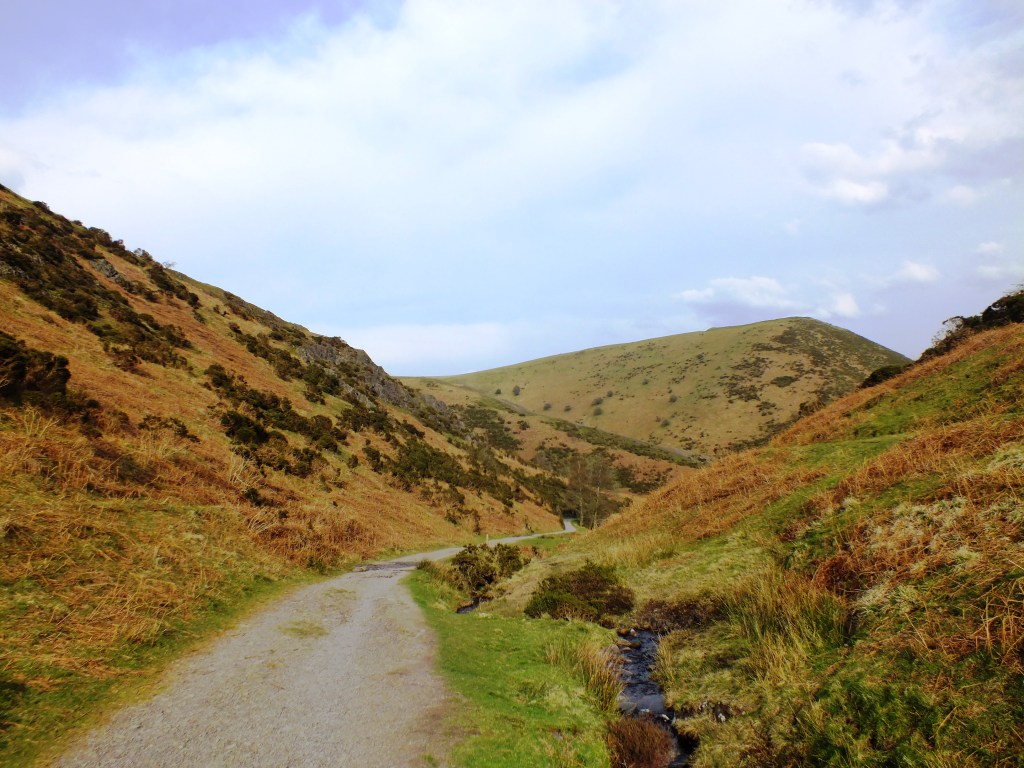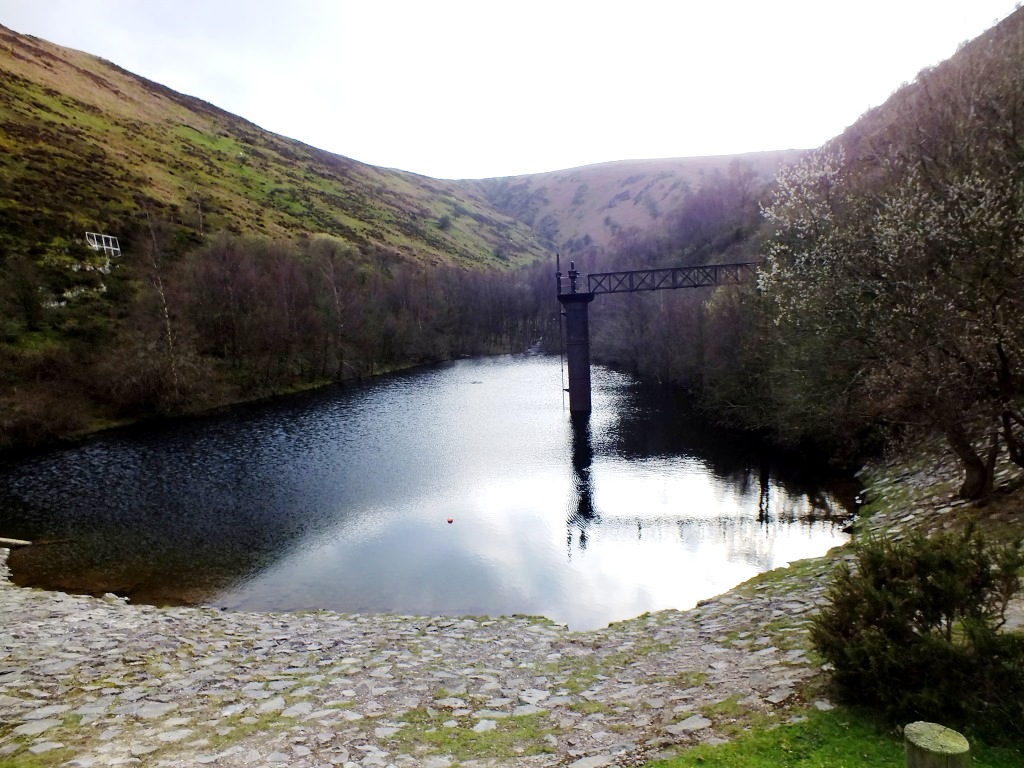
“May comes sweet and complete in every detail.
Along every lane and hedgerow bank
spring a thousand small and seldom
considered things – Nature’s embroidery,
to finish off her festal robe to perfection…
Such hedgerows in May are everybody’s garden…”~ Flora Thompson in A Country Calendar
On Sunday when the sun was shining I thought I’d grab the camera and go for a walk along the Bread Walk, which is a walk alongside the River Teme, here in Ludlow. After the pavements of London it made a nice change to have the earth beneath my feet again, well not literally of course, though I do like bare-foot walking on grass or sand.
I have mentioned the Bread Walk before in my first ‘Guide to Ludlow‘ and basically it was an early form of the dole, where unemployed men were paid in bread and blankets to re-build the pathway, destroyed by flood, so they wouldn’t drink away all their wages in the inns on their way home.
We’ll start by walking through the Broadgate, the only surviving gate in the town (there were seven) and have a nosy at the container flowers grown outside the cottages in Lower Broadgate – they are kind of rivals in the Ludlow in Bloom competition held each year. I have to say they are looking good. But judging isn’t until June so these beauties will be long gone by then.


Now across the Ludford bridge, past the Charlton Arms, no stopping for a pint just yet, and round the corner, up the steps to Whitcliffe Common. The steps are very dry, which is unusual because I thought there had been rain whilst I was away. Anyway, dry is good as they can be slippery when wet with all the mud and leaves.
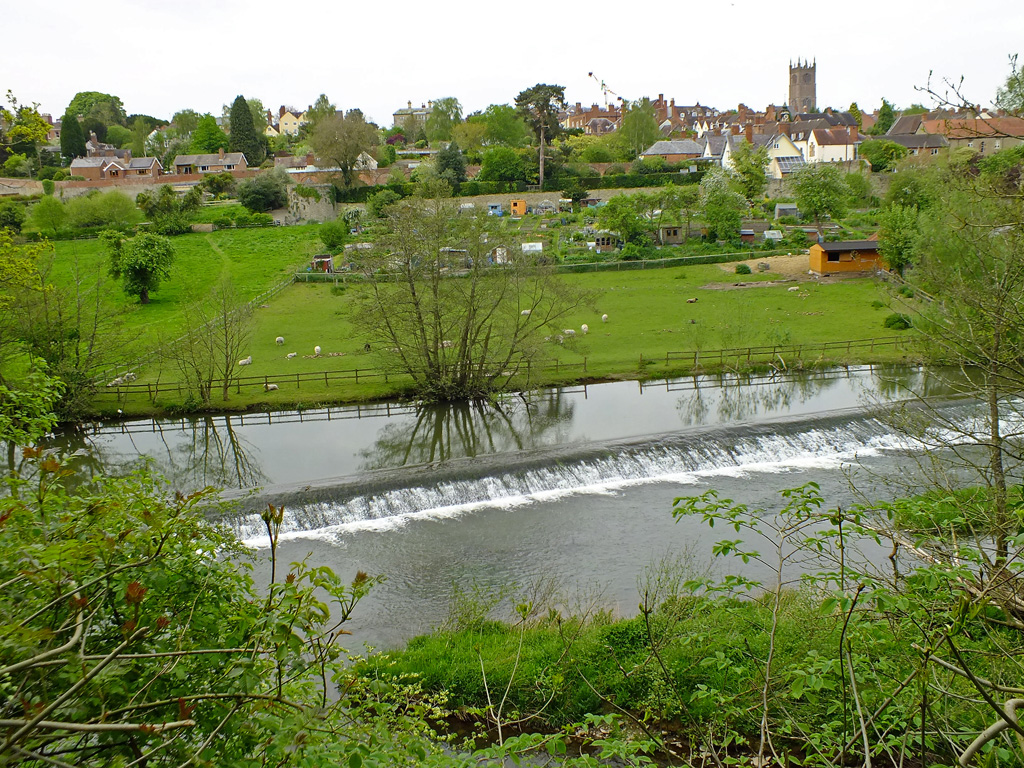
Onto flat ground and time for a breather as we admire, yet again, the view over the town. I don’t think I shall ever tire of this view. And today there is something different about it as the May Fair is in town and you can just about make out something on the horizon called the ‘Explosion’ which swings people around like a giant mixer.
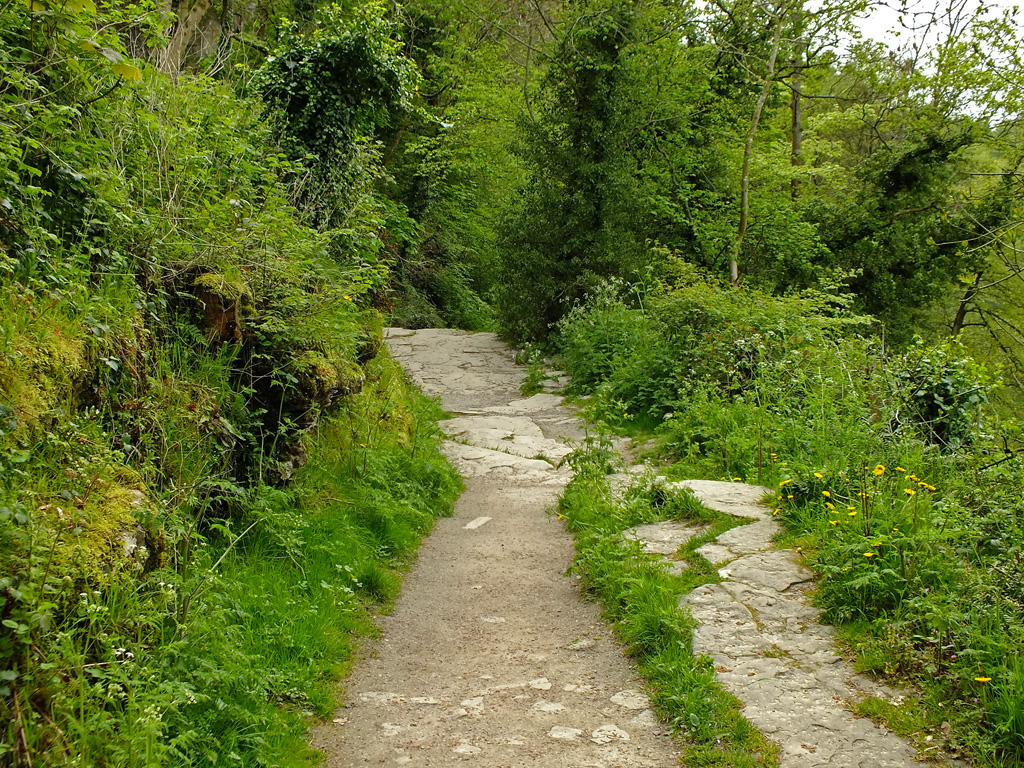
From here you can continue on the flat and across to Whitcliffe Common, and through the woodland, but we have done part of that walk before. Today I’m going down more uneven steps onto the path beside the Teme.
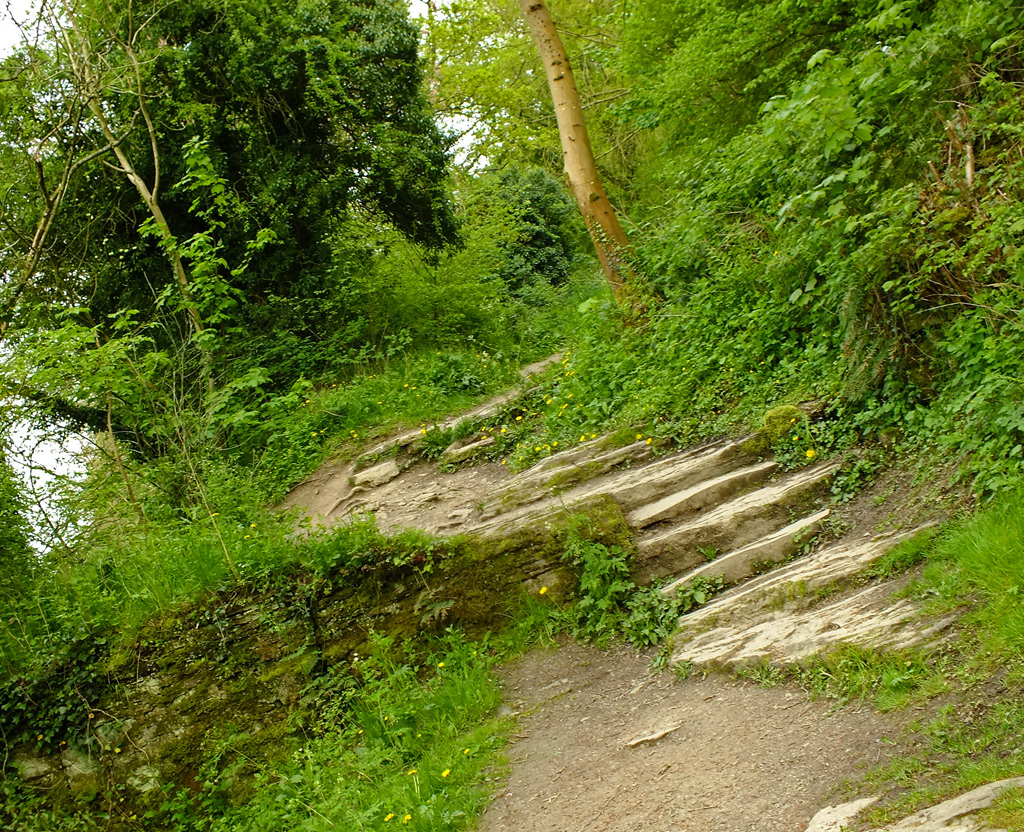
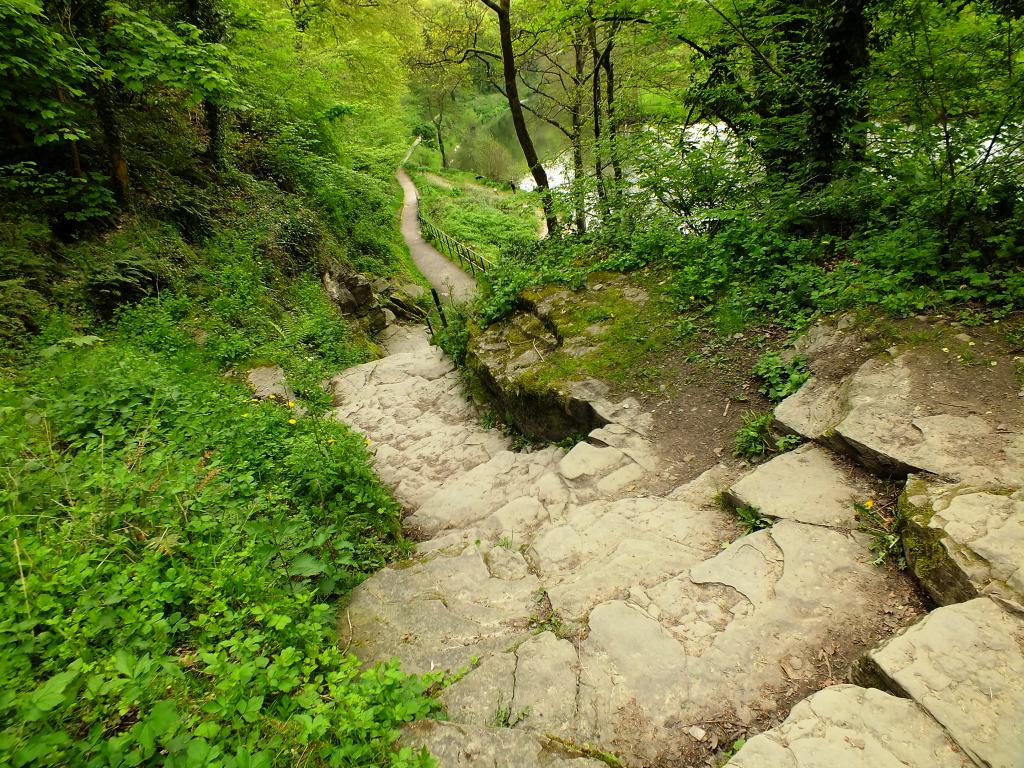
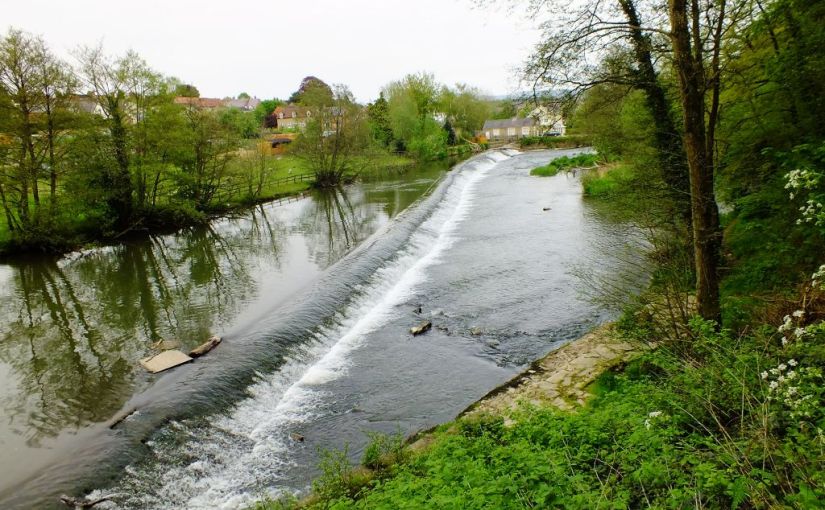
There’s always something different to see along this walk, wild flowers, birds, ducks, dogs swimming, sheep across the river in the paddock now with their lambs, reflections in the still water and the sound of birds trilling in the trees trying to make themselves heard above the rush of the mill weir.


Today there is some debris caught at the top of the weir, and two Labradors enjoying a swim. Looking up to the top of the cliff everything is a vivid new green – ferns and trees unfurling their spring shoots.

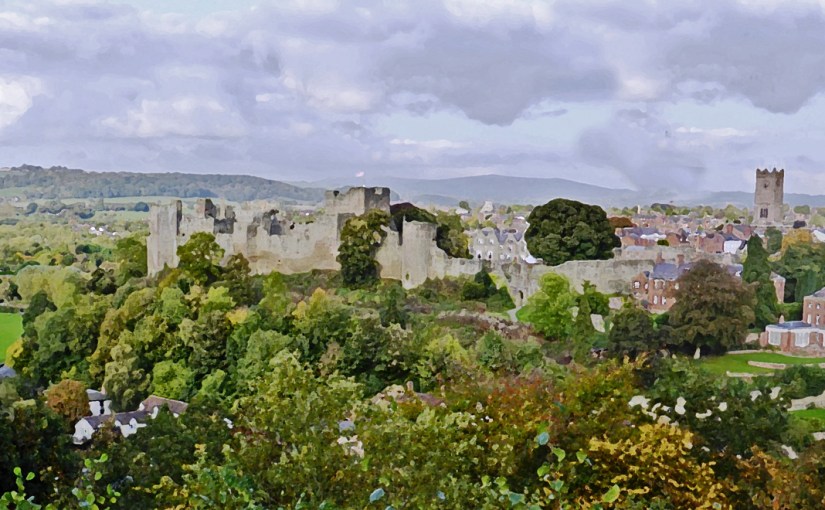
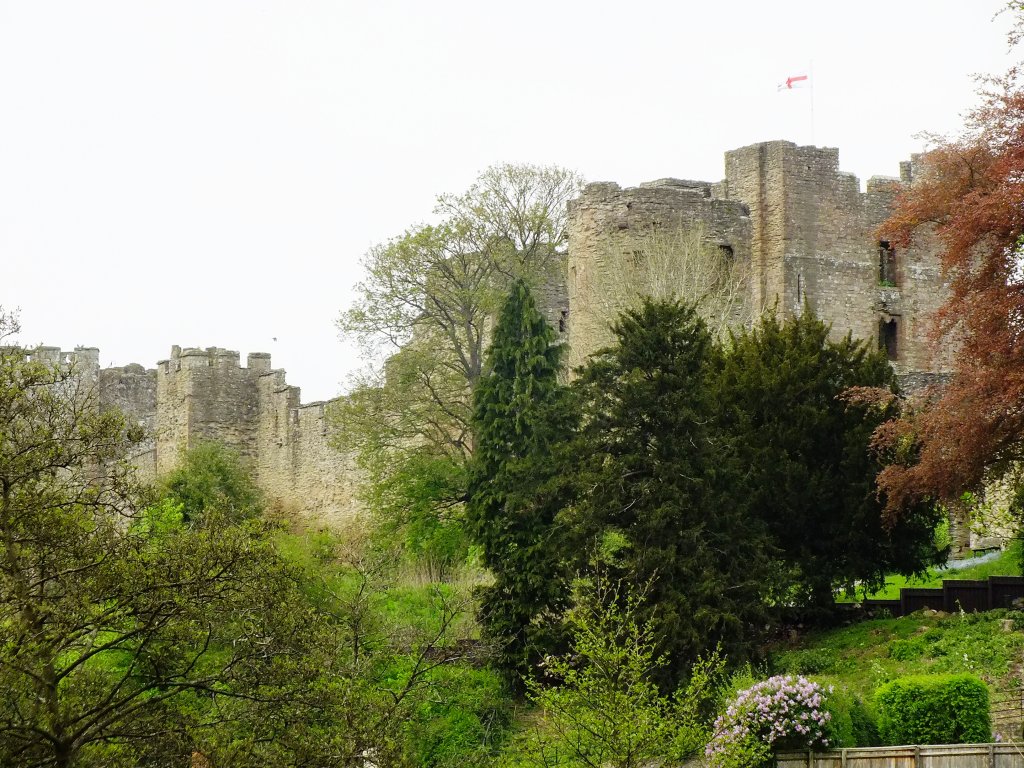
If you look ahead you can just glimpse the castle and Dinham bridge where the walk ends. It is a very short walk. Dandelions line the path here, but further on we’ll find some different wild flowers.
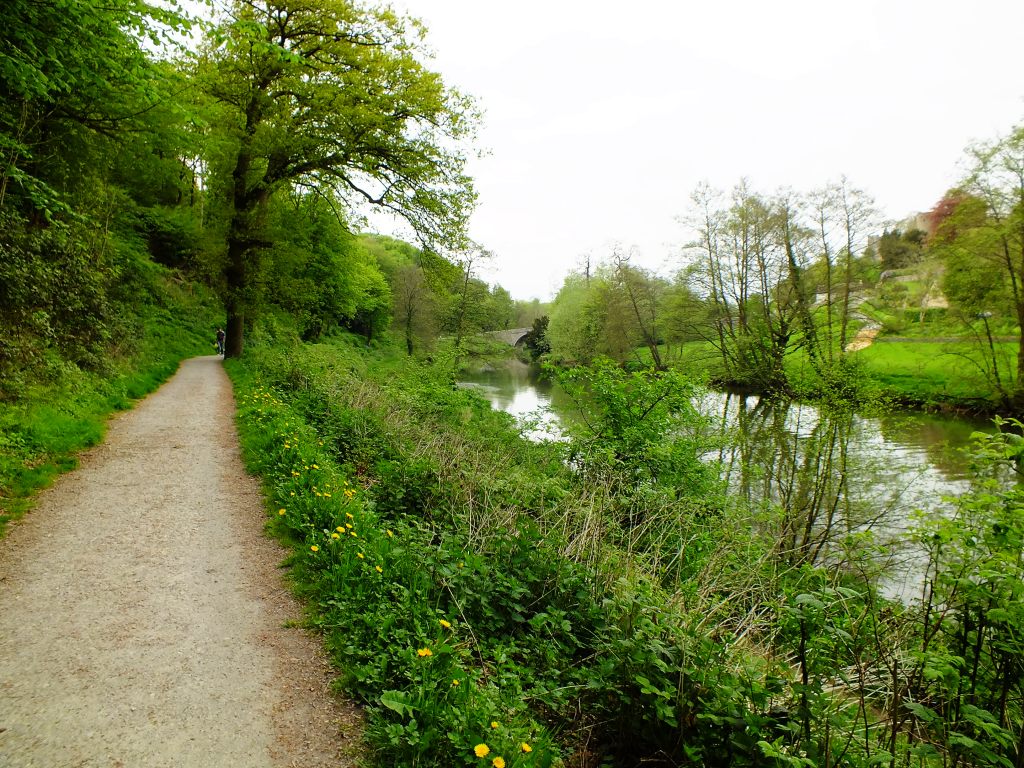
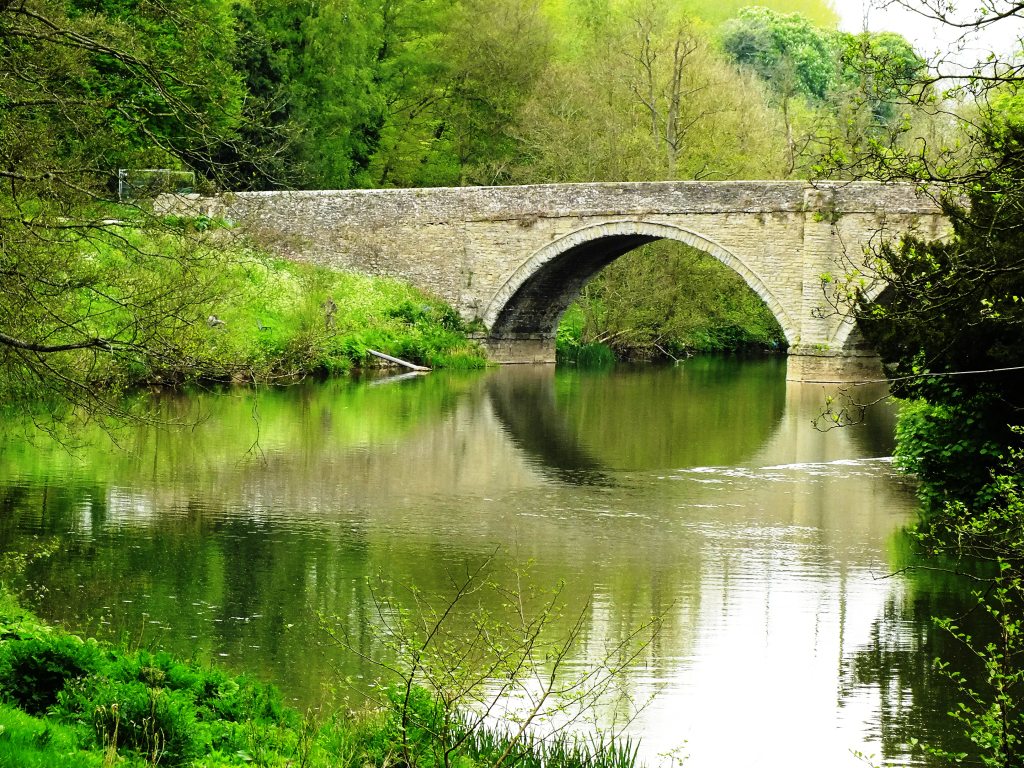
Above us is another path leading up to the common through the broadleaf woodland. The foliage is so lush at the moment it is difficult to see anyone. But look carefully.
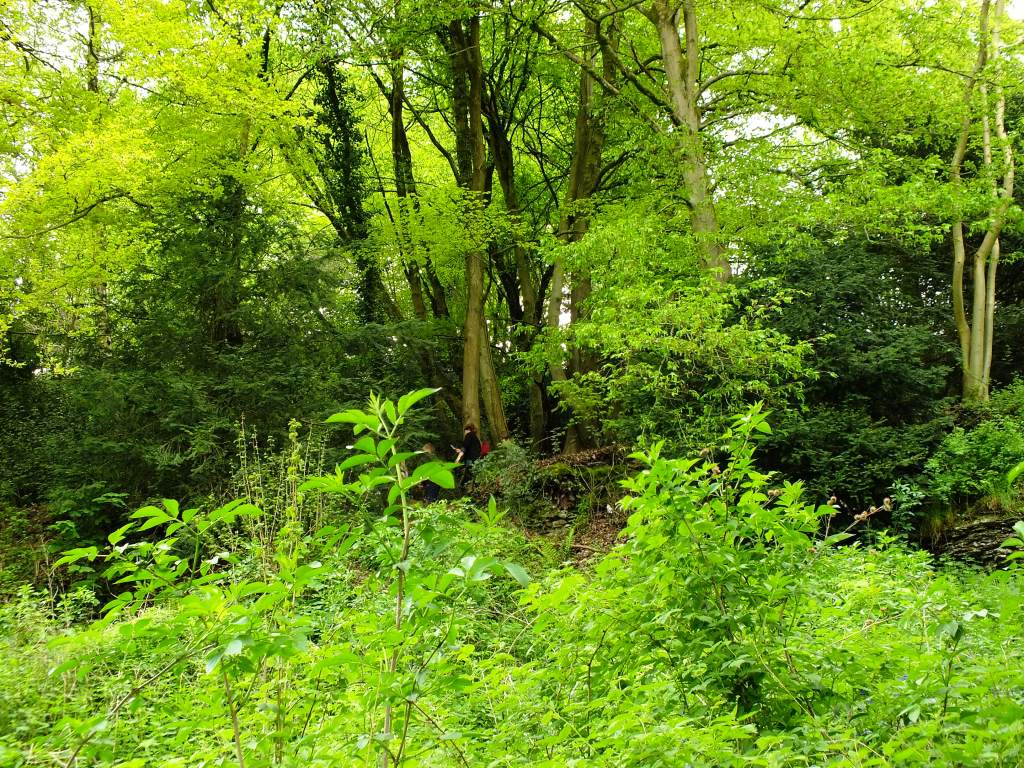
The path curves around past clumps of forget-me-nots and alkanet (both members of the Boraginacae tribe) and patches of wild garlic amongst nettles and dock leaves and blackberry brambles.
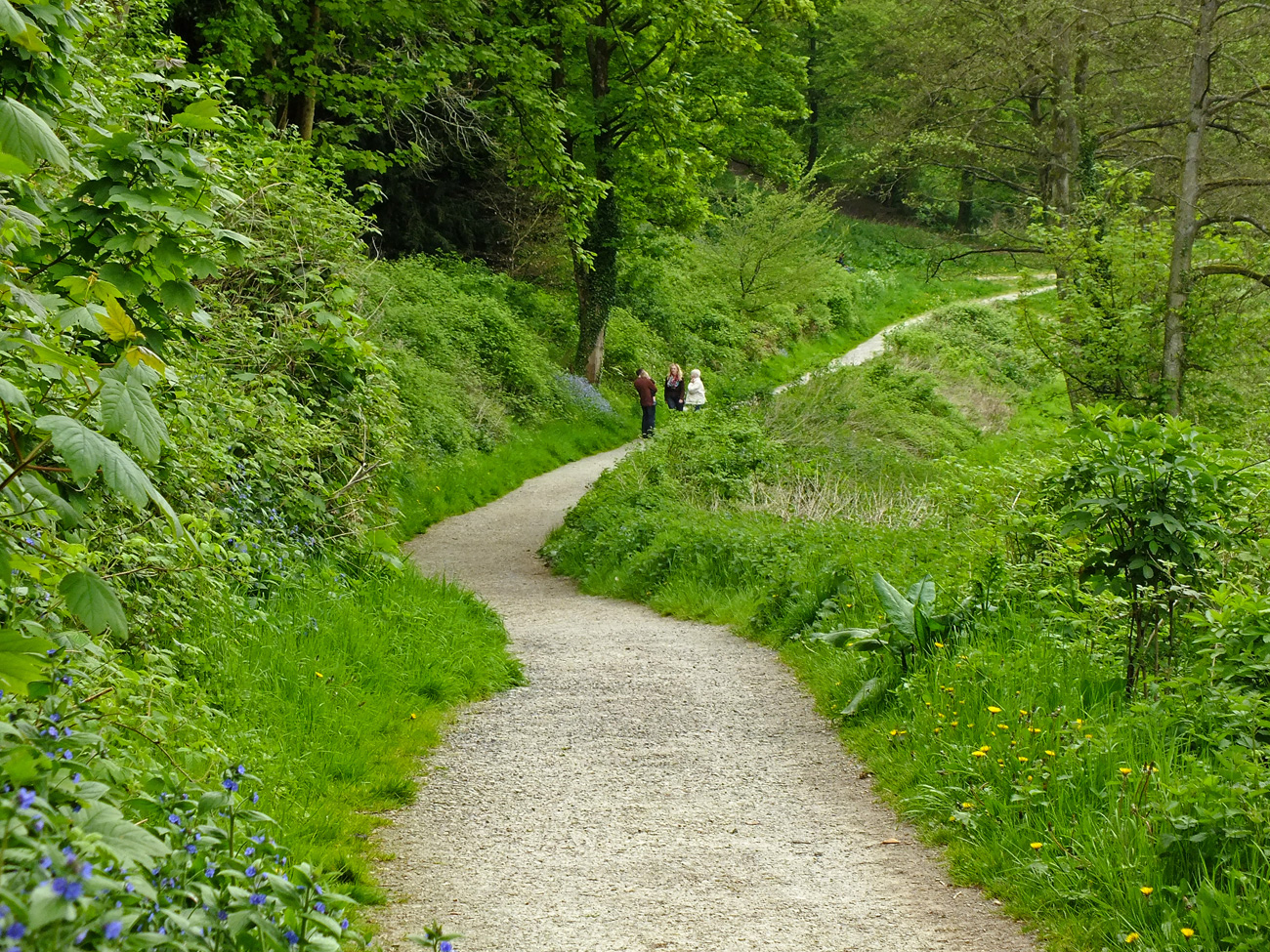


 As we reach the end of the walk there are two pathways leading up to Whitcliffe common. Packhorse Path known locally as the Donkey Steps, climbs steeply ahead of you through the woods. So called from the long-established folk tradition that it was used by packhorses to carry ore from the Clee Hills to the ironworks at Burrington.
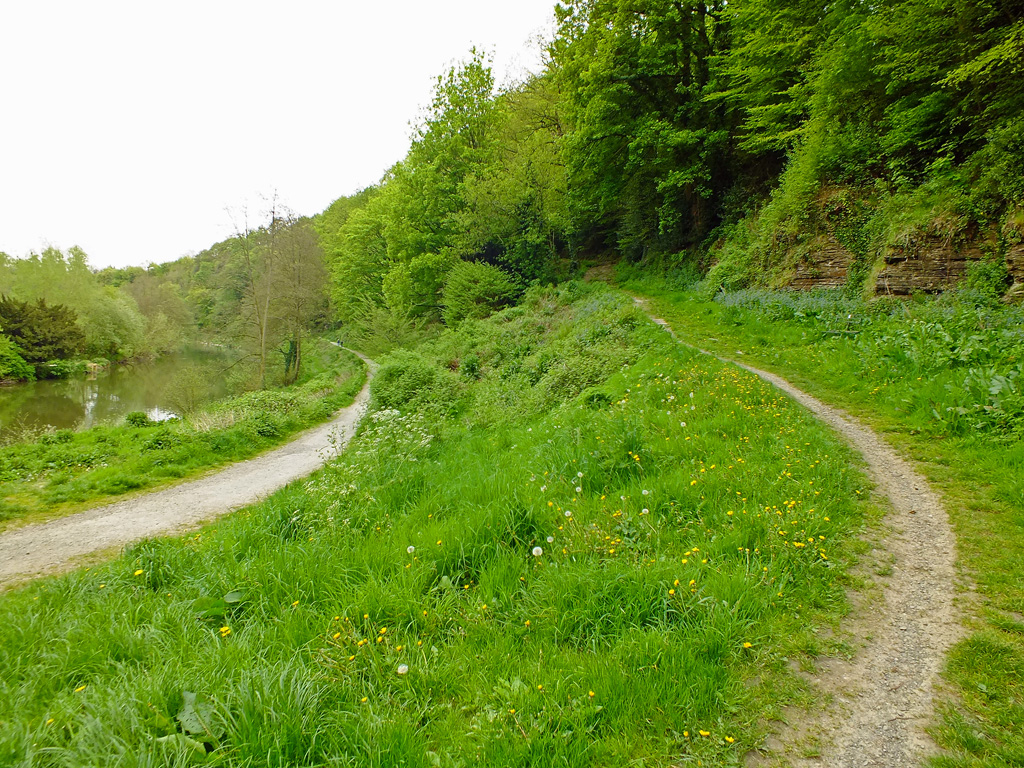

The Mortimer Trail which is signed through the woods to your right is a long-distance footpath established in 1996. It runs for 30 miles from Ludlow castle to the centre of Kington in Herefordshire.
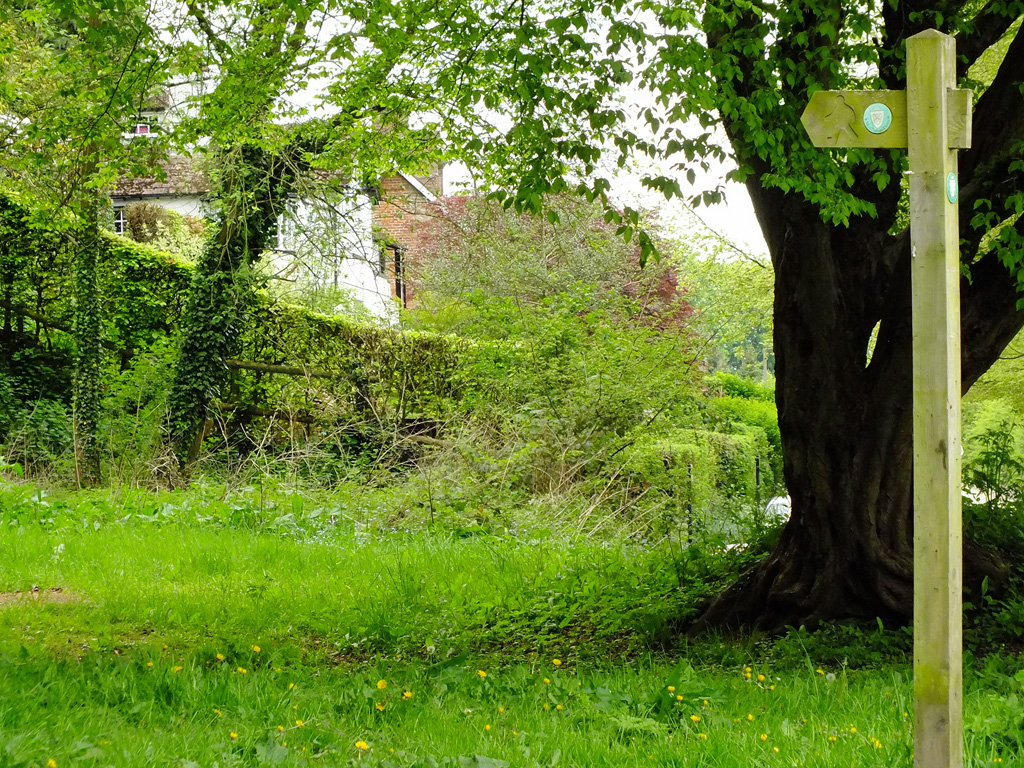
The River Teme powered several mills in the past controlled by a series of weirs. It remains a clean river, clear well-aerated waters support a healthy population of fish and aquatic insects. These are fed upon in turn by birds such as kingfisher, dipper, grey wagtail and heron which will sometimes be seen from the Bread Walk.
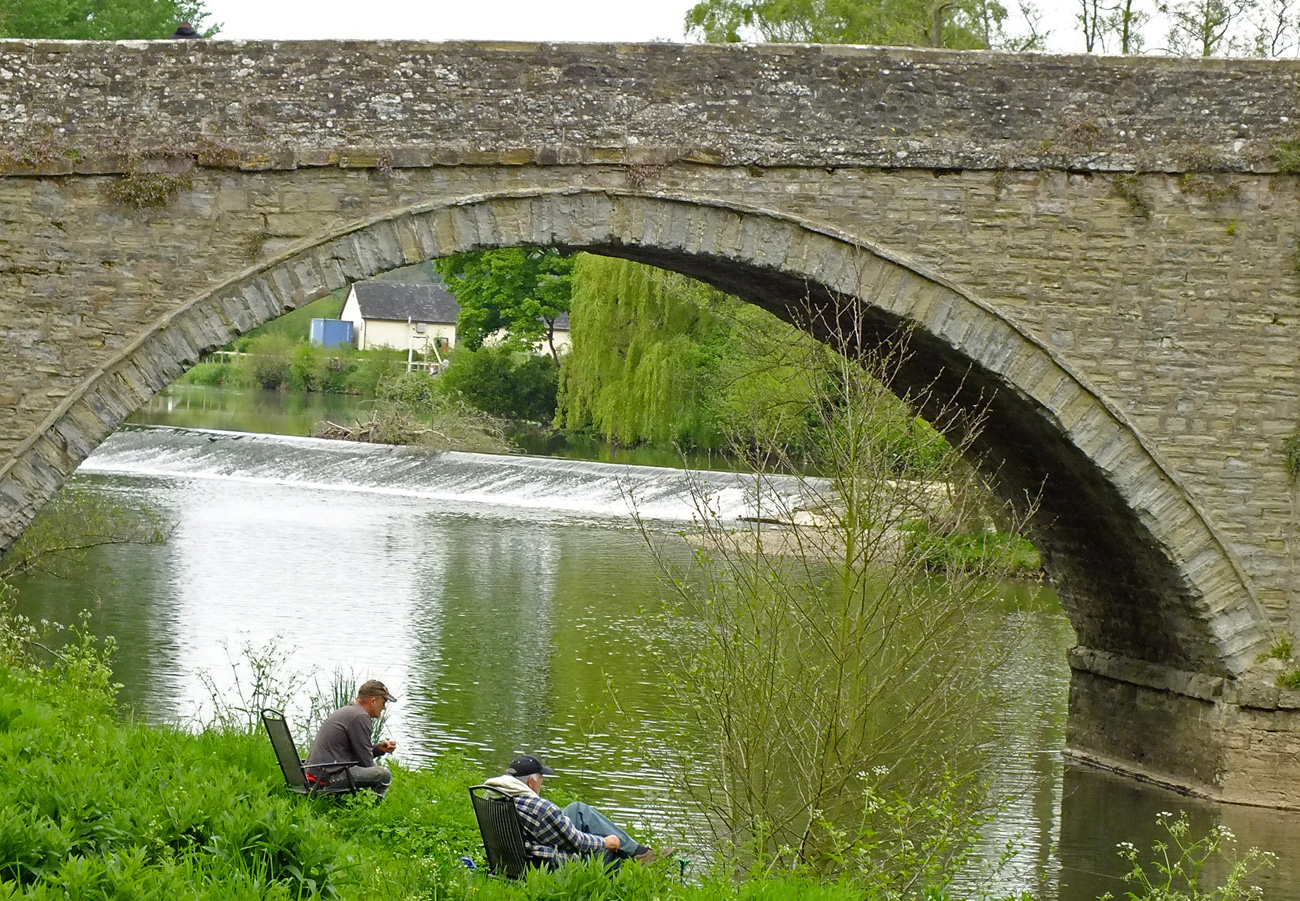
We are now at the end (or beginning) of the Bread Walk and to return to the centre of town you need to cross the Dinham Bridge.

Where you will get the classic Ludlow view of the castle and the Dinham Weir, which is the only place where I have seen a heron.
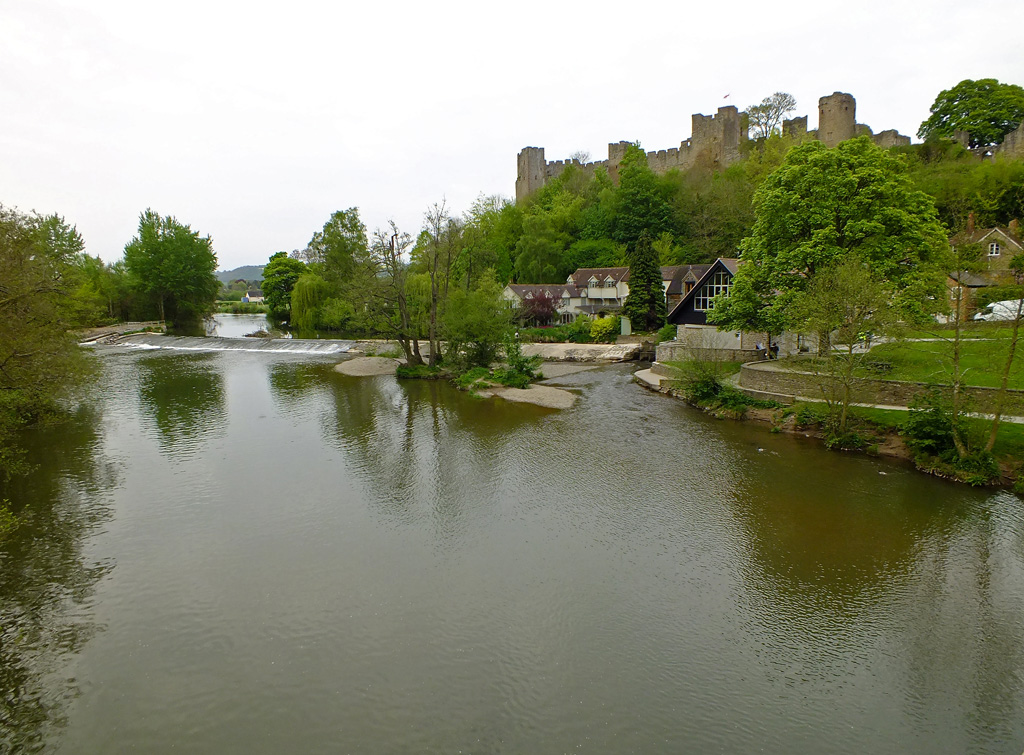
And if it is open, the Green Café on the Millennium Green serves a good lunch, but sadly not today.
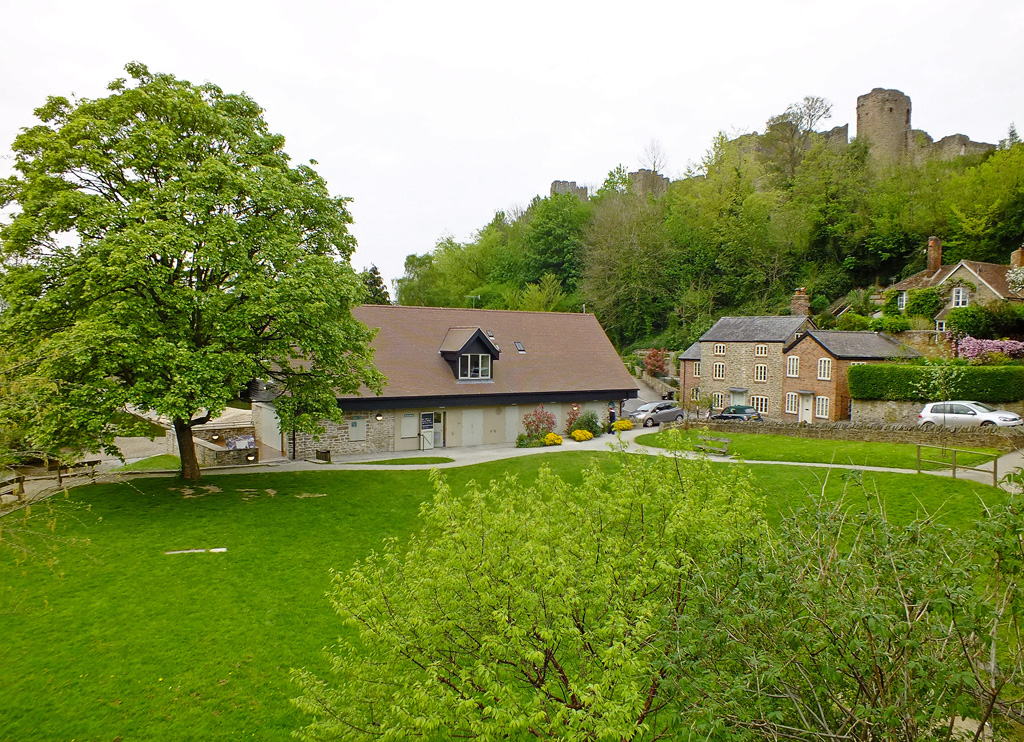
Now head up Dinham where the Dinham Gate (demolished in 1786), a medieval postern gate with a chamber over an arched entrance through the town wall, faced towards Wigmore and Wales. Look out for a hedgerow of lovely fragrant lilac and then follow the old town wall back to the castle square.
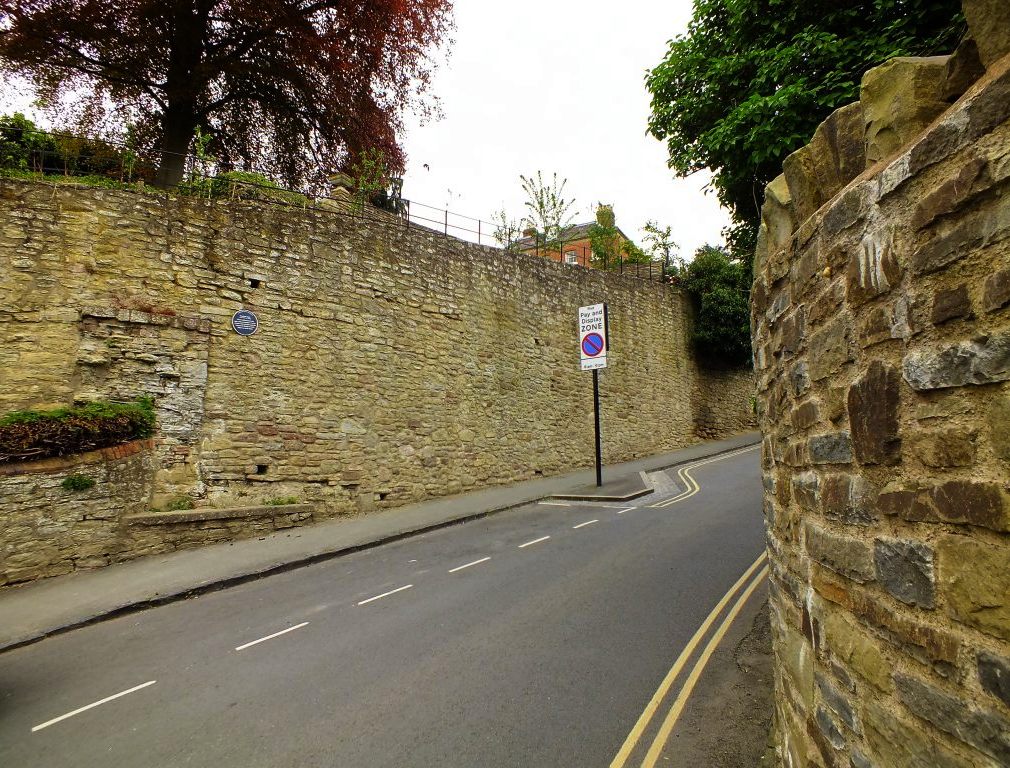


The Walk: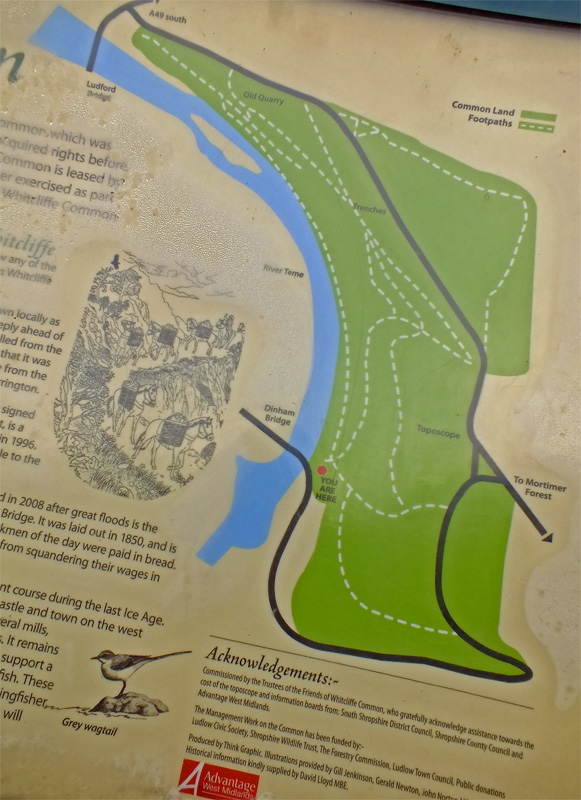 Source of information from the Ludlow Civic Society blue plaque (Dinham Gate) and the information board commissioned by the Trustees of the Friends of Whitcliffe Common (Whitcliffe Common)
I’m combining Cee’s Which Way Challenge with Jo’s Monday Walk again this week as they complement each other.
Join in with Cee’s challenge and view other ‘Which Ways’.
and take a look at Jo’s Monday Walks over on Restlessjo’s blog where you are in for a treat and I guess I should also link this post to Ailsa’s Travel Theme which this week was Rivers.