In the dark

Ailsa over at Where’s My Backpack has given me the perfect opportunity to post a few night shots from my recent Barcelona trip. As someone who now lives in the countryside, where the only light is that from the moon, it opened up new photographic challenges.

Placa d'Espanya
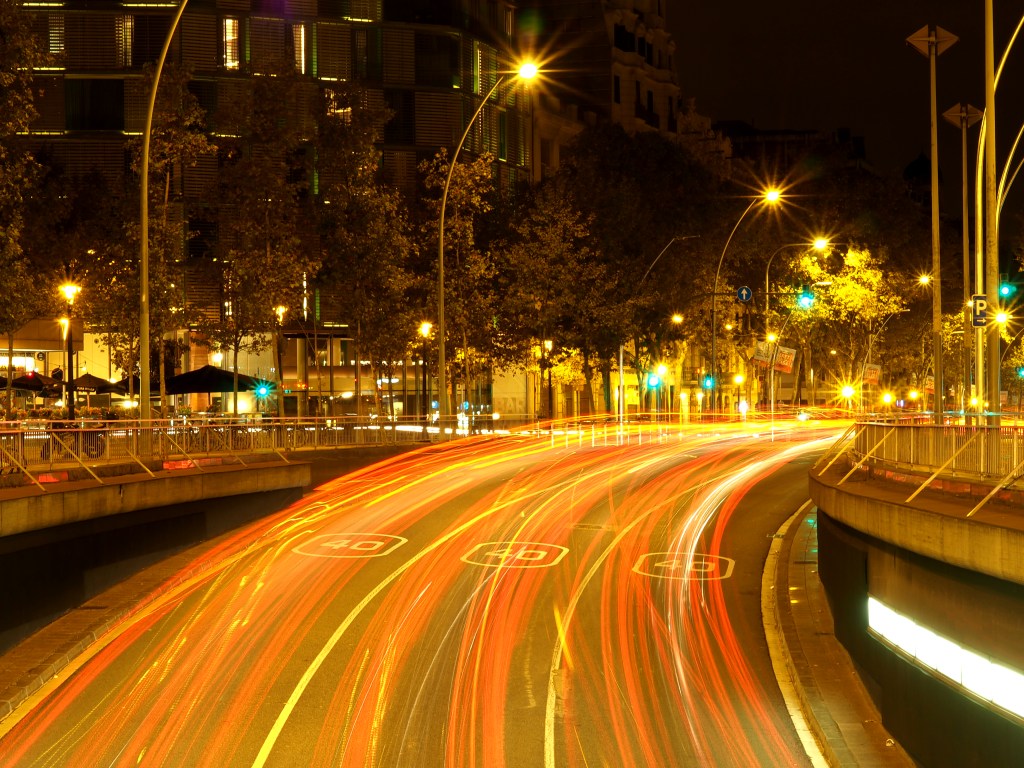
Placa Espanya – light trails (No tripod, just balanced on a fence rail above the road.)
Arc de Triomf
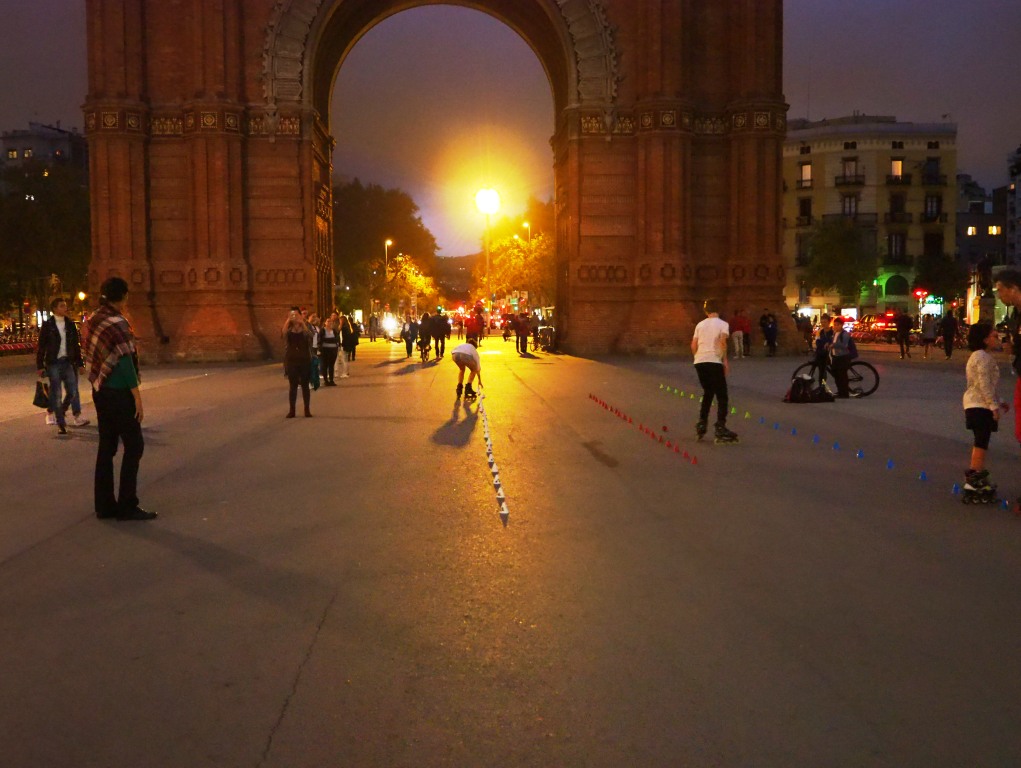
Arc de Triomf – (hand-held)
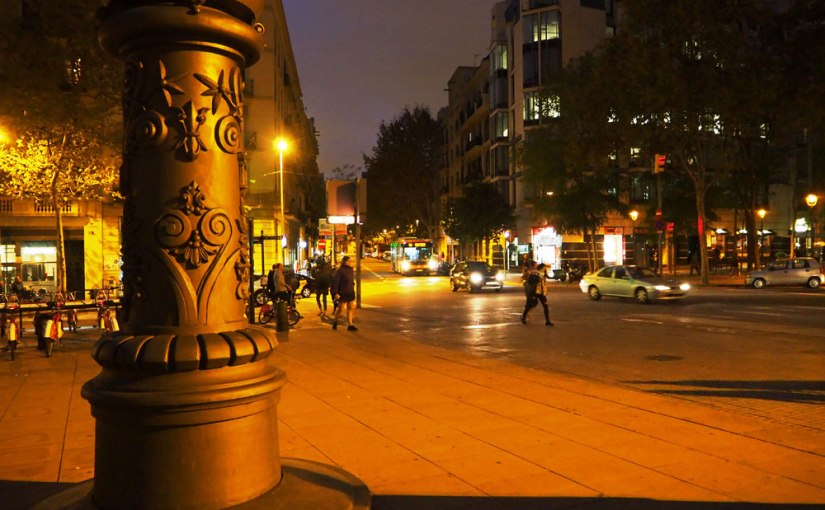
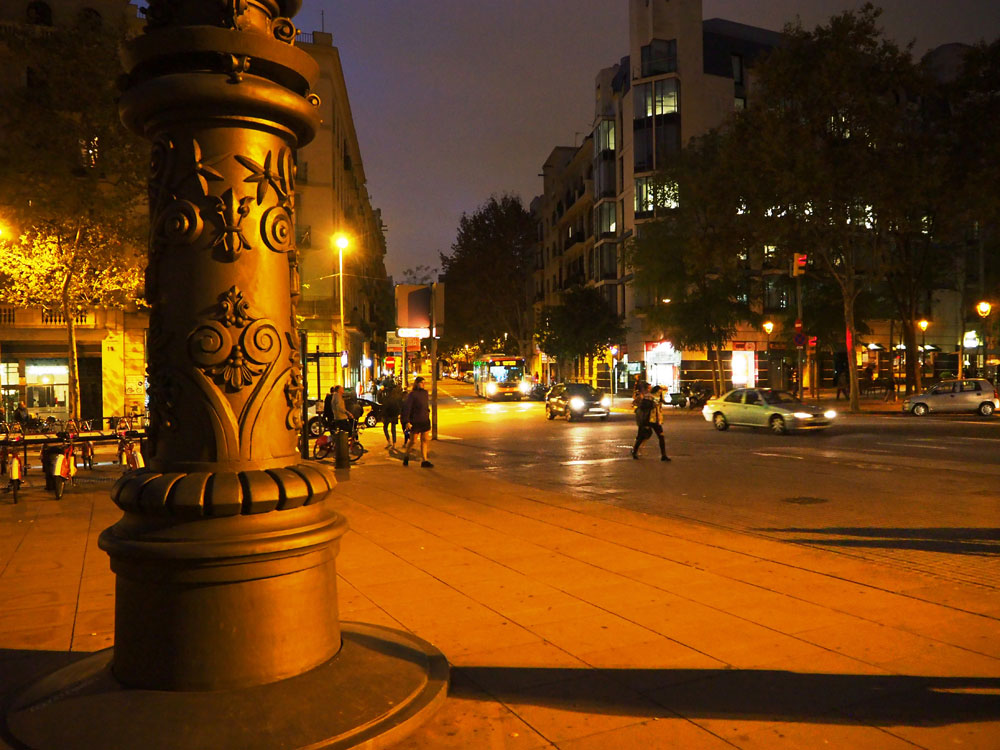
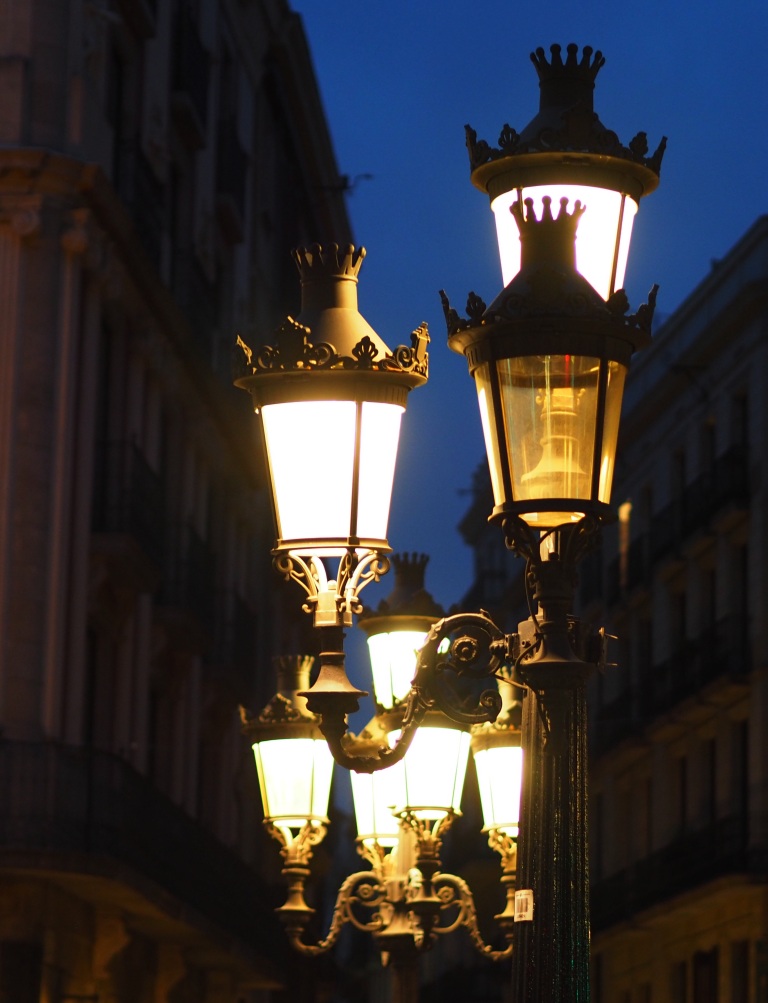
Lamp-post (hand-held)
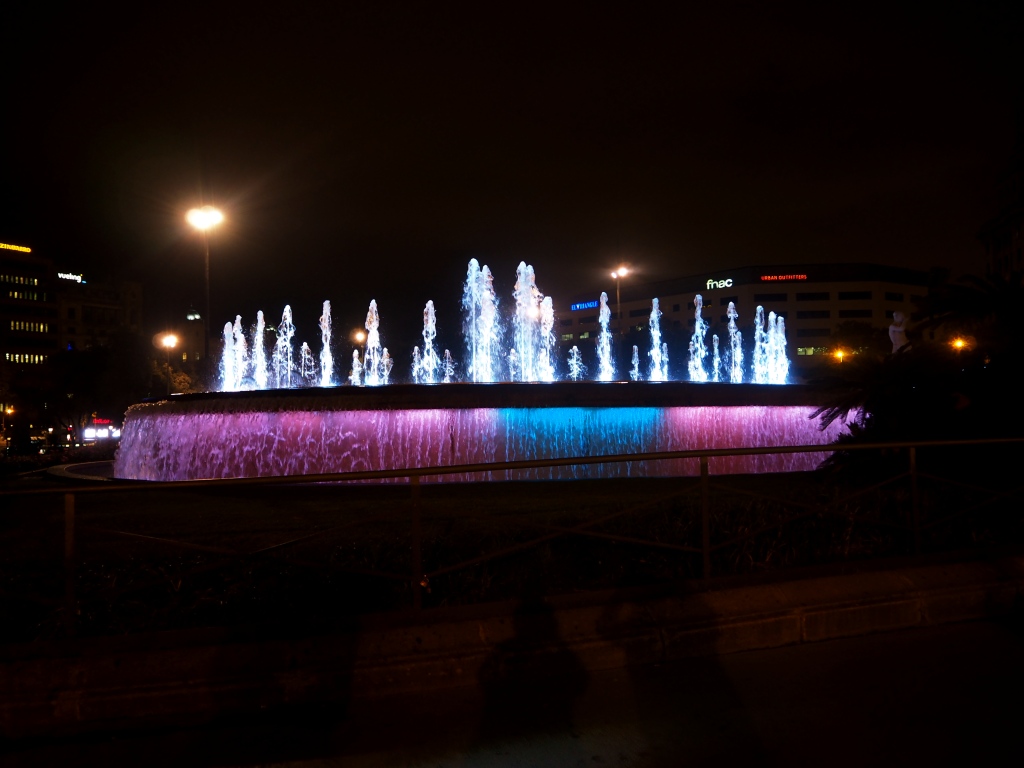
Fountain Placa de Catalunya
Fountain Placa de Catalunya (hand-held)
Street-lights (hand-held)

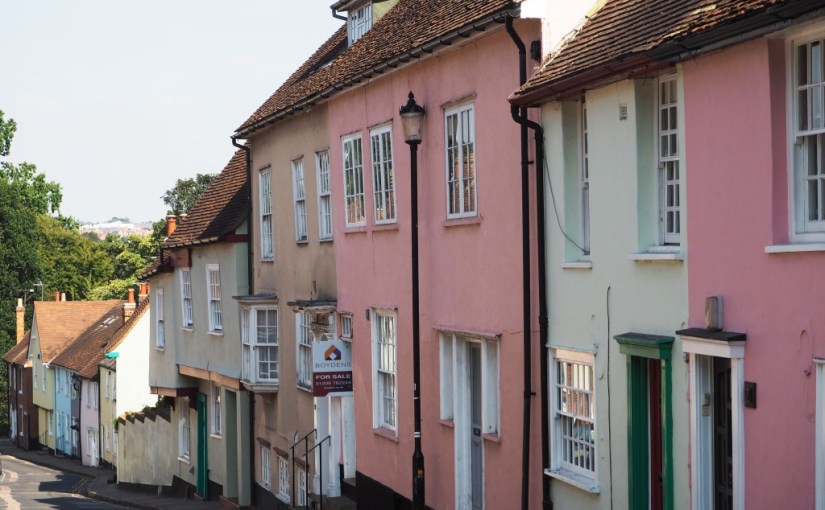
A brief look at Colchester

We were in Colchester at the beginning of September for a wedding so didn’t really do much in the way of exploring. Given my love for architectural styles I did have a brief wander around the Cultural area where we were staying to see what I could find.  It is of course a very old Roman town (Camulodunum ) and once the capital of Roman Britain, but was attacked and destroyed during Boudica’s rebellion in AD 61.

At only 50 or so miles north of London it is growing fast as a commuter town.

We stayed at the recently opened Greyfriars Hotel on the eastern edge of the High Street.  It is not only a beautiful C18th neo-classical building, but was for a hundred years a much-loved icon of educational excellence and, even centuries before 1755 when the current house was built, its site had religious, social and educational significance. Occupants have included friars, nuns, householders, clergy, physicians, horticulturists, an industrialist and students (young and adult). Empty from 2007 when sold by Essex County Council who decided it was no longer fit for purpose for education the building has been transformed.

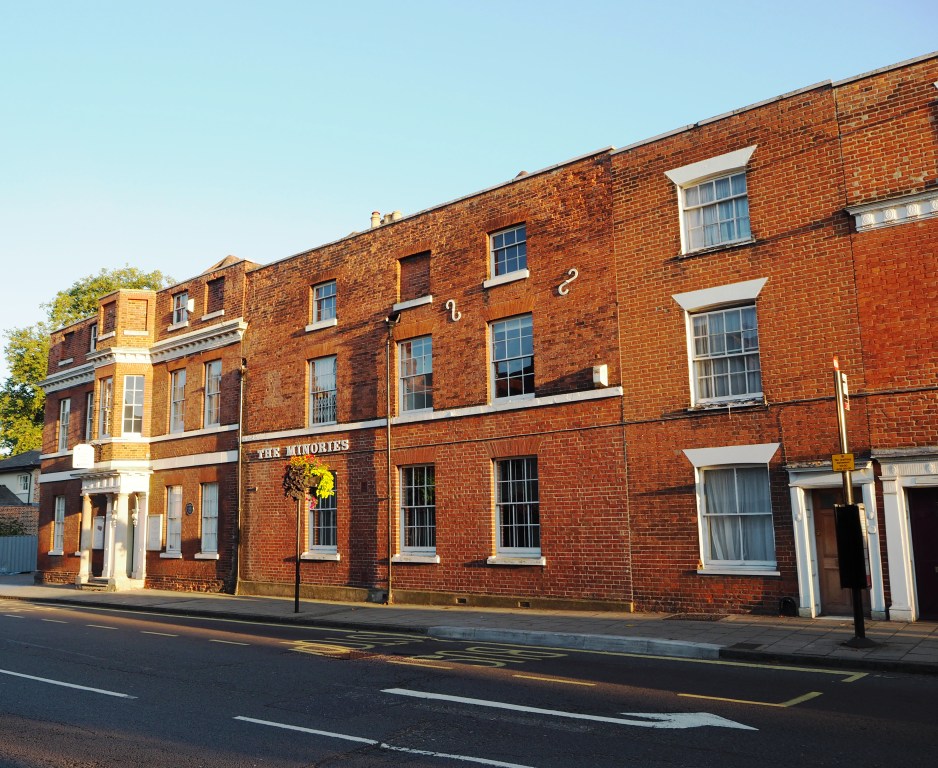
The wedding we were attending was held across the road in the Minories – another lovely Georgian building and now an art gallery and centre for post-graduate study in art. This house in a very similar style to Grey Friars was bought in 1731 by Isaac Boggis a merchant in the wool trade.

OLYMPUS DIGITAL CAMERA

Continuing along the High Street you reach Castle Park and another neo-classical designed Georgian house – Hollytrees – which was built in 1718 by Thomas Blagden for Elizabeth Cornelisen. It was completed by March 1719 but unfortunately Elizabeth passed away before she had the chance to live in it. It is now a museum (free entry) and forms the eastern part of Castle Park. Continue reading A brief look at Colchester

Thursday’s Special

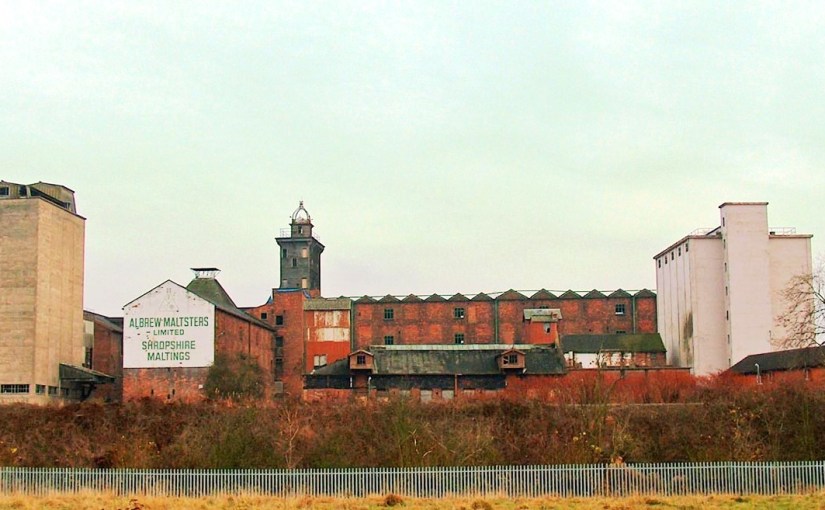
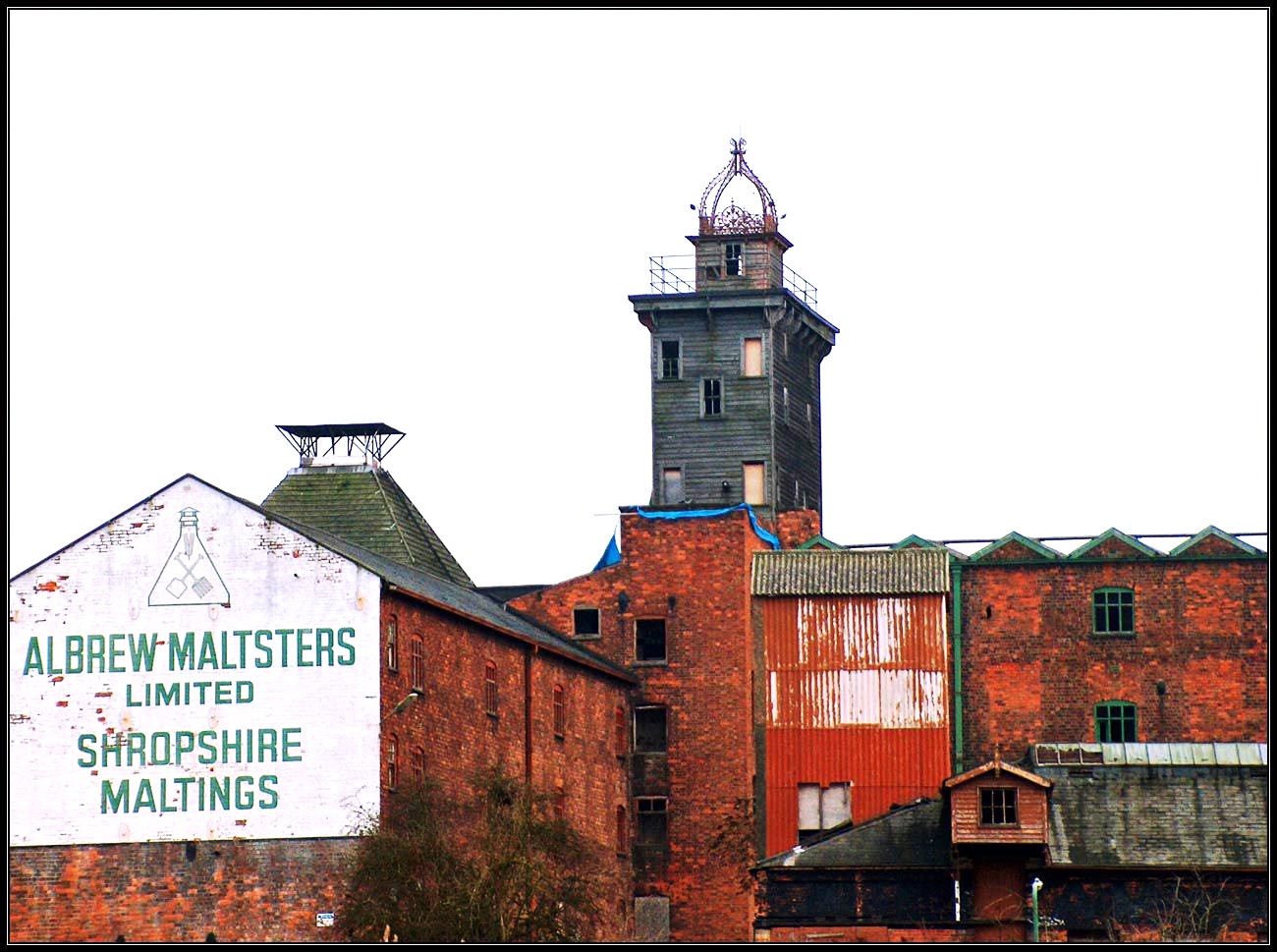
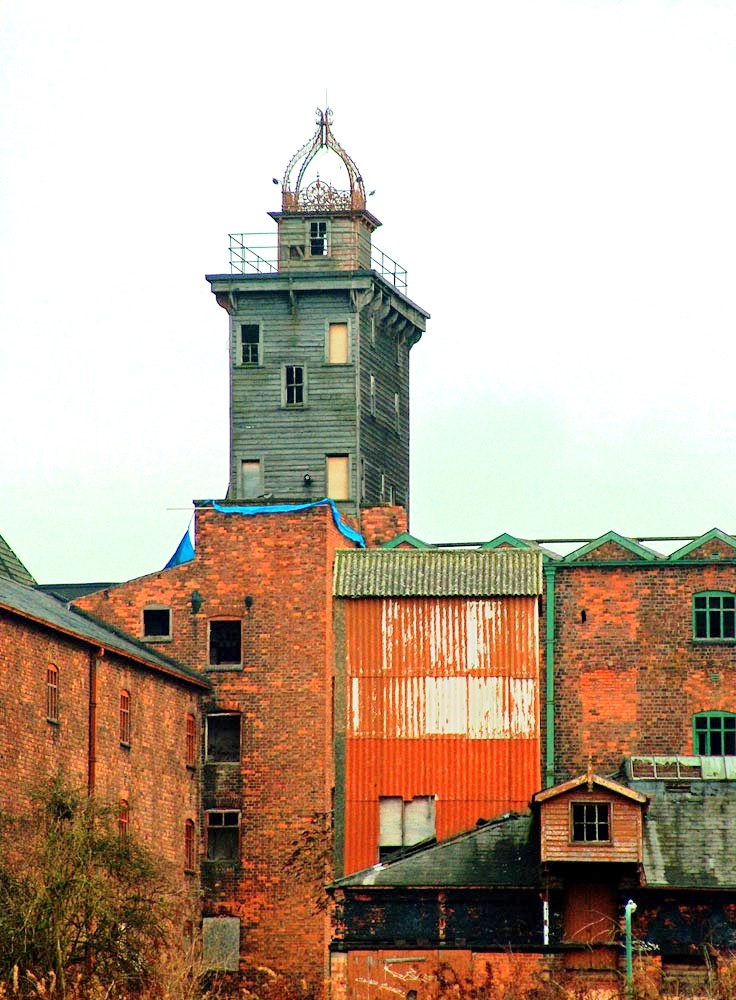
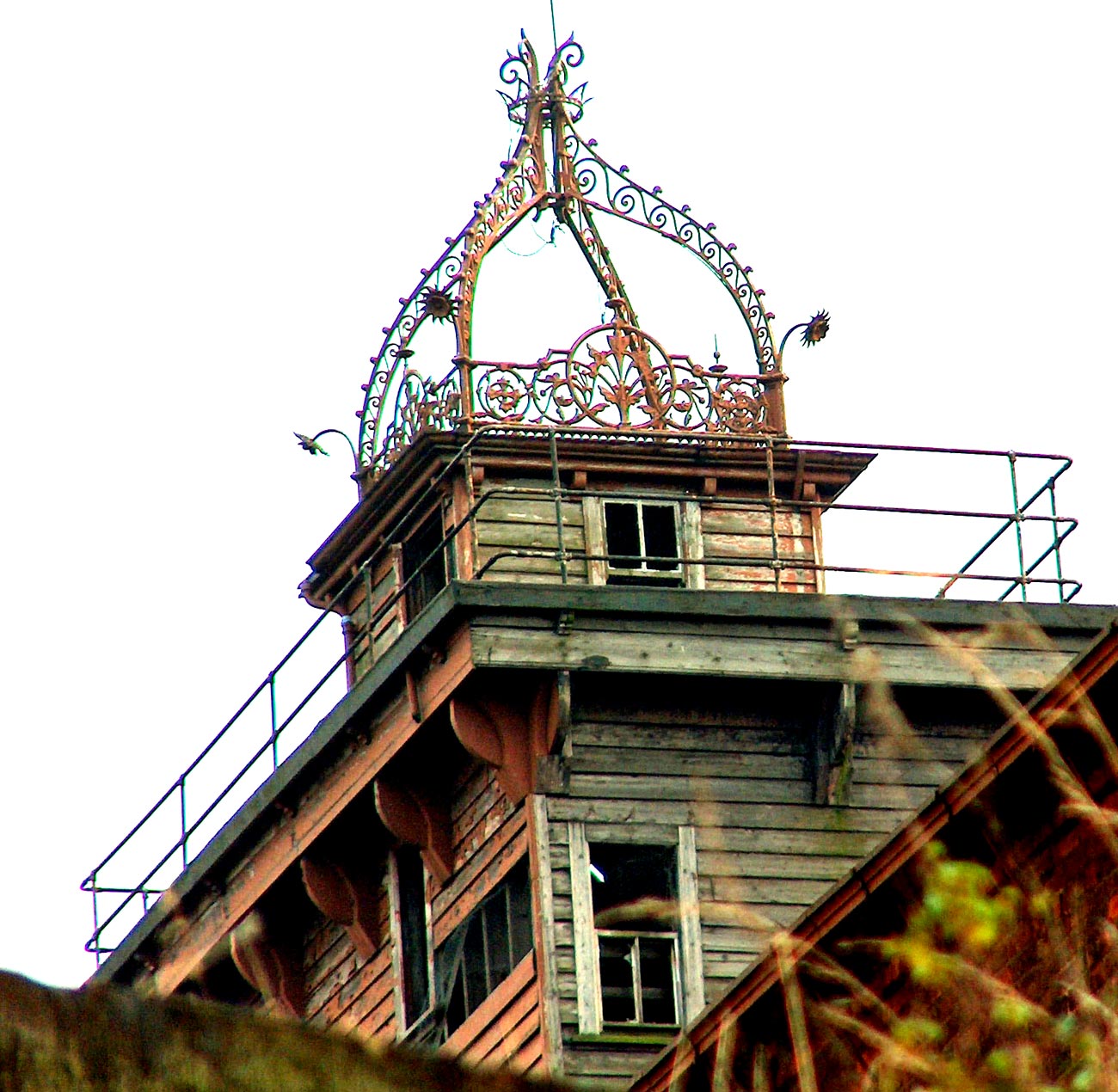
The Ditherington Flax Mill is one of Shrewsbury’s most important buildings. Constructed in 1796 as the spinning works of Marshall, Benyon and Bage it later became the Maltings and as the first wholly iron-framed building in the world, is the great-grand-daddy of New York’s mighty skyscrapers.

Throughout the 1990s it was left empty and decaying, and various ideas for regeneration have been and gone, most failing due to a lack of private sector investment. Now it is in the hands of Historic England in partnership with Shropshire Council and Friends of the Flaxmill Maltings. Let’s hope its future is secure.

Ditherington-Flaxmill-(4)

Paula’s (Lost in Translation) challenge this week is Traces of the Past

Black and White Sunday: Couples

two-of-us-2

Seen in Barcelona’s Gothic Quarter – a poster of graffiti on the shop door.

two-of-us

And my daughter browsing through the doorway of the Barcelona football team shop with the shopkeeper keeping watch. Both with the same body language!

Please visit Paula to see other representations of this week’s challenge.