

Tiles

Red White and Blue

petrol pump?

Letter box

A red door

Graffiti

A Lisbon Tram

We love Portugal

Bags
How can I resist a RED challenge?
Challenges from the Wordpress Community
How can I resist a RED challenge?
The town takes its name from its location near the mouth of the river called the Water of Fleet which empties into Wigtown Bay at Fleet Bay, and its former role as the “Gait House” or “the House on the Road on the River Fleet” or toll booth of the late 18th century stagecoach route from Dumfries to Stranraer, now the A75 road. It was a safe haven along this route, and travellers would often stop in the area rather than furthering the journey at night due to the high numbers of bandits and highwaymen at the time. Wikipedia
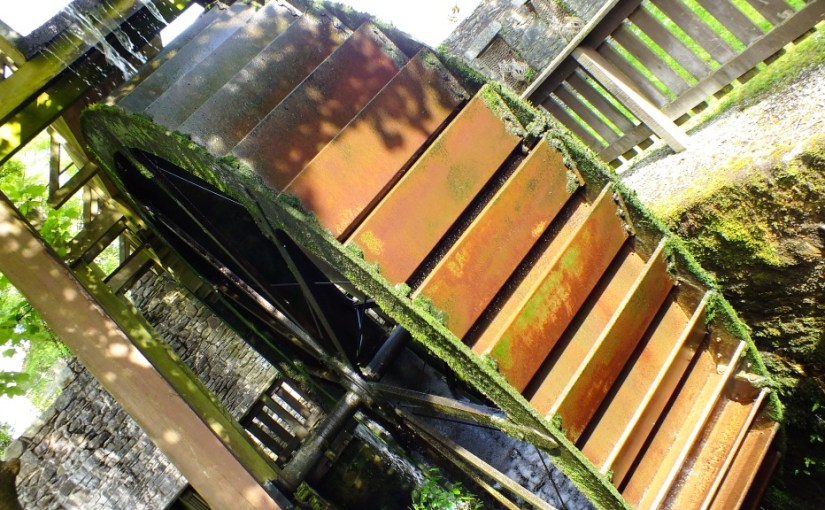
We drove a few miles from Kirkcudbright to visit the converted mill ‘The Mill on the Fleet‘ (1788) to have a look at the art gallery and bookshop and also have coffee and cake on the terrace at the Tart n’ Tea café. The most delicious cream choux pastry I have ever eaten. Cardoness Castle is on the outskirts of the town too and Cally Nursery, which I didn’t get the time to visit.
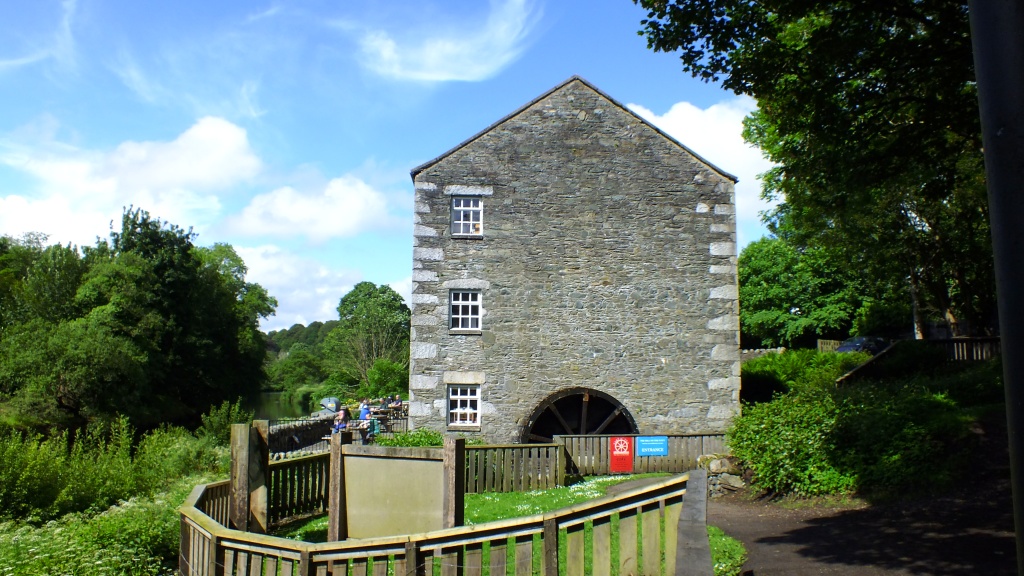
Having picked up a leaflet from the Information Office in Kirkcudbright of a Walking Tour of the town I dragged the OH off for a stroll. I think he’d have quite happily remained on the terrace or in the second-hand bookshop if it hadn’t been closing time.


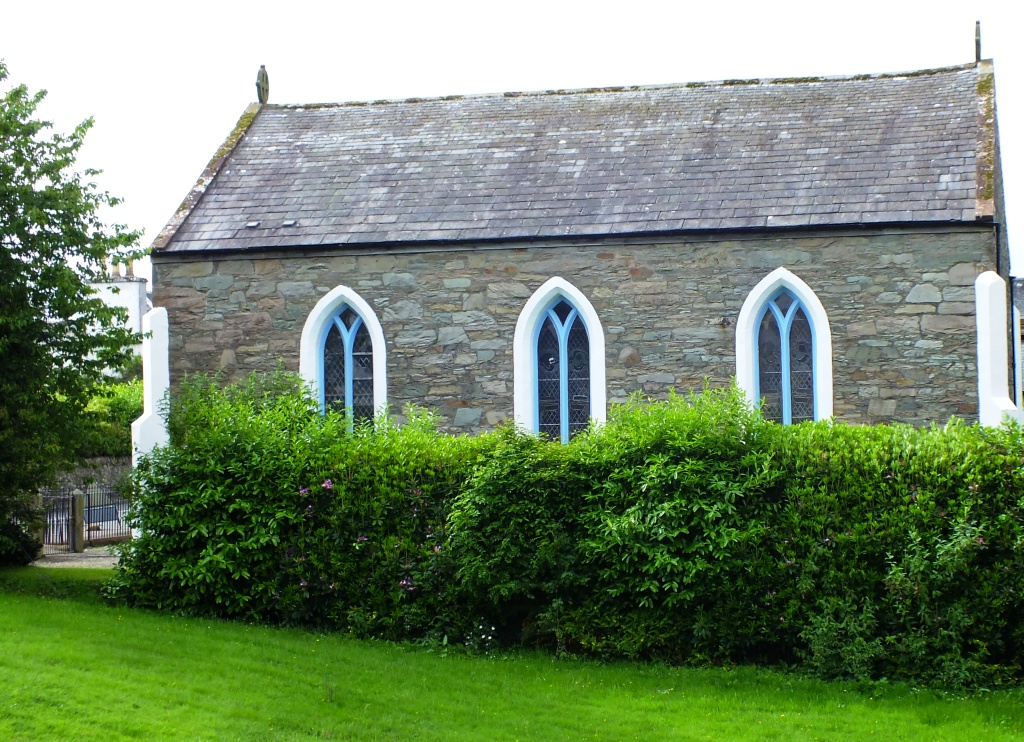
Leaving the Mill behind you cross over a pedestrian bridge and through the park to the Riverbank – a housing project built in the 1950s to cope with the overcrowding and poor conditions in Gatehouse. Turning left on to Hannay Street you pass an interesting little Episcopal Church with robin’s egg coloured painted windows.
 And on the corner stands the rather dilapidated Ship Inn (previously Anworth Hotel) where Dorothy L Sawyers wrote Five Red Herrings. One of the Gatehouse artists of the ’20s and ’30s, Alice Sturrock, also lived along here.


The town harbour used to be here, but no longer. The river is still tidal at this point. Turn left onto the High Street and cross the road bridge.

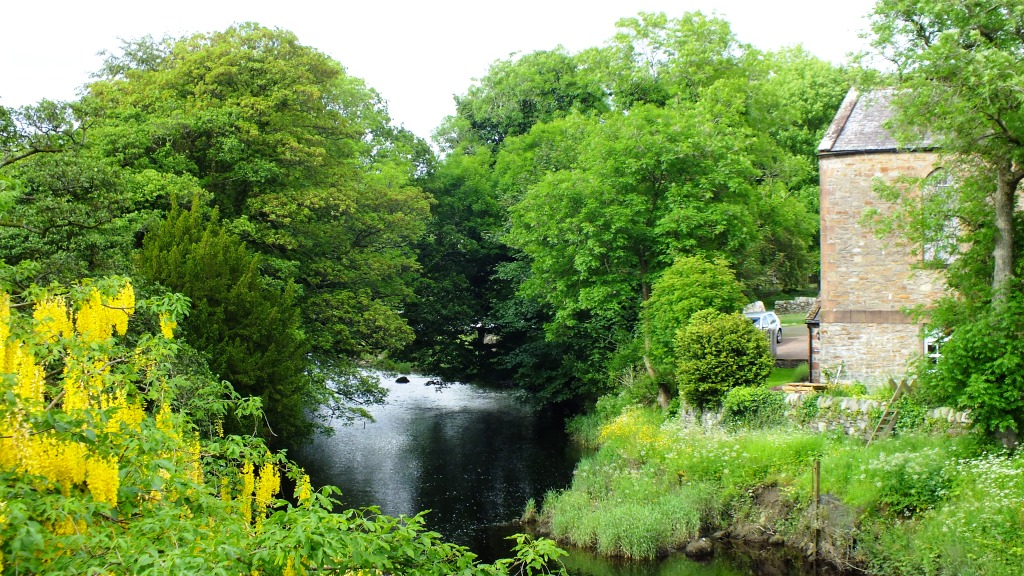
In front of you to the left is the Spar and Post Office which were once a tannery. Opposite was a former brewery complex, now flats.

Continuing up the High Street the red sandstone building was the Town Hall. Now only the front remains, the rest of the building demolished in 1978 and replaced by a lovely little public garden that leads into Garries Park.


Naturally we took the garden route and after passing the bowling green (below) we came out on Ann Street.


The Cotton Mill (Scott’s Mill) at the top of Ann Street

Ann Street
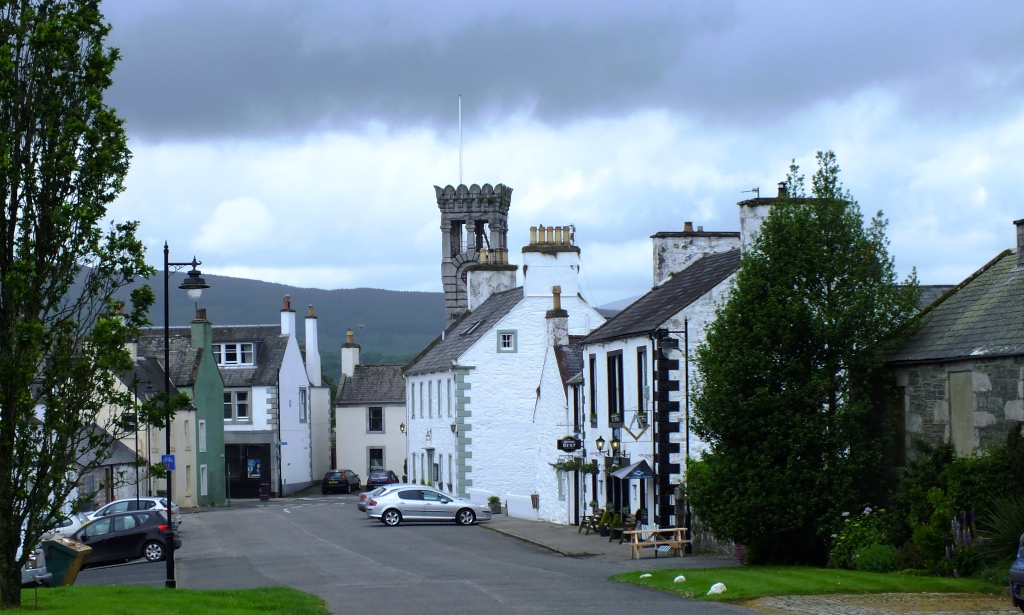


At the bottom of Ann Street is the clock tower (1871) and on the left in the courtyard of the Murray Arms is the original gatehouse. This building predates the town and may have been an inn on the old road to the ford.


Also in Ann Street is the Masonic Arms and opposite the Cally Estate office which looks to be under renovation. This, along with other local locations, featured in the cult movie The Wickerman.


Crossing the High Street we headed along Castramont Street, past the Parish Church with masses of Philadelphus (mock orange) scenting the evening air.


a rather quirky decorated house (now this would have been a good photo for the Kitsch challenge)


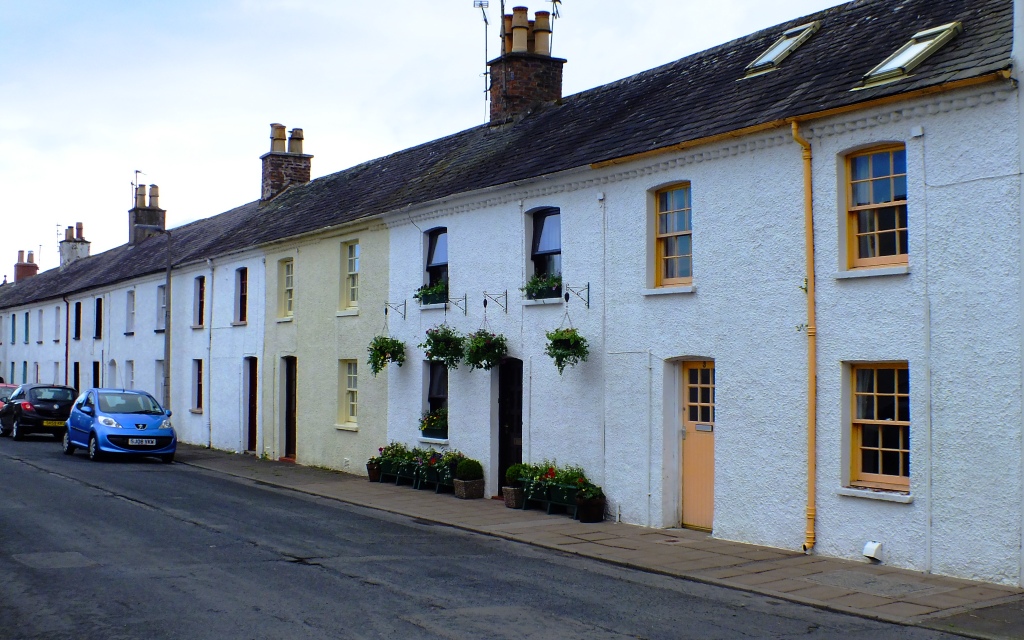
and down Birtwistle Road with its rather lovely row of workers’ cottages and back into the Mill grounds by way of a gate at the end of the lane.


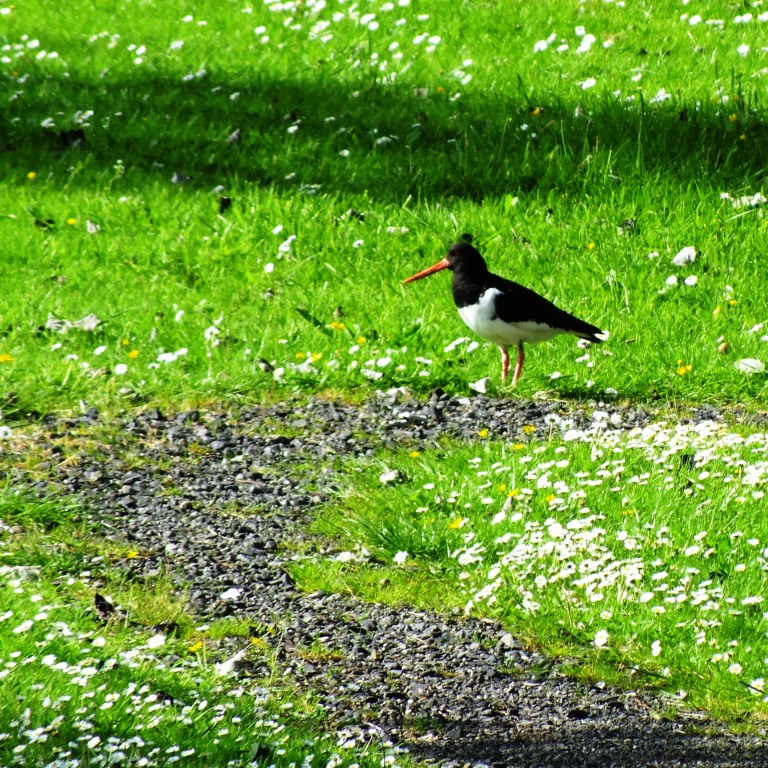
And the final thing I saw and photographed was a lovely oyster-catcher in the park. Now a reminder of a dear blogging friend.
Source: Fleet Valley Trails Town Trail leaflet (Dumfries and Galloway Council)
If you enjoy a walk, short or long, then you may enjoy visiting Jo’s Monday Walk where you are in for a treat.
I’m often up after midnight, though I have recently tried to train myself into going to bed earlier and getting up earlier. But last week I needed to stay up and try to get some night shots for the project. It is very quiet around the medieval streets of Ludlow, especially in the area I live as there are no public houses close by. Not even the hoot of an owl or the bark of a fox.
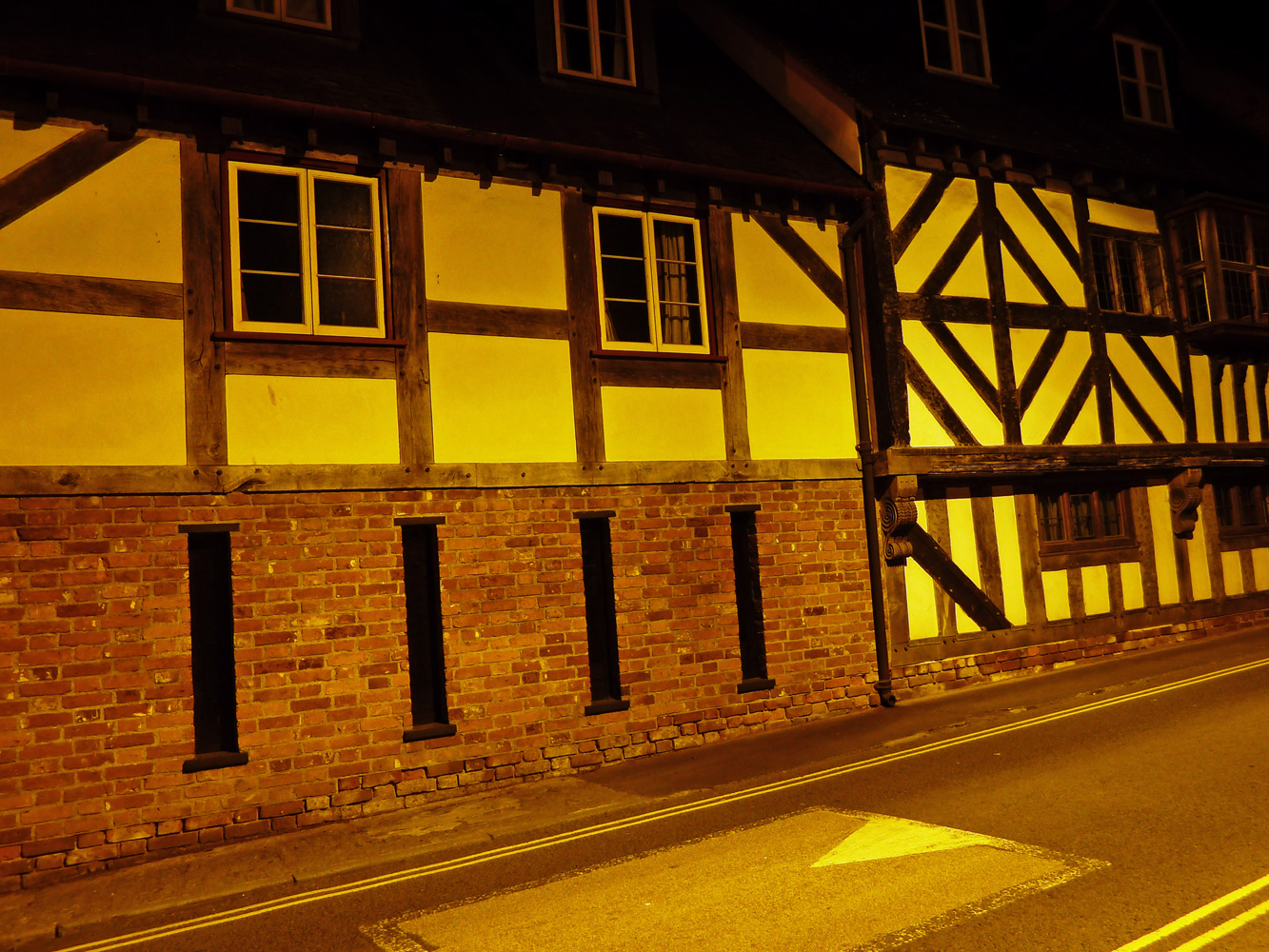
I thought I’d have a go at photographing the night sky, though unfortunately there are some distracting yellow street-lights which I find totally useless for lighting your way home. I got out the tripod that I never use and a compact Panasonic with a ‘starry sky’ scene mode to play about with and went into the courtyard to give it a go.
Standing out there shortly after midnight I discovered I was not alone. A lady walking her dog went by, giving me a funny look, then an open-top convertible drove up the narrow street behind me, blasting headlights all over the scene, one lady driver; it was a very warm night. And shortly after that a police van came up the same road and turned the wrong way into the one-way street. And a helicopter was hovering nearby, though I couldn’t see it.

Anyway, the photos: although a very starry sky and no moon my captures were pathetic to say the least (above). So I played around with the software to see what happened.


Lisa of the blog NorthWest Frame of Mind has decided to run a different project over the next 24 weeks. To try to show what is happening in different parts of the world (if you all join in) at a particular time of day. If you would like to participate you have until next Saturday midnight to post a photo or write about what is happening in your part of the world. This week is between 24:00 – 01:00. I hope you’ll join in! See links for more details.
A meeting place is by definition a place where people meet. It can be a public landmark, a railway station, a pub, a café, a statue, a park gate or something iconic like under a well-known clock.
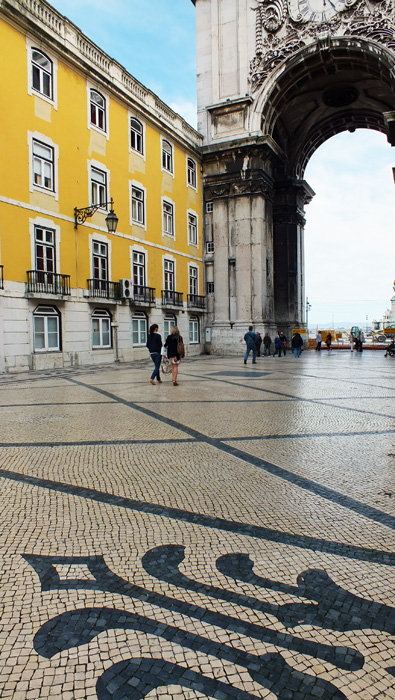
So how about the Praça do Comércio, Lisbon’s vast riverside square where over the last centuries numerous processions, festivities, concerts and even executions have taken place. In 1974 thousands of people assembled here during the revolution that overthrew the dictatorial regime.
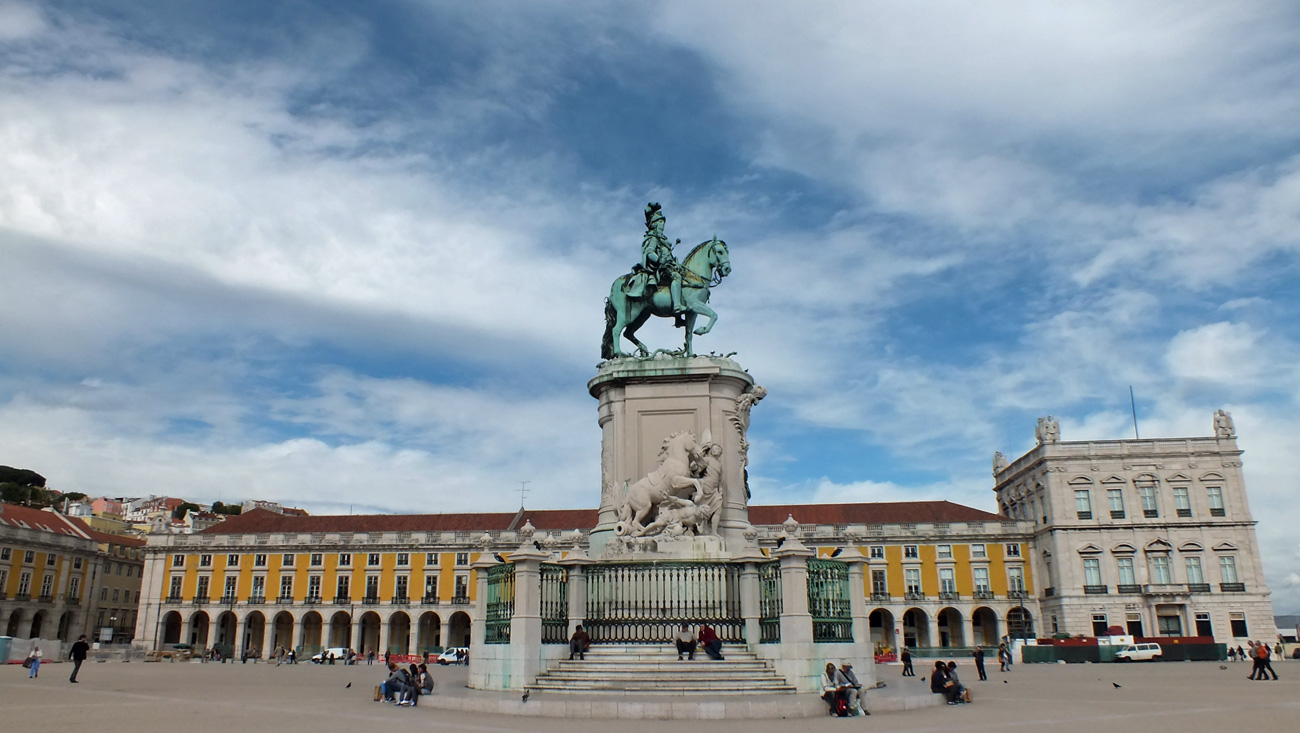
The Tourist Information Centre can be found in one of the classical old buildings on the west side as well as one of the city’s legendary cafes, Café Martinho da Arcada which dates from 1782 and was a favourite of poets Fernando Pessoa and Almeida Garrett and of novelist Eça de Queiroz.


The Statue is of King Jose I showing him on horseback, wearing his emperor’s mantle, and measuring 14 meters in height counting from the pedestal.

And at the northern side is the Arco da Rua Augusta, a triumphal arch that leads to the Rua Augusta, a beautifully paved pedestrianized street.


 TRAVEL WORDS