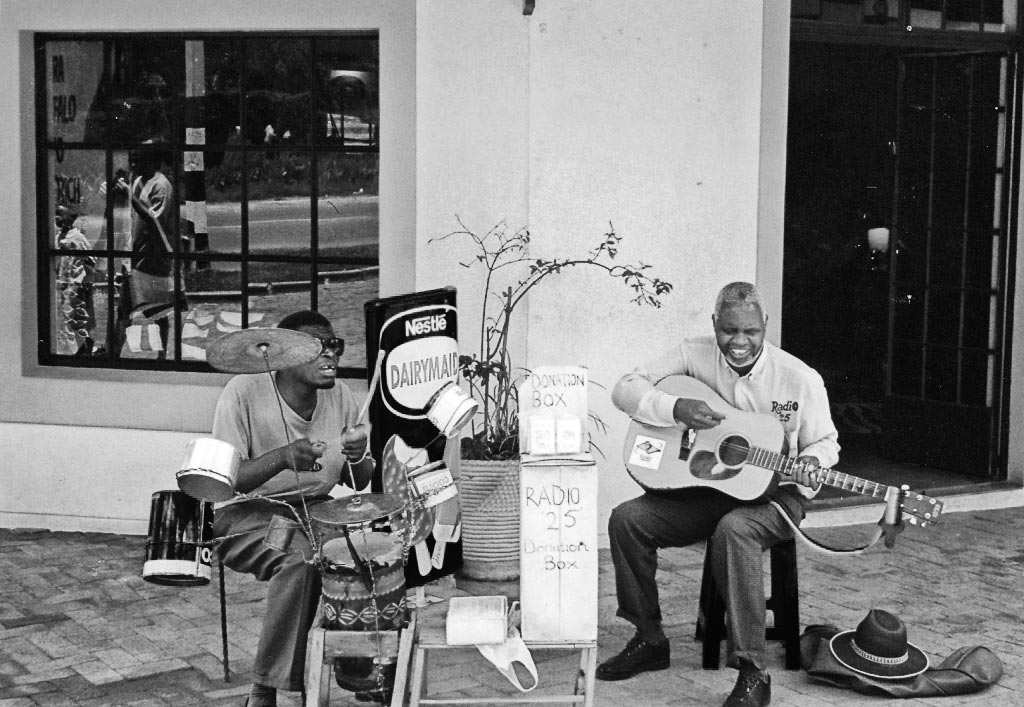
This week’s Monochrome Madness is being hosted by the lovely Margaret from From Pyrenees to Pennines and her chosen theme is Music. I wondered whether I had any related photos as it is a genre I don’t usually photograph, but I was surprised by what I could find. The first one taken in Victoria Falls in December 2000 was memorable by its location and also the fact that these guys are actually blind.
Blind Street Performers, Victoria Falls
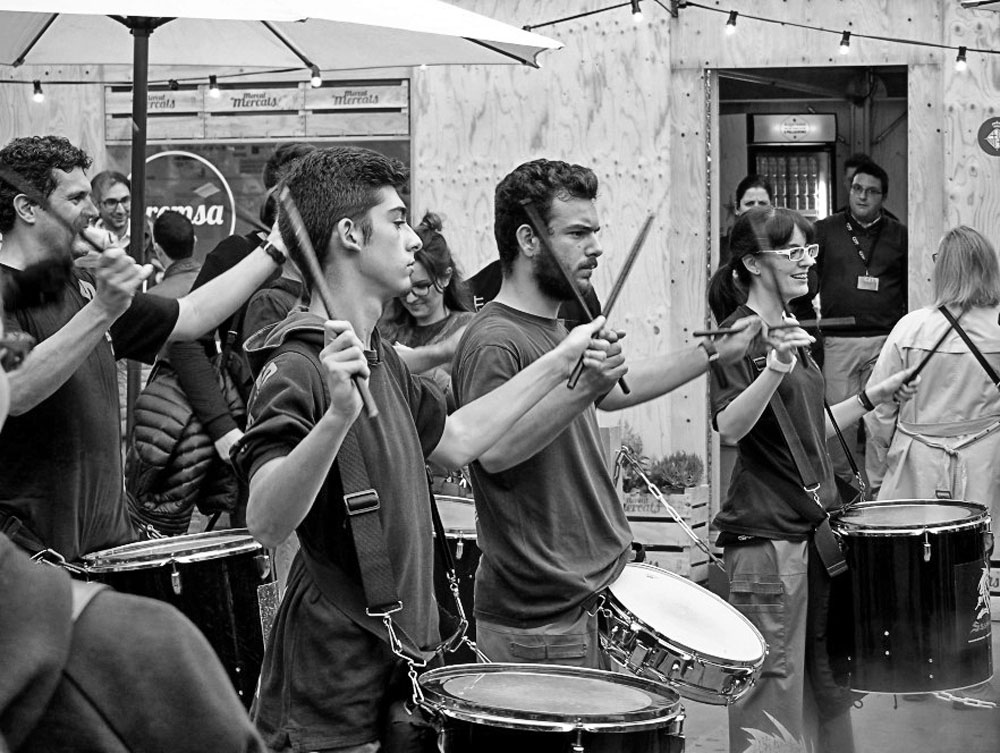
I seem to be fond of drummers though don’t let my OH hear me say that.
Barcelona drummersDrummers in Chinese New Year Parade, San FranciscoDrumming the beat at the Brolly Parade, Kirkcudbright Jazz Festival
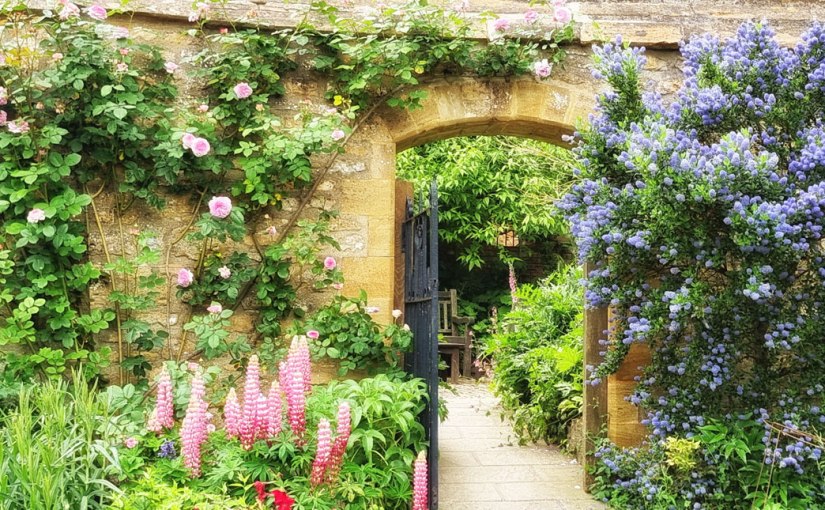
Brass instruments also at the Kirkcudbright Brolly Parade (also the feature image is from that event)
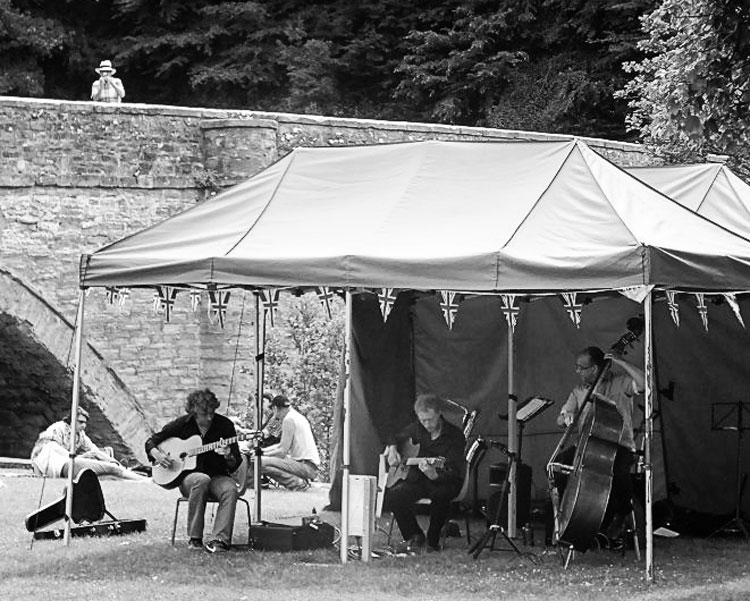
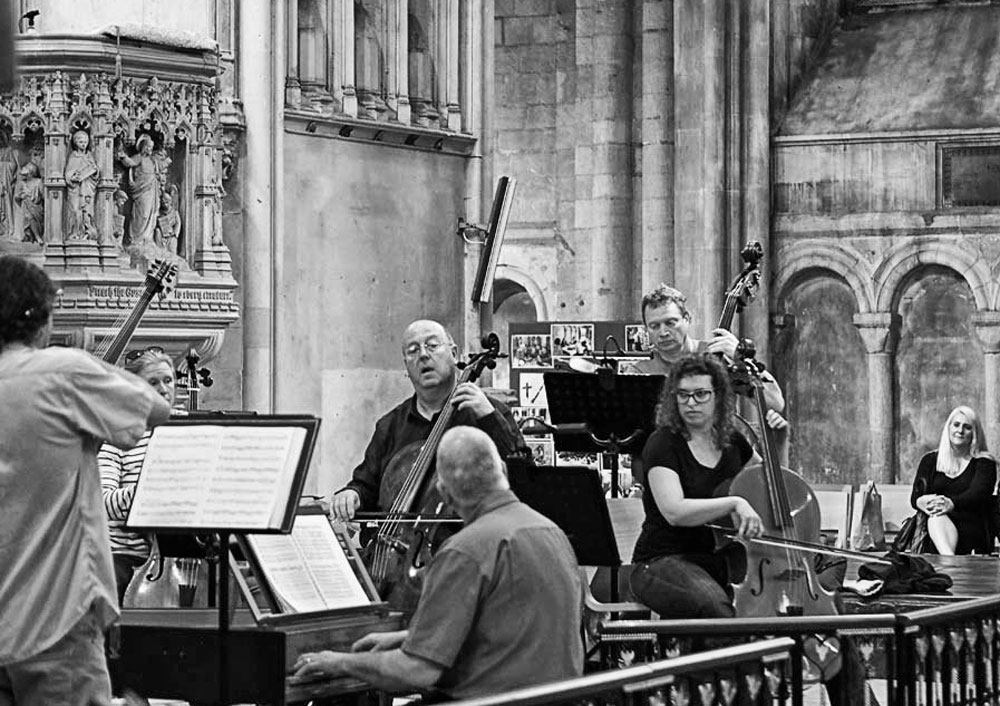
A music ensemble on Millennium Green, Ludlow during the Arts festivalPractising in Norwich Cathedral
Music score
A Welsh organ
My singer-songwriter OH playing at the St Just Lafrowda festival in 2023
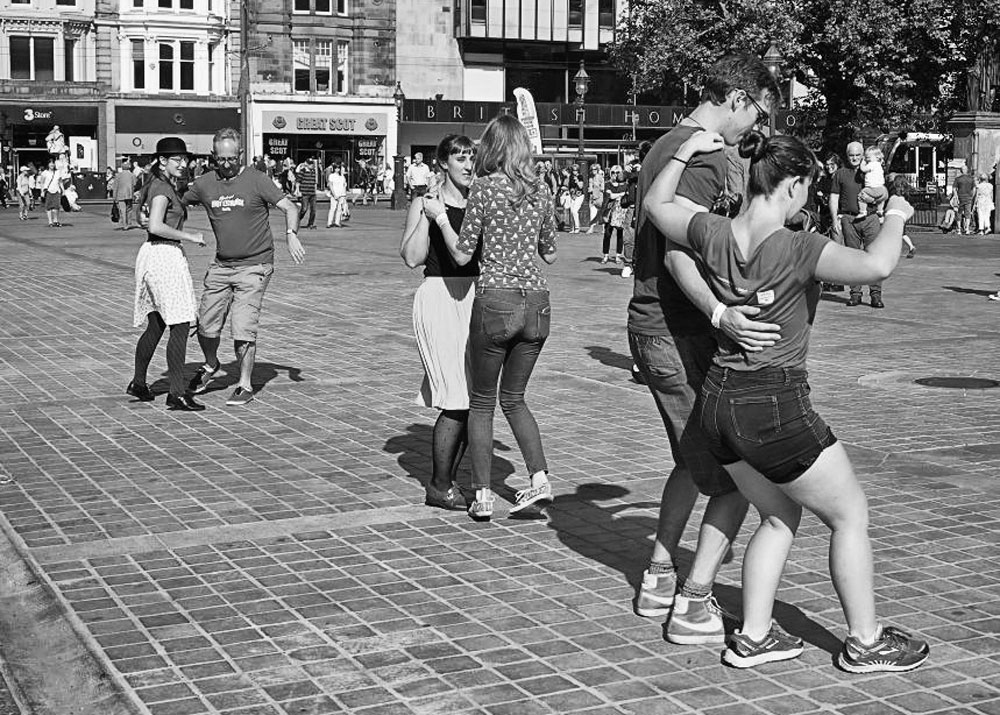
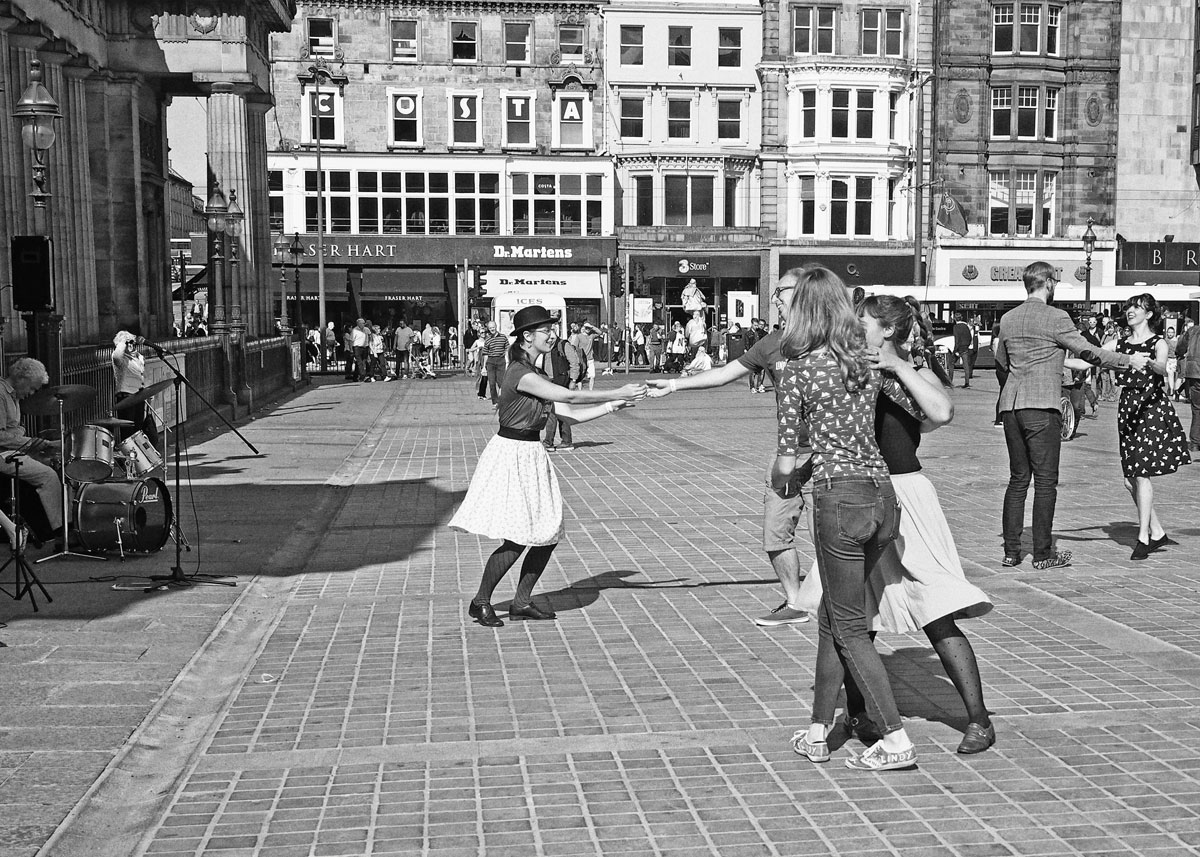
And there is nothing better than listening to music than dancing to it!
Those of you who have followed me for a while will know that I am passionate about flowers, nature and gardens. In fact I even have a blog dedicated to them. Earth Laughs in Flowers is no longer being updated but it is a resource of my garden visits from around the world. Wherever I travel I seek out a garden.
“My garden is all overblown with roses,
My spirit is all overblown with rhyme”
~ Vita Sackville-West
So what can I say in a single post? What do gardens mean to me?
A lot of the pleasure of a garden of one’s own is nurturing the plants through their lives. Sowing seeds, watching them grow, making sure they have the right conditions, changing them if not. It’s a lot like having children or pets. You make mistakes. You learn. And when things go well, it makes you happy. And when they don’t you try again.
(Please click on an image to enlarge / scroll through the gallery)
Details
I like to visit other gardens for many reasons. Combining a walk in pleasant surroundings is one. Having a nosey around small gardens to pick up ideas of what might work in my own is another. Large estates often have stunning vistas too. Then there are the design features, colour combinations to copy, unusual plants to admire, tiny details picked up through the camera lens, a walled garden, a fragrant garden, an edible garden, a secret garden to explore, gardens to relax in and listen to nature: mindfulness.
Colours to admire
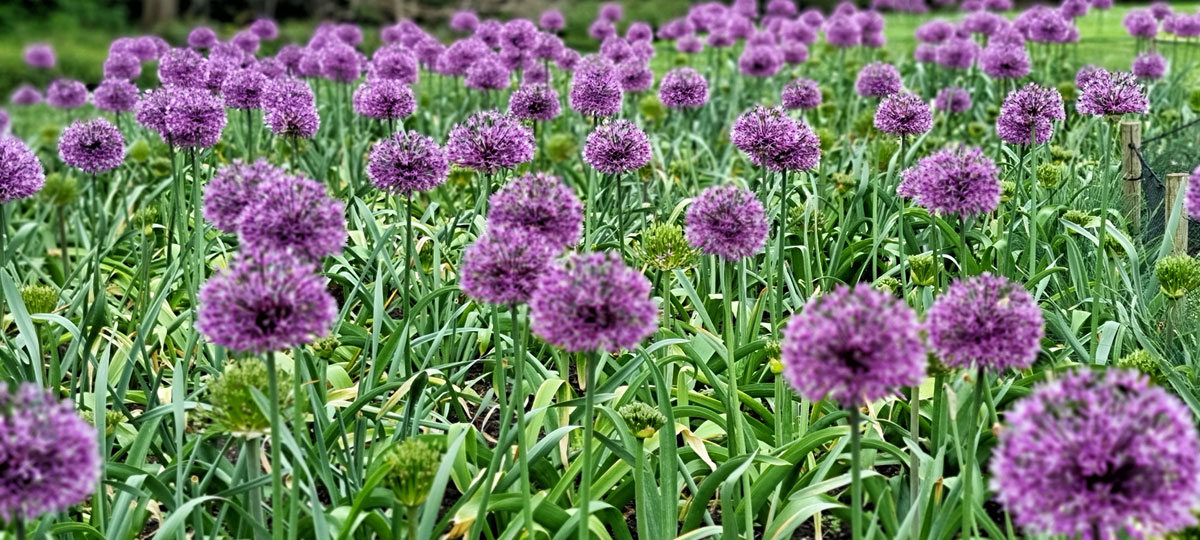
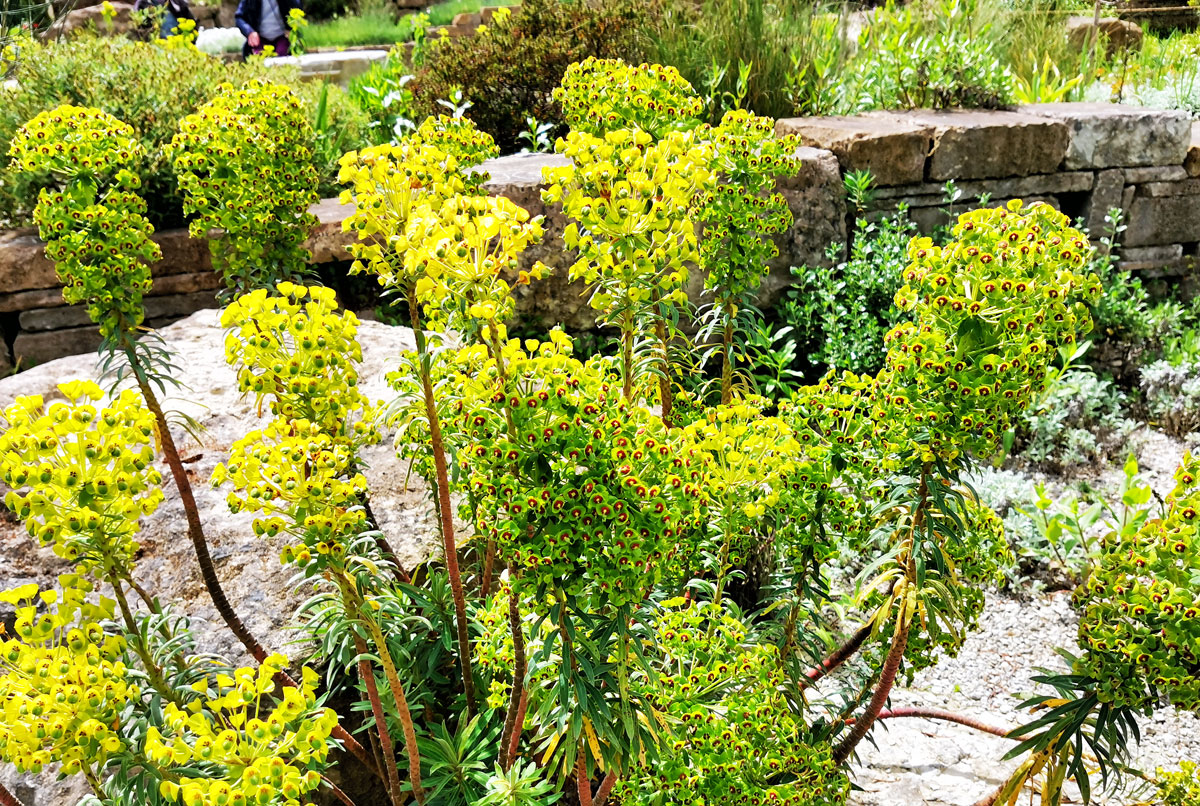
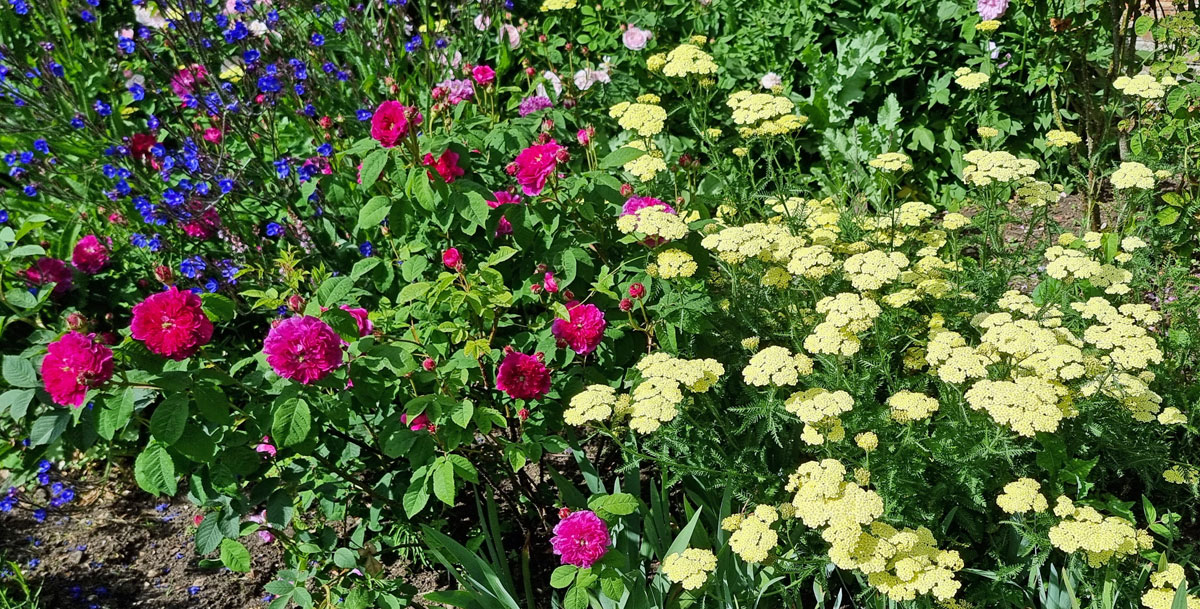
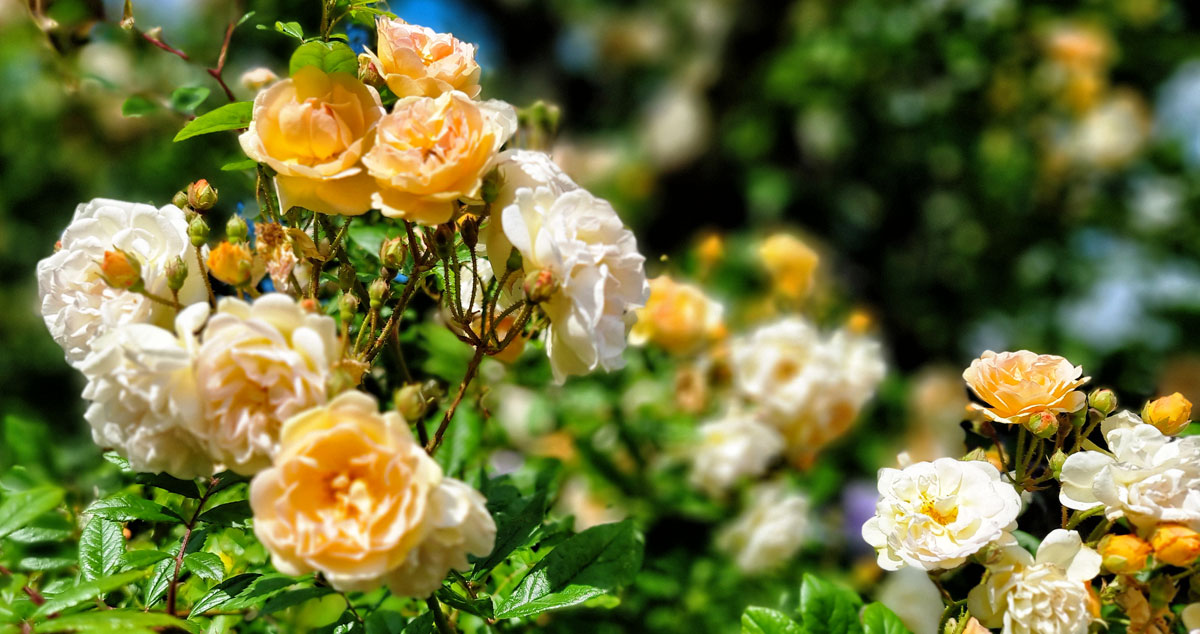
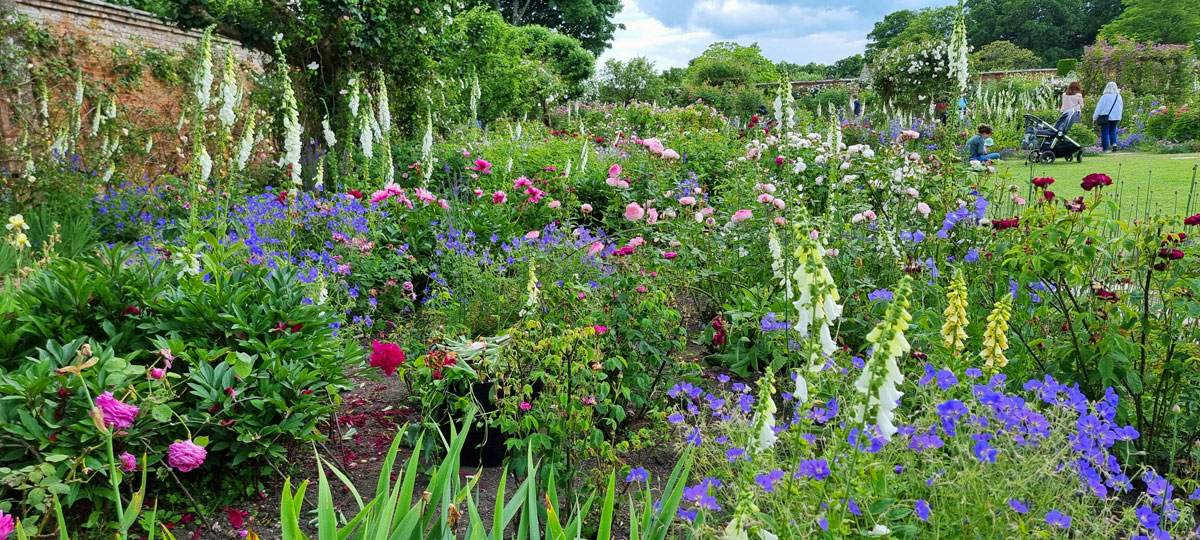
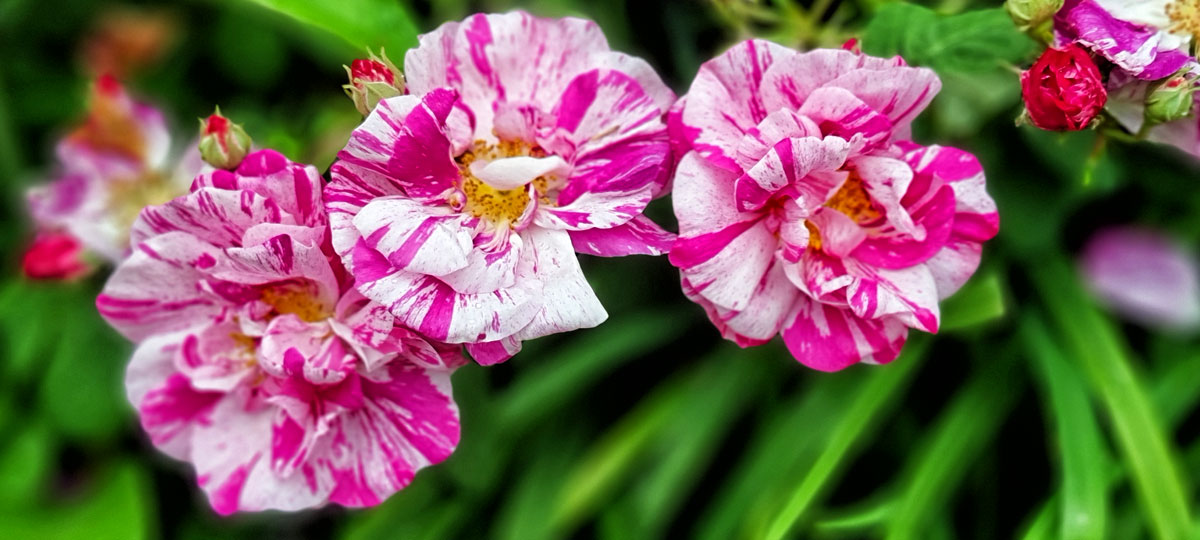
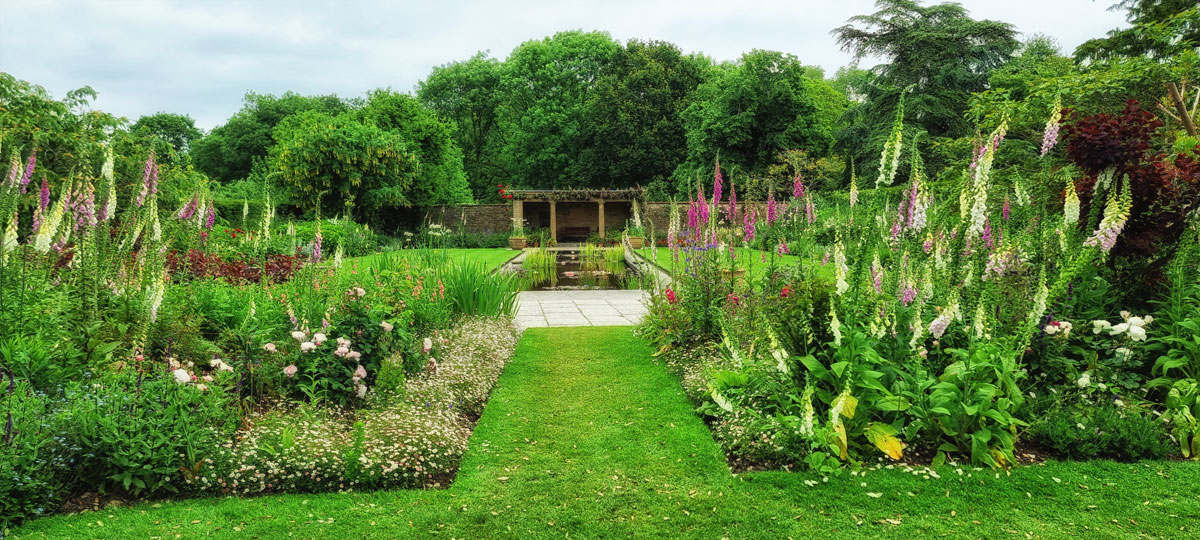
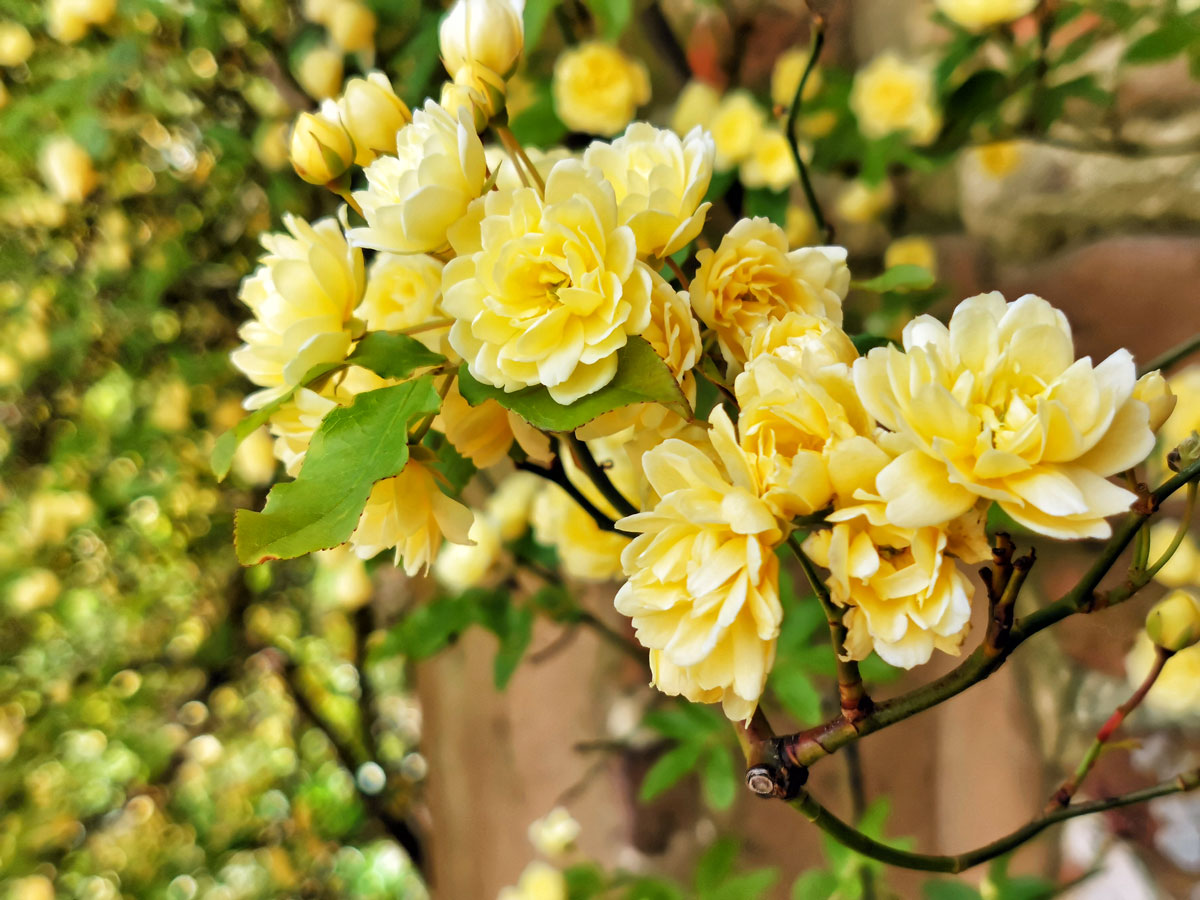
Alliums at Kew Garden, May 2024Euphorbia in the Delos garden, Sissinghurst, May 2024Roses and Achillea and Bugloss at Mottisfont, June 2024Ghislaine de Feligonde (Musk rose)Roses and foxgloves and hardy geraniums at Mottisfont, June 2024Rosa Mundi (Gallica var, officinalis ‘Versicolor’)Tintinhull Garden, Somerset – Pool garden with towering foxgloves. June 2024Rosa banksiae ‘Lutea’ at Sissinghurst
Design Ideas to inspire
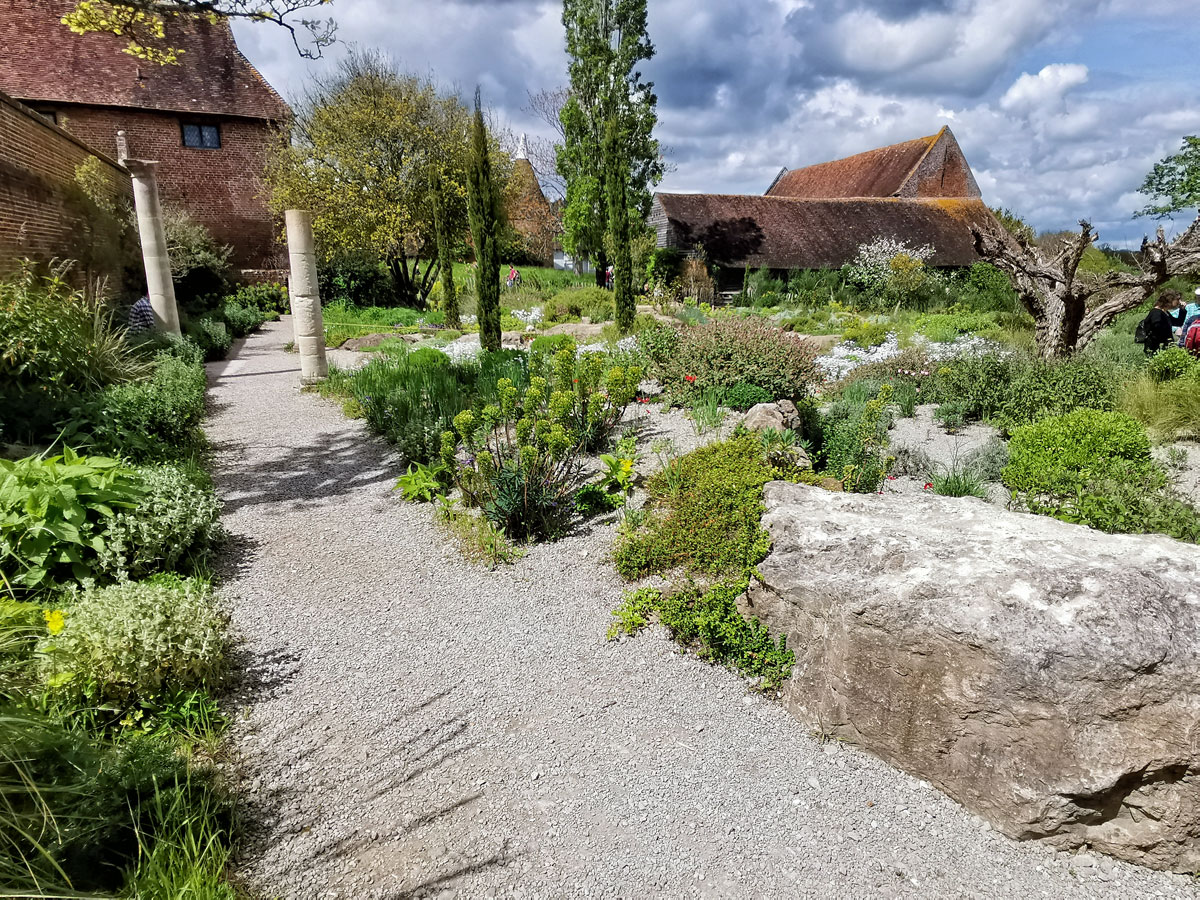
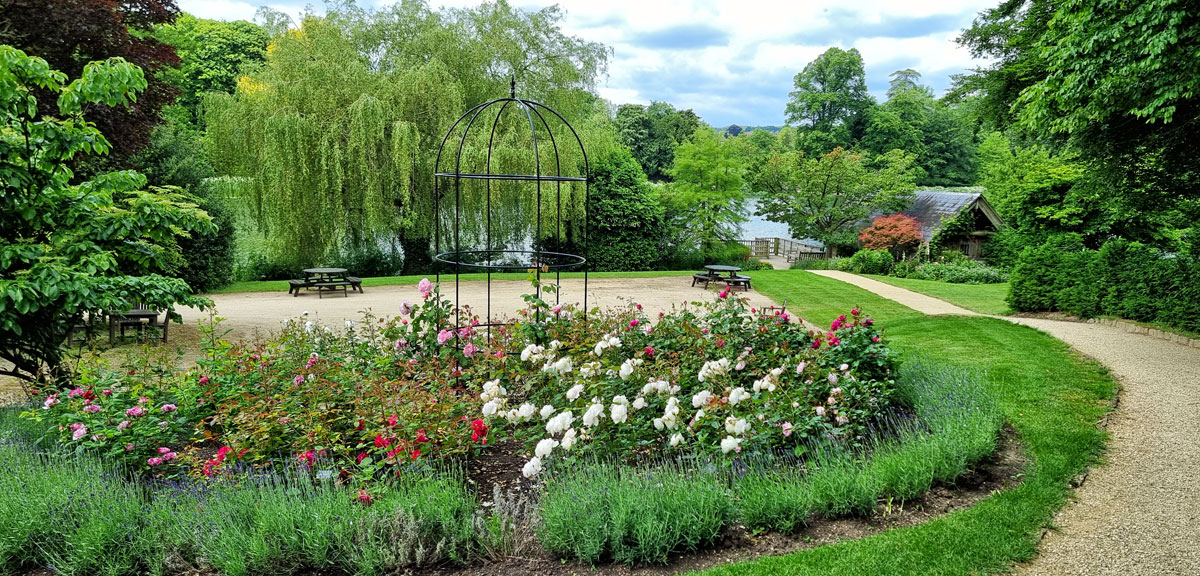
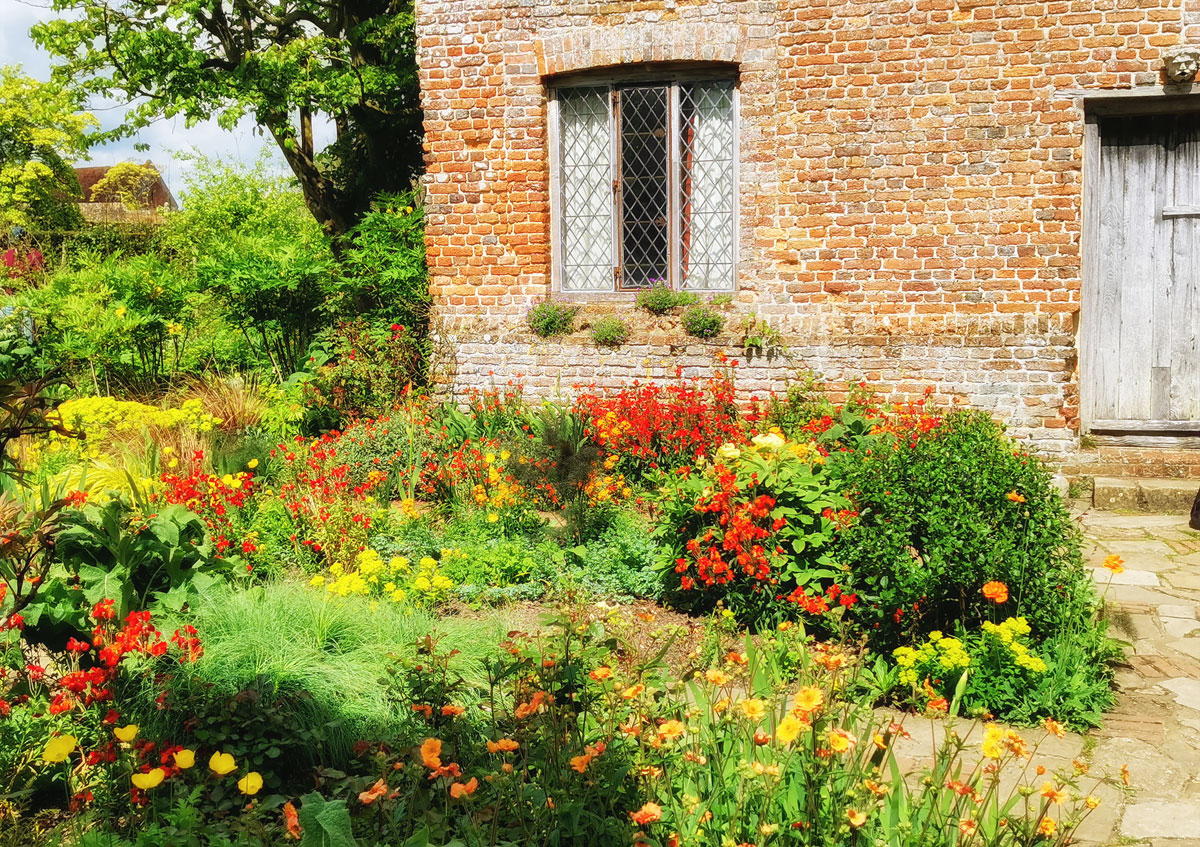
The new Delos-inspired garden at Sissinghurst Castle Garden in Kent, re-imagined from Vita and Harold’s original vision. May 2024Rose Garden, Sherborne Castle and Gardens, Dorset, June 2024Hot borders, Sissinghurst, May 2024
Vistas
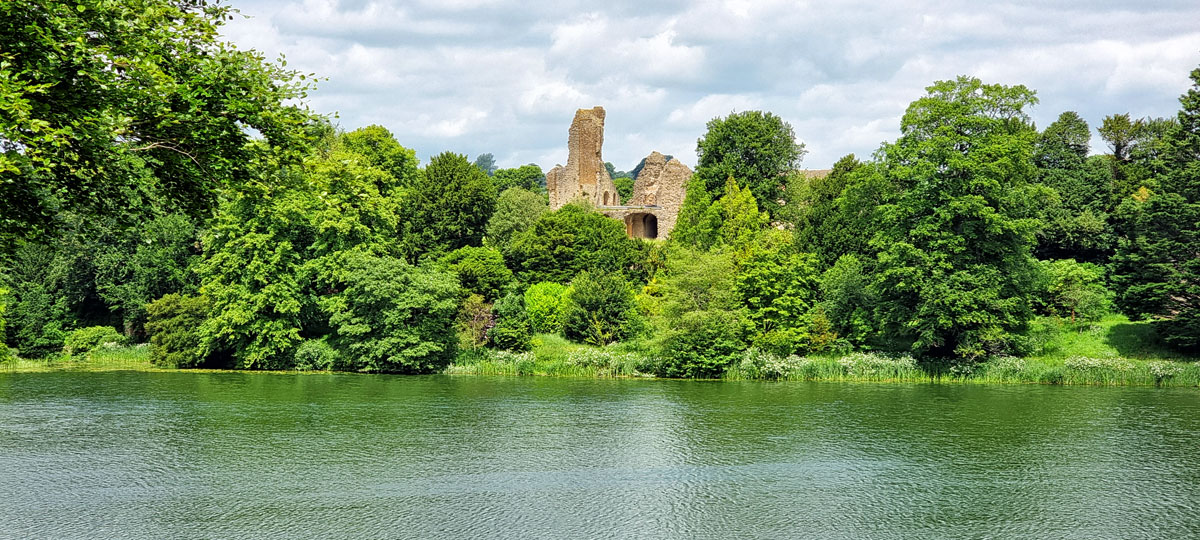
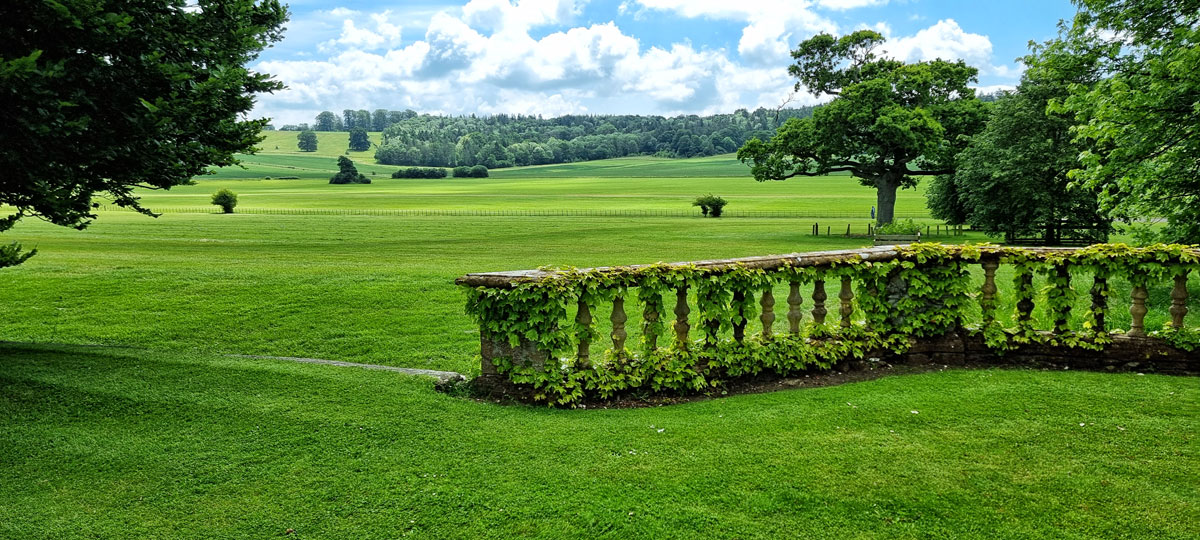
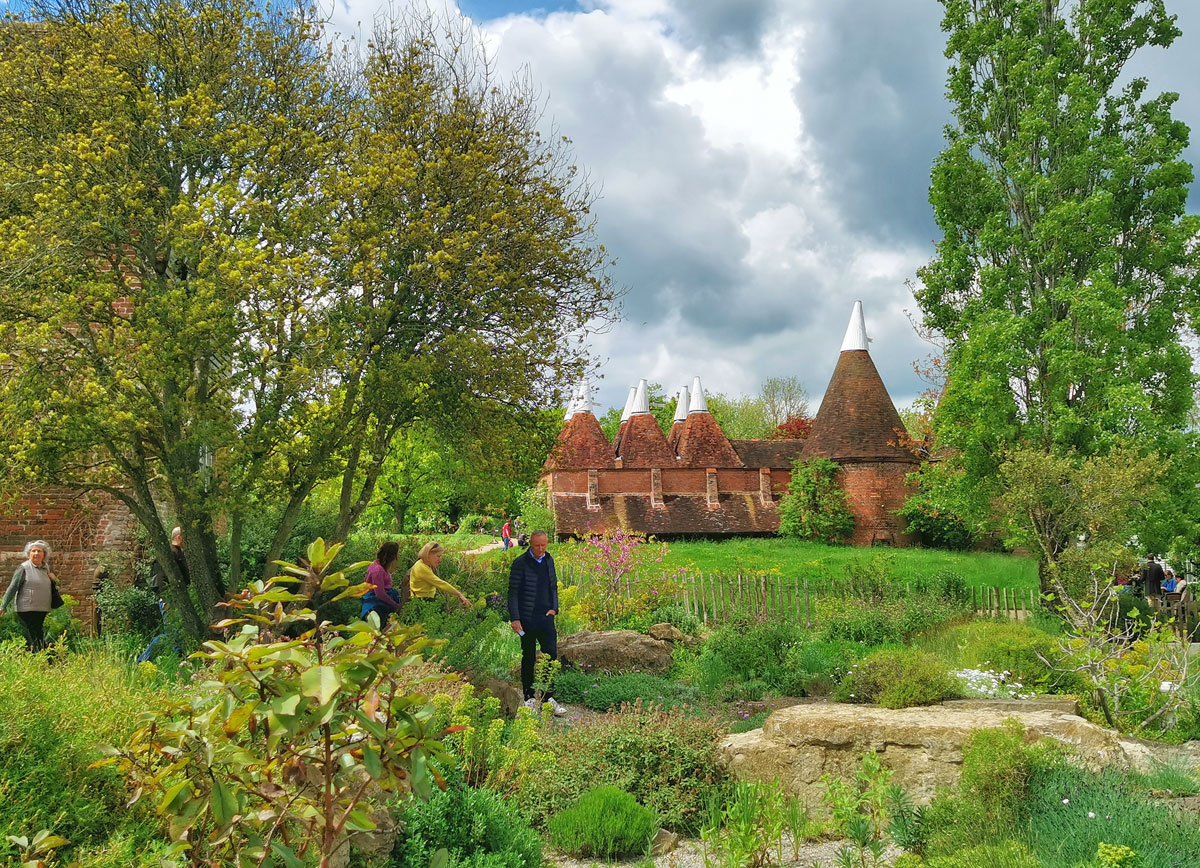
View of Sherborne’s Old Castle from Sherborne Castle and Gardens, Dorset, June 2024Sherborne Castle and Gardens, Dorset, June 2024Kew Garden, London, May 2024Oast Houses at Sissinghurst from the Delos garden, May 2024Cool, tranquil and calming aspect in Sissinghurst Castle Garden, May 2024
Somewhere to relax
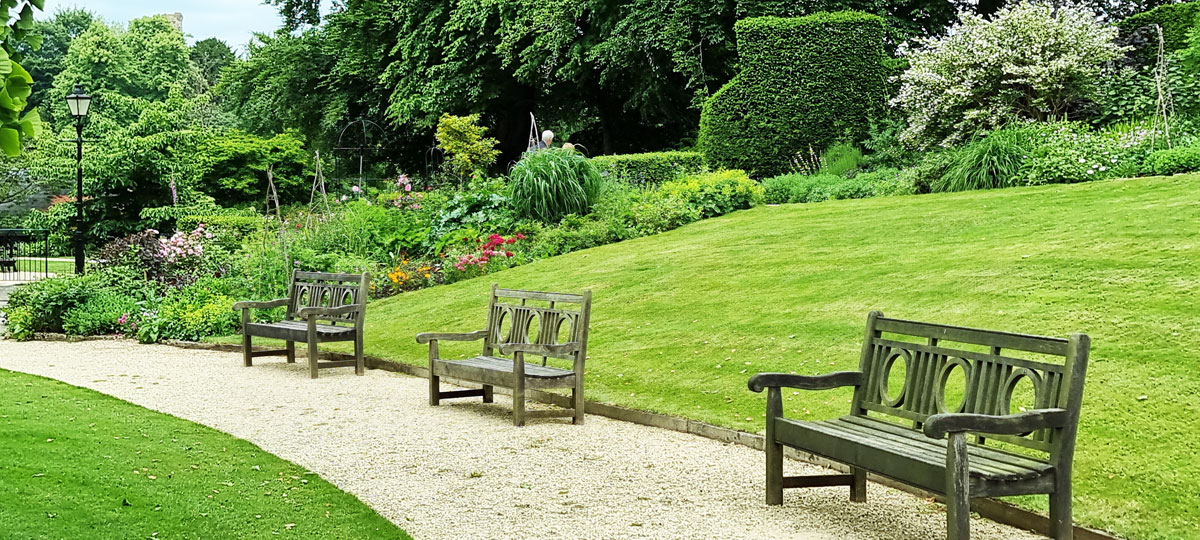
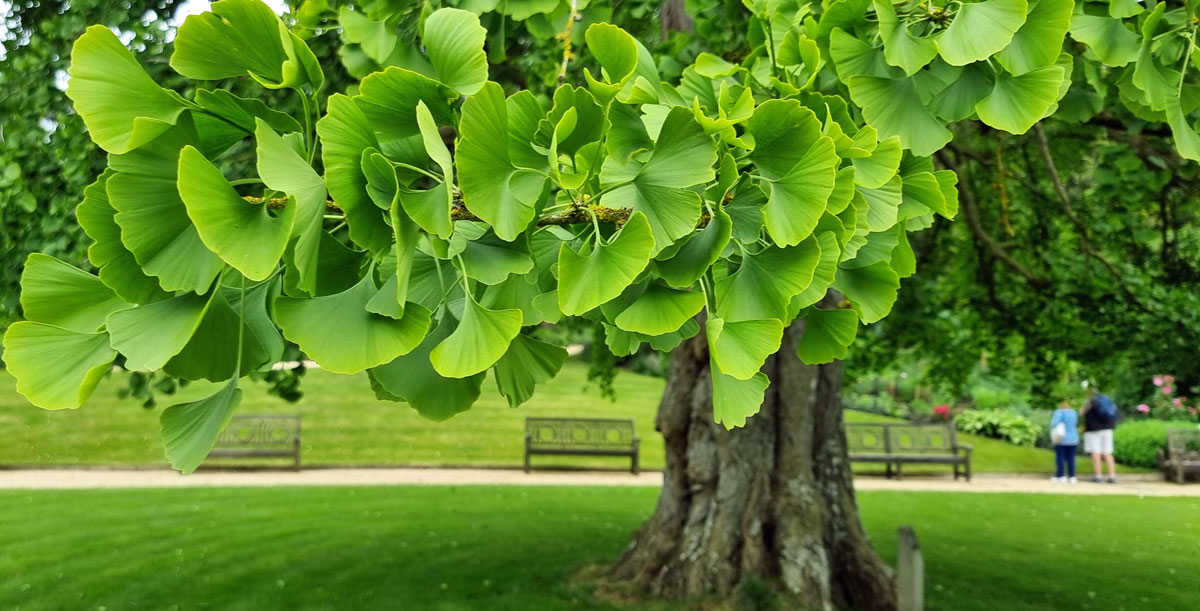
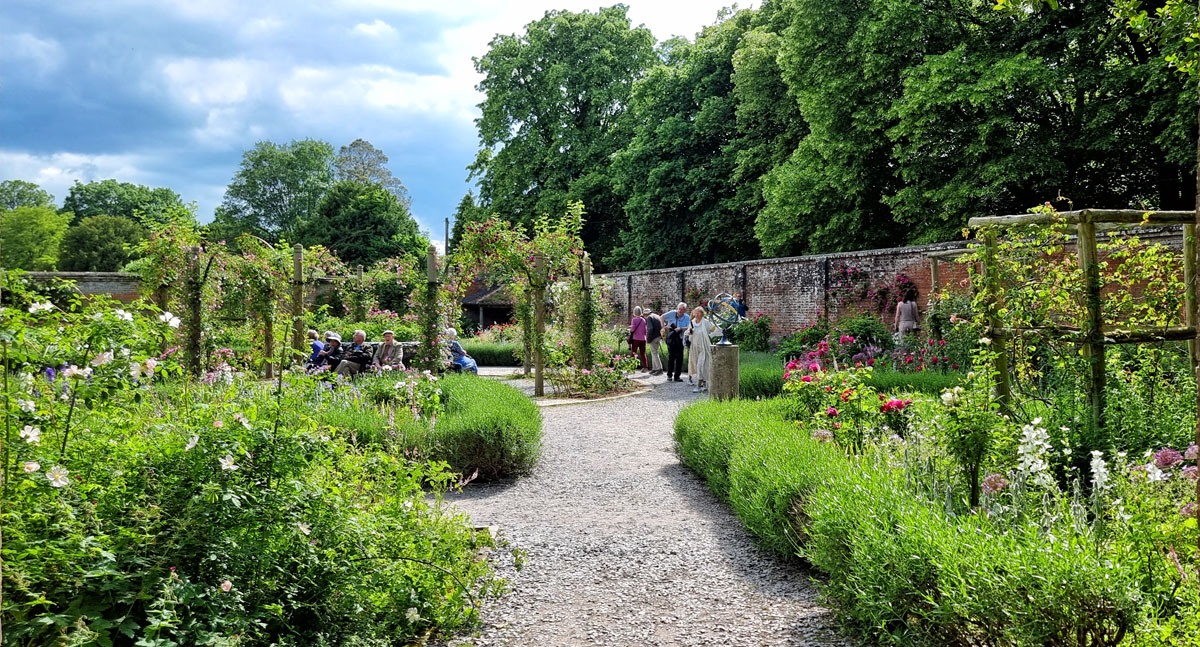
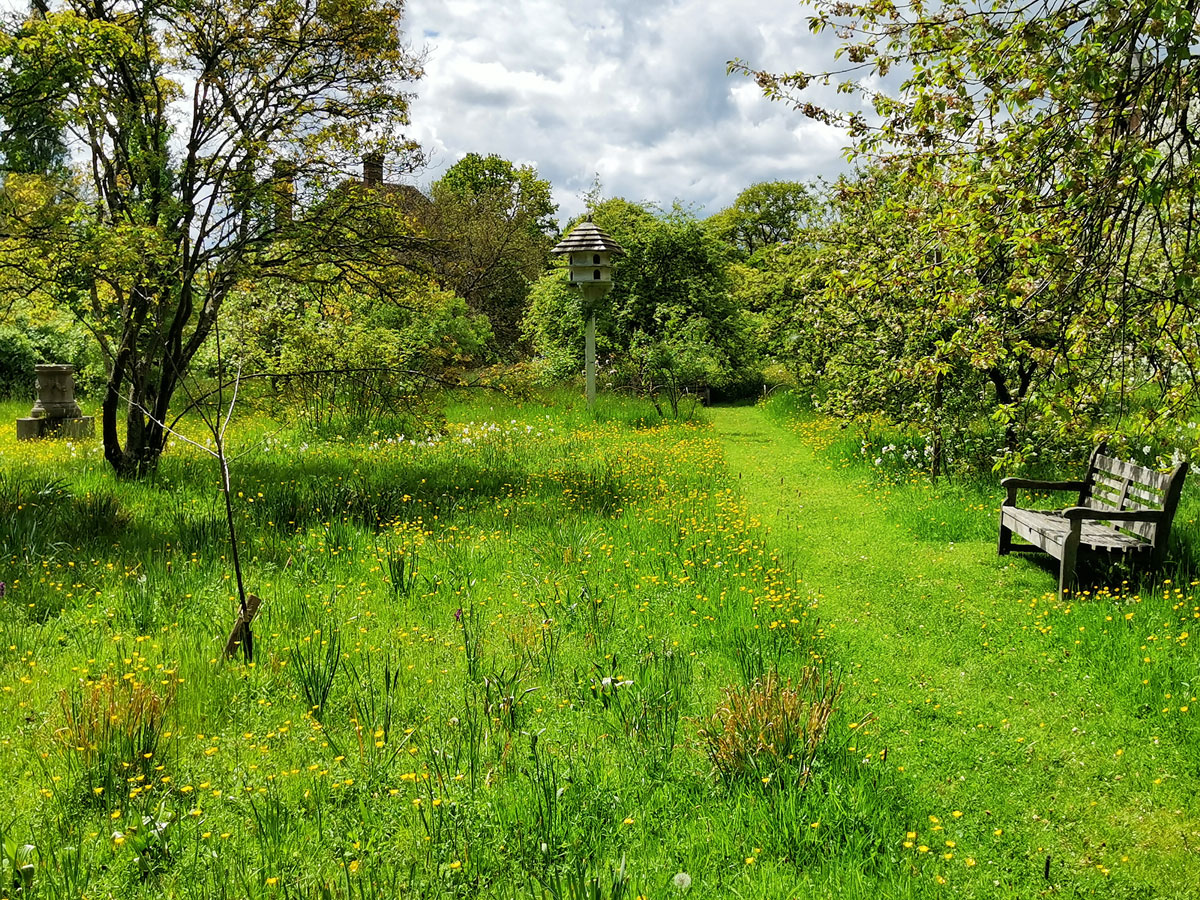
Sherborne Castle and Gardens, Dorset, June 2024Ginkgo Tree – Sherborne Castle and Gardens, Dorset, June 2024Relaxing in the walled garden at Mottisfont, Hampshire. June 2024Meadow and orchard in Sissinghurst Castle Garden, May 2024
The last words come from my favourite garden designer who says it much better than I can.
“I try for beauty and harmony everywhere, and especially for harmony of colour. A garden so treated gives the delightful feeling of repose, and refreshment, and purest enjoyment of beauty, that seems to my understanding to be the best fulfilment of its purpose; while to the diligent worker its happiness is like the offering of a constant hymn of praise.
For I hold that the best purpose of a garden is to give delight and to give refreshment of mind, to soothe, to refine, and to lift up the heart in a spirit of praise and thankfulness.”
~ Gertrude Jekyll (Wood and Garden)
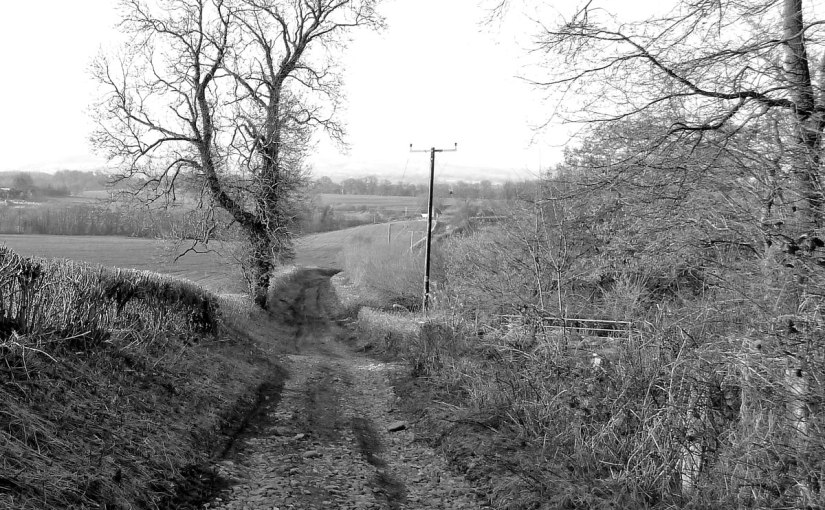
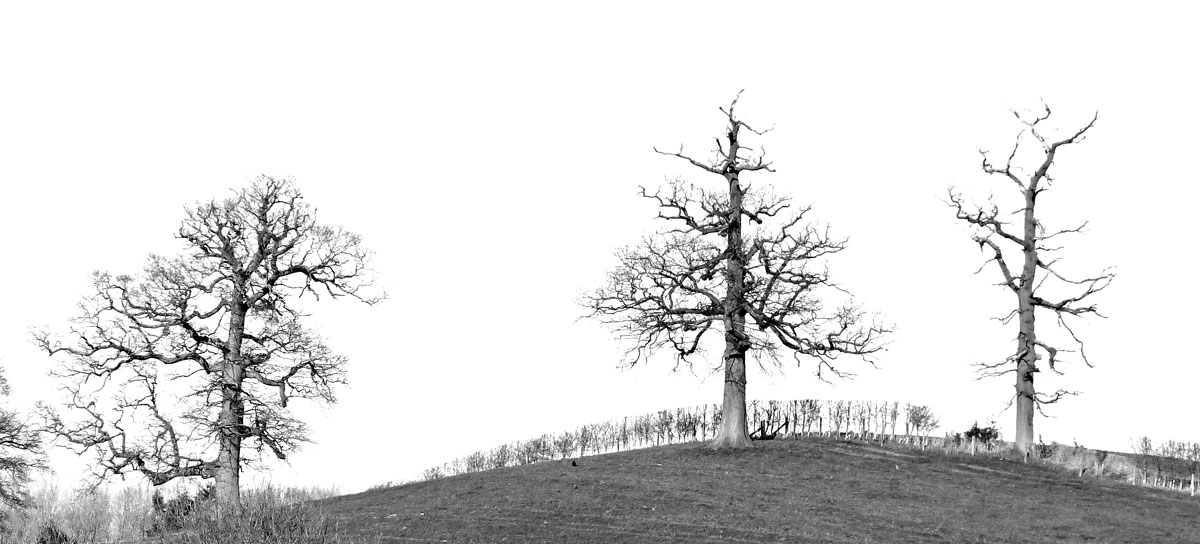
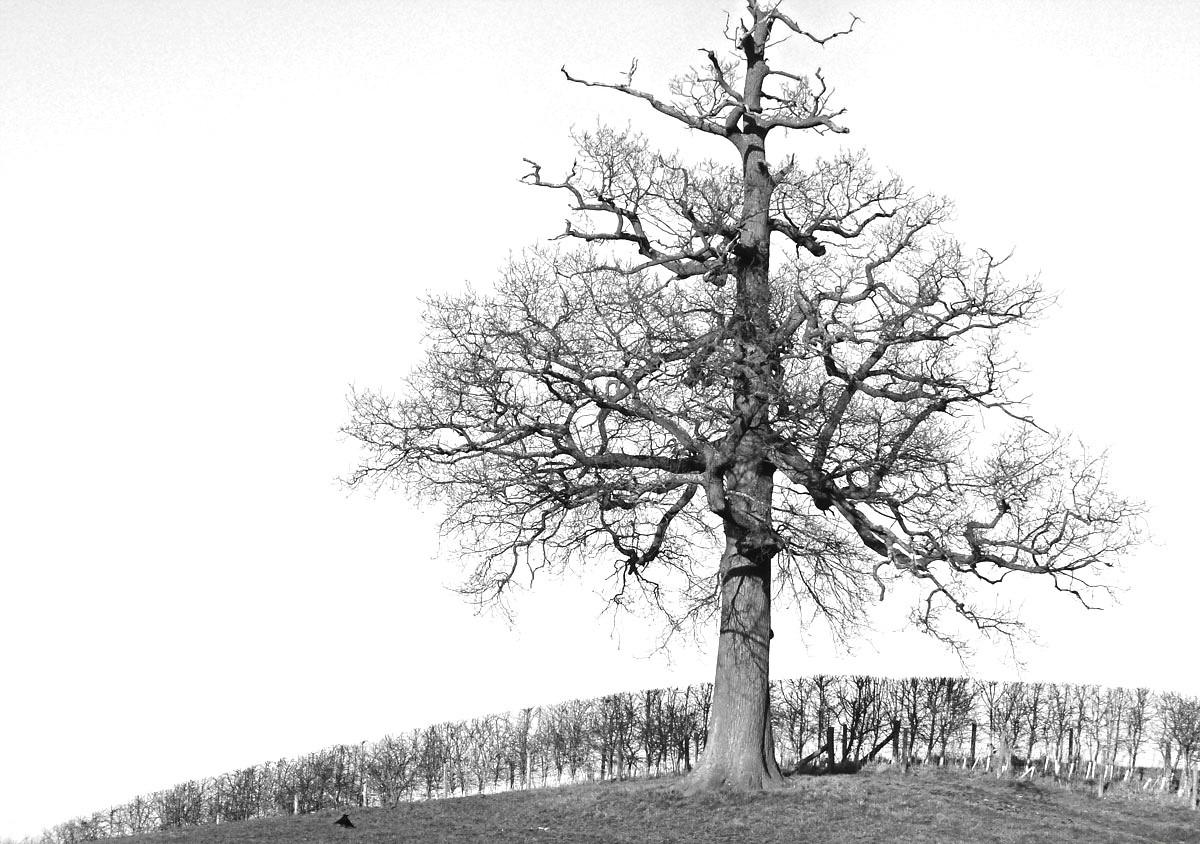
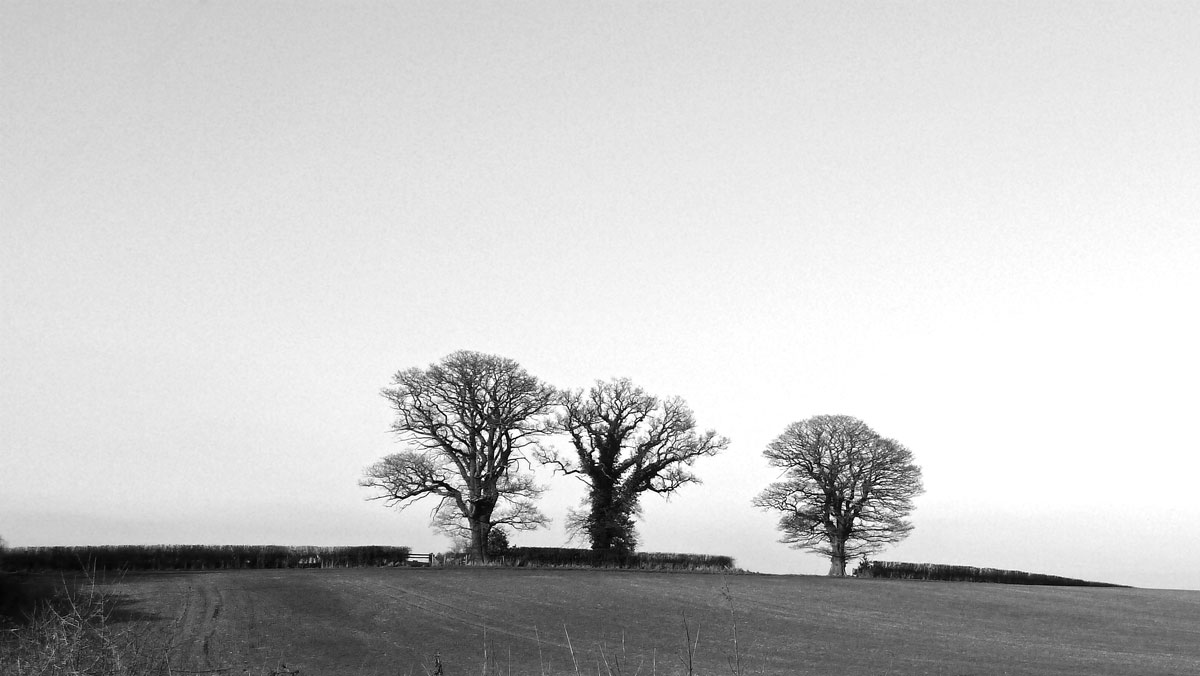
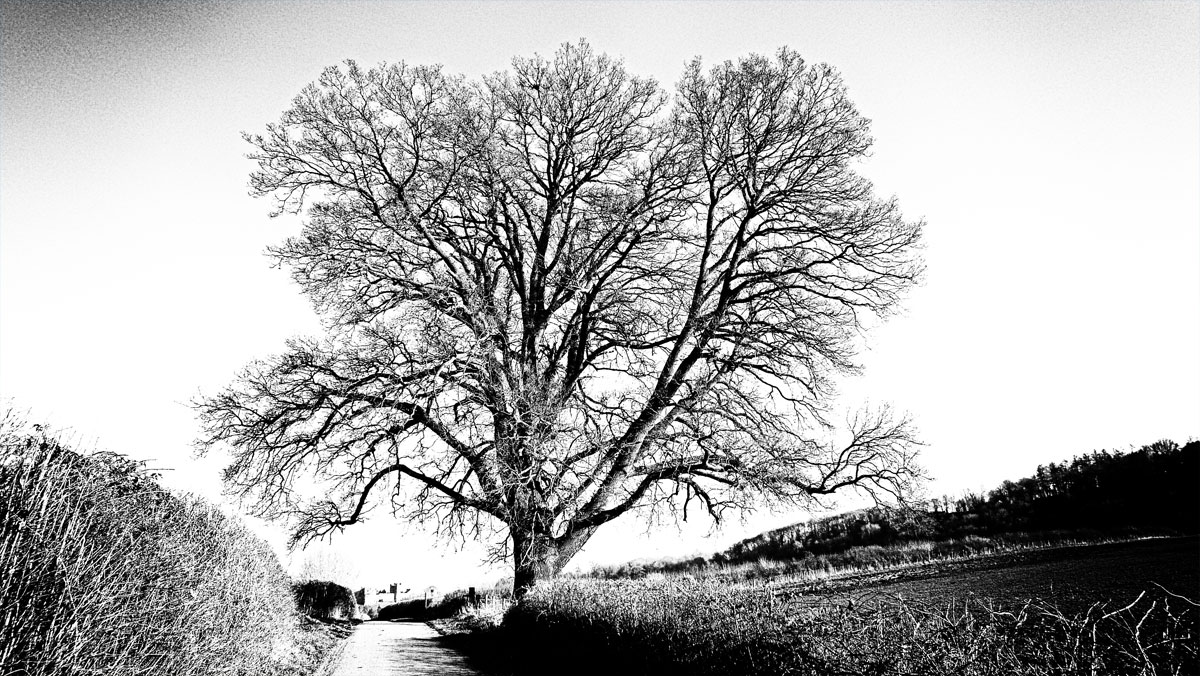
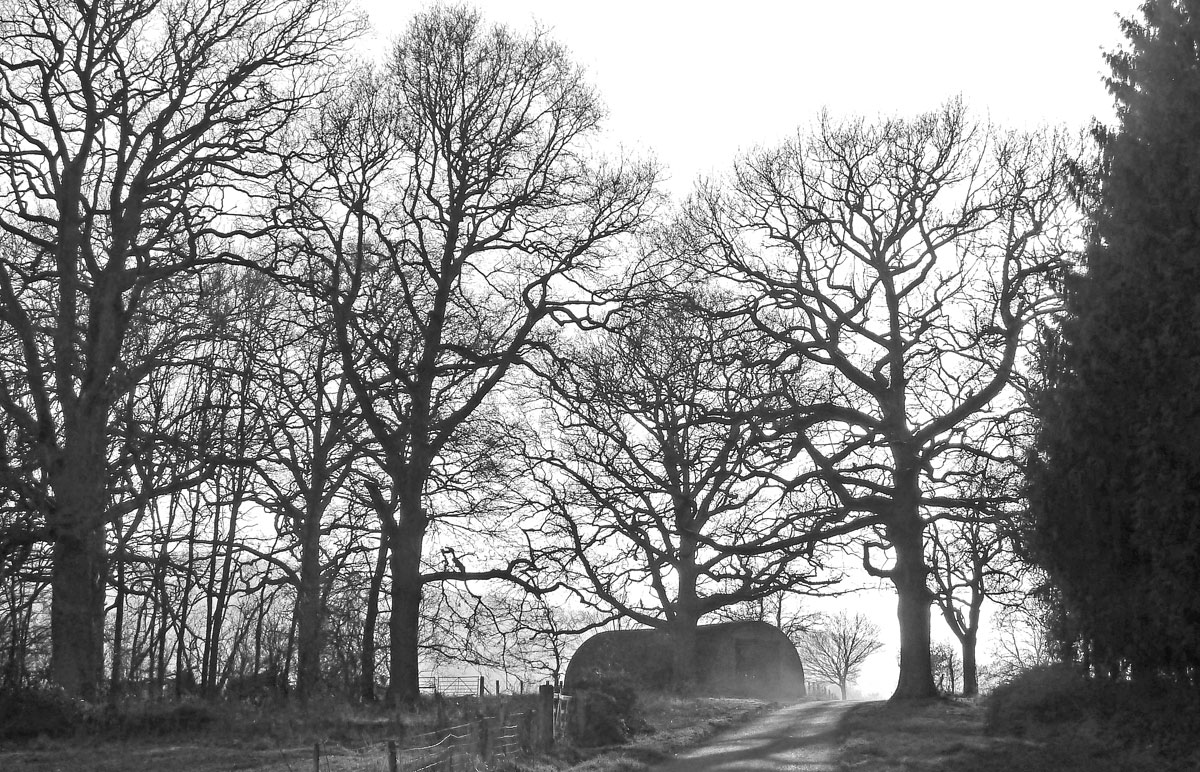
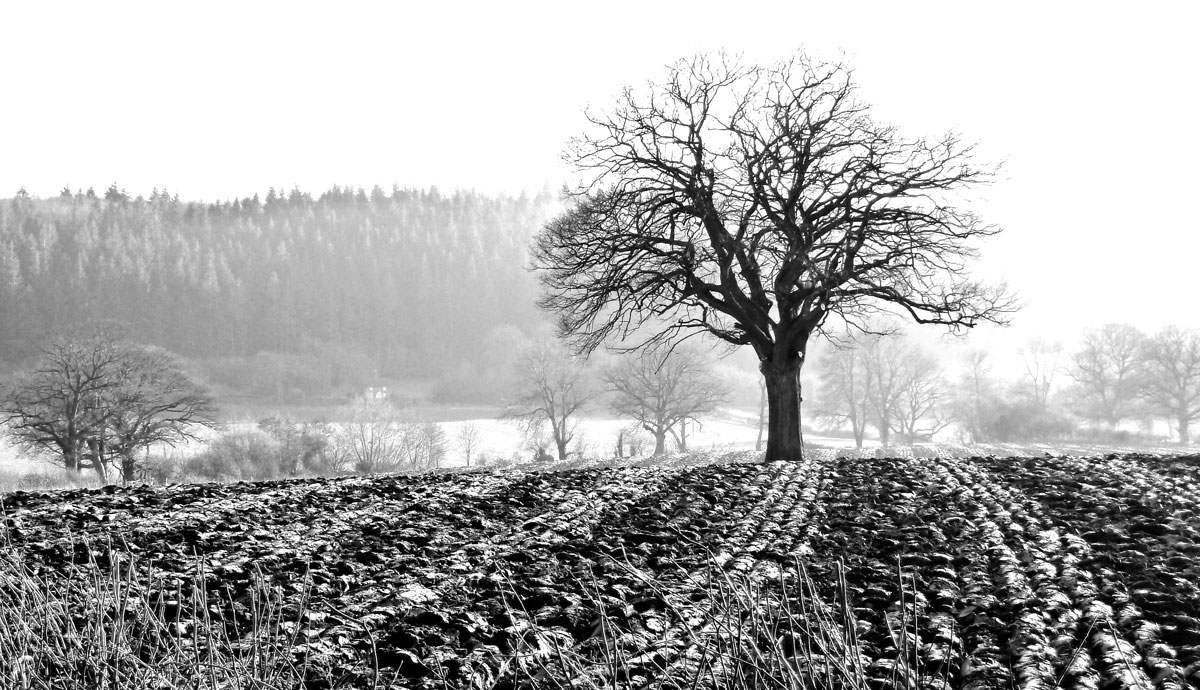
One thing that I noticed whilst living in Shropshire was the way the trees looked, especially in winter. Weirdly shaped limbs reaching for the sky, often looking as though they were leaning over to have a conversation. I called them my Ent trees.
Ents are a species of sentient beings in J. R. R. Tolkien’s fantasy world of Middle-earth who closely resemble trees; their leader is Treebeard of Fangorn forest. Their name is derived from an Old English word for “giant”.
I always thought Shropshire and the Welsh Marches were the inspiration behind Tolkien’s novels.
Join in with Sarah this week if you have some black and white trees to share.
It’s been a while since I joined in with the Lens-Artists photo challenge, but the number 303 leapt out at me this week as I have just come back from a holiday based close to the A303 in Wiltshire so I thought it would be interesting to find connections between the sites we visited in and around that area.
Family Connections
The A303 is one of the main routes from London to the Southwest and a route I have travelled many, many times to visit my youngest son who is based in Wiltshire (military) and my daughter who lives in Surrey. It’s also famous for passing by the World Heritage site of Stonehenge, the world’s most famous prehistoric monument.
History
Stonehenge (2500 BC) is not the largest henge though, that title goes to Avebury and together they form the heart of a World Heritage Site which also includes Silbury Hill. We didn’t visit Stonehenge as we have done so not long ago, but we drove past it a few times this week so had a few sneaky glances! Instead we opted for a visit to Avebury.
Stonehenge
Avebury (2850 – 2200 BC): the henge survives as a huge circular bank and ditch, encircling an area that includes part of Avebury village. Within the henge is the largest stone circle in Britain – originally of about 100 stones – which in turn encloses two smaller stone circles.
A double avenue of stones leads away from the southern entrance towards the Sanctuary stone circles on Overton Hill, about a mile to the south-east. Unlike Stonehenge, this site is free to visit though you will have to pay for parking unless you are a National Trust or English Heritage member.
More recent history can be found at Old Sarum, an iron age hill fort dating back to 400 BC. Later occupied by the Romans during their conquest of Britain in AD 43, where perhaps a military fort was set up. It was during William the Conqueror’s reign that the strategic advantage of this place was recognised and a motte and bailey castle built.
Later, stone buildings were erected and in 1078-99 a cathedral was built after the 1075 Council of London decreed that the see should be moved from Sherborne to Old Sarum. Dissatisfaction with the site and poor relations with the garrison in the castle caused the cathedral to be moved to its present site in Salisbury (New Sarum) in 1220 and much of the stone from the old cathedral was used to build the new one.
Site and excavation of the old cathedral
Salisbury Cathedral is built in the shape of a cross. It boasts Britain’s tallest spire (123m tall) and contains the oldest working mechanical clock in the world as well as the Magna Carta (great charter) written in 1215 about the rights of the English people against the severe rule of King John. It also contains blue Prisoners of Conscience Window and the Amnesty International candle burning for oppressed people around the world.
Salisbury New Cathedral (spire) from the Watermeadows
The soul should always stand ajar.
That if the heaven inquire,
He will not be obliged to wait,
Or shy of troubling her.
Emily Dickinson, Time and Eternity
The Blue Windows
Often my favourite part of visiting cathedrals is the cloisters. Providing a place of calm and contemplation the cloisters here are Britain’s largest and look out onto two cedar trees, planted more than 150 years ago to commemorate Queen Victoria’s accession to the throne.
Cloisters and Cedar trees
Gardens
Which leads me to my last connection. Gardens. And there are several signposted from the A303. But first let’s revisit Avebury, where Benedictine monks once walked the ground that is now Avebury Manor Gardens.
The Monks’ Garden
There are traces of the work of later owners, from the 17th century orchard, the warm red brick of 18th century walls and elaborate topiary of 20th century owners.
Climbing roses
Talking of Benedictine Monks reminded me that Shaftsbury Abbey, a mere 15 minute drive from the A303, was once home to Benedictine nuns who were responsible for providing medical care for themselves and the wider community and did so by gathering local plants and those grown specially in the garden. In AD 888, King Alfred the Great founded in Shaftesbury the first great abbey just for women. By the time of Henry VIII this had become the wealthiest and most important Benedictine nunnery in England, dominating and serving the town and lands around. It was the last abbey to be destroyed by Henry VIII in 1539.
Signposted off the A303 is another garden designed by a woman, Tintinhull House and Garden. Built in 1630 the house was bought by Captain and Mrs Reiss in 1933, when Phyllis decided to create a garden that she described as her ‘happy place’.
Now I can totally relate to that. A connection to Salisbury cathedral? There is an area called Cedar Court – once containing a Cedar of Lebanon now full of ornamental trees including beautiful magnolias.
Cedar CourtFountain Garden
Another garden signposted off the A303 is Lytes Cary Manor. Created by the Lytes family over five centuries they gave up the estate in the 18th century due to financial difficulties.
Lytes Cary Manor
After 150 years of neglect it was bought by the Jenner family who restored the manor and created an Arts and Crafts inspired garden.
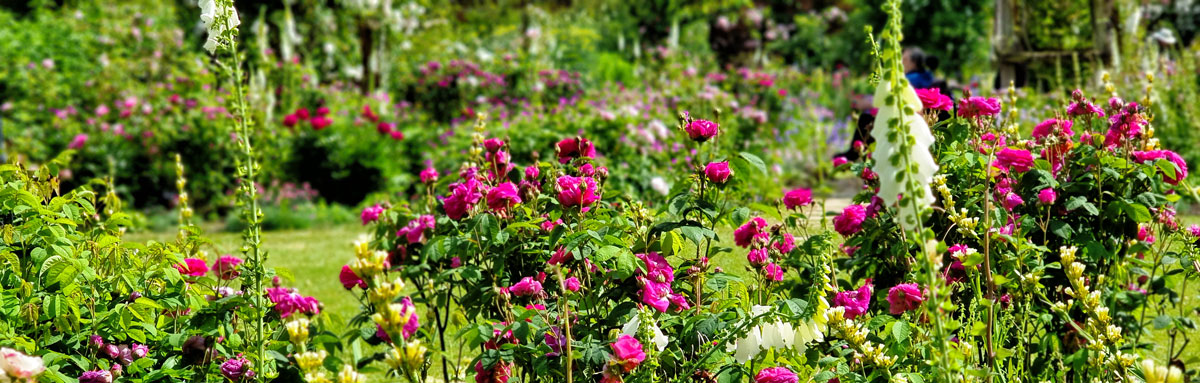
Which leads me to my final connection. Flowers. And specifically Roses. June is rose month and where better to go than Mottisfont walled garden which is home to the National Collection of Old English Roses (pre 1900). So many wonderful colours and forms and scents.
Not just roses, but companion planting too makes the most wonderful colourful beds.
So there you have it. Who knew there could be so many connections with one road that connects the Southeast to the Southwest of England.













 TRAVEL WORDS