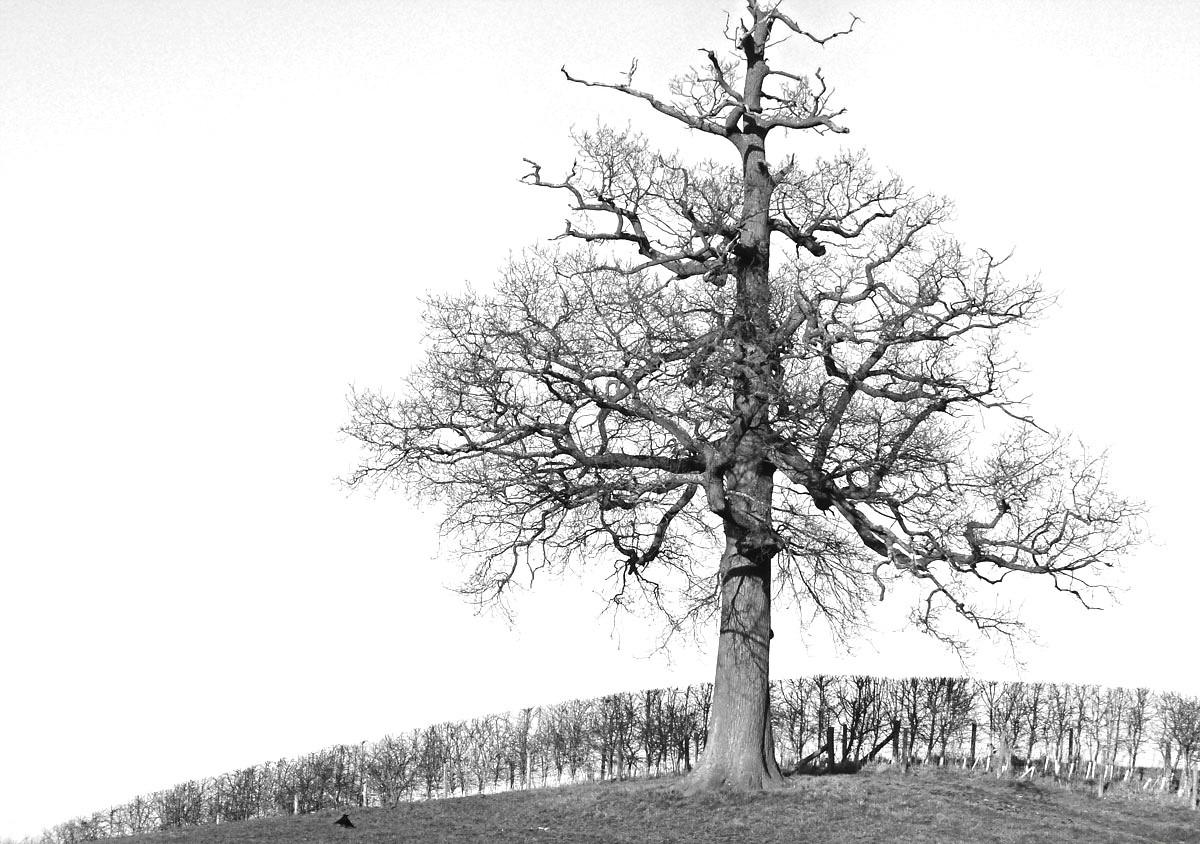
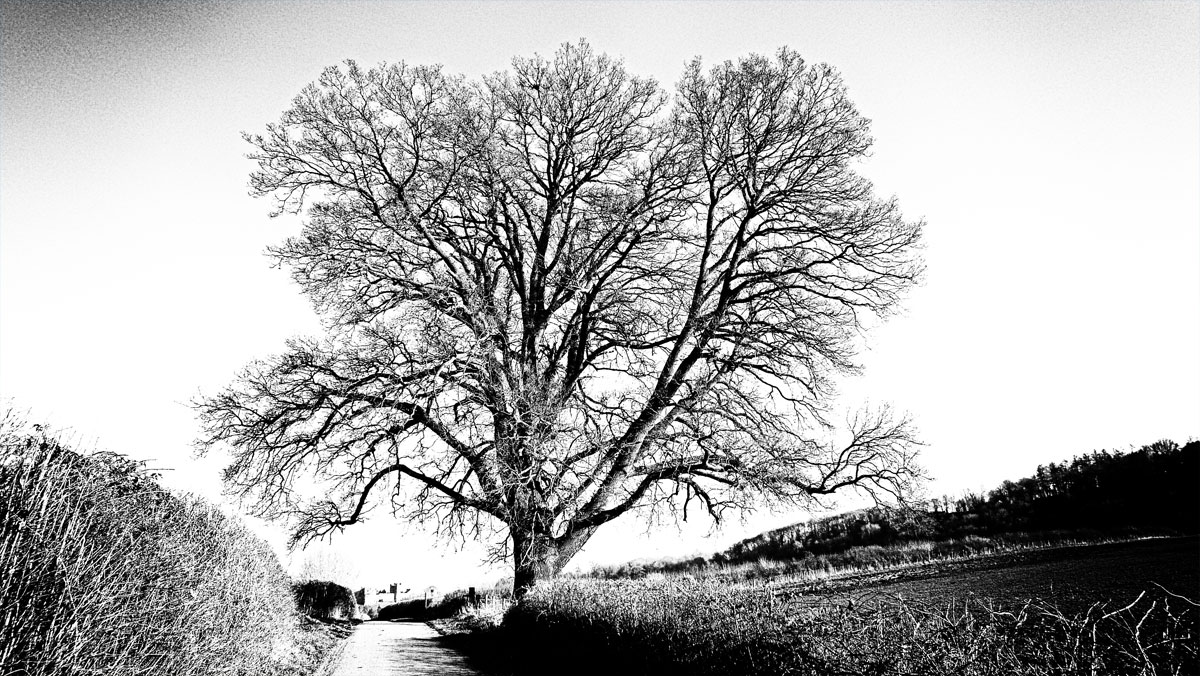
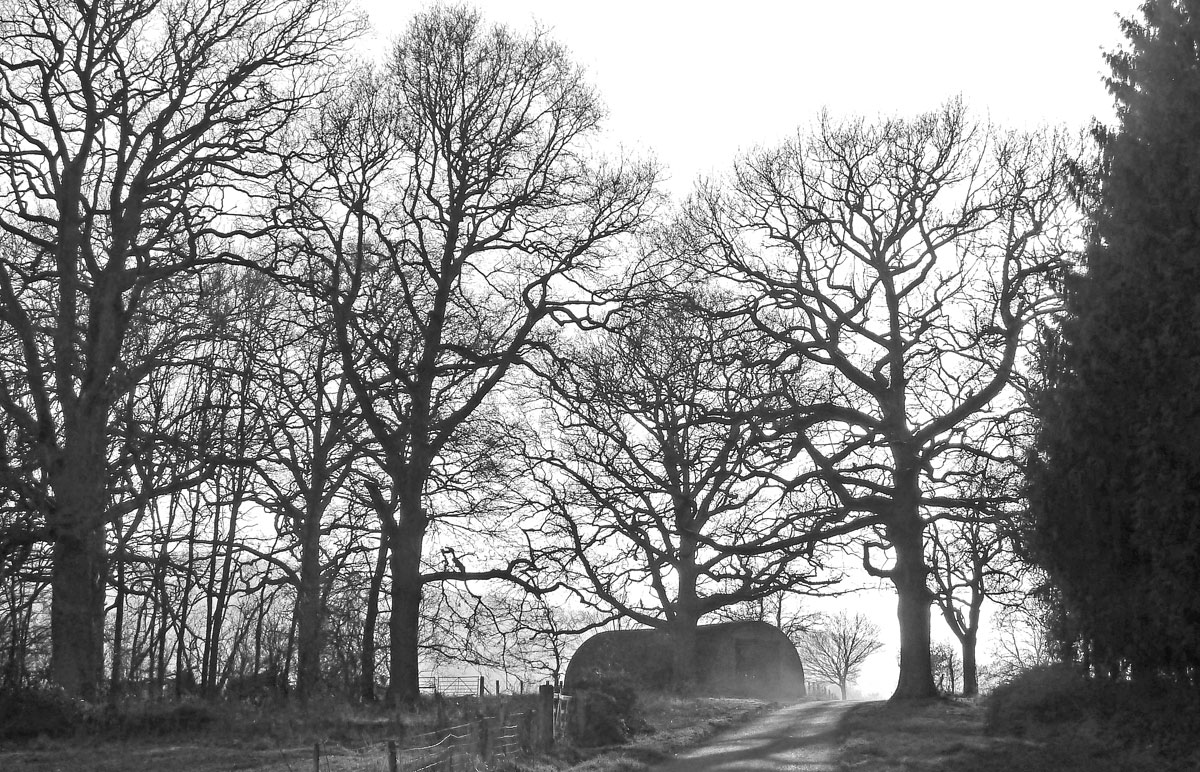
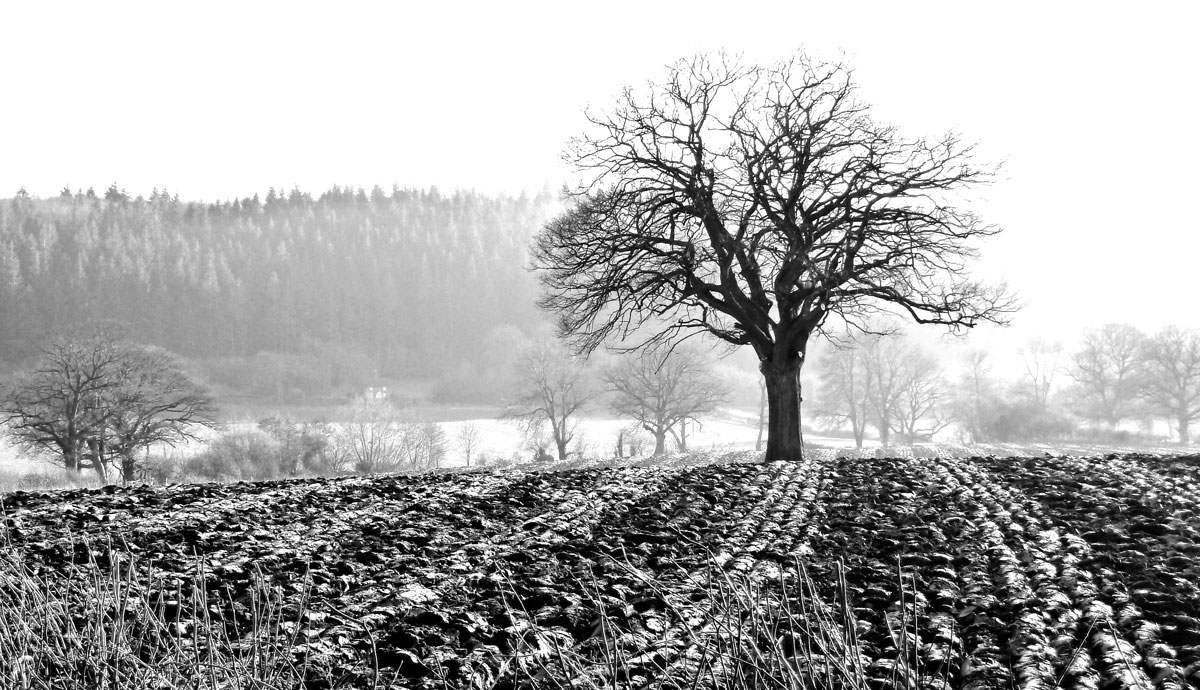
One thing that I noticed whilst living in Shropshire was the way the trees looked, especially in winter. Weirdly shaped limbs reaching for the sky, often looking as though they were leaning over to have a conversation. I called them my Ent trees.
Ents are a species of sentient beings in J. R. R. Tolkien’s fantasy world of Middle-earth who closely resemble trees; their leader is Treebeard of Fangorn forest. Their name is derived from an Old English word for “giant”.
I always thought Shropshire and the Welsh Marches were the inspiration behind Tolkien’s novels.
Join in with Sarah this week if you have some black and white trees to share.
It’s been a while since I joined in with the Lens-Artists photo challenge, but the number 303 leapt out at me this week as I have just come back from a holiday based close to the A303 in Wiltshire so I thought it would be interesting to find connections between the sites we visited in and around that area.
Family Connections
The A303 is one of the main routes from London to the Southwest and a route I have travelled many, many times to visit my youngest son who is based in Wiltshire (military) and my daughter who lives in Surrey. It’s also famous for passing by the World Heritage site of Stonehenge, the world’s most famous prehistoric monument.
History
Stonehenge (2500 BC) is not the largest henge though, that title goes to Avebury and together they form the heart of a World Heritage Site which also includes Silbury Hill. We didn’t visit Stonehenge as we have done so not long ago, but we drove past it a few times this week so had a few sneaky glances! Instead we opted for a visit to Avebury.
Stonehenge
Avebury (2850 – 2200 BC): the henge survives as a huge circular bank and ditch, encircling an area that includes part of Avebury village. Within the henge is the largest stone circle in Britain – originally of about 100 stones – which in turn encloses two smaller stone circles.
A double avenue of stones leads away from the southern entrance towards the Sanctuary stone circles on Overton Hill, about a mile to the south-east. Unlike Stonehenge, this site is free to visit though you will have to pay for parking unless you are a National Trust or English Heritage member.
More recent history can be found at Old Sarum, an iron age hill fort dating back to 400 BC. Later occupied by the Romans during their conquest of Britain in AD 43, where perhaps a military fort was set up. It was during William the Conqueror’s reign that the strategic advantage of this place was recognised and a motte and bailey castle built.
Later, stone buildings were erected and in 1078-99 a cathedral was built after the 1075 Council of London decreed that the see should be moved from Sherborne to Old Sarum. Dissatisfaction with the site and poor relations with the garrison in the castle caused the cathedral to be moved to its present site in Salisbury (New Sarum) in 1220 and much of the stone from the old cathedral was used to build the new one.
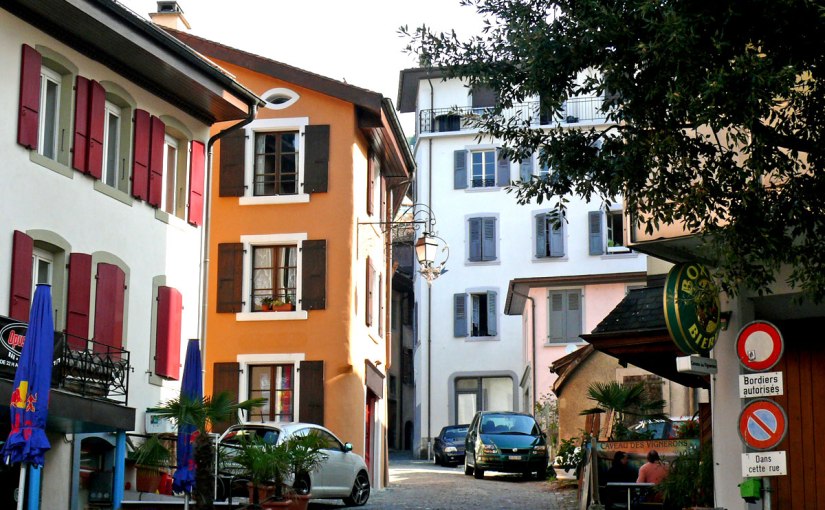
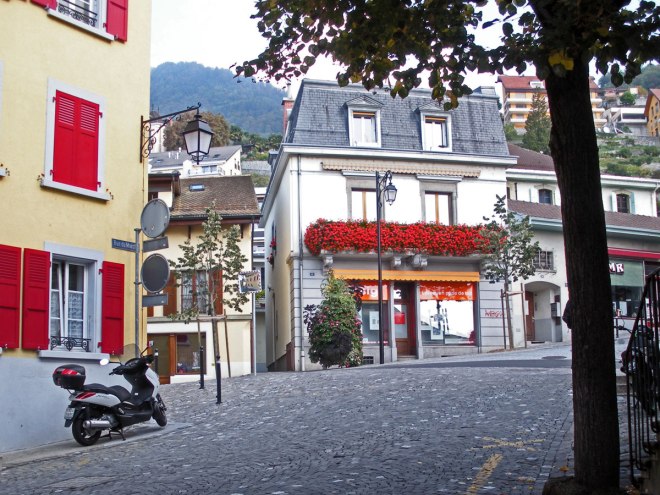
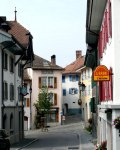
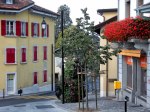
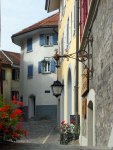
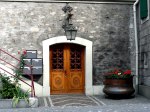
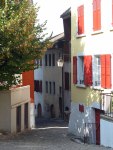
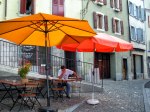
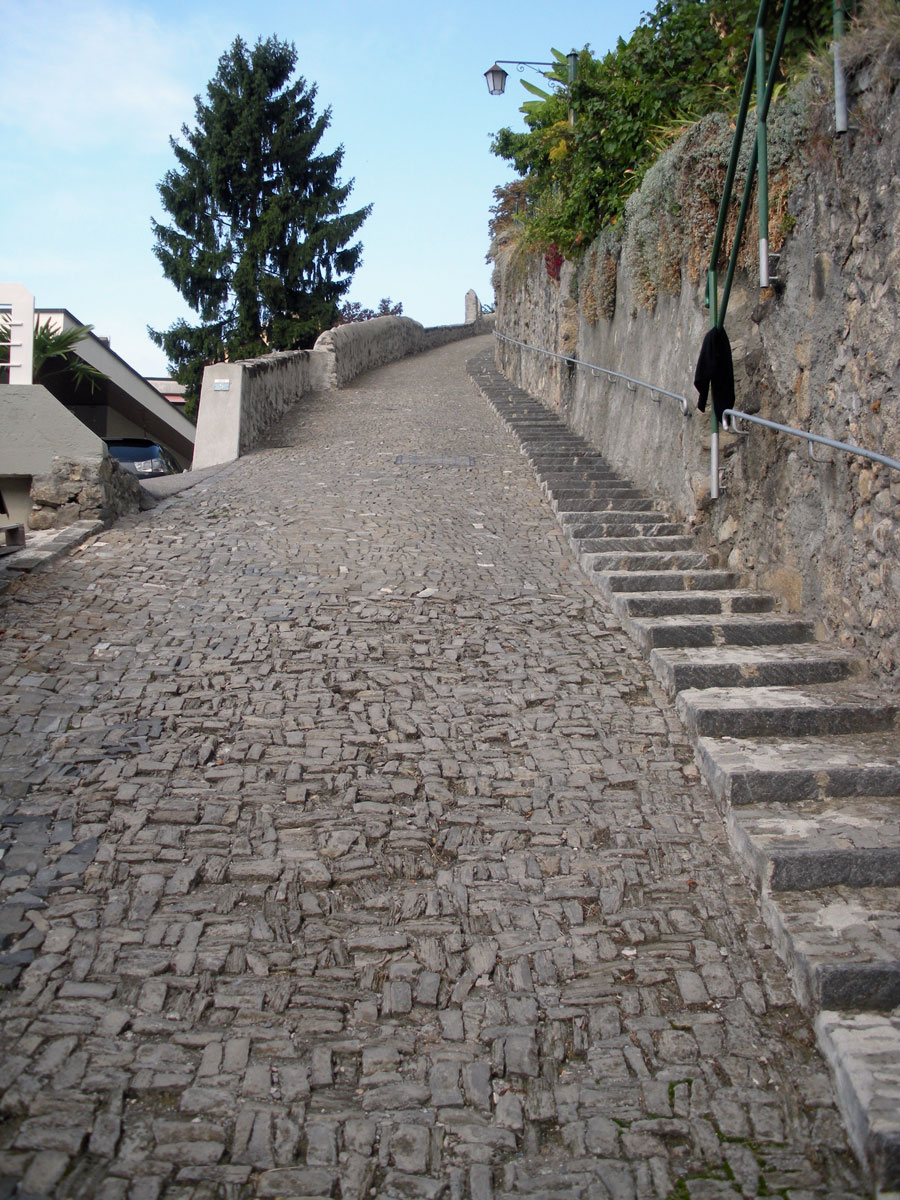
If you do visit Montreux, Switzerland then don’t spend all your time along the lakeside, beautiful though it is. A ten minute climb up above the lake you will find the Old Town with cobbled streets, beautiful buildings and panoramic views (even better when the fog isn’t hiding the Alps) and plenty of bistros for a coffee or glass of wine.
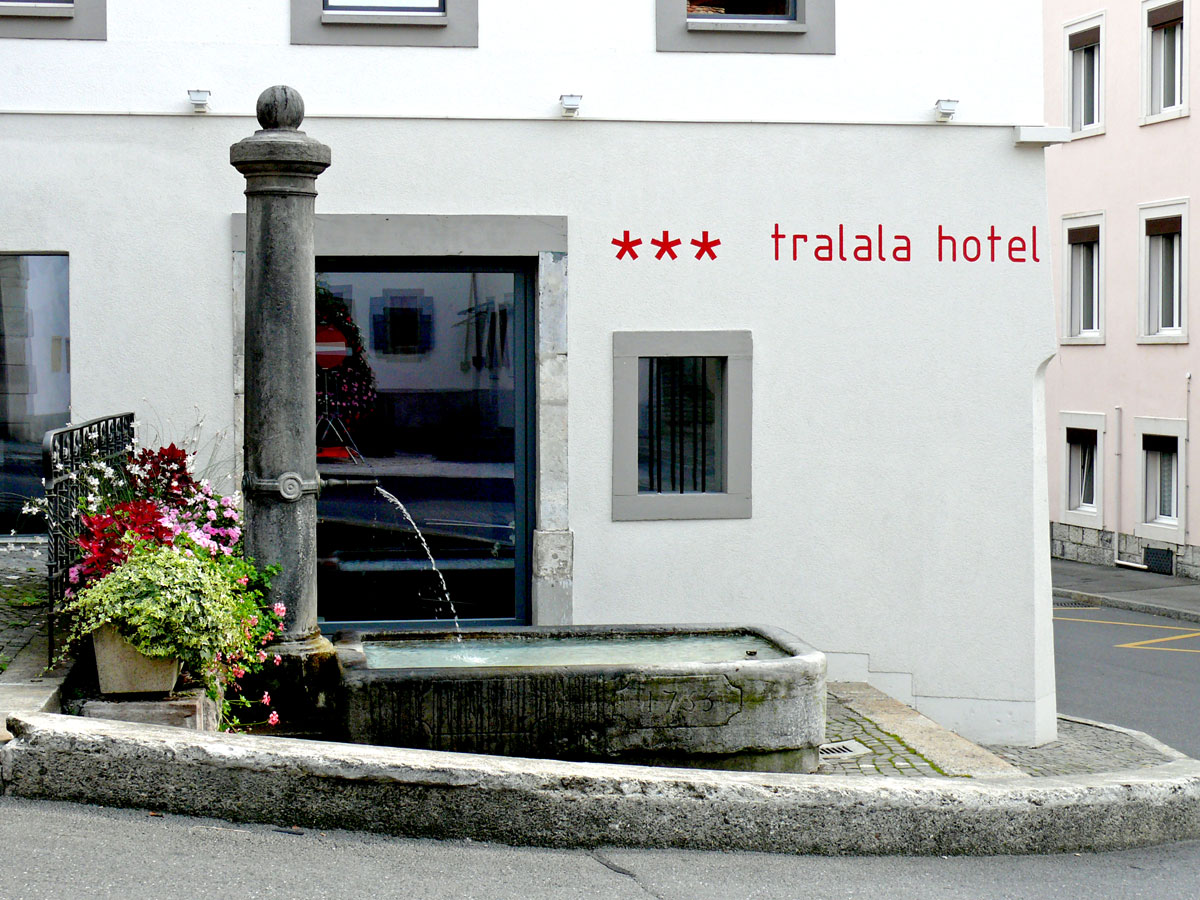
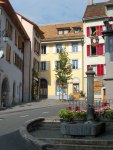
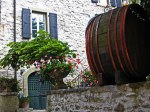
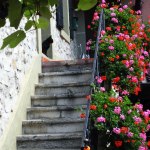
Don’t forget to look out for the many fountains fed by natural spring water, often with beautiful floral displays.
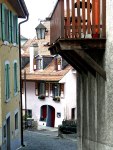
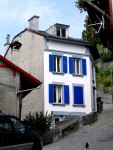
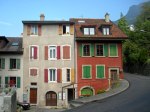
The streets and buildings boast steep winding lanes and pastel-painted houses. Stop at Montreux Museum for insight into town history.
Rue du Pont
Rue du Pont
Rue du Pont
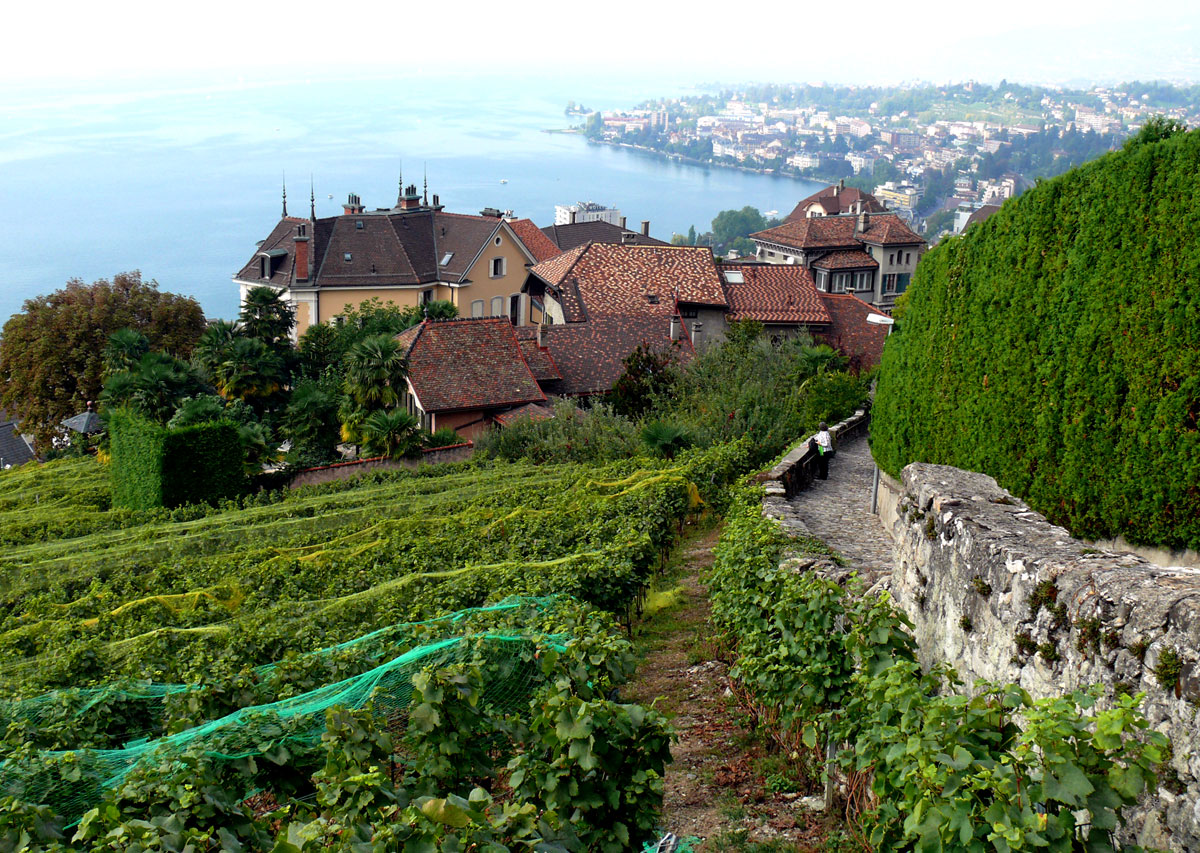
Continue above the Old Town along Rue du Petit Chêne and you will find yourself among grape vines.
Views from the vineyard above Montreux
Grape Vines
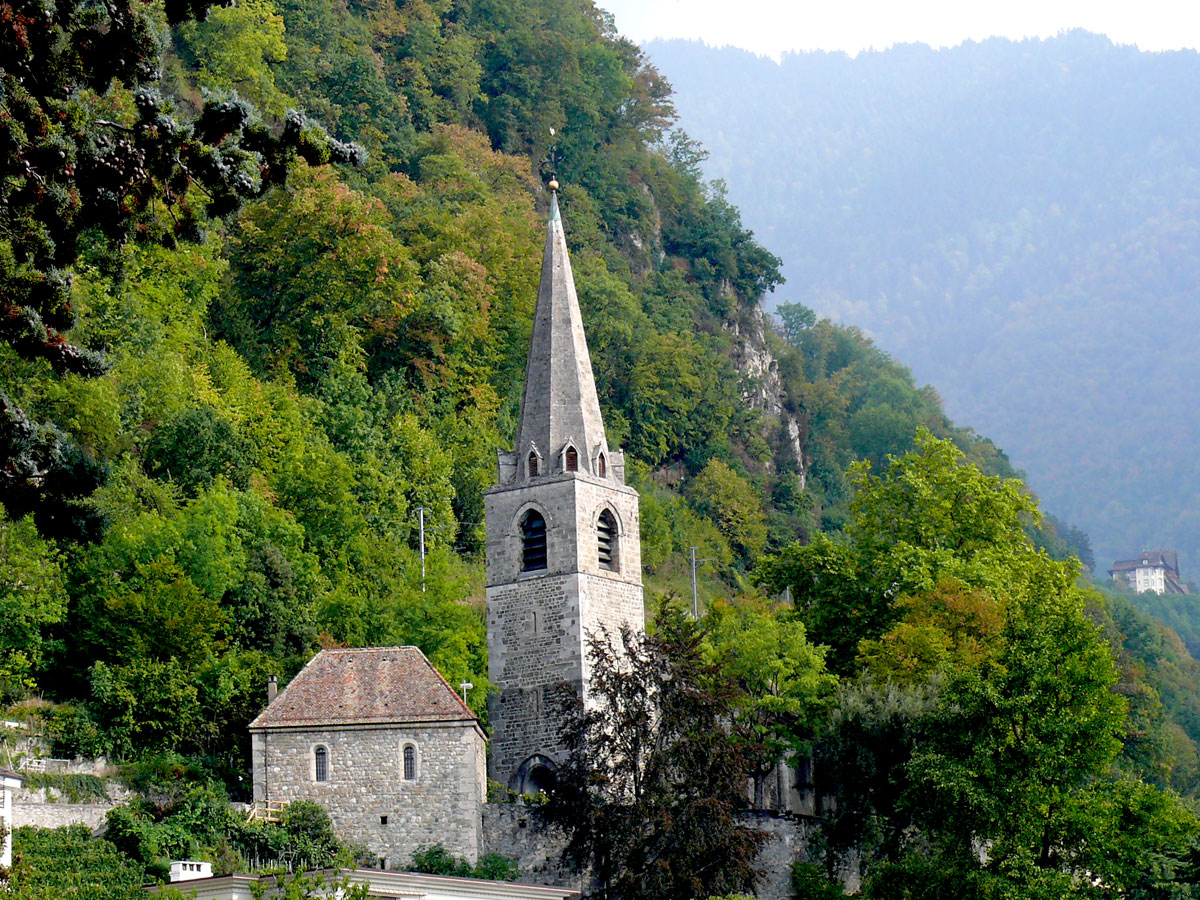
From here you can walk to the St. Vincent temple where the views are also magnificent with Chillon Castle along the lakeside and yet more vineyards on the steep slopes.
St Vincent in the distance
Vineyards
Castle Chillon in the fog
St Vincent
The Old City is also the departure of beautiful walks. The trail to the wild Gorges du Chauderon leads along the Baye de Montreux River to Glion or Les Avants.
Sofia’s challenge for us this week is all about colour. Specifically primary colours: red, yellow and blue. BUT like many things in the world, the issue of what are primary colours has become more complex. Most of us would have learned when painting at school that RYB (Red, Yellow and Blue) are THE primary colours, but now we have to take into consideration the way light blends colour for instance the RGB colour model, which has red, green, and blue as your primary colours, and is used with things like television screens and computer images. Then there is the CMYK model which includes cyan, magenta, yellow, as well as black, and is mainly utilised for printing.
“I found I could say things with colour and shapes
that I couldn’t say any other way;
things I had no words for.”
~ Georgia O’Keeffe
Since the main colours for paint pigments are red, yellow and blue and cannot be created by mixing other pigments I’ve stuck to photos in these colours for the challenge.
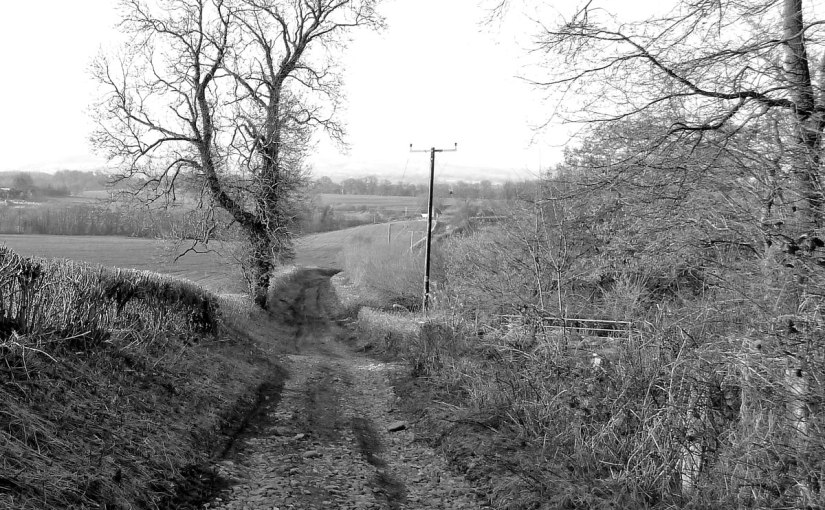
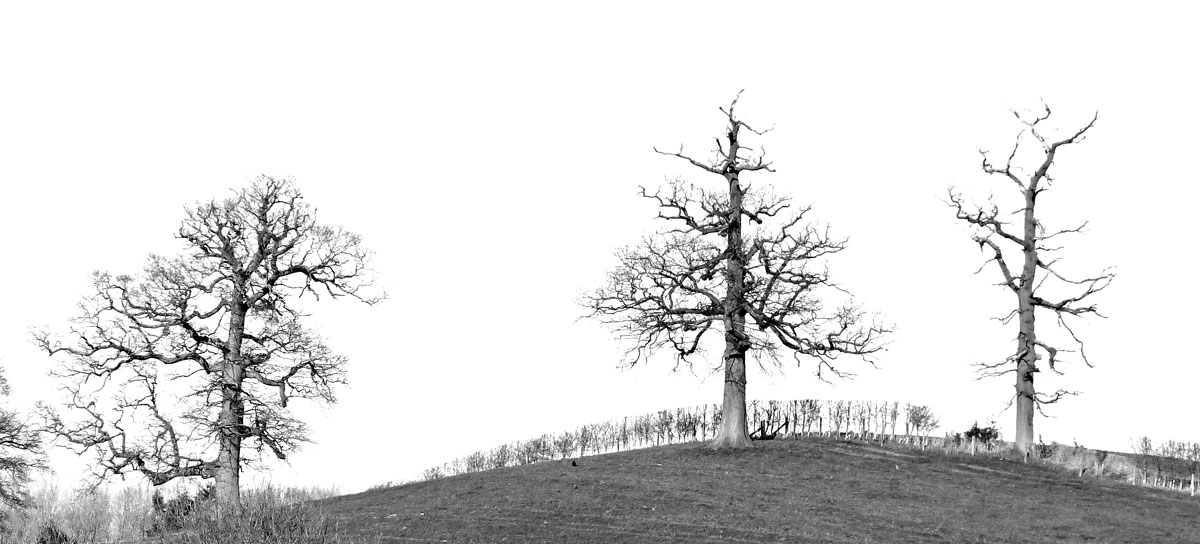
 Ents are a species of sentient beings in J. R. R. Tolkien’s fantasy world of Middle-earth who closely resemble trees; their leader is Treebeard of Fangorn forest. Their name is derived from an Old English word for “giant”.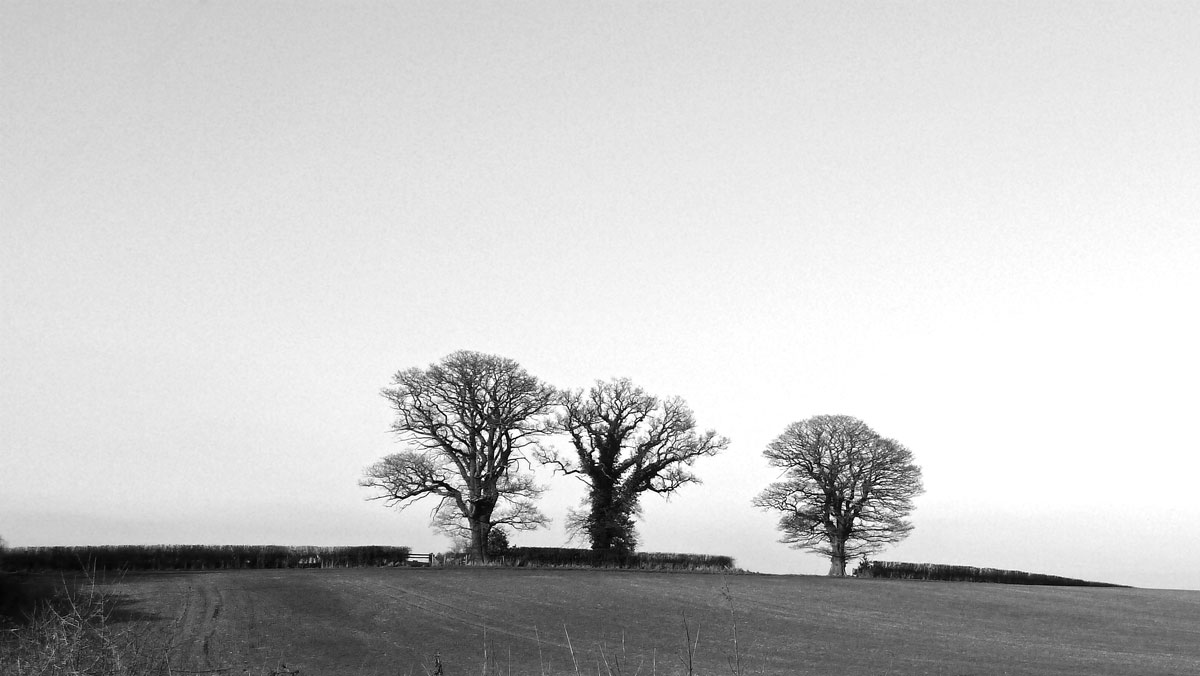
 Join in with Sarah this week if you have some black and white trees to share.