2020 Photo Challenge #29

July’s theme / technique: Being Creative with Space

The six visual keys to a great photograph are:

    • Patterns
    • Texture
    • Lines
    • Light
    • Depth of field
    • Space

Being Creative with space. Space is a difficult one to explain in photography. When is it too much? When is it not enough? Generally speaking it refers to the empty or negative space around your subject. Usually sky or water or some bland background.

    • If the subject is looking away from the camera leave space for your subject to look into – this creates a sense of mystery.
    • The same applies in an active shot where an animal or a bird or a person is moving. This requires space to move into whether running, jumping, walking or flying. Leaving empty space creates a more dynamic scene.
    • Empty space can create an air of mystery. A story.
    • Create three dimensional space by shooting for a broad range of tones, from bright highlights to dark shadows, and varying shades in between.
This week's assignment - Increase the sense of drama by increasing negative space.

Continue reading 2020 Photo Challenge #29

2020 Photo Challenge #28

July’s theme / technique: Being Creative with Space

The six visual keys to a great photograph are:

    • Patterns
    • Texture
    • Lines
    • Light
    • Depth of field
    • Space

Being Creative with space. Space is a difficult one to explain in photography. When is it too much? When is it not enough? Generally speaking it refers to the empty or negative space around your subject. Usually sky or water or some bland background.

    • If the subject is looking away from the camera leave space for your subject to look into – this creates a sense of mystery.
    • The same applies in an active shot where an animal or a bird or a person is moving. This requires space to move into whether running, jumping, walking or flying. Leaving empty space creates a more dynamic scene.
    • Empty space can create an air of mystery. A story.
    • Create three dimensional space by shooting for a broad range of tones, from bright highlights to dark shadows, and varying shades in between.
This week's assignment - find a subject and try to create a dynamic scene. Then break the rule and create some tension in your photograph (such as a person staring at the edge of the frame / walking out of the frame / tightly cropped inside the frame). Try comparing the two scenes to see which works the best. Empty space or not?

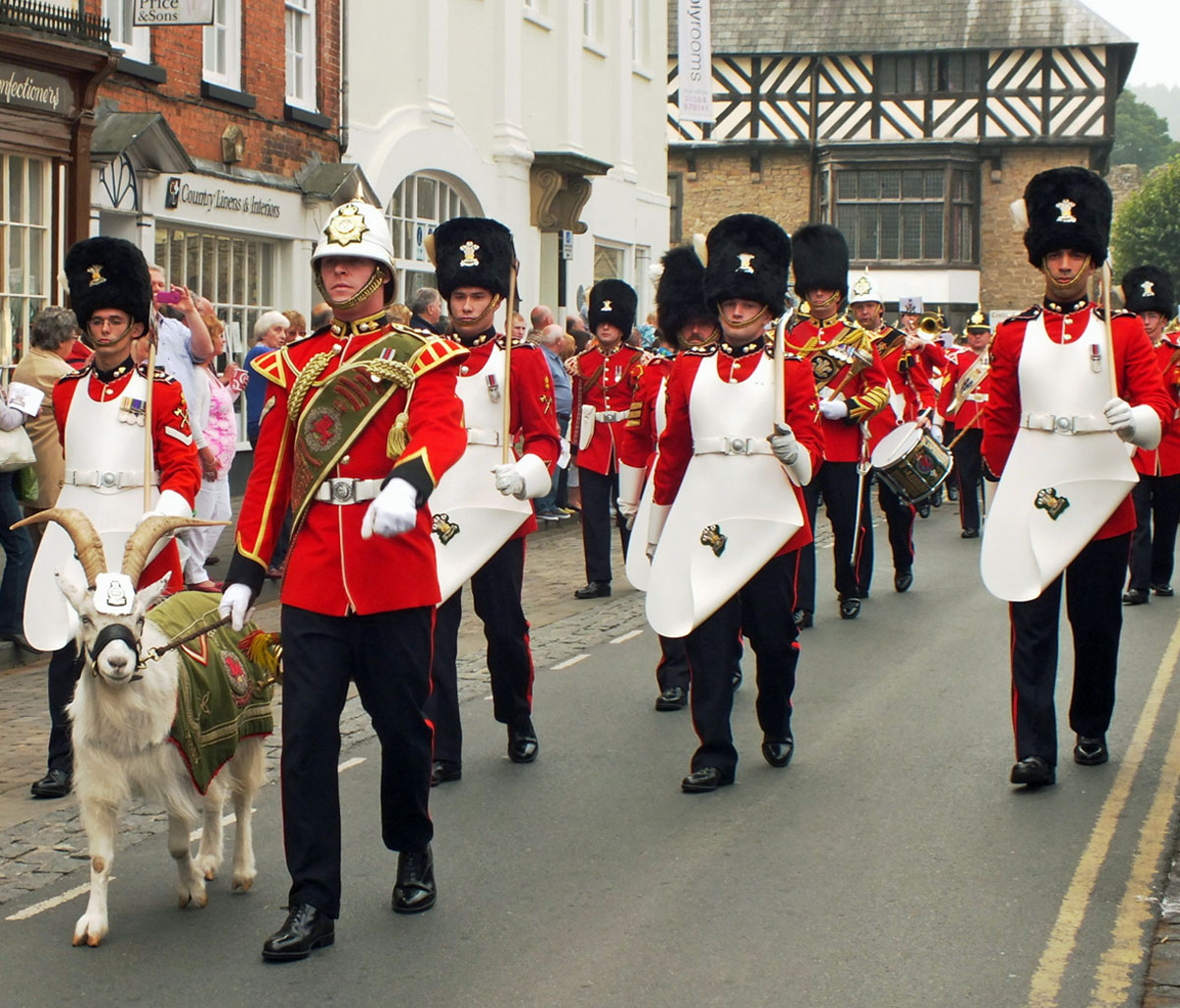
These photos come from the time when the 1st Battalion Royal Welsh were given the freedom of the town of Ludlow along with Taffy the regimental goat.

The first image is of the soldiers marching towards me in the market square. With quite a bit of space for them to walk into.
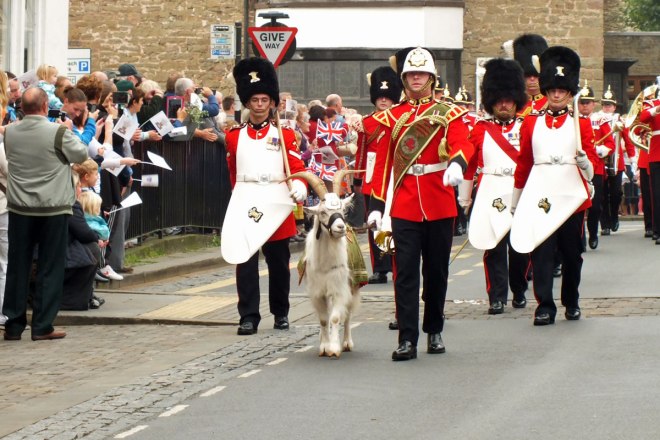
Next shot is of them approaching much closer to where I was standing. Here the soldiers on the right still have room to move, but Taffy and his handler are almost walking out of the frame.
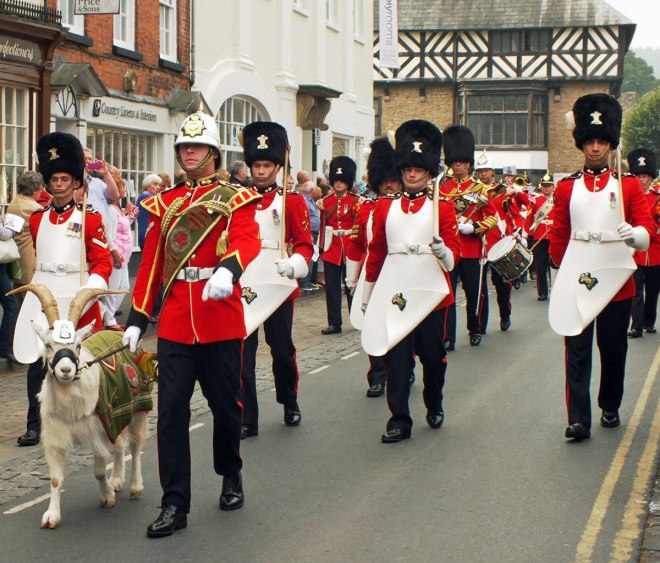
And a final shot when the space around them is very tight.

Which is your favourite?

If you would like to join in with the 2020 photo challenge then please take a look at my 2020 Photo Challenge page. No complicated rules, just a camera required 🙂

    • Create your own post with some information about how you composed the shot.
    • Include a link to this page in your post so others can find it too
    • Add the tag #2020PhotoChallenge so everyone can find your entry easily in the WP Reader
    • Get your post(s) in by the end of the month, as the new theme comes out on the first Sunday in August.

2020 Photo Challenge #27

July’s theme / technique: Being Creative with Space

If you want to see what this month’s assignments are in advance then please click here. All the assignments are available from the menu on the left under the 2020 Photo Challenge / Assignments.

The six visual keys to a great photograph are:

    • Patterns
    • Texture
    • Lines
    • Light
    • Depth of field
    • Space

Being Creative with space. Space is a difficult one to explain in photography. When is it too much? When is it not enough? Generally speaking it refers to the empty or negative space around your subject. Usually sky or water or some bland background.

    • If the subject is looking away from the camera leave space for your subject to look into – this creates a sense of mystery.
    • The same applies in an active shot where an animal or a bird or a person is moving. This requires space to move into whether running, jumping, walking or flying. Leaving empty space creates a more dynamic scene.
    • Empty space can create an air of mystery. A story.
    • Create three dimensional space by shooting for a broad range of tones, from bright highlights to dark shadows, and varying shades in between.
This week's assignment - Create a sense of depth by using space in the background and a shallow depth of field (where the background is blurred).

Continue reading 2020 Photo Challenge #27

2020 Photo Challenge #26

June’s theme / technique: Being Creative with DOF

The six visual keys to a great photograph are:

    • Patterns
    • Texture
    • Lines
    • Colour
    • Depth of field
    • Space
  • OK so what is Depth of Field?

A basic definition of depth of field is: the zone of acceptable sharpness within a photo that will appear in focus. In every picture there is a certain area of your image in front of, and behind the subject that will appear in focus.

Using a shallow depth of field is a good way to make your subject stand out from its background and is great for portrait photography and wildlife photography when you don’t want the background to distract from your subject.

If you are a person who likes to photograph landscapes you would want everything from near to far to be in focus. This is known as a deep depth of field.

Please read the first assignment in this month’s topic for slightly more technical information and how to control the depth of field.

This month's final assignment - Restrict yourself to taking only 12 photos during any photo-shoot this week. Like in the old days of film. How hard was it? Did the knowledge that you were restricted cause you to think more about each shot? Is there a favourite? Was there a common depth of field? 

Continue reading 2020 Photo Challenge #26

2020 Photo Challenge #25

June’s theme / technique: Being Creative with DOF

The six visual keys to a great photograph are:

    • Patterns
    • Texture
    • Lines
    • Colour
    • Depth of field
    • Space
  • OK so what is Depth of Field?

A basic definition of depth of field is: the zone of acceptable sharpness within a photo that will appear in focus. In every picture there is a certain area of your image in front of, and behind the subject that will appear in focus.

Using a shallow depth of field is a good way to make your subject stand out from its background and is great for portrait photography and wildlife photography when you don’t want the background to distract from your subject.

If you are a person who likes to photograph landscapes you would want everything from near to far to be in focus. This is known as a deep depth of field.

Please read the first assignment in this month’s topic for slightly more technical information and how to control the depth of field.

This week's assignment - Get out and capture an image with the maximum depth of field by choosing a small aperture (higher f-stop, like f/8 or f/11) or use a wide-angled lens.

Remember a deeper depth of field means more of your image is in sharp focus.


Continue reading 2020 Photo Challenge #25