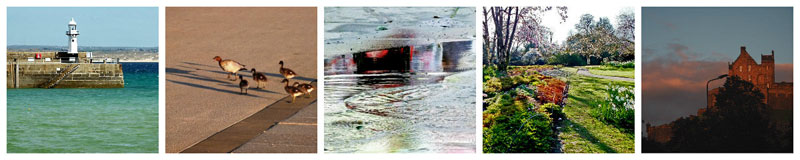
2020 Photo Challenge #24

June’s theme / technique: Being Creative with DOF

The six visual keys to a great photograph are:

    • Patterns
    • Texture
    • Lines
    • Colour
    • Depth of field
    • Space
  • OK so first of all what is Depth of Field?

A basic definition of depth of field is: the zone of acceptable sharpness within a photo that will appear in focus. In every picture there is a certain area of your image in front of, and behind the subject that will appear in focus.

Using a shallow depth of field is a good way to make your subject stand out from its background and is great for portrait photography and wildlife photography when you don’t want the background to distract from your subject.

If you are a person who likes to photograph landscapes you would want everything from near to far to be in focus. This is known as a deep depth of field.

Please read the first assignment in this month’s topic for slightly more technical information and how to control the depth of field.

This week's assignment - We are looking at the shallow depth of field again this week to get close up to your subject. Use either a macro lens OR the macro setting on your camera to get in as close as you can and still retain a sharp focus

Tips:

    • Use a Macro lens if you have one. Remember that this has a very shallow depth of field, the sharpness is often focused on a minute part of the subject with the rest out of focus (blurred). With this very narrow focus it becomes important to use a tripod, because even the slightest movement of the camera will move your macro subject outside your depth of field.
    • Use the macro setting on your camera if you have one. Take the same shot using a normal setting and one with the Macro option. Compare the two photographs. Is there a difference in your photos?
    •  Choosing a large aperture (lower f-stop, like f2.8) creates very shallow depth of field with only the subject, or just a portion of the subject, in focus.

Continue reading 2020 Photo Challenge #24

2020 Photo Challenge #23 (Take Two)

June’s theme / technique: Being Creative with DOF

For all the information on this week’s task please read the original post.

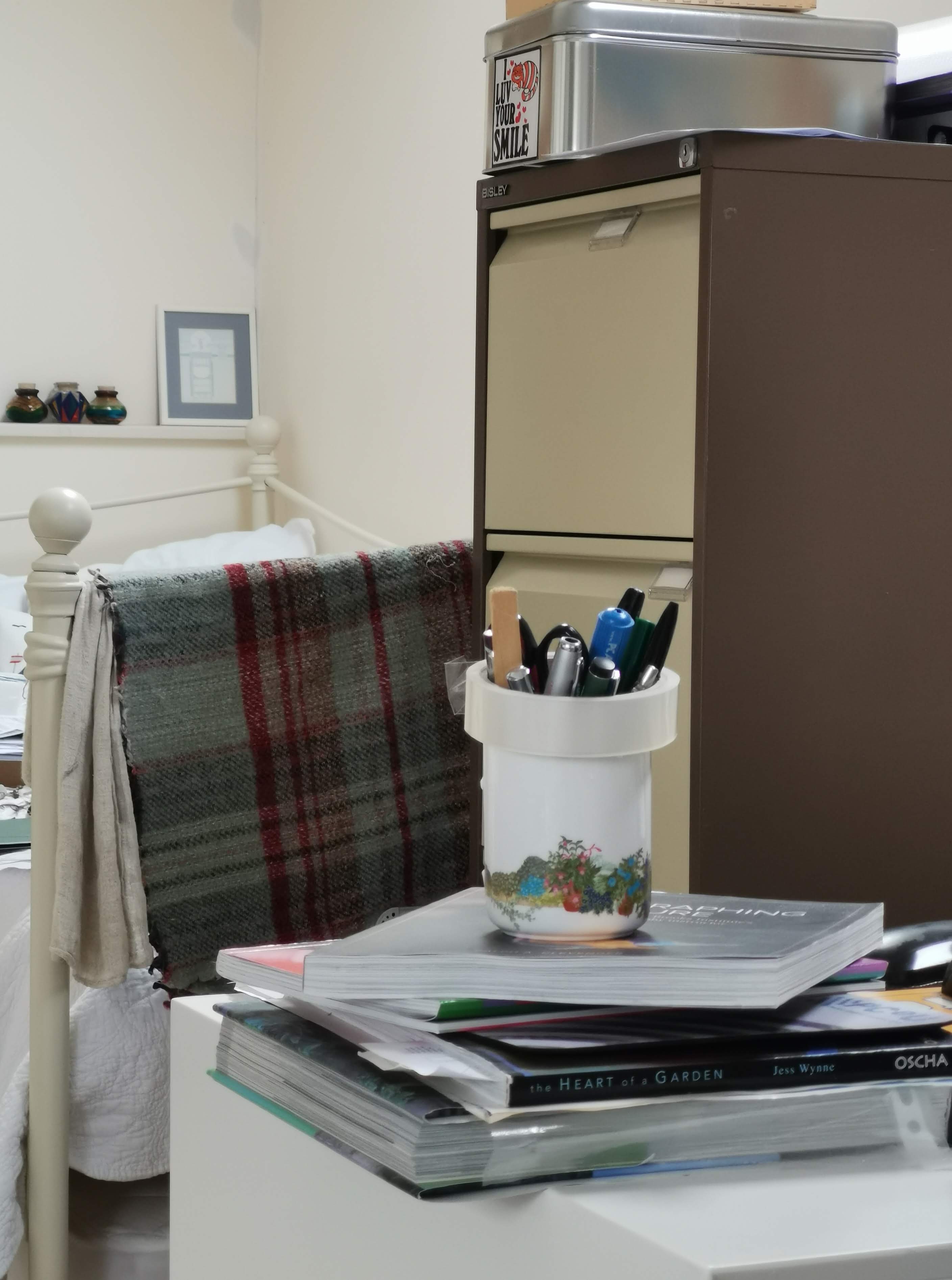
Take Two: Another view of my mug of pens on my office desk with the light behind me this time and viewing the mug from the opposite side.

This week's assignment - Take three images of a chosen subject at three different aperture ranges. Low (shallow like f/1.8), medium (intermediate like f/5.6) and high (deep like f/11). Which photo pleases you the most. Why is that? 

If you are still confused about using Aperture Priority Mode, then simply use a zoom lens or camera with zoom settings and select three different focal lengths. Or use three different lenses with various f-number settings. What we are aiming for here is a comparison with f/1.8, f/5.6 and f/16 or whatever the lowest and highest range is available to you.

(please click on an image to enlarge)

(1) F/1.2 – a shallow depth of field (low) where the focus is on the mug of pens and  everything in the background is very blurred.

(2) F/ 5.6 – an intermediate depth of field (medium) where the focus remains on the mug of pens, but the background is more in focus and less blurred, but you still can’t read the label on the tin, nor make out the picture in the far corner.

(3) F/16 – a deep depth of field (high) where not only is the mug of pens in focus but you can now read the label on the tin on top of the filing cabinet and almost see the small picture in the background. Everything is much more in focus.

My favourite this time is the deep depth of field where everything is relatively sharp and clear.

If you would like to join in with the 2020 photo challenge then please take a look at my 2020 Photo Challenge page. No complicated rules, just a camera required 🙂

    • Create your own post with some information about how you composed the shot.
    • Include a link to this page in your post so others can find it too
    • Add the tag #2020PhotoChallenge so everyone can find your entry easily in the WP Reader
    • Get your post(s) in by the end of the month, as the new theme comes out on the first Sunday in July.

2020 Photo Challenge #23

June’s theme / technique: Being Creative with DOF

If you want to see what this month’s assignments are in advance then please click here. All the assignments are available from the menu on the left under the 2020 Photo Challenge / Assignments.

The six visual keys to a great photograph are:

    • Patterns
    • Texture
    • Lines
    • Colour
    • Depth of field
    • Space
  • OK so first of all what is Depth of Field?

A basic definition of depth of field is: the zone of acceptable sharpness within a photo that will appear in focus. In every picture there is a certain area of your image in front of, and behind the subject that will appear in focus.

Using a shallow depth of field is a good way to make your subject stand out from its background and is great for portrait photography and wildlife photography when you don’t want the background to distract from your subject.

If you are a person who likes to photograph landscapes you would want everything from near to far to be in focus. This is known as a deep depth of field where we want to see as much detail as possible.

Now for the technical bit where your eyes will glaze over…

Depth Of Field – deep field vs shallow field (high f stop f/22 vs low f stop f/1.8).

    • The lower the f/stop—the larger the opening in the lens—the less depth of field—the blurrier the background.
    • Likewise, the higher the f/stop—the smaller the opening in the lens—the greater the depth of field—the sharper the background.

Aperture refers to the access given to light from the lens to the camera sensors. The size of your aperture (the diameter of the hole through which light enters the camera) controls the amount of light entering your lens. Using the aperture priority mode (the f-stop) of your lens is the simplest way to control your depth of field as you set up your shot and you can leave the rest of the decisions to the camera.

Aperture diagram

Lens focal length tells us the angle of view—how much of the scene will be captured—and the magnification—how large individual elements will be. The shorter the focal length, the wider the angle of view and the lower the magnification.

Ok. Are you still with me?

I’ll freely admit that although my logical brain understands all this, my practical brain doesn’t. I’m lazy and rely on my camera and the lenses to make the decisions for me. I will attempt to use the aperture settings on my camera this month to take the photos, but I won’t guarantee what the shots will look like!

My Camera Equipment

How to achieve a Shallow Depth of Field

Use any of these tips as an exercise to get up close to your subject.

    • Widen your aperture to f/1.8 or even f/1.4 if you can, (some camera lenses such as a kit lens may not allow you to go less than f/3.5)
    • Physically move closer to the subject and focus on a small area.
    • Lengthen your focal length (zoom in / close-up).  If your camera came with an 18-55mm f/3.5-5.6 lens, then you know that the widest your lens can go is 18mm and the most zoomed in your lens can go is 55mm.

For getting in closer still you probably need a macro lens. It is a way to examine even a common object in a new way and observe its finer details. And the difference between Macro photography and a close-up? Well a close-up image will fill the frame and can generally be done using any type of lens including cameras with a macro setting. Macro photography on the other hand, although a form of close-up, is usually only achieved using a special (and expensive) macro lens. A macro shot, allows for bigger magnification and shows the finest detail in focus. A real macro lens has the capability of achieving in the least a 1:1 magnification.

How to achieve a Deeper Depth of Field

Use a smaller lens opening or a higher number (f-stop or aperture).  You can also achieve this effect by using a wider angle lens which inherently have greater depth of field (e.g. 14 – 35mm).

Use any of these tips as an exercise to get up further away from your subject.

    • Narrow your aperture (larger f-number)
    • Physically move farther from the subject
    • Shorten focal length (zoom out)  If your camera came with an 18-55mm f/3.5-5.6 lens, then you know that the widest your lens can go is 18mm and the most zoomed in your lens can go is 55mm.

There is also a rather good article explaining the differences with examples here

This week's assignment - Take three images of a chosen subject at three different aperture ranges. Low (shallow like f/1.8), medium (intermediate like f/5.6) and high (deep like f/11). Which photo pleases you the most. Why is that? 

If you are still confused about using Aperture Priority Mode, then simply use a zoom lens or camera with zoom settings and select three different focal lengths. Or use three different lenses with various f-number settings. What we are aiming for here is a comparison with f/1.8, f/5.6 and f/16 or whatever the lowest and highest range is available to you.

(please click on an image to enlarge)

(1) F/0.95 – a shallow depth of field (low) where the focus is on the mug of pens and the background is very blurred.

(2) F/ 4.5 – an intermediate depth of field (medium) where the focus remains on the mug of pens, but the background is more in focus and you can start to make out shapes.

(3) F/16 – a deep depth of field (high) where not only is the mug of pens in focus but you can now make out the table and the base of the lamp in the background. Everything is in focus.

My favourite is the shallow depth of field where the mug of pens is sharp and clear and the background does not distract you from the subject, whereas in the deep depth of field the objects behind the mug become intrusive.

If you would like to join in with the 2020 photo challenge then please take a look at my 2020 Photo Challenge page. No complicated rules, just a camera required 🙂

    • Create your own post with some information about how you composed the shot.
    • Include a link to this page in your post so others can find it too
    • Add the tag #2020PhotoChallenge so everyone can find your entry easily in the WP Reader
    • Get your post(s) in by the end of the month, as the new theme comes out on the first Sunday in July.

2020 Photo Challenge #22

May’s theme / technique: It’s all about the Light

The six visual keys to a great photograph are:

    • Patterns
    • Texture
    • Lines
    • Light
    • Depth of field
    • Space

Being Creative with light. Photography literally means writing with light which immediately tells you how important lighting is. And with light comes shadows. Another important feature. An appreciation of light is crucial to making great photographs.

The qualities of light that affect a photograph are:

    1. brightness of light
      this is fairly easy to understand; it is the intensity of light.
    2. lighting contrasts
      is the difference between highlights and shadows in a scene
    3. specular light
      or hard light can be explained by thinking how sunlight strikes an object on a bright and clear day. One side will be lit up, the other in dark shadow.
    4. diffused light
      on the other hand when it is an overcast day the sun lights the clouds and they become the source of light. Light wraps itself around the subject and reflects light into the shadows. The light is soft or diffused.
    5. direction of light
      creating depth in photographs relies on knowing the source of the light. Front light comes from behind the camera and strikes the front of the scene, usually producing a 2-dimensional image. Use bold colours or a strong colour contrast to replace the lack of shadows. Sidelight is most apparent when the sun is low and shadows are long separating foreground from the background and giving a 3-dimensional look. Backlight comes from behind the subject and can create depth and shape. If a subject is transparent then backlighting is a way to make them glow.
    6. colour of light
      Sometimes you can actually see the colour of light. The so-called ‘magic hours’ before sunrise or after sunset can produce coloured air which can be pink or orange or golden. Everything seems to change colour. There is also the question of white balance (WB). A setting on your camera that makes things that are supposed to be white really look white. This setting can be changed either in the camera, or if you shoot in RAW, in processing.

As I have previously said, I am not an expert in the technicalities of photography. I tend to use auto settings most of the time. I have altered the white balance occasionally when it has been cloudy or when photographing snow, to prevent that blueness you often get. But by all means experiment to see what difference the presets in your camera make.

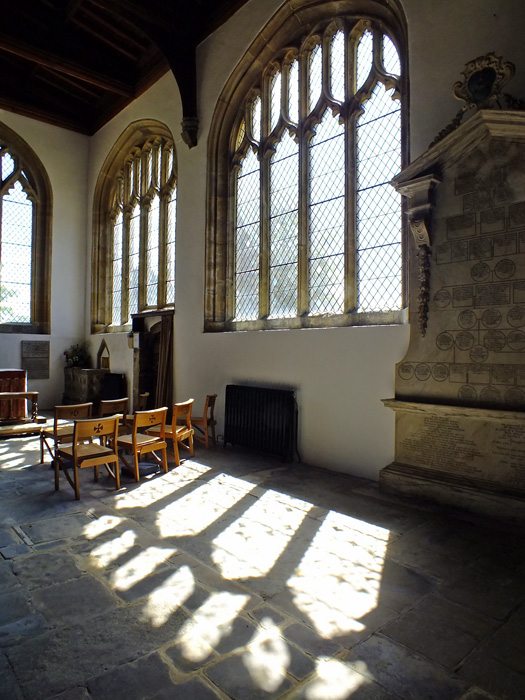
This month's final assignment - Experiment in different weather conditions such as mist or rain, OR take a photograph indoors such as a still life or light entering a room streaming through a window OR experiment in capturing the colour of light.

(1) Light streaming through this church window creates a quiet tranquil place in which to contemplate.

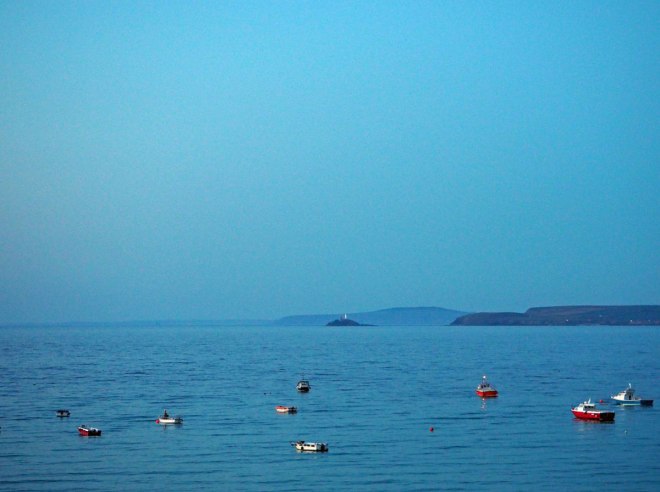
(2) Photographs taken during the Magic Hours – capturing the colour of light

(a) Blue light – evening in St Ives, facing north – early July around 8 pm

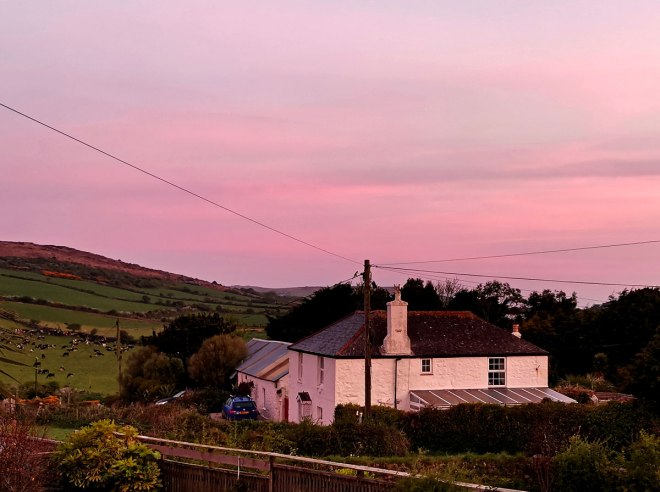
(b) Pink light – dawn facing west – April 6 am

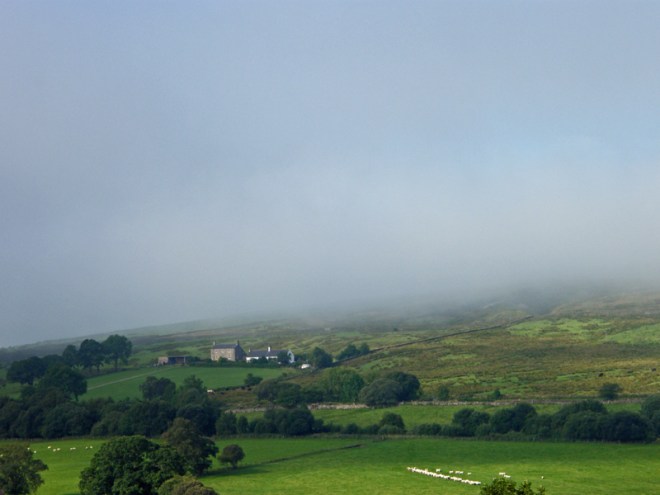
(3) A Misty Morning

If you would like to join in with the 2020 photo challenge then please take a look at my 2020 Photo Challenge page. No complicated rules, just a camera required 🙂

    • Create your own post with some information about how you composed the shot.
    • Include a link to this page in your post so others can find it too
    • Add the tag #2020PhotoChallenge so everyone can find your entry easily in the WP Reader
    • Get your post(s) in by the end of the week, as the new theme begins next Sunday about Depth of Field

Another month of fabulous photographs. Thanks to everyone who joined me this month with your versions of light. I know some of the assignments this month weren’t easy, but sometimes it is good to step out of one’s comfort zone. I am finding some tasks more challenging myself! But it is worth remembering that an appreciation of light is crucial to making great photographs.

As always, please click on the links in the comment section to visit some very talented photographers. 

2020 Photo Challenge #21

May’s theme / technique: It’s all about the Light

The six visual keys to a great photograph are:

    • Patterns
    • Texture
    • Lines
    • Light
    • Depth of field
    • Space

Being Creative with light. Photography literally means writing with light which immediately tells you how important lighting is. And with light comes shadows. Another important feature. An appreciation of light is crucial to making great photographs.

The qualities of light that affect a photograph are:

    1. brightness of light
      this is fairly easy to understand; it is the intensity of light.
    2. lighting contrasts
      is the difference between highlights and shadows in a scene
    3. specular light
      or hard light can be explained by thinking how sunlight strikes an object on a bright and clear day. One side will be lit up, the other in dark shadow.
    4. diffused light
      on the other hand when it is an overcast day the sun lights the clouds and they become the source of light. Light wraps itself around the subject and reflects light into the shadows. The light is soft or diffused.
    5. direction of light
      creating depth in photographs relies on knowing the source of the light. Front light comes from behind the camera and strikes the front of the scene, usually producing a 2-dimensional image. Use bold colours or a strong colour contrast to replace the lack of shadows. Sidelight is most apparent when the sun is low and shadows are long separating foreground from the background and giving a 3-dimensional look. Backlight comes from behind the subject and can create depth and shape. If a subject is transparent then backlighting is a way to make them glow.
    6. colour of light
      Sometimes you can actually see the colour of light. The so-called ‘magic hours‘ before sunrise or after sunset can produce coloured air which can be pink or orange or golden. Everything seems to change colour. There is also the question of white balance (WB). A setting on your camera that makes things that are supposed to be white really look white. This setting can be changed either in the camera, or if you shoot in RAW, in processing.

As I have previously said, I am not an expert in the technicalities of photography. I tend to use auto settings most of the time. I have altered the white balance occasionally when it has been cloudy or when photographing snow, to prevent that blueness you often get. But by all means experiment to see what difference the presets in your camera make.

This week's assignment - Use strong backlighting (i.e. shooting towards the light source, but do not look directly at the sun) to create a contre-jour image where the subject becomes a silhouette, OR shoot the light through flowers or leaves creating a transparent effect.
    • To create a silhouette expose for the background alone – whether the sky or a brightly lit wall – so the foreground objects are recorded as very dark or even black.
    • To be effective, minimal light should fall on the subject. The main point is to capture the shape and not details. 
    • Try to position yourself so the subject obscures the light source to eliminate bright light flaring into the lens.

Continue reading 2020 Photo Challenge #21