A Lingering Look at Windows: In the Garden

Trelissick’s colourful history stretches as far back as 1750 but it’s most distinguished owner was Leonard Cunliffe, a former director of the bank of England.

Cunliffe fell in love with this Cornish house as he sailed past it on his yacht Laranda in the early 1900s. In 1937 he passed the house down to his stepdaughter Ida and her husband Ronald Copeland. Ronald was the chairman of the Spode-Copeland firm of bone china manufacturers in Staffordshire and hence part of the potteries aristocracy. They lived at Trelissick throughout their careers donating the house and gardens to the National Trust in 1955
DSCF4983

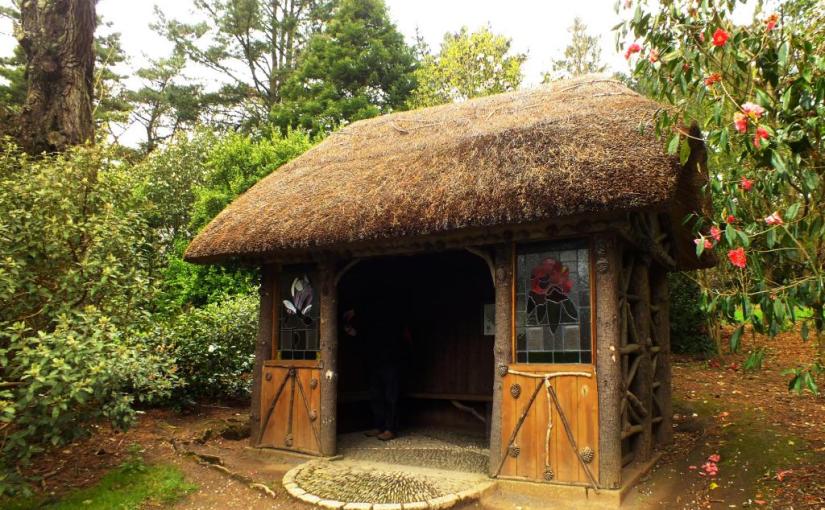
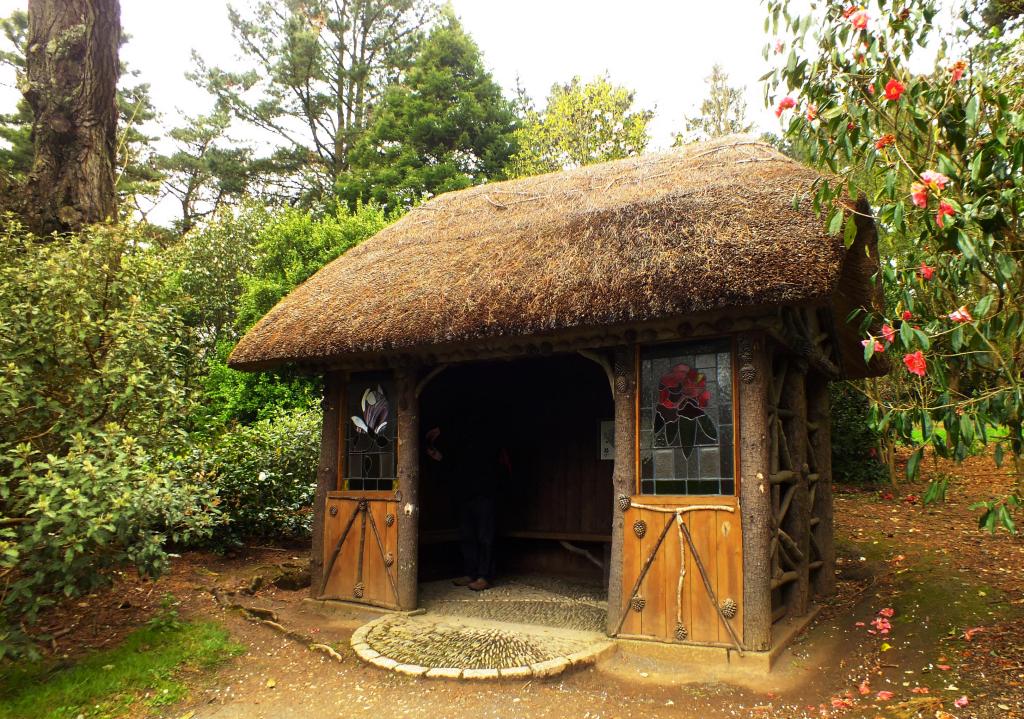
Trelissick has no less than four summer-houses. One in the area called Carcaddon*  has two beautiful stained-glass windows.

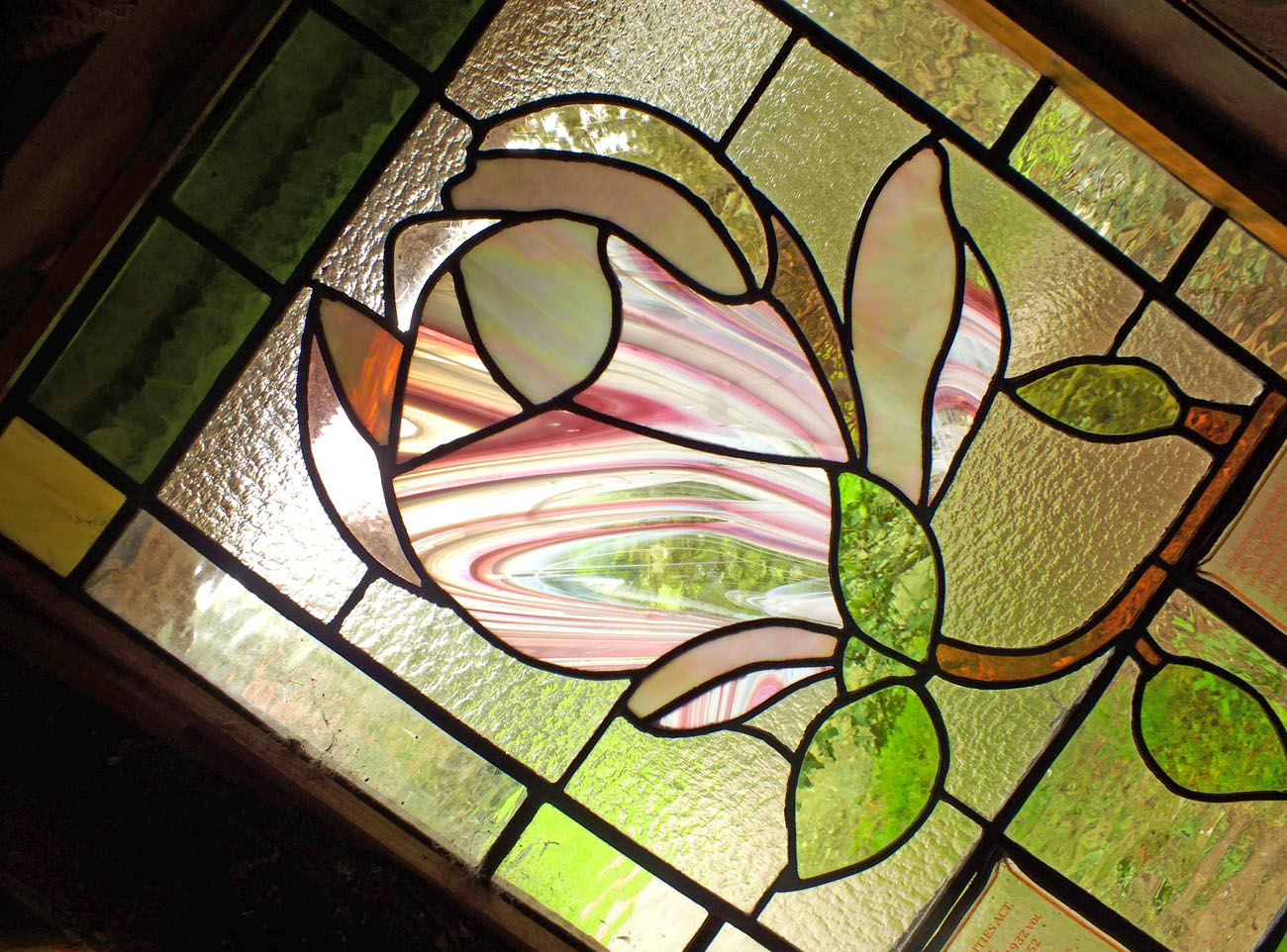
The magnolia, “Rustic Rubera” window is for Ida Copeland and highlights her time as an MP for Stoke from 1931 to 1935 and contains an excerpt from her maiden speech to Parliament on the introduction of import duties on inferior ceramics being imported from abroad, taking away work from highly skilled people and threatening their livelihood.
DSCF4981

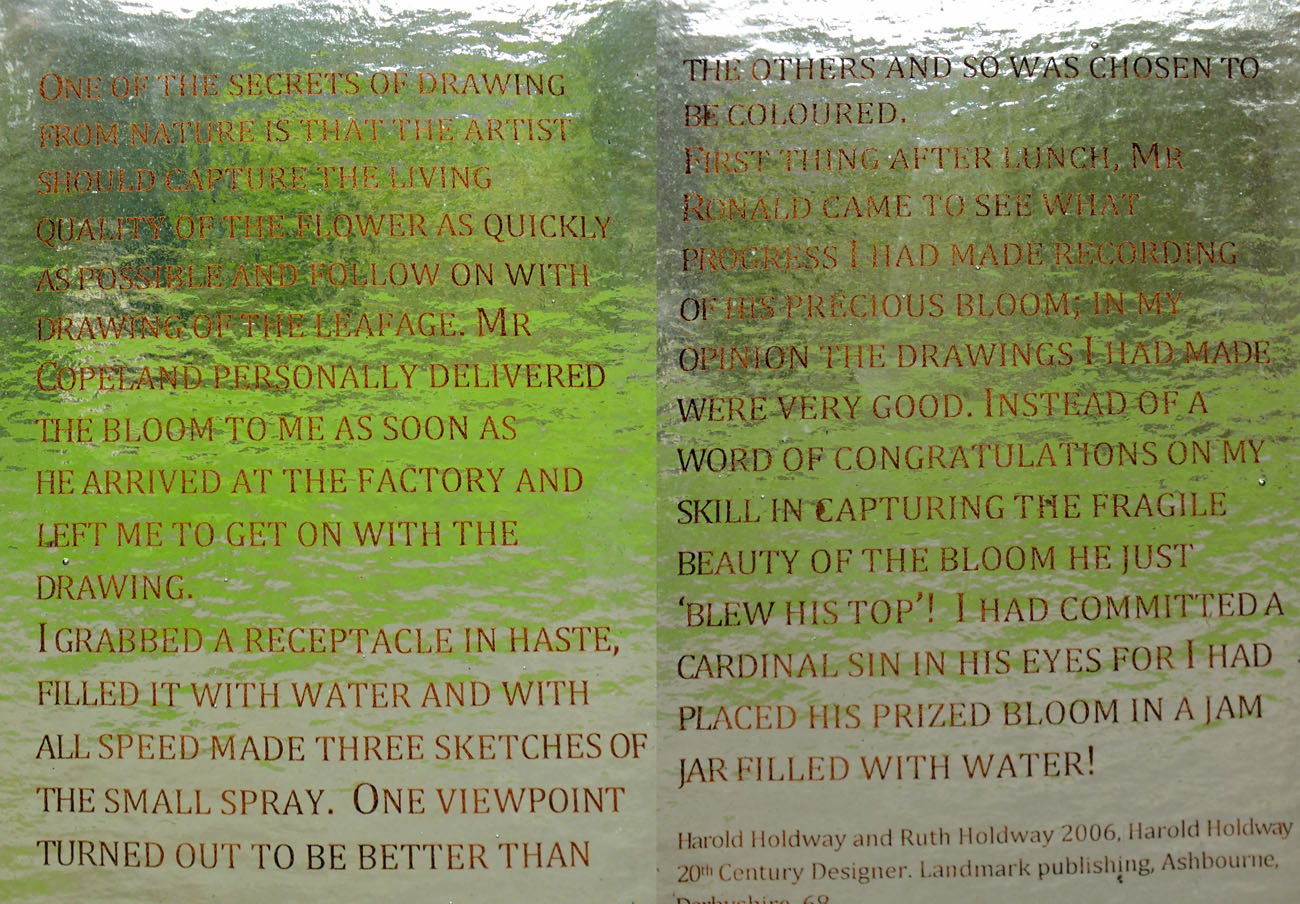
The rhododendron, “Taurus” window celebrates Ronald Copeland’s passion for rhododendrons and retells a story told by Harold Holdway, chief designer at the Copeland factory in Stoke. Mr Copeland took his prized rhododendrons from Trelissick and had Harold Holdway create designs from them for a Botanical series.

words 1

*The Cornish prefix ‘Car’ or ‘Caer’ denotes a fortified place. It contains mass plantings of daffodils followed by camellias, magnolias (including magnolia Trelissick), rhododendrons, viburnum and many other shrubs. Deutzia gives an early summer show, and lace-cap hydrangeas offer colour well into autumn.

This monthly challenge is hosted by Dawn from ‘The Day After’ who invites participants to post pictures of any windows that  they find curious, inviting, photogenic, or in some way tell a story. Visit her blog to see more windows and/or to join in with the challenge.
Cathedral of the Weald

DSCF2143

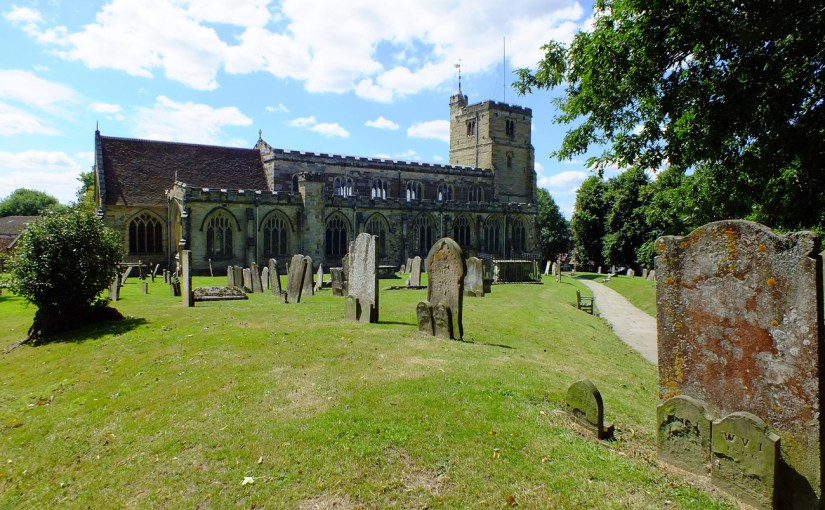
If you read about my recent visit to the delightful Weald town of Cranbrook you will have seen my reference to St Dunstan’s church which is known as the ‘Cathedral of the Weald’. Wealth from the cloth industry enabled successive enlargements of the medieval church in the 15th and 16th century.

This delightful church is well worth a more detailed look around, so let’s go inside.

DSCF2134

Around the church are information panels providing details about particular interesting objects within.

The Font

DSCF2077

This font is Victorian from 1852, and example of early Victorian Gothic and made of Caen stone. The white marble carved figure behind commemorates Thomas Webster, an artist, and the Alexander Window above was installed by Col Alexander in memory of his wife and three children.

 The Green Man

DSCF2084

Although of pagan origin it is not unusual to find carvings of the Green Man inside a Christian church, even Canterbury Cathedral has 80 of them. When this church was built Cranbrook was surrounded by dense forest – the Weald. Four circular oak shields depicting these fierce-looking woodland spirits can be found here.

The church contains some splendid stained-glass windows

DSCF2112

The St Thomas Chapel

DSCF2126

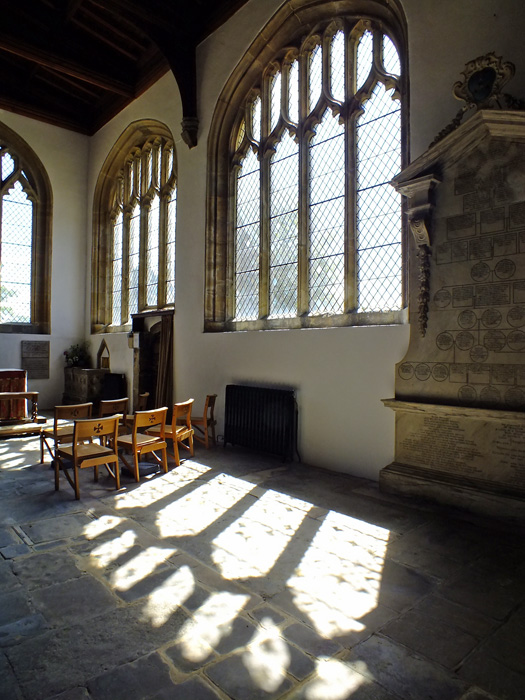
This beautiful serene corner of the church is named after St Thoma a Beckett, who by the 15th century had replaced St Dunstan as England’s most popular saint. I loved the light flooding through the clear leaded windows.

The South Porch

This porch was built around 1390. The wooden door added in 1569 at a cost of 17 shillings and 7 pence (£2k today). On the ceiling is a stone-carved Green Man.

And a final look at the church surrounded by the old graveyard with interesting headstones.

If your interest is windows then Dawn from ‘The Day After’  invites participants to post pictures of any windows that  they find curious, inviting, photogenic, or in some way tell a story.

Ludlow, St Laurence Church: Windows

The Parish Church of Ludlow is crammed behind surrounding buildings so that although you can see the impressive tower from miles around, the actual church is quite hidden.

Inside it is full of history, a perpendicular Gothic delight with medieval stained glass, choir stalls and misericords, chapels and tombs and even the burial-place of Prince Arthur’s heart, who died in Ludlow and altered the course of history.

The West Window, showing the Lords of Ludlow Castle and ending with the unfortunate Prince Arthur.

window-1

The Palmers Window in St John’s Chapel shows a version of the legend of King Edward the Confessor and St John the Evangelist. The story is told in eight panels and centres round the Ludlow Palmers making a pilgrimage to the Holy Land

window-9 palmers window

window-8

Detail from the Jesse Window (restored to the original colours and design) in Lady Chapel

window-10-Jesse

The Annunciation or Golden Window with St Catherine and her wheel (L) and St Christopher (R)

window-9-st-catherine

Window in St Catherine’s Chapel

window-6

And finally a window in the unusual octagonal porch

window-7

This weekly challenge is hosted by Dawn from ‘The Day After’ who invites participants to post pictures of any windows that  they find curious, inviting, photogenic, or in some way tell a story. Visit her blog to see more windows and/or to join in with the challenge.

Windows from the New Testament

This weekly challenge is hosted by Dawn from ‘The Day After’ who invites participants to post pictures of any windows that  they find curious, inviting, photogenic, or in some way tell a story. Visit her blog to see more windows and/or to join in with the challenge.

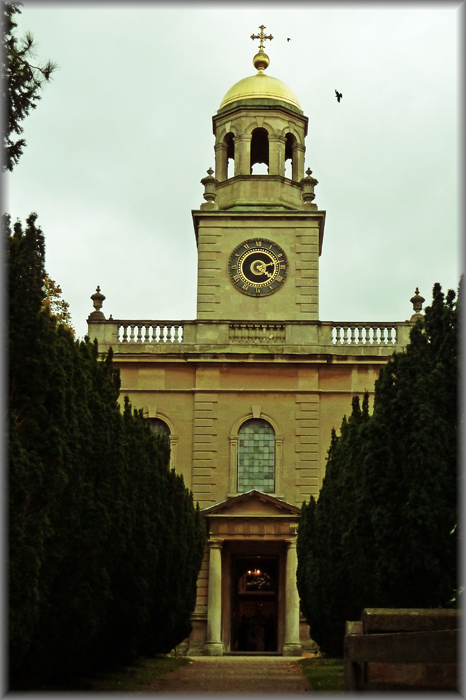
Following on from last week’s post about Witley Court today I am showing you the windows from the local parish church for Great and Little Witley. A more elaborate church on such a small scale I have never seen; thank goodness this didn’t burn down at the same time as the house. It is a very small church as you can see from the header photo above!

external

Nine of the ten windows made from stained and enamelled glass by Joshua Price in 1719 and 1721 from designs by an Italian artist are scenes from the New Testament. I’ll let you try and work out what they depict.

(click an image to enlarge)

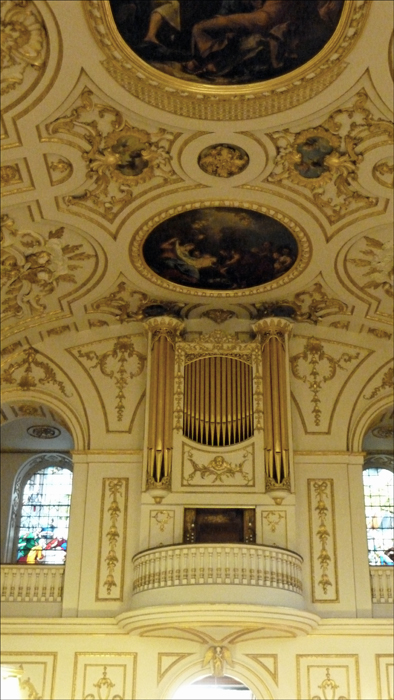
The pictures on the ceiling are painted by the Italian artist Antonio Bellucci (1654 -1726) and are oil on canvas.

interior

ceiling

This delectable baroque style church is St. Michael and All Angels Church, Great Witley.

Source: Great Witley Church