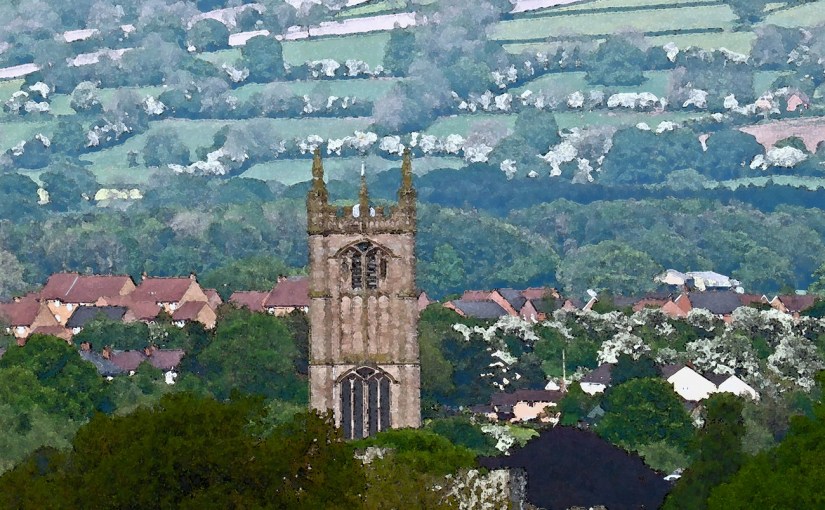
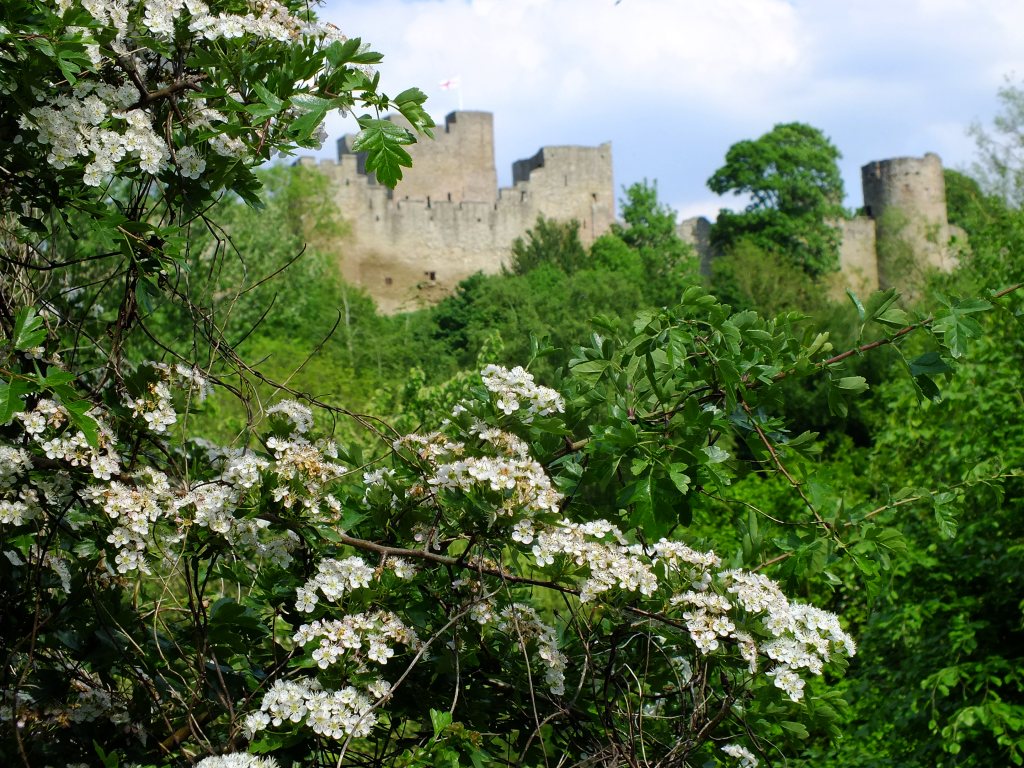
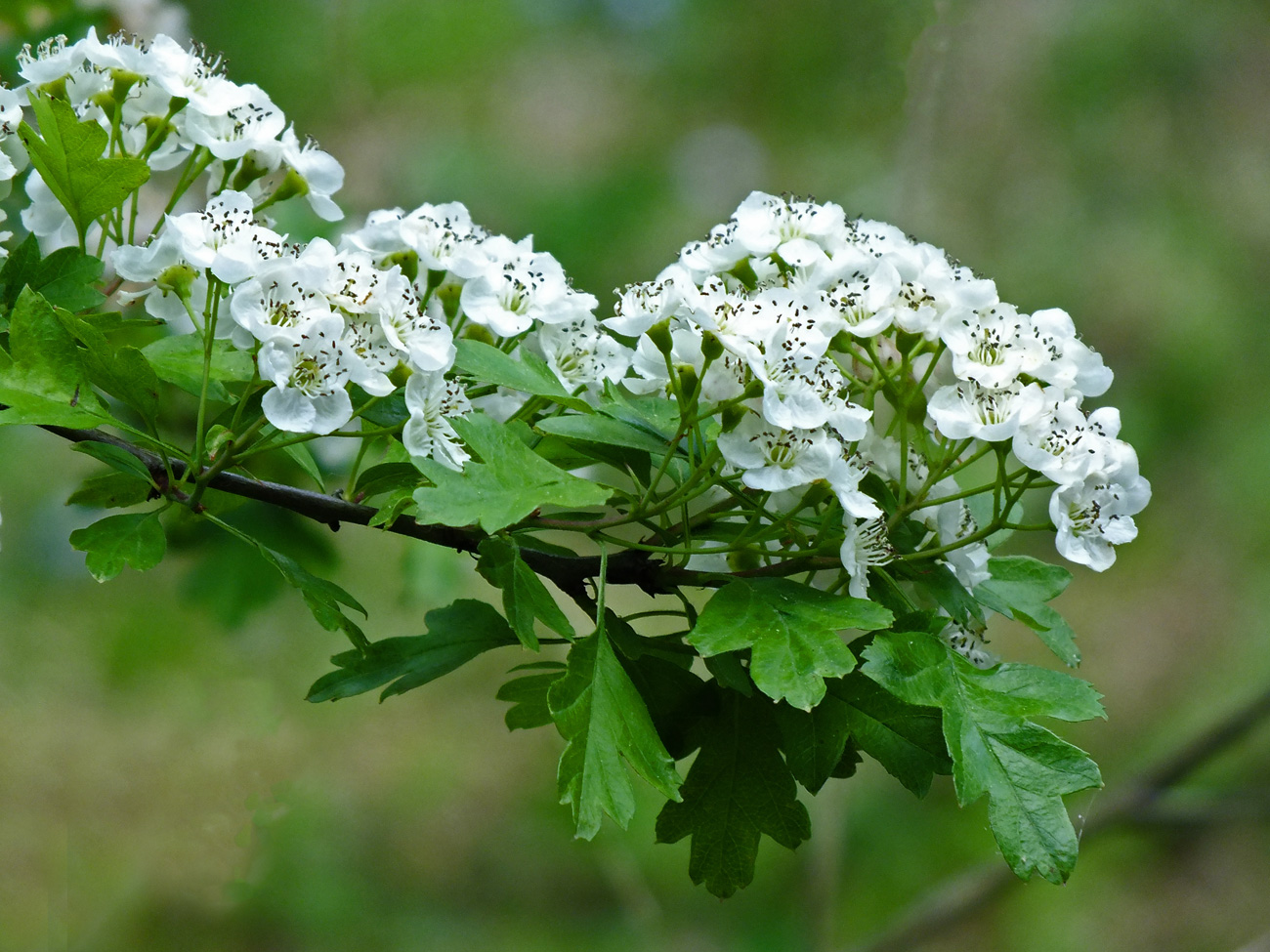
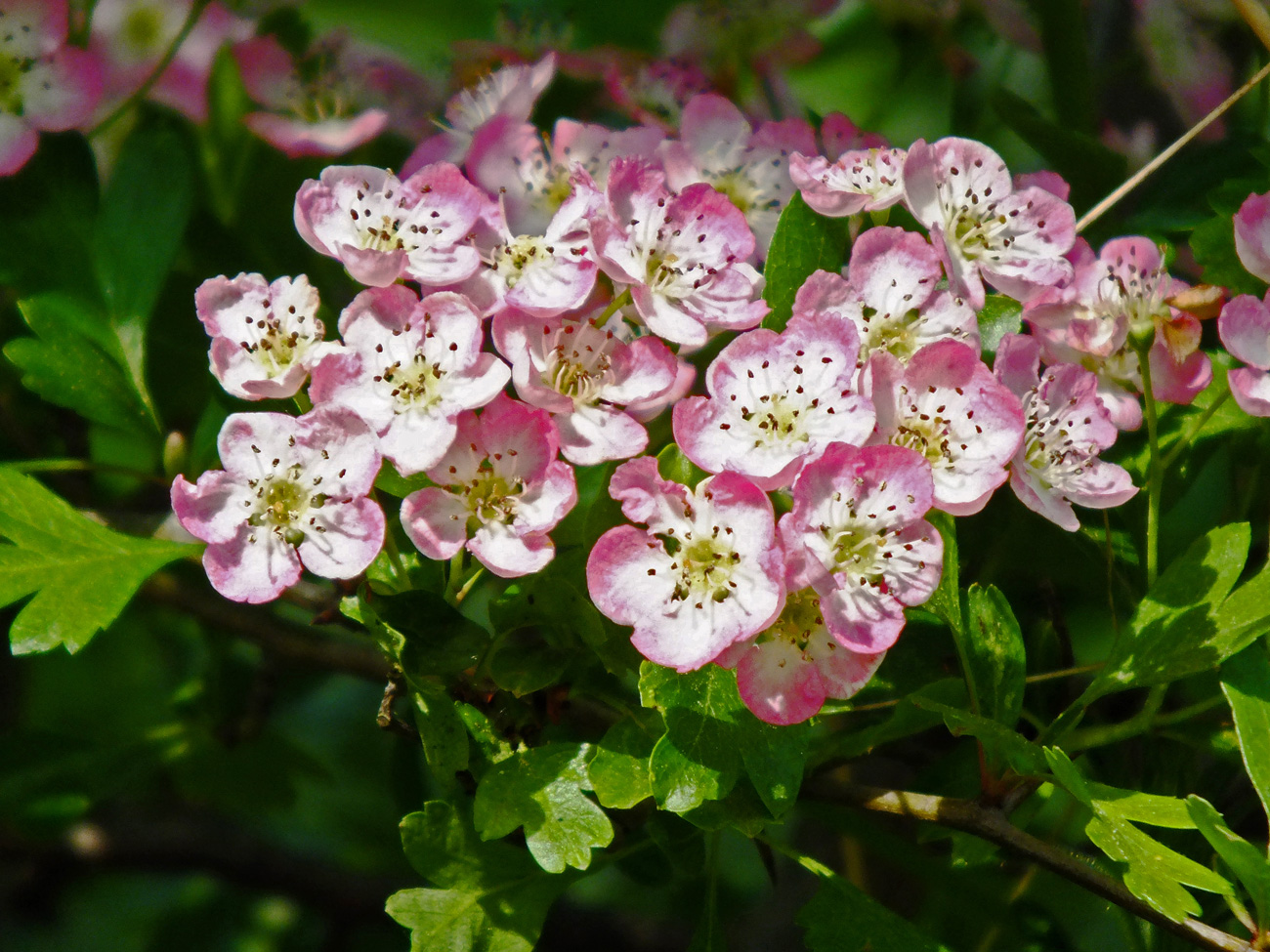
Headed out on a mission yesterday afternoon – to track down some Mayblossom. Common hawthorn is also known as the May Tree and is so called after the month in which it flowers. A British native hedgerow species, its fragrant blossoms traditionally feature in May Day festivals.
The May Tree
“Spring goeth all in white,
Crowned with milk-white May.”
~ Robert Bridges from Spring Goeth in May
The phrase “Ne’er cast a clout till May is out” is believed to refer to the blooming of the blossom although it can be interpreted as being the month of May.
And “April showers bring forth May flowers” can also refer to the blossom or the month – hard to decide which.
It is certainly present in abundance around here!
(please click on an image to enlarge)
Lisa of the blog NorthWest Frame of Mind has decided to run a different project over the next 24 weeks. To try to show what is happening in different parts of the world (if you all join in) at a particular time of day. This week shows photos taken between 2:00 pm and 3:00 pm (1400 – 1500).
If you would like to participate you have until next Saturday midnight to post a photo or write about what is happening in your part of the world between 14:00 – 15:00 this week. I hope you’ll join in! See links above for more details.
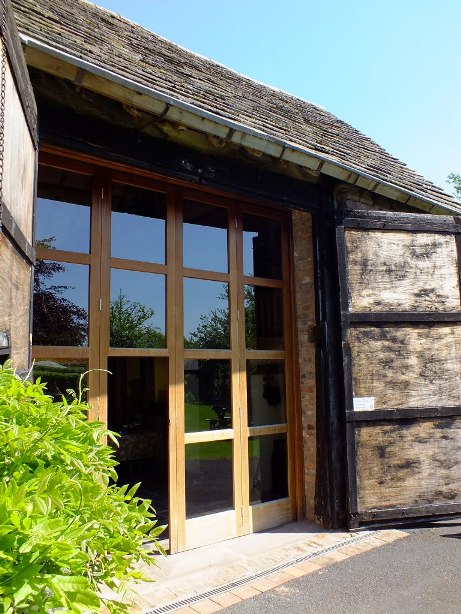
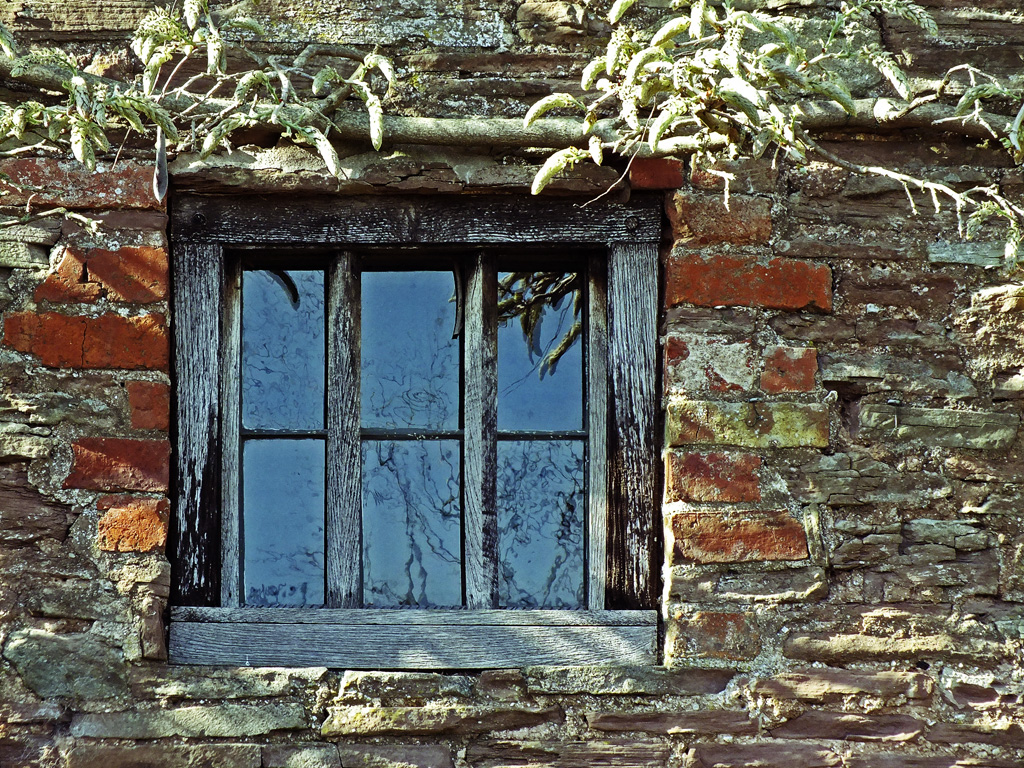
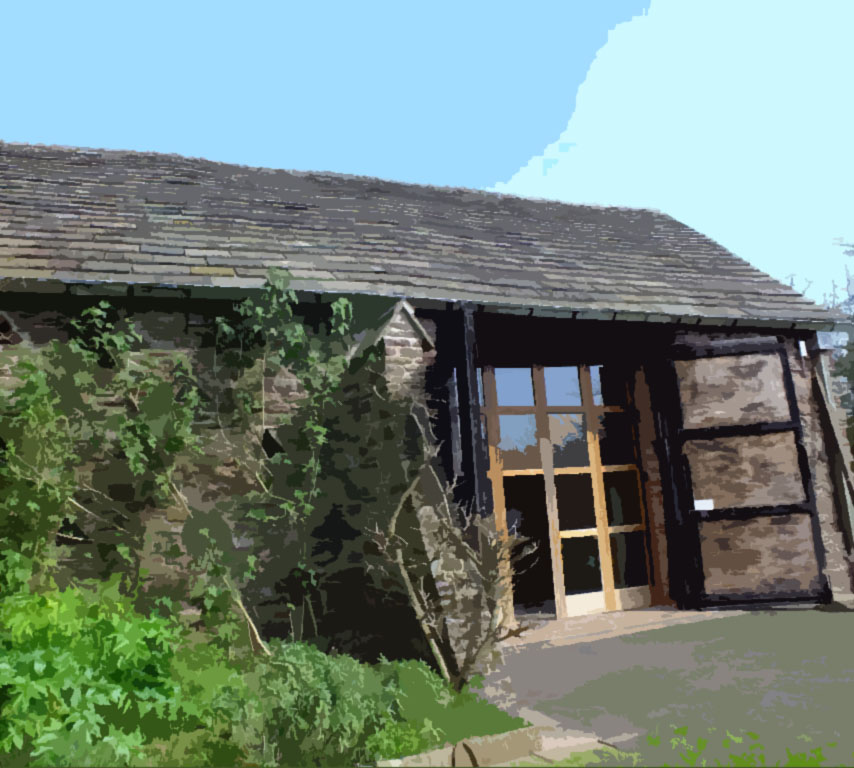
Whilst visiting Stockton Bury Gardens in Herefordshire recently I also couldn’t help noticing some windows. The Tithe Barn obviously didn’t have windows, but does have huge doors. Now that it is used as a café new bi-fold windows have been added so that they can be open during good weather.
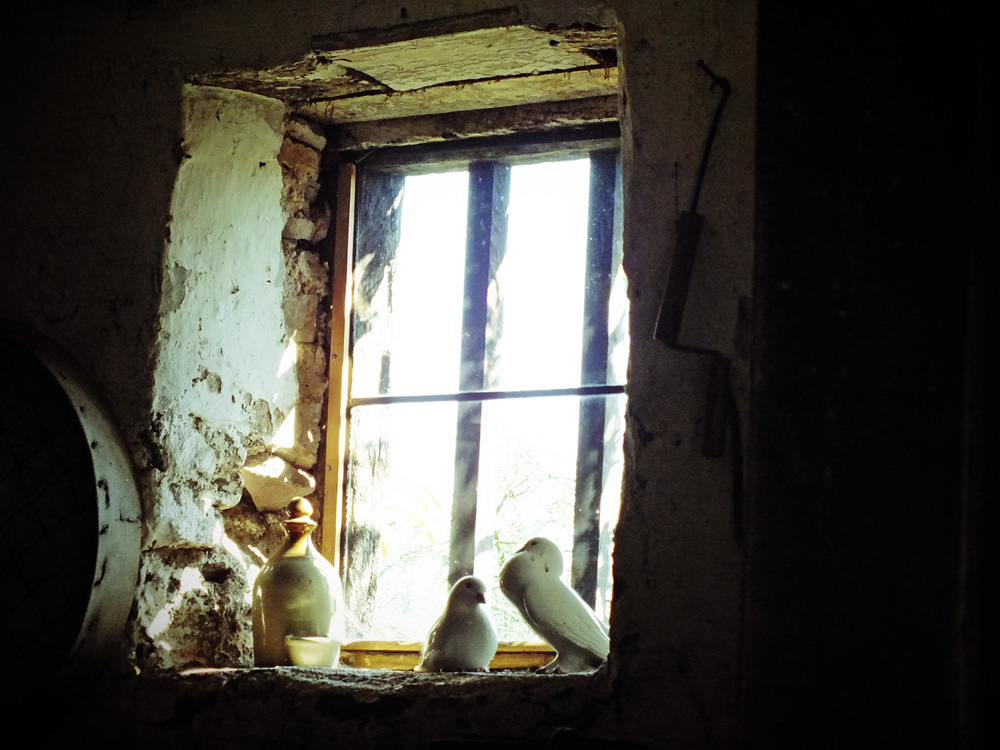
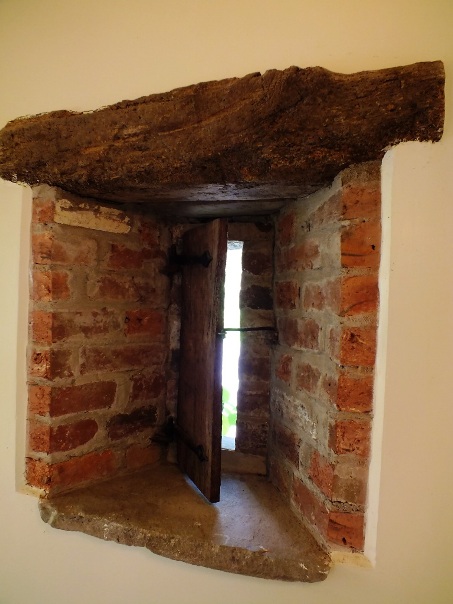
There is a window in the stable block, occupied by a pair of white doves it seems.
Inside the Stables
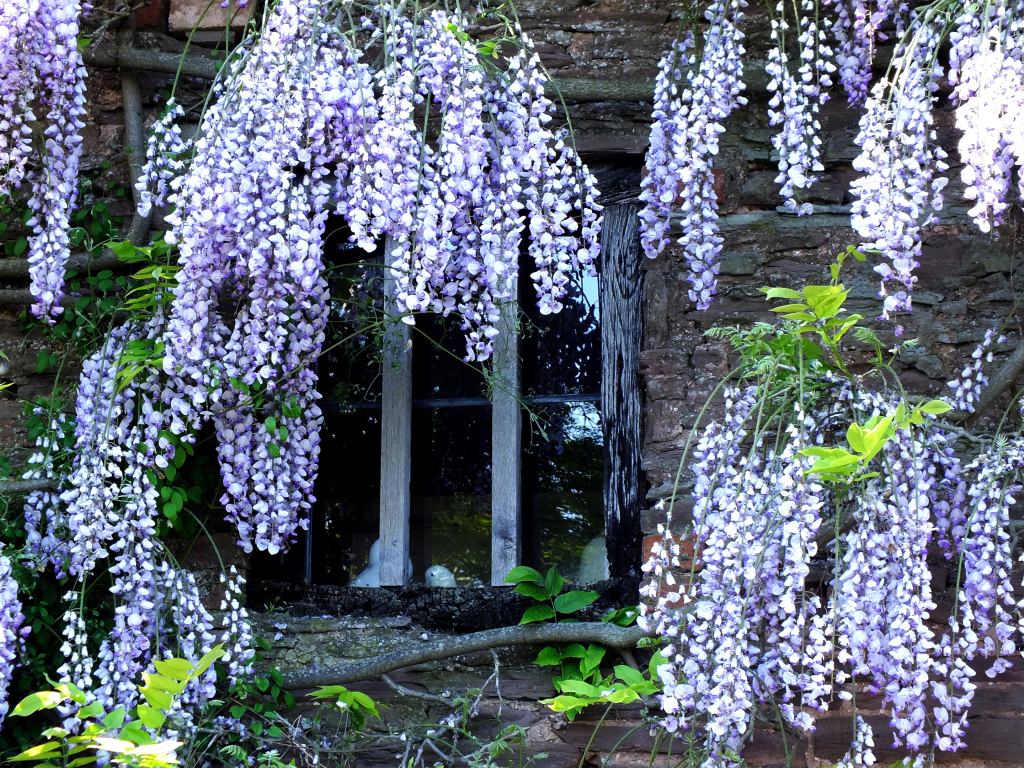
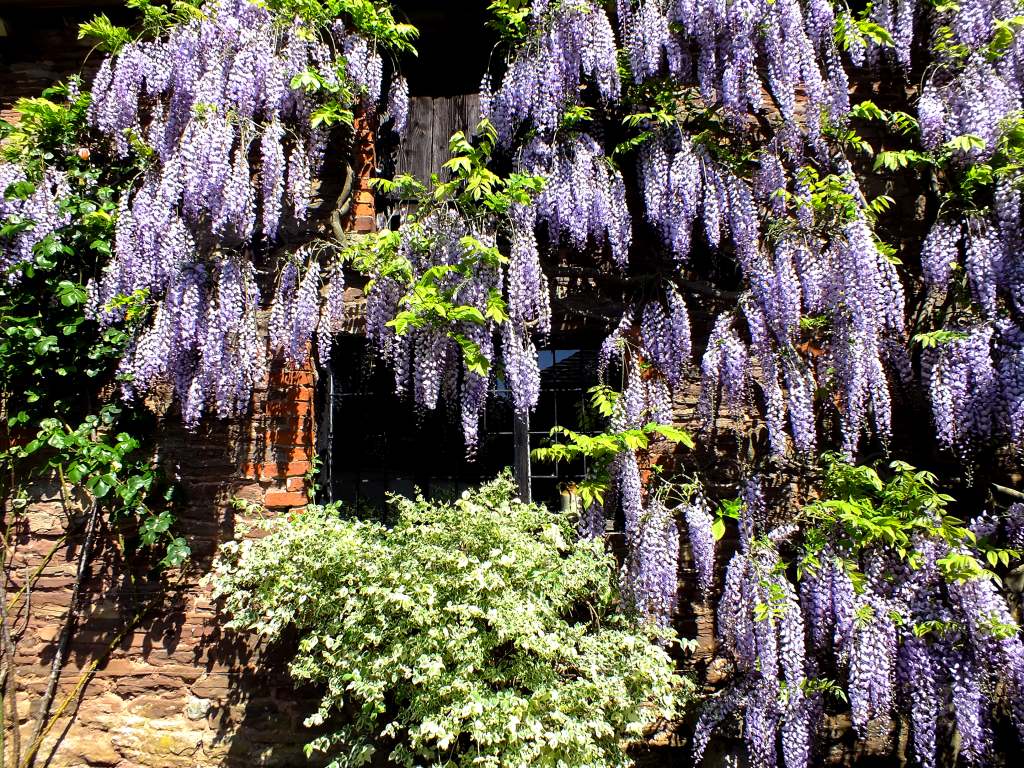
But difficult to spot them from the outside in May.
Exterior in May
Budding wisteria in April
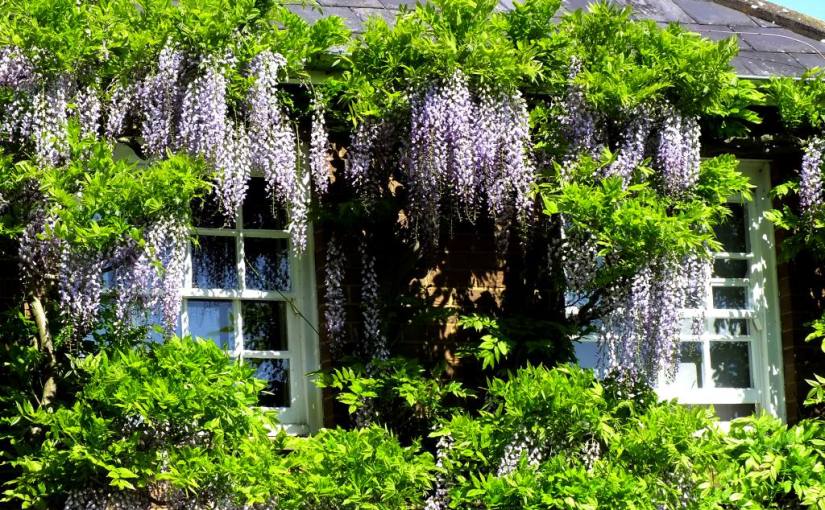
turns to dripping wisteria in May, and yes there is a window there if you look hard enough.
This week, share a photo of something that’s art to you.
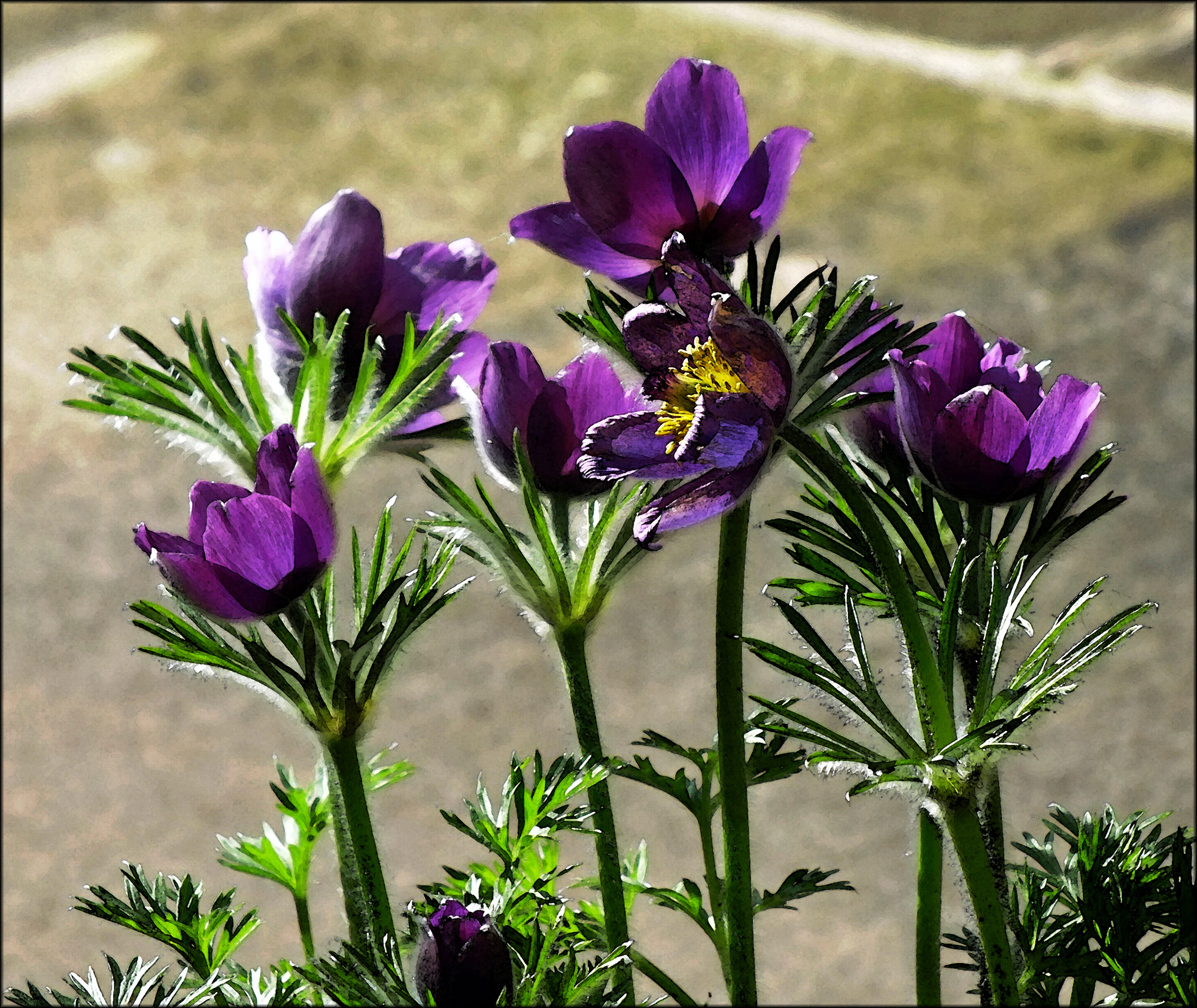
This particular photo has been given a watercolour ‘art’ effect. Enlarge for more detail and clarity.
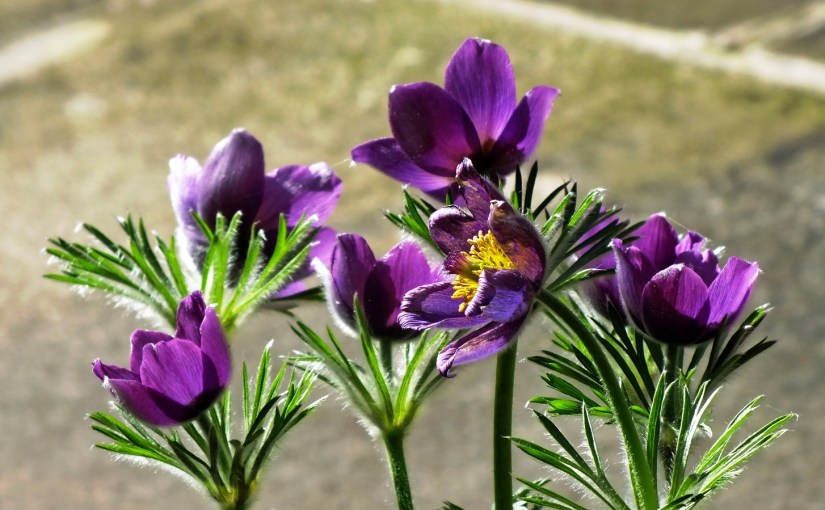
Pulsatilla vulgaris
The flowers bloom in early spring, which leads to the common name Pasque flower, since Pasque refers to Easter and Passover. Pasque flowers are the early harbingers of Spring, appearing before the leaves have fully emerged and it is a low-growing, clump-forming, perennial.
To me there is nothing more that represents a work of art than nature. A flower, from seed to decay, is truly magical.
I discovered another garden not too far from here a few weeks ago. Apparently it is used as a location in ‘The English Garden’ magazine if anyone reads that. It also has a small café in a beautiful Tithe barn serving lunches and cakes, warm lemon & treacle tart anyone? So definitely worth a visit, although on this particular day I was feeling rather ill so had to sit and watch the OH devour a lovely chicken sandwich.
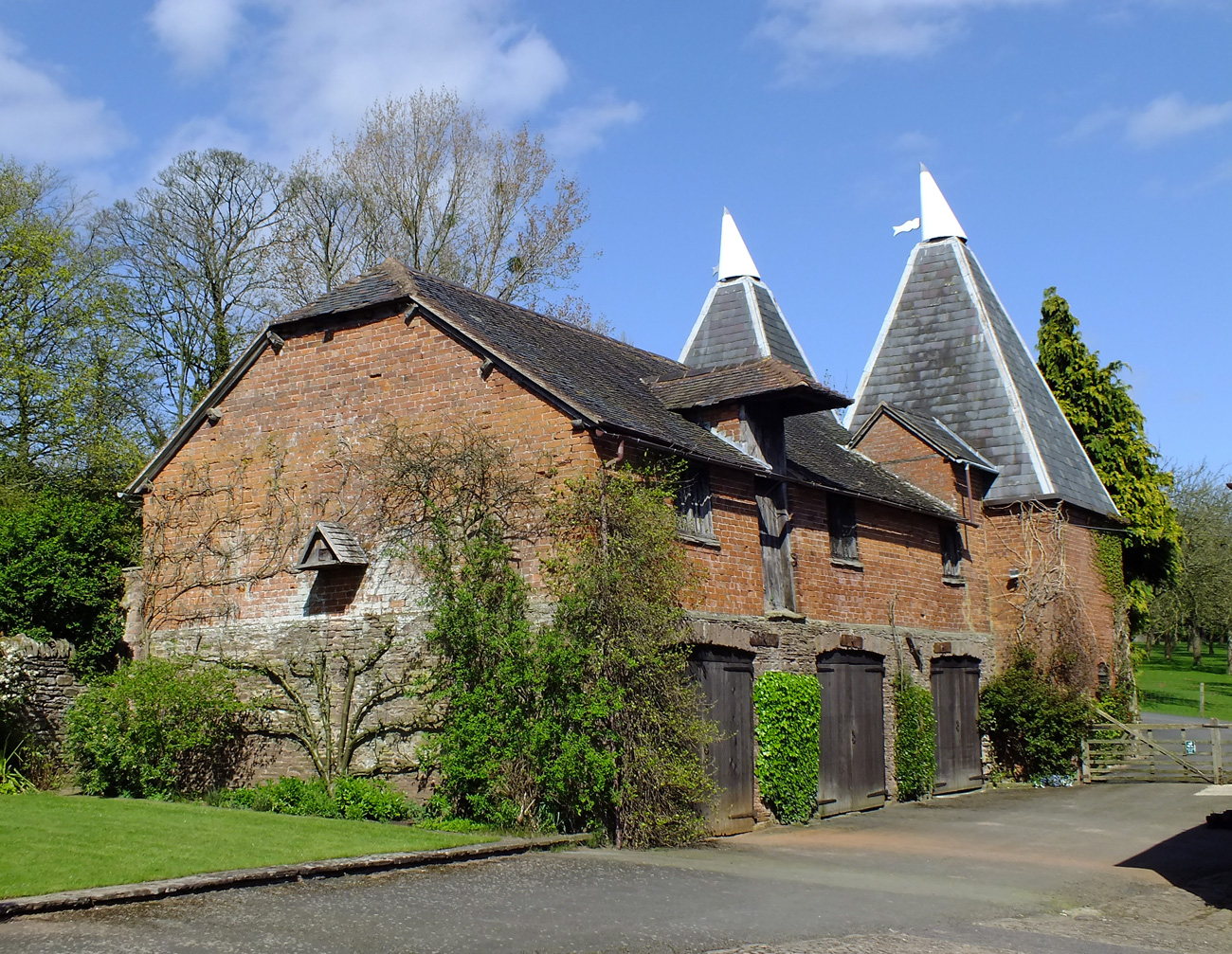
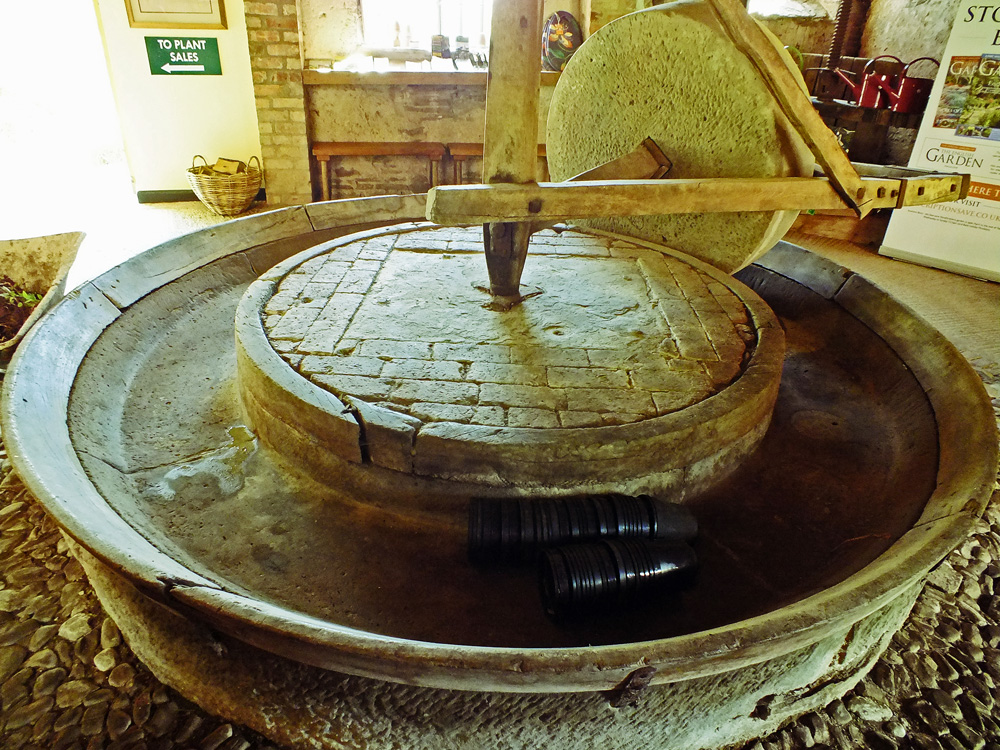
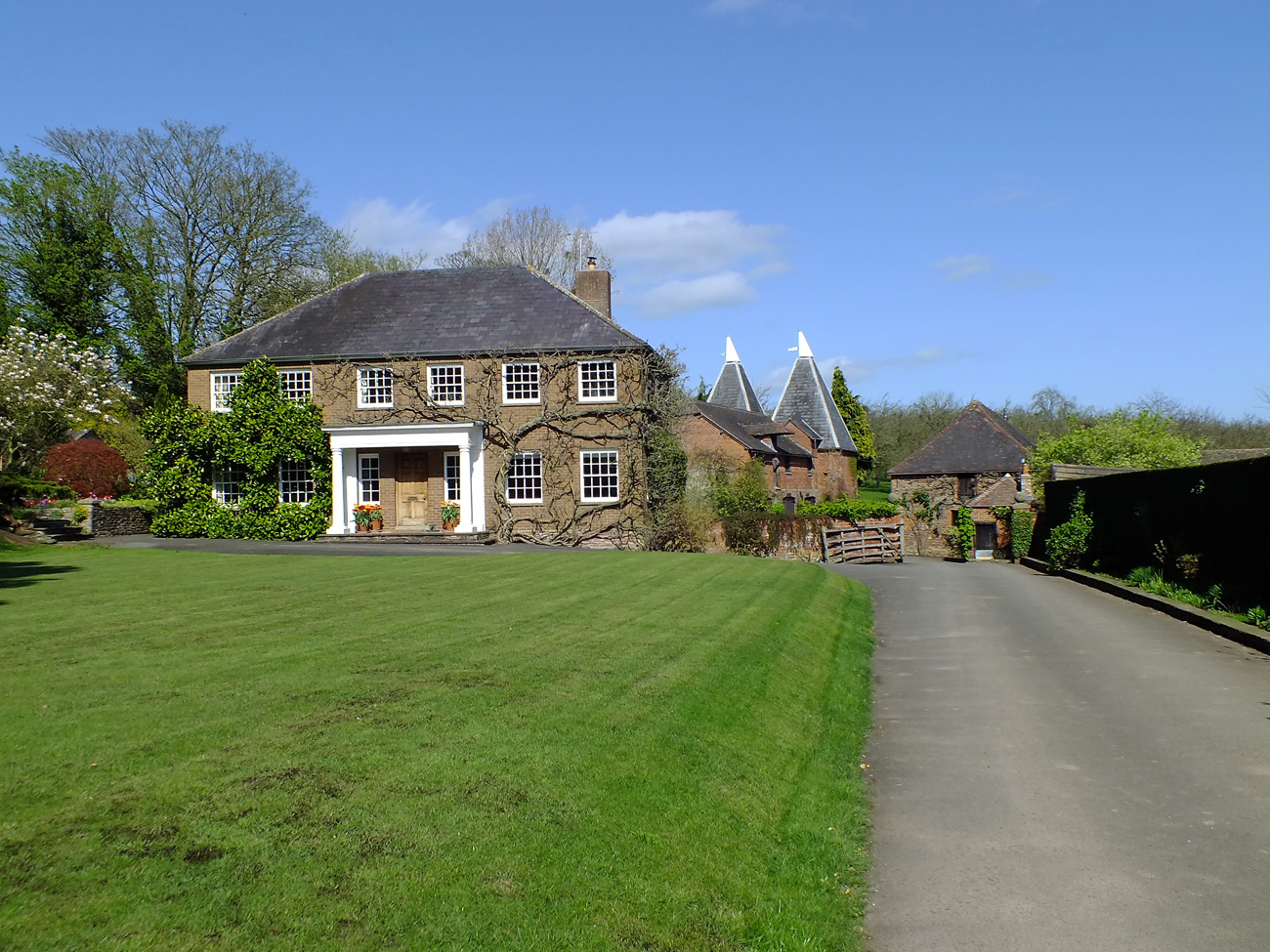
Probably the first thing you notice once you enter the gardens through the Cider Press, is this gorgeous Granary with the Oast Houses. I used to think Oast Houses only existed in Kent. Not so, there are quite a few in Herefordshire and Worcestershire and still plenty of hops in the fields.
I spent a fair while just photographing these gorgeous old buildings before venturing into the gardens themselves. But what a treat awaited me.
Steps on the Cider Press
Tulips
Redbuds
The problem was where to start? The Pigeon House Garden? The Spring Garden? What a choice.
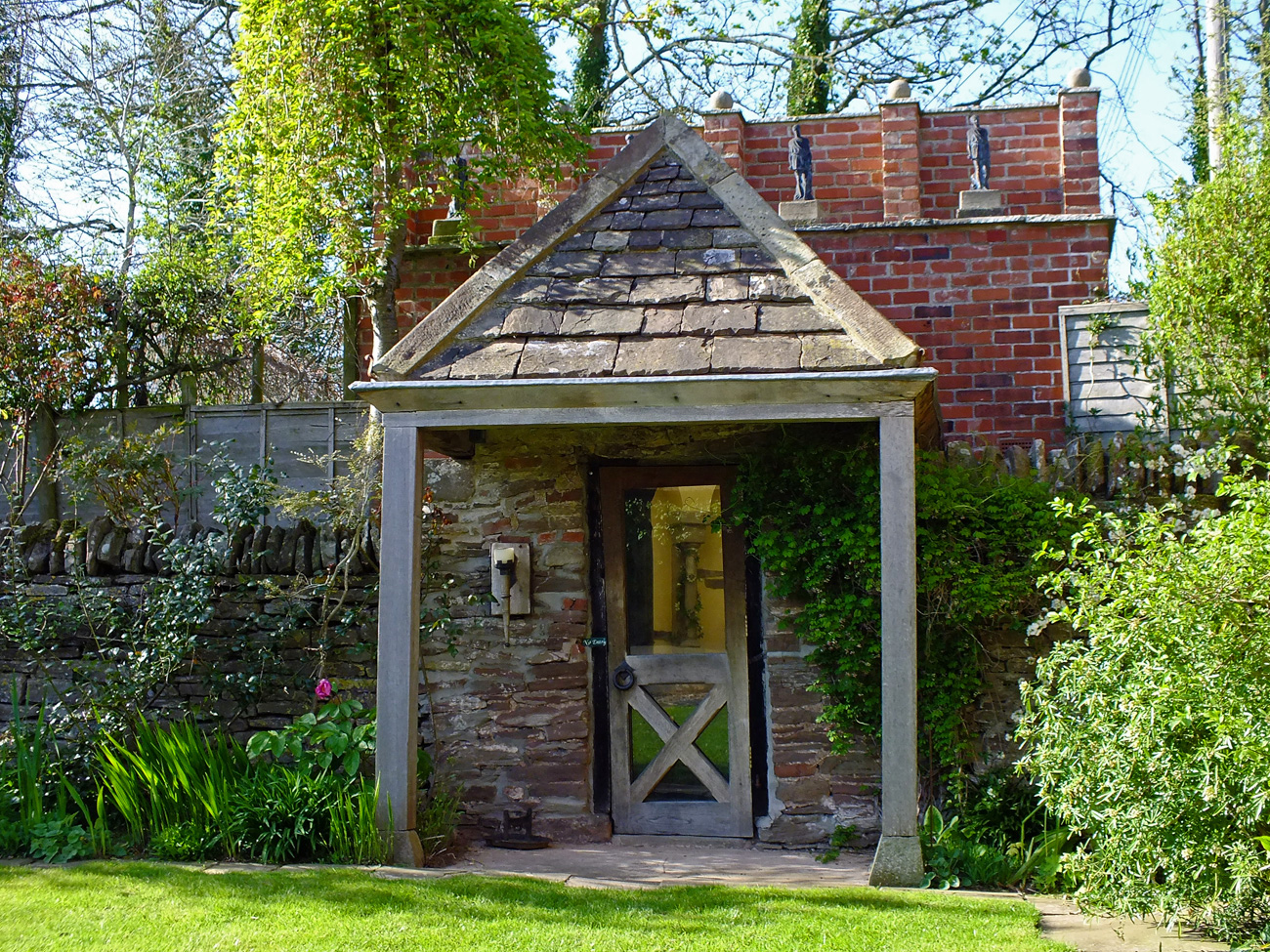
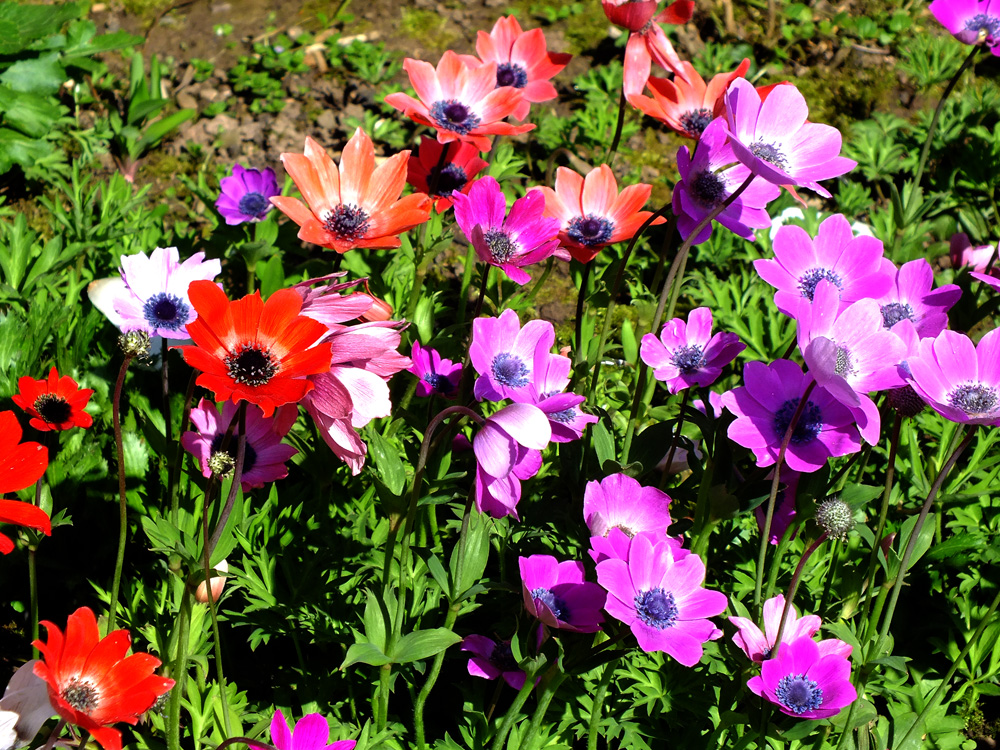
The Spring Garden was a delight with these jewel-like anemones flowering in the sun. A crooked path leading to a sweet little summer-house with magnolia blossom overhead.
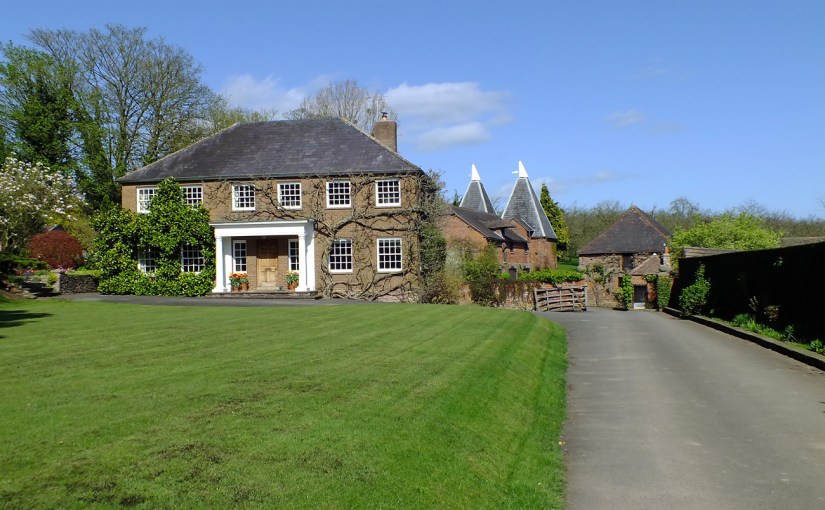
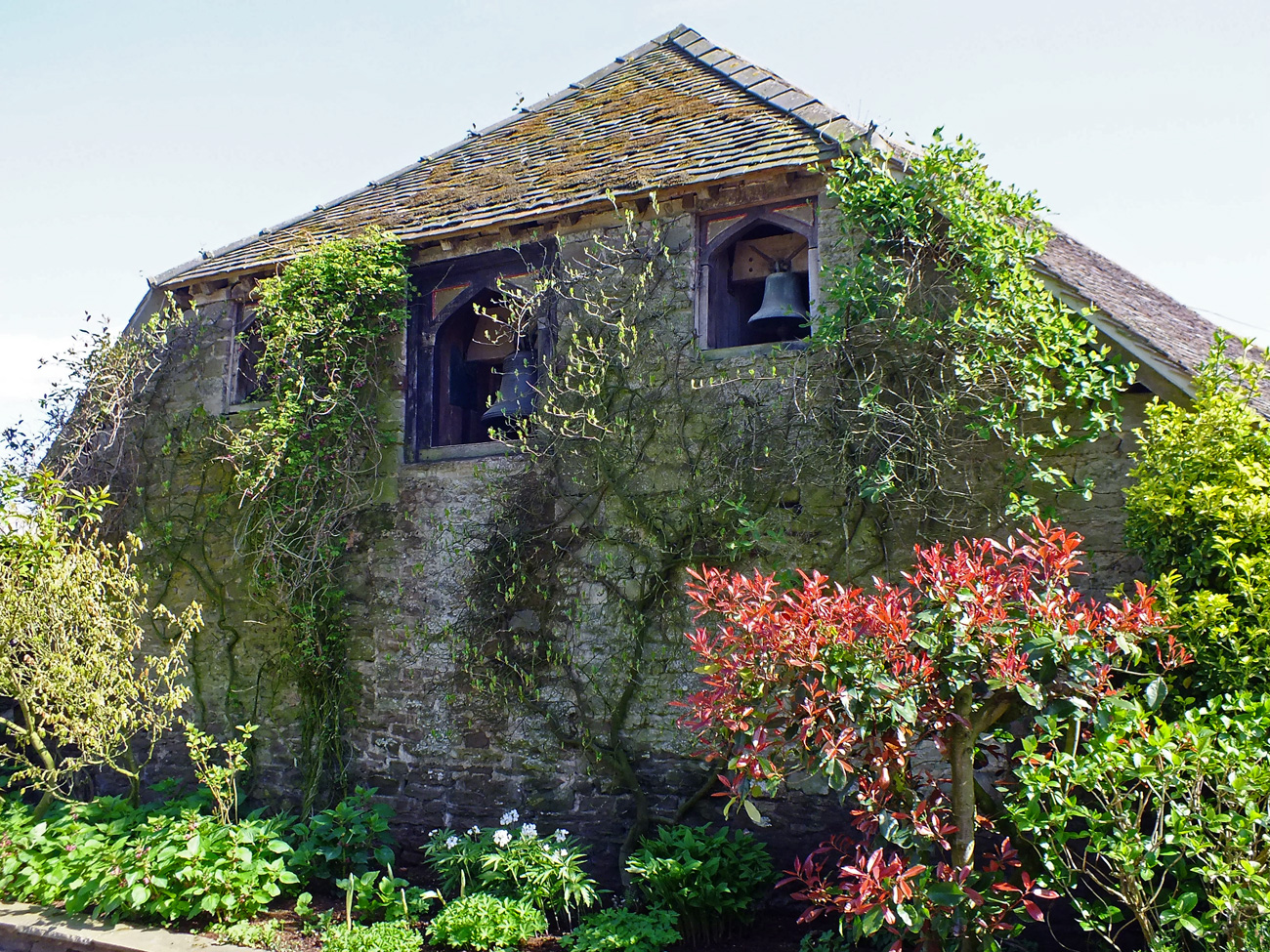
Leaving the Spring Garden behind brings you out in front of the Manor House, with pots of bright tulips outside the porch and walls festooned with budding wisteria. The Main Lawn softens the driveway which leads to the farmyard. And a barn with bells.
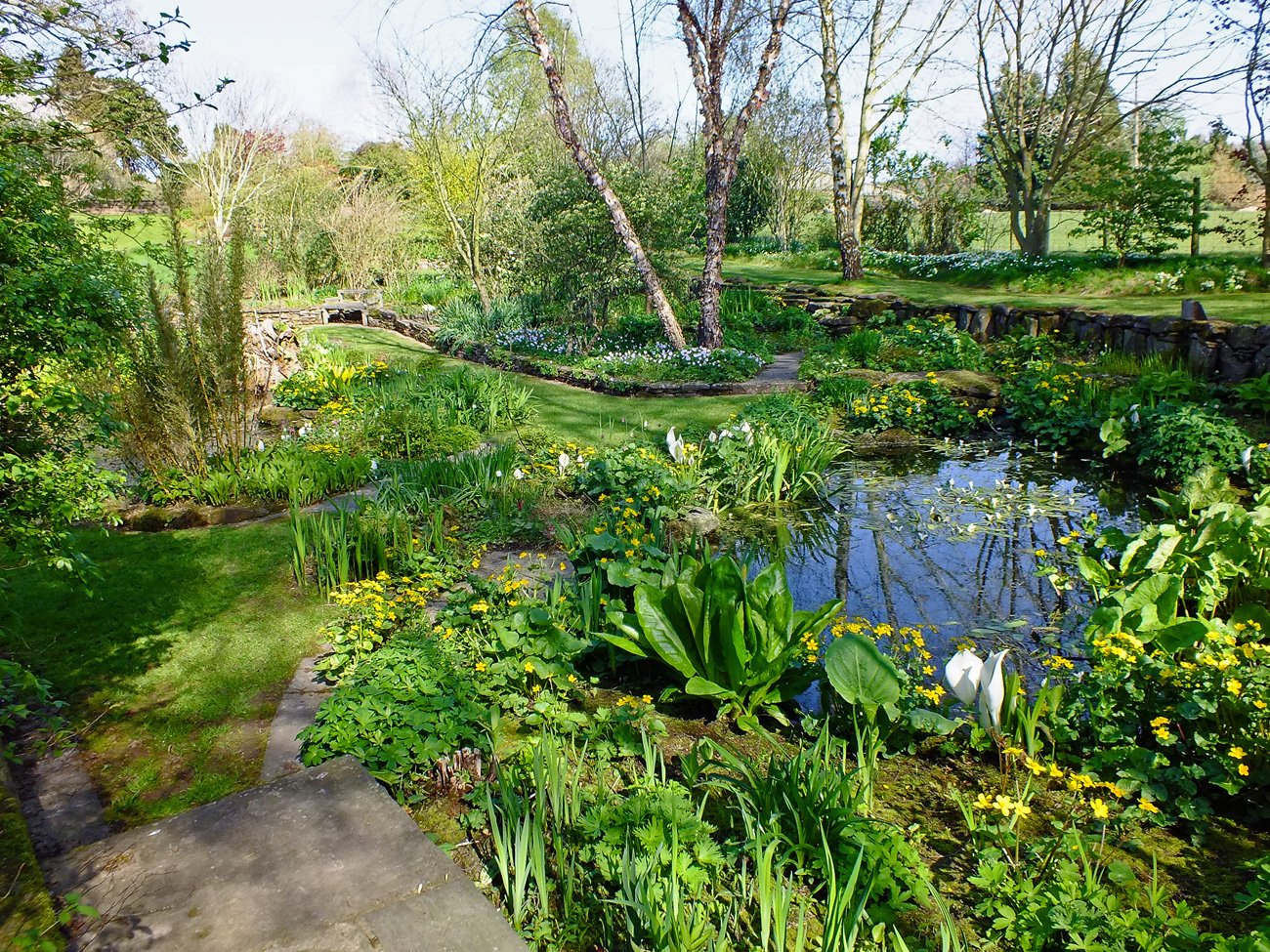
The Bathing Pool Garden was intriguing, especially as this leads to the Rock Pools where Fritillaria meleagrisand Pulsatillavulgaris flowered around the pool and blossom hung overhead.
Fritillaria meleagris
Chaenomeles japonica
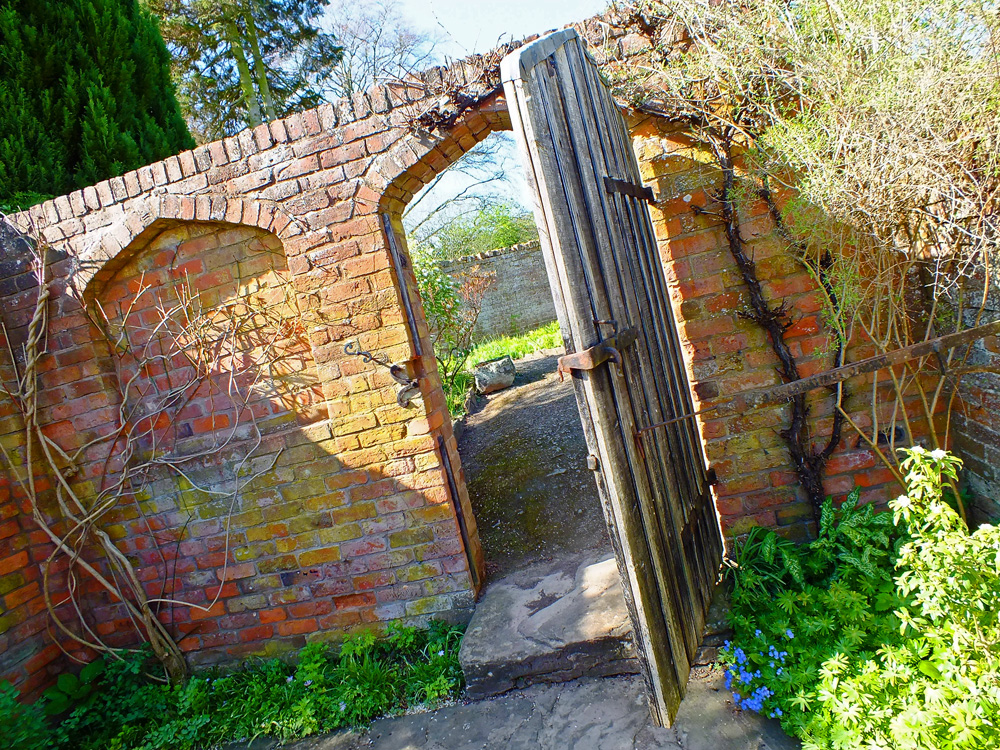
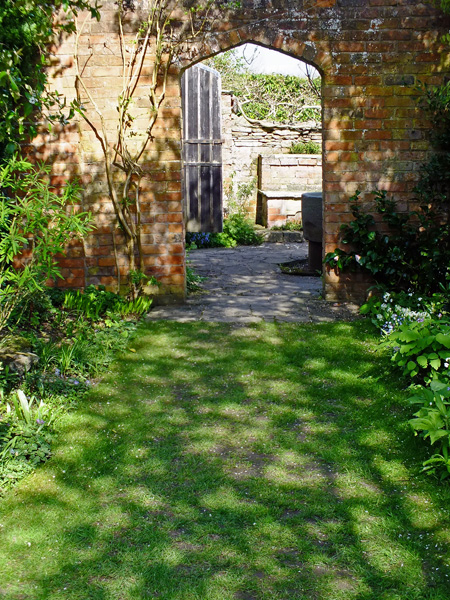
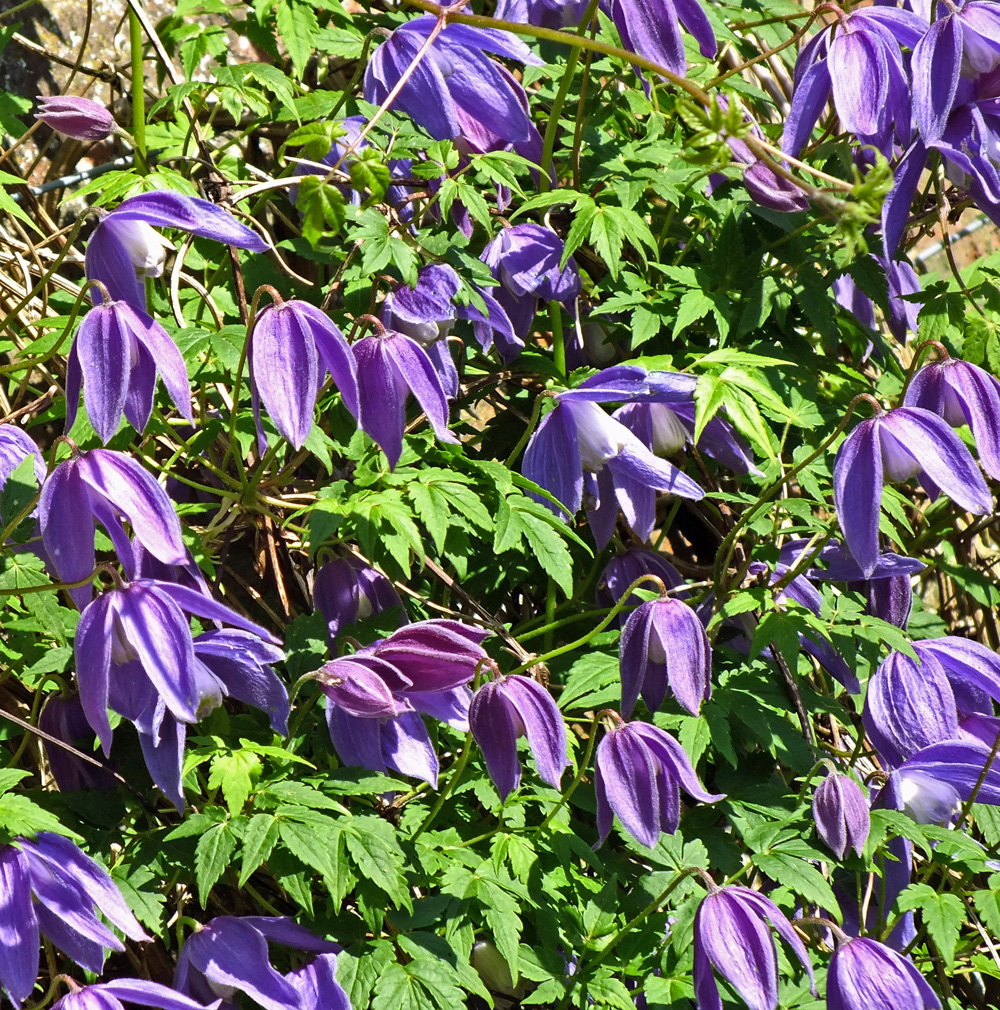
Doorways and water features entice you into the Elizabethan Garden with violet-blue clematis dripping over the wall.
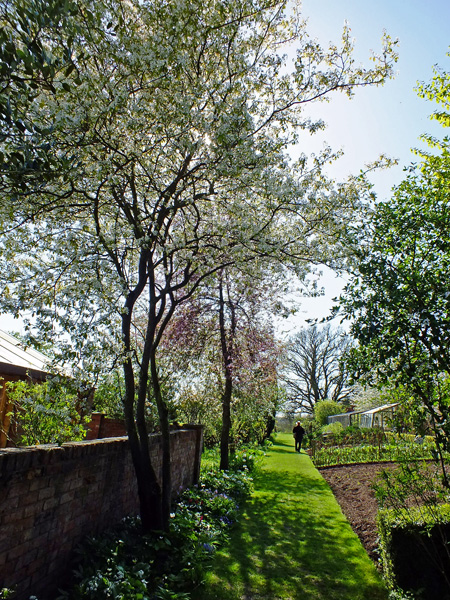
Next the Long Walk leads you past the Kitchen Garden, the Sunken Garden, the Pillar Garden and finally the Paddock Garden. See the blossom?
With plants and pots and watering-cans to catch the eye.
Pots
Erythronium
watering-cans
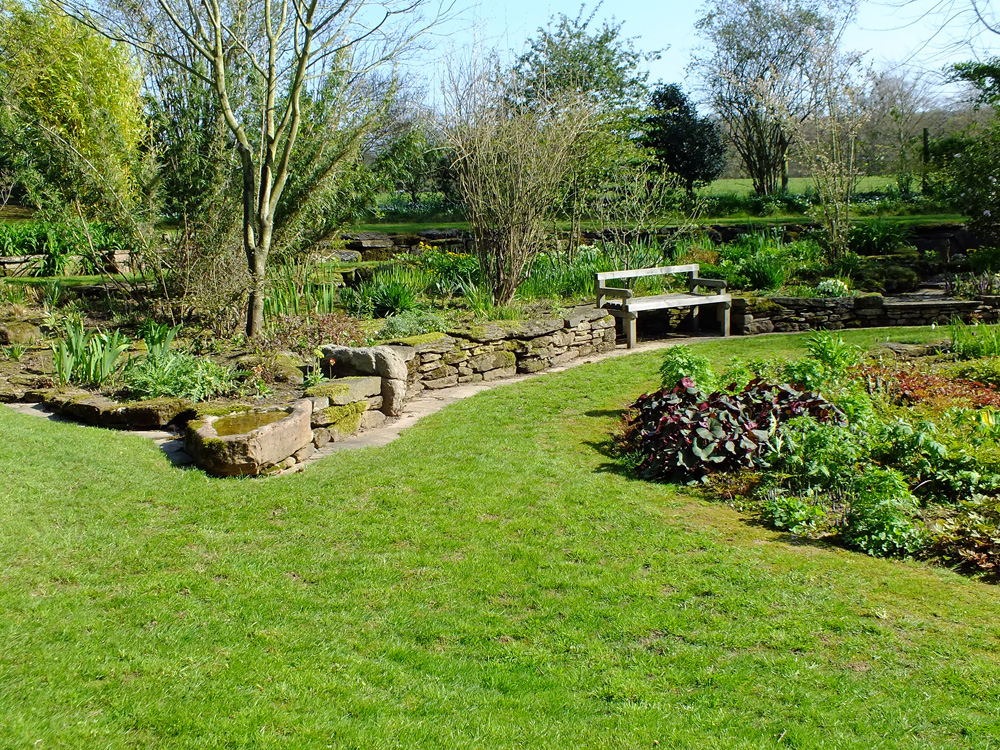
The path leads down to the Dingle, the furthest area of this lovely garden and where the Spring and the Grotto can be found. A very peaceful place to stop and rest and absorb the beauty of nature.
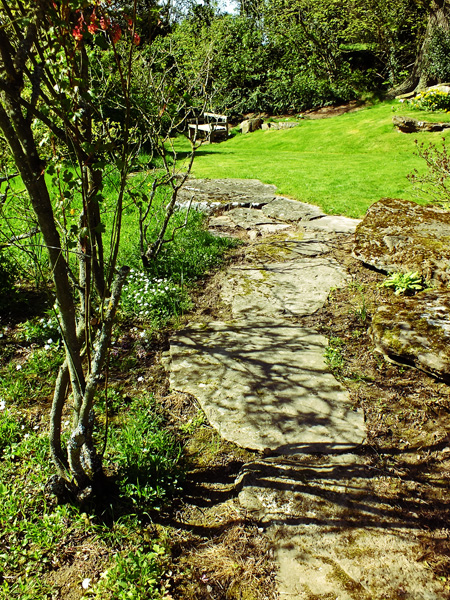
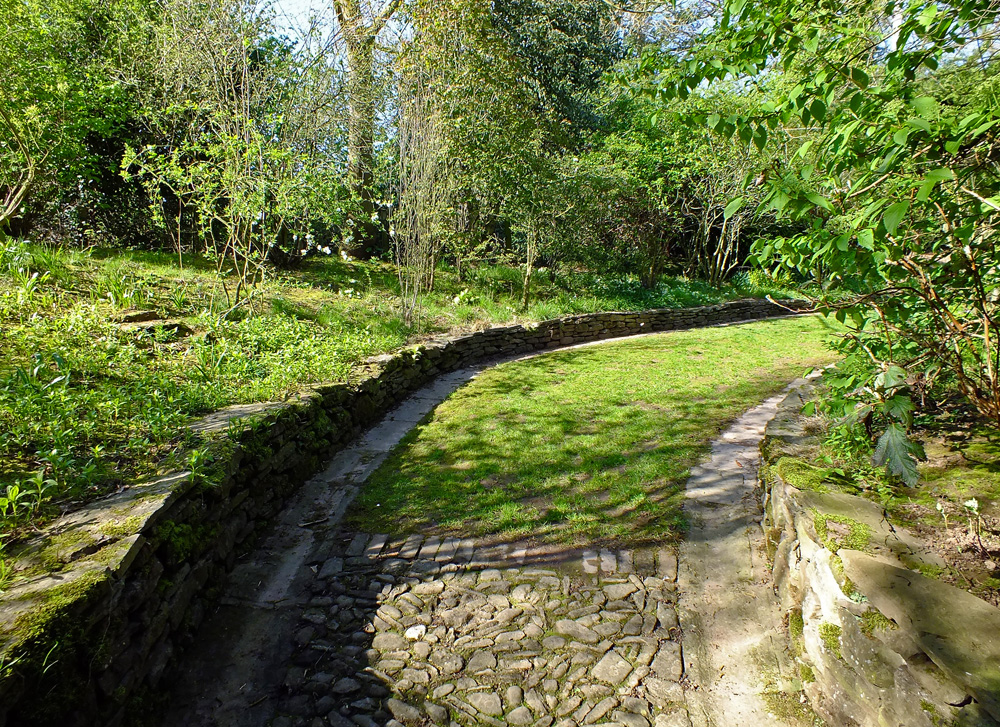
Lots of little paths to wander along.
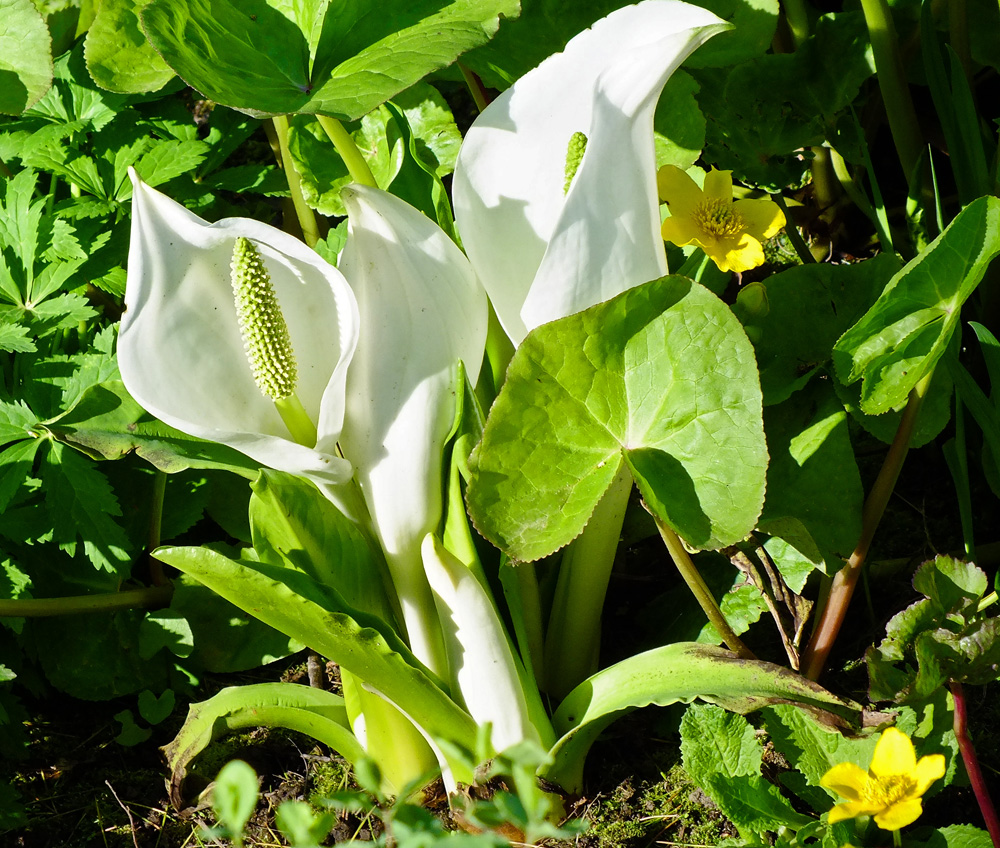
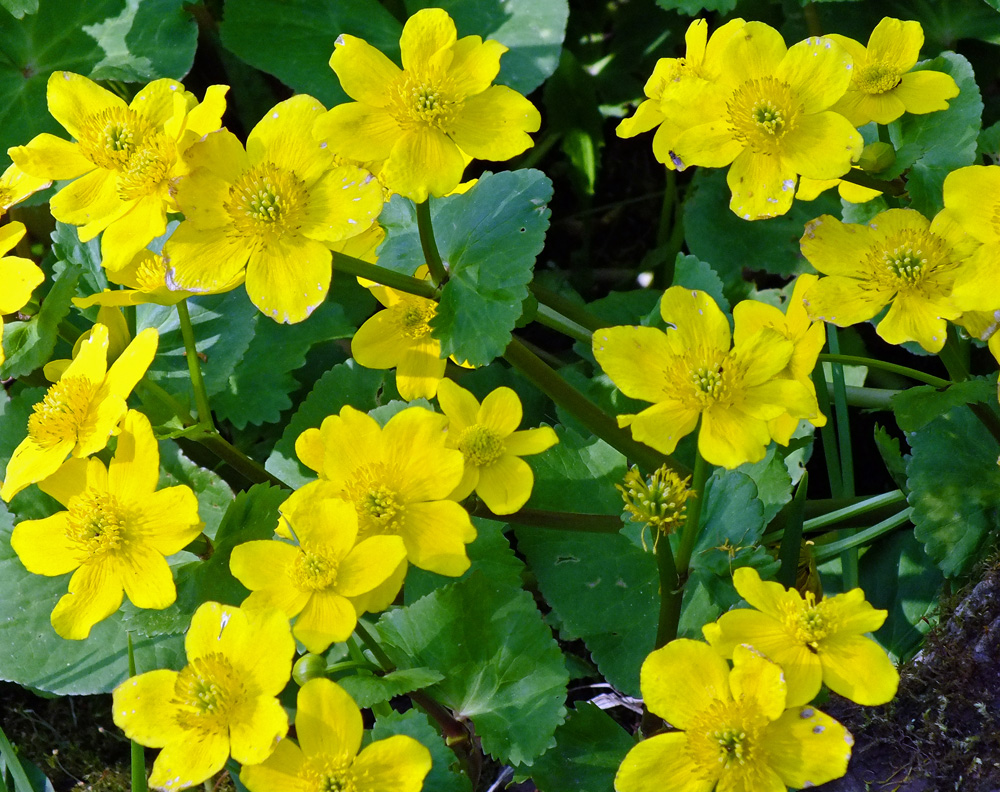
marsh-marigolds
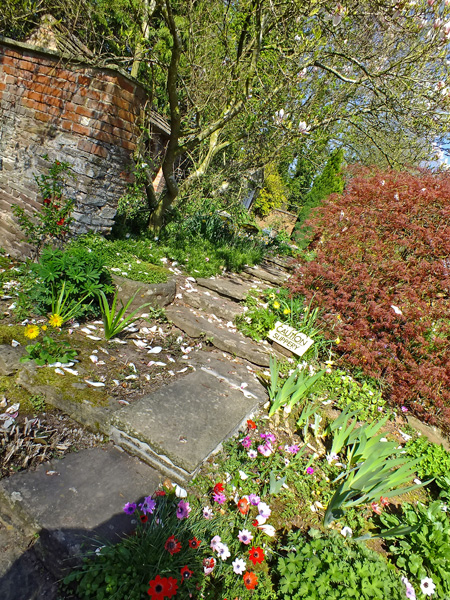
And a wider one which leads to the Grotto. But watch your step!
warning
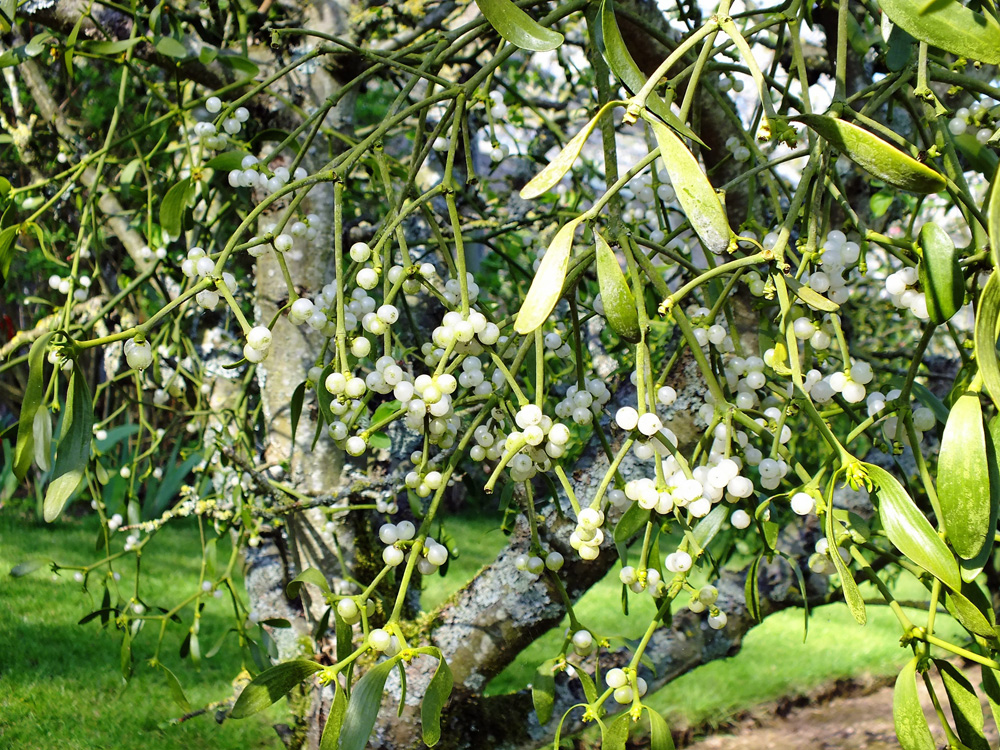
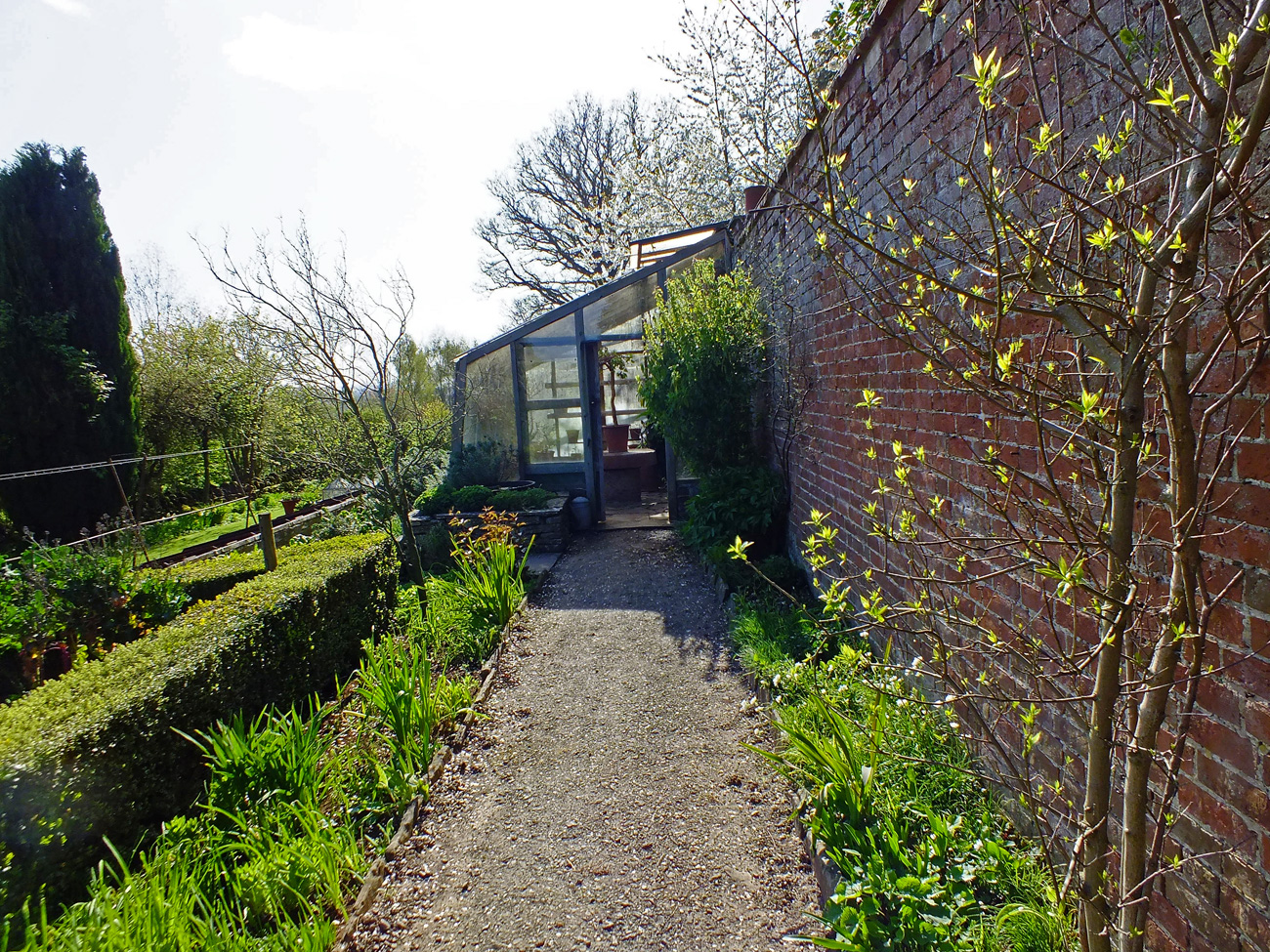
Finally on the way back to the exit there are the Iris Walk and the Greenhouses which I can never resist having a nosey in. The irises weren’t in flower, so another visit is required, very soon. But I did find some mistletoe growing on a fruit tree.
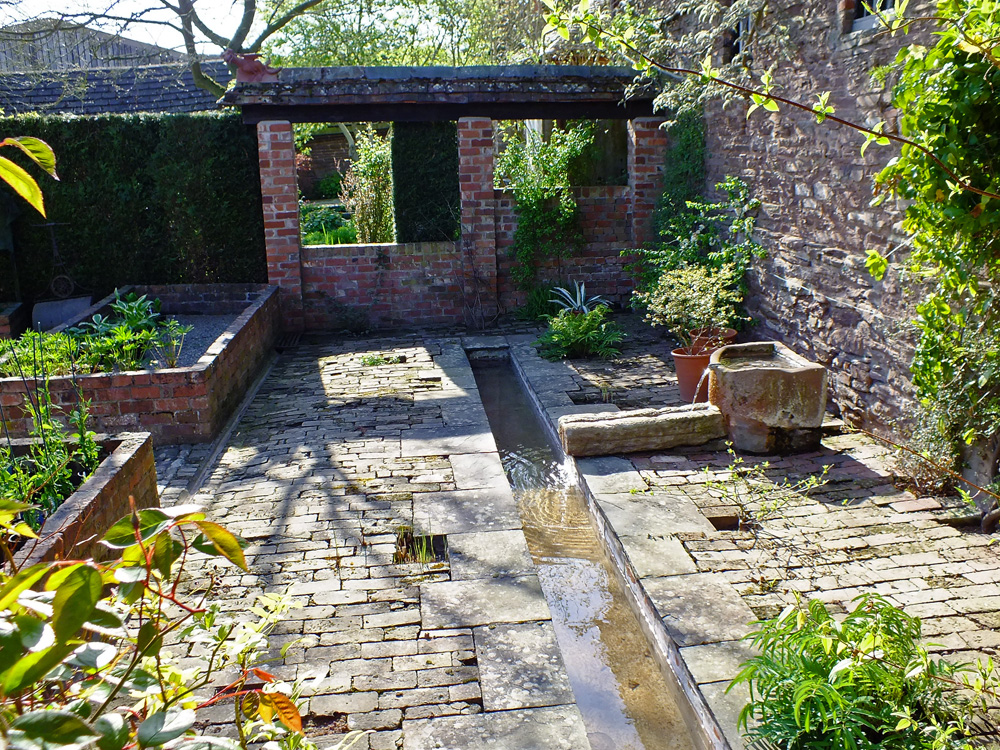
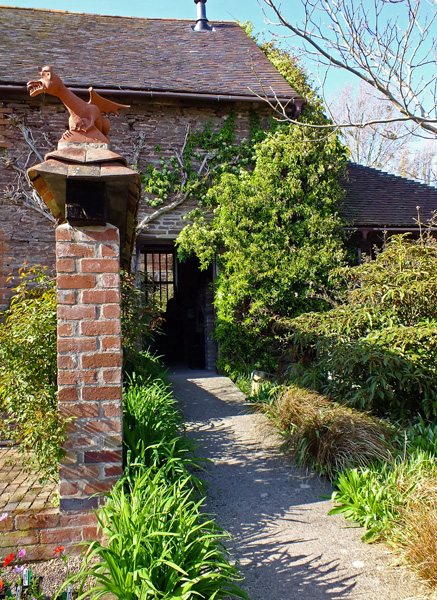
Before you leave, have a browse around the plant sales which is behind the Cider Press and where you’ll find the Rill and a pair of Welsh Dragons 🙂
I hope you have enjoyed your visit to Stockton Bury Gardens in Herefordshire. It has a very long history as there has been a dwelling on this site since 660. The ‘Bury’ is a Saxon word for Court House or Mansion House and was given the status of a Manor in the reign of Edward III.
Before leaving the Cape Peninsula I decided to take a drive along the coast of False Bay and then head east to Hermanus, a town I have been to frequently and a favourite spot for Capetonians.
Have you seen whales in the wild? Gone diving with sharks? Or maybe just done a spot of kite-surfing?
(please comment on the original post – I’d love to hear from you)







 Before leaving the Cape Peninsula I decided to take a drive along the coast of False Bay and then head east to
