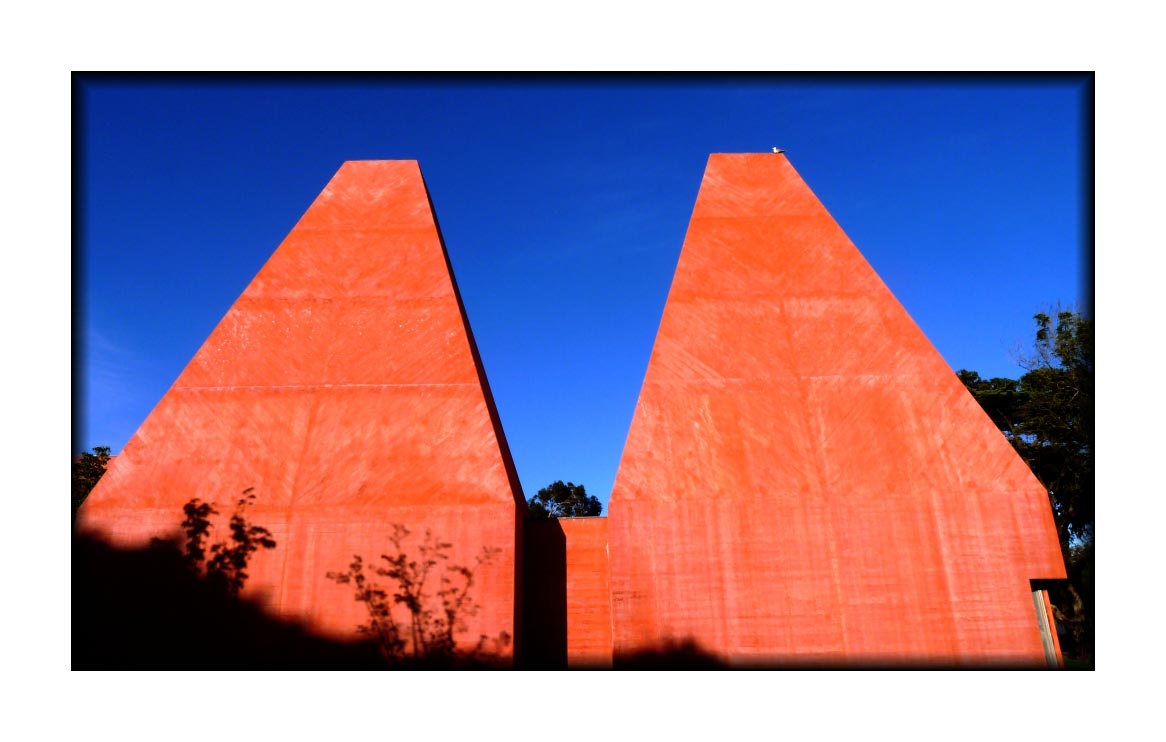
#WordlessWednesday
#WordlessWednesday
Although I lived in Shewsbury for two years at the beginning of the millennium, and relocated to south Shropshire from Surrey in 2011 I have not written much about the county town. I do have rather a large number of photos though taken over several years from various visits and since it has quite an interesting history, including buildings of various designs and styles built over a thousand years, I thought it time to set this right.
The first written evidence that refers to Shrewsbury dates back to 901. It refers to Shrewsbury as ‘Scrobbesbyrig’ which indicates that it was then a fortified settlement with ‘Scrobbes’ most likely referring to a scrub covered hill, and ‘bryig’ suggesting the presence of fortifications. Shrewsbury is a stunning historic town with over 660 listed buildings and some very strange street names – Dogpole and Mardol, Gullet Passage and Grope Lane. And there is still disagreement as to whether the modern-day name is pronounced Shrewsbury, or Shrowsbury.
Shropshire is England’s largest inland county with Shrewsbury as the county town. Curled up within a horseshoe bend of the River Severn (Great Britain’s longest river), it narrowly escapes being an island.
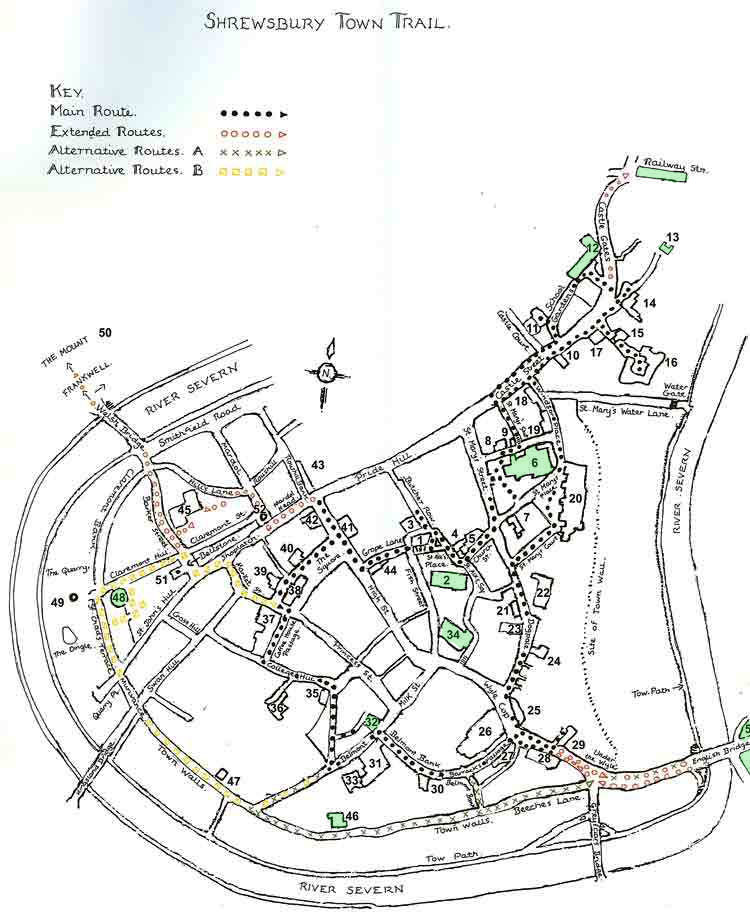
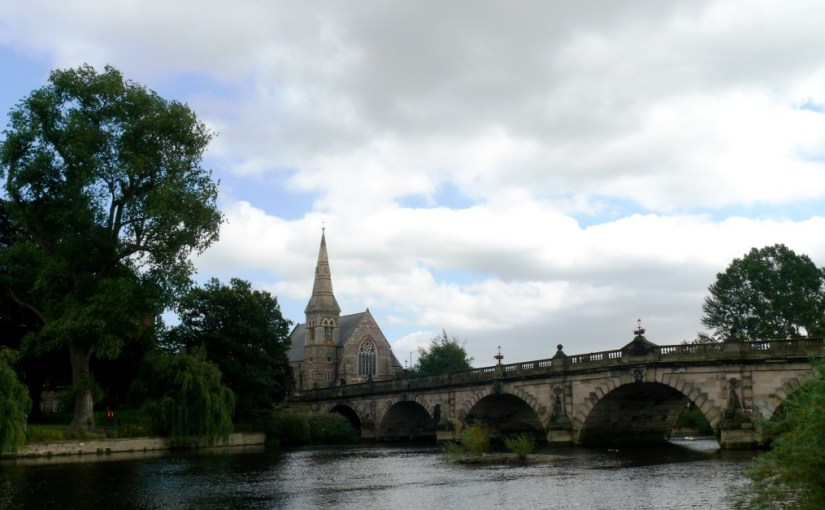
A thriving Saxon town it had a mint by the early 900s and following the Norman Conquest, a castle and a monastery. By the 1380s Shrewsbury was the third largest centre after London and York. The town’s heart still remains within the embrace of the river, protected and rich in ancient streets and historic buildings. Continue reading Scrobbesbyrig/Shrewsbury: A look at stone buildings
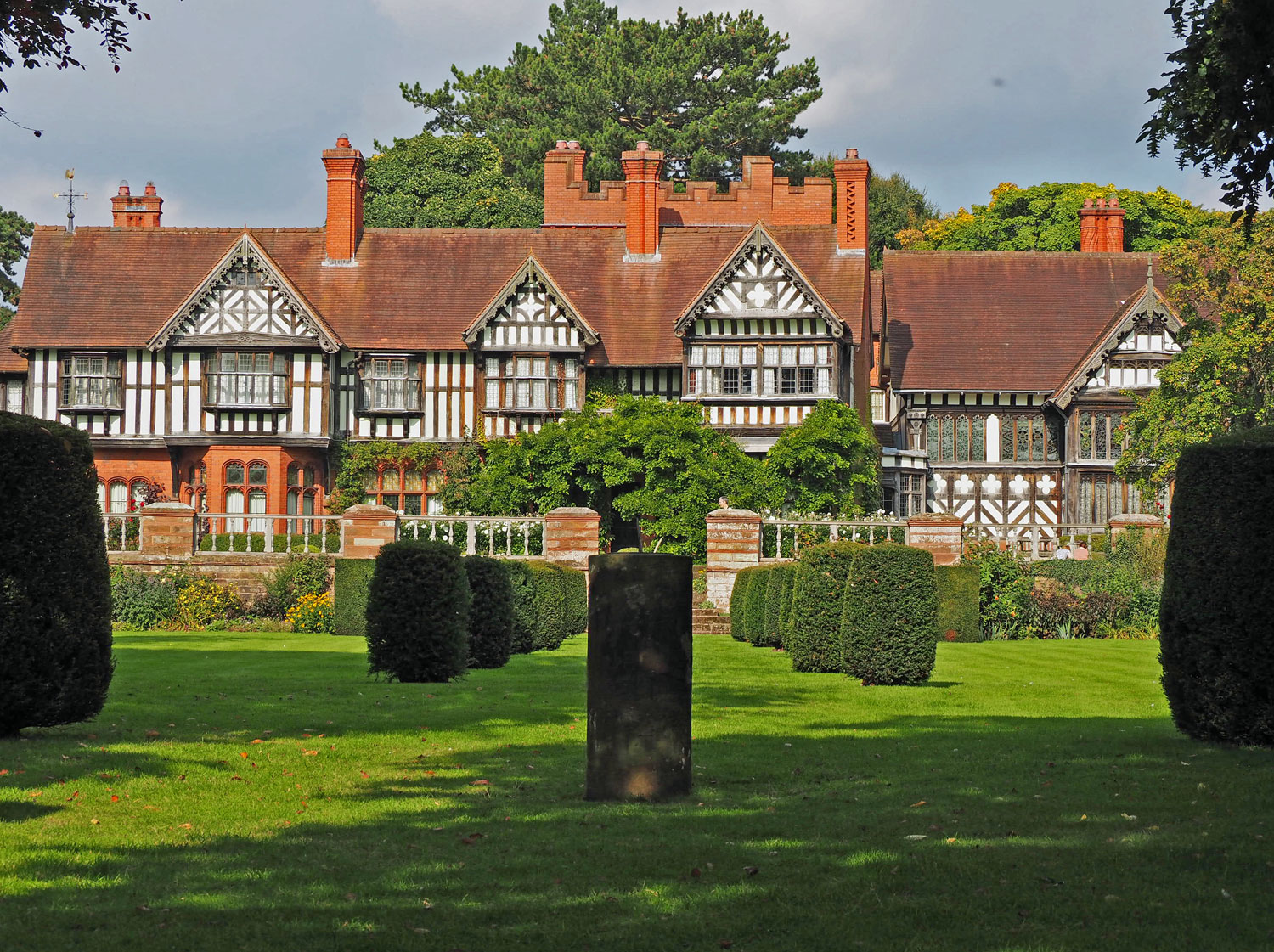
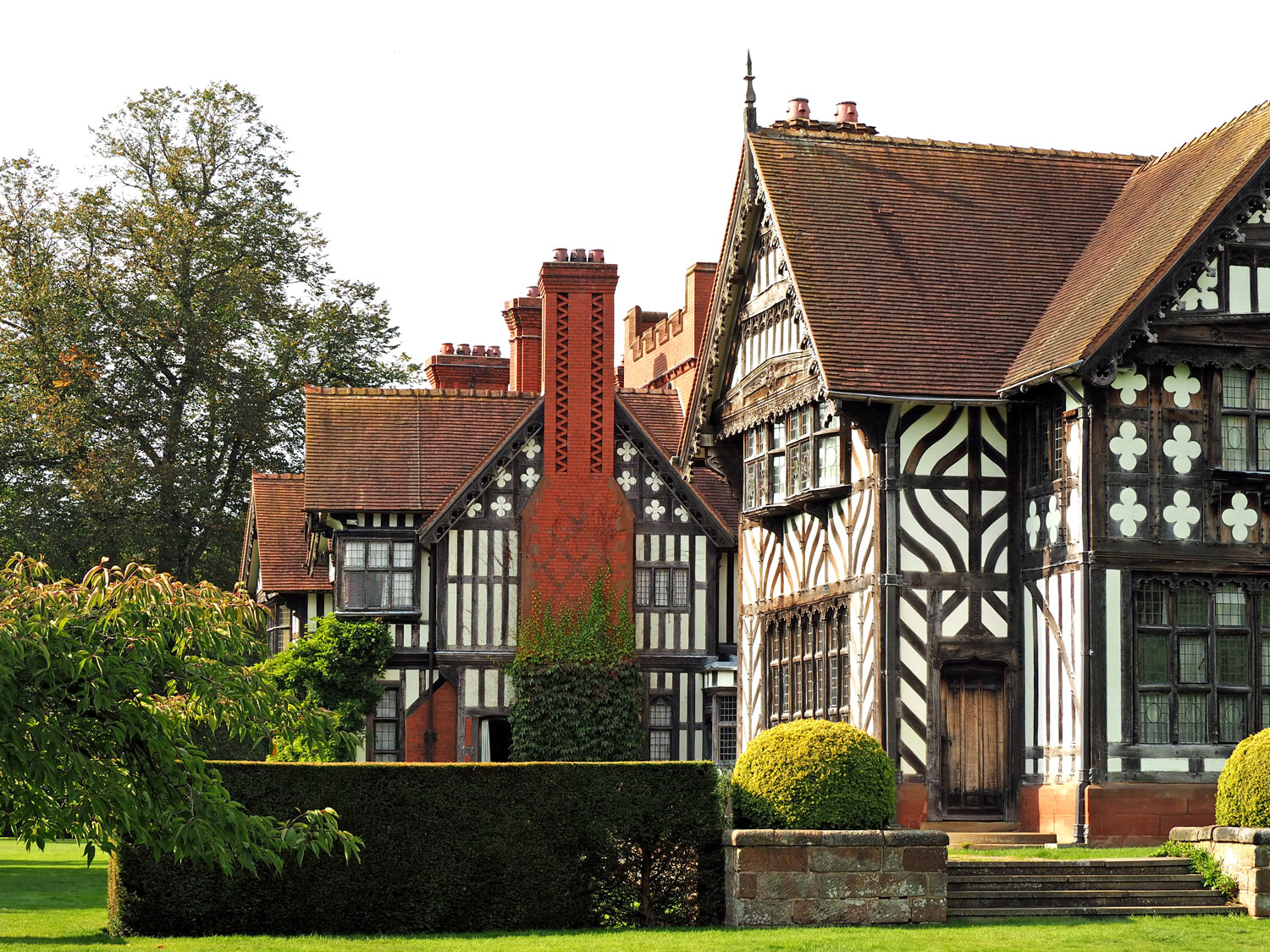
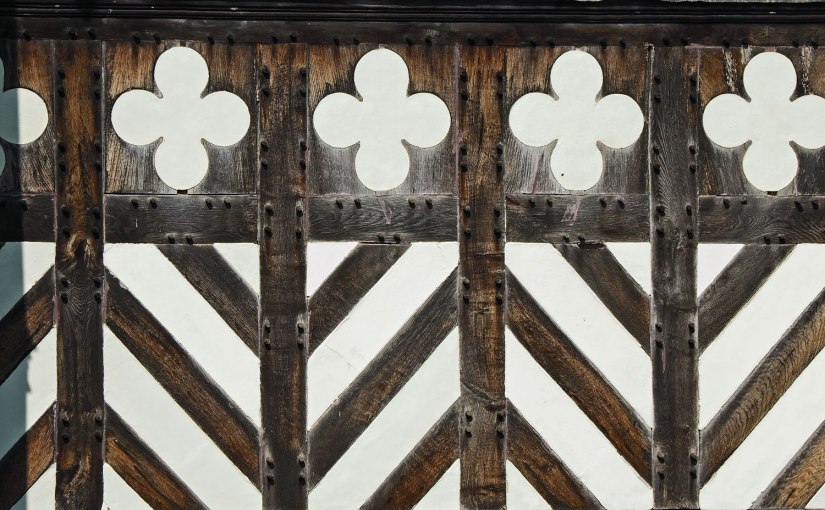
Wightwick Manor (pronounced wittick) was built in 1887 for the Manders family who were Wolverhampton paint, varnish and ink manufacturers. The house is designed in the ‘Old English’ style of timber and brick and influenced by the Aesthetic and Arts and Crafts movement.
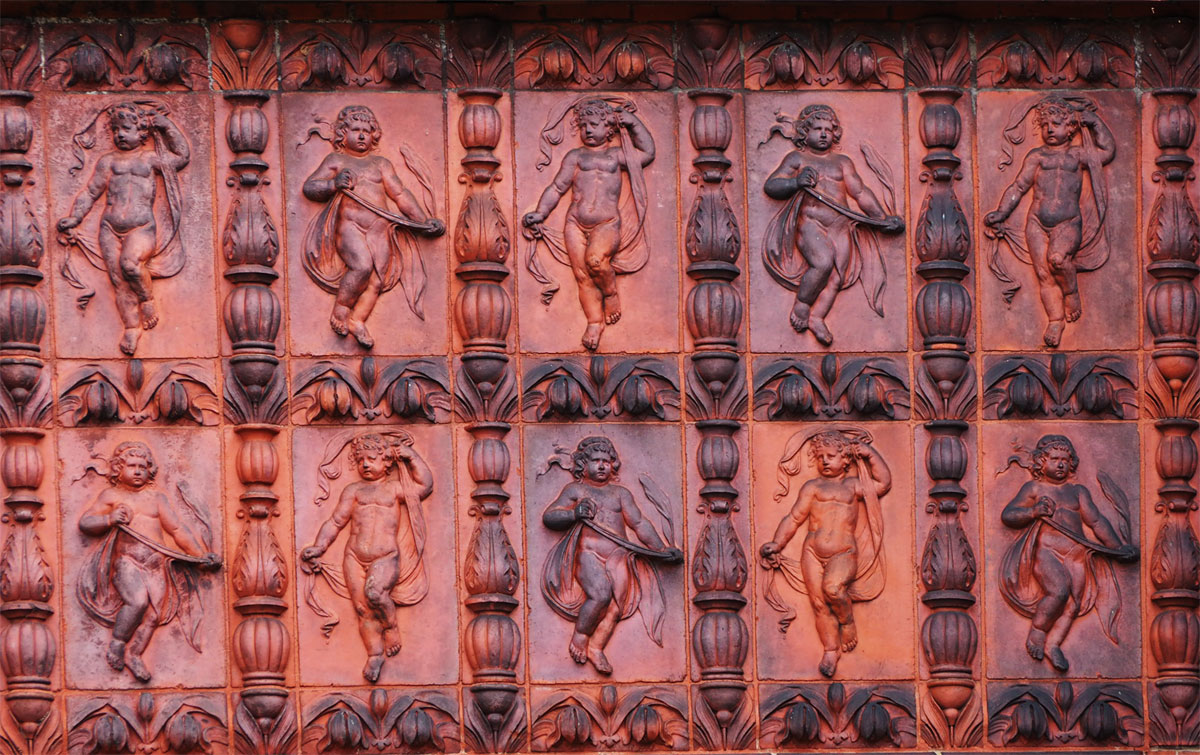
Here the ‘grid‘ is definitely the star.


The “Painted Ladies” of San Francisco sounds quite scandalous, but is actually a nickname for the city’s Victorian and Edwardian mansions with their genteel pastel hues and feminine façades, lacy wooden mantles and perfectly pitched roofs.

One of the most photographed vistas is from Alamo Square on the corner of Hays and Steiner where you get a background of the modern city that contrasts with these lovely ladies. It is sometimes known as “Postcard Row.” The houses were built between 1892 and 1896 by developer Matthew Kavanaugh, who lived next door in the 1892 mansion at 722 Steiner Street. The definition of a painted lady is a Victorian with three or more paint colours. So, even though the seven on Steiner Street are the most famous — there are several other painted ladies in the neighbourhood to enjoy.
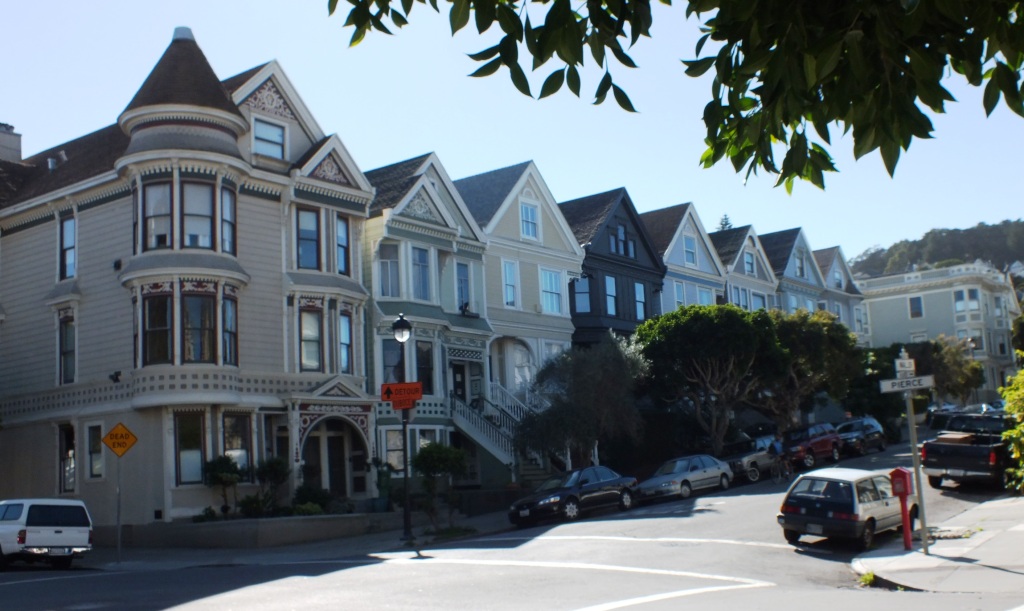
Explore the streets, parks and vistas around Scott Street, McAllister, Haight Street, Steiner and Pierce that tell the story of a Victorian era and discover more beautiful mansions, but be warned, it is very hilly around here so it can be quite a strenuous walk. Alamo square is a great place to sit and rest and admire the view after your walk around the neighbourhood.


I walked about 10 blocks from the Misión San Francisco de Asís on 16th Street which is some distance away, through Duboce Park. You can of course take public transport to Alamo Square, but then you’d miss an awful lot of this wonderful architecture. And don’t forget to look up!
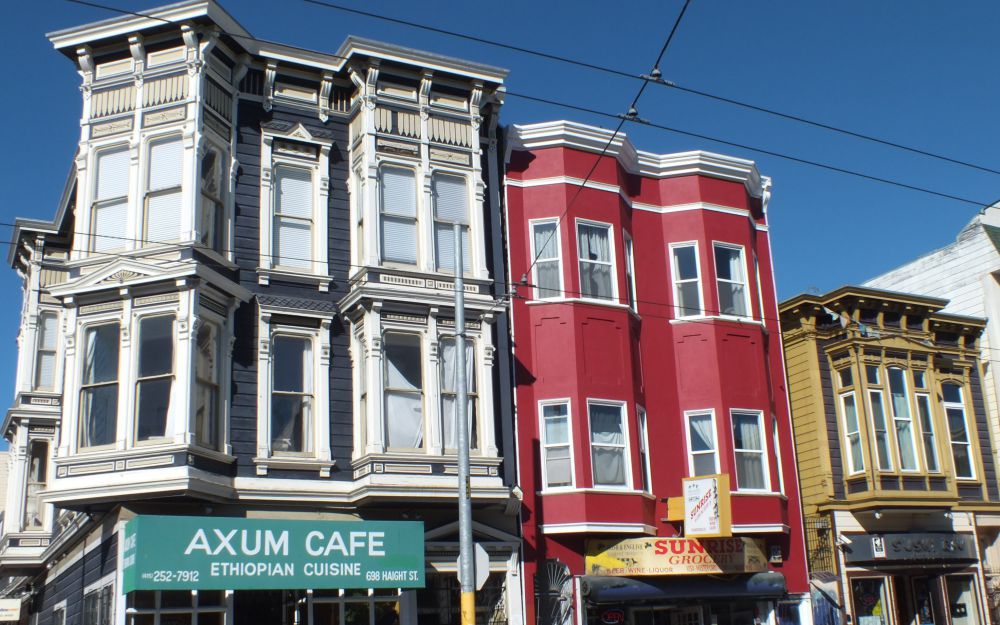


This monthly challenge is hosted by Dawn from ‘The Day After’ who invites participants to post pictures of any windows that they find curious, inviting, photogenic, or in some way tell a story. Visit her blog to see more windows and/or to join in with the challenge.
If you have ever visited Cornwall, or if you have watched Poldark, then you will be aware that the county is littered with the remains of abandoned engine houses and chimney stacks. It would be remiss of me not to show some of these, though I didn’t venture down the one open to the public (Geevor Mine above) as I suffer from mild claustrophobia and can’t stand being in the dark.
The engine houses were built to provide a framework for the steam-pumping engine and more beam engines were installed in Cornwall and west Devon than any other mining region of the world: it is thought that around 3,000 engine houses were built in total to house them of which 200 still remain. They stand adjacent to where the main mine shafts were and provide one of the most distinctive displays of industrial buildings anywhere in the world.


The strength and size of the structures, usually built out of local stone and granite with brick detailing over the windows, arches and topmost chimney stack, is the principle reason that so many have survived. They are quite appealing to a photographer, but beware of getting too close as there might be a danger of falling stonework, hidden holes and stones and deep drops.


And of course they often provide an excellent subject for a silhouette.



 TRAVEL WORDS