Lizard Point

The Lizard peninsula is the most southerly part of the British mainland, a place apart from anywhere else. Dramatic and historic coastline, complex and unique geology and interesting flora and fauna.

P1190966

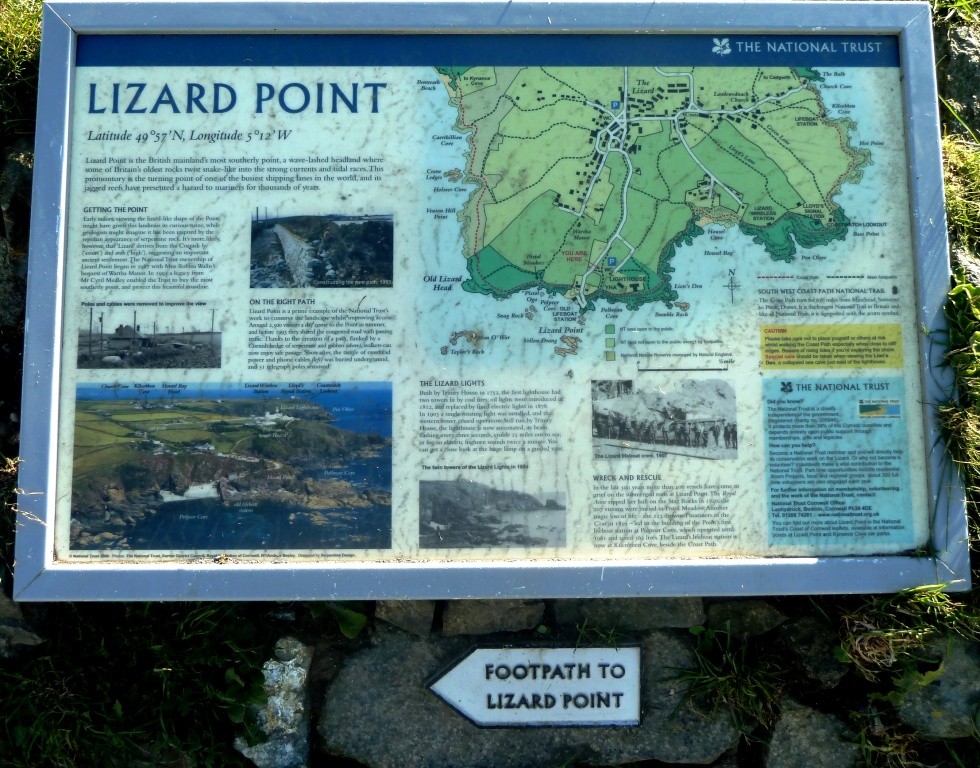
The Lizard Lighthouse Heritage Centre with its distinctive twin towers marks the most southerly point of mainland Britain. It is open from March to October and you will find interactive displays and exhibitions about the history of the building. A tower was first built here in 1619 at the expense of philanthropist Sir John Kilgrew. The current beam can be seen for 26 miles. For those of you who love lighthouses,  (Jo, I hope you are reading this), you can climb up to the top of the tower and even sound the foghorn or send messages in Morse code. Continue reading Lizard Point

A Lingering Look at Windows: In the Garden

Trelissick’s colourful history stretches as far back as 1750 but it’s most distinguished owner was Leonard Cunliffe, a former director of the bank of England.

Cunliffe fell in love with this Cornish house as he sailed past it on his yacht Laranda in the early 1900s. In 1937 he passed the house down to his stepdaughter Ida and her husband Ronald Copeland. Ronald was the chairman of the Spode-Copeland firm of bone china manufacturers in Staffordshire and hence part of the potteries aristocracy. They lived at Trelissick throughout their careers donating the house and gardens to the National Trust in 1955
DSCF4983

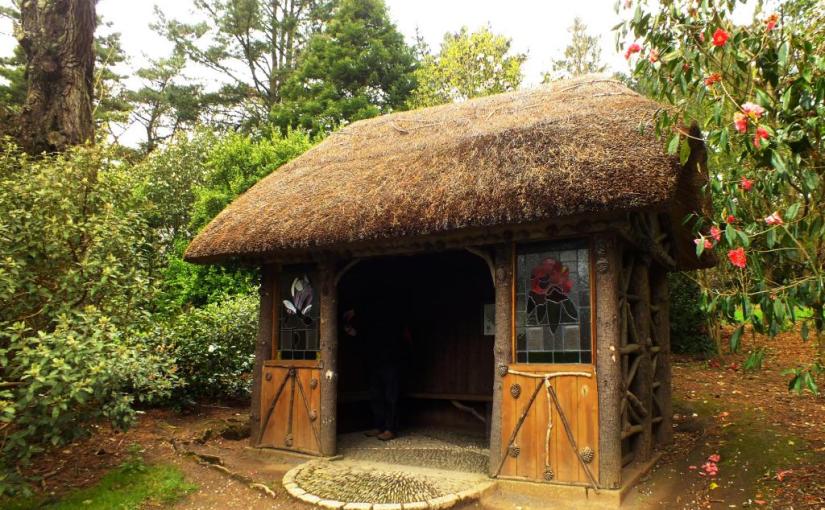
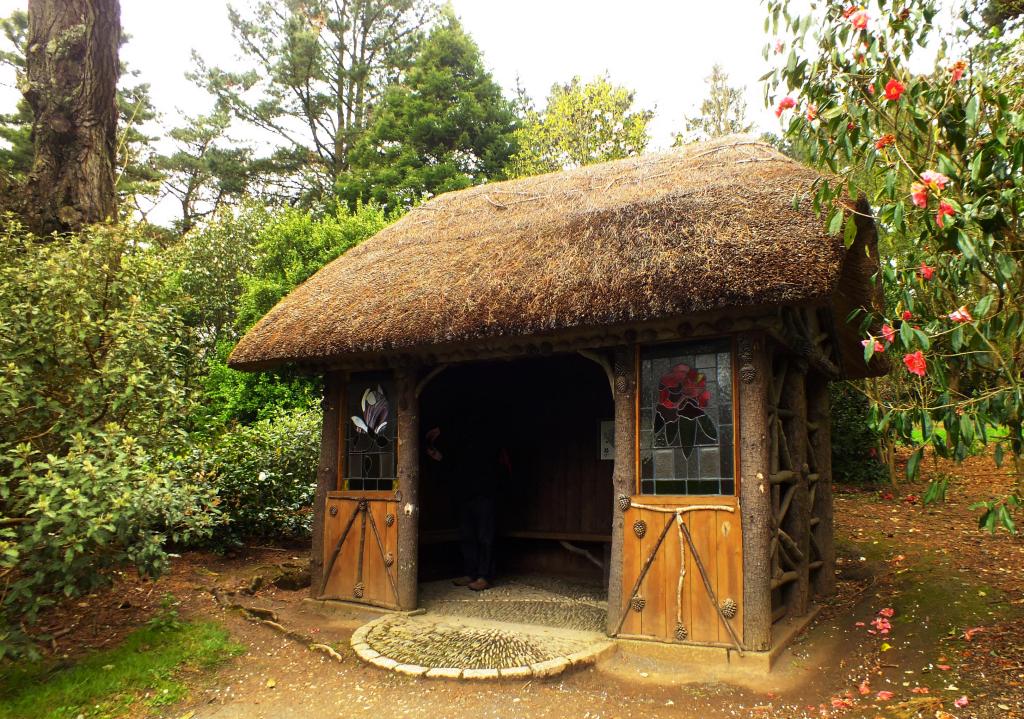
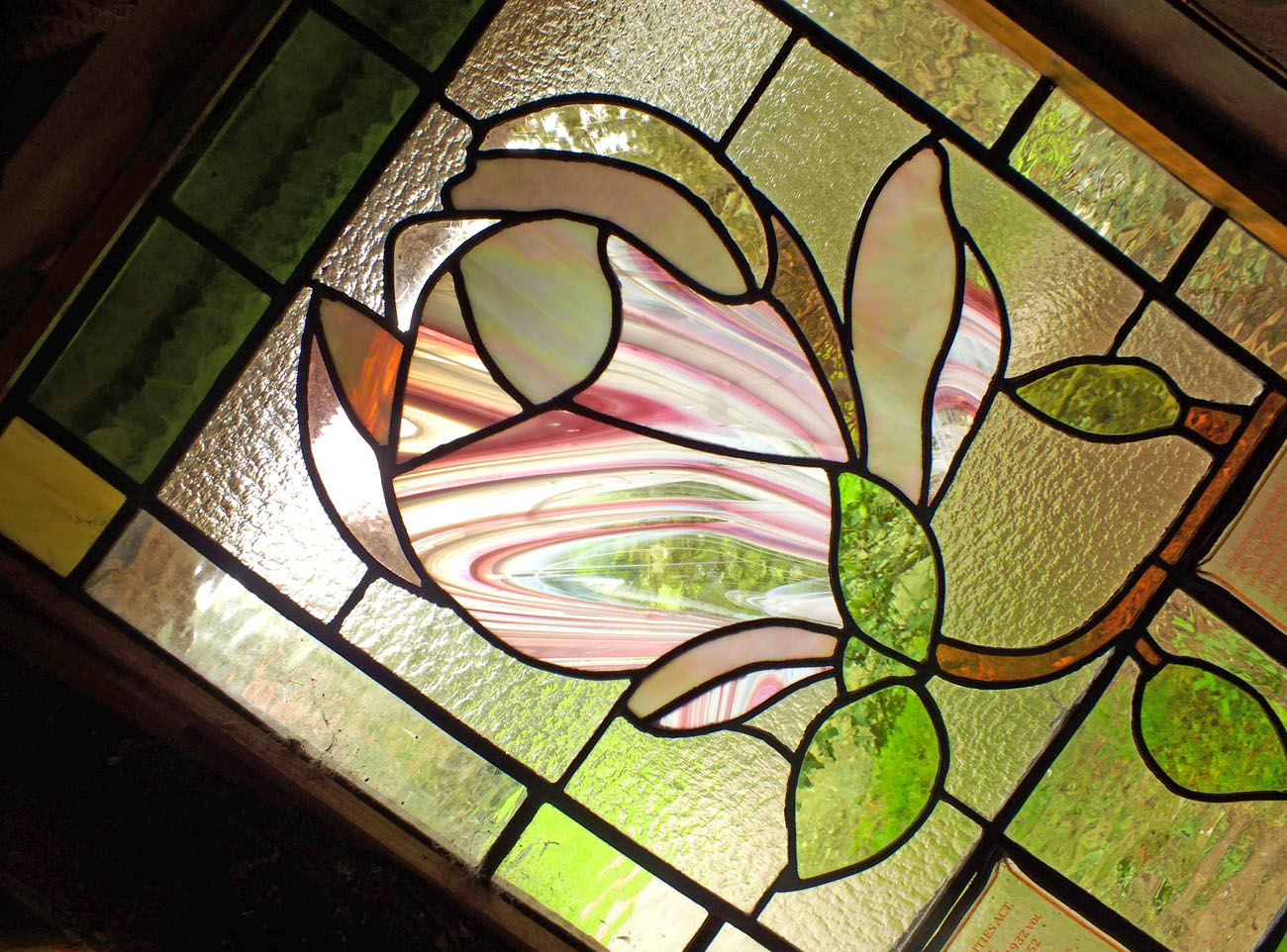
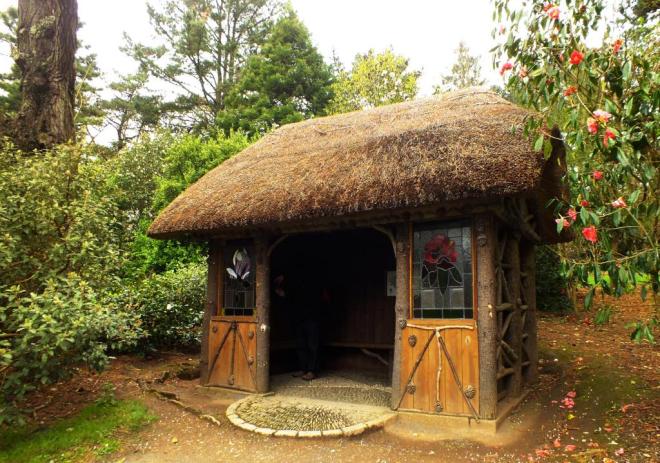
Trelissick has no less than four summer-houses. One in the area called Carcaddon*  has two beautiful stained-glass windows.

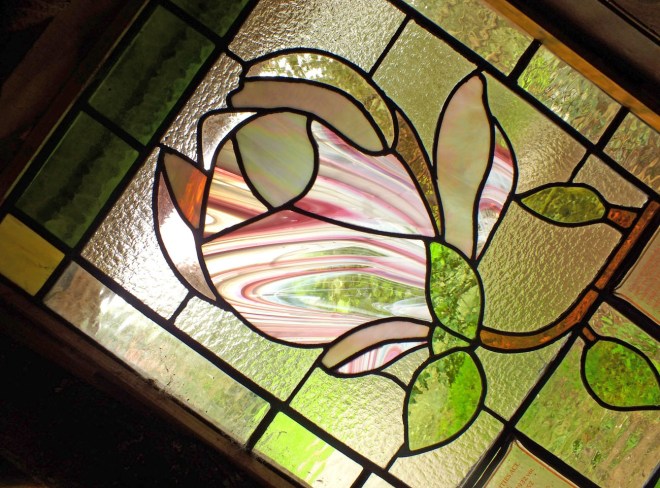
The magnolia, “Rustic Rubera” window is for Ida Copeland and highlights her time as an MP for Stoke from 1931 to 1935 and contains an excerpt from her maiden speech to Parliament on the introduction of import duties on inferior ceramics being imported from abroad, taking away work from highly skilled people and threatening their livelihood.
DSCF4981

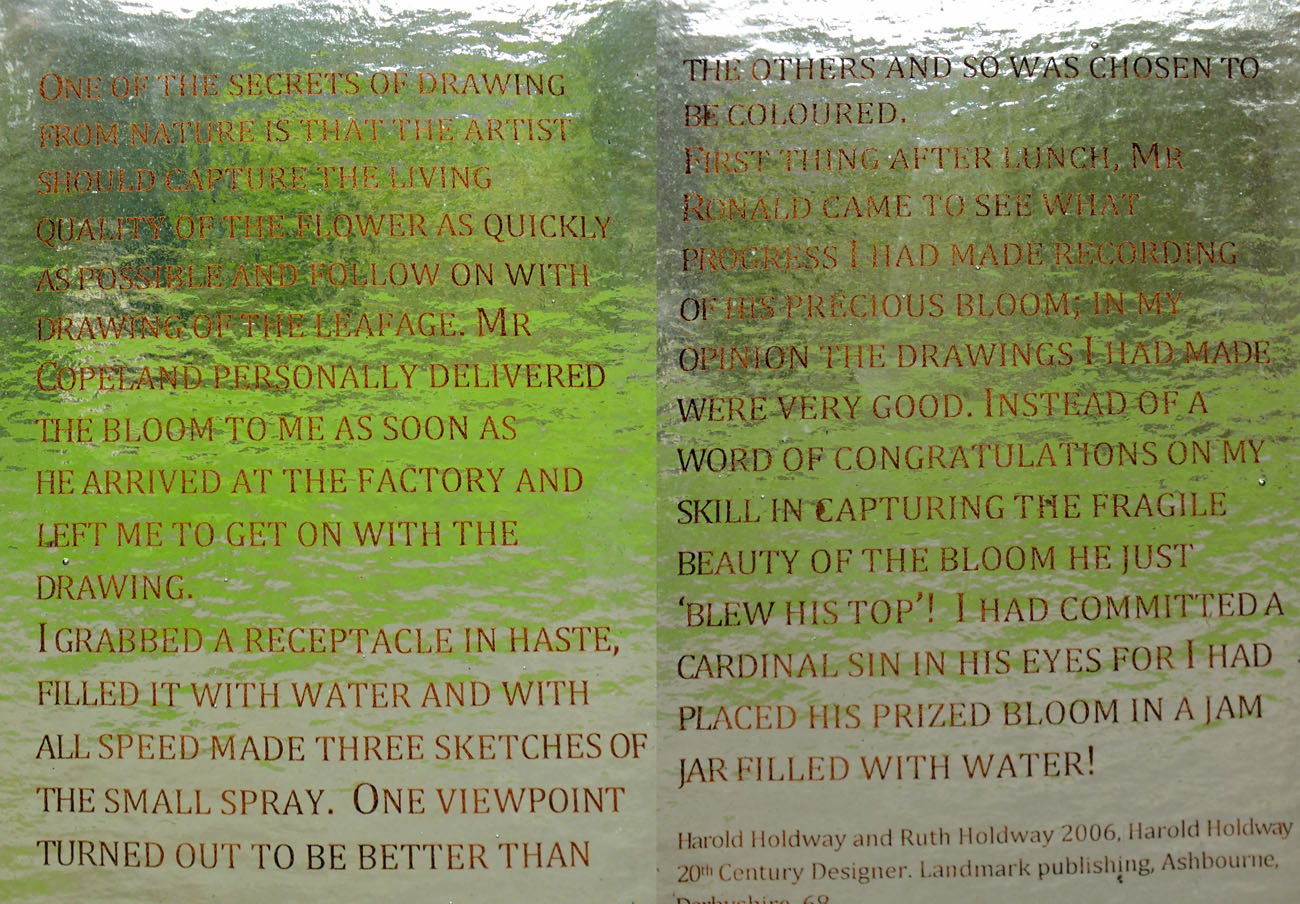
The rhododendron, “Taurus” window celebrates Ronald Copeland’s passion for rhododendrons and retells a story told by Harold Holdway, chief designer at the Copeland factory in Stoke. Mr Copeland took his prized rhododendrons from Trelissick and had Harold Holdway create designs from them for a Botanical series.
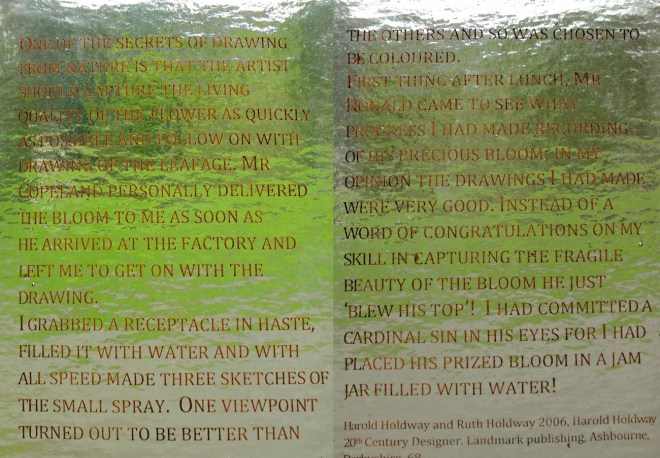
words 1

*The Cornish prefix ‘Car’ or ‘Caer’ denotes a fortified place. It contains mass plantings of daffodils followed by camellias, magnolias (including magnolia Trelissick), rhododendrons, viburnum and many other shrubs. Deutzia gives an early summer show, and lace-cap hydrangeas offer colour well into autumn.

This monthly challenge is hosted by Dawn from ‘The Day After’ who invites participants to post pictures of any windows that  they find curious, inviting, photogenic, or in some way tell a story. Visit her blog to see more windows and/or to join in with the challenge.
Kynance Cove and Beach

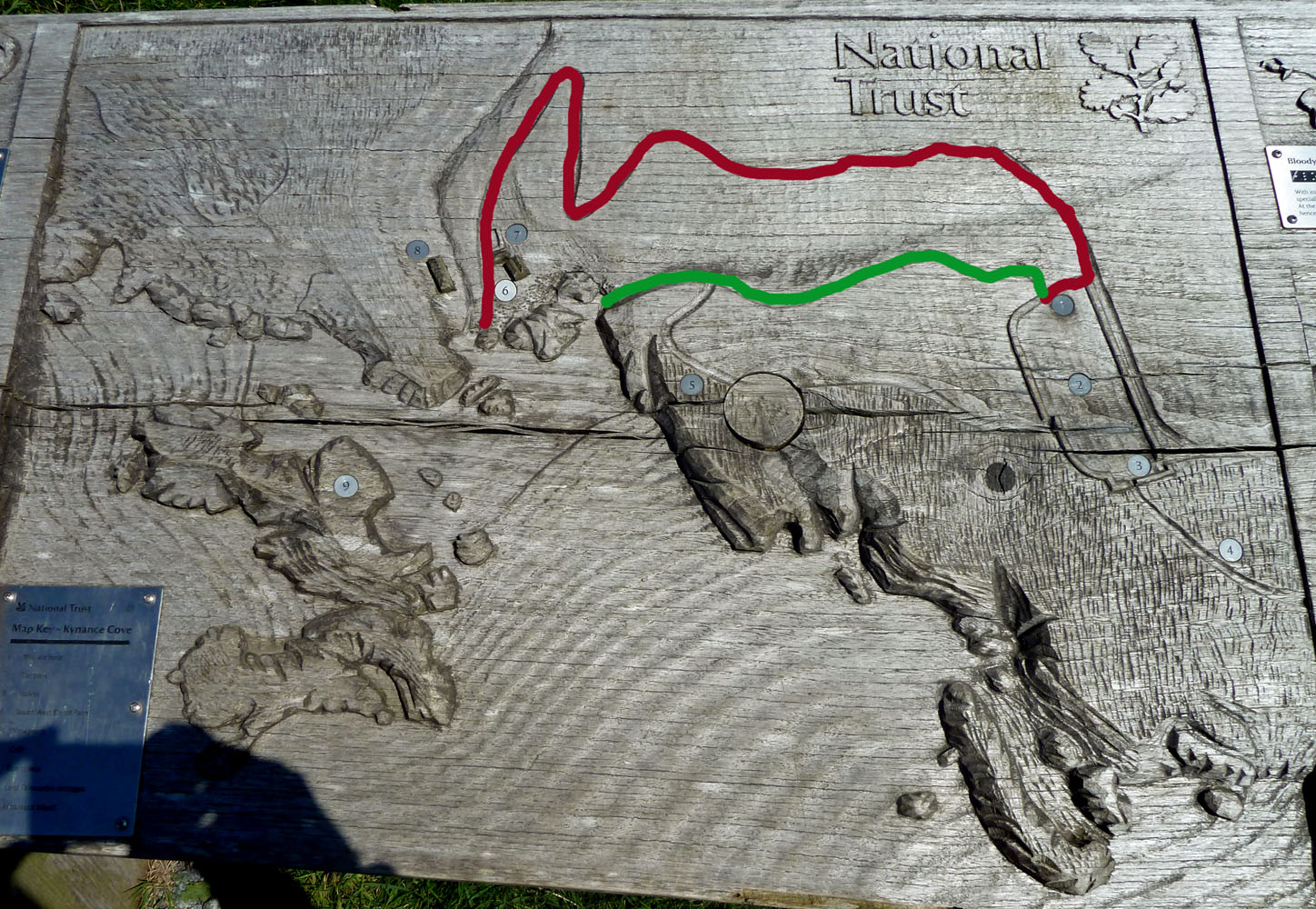
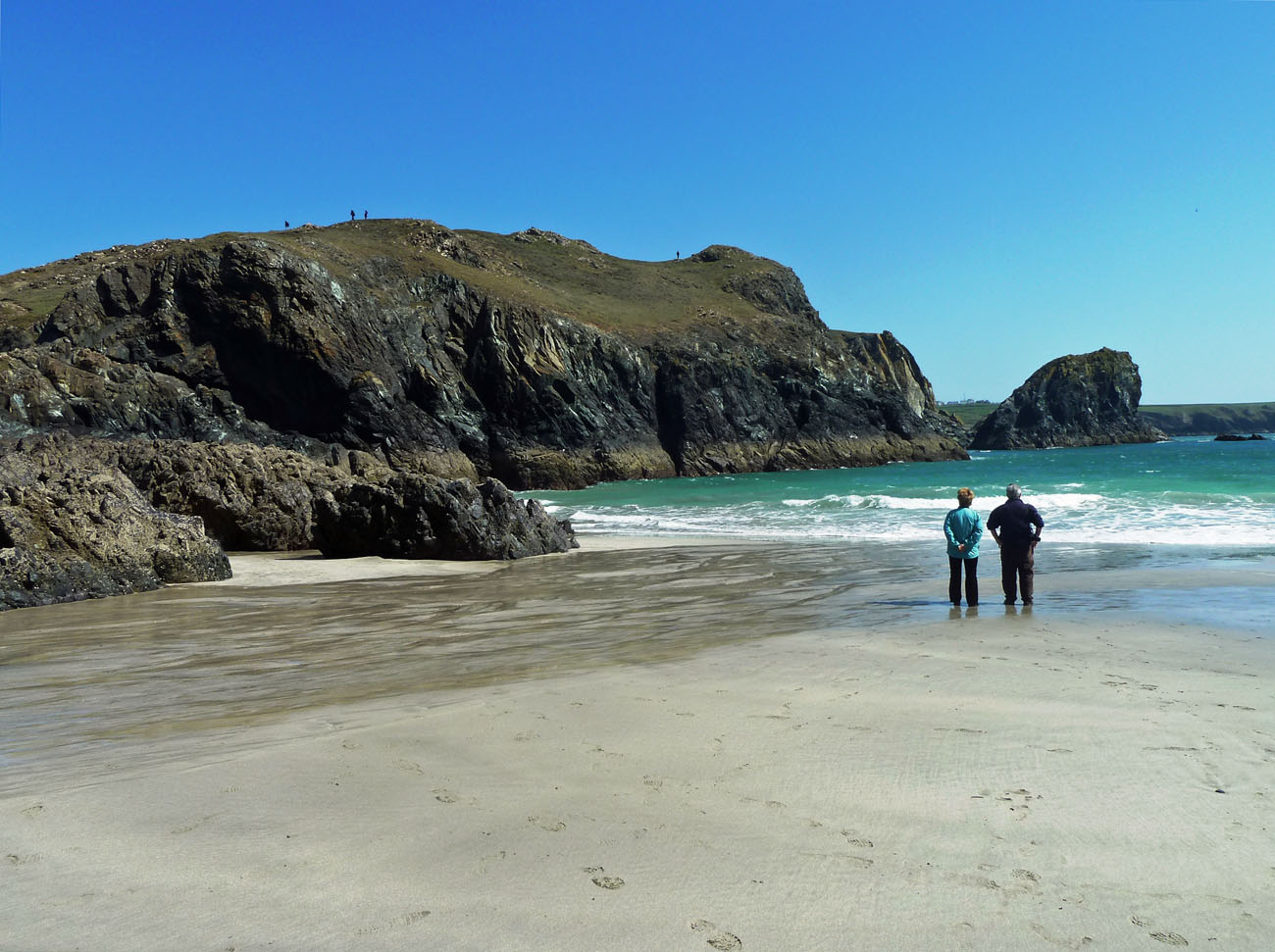
Kynance beach is probably one of the most beautiful in Cornwall set in an area of outstanding natural beauty AONB. In fact I have seen it voted as being one of the most beautiful in the world. It is certainly one of the most remote as it is practically at the end of the Lizard peninsula (the Lizard is Britain’s most southerly mainland point) and it is not a beach that you can drive up to. Oh no, getting there involves a short (10 – 15 mins green route) hike down a fairly steep narrow trail , littered with loose rocks and steep steps at the end, or a longer, winding (20 – 30 mins red route) stroll along an uneven track with exposed bedrock and slightly loose stone surface which brings you out at the back of the cove near the toilets and tea-room. We opted for the longer route suitable for wheelchairs and pushchairs without any steps.

P1190768

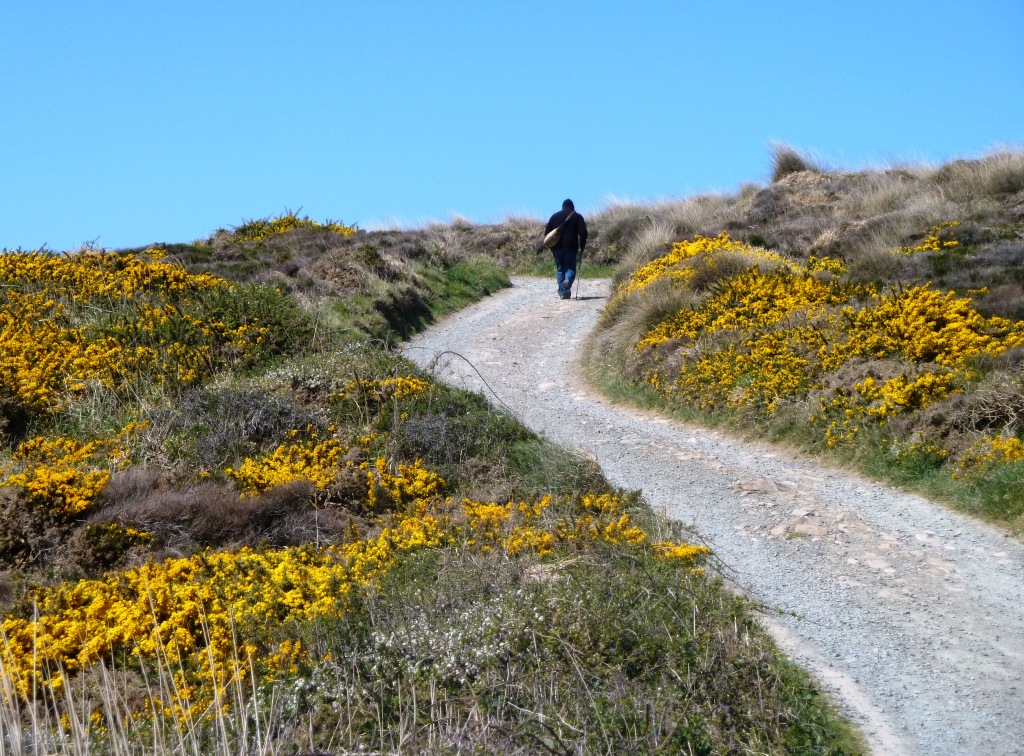
The trail winds itself down the cliffs to the beach passing through swathes of golden gorse and outcrops of rocks, some covered in the deep egg-yolk yellow lichens. The views over the bay are stunning.

P1190774

At low tide the white sands are revealed contrasting with the dark green and red serpentine rocks and the incredibly clear turquoise water. It is probably the most photographed and painted spot in the county. You can explore the towering rocks stacks and the caves with names such as The Parlour and The Drawing Room.

P1190819

There is an excellent tea-room serving pasties and cream teas as well as sandwiches, drinks and beach stuff. We stopped for coffee and a cream tea and sat mesmerised by the colour of the sea whilst chaffinches hopped around our feet. I felt as though I had stepped back to New Zealand for a while.

From Kynance there is a fantastic 2 mile scenic walk around the coast to Lizard Point, but as the OH is not a cliff-top walker we drove there instead. I’ll show you what that looks like in another post 🙂

If you enjoy a walk, long or short, then have a look at Jo’s site where you are welcome to join in.

Geology of Cornwall

The rocks of Cornwall have an amazing story to tell. They have been on a journey of 8,000 miles in just 400 million years. This journey has included tropical seas, deserts, volcanic eruptions and hot granites, mineral vapours rich in tin and copper and ever-changing climate and sea levels. (Cornish Geology)

A true force of nature.

Cornish geology typically consists of black, folded slates and pale grey, blocky granites. But there are exceptions:

Polzeath Beach (north coast on the Camel estuary): Stripy slate formations in purple and pale greens.

polzeath (8)

Kynance Beach (south-west on the Lizard peninsula): Serpentinite cliffs are made up of dark green and red rocks, polished by thousands of years of crashing waves to look like shiny snakeskin.

kynance (7)

Up on the cliffs by Chapel Porth on the north coast the rocks were lighter and redder.

And at Boscastle (north coast, north Cornwall) I was intrigued by huge lumps of marble-like granite rocks along the pathway and on tops of Cornish stone walls.

Five Photos, Five Stories: Day 5

I’ve been invited to take part in the “Five Photos, Five Stories” challenge by Alison of Scene by Minerva. The challenge is quite simply to “post a photo each day for five consecutive days and attach a story to the photo. It can be fiction or non-fiction, a poem or a short paragraph and each day nominate another blogger for the challenge”.

My five photos are going to depict what I love about Cornwall. The light, the colours, the coast, the history.

Mylor Harbour
Evening Light at Mylor Harbour

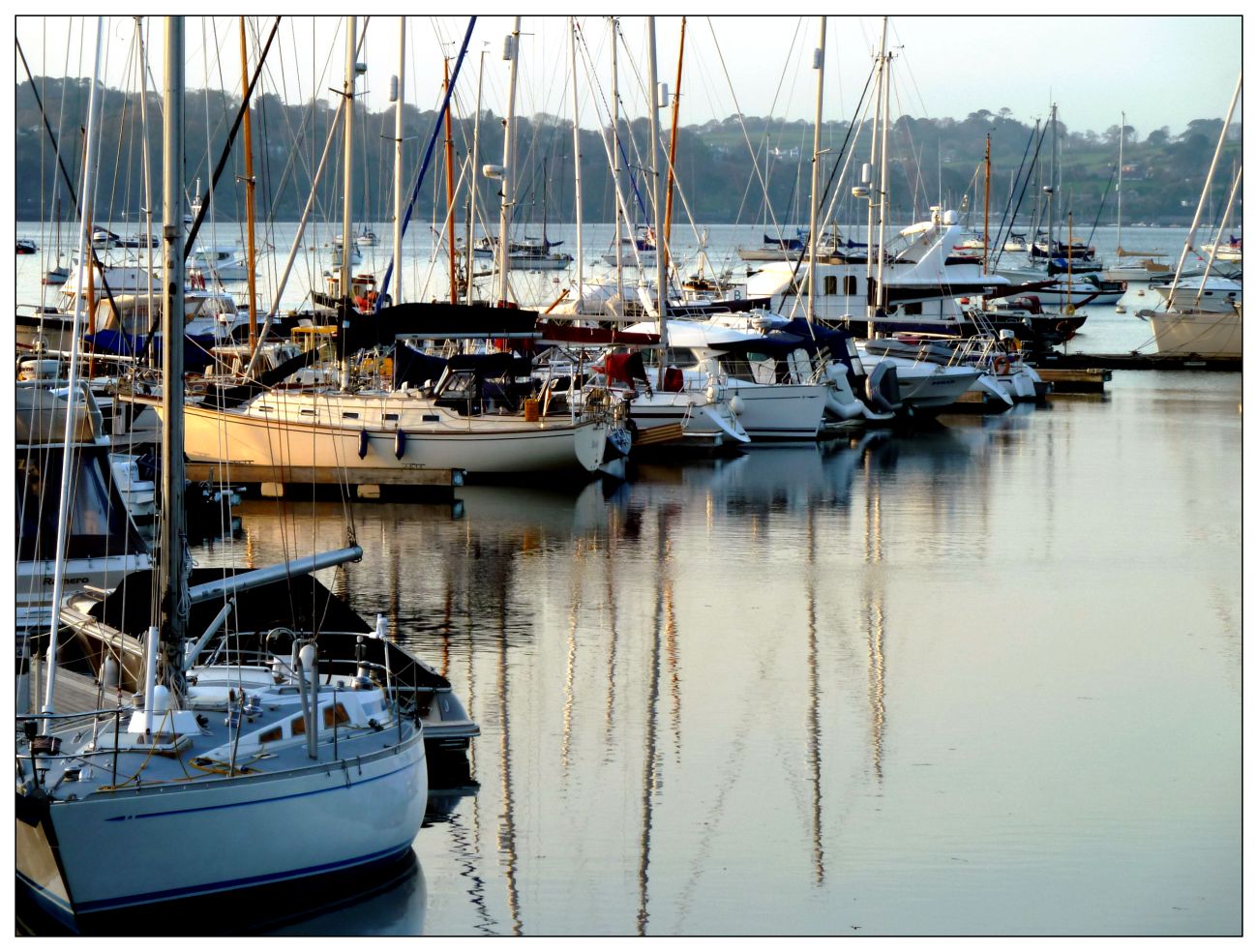
My final photo is of light. And where better to capture the golden evening light than in a yacht harbour where the boats huddle in for the night and cast their reflections in the mirror-glass-like water. (please click image to enlarge)

My nomination today is Anabel from Anabel’s Travel Blog who takes us to her favourite places and can tell you anything you want to know about Glasgow. Absolutely no requirement to join in, only if you want to.