Wordless Wednesday
It’s been a while since I joined in with the Lens-Artists photo challenge, but the number 303 leapt out at me this week as I have just come back from a holiday based close to the A303 in Wiltshire so I thought it would be interesting to find connections between the sites we visited in and around that area.
The A303 is one of the main routes from London to the Southwest and a route I have travelled many, many times to visit my youngest son who is based in Wiltshire (military) and my daughter who lives in Surrey. It’s also famous for passing by the World Heritage site of Stonehenge, the world’s most famous prehistoric monument.
Stonehenge (2500 BC) is not the largest henge though, that title goes to Avebury and together they form the heart of a World Heritage Site which also includes Silbury Hill. We didn’t visit Stonehenge as we have done so not long ago, but we drove past it a few times this week so had a few sneaky glances! Instead we opted for a visit to Avebury.

Avebury (2850 – 2200 BC): the henge survives as a huge circular bank and ditch, encircling an area that includes part of Avebury village. Within the henge is the largest stone circle in Britain – originally of about 100 stones – which in turn encloses two smaller stone circles.
A double avenue of stones leads away from the southern entrance towards the Sanctuary stone circles on Overton Hill, about a mile to the south-east. Unlike Stonehenge, this site is free to visit though you will have to pay for parking unless you are a National Trust or English Heritage member.

More recent history can be found at Old Sarum, an iron age hill fort dating back to 400 BC. Later occupied by the Romans during their conquest of Britain in AD 43, where perhaps a military fort was set up. It was during William the Conqueror’s reign that the strategic advantage of this place was recognised and a motte and bailey castle built.
 Later, stone buildings were erected and in 1078-99 a cathedral was built after the 1075 Council of London decreed that the see should be moved from Sherborne to Old Sarum. Dissatisfaction with the site and poor relations with the garrison in the castle caused the cathedral to be moved to its present site in Salisbury (New Sarum) in 1220 and much of the stone from the old cathedral was used to build the new one.

Salisbury Cathedral is built in the shape of a cross. It boasts Britain’s tallest spire (123m tall) and contains the oldest working mechanical clock in the world as well as the Magna Carta (great charter) written in 1215 about the rights of the English people against the severe rule of King John. It also contains blue Prisoners of Conscience Window and the Amnesty International candle burning for oppressed people around the world.

The soul should always stand ajar.
That if the heaven inquire,
He will not be obliged to wait,
Or shy of troubling her.Emily Dickinson, Time and Eternity

Often my favourite part of visiting cathedrals is the cloisters. Providing a place of calm and contemplation the cloisters here are Britain’s largest and look out onto two cedar trees, planted more than 150 years ago to commemorate Queen Victoria’s accession to the throne.

Which leads me to my last connection. Gardens. And there are several signposted from the A303. But first let’s revisit Avebury, where Benedictine monks once walked the ground that is now Avebury Manor Gardens.


There are traces of the work of later owners, from the 17th century orchard, the warm red brick of 18th century walls and elaborate topiary of 20th century owners.


Talking of Benedictine Monks reminded me that Shaftsbury Abbey, a mere 15 minute drive from the A303, was once home to Benedictine nuns who were responsible for providing medical care for themselves and the wider community and did so by gathering local plants and those grown specially in the garden. In AD 888, King Alfred the Great founded in Shaftesbury the first great abbey just for women. By the time of Henry VIII this had become the wealthiest and most important Benedictine nunnery in England, dominating and serving the town and lands around. It was the last abbey to be destroyed by Henry VIII in 1539.

Signposted off the A303 is another garden designed by a woman, Tintinhull House and Garden. Built in 1630 the house was bought by Captain and Mrs Reiss in 1933, when Phyllis decided to create a garden that she described as her ‘happy place’.

Now I can totally relate to that. A connection to Salisbury cathedral? There is an area called Cedar Court – once containing a Cedar of Lebanon now full of ornamental trees including beautiful magnolias.


Another garden signposted off the A303 is Lytes Cary Manor. Created by the Lytes family over five centuries they gave up the estate in the 18th century due to financial difficulties.

After 150 years of neglect it was bought by the Jenner family who restored the manor and created an Arts and Crafts inspired garden.

Which leads me to my final connection. Flowers. And specifically Roses. June is rose month and where better to go than Mottisfont walled garden which is home to the National Collection of Old English Roses (pre 1900). So many wonderful colours and forms and scents.


So there you have it. Who knew there could be so many connections with one road that connects the Southeast to the Southwest of England.
Lens-Artists Photo Challenge #303 | Connections
Back in the old days the OH and I used to try and take a short UK break around our birthdays, which worked very well as we then had a holiday in late spring (May) and one in early autumn (October). This one was my choice for celebrating my birthday in 2014.
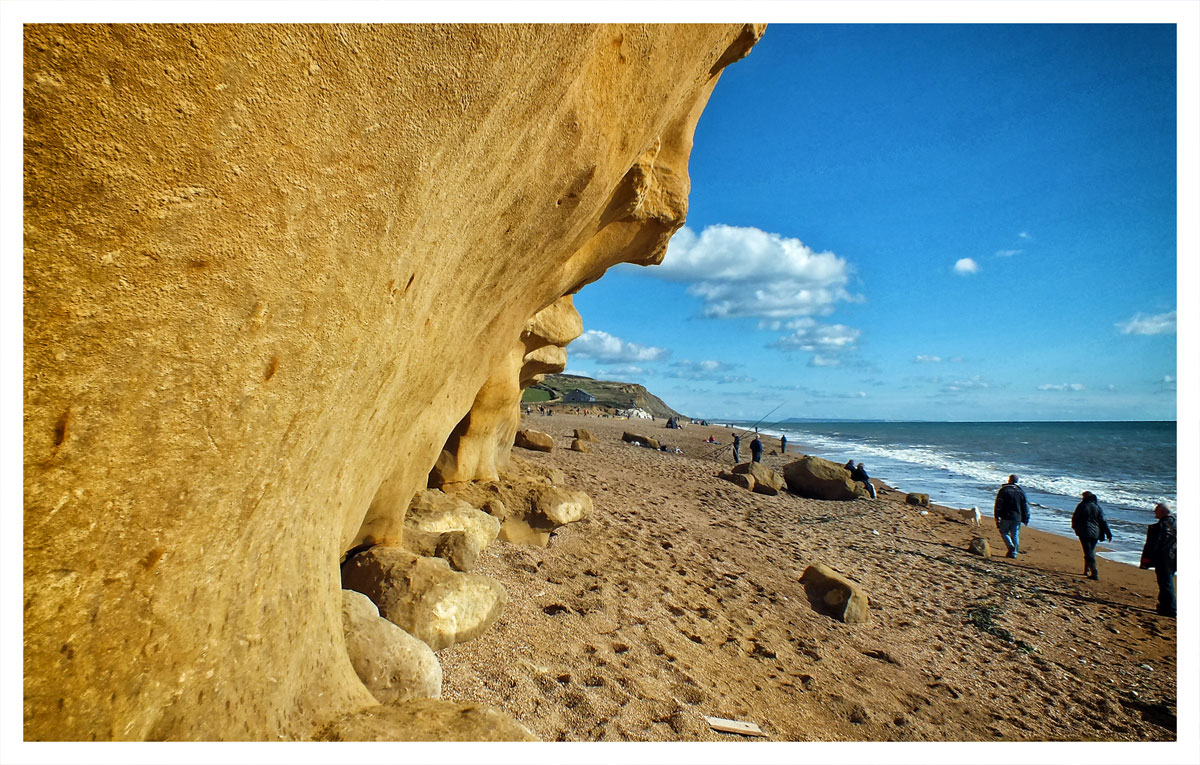
A last minute booking to Bridport in Dorset for a birthday and wedding anniversary celebration was made in lieu of the proposed trip to Seattle. After a gorgeous sunny September, autumn also decided to come along too, so it was a mixed week of sunshine and showers and even a few dramatic thunderstorms with lightning and thundering waves.
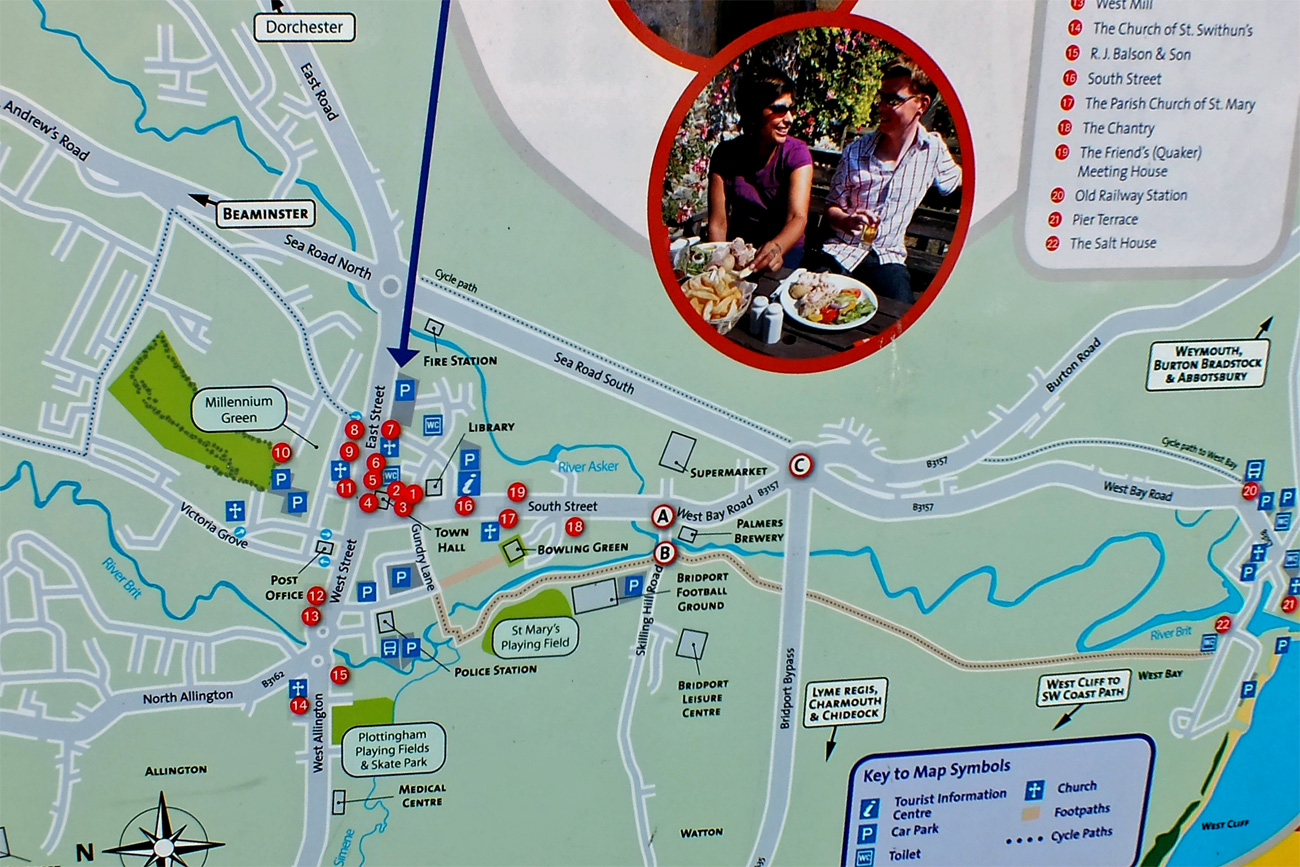
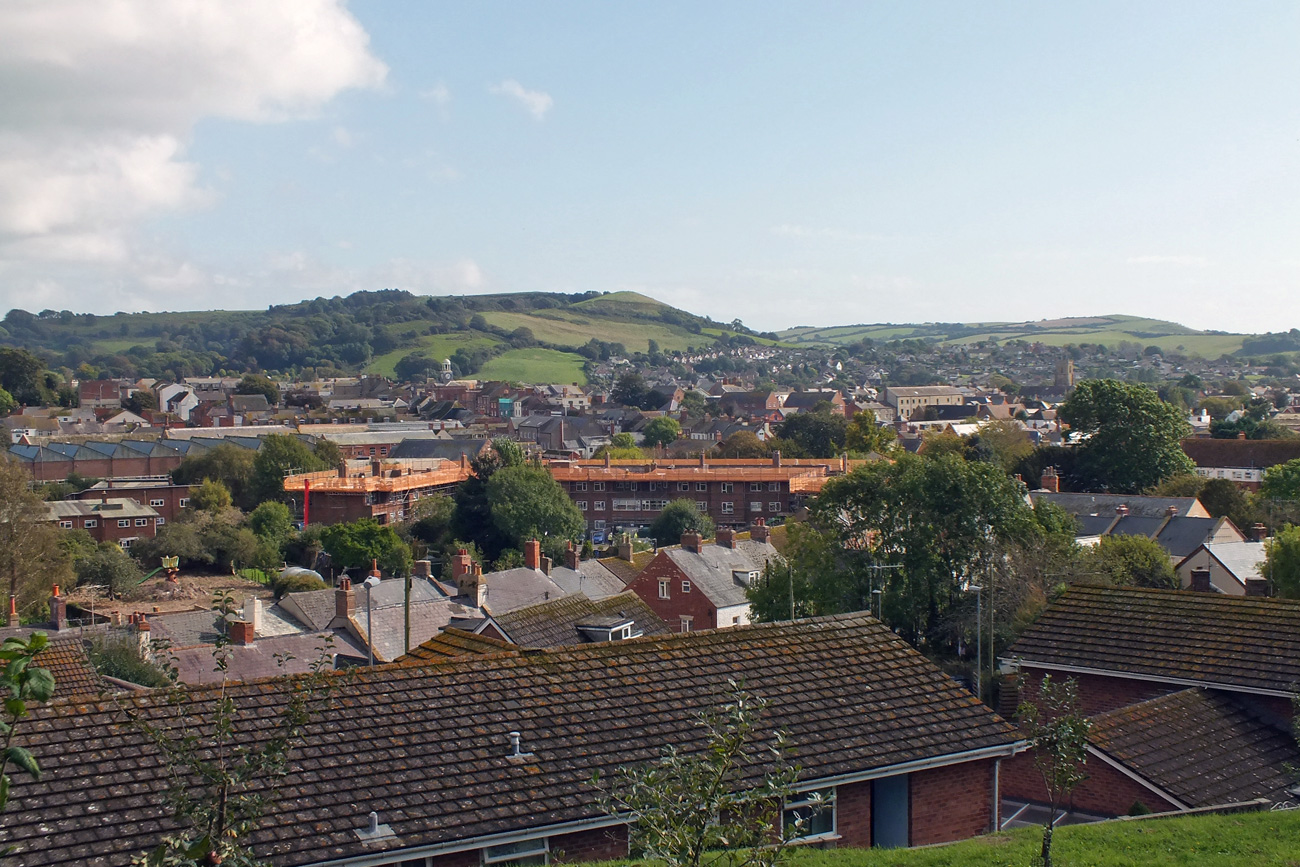
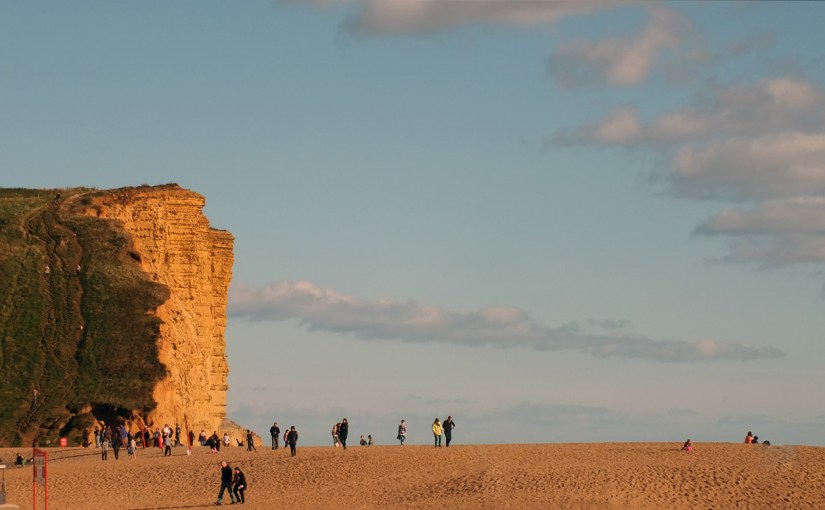
Bridport is a quaint market town in West Dorset and only a mile from the famous Jurassic coast at West Bay with its lovely harbour and shingle beach. It has an open and airy feel to it because of the wide streets that contain several hundred listed buildings many of them built to accommodate the twisting and dyeing of ropes and nets during the late 12th century. It also has a lively arts and literary scene.


Although in a self-catering house I don’t consider it a holiday if I do all the cooking so we ate take away fish and chips from Longs in West Street which were excellent – thin batter on the succulent cod and crisp chips. And the best deal was a thin crust pizza, salad and 1/2 pint of local cider from The Stable, behind the Bull hotel on East Street – £10 on a Tuesday. If you like it hot go for the Blaster! Or what about the Bucky Doo?

Good fish and seafood can be found in local pubs and restaurants, but head to the Hive Beach Café, a tarpaulin-sided hut which is a popular place for lunch as it is right on the beach at Burton Bradstock, 4 miles from Bridport along the shingle Chesil Beach. It is very busy at the weekend, even at this time of year, but worth the wait (no bookings) for the fresh lobster, sea bass or grilled sardines. An obvious choice for Saturday’s birthday lunch.


To find out more about this year’s photo challenge here on Travel Words, please read this post.
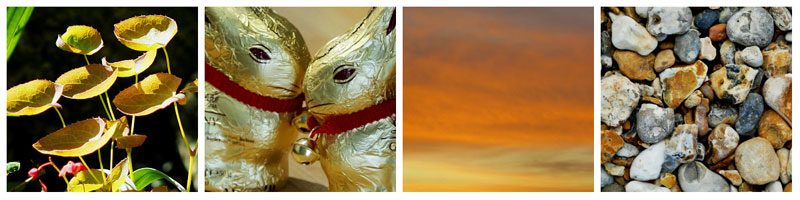
This month we will be looking for Gold. Gold is the colour of wealth, of power, of gods. Gold-leaf applied to paintings, gold crowns and coins. But look also for golds in the natural world, a fish, a sunset or sunrise, flowers and autumn leaves or sunlight on water. Or capture the light in the ‘golden hour’.

 TRAVEL WORDS