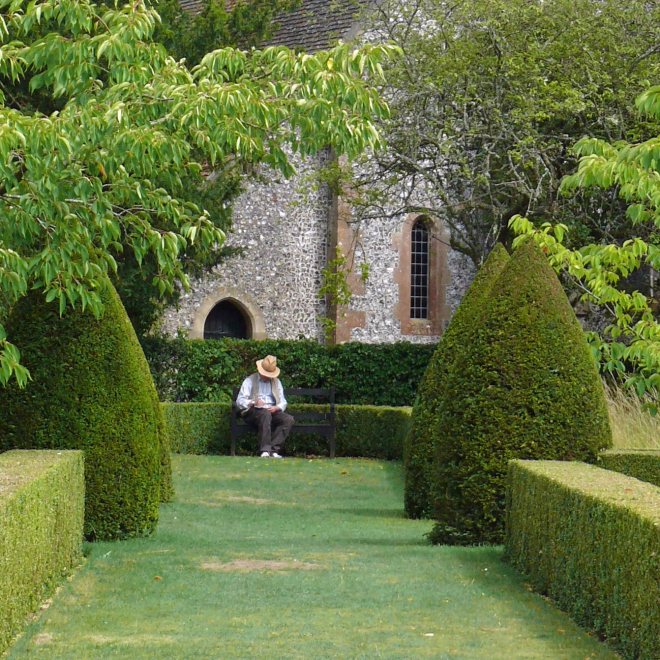
Way back in 2015 – yes that really is ten years ago – I decided to post photos of the numerous benches sitting in my folders. It seemed that I was not alone and suddenly it turned into the Bench Challenge where I set a particular criterion each month and people joined in posting their bench photos. It was a lot of fun and I met a lot of wonderful bloggers through it.
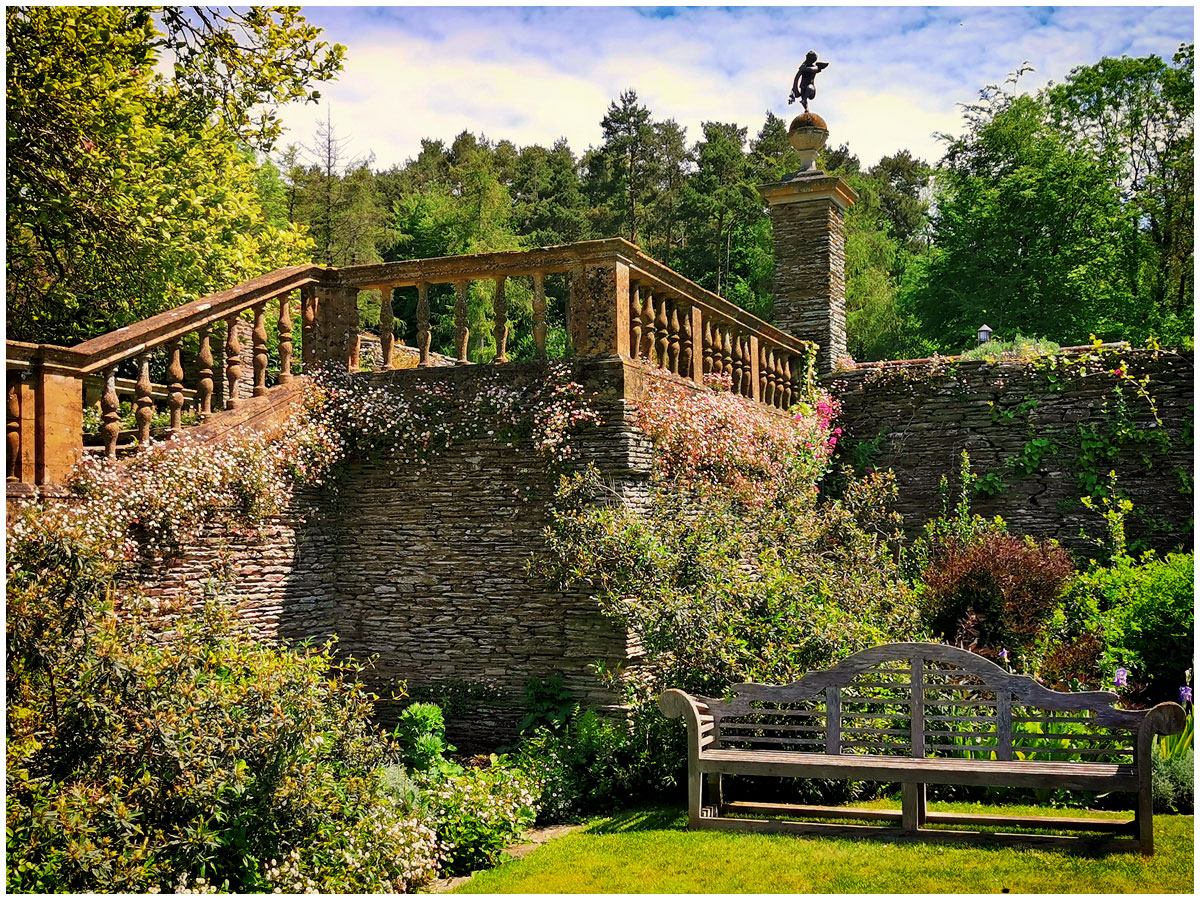
Another Lutyens bench in Hestercombe. Room for a few.
This year I am returning to mark the occasion by posting a bench photo every Sunday. There will not be any particular theme set this year so it’s not really much of a challenge, but if there is anyone out there who still has a bucketful of bench photos and would like to join me, then please do so by adding a link in the comments or a link to my post in yours (a pingback) and I will happily pop along to admire.
Those of you who have followed me for a while will know that I am passionate about flowers, nature and gardens. In fact I even have a blog dedicated to them. Earth Laughs in Flowers is no longer being updated but it is a resource of my garden visits from around the world. Wherever I travel I seek out a garden.
“My garden is all overblown with roses,
My spirit is all overblown with rhyme”
~ Vita Sackville-West
So what can I say in a single post? What do gardens mean to me?
A lot of the pleasure of a garden of one’s own is nurturing the plants through their lives. Sowing seeds, watching them grow, making sure they have the right conditions, changing them if not. It’s a lot like having children or pets. You make mistakes. You learn. And when things go well, it makes you happy. And when they don’t you try again.
(Please click on an image to enlarge / scroll through the gallery)
Details
I like to visit other gardens for many reasons. Combining a walk in pleasant surroundings is one. Having a nosey around small gardens to pick up ideas of what might work in my own is another. Large estates often have stunning vistas too. Then there are the design features, colour combinations to copy, unusual plants to admire, tiny details picked up through the camera lens, a walled garden, a fragrant garden, an edible garden, a secret garden to explore, gardens to relax in and listen to nature: mindfulness.
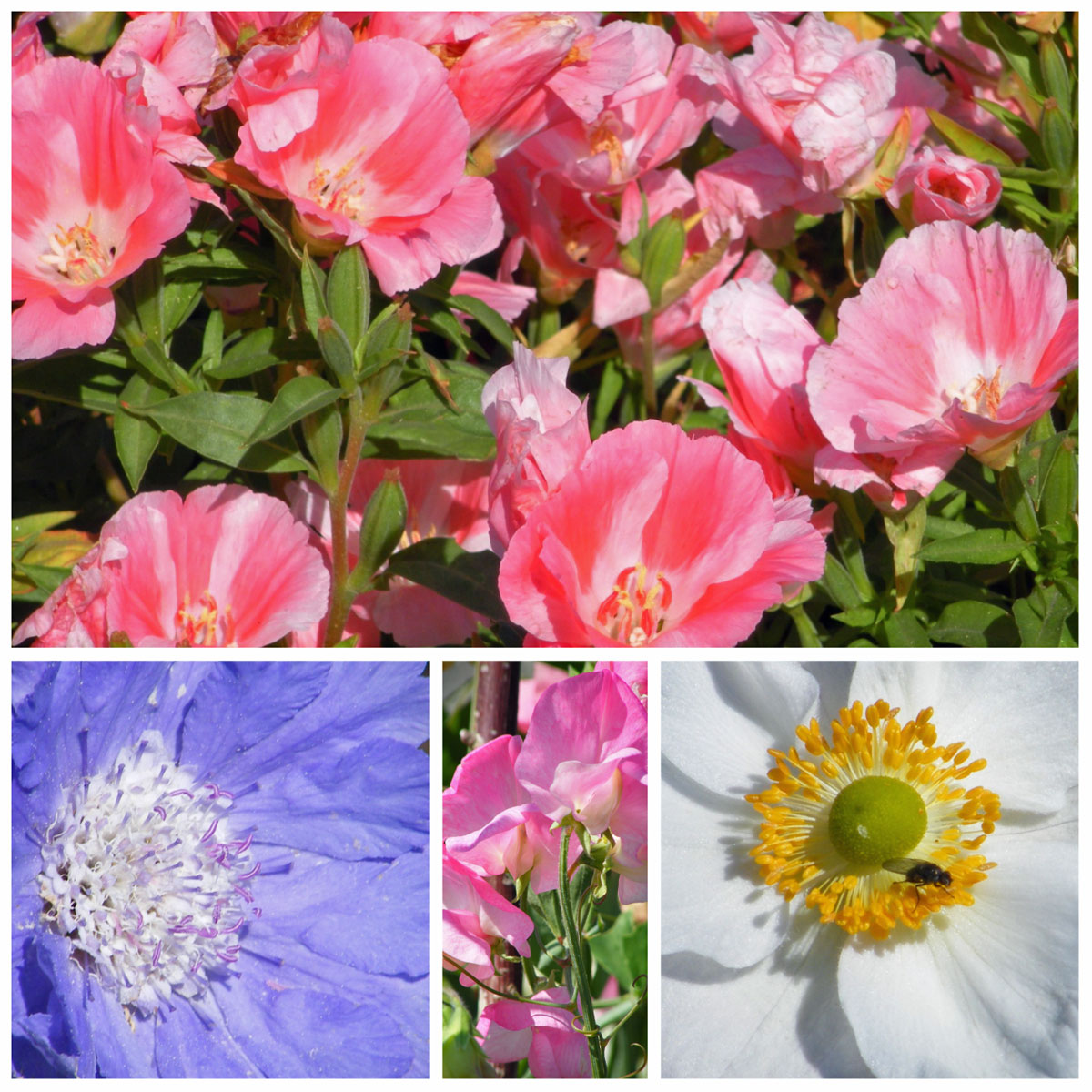
Colours to admire
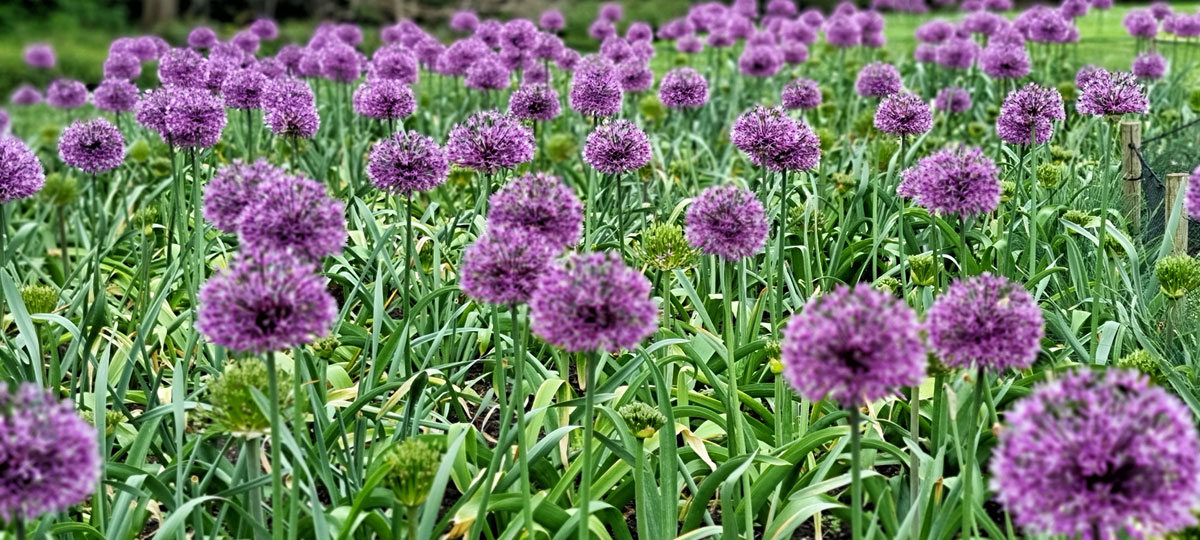
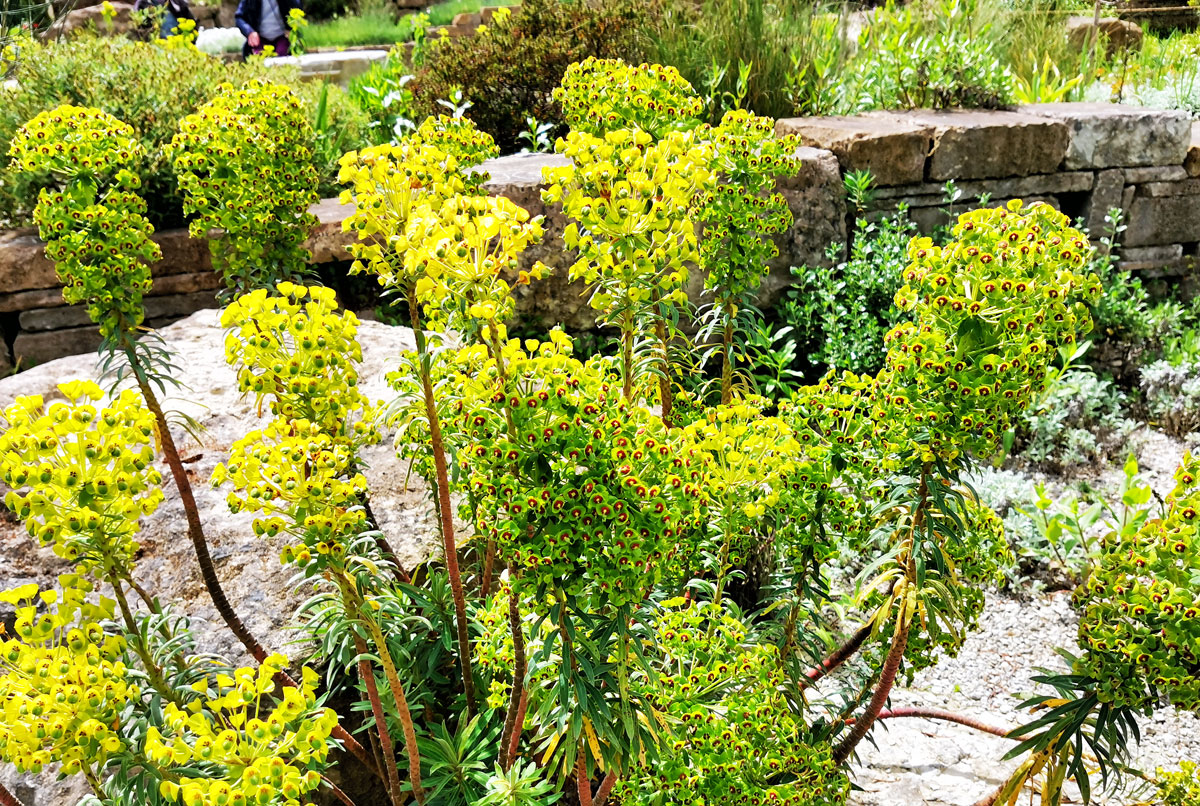
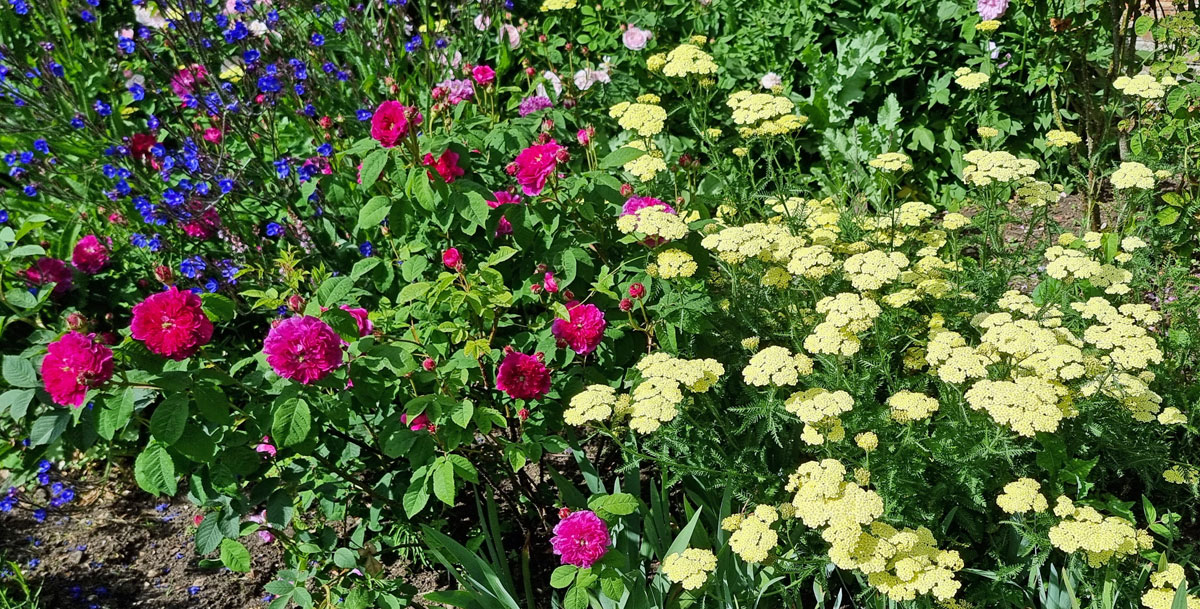
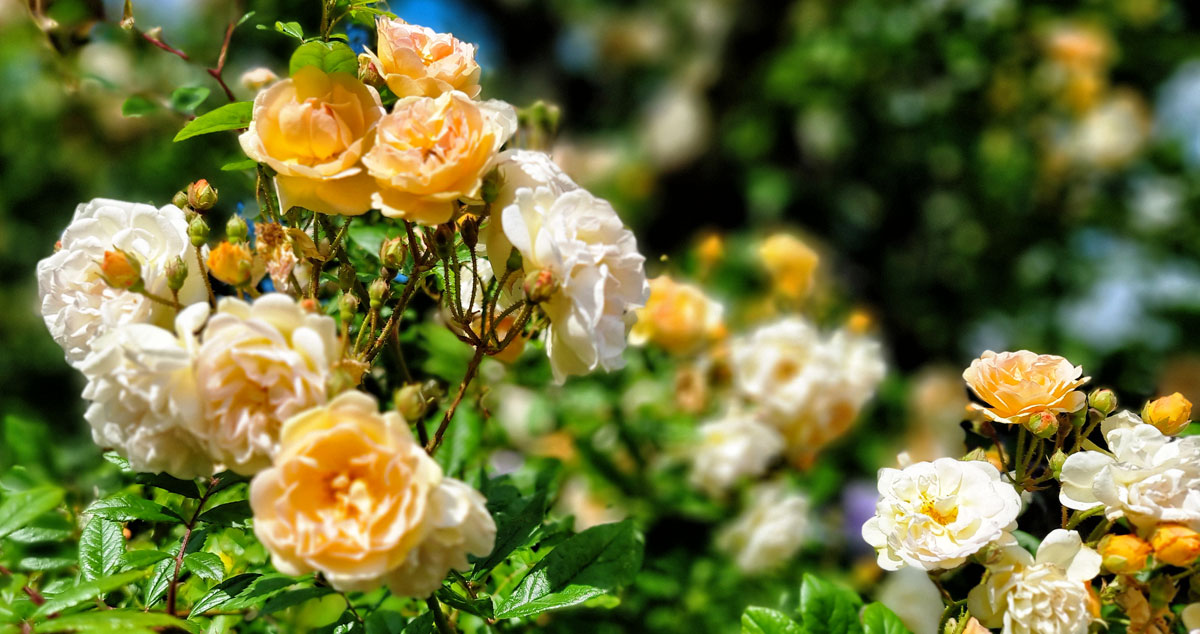
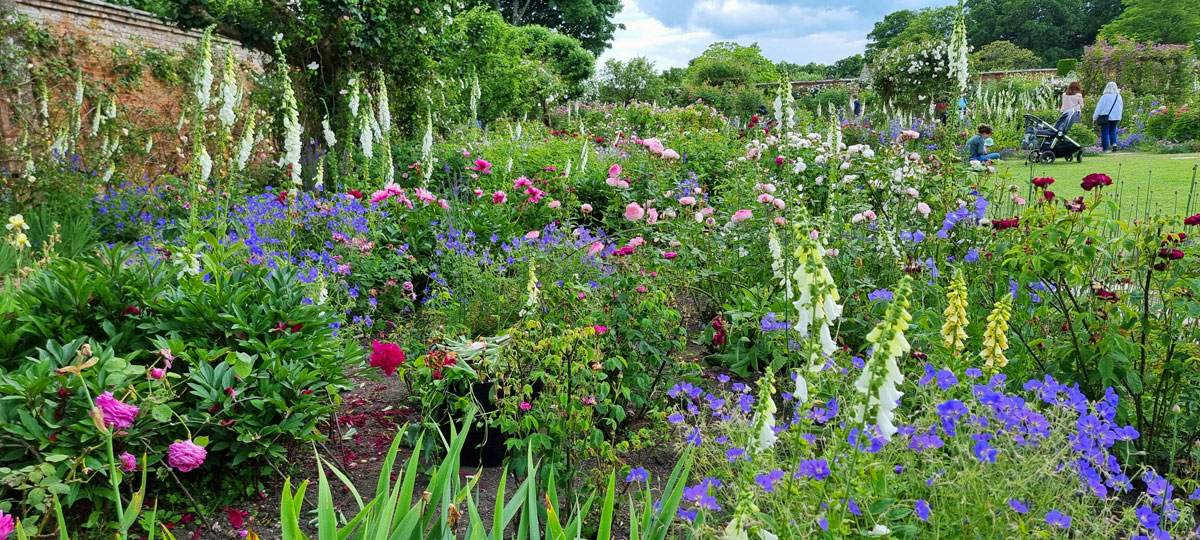
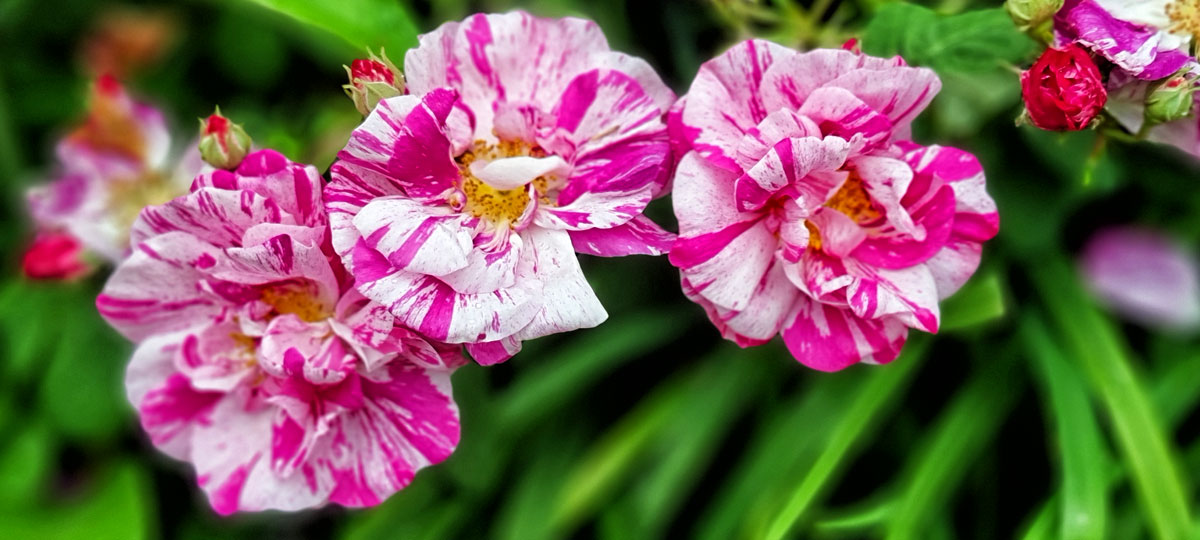
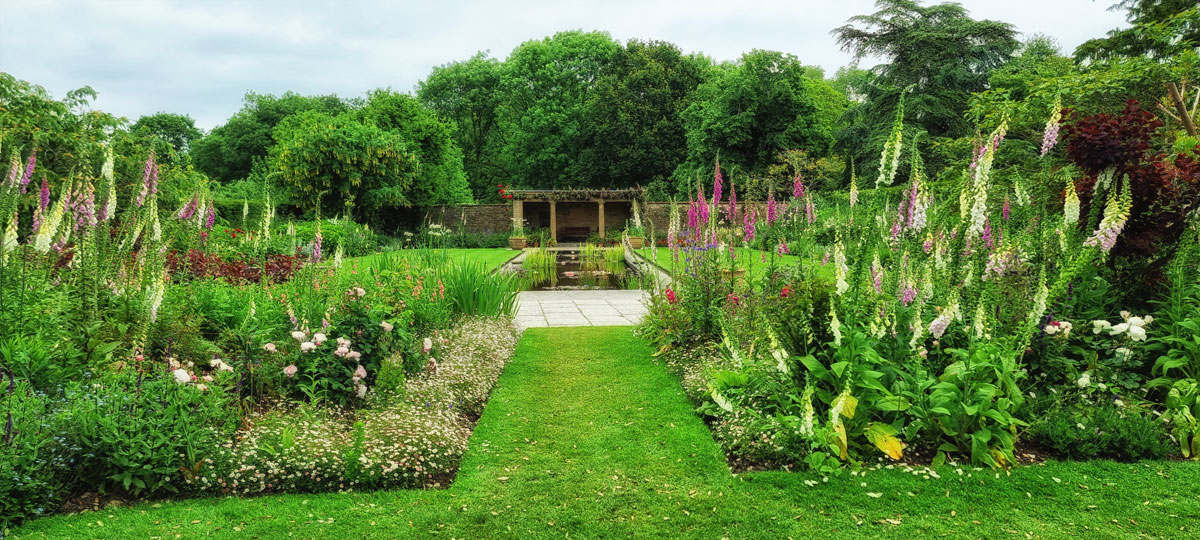
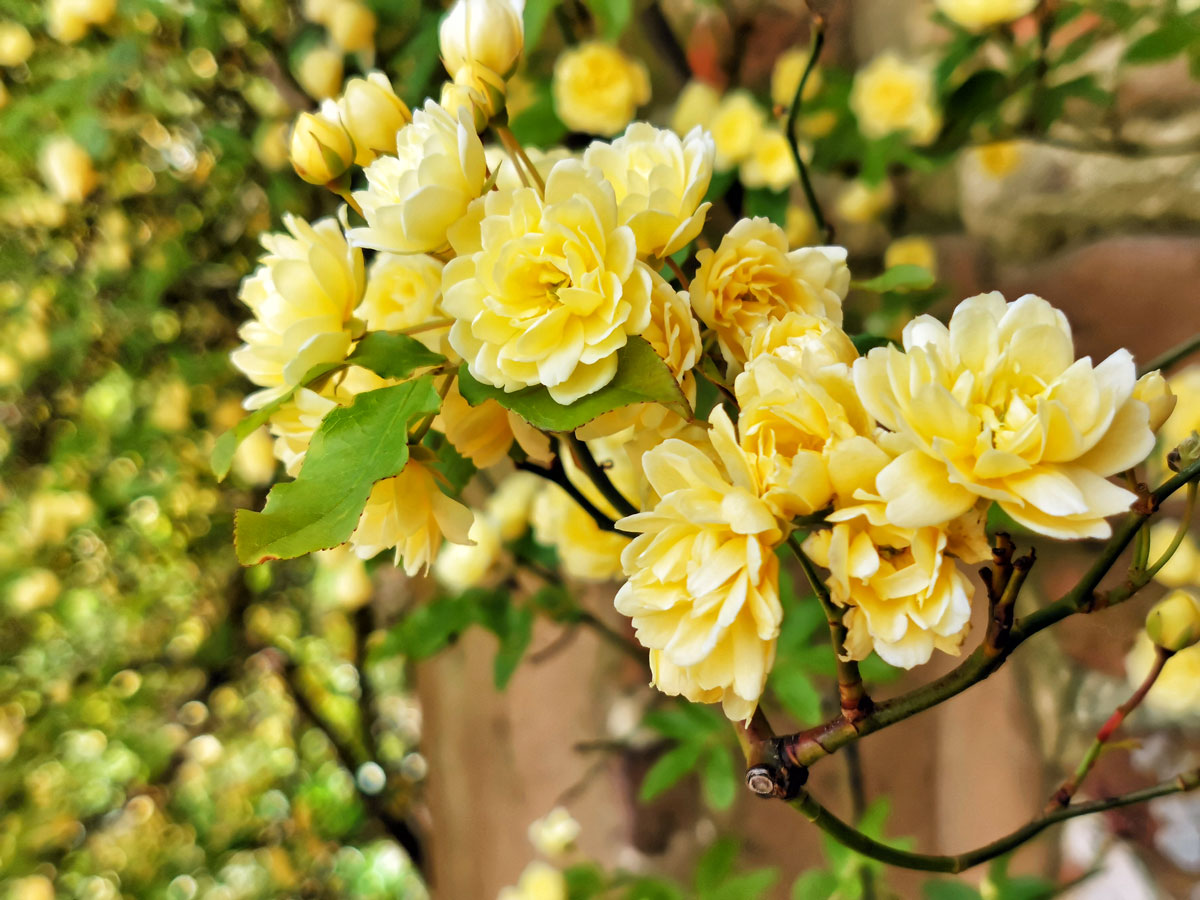
Alliums at Kew Garden, May 2024Euphorbia in the Delos garden, Sissinghurst, May 2024Roses and Achillea and Bugloss at Mottisfont, June 2024Ghislaine de Feligonde (Musk rose)Roses and foxgloves and hardy geraniums at Mottisfont, June 2024Rosa Mundi (Gallica var, officinalis ‘Versicolor’)Tintinhull Garden, Somerset – Pool garden with towering foxgloves. June 2024Rosa banksiae ‘Lutea’ at Sissinghurst
Design Ideas to inspire
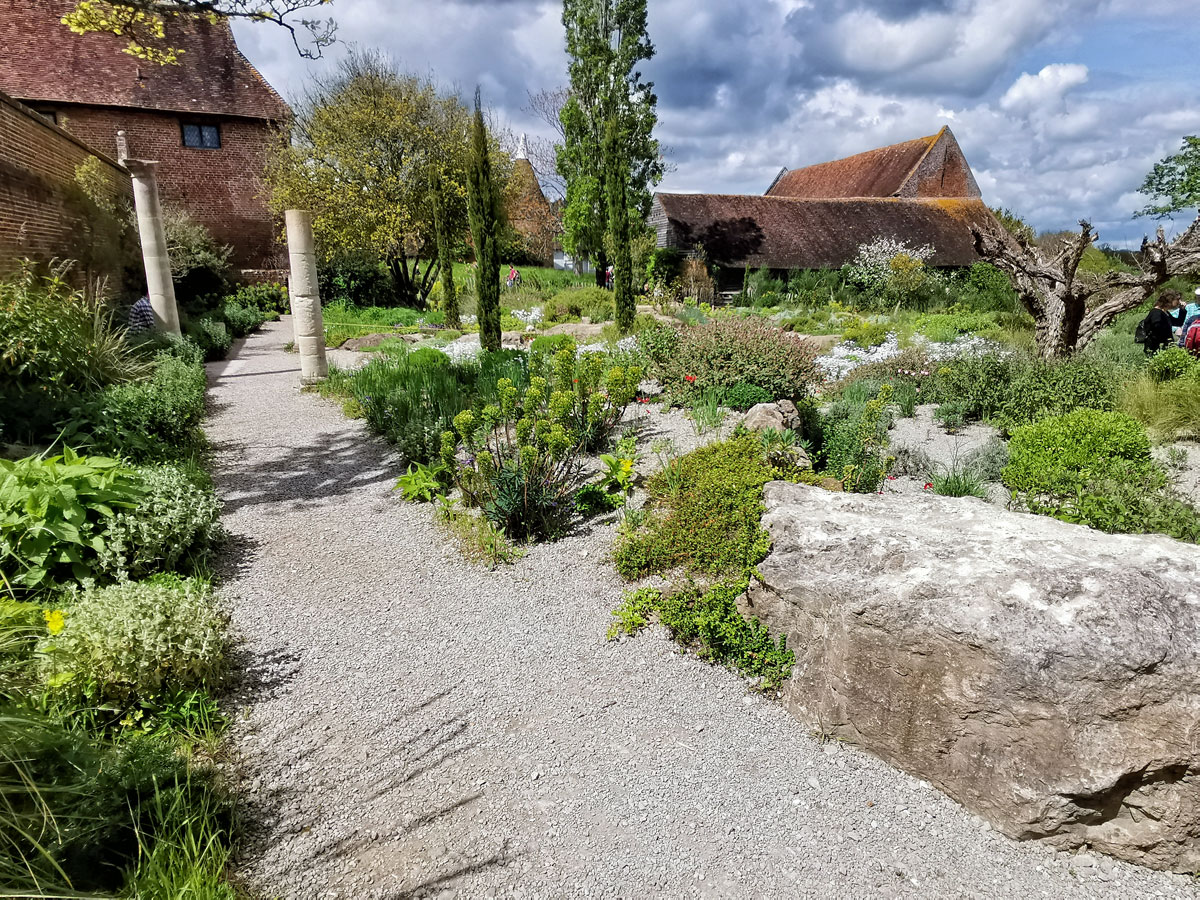
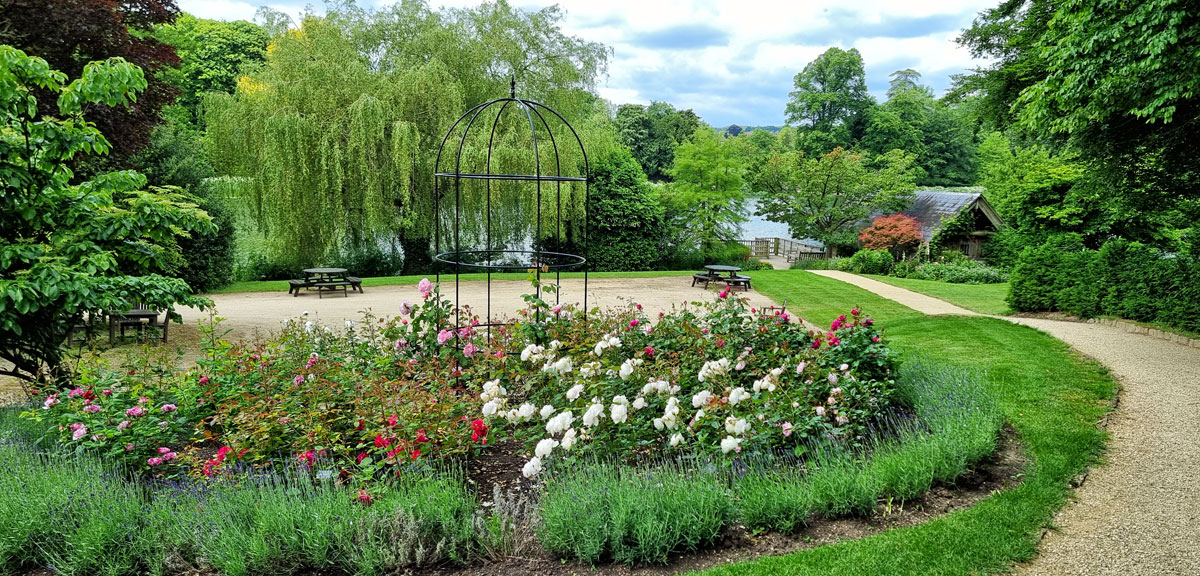
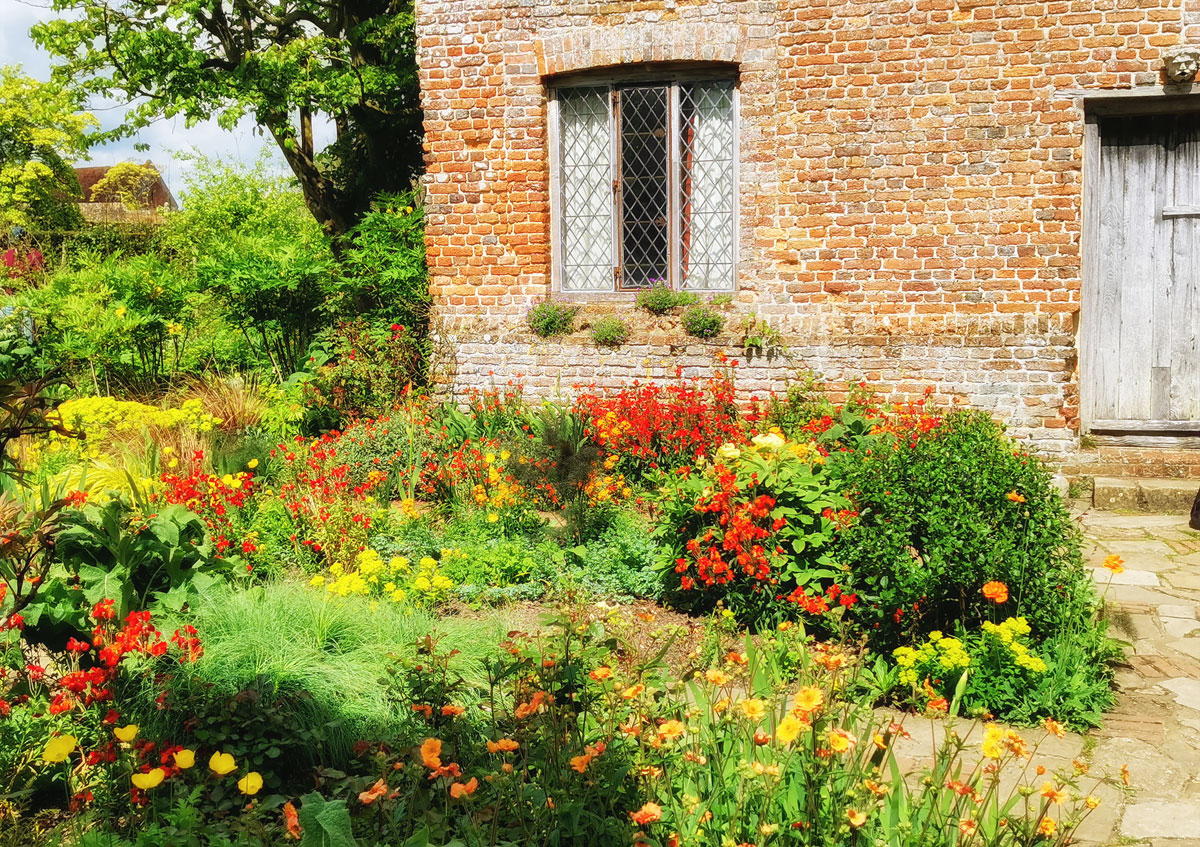
The new Delos-inspired garden at Sissinghurst Castle Garden in Kent, re-imagined from Vita and Harold’s original vision. May 2024Rose Garden, Sherborne Castle and Gardens, Dorset, June 2024Hot borders, Sissinghurst, May 2024
Vistas
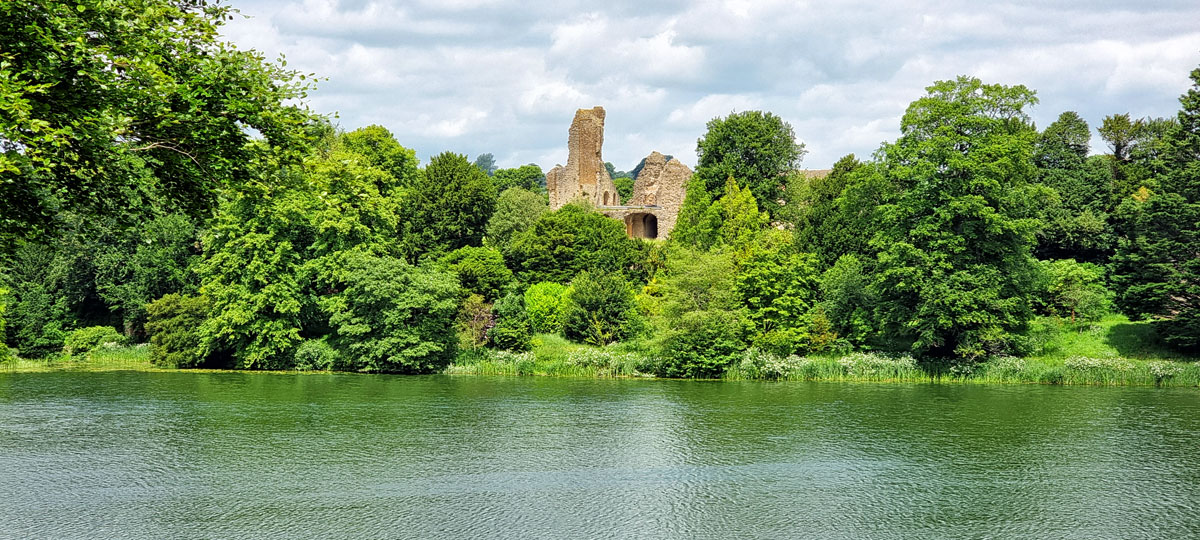
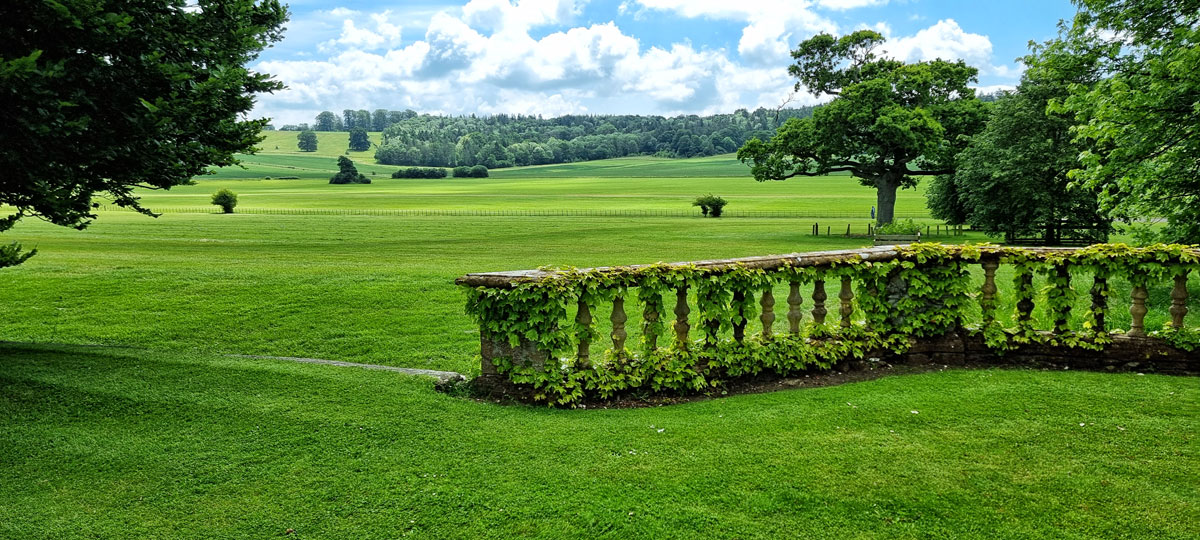
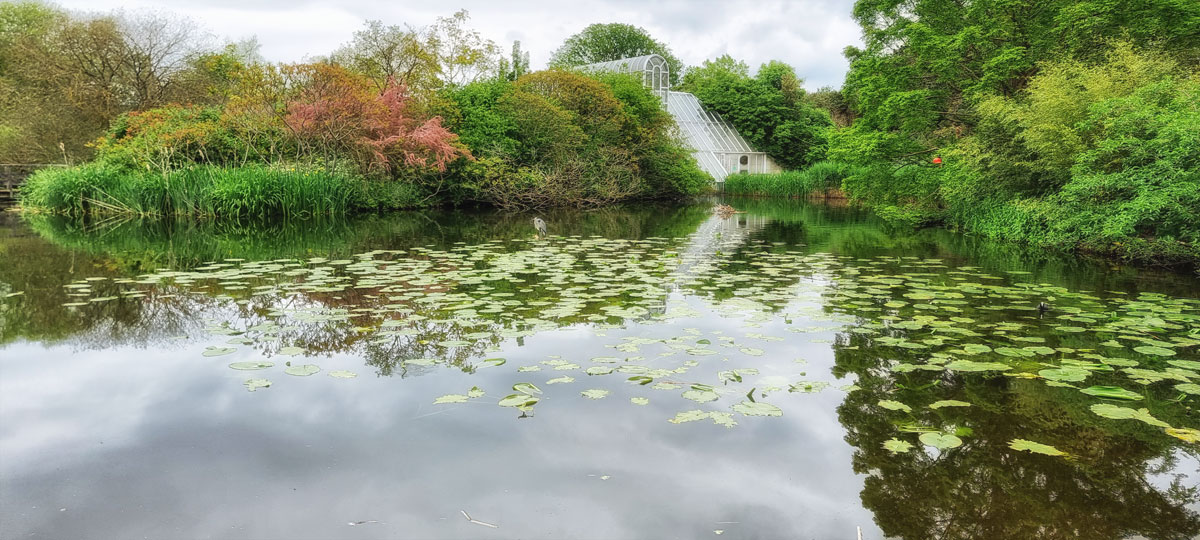
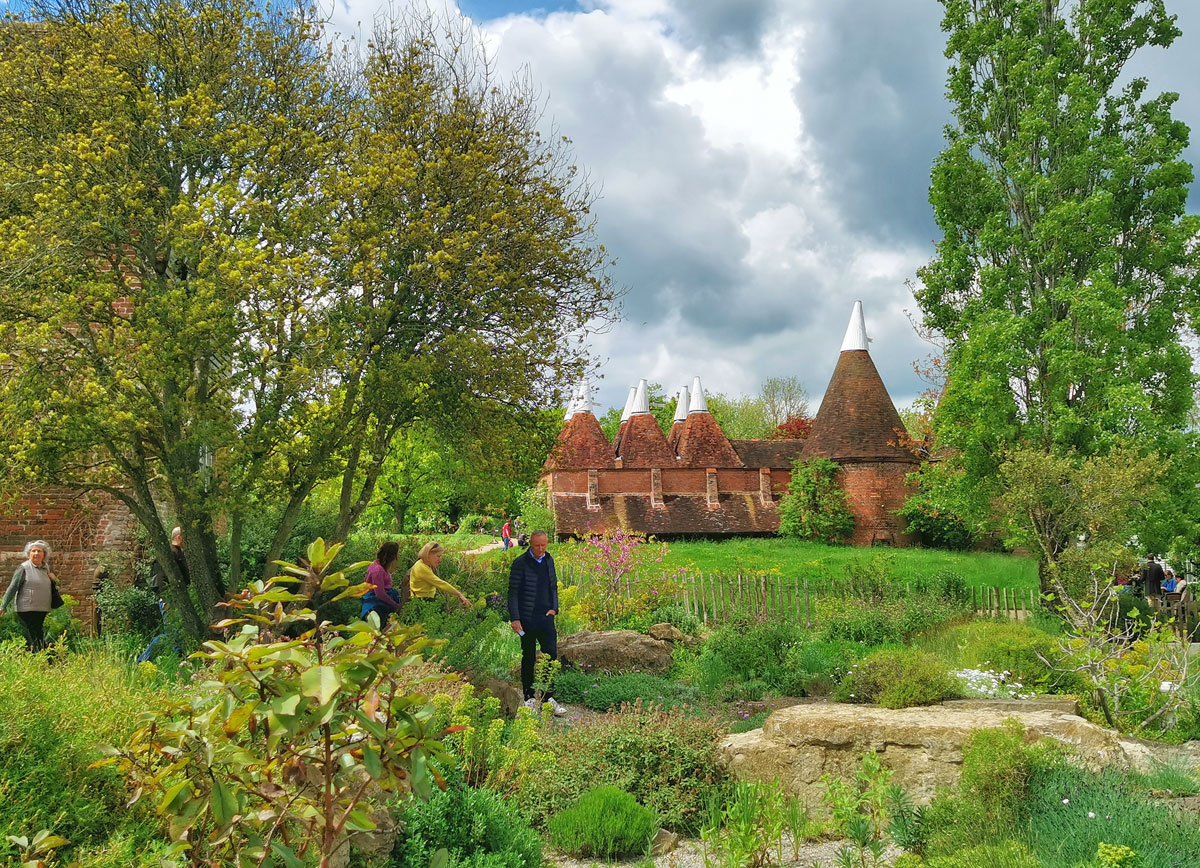
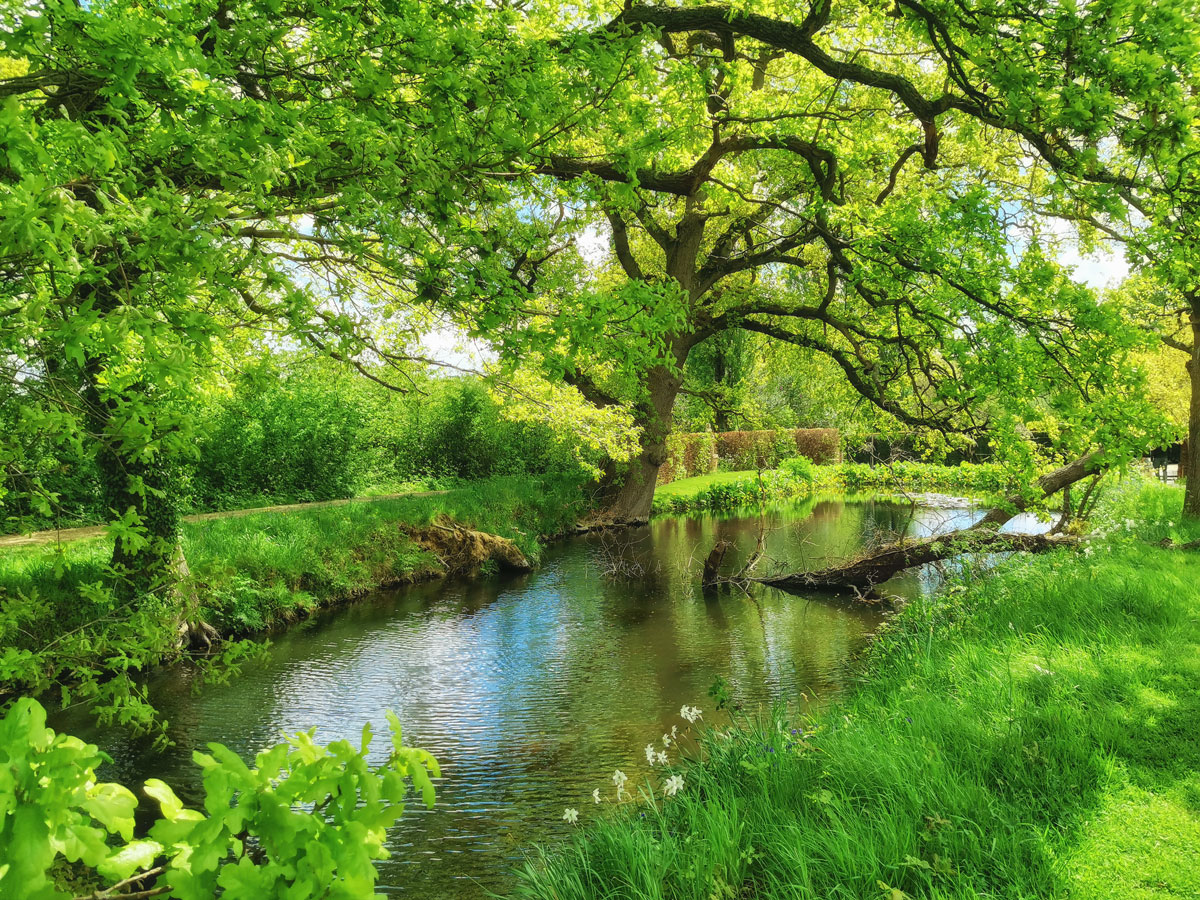
View of Sherborne’s Old Castle from Sherborne Castle and Gardens, Dorset, June 2024Sherborne Castle and Gardens, Dorset, June 2024Kew Garden, London, May 2024Oast Houses at Sissinghurst from the Delos garden, May 2024Cool, tranquil and calming aspect in Sissinghurst Castle Garden, May 2024
Somewhere to relax
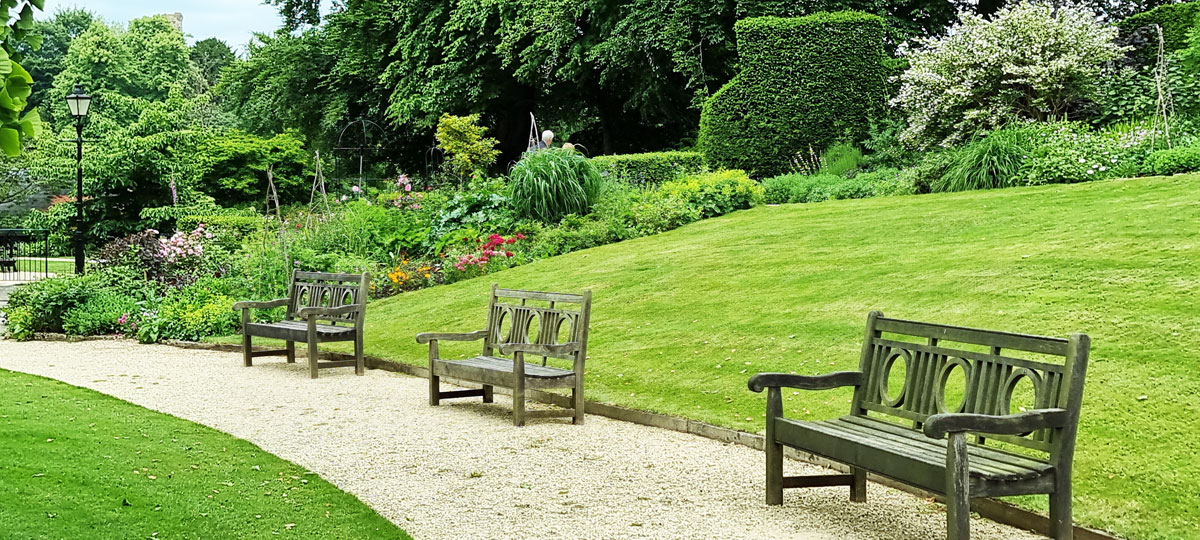
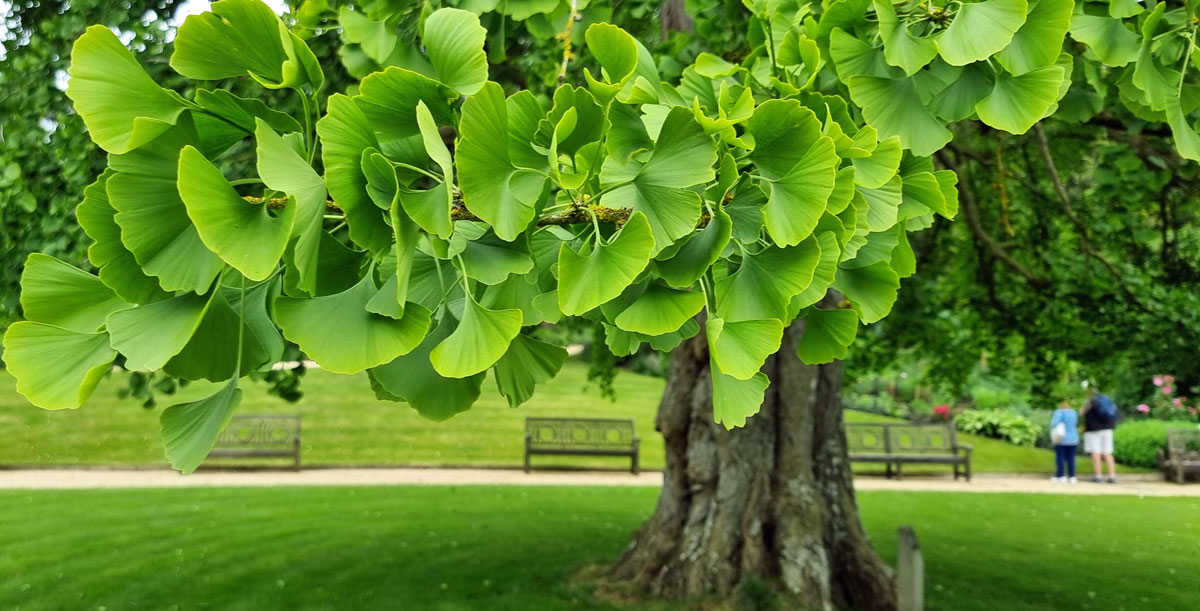
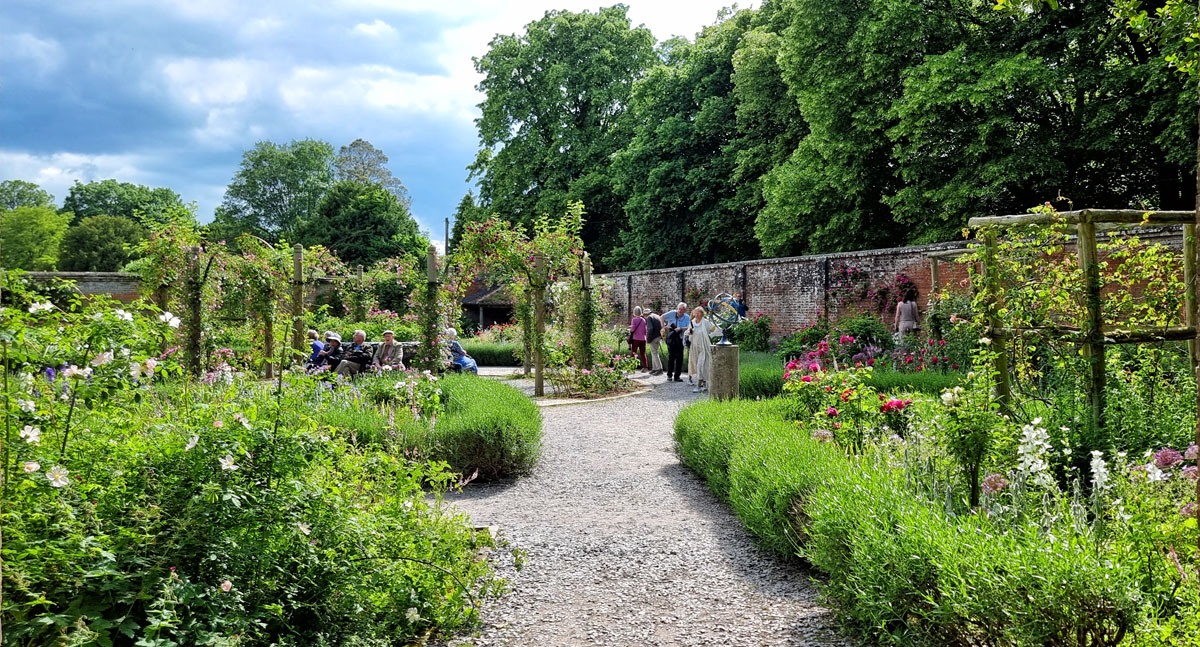
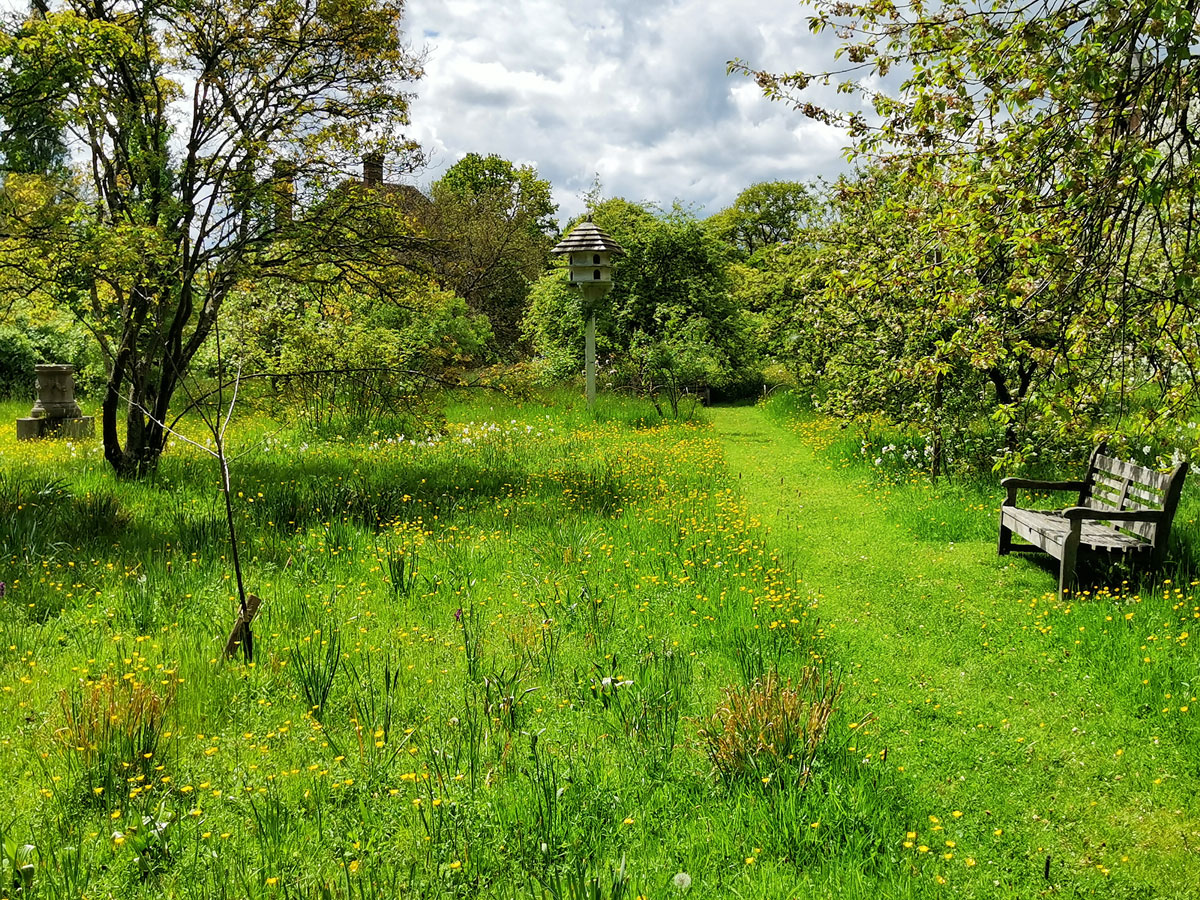
Sherborne Castle and Gardens, Dorset, June 2024Ginkgo Tree – Sherborne Castle and Gardens, Dorset, June 2024Relaxing in the walled garden at Mottisfont, Hampshire. June 2024Meadow and orchard in Sissinghurst Castle Garden, May 2024
The last words come from my favourite garden designer who says it much better than I can.
“I try for beauty and harmony everywhere, and especially for harmony of colour. A garden so treated gives the delightful feeling of repose, and refreshment, and purest enjoyment of beauty, that seems to my understanding to be the best fulfilment of its purpose; while to the diligent worker its happiness is like the offering of a constant hymn of praise.
For I hold that the best purpose of a garden is to give delight and to give refreshment of mind, to soothe, to refine, and to lift up the heart in a spirit of praise and thankfulness.”
~ Gertrude Jekyll (Wood and Garden)
During this year I shall be posting photographs from places around the UK, many of which have not been published before. Where I have previously blogged about a location I will provide a link to the post, though you won’t be able to comment on it as I restrict comments to six months.
L is for Lindisfarne
The Holy Island of Lindisfarne is situated off the coast of Northumberland. The island is cut off from the mainland by the tide twice a day. Possibly the holiest site of Anglo-Saxon England, in 685 Lindisfarne was founded by St. Aidan, an Irish monk, who came from Iona, the centre of Christianity in Scotland.
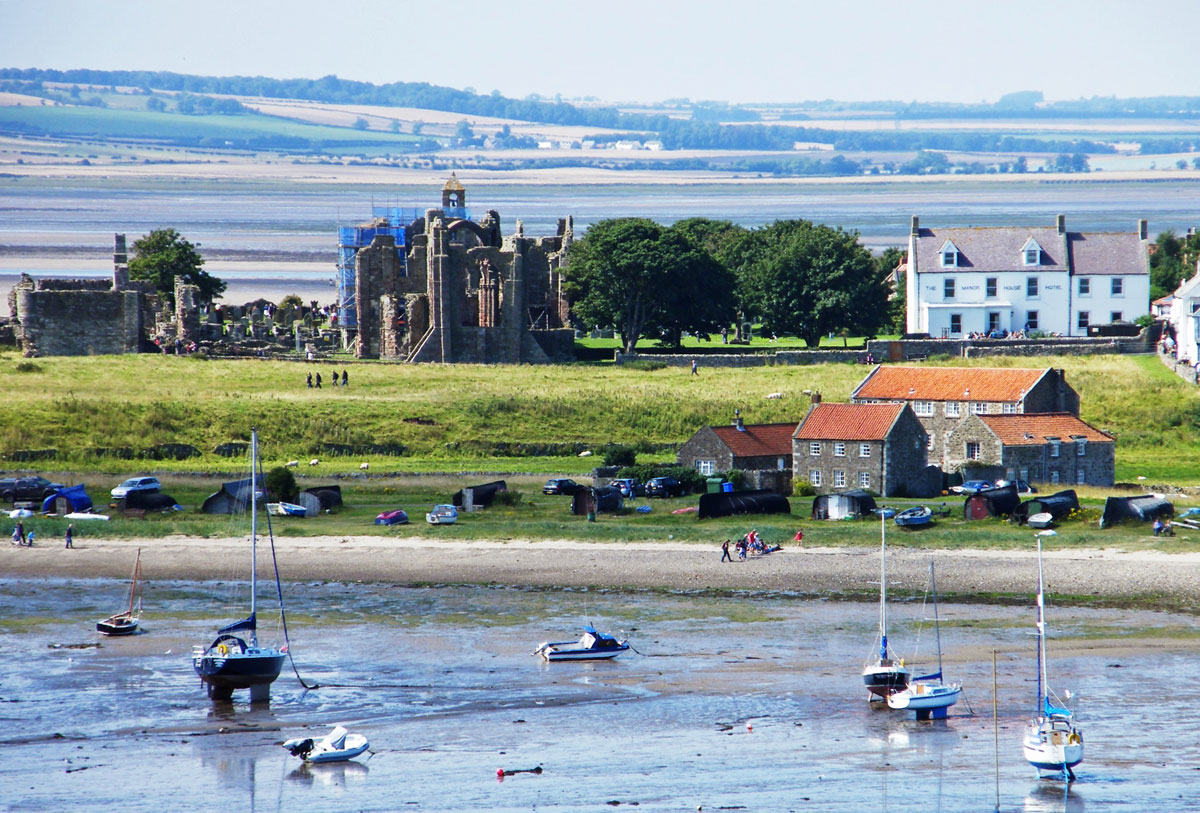
Disused Priory and the fascinating boatsheds in the harbour.
The island is a thriving community, with a busy harbour, shops, hotels and inns and still a place of pilgrimage for many although the priory is now in ruins
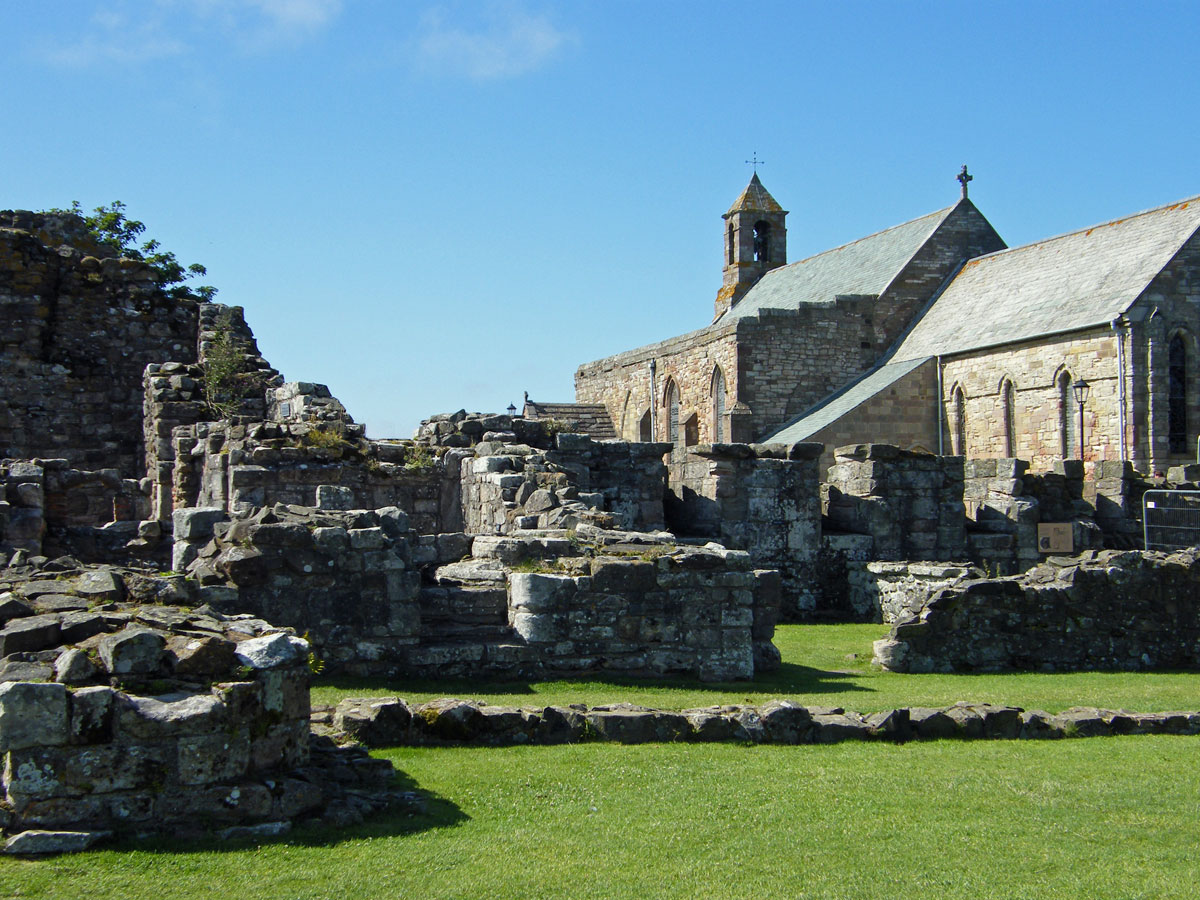
Ruins of the Priory and the Parish Church of St Mary the Virgin
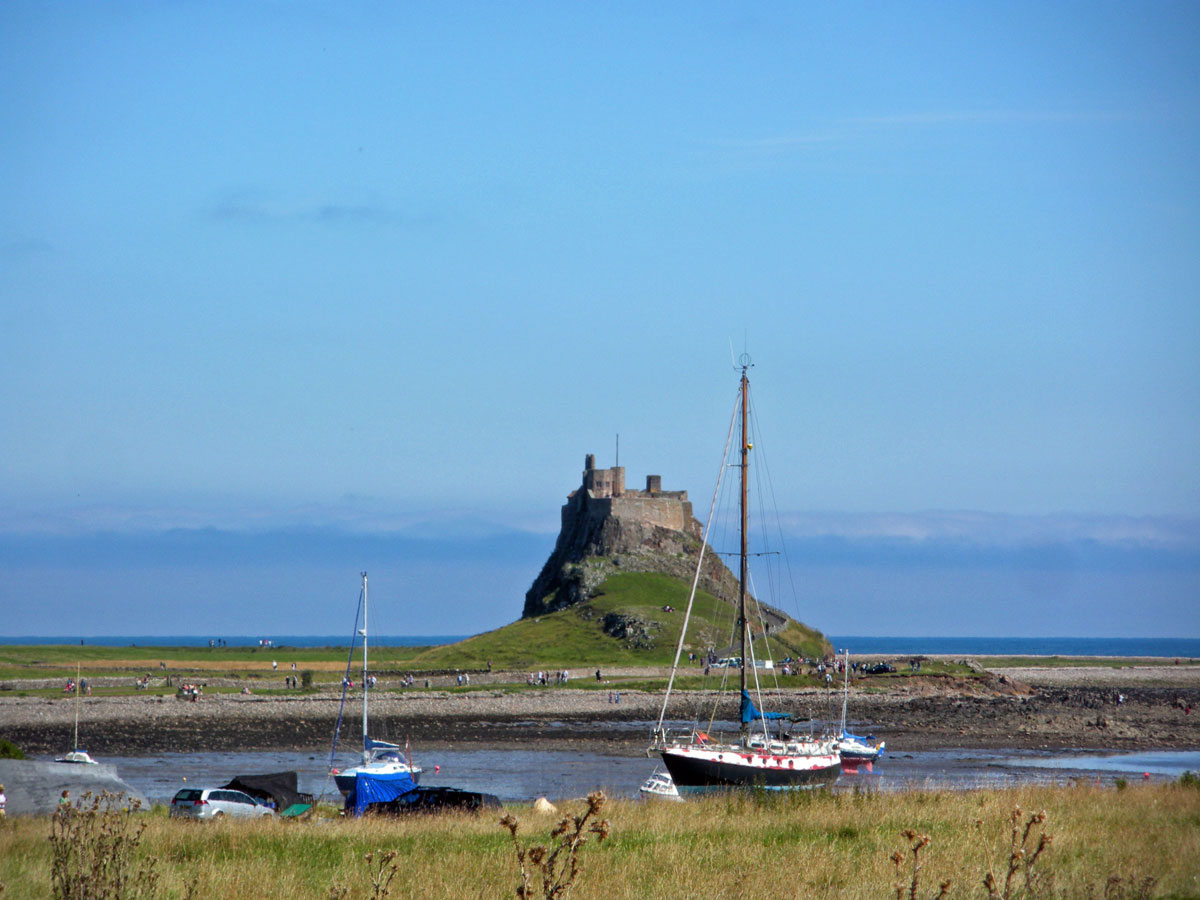
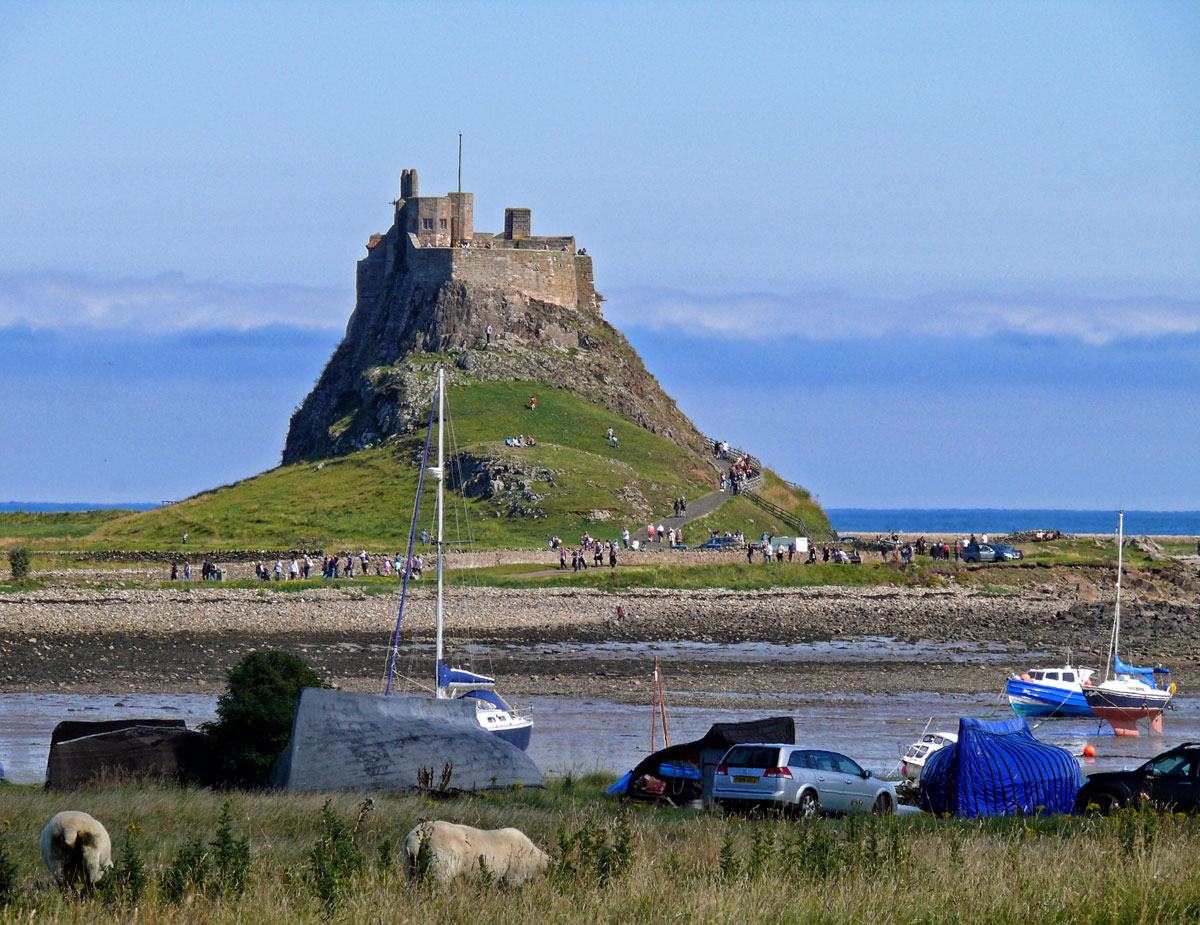
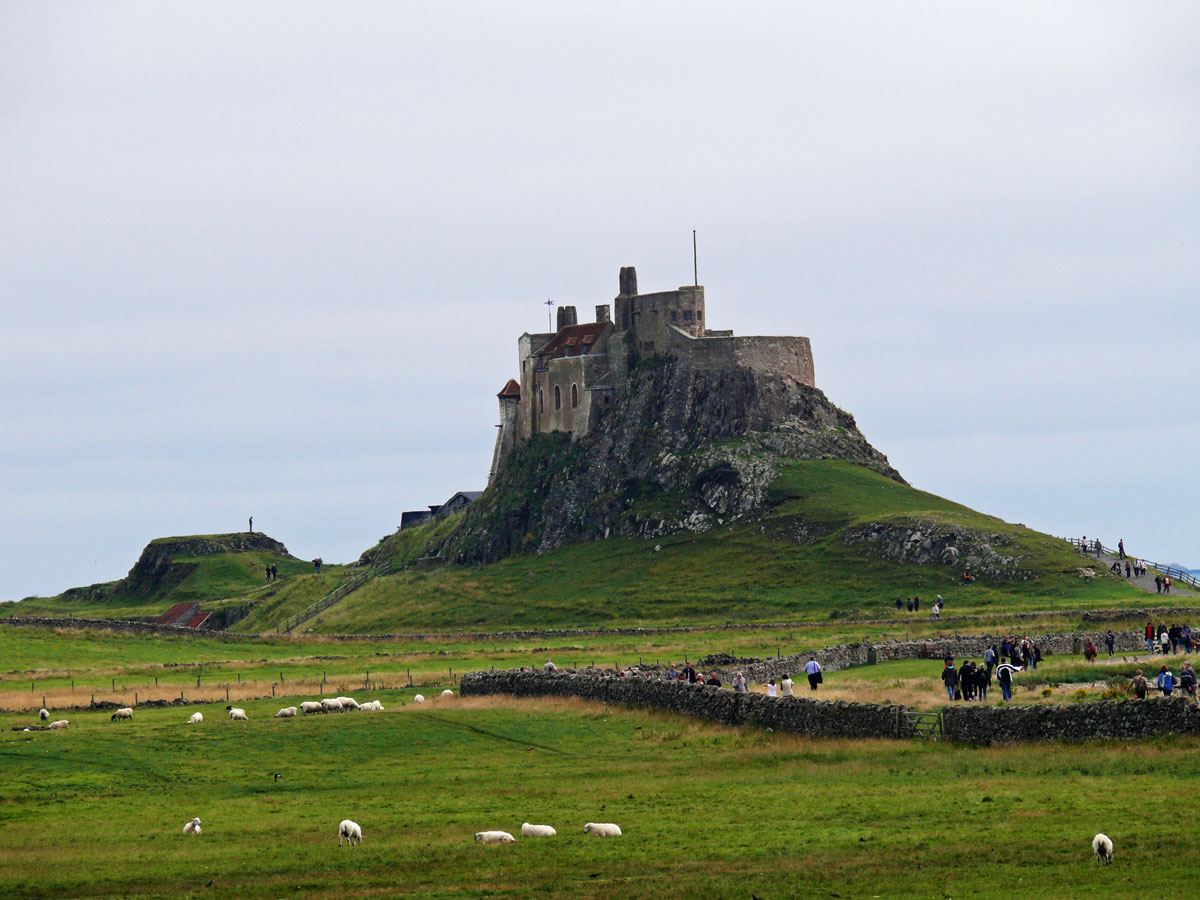
Lindisfarne is also famous for its castle (that’s not a castle) on an island (that’s not an island).
From the 1550s up until 1893 the castle was garrisoned by the government, at one point mounting 21 cannons.
The castle was strategically vital during the Scottish Wars of the mid-1500s and later saw action in the Civil Wars and the Jacobite Rebellion of 1715.
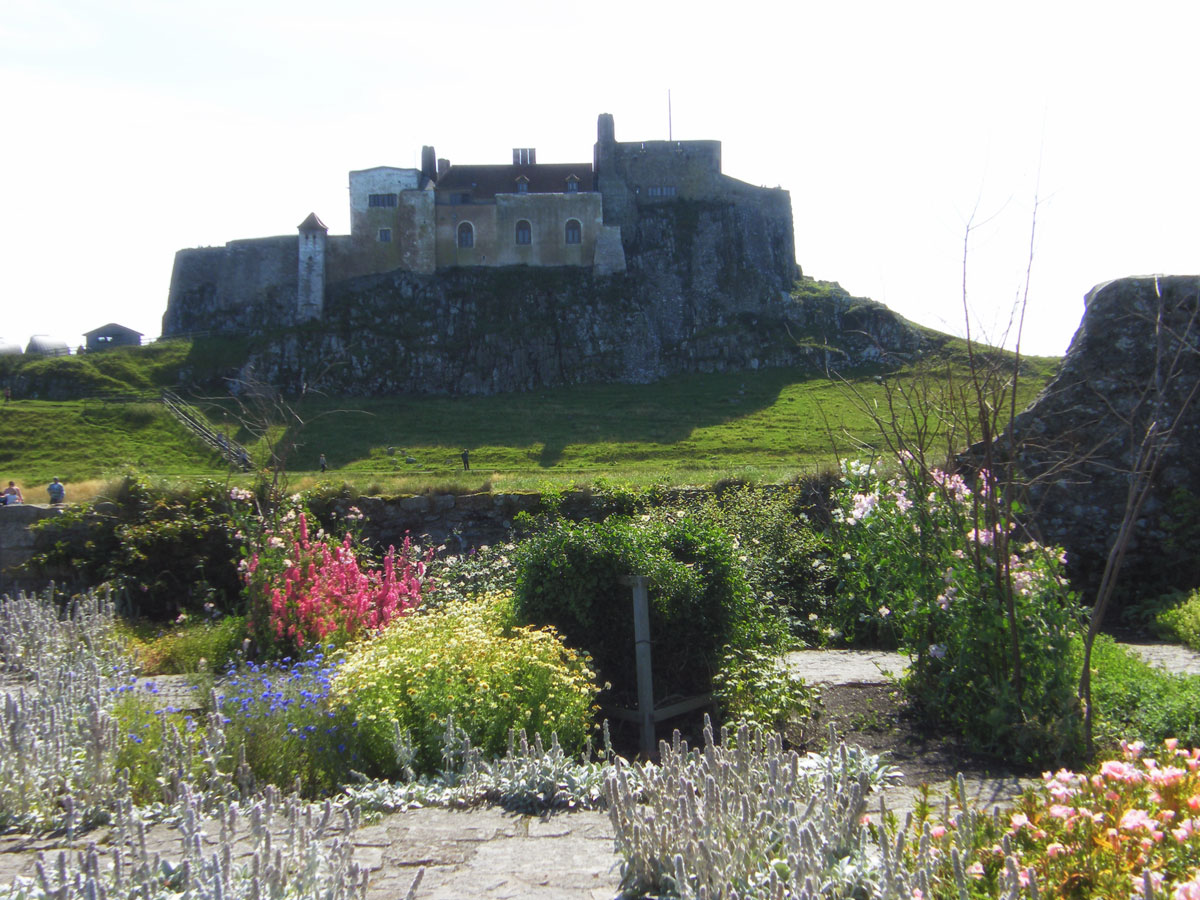
In the first decades of the 20th century, famed architect Sir Edwin Lutyens renovated the castle into a private holiday home for Edward Hudson, founder of Country Life magazine, while Jekyll made a planting plan for the garden and the castle surrounds.
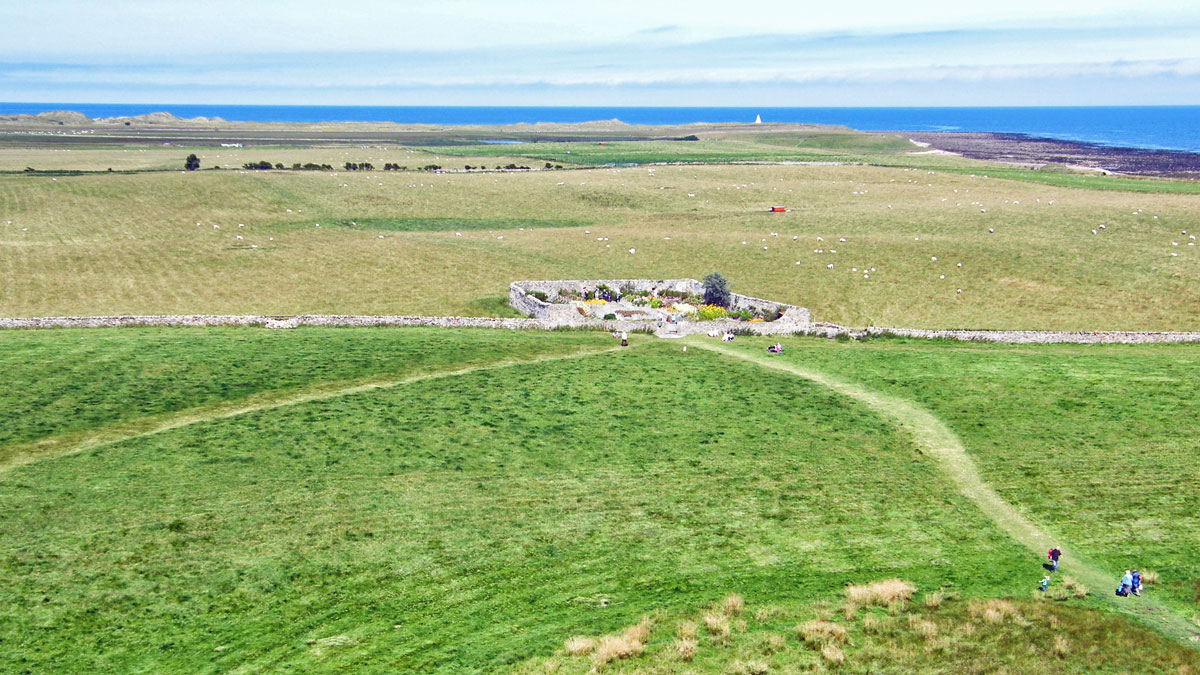
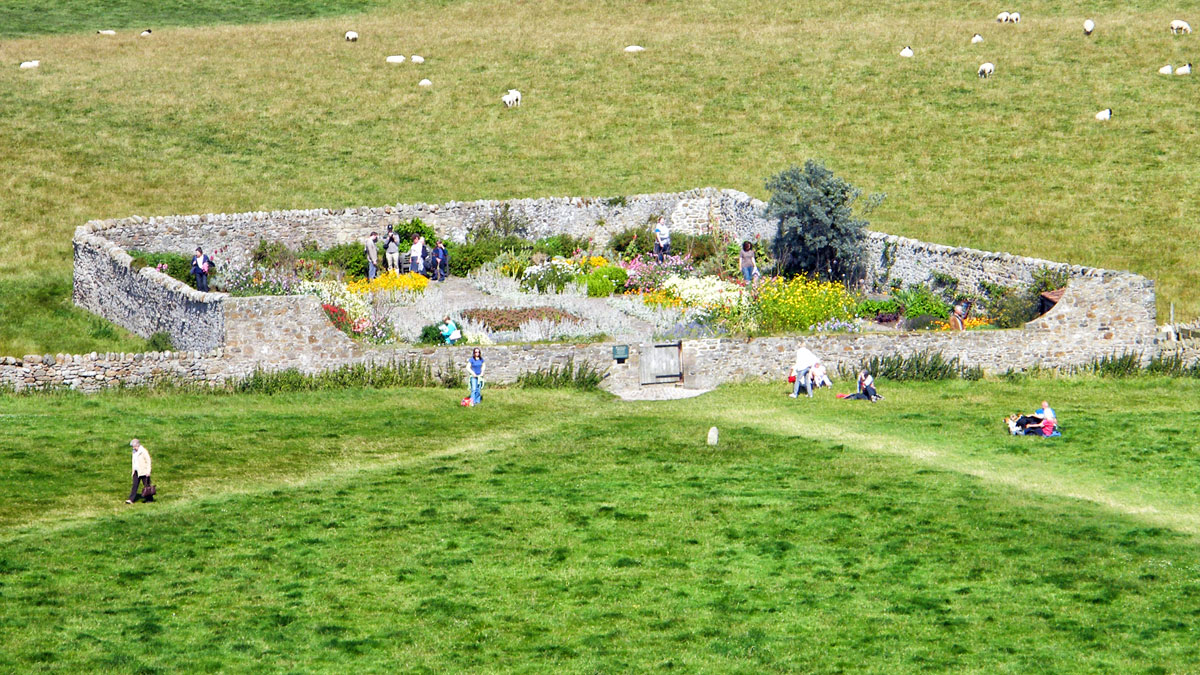
Jekyll’s first plan was for a vegetable garden but it was her second plan – a summer flower garden – that was planted in 1911.
This tranquil garden was created by Gertrude Jekyll on the site of a vegetable patch that once provided the castle’s soldiers with food. Gertrude Jekyll (1843-1932) is well known in the gardening world. A talented painter, photographer, designer and craftswoman; she was much influenced by Arts & Crafts principles and often worked in collaboration with the English architect, Sir Edwin Lutyens.
Jekyll designed the garden to have a wealth of colour during the summer months and to be especially prolific in August. Flowers include eight varieties of sweet peas, two of which are the delicate ‘Miss Wilmott’ and the deep crimson ‘Queen Alexander’.Jekyll’s original planting scheme was restored by the Trust in 2003. With its geometric layout of paths and beds, the garden is always interesting to look round.
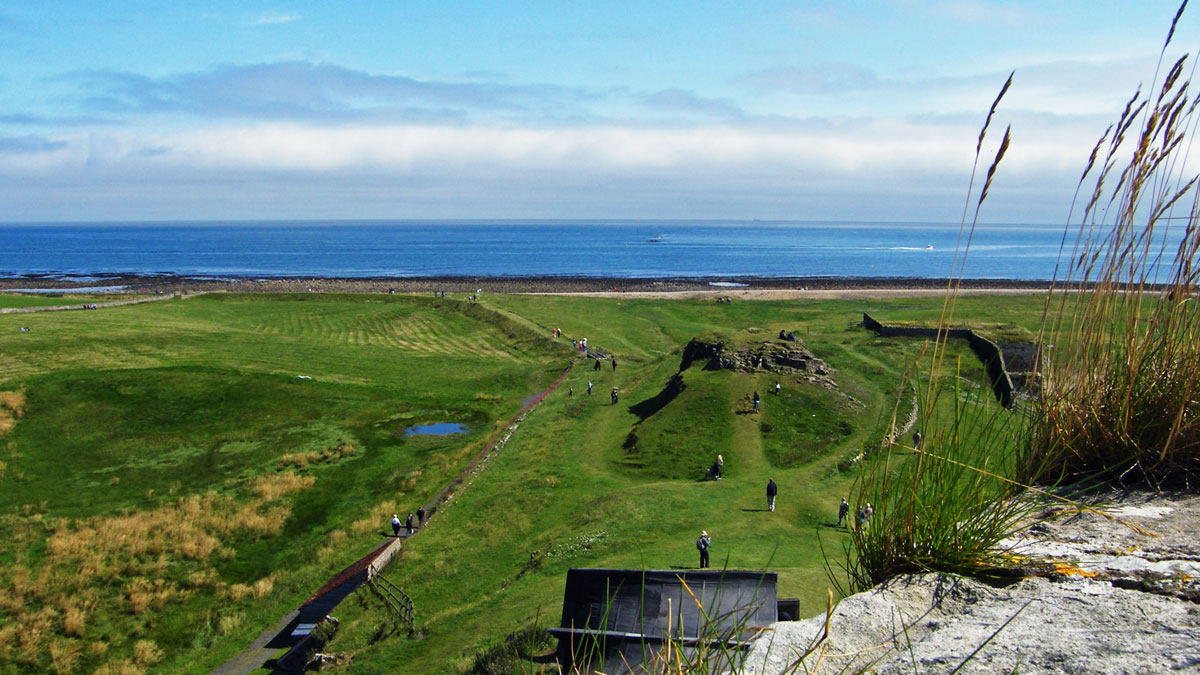
Outside of the castle, there is a lot to explore. There are walks through the grass fields to the sand dunes where you can fly kites (it is an exposed place) visit the industrial Lime Kilns, look for seals and birdlife and enjoy the quiet beaches on the north side. Most visitors visit the castle and the priory and photograph the unique fisherman’s sheds made from old upturned fishing boats, one of the symbols of Holy Island.
Castle views and Lime KilnsLindisfarne Castle
It’s essential to check the tide times as the island is accessed via a long causeway which is impassable once the tide comes in. Though there is accommodation available on the island if you want to stay a little longer.
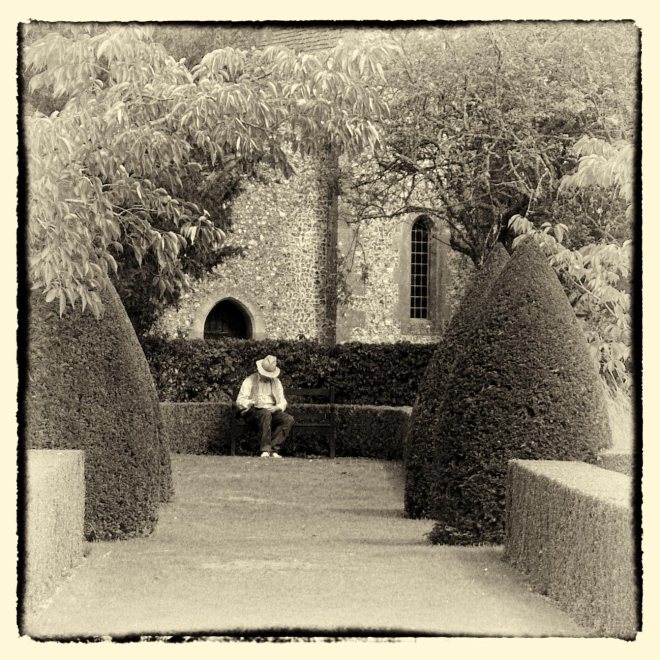
Last week I posted this photo in colour. Several people wondered whether it would be better in black and white or a with a sepia tint. I wondered that myself, so here it is using a sepia effect to ‘age’ the photo. What’s your preference?


 TRAVEL WORDS