#303 Connections

It’s been a while since I joined in with the Lens-Artists photo challenge, but the number 303 leapt out at me this week as I have just come back from a holiday based close to the A303 in Wiltshire so I thought it would be interesting to find connections between the sites we visited in and around that area.

Family Connections

The A303 is one of the main routes from London to the Southwest and a route I have travelled many, many times to visit my youngest son who is based in Wiltshire (military) and my daughter who lives in Surrey. It’s also famous for passing by the World Heritage site of Stonehenge, the world’s most famous prehistoric monument.

History

Stonehenge (2500 BC) is not the largest henge though, that title goes to Avebury and together they form the heart of a World Heritage Site which also includes Silbury Hill. We didn’t visit Stonehenge as we have done so not long ago, but we drove past it a few times this week so had a few sneaky glances! Instead we opted for a visit to Avebury.

Stonehenge

Avebury (2850 – 2200 BC): the henge survives as a huge circular bank and ditch, encircling an area that includes part of Avebury village. Within the henge is the largest stone circle in Britain – originally of about 100 stones – which in turn encloses two smaller stone circles.

A double avenue of stones leads away from the southern entrance towards the Sanctuary stone circles on Overton Hill, about a mile to the south-east. Unlike Stonehenge, this site is free to visit though you will have to pay for parking unless you are a National Trust or English Heritage member.

More recent history can be found at Old Sarum, an iron age hill fort dating back to 400 BC. Later occupied by the Romans during their conquest of Britain in AD 43, where perhaps a military fort was set up. It was during William the Conqueror’s reign that the strategic advantage of this place was recognised and a motte and bailey castle built.

Later, stone buildings were erected and in 1078-99 a cathedral was built after the 1075 Council of London decreed that the see should be moved from Sherborne to Old Sarum. Dissatisfaction with the site and poor relations with the garrison in the castle caused the cathedral to be moved to its present site in Salisbury (New Sarum) in 1220 and much of the stone from the old cathedral was used to build the new one.

Site and excavation of the old cathedral

Salisbury Cathedral is built in the shape of a cross. It boasts Britain’s tallest spire (123m tall) and contains the oldest working mechanical clock in the world as well as the Magna Carta (great charter) written in 1215 about the rights of the English people against the severe rule of King John. It also contains blue Prisoners of Conscience Window and the Amnesty International candle burning for oppressed people around the world.

Salisbury New Cathedral (spire) from the Watermeadows

The soul should always stand ajar.
That if the heaven inquire,
He will not be obliged to wait,
Or shy of troubling her.

Emily Dickinson, Time and Eternity

The Blue Windows

Often my favourite part of visiting cathedrals is the cloisters. Providing a place of calm and  contemplation the cloisters here are Britain’s largest and look out onto two cedar trees, planted more than 150 years ago to commemorate Queen Victoria’s accession to the throne.

Cloisters and Cedar trees

Gardens

Which leads me to my last connection. Gardens. And there are several signposted from the A303. But first let’s revisit Avebury, where Benedictine monks once walked the ground that is now Avebury Manor Gardens.

The Monks’ Garden

There are traces of the work of later owners, from the 17th century orchard, the warm red brick of 18th century walls and elaborate topiary of 20th century owners.

Climbing roses

Talking of Benedictine Monks reminded me that Shaftsbury Abbey, a mere 15 minute drive from the A303, was once home to Benedictine nuns who were responsible for providing medical care for themselves and the wider community and did so by gathering local plants and those grown specially in the garden. In AD 888, King Alfred the Great founded in Shaftesbury the first great abbey just for women. By the time of Henry VIII this had become the wealthiest and most important Benedictine nunnery in England, dominating and serving the town and lands around. It was the last abbey to be destroyed by Henry VIII in 1539.

Signposted off the A303 is another garden designed by a woman, Tintinhull House and Garden. Built in 1630 the house was bought by Captain and Mrs Reiss in 1933, when Phyllis decided to create a garden that she described as her ‘happy place’.

Now I can totally relate to that. A connection to Salisbury cathedral? There is an area called Cedar Court – once containing a Cedar of Lebanon now full of ornamental trees including beautiful magnolias.

Cedar Court
Fountain Garden

Another garden signposted off the A303 is Lytes Cary Manor. Created by the Lytes family over five centuries they gave up the estate in the 18th century due to financial difficulties.

Lytes Cary Manor

After 150 years of neglect it was bought by the Jenner family who restored the manor and created an Arts and Crafts inspired garden.

Which leads me to my final connection. Flowers. And specifically Roses. June is rose month and where better to go than Mottisfont walled garden which is home to the National Collection of Old English Roses (pre 1900). So many wonderful colours and forms and scents.

Not just roses, but companion planting too makes the most wonderful colourful beds.

So there you have it. Who knew there could be so many connections with one road that connects the Southeast to the Southwest of England.

Lens-Artists Photo Challenge #303 | Connections
Primary Colours: RYB

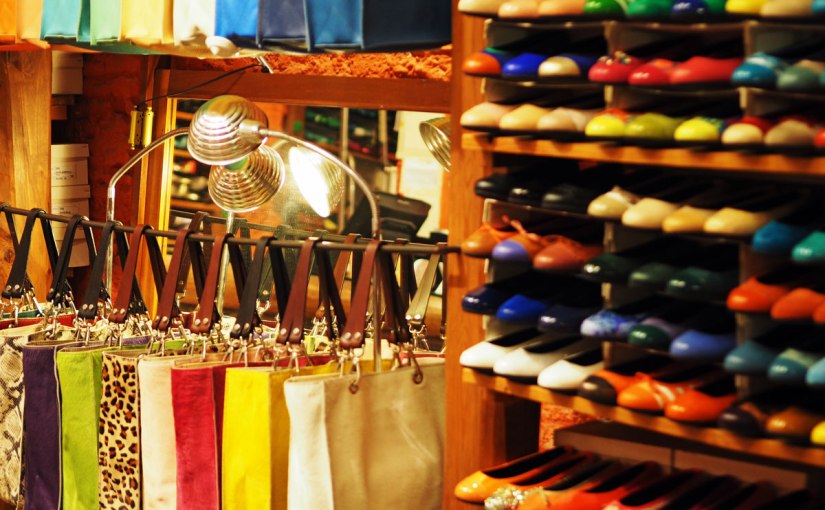
Sofia’s challenge for us this week is all about colour. Specifically primary colours: red, yellow and blue. BUT like many things in the world, the issue of what are primary colours has become more complex. Most of us would have learned when painting at school that RYB (Red, Yellow and Blue) are THE primary colours, but now we have to take into consideration the way light blends colour for instance the RGB colour model, which has red, green, and blue as your primary colours, and is used with things like television screens and computer images. Then there is the CMYK model which includes cyan, magenta, yellow, as well as black, and is mainly utilised for printing.

“I found I could say things with colour and shapes
that I couldn’t say any other way;
things I had no words for.”
~ Georgia O’Keeffe

Since the main colours for paint pigments are red, yellow and blue and cannot be created by mixing other pigments I’ve stuck to photos in these colours for the challenge.

Lens-Artists Photo Challenge #264 | Primary Colours 

Overlooked

In a world that seems increasingly rushed and with information overload it is easy to miss things around us. When life is busy you often look, but don’t really see. I am sure that until I retired I wasn’t always fully aware of my surroundings. But now I can take my time and fully absorb the environment around me and maybe see things that are often overlooked.

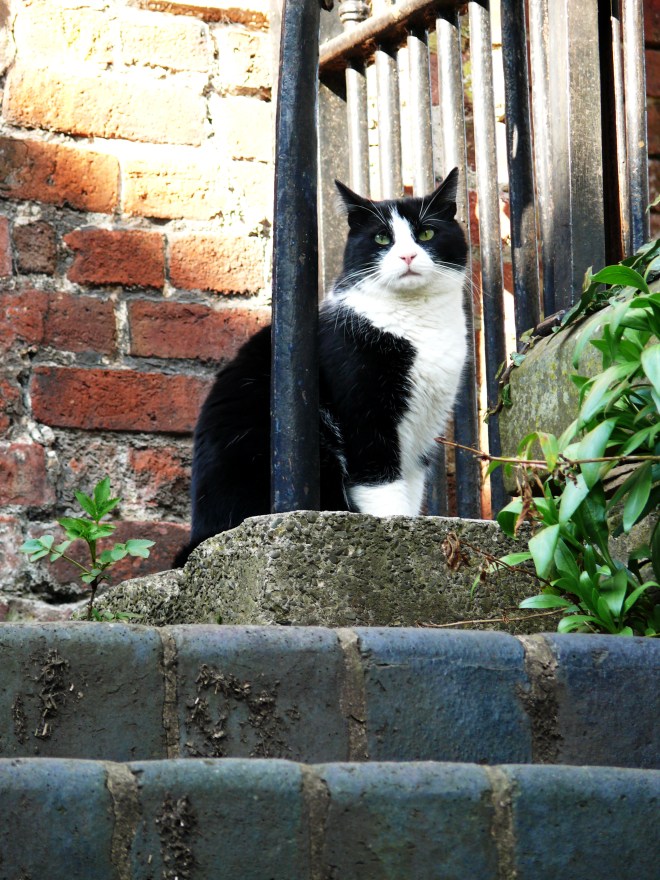
Did I notice this cat because it reminded me of my old cat Ben? Perfectly poised on steps above my head.

Photo challenges have had an impact on the way I see things, looking for the unusual, the interesting, things I may not have photographed before.

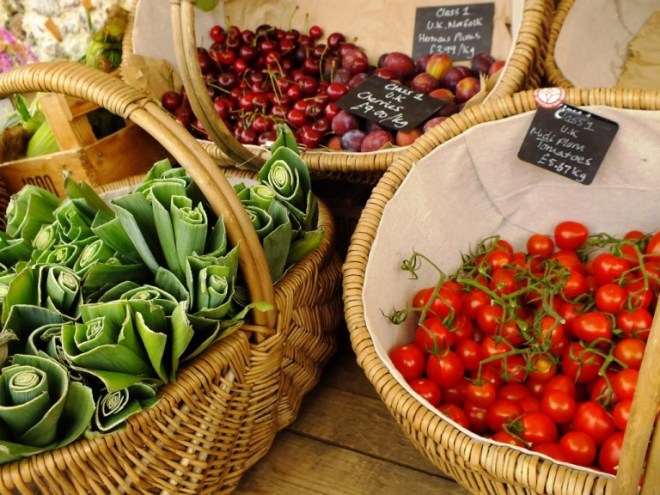
Farm shop delights. I think it was the wicker baskets that made me stop and take this photo

And on my travels I always look out for the details.

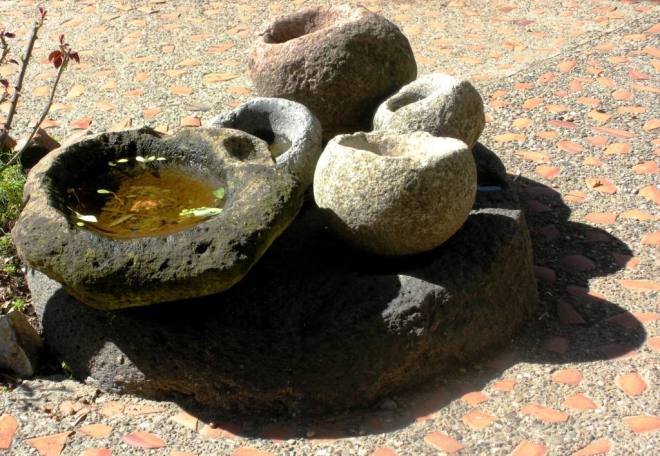
The organic shapes of these bowls and the shadows

Different ways of framing the view.

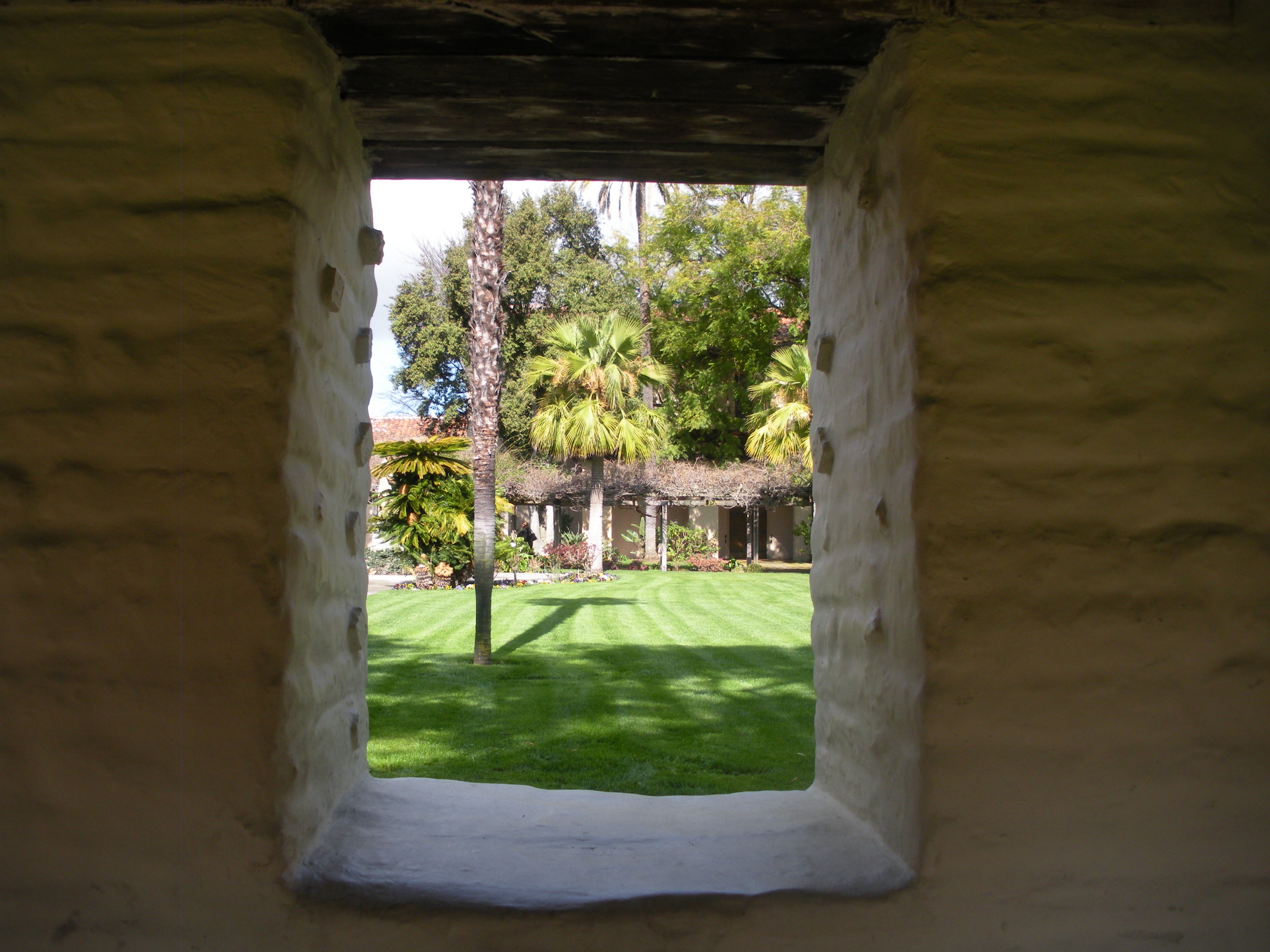
Adobe Window
Adobe Window framing the view

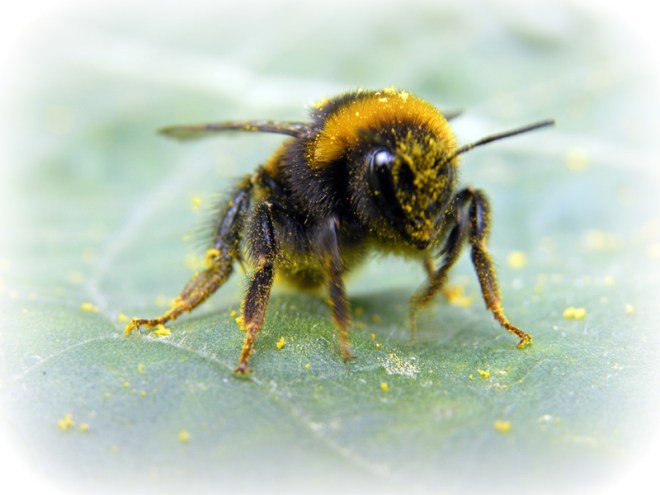
Macro delights when you’re not always sure of what you will see.

A drunken bee

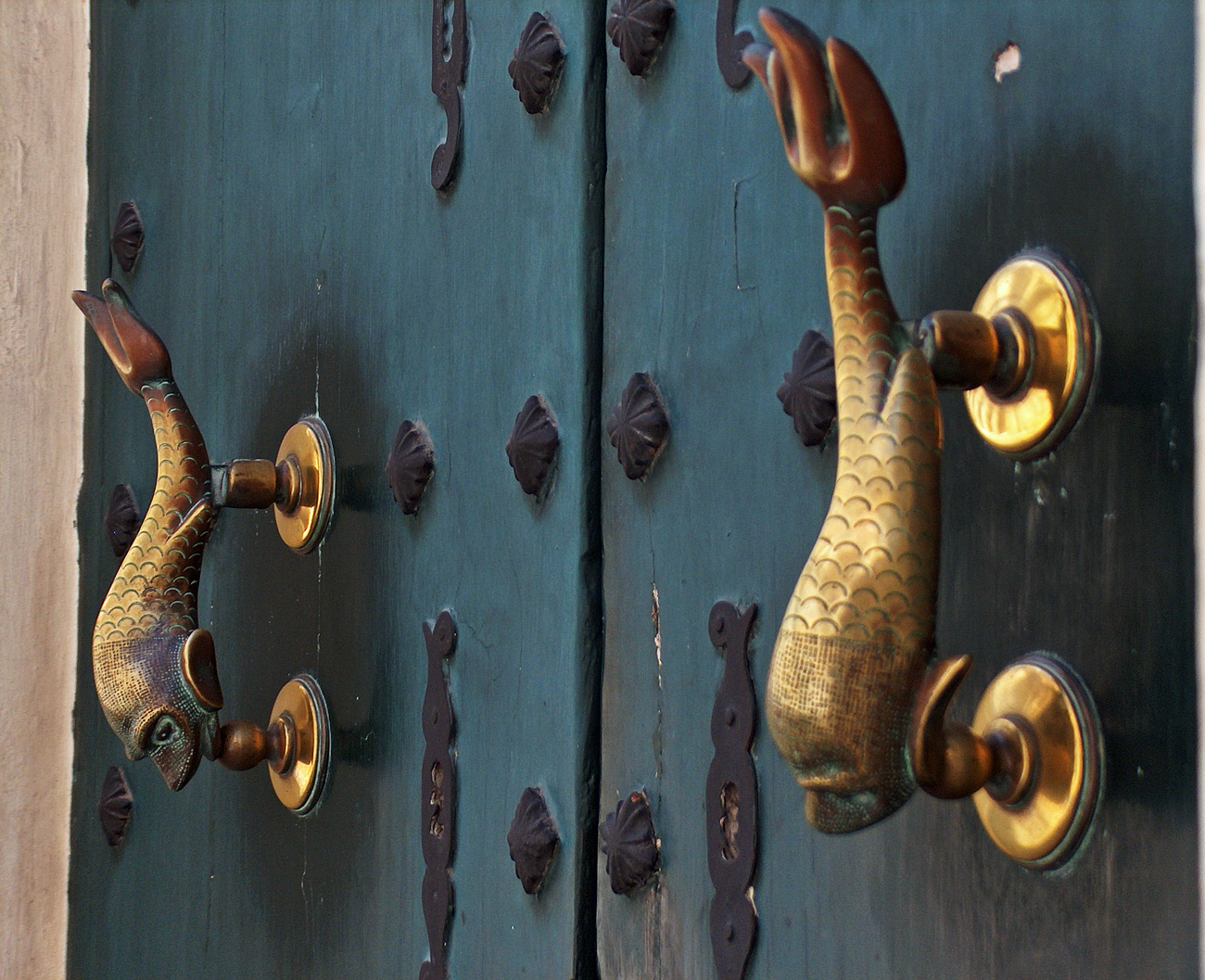
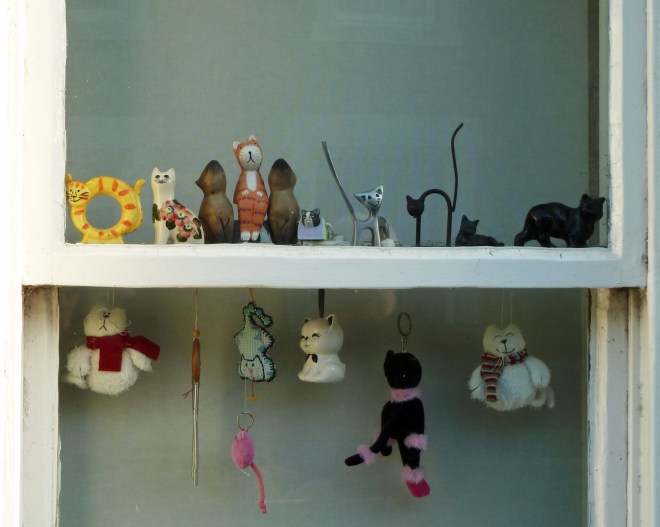
Taking time when wandering around a place to notice the unusual.

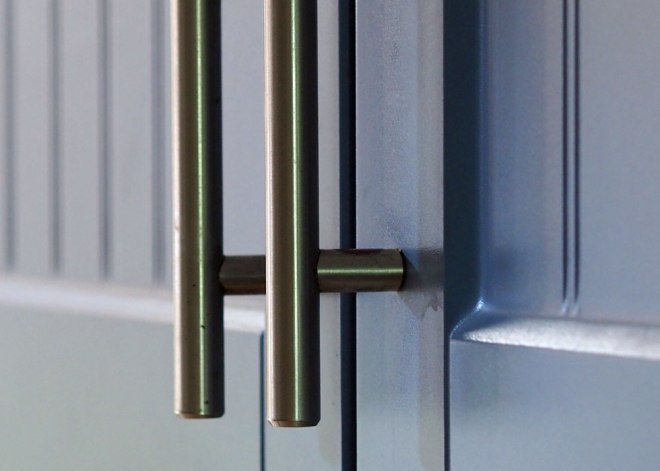
Quirky brass door handles
An unusual window display by someone who loves cats

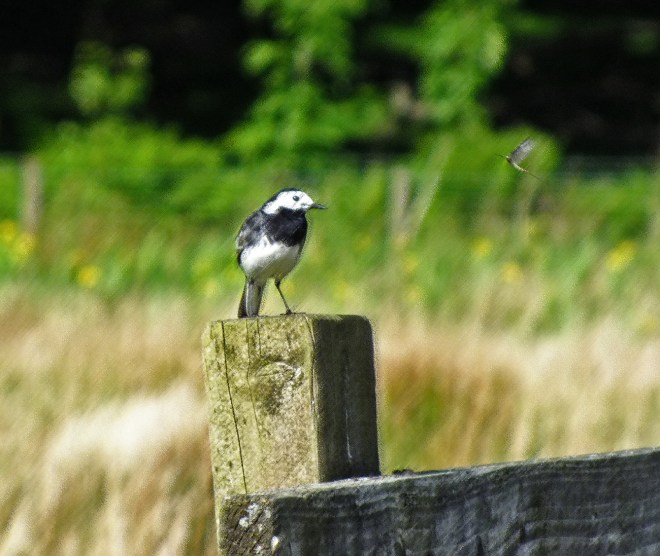
Finding the unexpected when out in nature. I was concentrating on the pied wagtail on the lovely textured fence.

A fairy? Or a wagtail’s dinner?

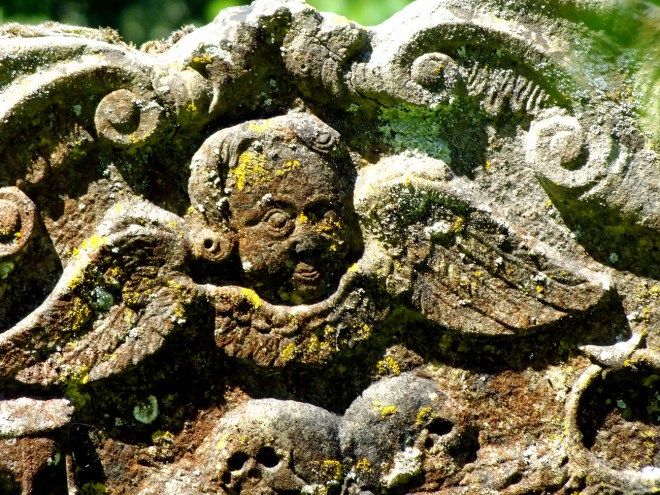
My love of textures always has me snooping around churchyards, the older the better.

Detail on a headstone

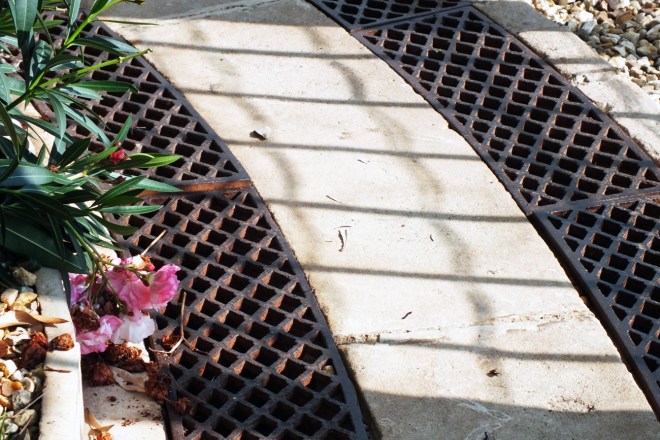
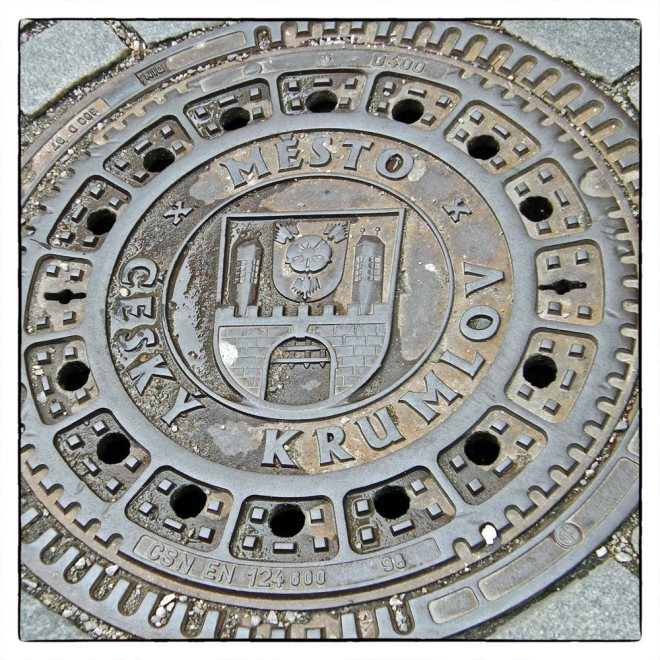
And seeking patterns in unusual places. I’m sure people think I am mad when I stop to photograph something beneath my feet.

Floor of a Victorian palm house
Manhole cover in Cesky Krumlov

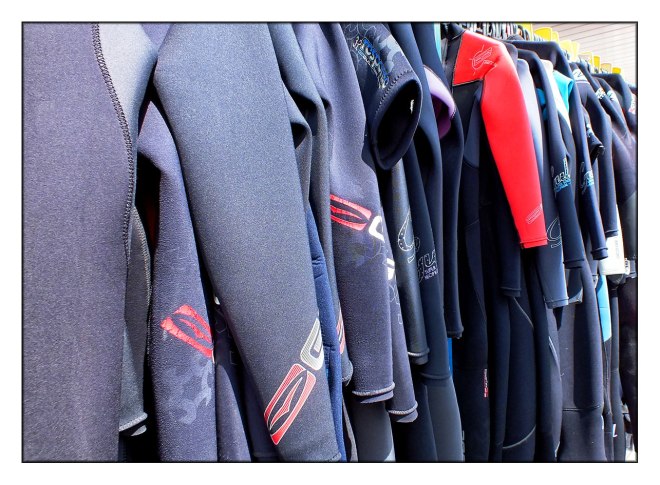
And who stops to look at a row of wetsuits they are not interested in buying? But it’s fun spotting the odd one out.

Lens-Artists Photo Challenge #260 | Overlooked

Inspiration found in the Kitchen

My kitchen is not the usual place you’ll find me with a camera, I’m more of an outdoor photographer with nature and flora my topics. But yesterday was a rainy day and I was feeling bored so I grabbed the camera and had a look around my kitchen.

It’s not a very tidy kitchen, surfaces have all sorts of appliances, jars and general ‘stuff’ on them. It’s not a normal kind of house being an extended and converted dairy milking stall so the kitchen is a kind of corridor linking the dining hall to the sitting room. No doors. And the cupboards are blue. Very blue. Nothing really matches – I still have things that belonged to my mother! And if it isn’t broken I never throw anything away.

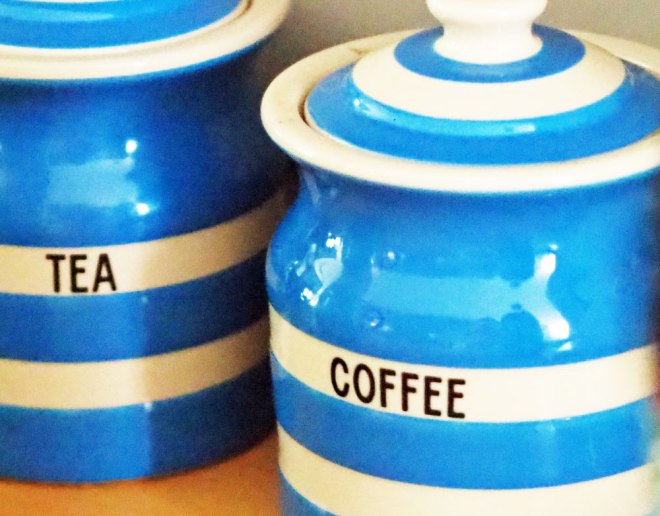
I have tried to coordinate some of the new things I have bought like my Cornishware storage jars, but I’ll never win any design awards.

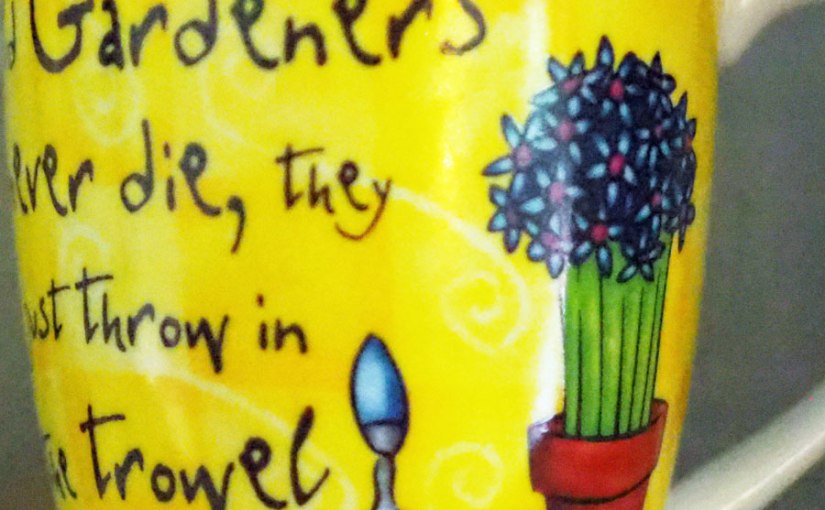
I have a lot of mugs even after giving dozens away to my daughter when we moved, and some have been bought by my grandchildren like the Gardeners one above. I use a plain white one for my herbal tea when I drink it. I had a thing for plain white crockery once.

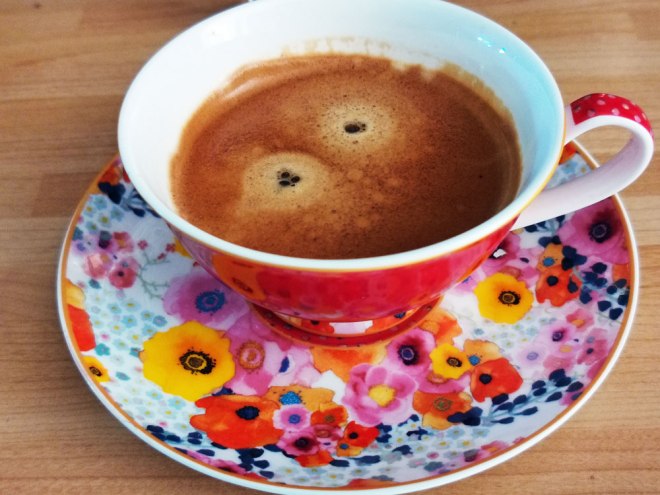
But currently my morning cup of coffee is drunk from this new cup and saucer set. Definitely not blue. But very me…

Lens-Artists Photo Challenge #256 | Kitchen  

Planes, Trains and Automobiles…

In 2005 we decided on a trip to Canada, starting with a flight to Toronto, a train to Vancouver and a ferry over to the Island where we hired a car to get around to some amazing places. So join me on my Canadian trip of a lifetime.

Air:  The following images are taken on coming in to land at Toronto as we circled right over the city. Sometimes even having a seat with a wing view can be interesting too.

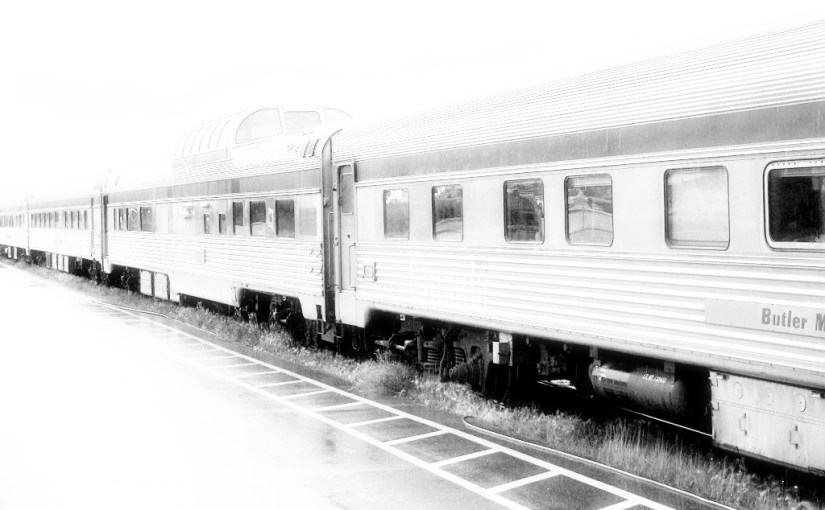
Train: After a few days exploring Toronto and a quick trip down to Niagara Falls we joined the Canadian train departing from Union Station in the country’s largest city to cross through some of Canada’s most sparsely populated regions. On the first day the panorama changes from the glass skyscrapers of Toronto to the pine trees of Sioux Lookout. Day two took us to Edmonton, crossing Winnipeg River, the Prairies and the lakes of Whiteshell Provincial Park. On the third day the train steadily climbs through the foothills of the Rockies, crossing several rivers and glacial lakes of the most stunning colours. After Jasper the train winds its way through the Yellowhead Pass, the crest of which marks the border of Alberta and British Columbia. The Canadian is in sight of Mount Robson for 16 km before turning sharply south and descending. In the early hours of the morning the mountains suddenly fall away and the Canadian follows the flat green fields along the Fraser River. It arrives at the Pacific Railway Station in Vancouver after a long and astonishing journey.

Boat: On reaching Vancouver the next step of our journey was to travel on the wonderful BC Ferries up and along the Sunshine Coast then over to Vancouver Island. I’m not a very good sailor, but would go on these ferries any time, and if you are lucky, as we were, you might catch a glimpse of a pod or two of Orcas.

Of course there are many other types of boats on Vancouver Island, so here are a few of the smaller ones.

Road: Of course the journey would not be complete without the use of our lovely Lincoln hire car. She enabled us to get off the highways and to more remote places that were not easily accessible by public transport. On and off ferries to explore the smaller islands of Hornby and Denman, over a logging route to visit Telegraph Cove, along the Pacific Rim coastline to Port Renfrew, Ucluelet and Tofino, and north to Alert Bay. But my first journeys in the car were in the environs of Vancouver – to the fabulous UBC Anthropology Museum, Van Dusen Gardens and over the Lions Gate Bridge to Grouse Mountain.
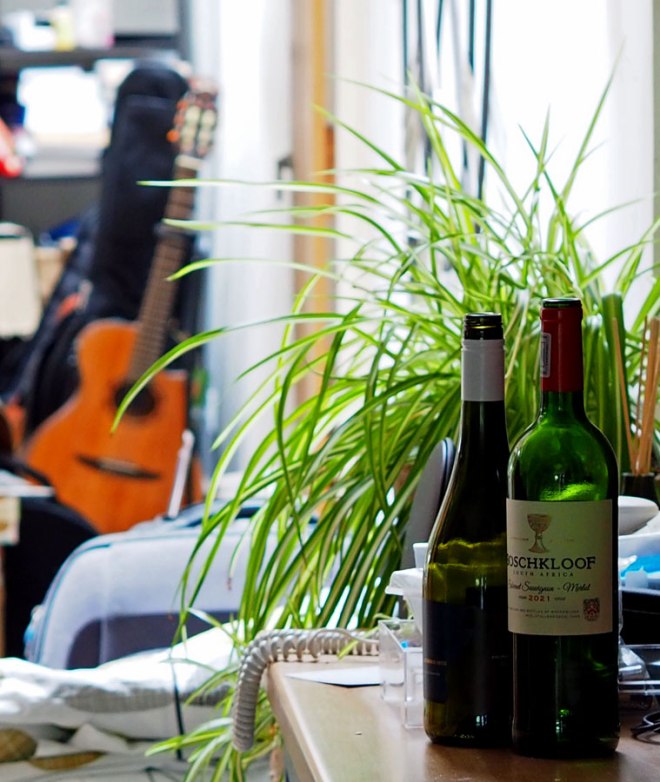
And of course there are many other methods of transport available in Canada. I hope you have enjoyed the ride 🙂

Lens-Artists Photo Challenge #215 |Planes, Trains and Automobiles