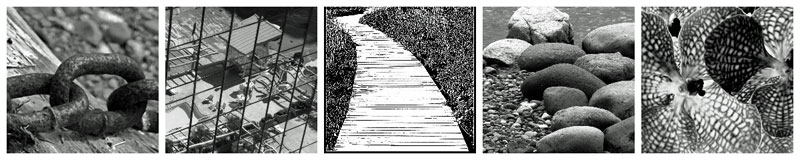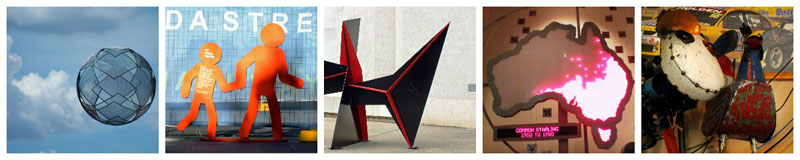
2020 Photo Challenge #50

December’s theme / technique: Shape and Form

Line, shape, and form are three building blocks to add depth and interest to your photos. How do you use them in your photography?

Shape and form are not the same.

Shape: Squares, rectangles, circles, and triangles. Shapes are two-dimensional and “flat” in nature. Think about a bird silhouetted against the sky, easily recognisable as a bird by its shape.

        • Organic shapes occur frequently in nature (hence the name). They include curves, such as those you might see in the petal of a flower and irregular shapes such as those you might see on a rock face.
        • Geometric shapes, on the other hand, are straight and symmetrical. Often man-made and found in architecture, roads and bridges
        • Regular shapes such as circles, squares and triangles with even sides convey a sense of order and stability. Note that when squares and rectangles occupy a huge part of the photo without anything else, it will appear very flat. Triangles can act as arrows to direct the attention of the viewer.
        • Irregular shapes such as rectangles, skewed triangles, parallelograms and ovals can give a photograph the illusion of motion or simply make it seem more dynamic.

Positive shape: What you see is what you get. Positive shapes are whatever the objects/buildings/things are.

Negative shape: Whatever shape that is created in the negative space as in an archway that is formed by various rock formations or two swans facing each other forming that wonderful heart shape.

Form: Spheres, cubes, cylinders, and pyramids. Forms are three-dimensional and have “volume”.

      1. For the simplest version of this idea, look at shooting into the sun, or a bright light behind your subject which created silhouettes (shapes, 2D)
      2. Shape – negative space counts too in highlighting a subject’s shape.
      3. Form – is created by light and shadows changing shapes into a 3D
      4. A 3D object can also have a strong shape
      5. Move around your subject — see how lighting and shadows changes the shape and form.
This week's assignment - find an object that seems interesting because of the way the light strikes it, or because of its volume, your photograph should focus more on your subject's form

Tip: If your subject is more interesting because of its form, you will be more concerned with light and shadow and how you can best emphasise the three dimensional shape of the object.
Continue reading 2020 Photo Challenge #50

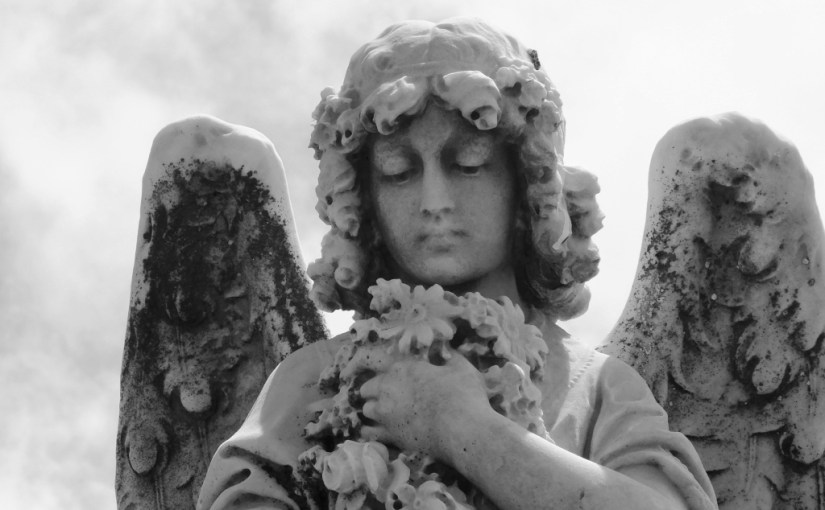
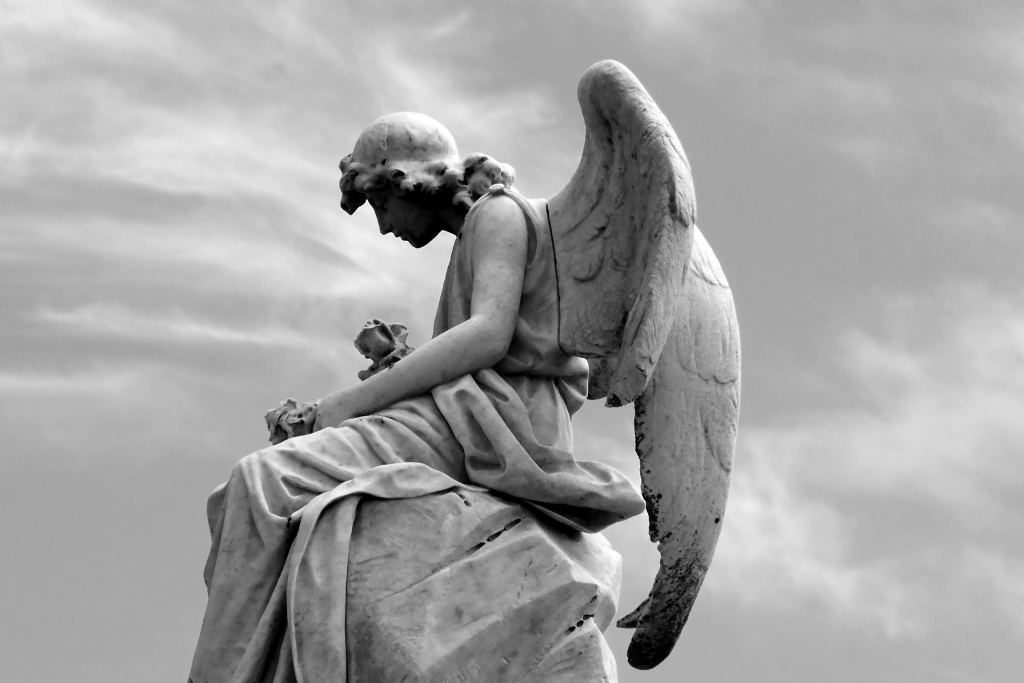
Seeking Angels

Patti’s challenge this week is going back to basics and starting with the letter A. I immediately thought of Angels and so I want to link to an older post from Australia where I spent a happy hour or so wandering around the Waverley Cemetery and finding angels.

Please click here for the original post and to leave your comments.

Lens-Artists Photo Challenge #126 | The Letter A

2020 Photo Challenge #49

December’s theme / technique: Shape and Form

If you want to see what this month’s assignments are in advance then please click here. All the assignments are available from the menu on the left under the 2020 Photo Challenge / Assignments.

Line, shape, and form are three building blocks to add depth and interest to your photos. How do you use them in your photography?

Shape and form are not the same.

Shape: Squares, rectangles, circles, and triangles. Shapes are two-dimensional and “flat” in nature. Think about a bird silhouetted against the sky, easily recognisable as a bird by its shape.

        • Organic shapes occur frequently in nature (hence the name). They include curves, such as those you might see in the petal of a flower and irregular shapes such as those you might see on a rock face.
        • Geometric shapes, on the other hand, are straight and symmetrical. Often man-made and found in architecture, roads and bridges
        • Regular shapes such as circles, squares and triangles with even sides convey a sense of order and stability. Note that when squares and rectangles occupy a huge part of the photo without anything else, it will appear very flat. Triangles can act as arrows to direct the attention of the viewer.
        • Irregular shapes such as rectangles, skewed triangles, parallelograms and ovals can give a photograph the illusion of motion or simply make it seem more dynamic.

Positive shape: What you see is what you get. Positive shapes are whatever the objects/buildings/things are.

Negative shape: Whatever shape that is created in the negative space as in an archway that is formed by various rock formations or two swans facing each other forming that wonderful heart shape.

Form: Spheres, cubes, cylinders, and pyramids. Forms are three-dimensional and have “volume”.

      1. For the simplest version of this idea, look at shooting into the sun, or a bright light behind your subject which created silhouettes (shapes, 2D)
      2. Shape – negative space counts too in highlighting a subject’s shape.
      3. Form – is created by light and shadows changing shapes into a 3D
      4. A 3D object can also have a strong shape
      5. Move around your subject — see how lighting and shadows changes the shape and form.
This week's assignment - get out and find an object where its outline is more dominant than its three dimensional qualities, you need to approach your photograph with an eye for shape rather than form. 

Tip: If your subject is more interesting because of its shape, you need to focus more on angle, perspective and the placement of other objects in the scene.

Continue reading 2020 Photo Challenge #49

2020 Photo Challenge #48

November’s theme / technique: Black and White Photography

Often overlooked black and white offers so much depth and emotion and has a timeless nature to it. It’s about searching for a new perspective and creating a visual that is better without colour. It’s about expressing emotion not just removing colour. It’s not about shooting objects that lack colour to begin with (i.e. a zebra)

“To see colour is a delight for the eye, but to see in black and white is a delight for the soul” Andri Cauldwell

Colours are great, but can add distraction to a photo. Black and White images lack those colours and allows you to focus on the contrast and patterns that you may not have previously noticed.

    • If the photo lacks definition try adjusting the contrast or using colour filters in your editing software. Yellow will make things appear darker, orange darker still and red the darkest. Green filters can bring out the detail especially in green subjects. Blue filters block red light, making reds darker.
    • The best black and white photographs often have clear ‘blacks’ and ‘whites’ to guide the viewer.
    • Look for light or dark backgrounds for your photo shoot. Then, simply choose a subject with the opposite tone (light subject with a dark background / dark subject with a light background).
    • Silhouettes don’t necessarily have to be shot with perfect backlight if the subject is dark enough and the background is light.
    • Tones – the underlying brightness, darkness, and shades of grey that appear in an image. The tones of your image – whether dark or bright – should harmonise with the character of the subject itself. Dark tones can be moody and dramatic, light tones ethereal and light.

What is important though is the compositionTry using a square format to emphasise the composition especially if there is a distinct pattern formation. When you take a picture in monochrome you may have to make different decisions about how you compose the shot.

“One sees differently with colour photography than black and white… in short visualisation must be modified by the specific nature of the equipment and materials being used” Ansel Adams

You can use Monochrome Mode on your camera, or turn colour photos into black and white with your favourite post-processing application.

This month's final assignment - Try your hand at urban photography. Look for interesting architectural objects or street scenes or even people if you are confident enough. 

Continue reading 2020 Photo Challenge #48

2020 Photo Challenge #47

November’s theme / technique: Black and White Photography

Often overlooked black and white offers so much depth and emotion and has a timeless nature to it. It’s about searching for a new perspective and creating a visual that is better without colour. It’s about expressing emotion not just removing colour. It’s not about shooting objects that lack colour to begin with (i.e. a zebra)

“To see colour is a delight for the eye, but to see in black and white is a delight for the soul” Andri Cauldwell

Colours are great, but can add distraction to a photo. Black and White images lack those colours and allows you to focus on the contrast and patterns that you may not have previously noticed.

    • If the photo lacks definition try adjusting the contrast or using colour filters in your editing software. Yellow will make things appear darker, orange darker still and red the darkest. Green filters can bring out the detail especially in green subjects. Blue filters block red light, making reds darker.
    • The best black and white photographs often have clear ‘blacks’ and ‘whites’ to guide the viewer.
    • Look for light or dark backgrounds for your photo shoot. Then, simply choose a subject with the opposite tone (light subject with a dark background / dark subject with a light background).
    • Silhouettes don’t necessarily have to be shot with perfect backlight if the subject is dark enough and the background is light.
    • Tones – the underlying brightness, darkness, and shades of grey that appear in an image. The tones of your image – whether dark or bright – should harmonise with the character of the subject itself. Dark tones can be moody and dramatic, light tones ethereal and light. (Low-key vs High-key)

What is important though is the composition. Try using a square format to emphasise the composition especially if there is a distinct pattern formation. When you take a picture in monochrome you may have to make different decisions about how you compose the shot.

“One sees differently with colour photography than black and white… in short visualisation must be modified by the specific nature of the equipment and materials being used” Ansel Adams

You can use Monochrome Mode on your camera, or turn colour photos into black and white with your favourite post-processing application.

This week's assignment - Photograph nature in black and white. This can be more challenging as we often associate the natural world with colour, so look for contrasts, shapes, patterns, tones. Experiment with high-key and low-key effects.

Continue reading 2020 Photo Challenge #47