Friends Around the Wrekin

Those of you who have been following this blog for some time will remember that I once lived in Ludlow, Shropshire with the OH for several years (he was a Shropshire lad). We moved there to help support my mother-in-law who was struggling to cope living on her own. When we finally decided to drop anchor in Cornwall (having arranged care workers to call in daily) the OH still did a monthly journey back to visit his mum.

This song was written from that journey. But I’ll let David provide the narrative.

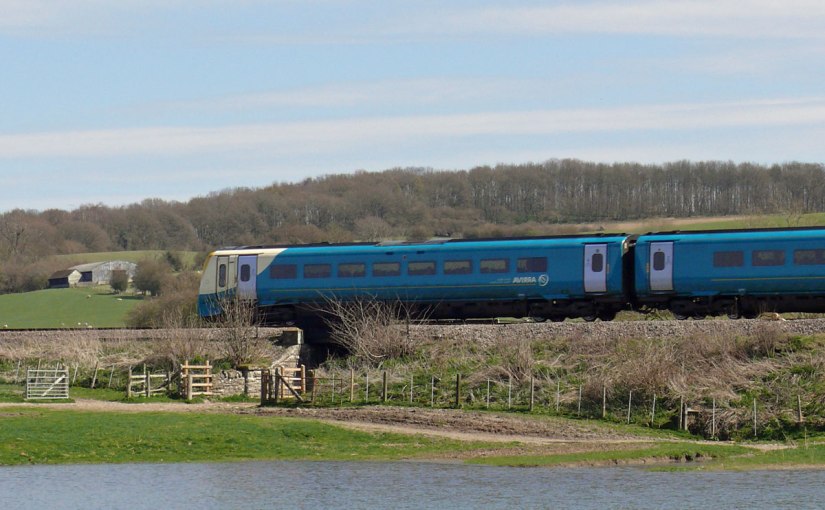
The song was actually mostly written on a train between Shrewsbury and Newport at a time when I was frequently commuting between Shropshire and Cornwall to visit my frail 94-year-old mother, who died a few months after, so it has particular resonance for me. It originally included a couple of extra verses about Hereford and the Vale of Usk, but after the ‘Wrekin’ chorus forced its way into the song, I decided to restrict it to the Shropshire-related verses. Maybe they’ll turn up sometime as another song.

(You may need to view this post on the actual website in order to play the music)

Lyrics

The Abbey watches my train crawling Southwards
Thoughts of Cadfael kneeling in his cell
All along the Marches Line,
Myth and history, prose and rhyme
But those are tales I won’t be here to tell

The hill is crouching like a cat at play
Its beacon flashing red across the plain
Once we were all friends around the Wrekin
But some will never pass this way again

Lawley and Caradoc fill my window
Facing down the Long Mynd, lost in rain
But I’m weighed down with the creaks and groans
Of all the years I’ve known
And I don’t think I’ll walk these hills again

Stokesay dreams its humble glories
Stories that will never come again
Across the Shropshire hills
The rain is blowing still
But the Marcher Lords won’t ride this way again

The royal ghosts of Catherine and Arthur
May walk the paths of Whitcliffe now and then
Housman’s ashes grace
The Cathedral of the Marches
He will not walk Ludlow’s streets again

The hill is crouching like a cat at play
Its beacon flashing red across the plain
Once we were all friends around the Wrekin
But some will never pass this way again
And I may never pass this way again

Historical Notes

‘The Abbey’ is actually Shrewsbury’s Abbey Church: not much else of the Abbey survived the Dissolution in 1540 and then Telford’s roadbuilding in 1836. Cadfael is the fictional monk/detective whose home was the Abbey around 1135-45, according to the novels by ‘Ellis Peters’ (Edith Pargeter).
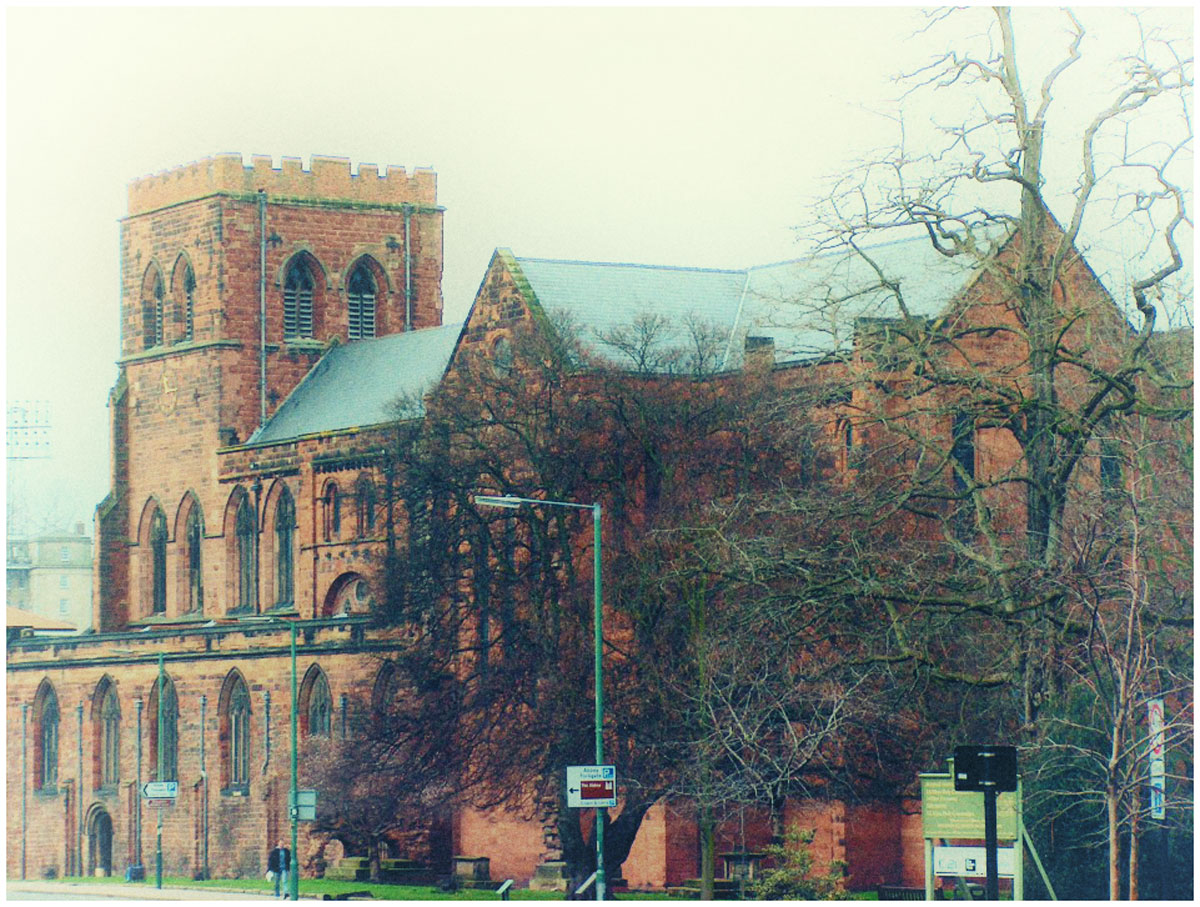
Shrewsbury Abbey

The Welsh Marches Line runs from Newport (the one in Gwent) to Shrewsbury. Or, arguably, up as far as Crewe, since it follows the March of Wales from which it takes its name, the buffer zone between the Welsh principalities and the English monarchy which extended well into present-day Cheshire.

‘The hill’ is the Wrekin, which, though at a little over 400 metres high is smaller than many of the other Shropshire Hills, is isolated enough from the others to dominate the Shropshire Plain.
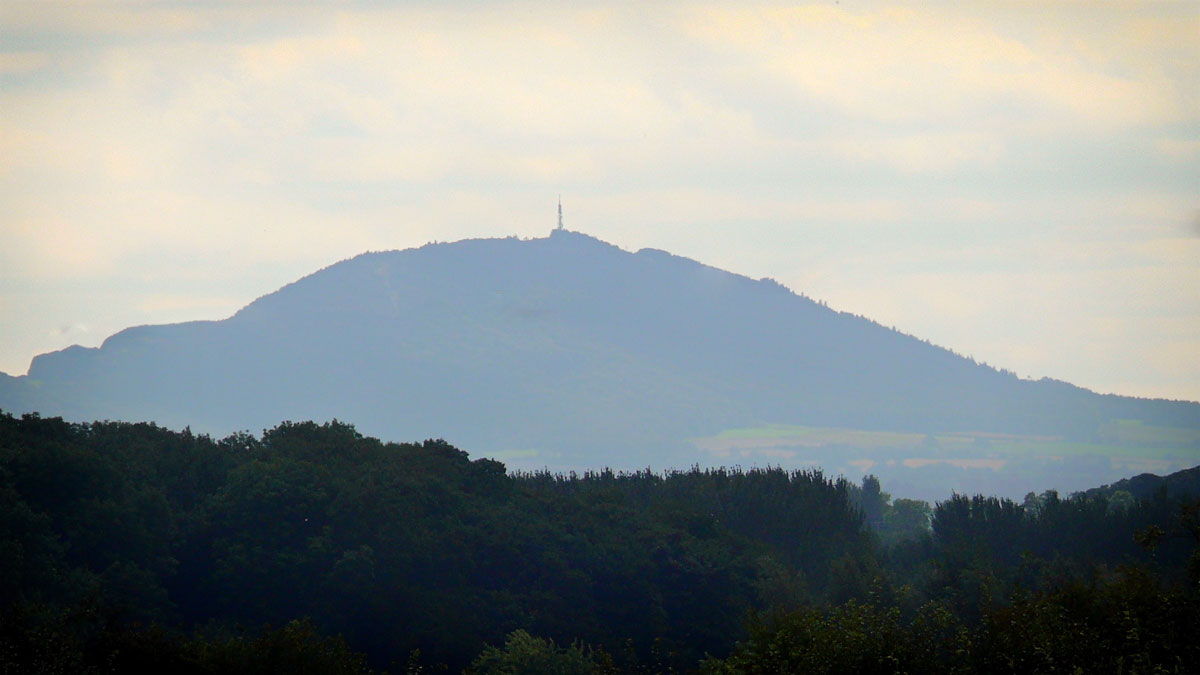
The Wrekin

The beacon is at the top of the Wrekin Transmitting Station mast, though a beacon was first erected there during WWII. The Shropshire toast ‘All friends around the Wrekin’ seems to have been recorded first in the dedication of George Farquar’s 1706 play ‘The Recruiting Officer’, set in Shrewsbury.
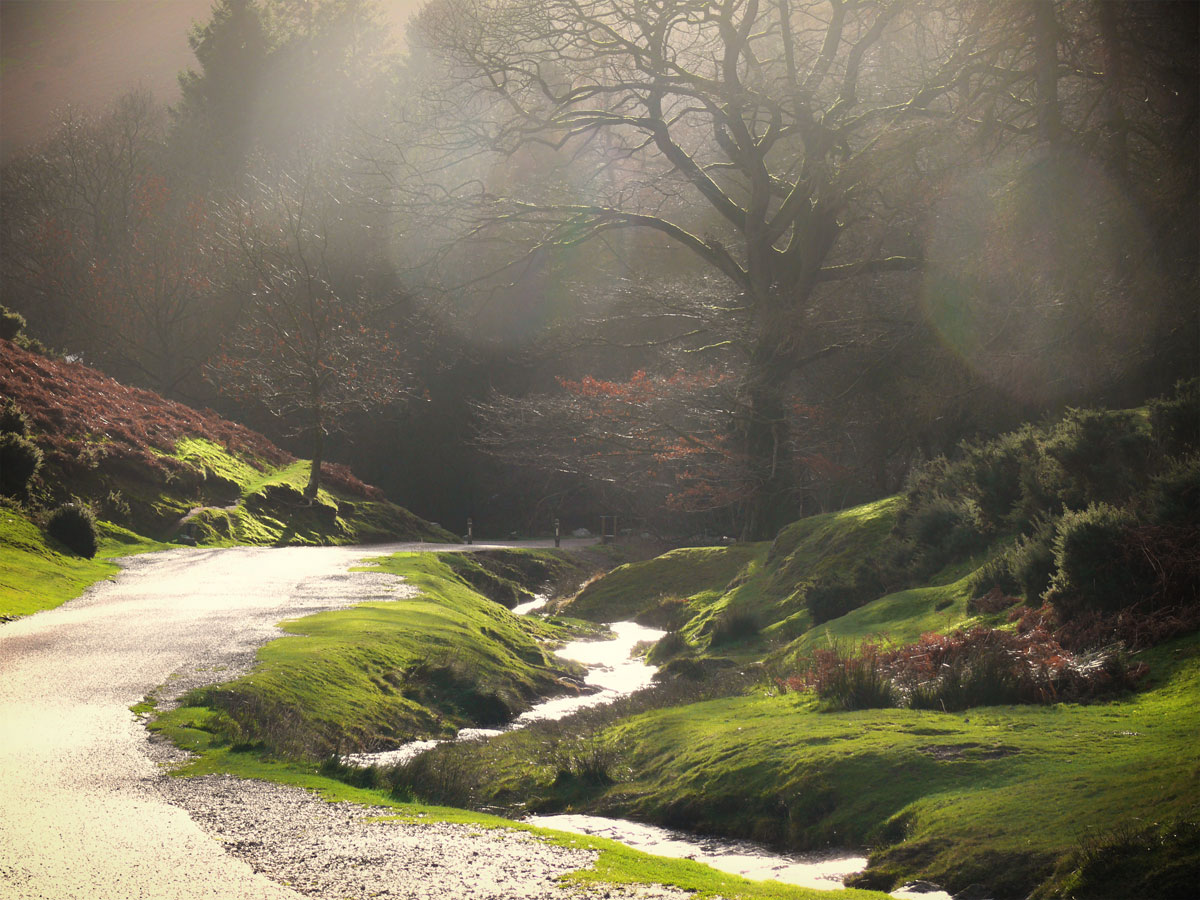
Carding Mill Valley – In the Shropshire Hills, near Church Stretton, connected to the Long Mynd.

‘Lawley’ refers to the hill rather than to the township in Telford. The Lawley and Caer Caradoc do indeed dominate the landscape on the East side of the Stretton Gap coming towards Church Stretton from the North via the Marches Line or the A49, while the Long Mynd (‘Long Mountain’) pretty much owns the Western side of the Gap.

Shropshire Hills on the east side of the Strettons

Stokesay Castle, near Craven Arms, is technically a fortified manor house rather than a true castle. It was built in the late 13th century by the wool merchant Laurence of Ludlow, and has been extensively restored in recent years by English Heritage, who suggest that the lightness of its fortification might actually have been intentional, to avoid presenting any threat to the established Marcher Lords.
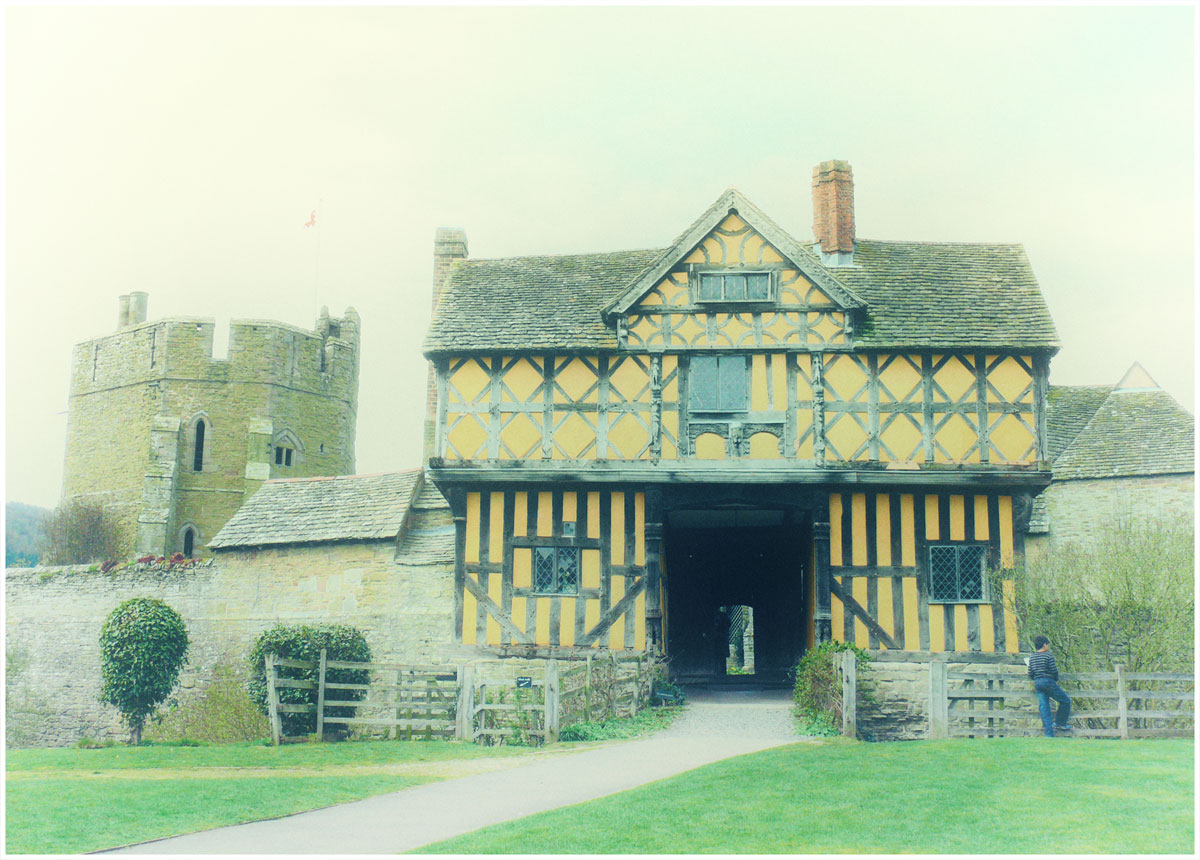
Stokesay castle and Gatehouse

Prince Arthur, elder brother of Henry VIII, was sent with his bride Catherine of Aragon to Ludlow administer the Council of Wales and the Marches, and died there after only a few months.
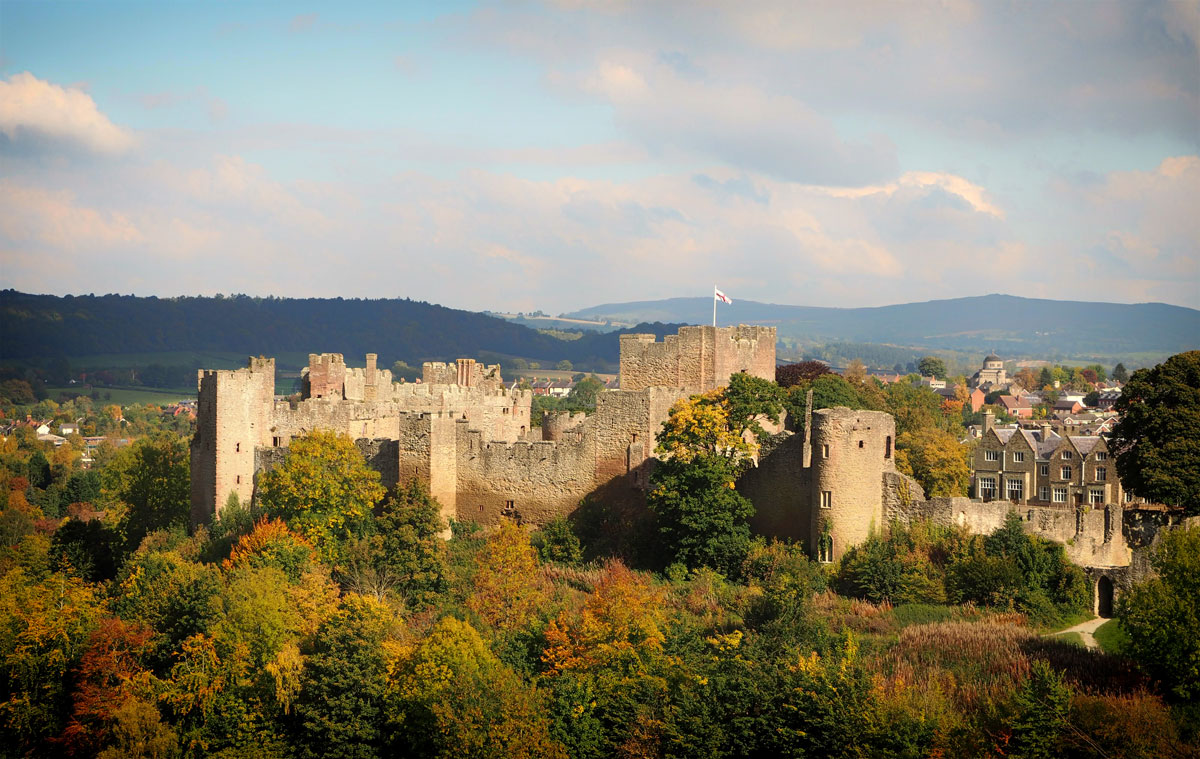
Ludlow Castle (once home to Arthur and Catherine of Aragon)

Catherine went on to marry and be divorced by Henry VIII, and died about 30 years later at Kimbolton Castle. Catherine is reputed to haunt both Kimbolton and Ludlow Castle lodge, so it’s unlikely that she also haunts Whitcliffe, the other side of the Teme from Ludlow Castle. (As far as I know, no-one is claimed to haunt Whitcliffe. Poetic licence…) The town itself does have more than its fair share of ghosts, though.
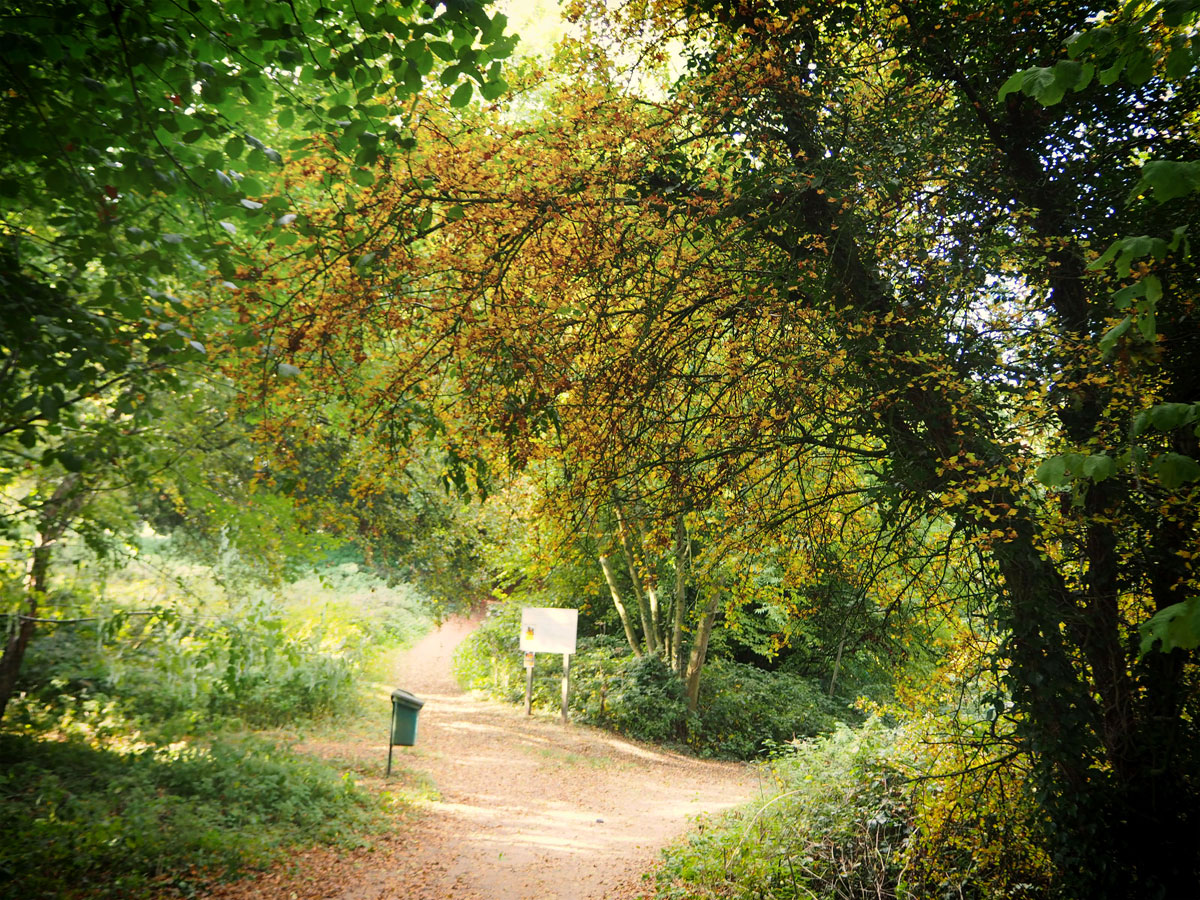
Whitcliffe Common

For some time it has puzzled me that in ‘A Ballad for Catherine of Aragon’, Charles Causley refers to her as “…a Queen of 24…” until I realized he was probably referring not to her age, but to the length of time (June 1509 until May 1533) that she was acknowledged to be Queen of England.

The ashes of A.E. Housman are indeed buried in the grounds of St. Laurence’s church, Ludlow, which is not in fact a cathedral, but is often referred to as ‘the Cathedral of the Marches’. It is indeed a church with many fine features and its tower is visible from a considerable distance (and plays a major part in Housman’s poem ‘The Recruit’).
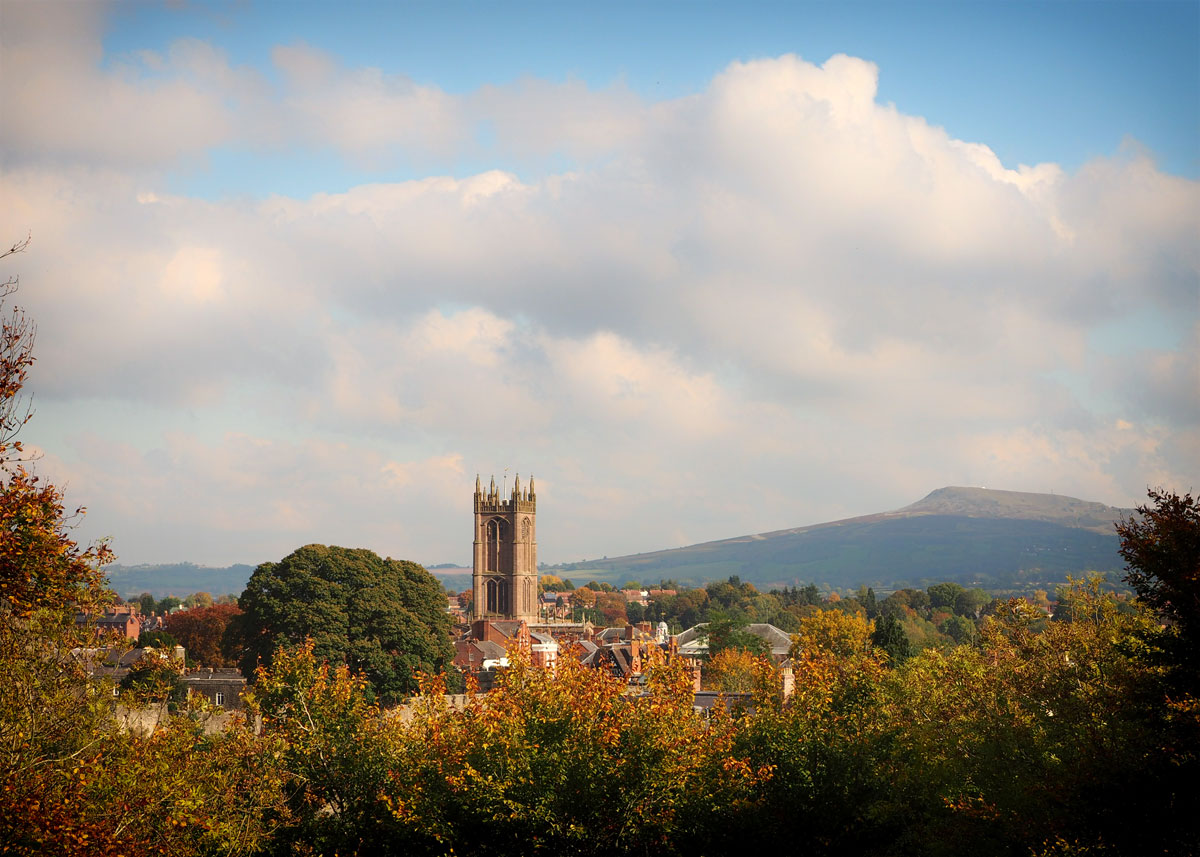
Cathedral of the Marches

RIP David: 1949 – 2025
David standing on the top of the Wrekin -25 01 2004 ( 3 months after our marriage) the only time I ever climbed up it and the only time I managed to persuade him to shave!

A – Z of Locations: M is for Market Drayton

During this year I shall be posting photographs from places around the UK, many of which have not been published before. Where I have previously blogged about a location I will provide a link to the post, though you won’t be able to comment on it as I restrict comments to six months.

M is for Market Drayton

Market Drayton is a market town in the north of Shropshire, England, close to the Cheshire and Staffordshire borders. It lies on the River Tern. Home to Müller Dairy which produces yoghurts here and a microbrewery. It is also known for its gingerbread, which was first recorded in 1793. Today, the only surviving brand still being made in the town is Billington’s Gingerbread. There is even an annual Ginger and Spice festival.

Buttercross Market

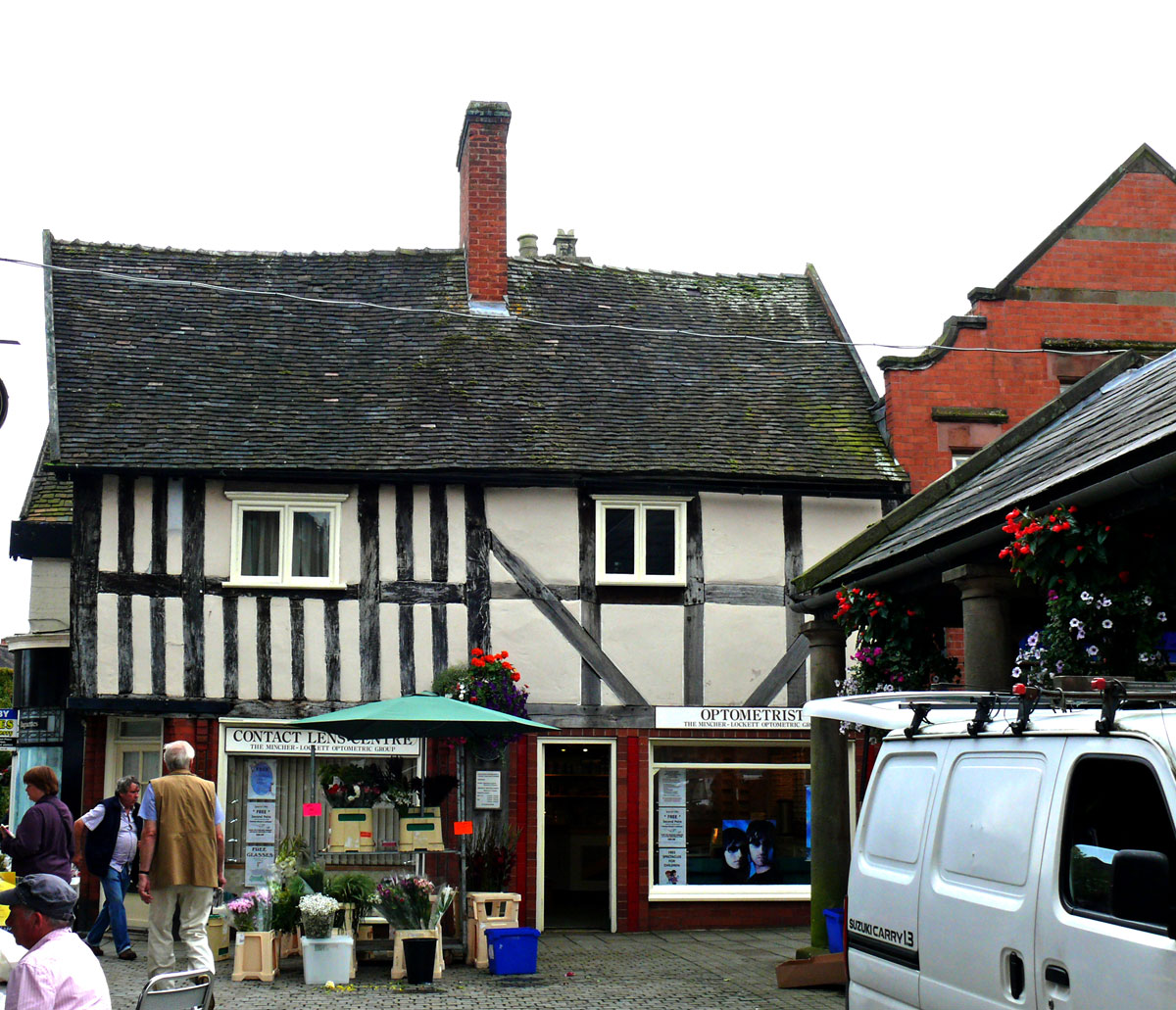
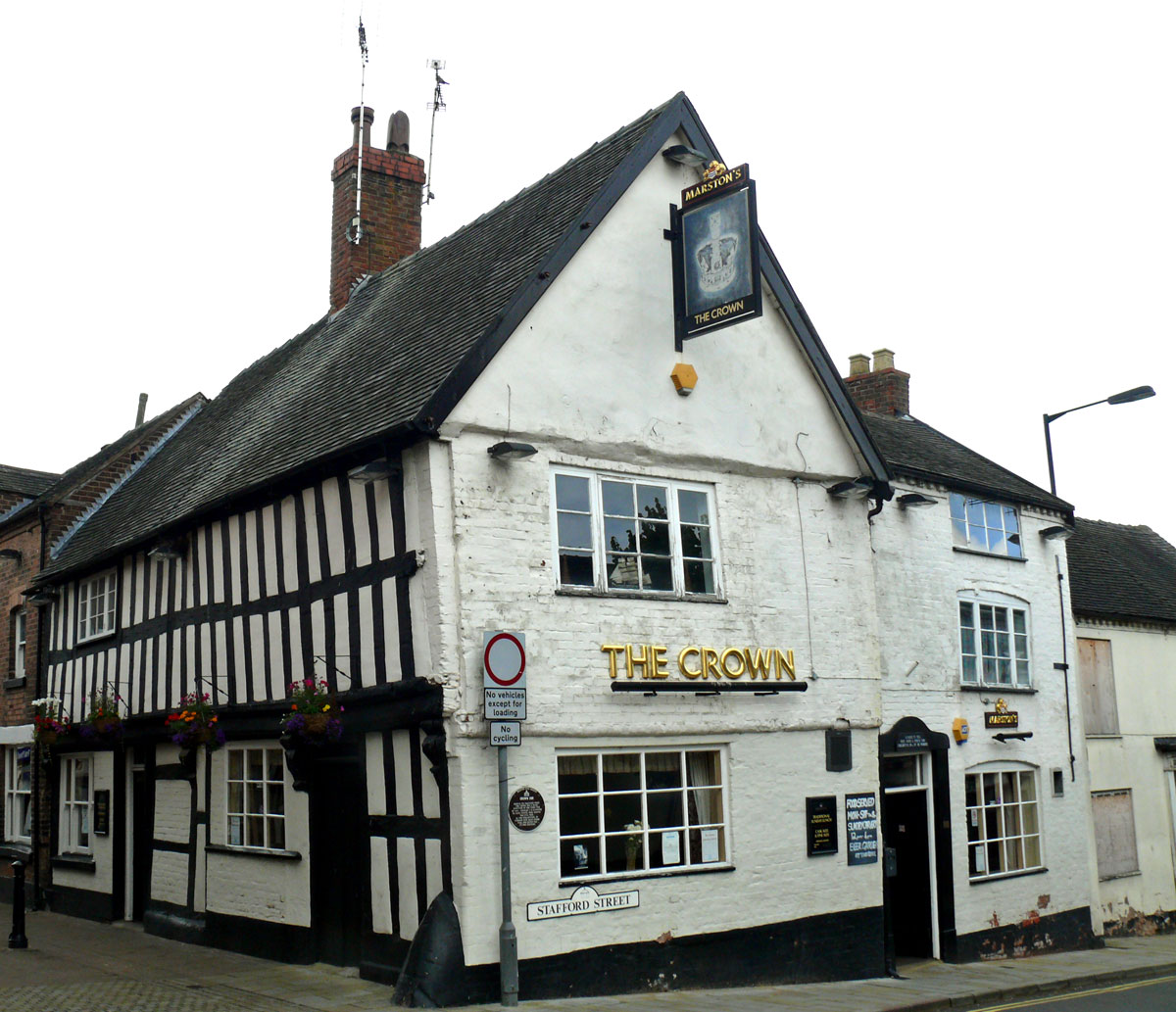
There are a number of listed buildings in the town including several timber-framed, 17th century shops and pubs around the town centre, plus Georgian and Victorian buildings. The streets converge on The Buttercross market shelter and on Wednesdays are filled with market stalls.

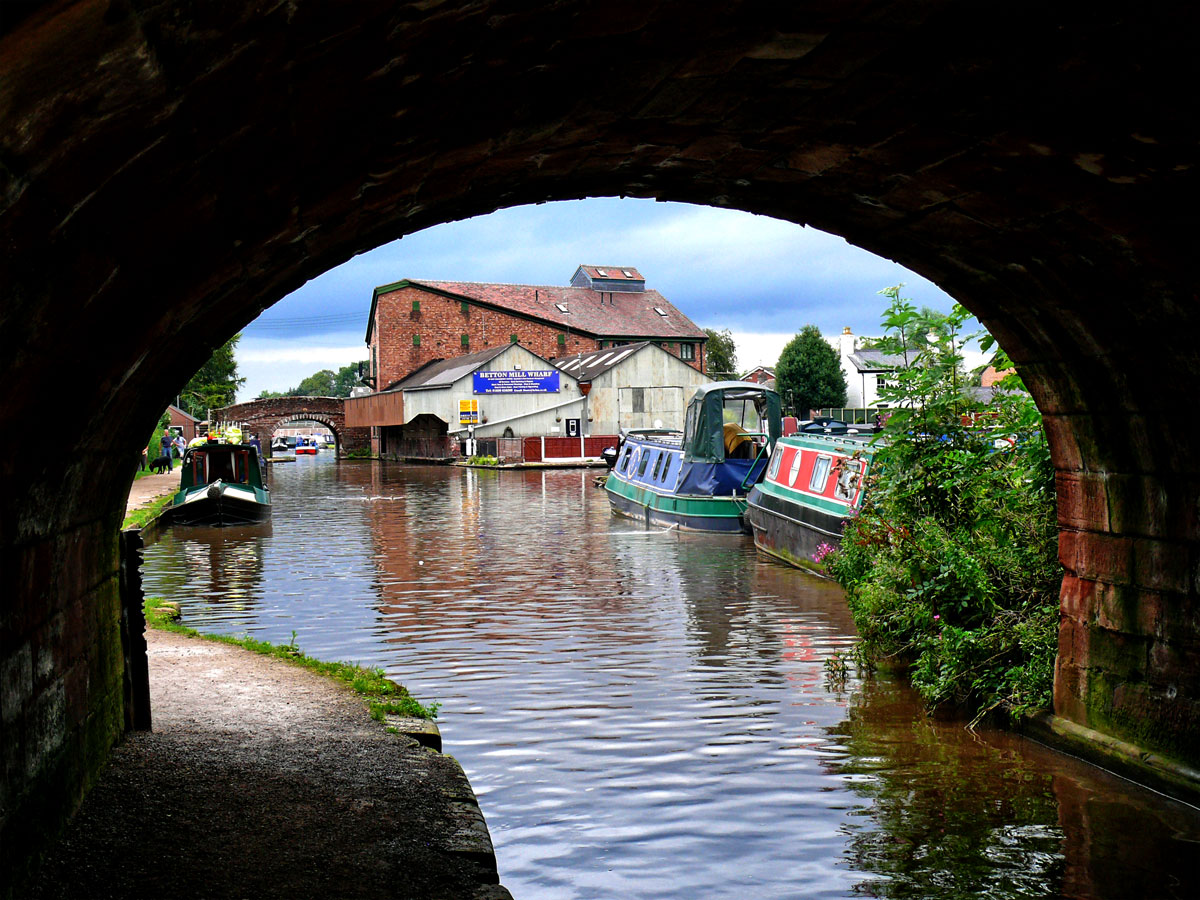
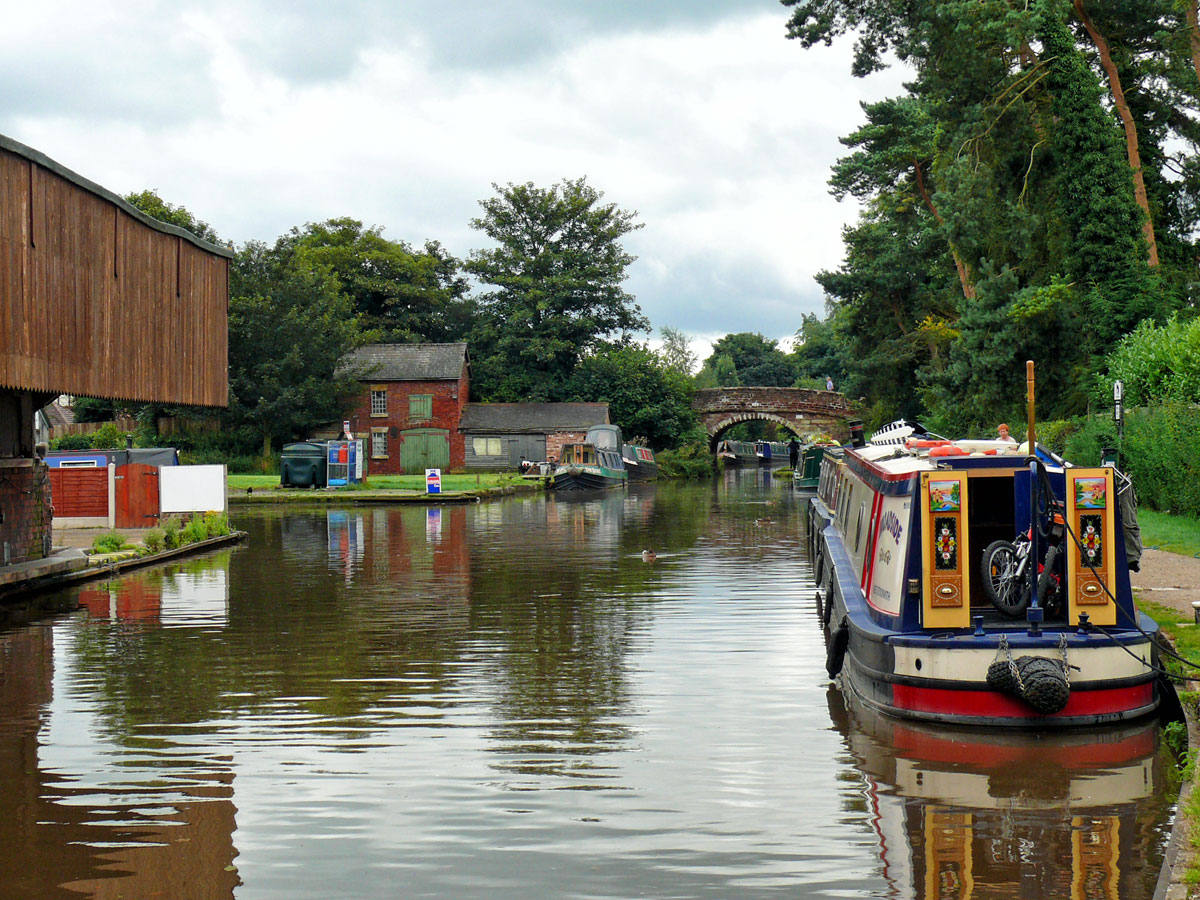
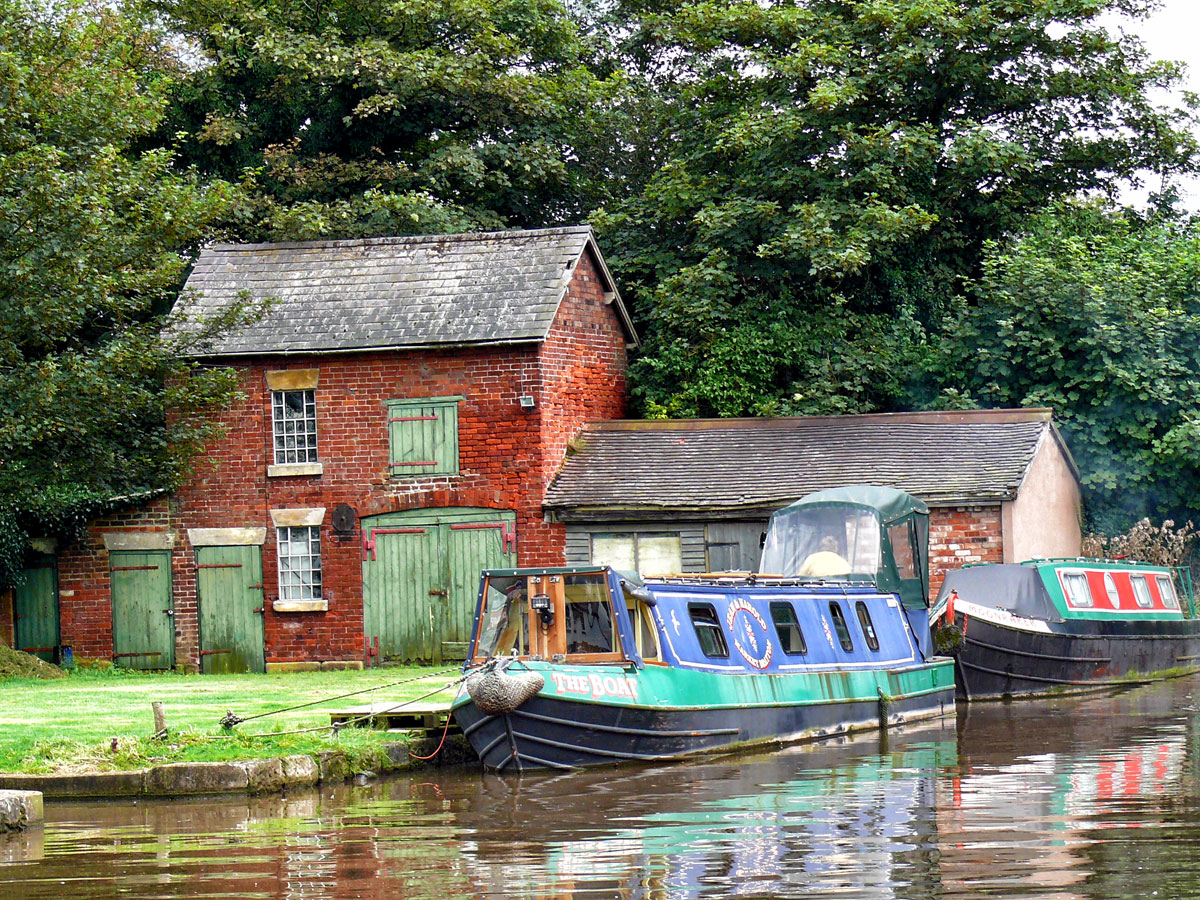
The town sits by the Shropshire Union canal about a mile from Tyrley Locks where a flight of five locks make this one of the most interesting sections of the canal.

(Bridge No 62) View of Betton Mill, now converted into apartments and Betton Bridge (No 63) straight ahead.
Shropshire Union Canal at Market Drayton.

A – Z of Locations: J is for Jackfield

During this year I shall be posting photographs from places around the UK, many of which have not been published before. Where I have previously blogged about a location I will provide a link to the post, though you won’t be able to comment on it as I restrict comments to six months.

J is for Jackfield

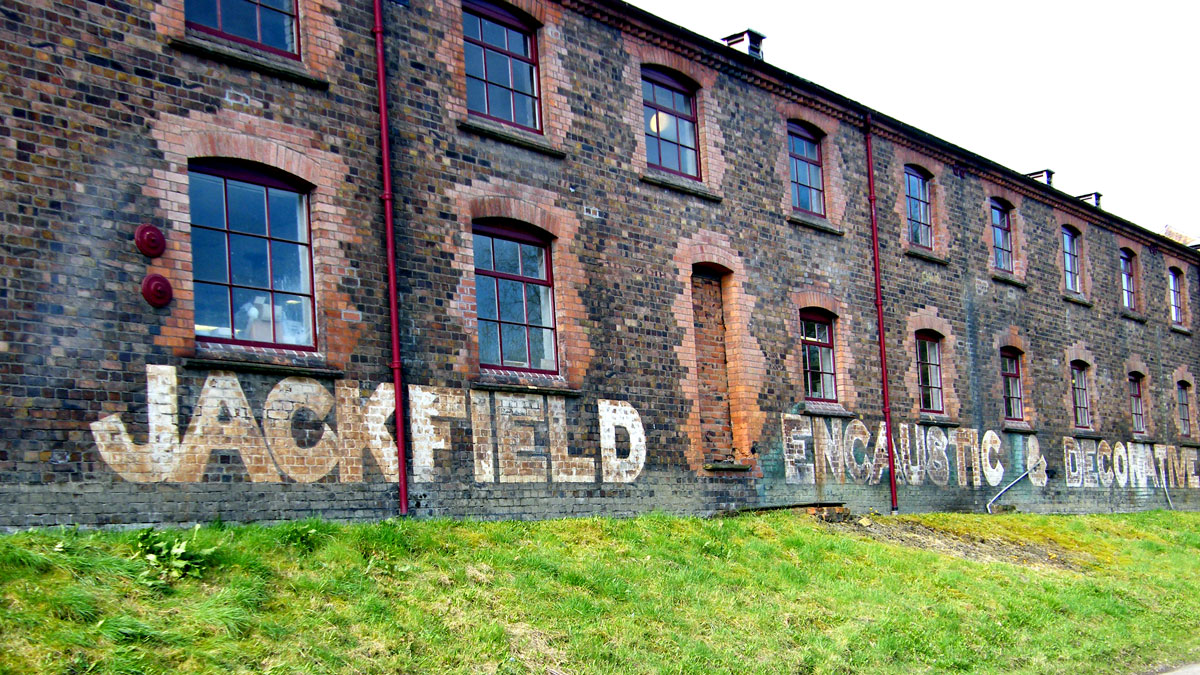
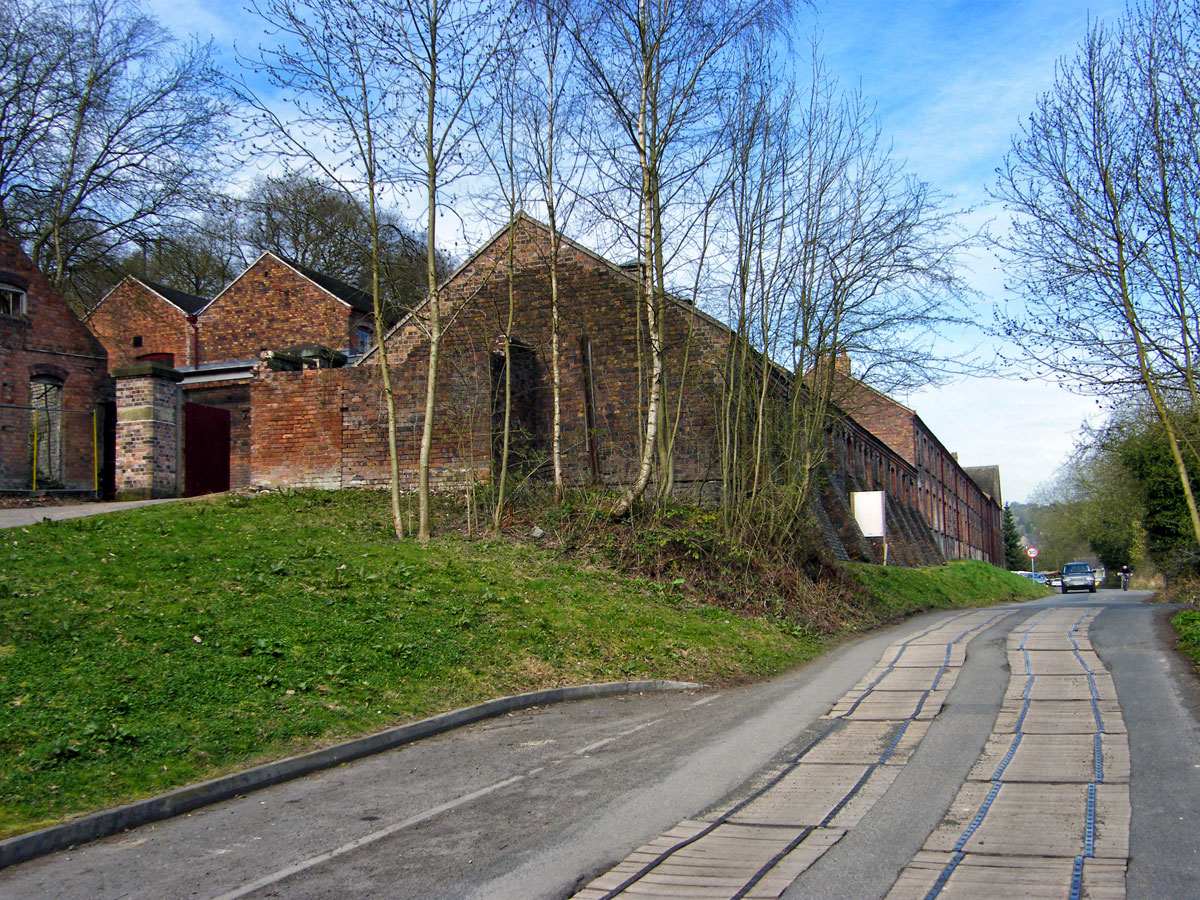
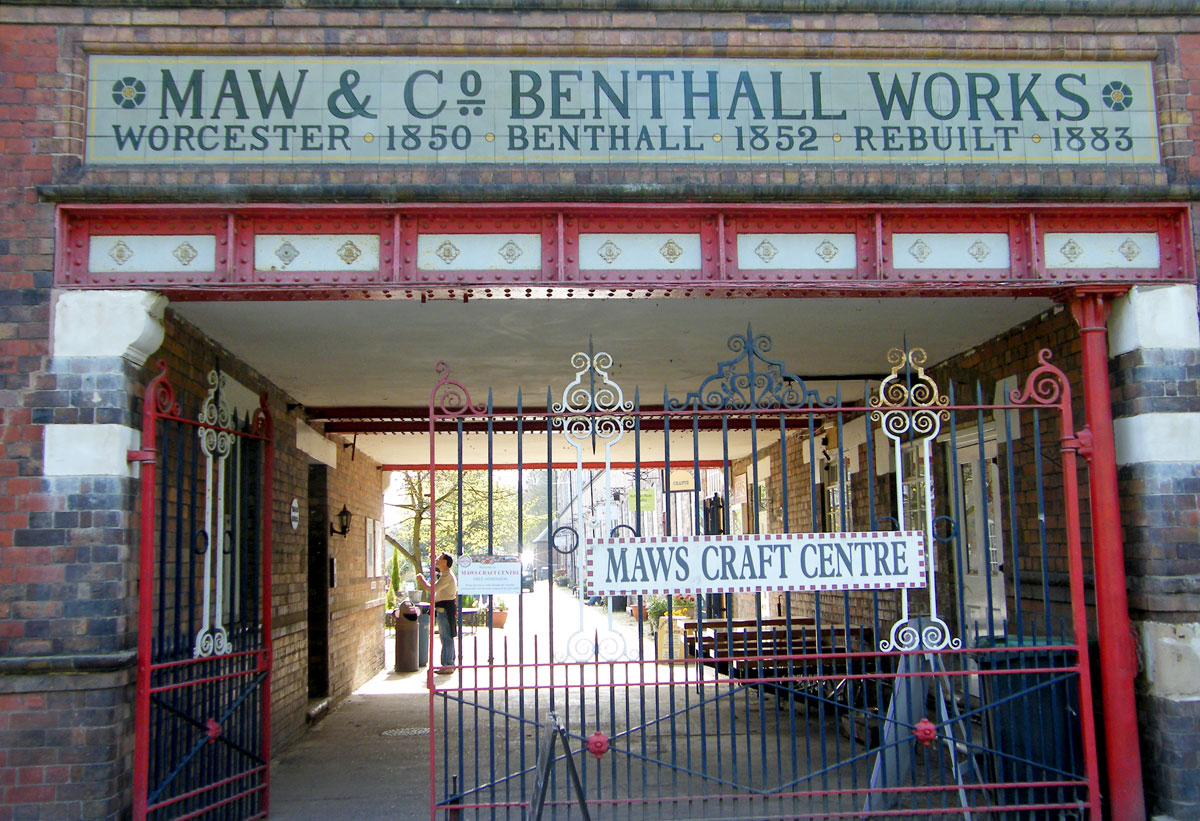
Jackfield is a village in Shropshire on the south bank of the River Severn, in the Ironbridge Gorge. There was a pottery here from at least 1634 and corn mills existed along the stream that flowed into the river. Manufacture of pottery continued throughout the 19th and 20th centuries, with specialism moving on to the production of tiles, including high quality encaustic tiles.

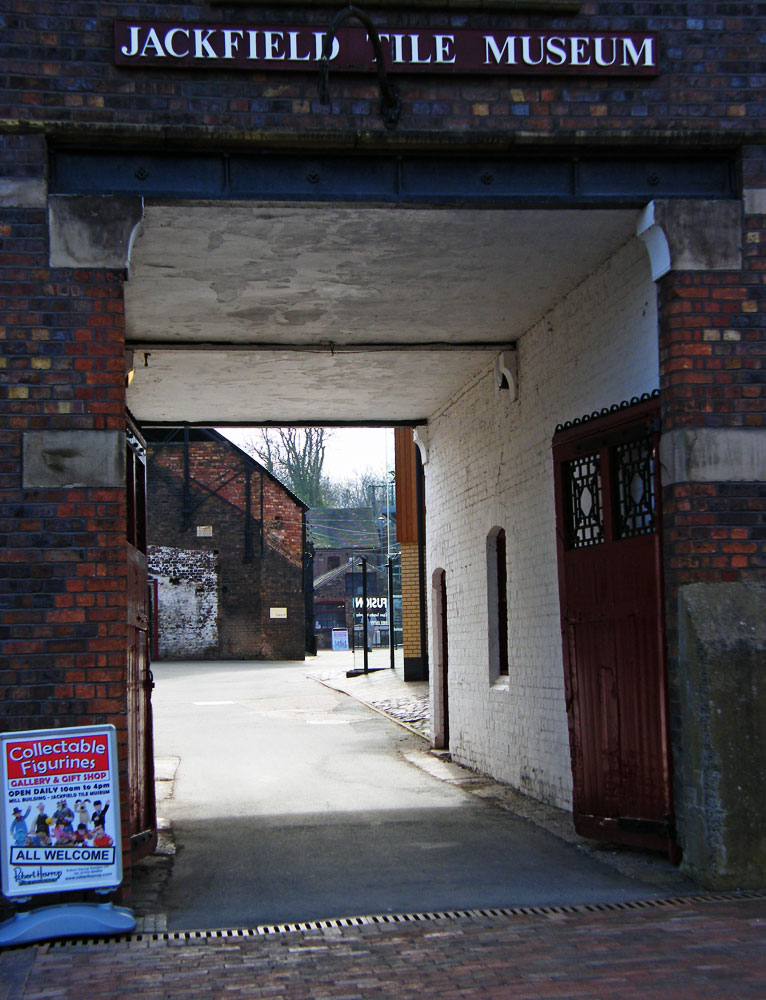
The Jackfield Tile Museum is one of ten museums in the Severn Gorge.

The Jackfield Tile Museum with some lengths of the former Severn Valley Railway trackbed today serve as a vehicle-free route for pedestrians and cyclists.

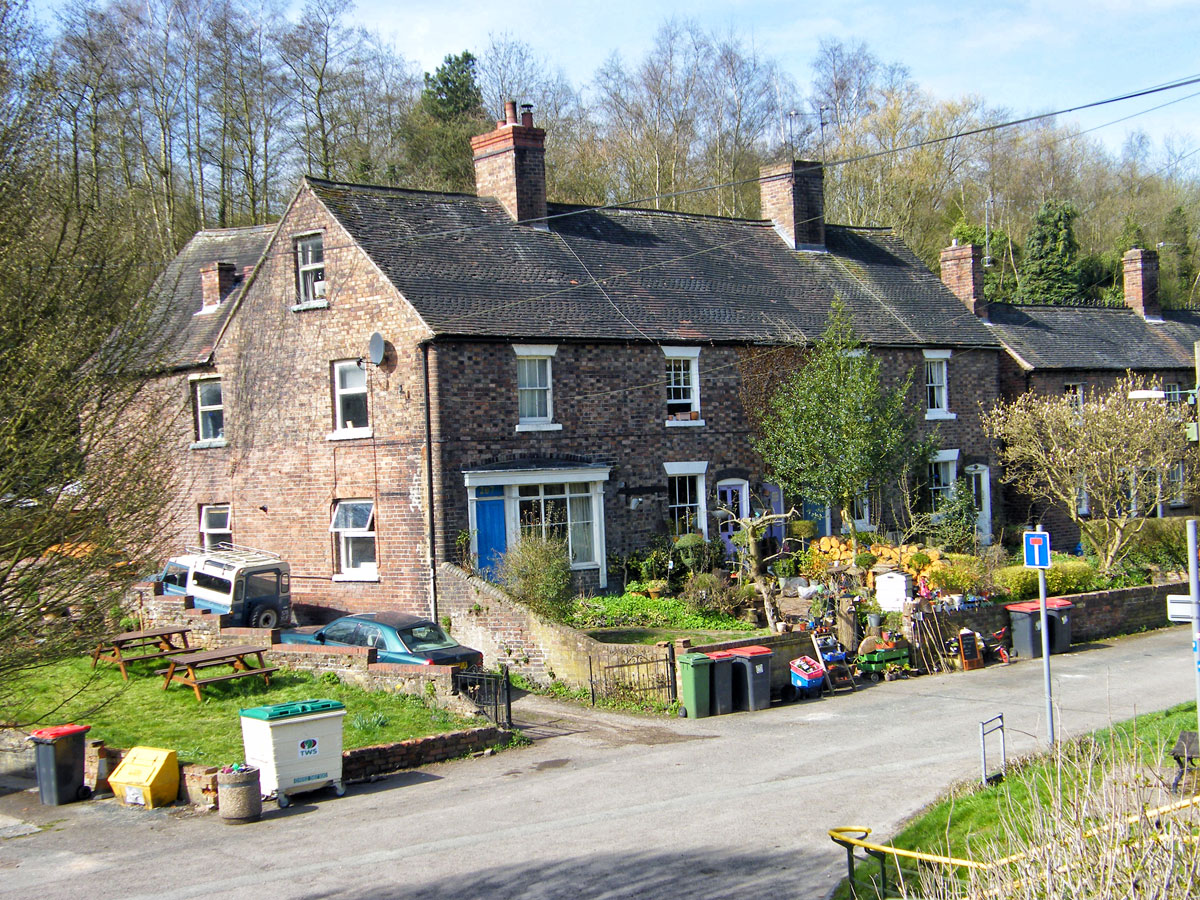
The settlement is mainly linear alongside the steep bank of the river from the Free Bridge to the Memorial Bridge which crosses over to the north bank and onto Coalport.

The Maws Craft Centre, formerly a part of the area’s tile works, is located on Salthouse Road between the Tile Museum and the Memorial Bridge and hosts a number of independent shops.
The eastern part of the settlement consists of the Tuckies and Salthouses.
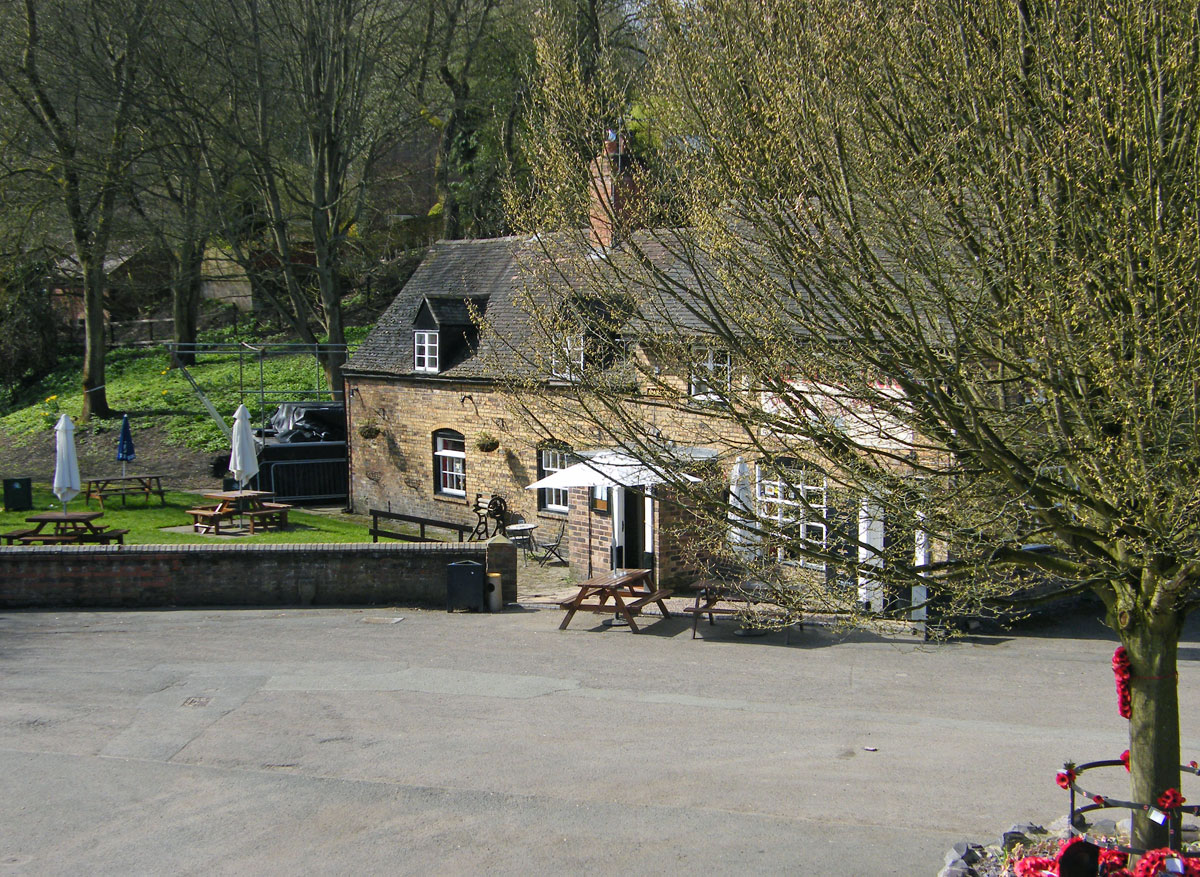
Flooding badly affects the lower parts of Jackfield from time-to-time, including the Boat House pub which has floods recorded on its front door (the highest recorded at the pub being on 1 November 2000).
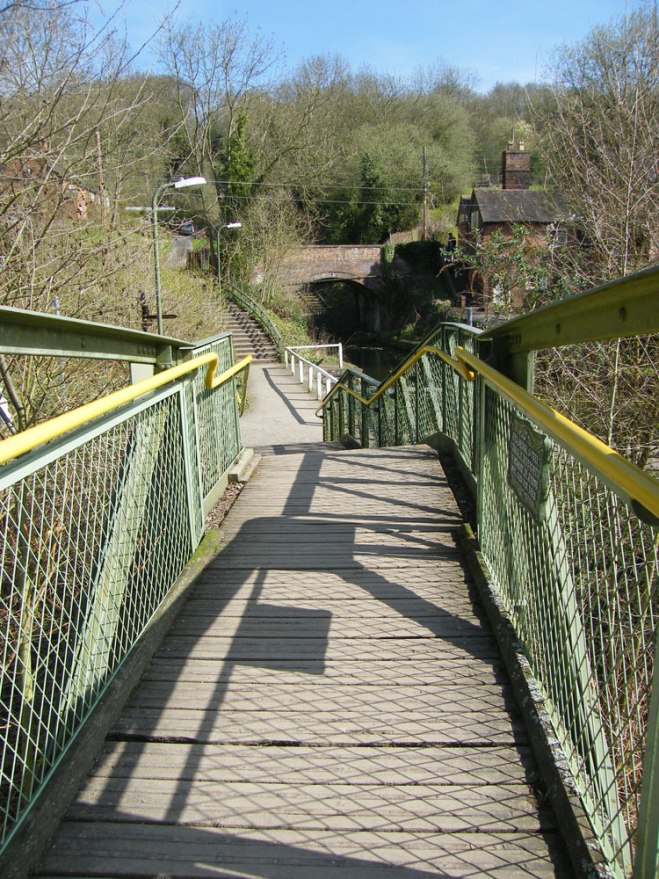
The Memorial Bridge is a footbridge spanning the River Severn, linking the Tuckies part of Jackfield with Coalport. It was built with funds raised by public subscription in 1922, and is in memorial to the men of Jackfield and Coalport who were killed in the First World War.


Flashback Friday #23

The Priors Halton Loop  was a walk for Restless Jo in 2014 when I was living in Ludlow, South Shropshire.


With the recent good weather I have been trying to get out for a daily walk. Last Sunday we set off towards Priors Halton farm, about a mile or so outside of Ludlow. It is one of the few flattish walks around here, as Ludlow is surrounded by hills.

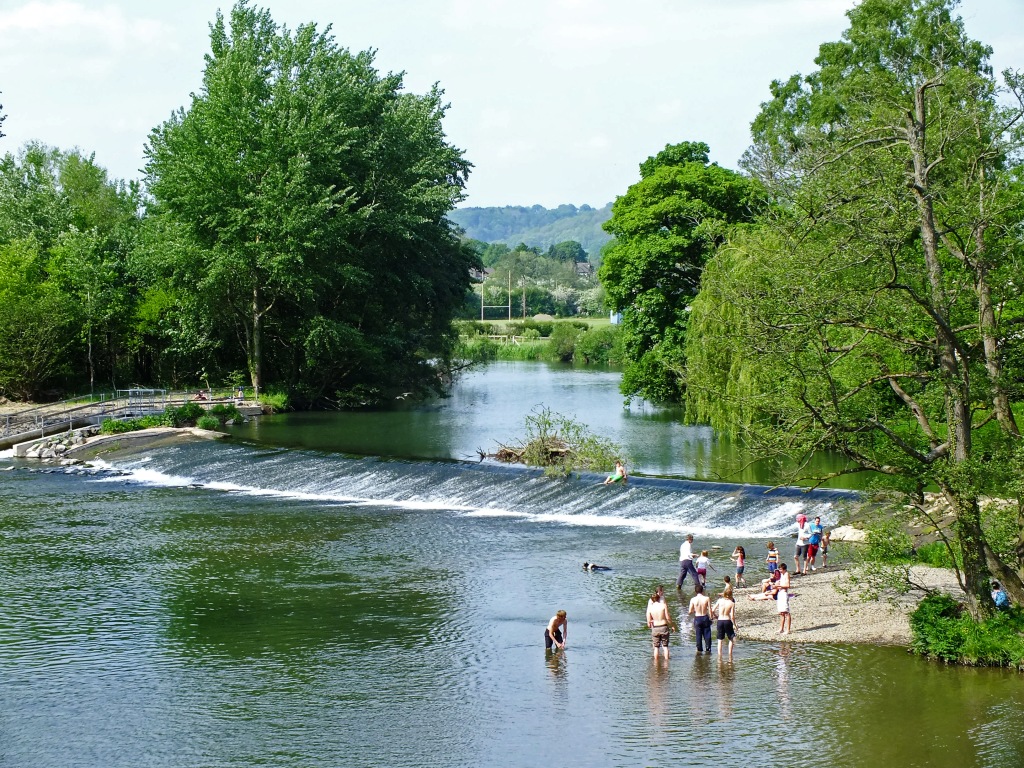
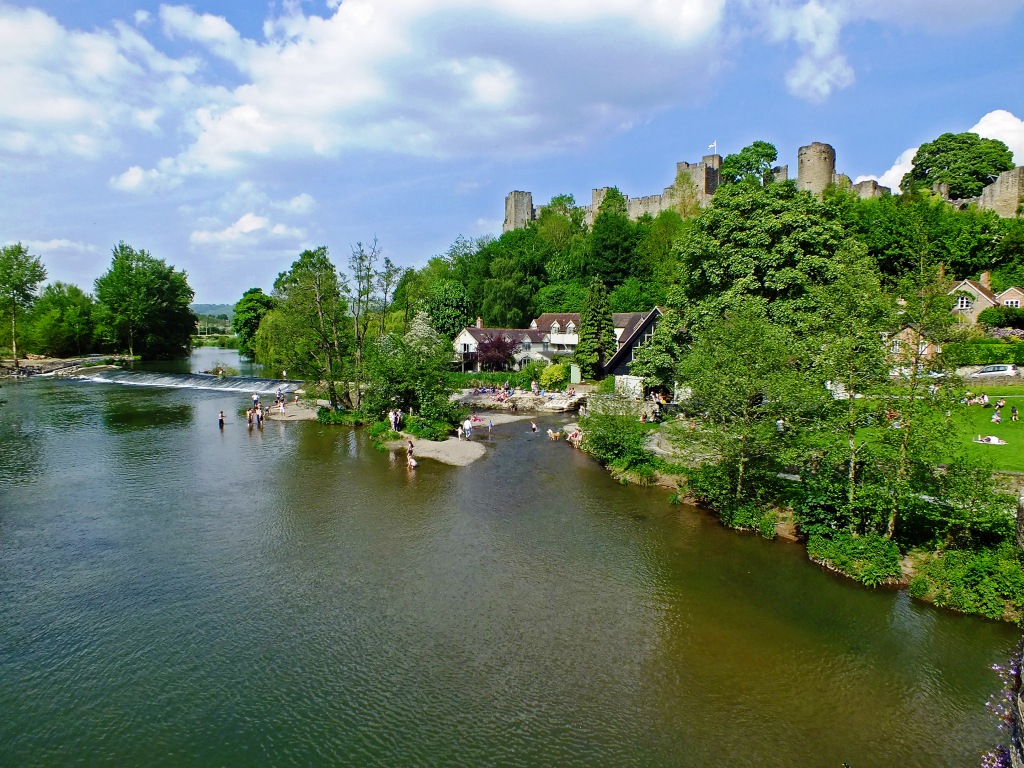
Most walks in and around Ludlow begin with crossing a bridge. This time Dinham, with a glance at ‘Ludlow Beach’, as locals name the area on the Teme where it is often safe to paddle. Repairs are being made to the weir (including a by-pass to allow salmon moving 50 miles upstream to spawn an easier way through the river ) has meant changes to the ‘beach’ too. And today there are many more youths than usual. It is a hot day, though they are a bit big to swim in the extremely shallow waters – amazing to think how high the water level was only a couple of months ago.

DSCF6523

DSCF6524Instead of heading left along the Bread Walk or ahead up the Donkey Steps onto Whitcliffe Common, today we are continuing along the road towards Priors Halton. The road ends at Priors Halton farm,  but you can continue on foot or bicycle to Lady Halton or Oakly Park and even Bromfield where you will find Ludlow Food Centre, a café and restaurant. Continue reading Flashback Friday #23

Flashback Friday #14

This post was originally published on April 02 2015 to celebrate Easter windows for the monthly challenge hosted by Dawn from ‘The Day After’ and appropriately in time for Good Friday this year! Happy Easter everybody!


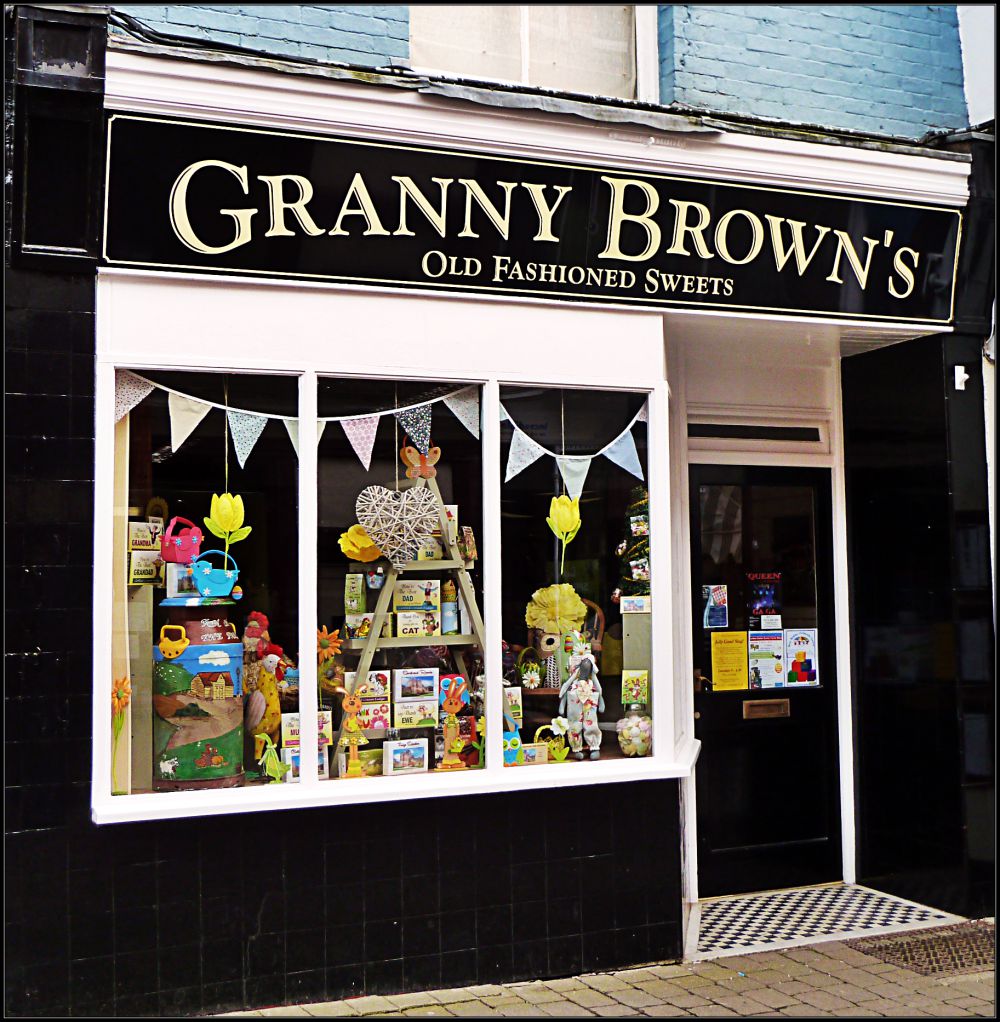
“Walking around Ludlow before Easter you can’t help noticing all the sheep and fluffy chicks and eggs adorning the window displays in the town.

The bookshop, sweetshop and even the coffee shop have a spring feeling

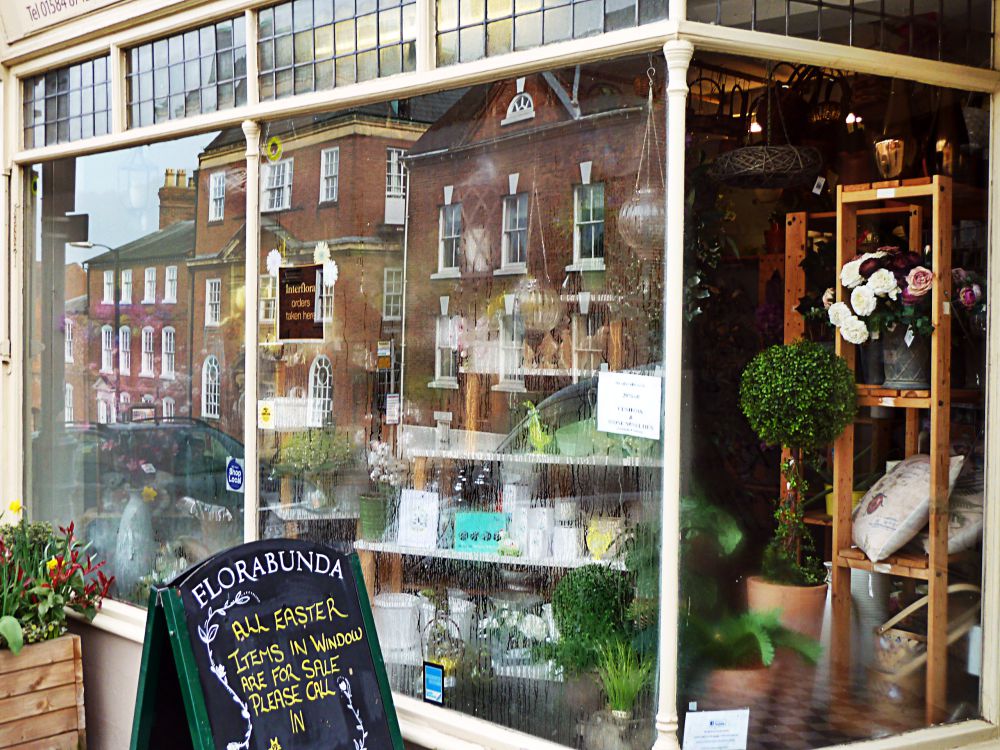
The florist is a bit steamed up…

Continue reading Flashback Friday #14