Walking in an artist’s footsteps

Whilst in Essex and with time to spare between checking out of one place and checking in to another, we decided to visit the quintessential English Dedham Valley on the borders of Essex and Suffolk where Constable drew inspiration for some of his paintings, notably “The Hay Wain“.

“The sound of water escaping from Mill dams …, willows, old rotten banks, slimy posts and brickwork. I love such things … as long as I do paint I shall never cease to paint such places.”

~ John Constable

The scene is rural England at its most romantic and although the spot which inspired him has altered slightly you can find the easily recognisable view at Flatford. The area is charming; narrow lanes lead to hamlets and meadows and there are plenty of riverside walks along the River Stour which meanders through this enchanting valley. Dedham, East Bergholt and Flatford is affectionatley known as ‘Constable Country’ and you can see examples of his work and information about the man at the National Trust exhibition centre located at Flatford.

OLYMPUS DIGITAL CAMERA

Continue reading Walking in an artist’s footsteps

In the dark

Ailsa over at Where’s My Backpack has given me the perfect opportunity to post a few night shots from my recent Barcelona trip. As someone who now lives in the countryside, where the only light is that from the moon, it opened up new photographic challenges.

Placa d'Espanya
Placa Espanya – light trails (No tripod, just balanced on a fence rail above the road.)
Arc de Triomf
Arc de Triomf – (hand-held)
Lamp-post (hand-held)
Fountain Placa de Catalunya
Fountain Placa de Catalunya (hand-held)
Street-lights (hand-held)

A brief look at Colchester

We were in Colchester at the beginning of September for a wedding so didn’t really do much in the way of exploring. Given my love for architectural styles I did have a brief wander around the Cultural area where we were staying to see what I could find.  It is of course a very old Roman town (Camulodunum ) and once the capital of Roman Britain, but was attacked and destroyed during Boudica’s rebellion in AD 61.

At only 50 or so miles north of London it is growing fast as a commuter town.

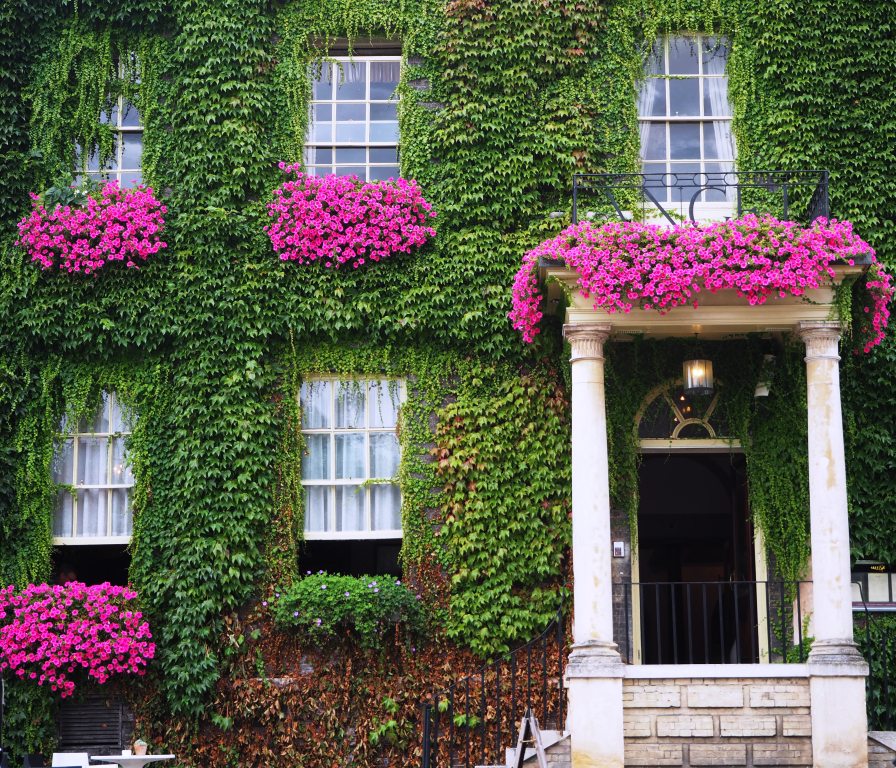
We stayed at the recently opened Greyfriars Hotel on the eastern edge of the High Street.  It is not only a beautiful C18th neo-classical building, but was for a hundred years a much-loved icon of educational excellence and, even centuries before 1755 when the current house was built, its site had religious, social and educational significance. Occupants have included friars, nuns, householders, clergy, physicians, horticulturists, an industrialist and students (young and adult). Empty from 2007 when sold by Essex County Council who decided it was no longer fit for purpose for education the building has been transformed.

The wedding we were attending was held across the road in the Minories – another lovely Georgian building and now an art gallery and centre for post-graduate study in art. This house in a very similar style to Grey Friars was bought in 1731 by Isaac Boggis a merchant in the wool trade.

OLYMPUS DIGITAL CAMERA

Continuing along the High Street you reach Castle Park and another neo-classical designed Georgian house – Hollytrees – which was built in 1718 by Thomas Blagden for Elizabeth Cornelisen. It was completed by March 1719 but unfortunately Elizabeth passed away before she had the chance to live in it. It is now a museum (free entry) and forms the eastern part of Castle Park. Continue reading A brief look at Colchester

And Yet More Post Boxes…

Some of you following this blog may remember my dip into Post Boxes? Well last week in Barcelona I was very chuffed to find a yellow one! Yay!

There are over 800 different types of post boxes in the UK alone. Perhaps you have an unusual one to share? If you do then please post it and link to this one in the comments or via a pingback. I’d love to see it.