ambience and atmosphere

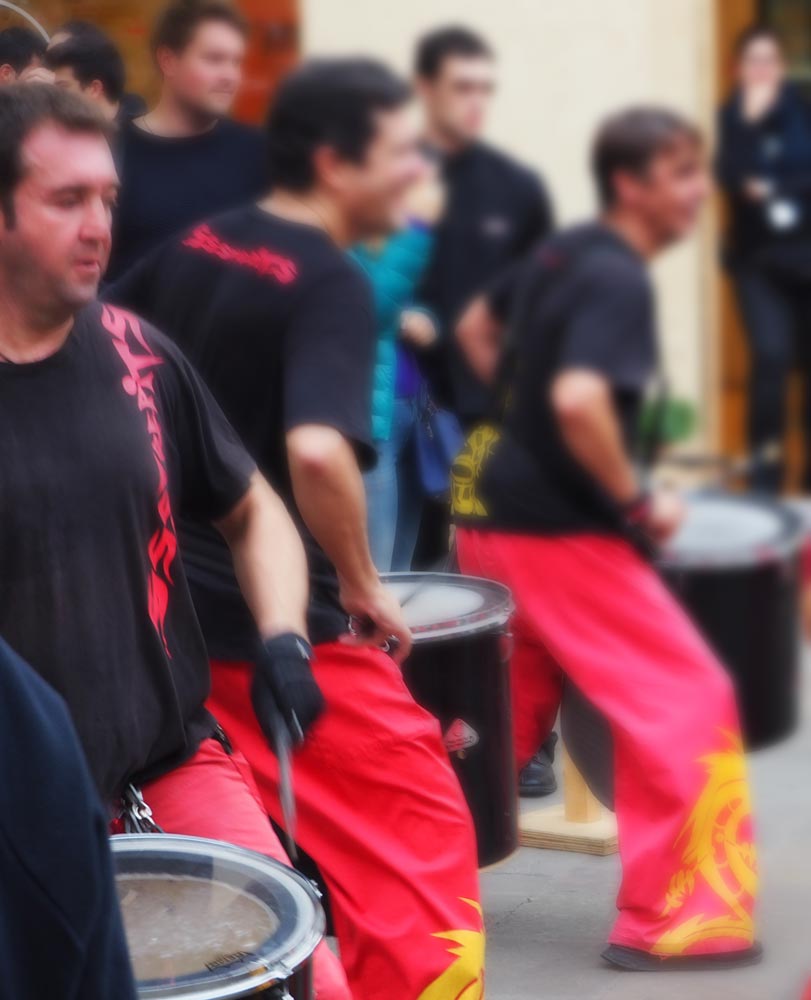
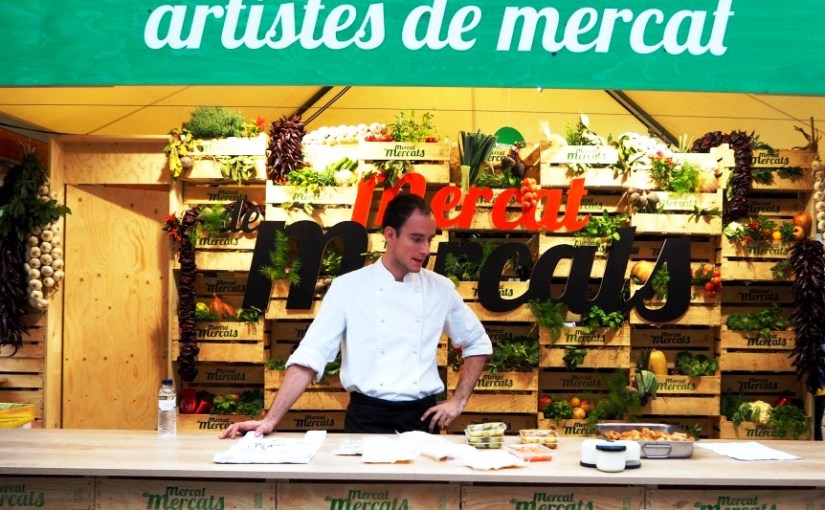
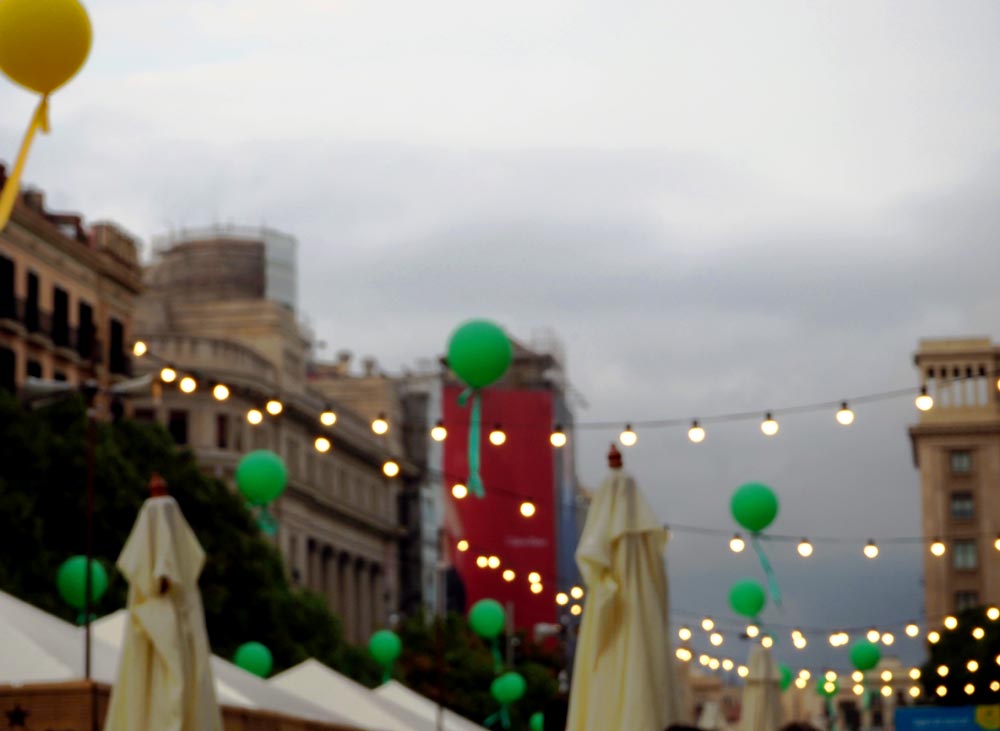
The street market in Barcelona, close to the cathedral, was buzzing with mid-afternoon crowds. Fairy lights and coloured balloons created a party atmosphere and the throb of the Barcelona street drummers, the whistles and cheers of the crowd, all added to the ambience. You could hear and smell this place before you arrived.
ambience

ambience2

But let’s get down to the food:

naughty chocolates and pretty macarons (though I have to confess to never having tasted one)
OLYMPUS DIGITAL CAMERA
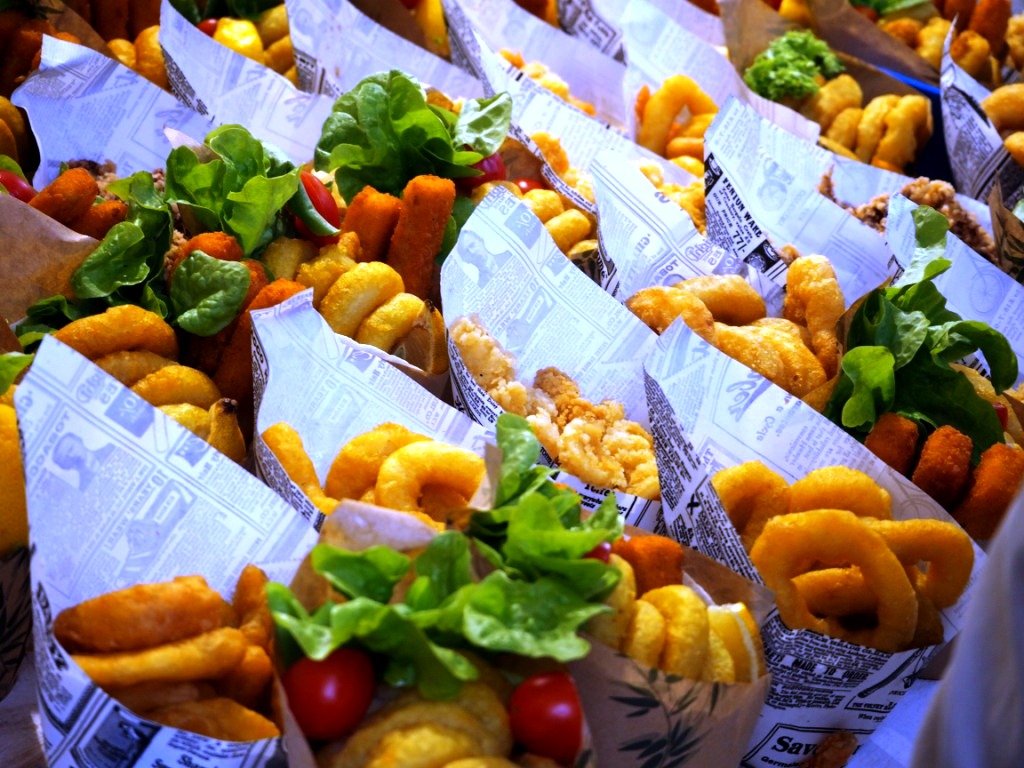
Calamari anyone?

tempting offerings from the sea, wrapped in newsprint

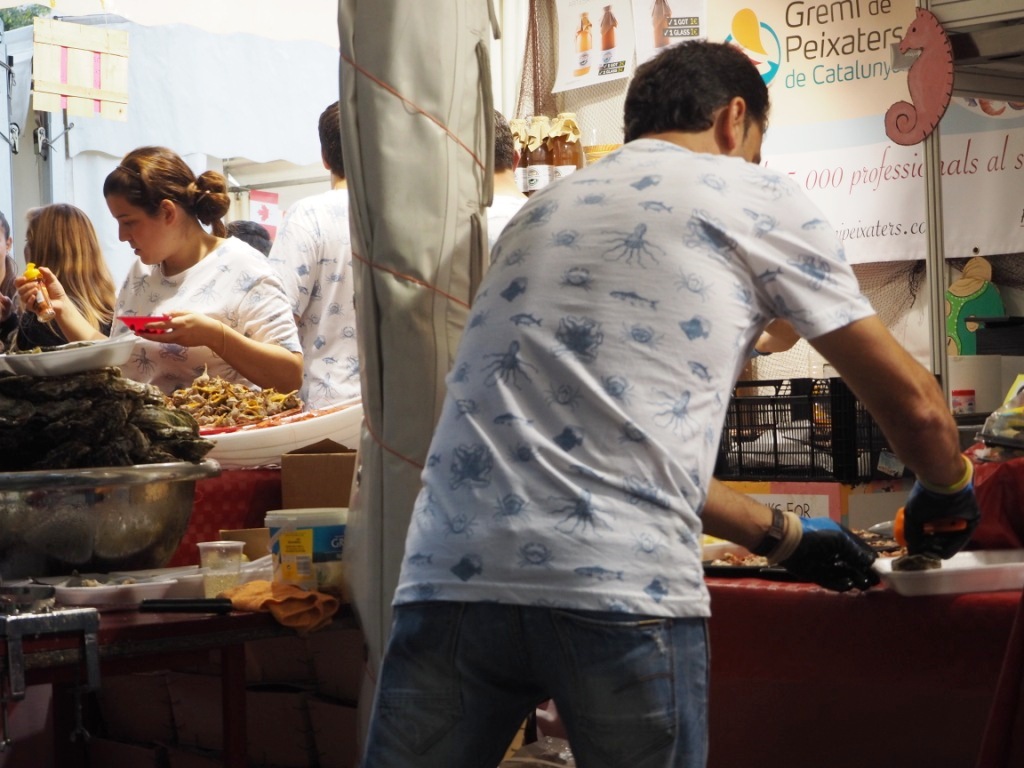
and busy, busy stall-holders serving out their goods
OLYMPUS DIGITAL CAMERA

We came across the food market accidentally, but so glad we did! There is nothing better than a good surprise.
Norwich Cathedral Part V: Windows

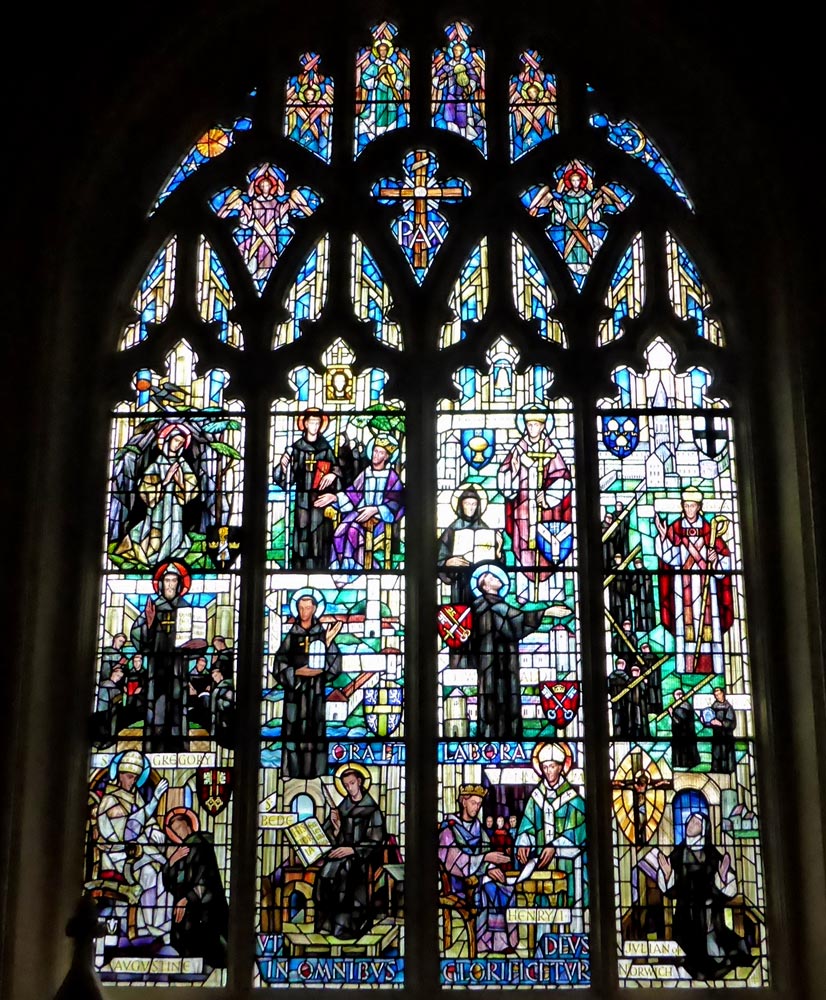
Finally, the windows. I am only going to show you a few glimpses of some of the windows, to be honest it is was quite dark inside this cathedral on this day (it was raining) and not easy to photograph the stained-glass. There are some lovely pieces so if you are able to visit then make sure you examine the windows or visit the Norfolk Stained Glass site which provided much of the information about the windows in Norwich Cathedral.

bauchon-windowThe Bauchon Window was designed by Maria Forsyth and made by Dennis King of G King & Son in 1964. The window given in honour of Julian of Norwich is in memory of Harriet Mabel Campbell (1874 – 53). The main lights depict Julian of Norwich, unusually dressed as a Benedictine nun, together with another eleven Benedictine Saints and other personages.

The tracery lights contain angels (some playing musical instruments) flanking a cross proclaiming “Pax.”

Continue reading Norwich Cathedral Part V: Windows

Thursday’s Special

Paula (Lost in Translation) has developed a liking for the unfocused in photography. I must confess that this is something that I didn’t like myself several years ago, but like her I have become attracted to blurred backgrounds, bokeh, tilt and shift experimentation and creating movement.

movement

This was an accidental photo – I was going for the vibrancy of the artwork on the security shutters of this shop in Barcelona. A couple of years ago I would have binned this shot, but now I love the movement of the passers-by and especially the pink and blue suitcases that match colours in the painting. Hope you love them too!

Norwich Cathedral Part IV: Cloisters

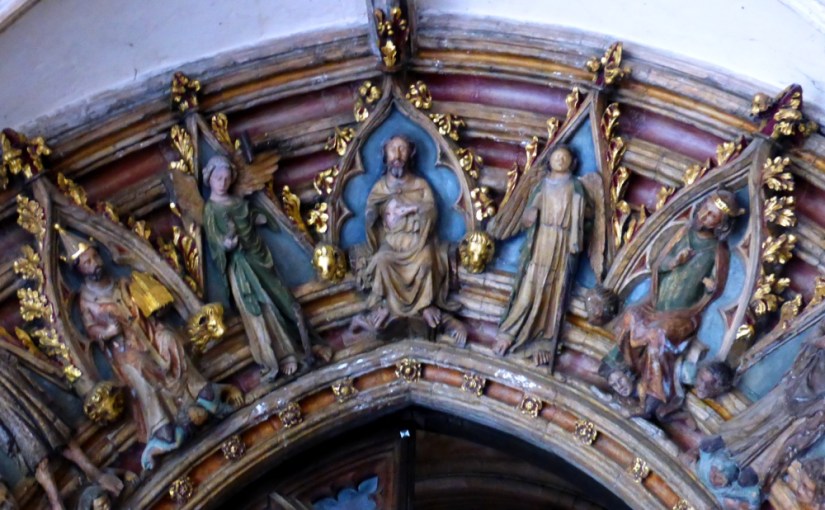
At the south east corner of the nave, next to the south transept, is the more spectacular of two doors leading from the priory cloisters into the cathedral church. This is called the Prior’s Door.  The door dates to about 1300 and has a finely carved arch decorated with thin piers at its sides and decorated recesses in the arch. These recesses contain statues of Christ at the top, John the Baptist and possibly Aaron to the left, and David and Moses bearing a scroll detailing the Ten Commandments to the right. To the right of the doorway are three sedilia, or seats, recessed into the wall of the cloister. The wear and polishing of the stone from feet and bottoms is very noticeable!

p1310130

Continue reading Norwich Cathedral Part IV: Cloisters

Norwich Cathedral Part III: Bosses

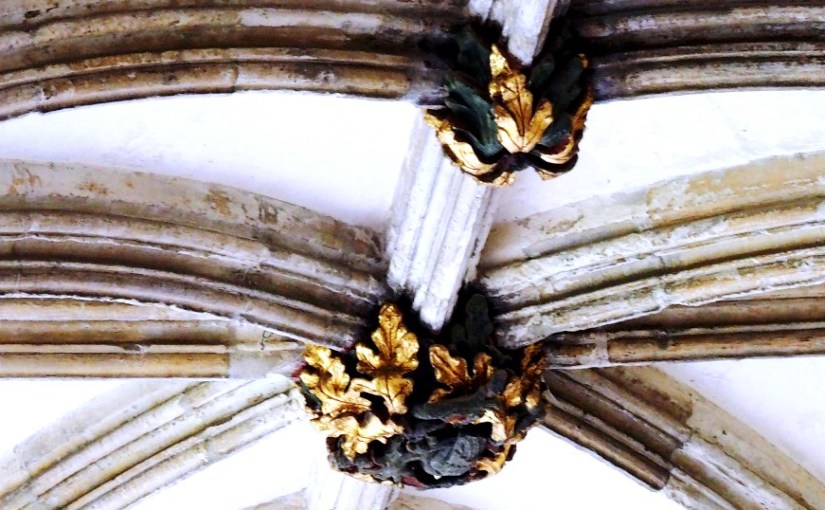
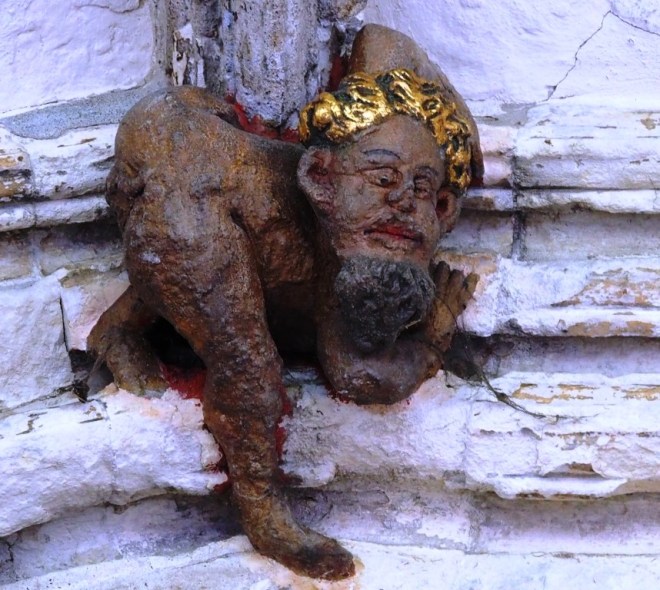
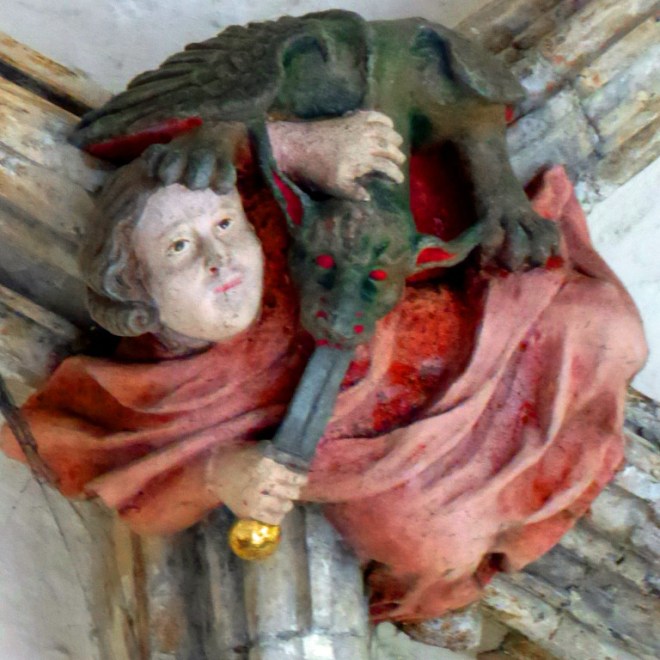
Norwich Cathedral has more bosses than any other cathedral worldwide: some 1106, including those of Lyhart’s nave roof; those of the presbytery vault, added in 1480 by Bishop Goldwell; those of the transept vaults, added in 1509 by Bishop Nykke after a further fire; and those in the cloister. The bosses represent the largest collection of decorative roof bosses in Christendom, and depict scene from both the old and new testaments. Carved into the stone vaulting and then painted, each boss would have taken almost two weeks to complete. They represent a Christian view of the history of the world including carvings of Noah and the flood, the Nativity, the Crucifixion, the end of the world and the tales of judgement day.

There are some good examples of medieval art.

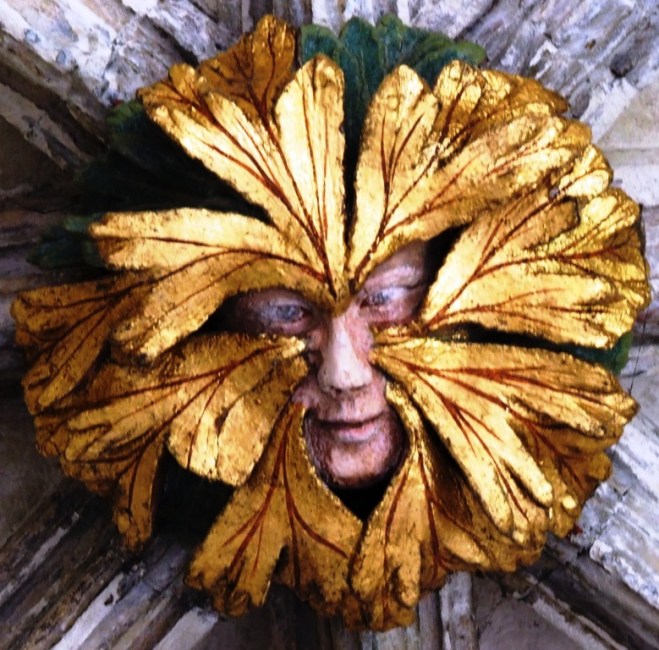
There are also bosses depicting mythical beasts and figures like the Green Man. It is thought that roof bosses such as these provided one of the earliest forms of theological education, at a time when illiteracy was high.

"The Green Man" 14th century boss in the east walk of the cloister.
“The Green Man” 14th century boss in the east walk of the cloister.
OLYMPUS DIGITAL CAMERA
The Naked Moor
"Man fights Dragon"
“Man fights Dragon”

The east walk was built first in 1297, and aside from a Passion sequence and the Evangelists at the north end has mostly foliage bosses. Continue reading Norwich Cathedral Part III: Bosses