Llanthony Priory

Paula over at Lost in Translation runs a weekly Black and White Sunday challenge. I have been intending to write some posts about the castles and priories I have visited in Wales, but like other posts, I haven’t quite got around to them yet. But when I saw this week’s theme I thought about the ruins I have photographed and which, to me anyway, always convey that moody atmosphere which clings to ancient buildings. You can almost hear the chanting of the monks, the slap of leather sandals on Welsh slate floors, the swish of robes through the Cloister and the murmur of voices in the Chapter House where the ‘Black Canons’ assembled each morning.

moody

And of course the background of the Welsh hills and the glowering clouds in a wet January only serve to enhance the mood.

Art Beneath Your Feet

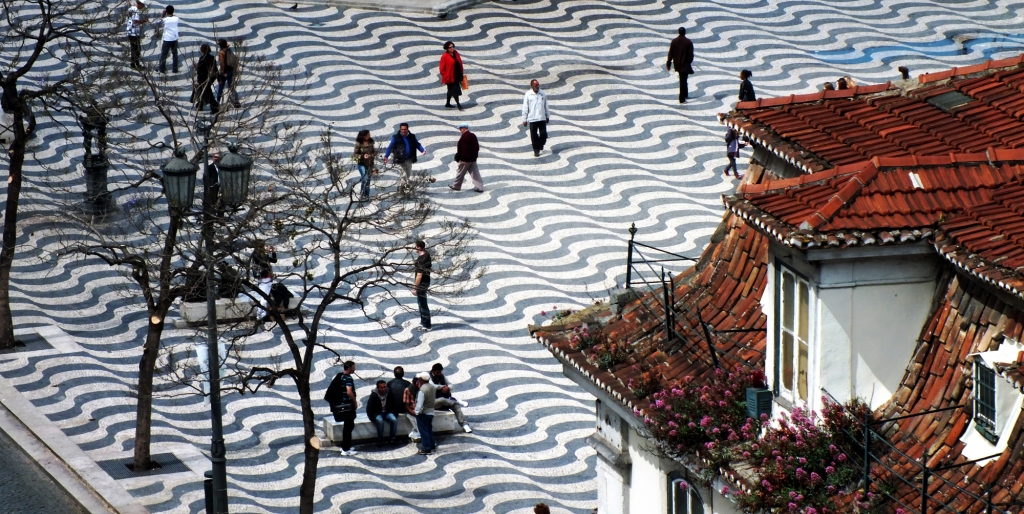
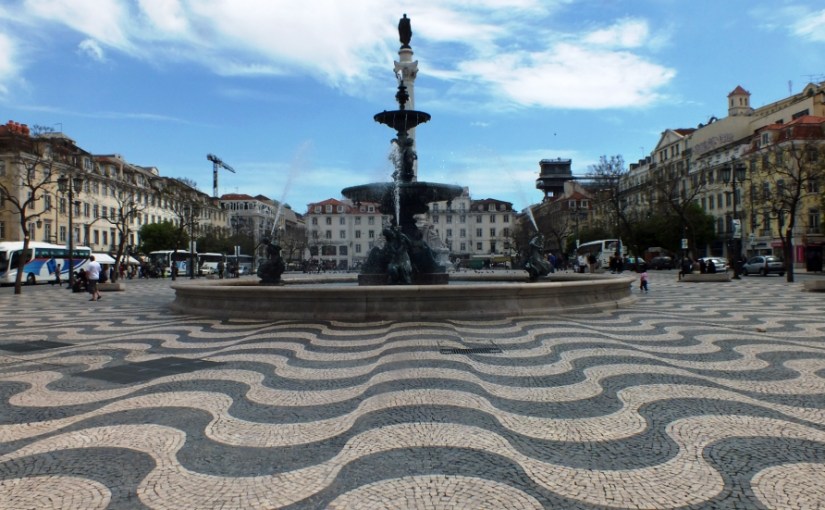
A city where it is impossible not to look at what is beneath your feet is Lisbon, Portugal. The endless intricate patterns of the cream and black cobbles automatically draw your eyes down. Known as  calçada (Portuguese Pavements) some, like the wave pattern above and below in Praca Dom Pedro IV Square (Rossio), can even interfere with your balance and make people look as though they are floating above the pavement.

Waves
This is where it all started, Rossio Square, given the wave patterns in 1849.

In Belém coloured marble is used with the flat cobbles to create patterns and pictures including a map of the world depicting the voyages that Portuguese explorers made during the Age of Discovery.

Arco da Rua Agusta
Arco da Rua Agusta

Kynance Cove and Beach

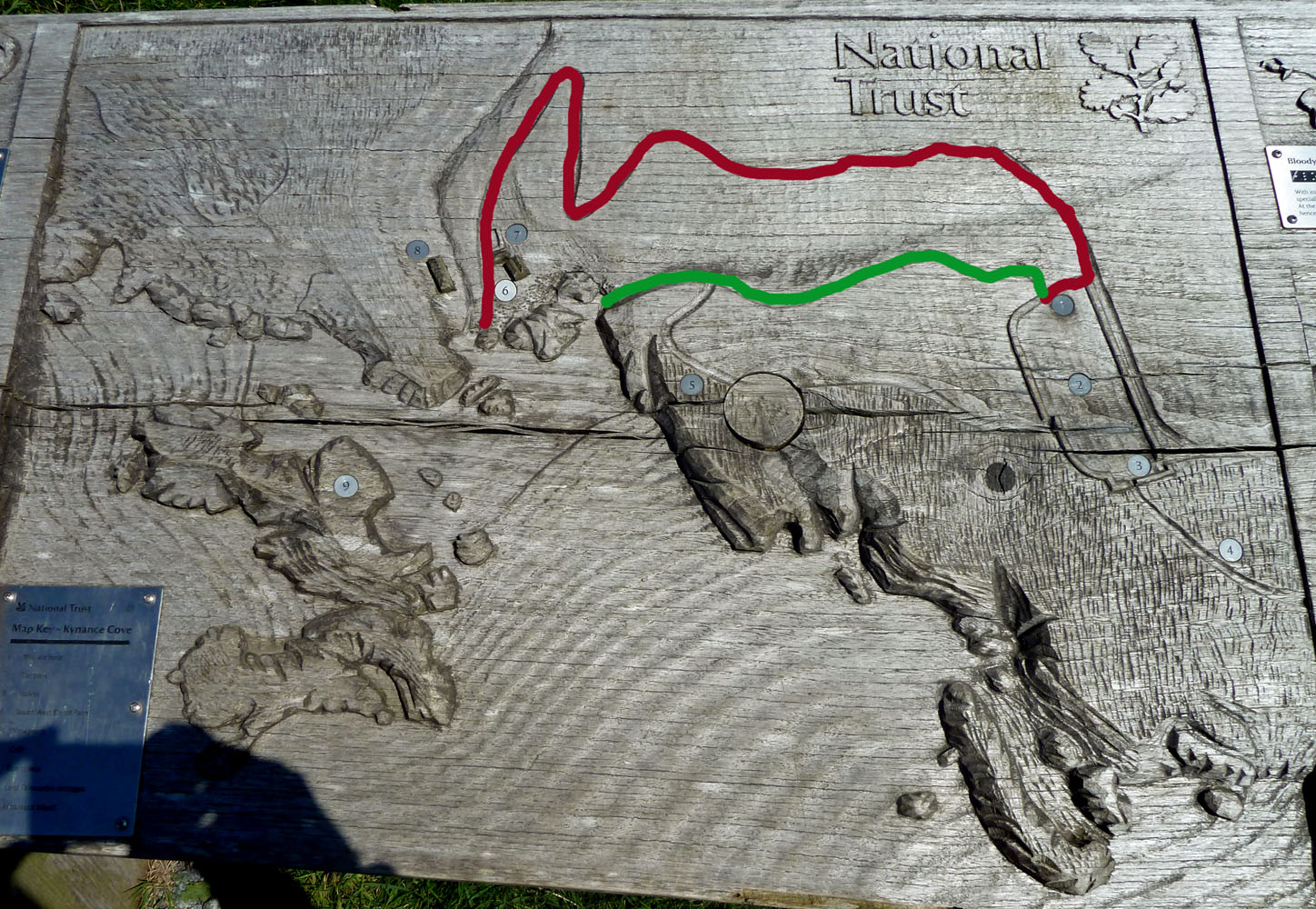
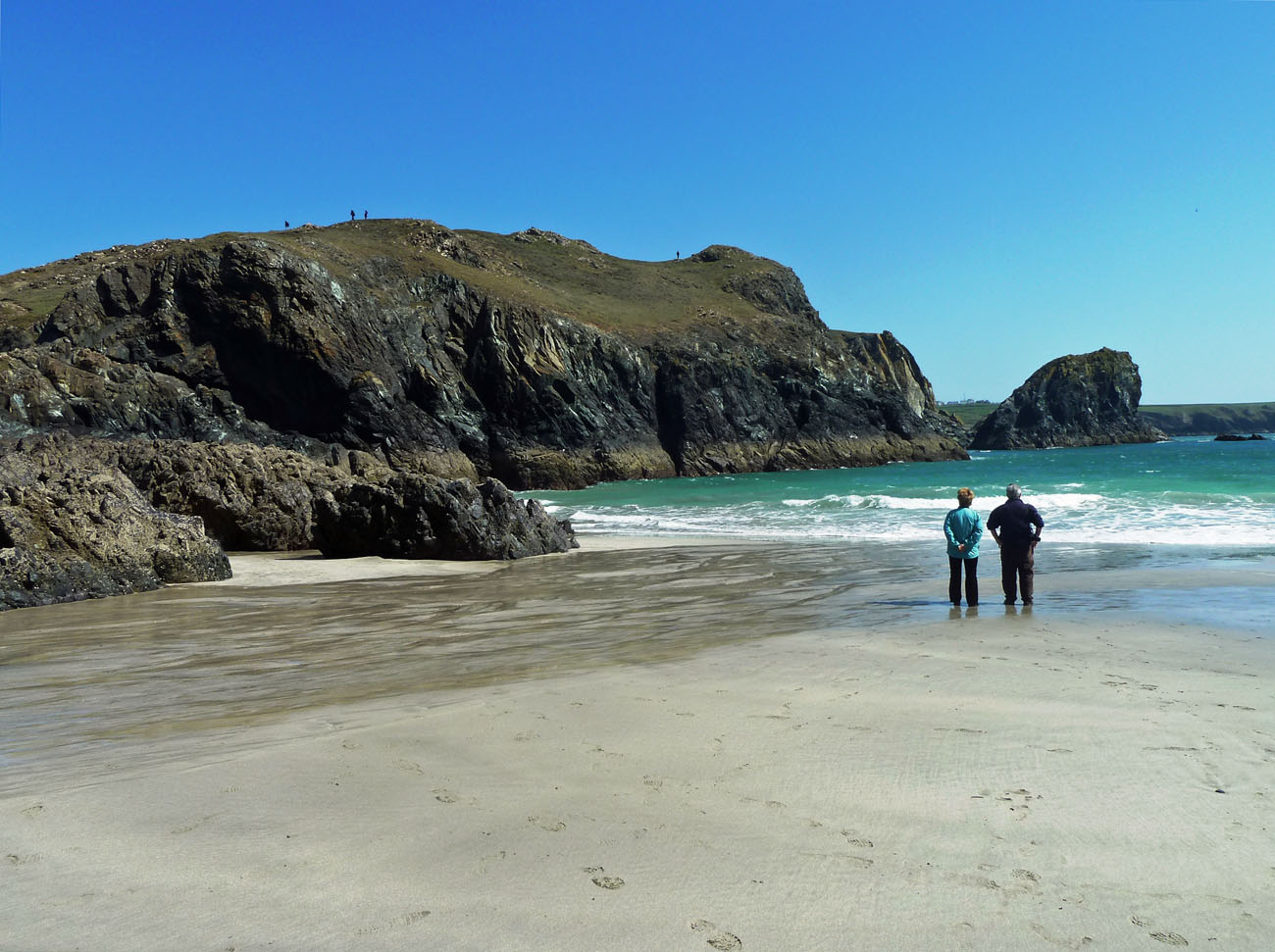
Kynance beach is probably one of the most beautiful in Cornwall set in an area of outstanding natural beauty AONB. In fact I have seen it voted as being one of the most beautiful in the world. It is certainly one of the most remote as it is practically at the end of the Lizard peninsula (the Lizard is Britain’s most southerly mainland point) and it is not a beach that you can drive up to. Oh no, getting there involves a short (10 – 15 mins green route) hike down a fairly steep narrow trail , littered with loose rocks and steep steps at the end, or a longer, winding (20 – 30 mins red route) stroll along an uneven track with exposed bedrock and slightly loose stone surface which brings you out at the back of the cove near the toilets and tea-room. We opted for the longer route suitable for wheelchairs and pushchairs without any steps.

P1190768

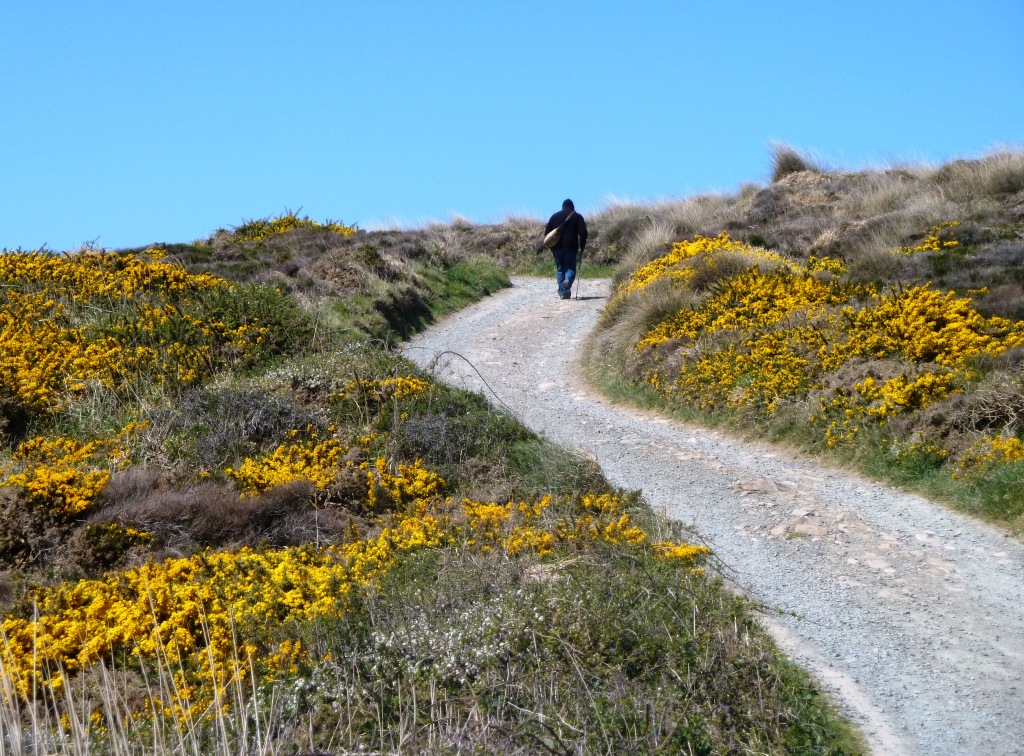
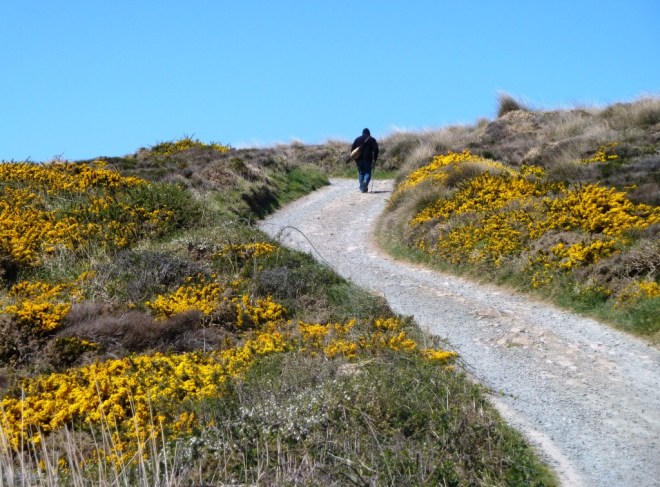
The trail winds itself down the cliffs to the beach passing through swathes of golden gorse and outcrops of rocks, some covered in the deep egg-yolk yellow lichens. The views over the bay are stunning.
P1190774

At low tide the white sands are revealed contrasting with the dark green and red serpentine rocks and the incredibly clear turquoise water. It is probably the most photographed and painted spot in the county. You can explore the towering rocks stacks and the caves with names such as The Parlour and The Drawing Room.

P1190819

There is an excellent tea-room serving pasties and cream teas as well as sandwiches, drinks and beach stuff. We stopped for coffee and a cream tea and sat mesmerised by the colour of the sea whilst chaffinches hopped around our feet. I felt as though I had stepped back to New Zealand for a while.

From Kynance there is a fantastic 2 mile scenic walk around the coast to Lizard Point, but as the OH is not a cliff-top walker we drove there instead. I’ll show you what that looks like in another post 🙂

If you enjoy a walk, long or short, then have a look at Jo’s site where you are welcome to join in.

Abandoned Architecture

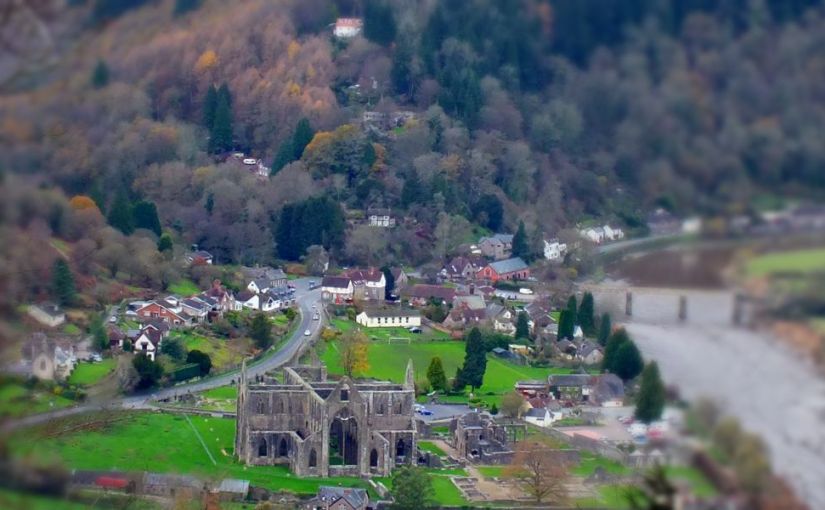
Dawn of “The Day After” runs a monthly architecture challenge as well as her windows, I haven’t joined in for a while, but thought it would be a good opportunity to share some photos of Tintern Abbey. Long since abandoned.

exterior view from across the road

the Cistercian abbey of Tintern is one of the greatest monastic ruins of Wales. It was only the second Cistercian foundation in Britain, and the first in Wales, and was founded on 9 May 1131 by Walter de Clare, lord of Chepstow.

Exterior view from the south

In the 1500s monastic life in England and Wales was brought to an abrupt end by the political actions of King Henry VIII. The Dissolution of the Monasteries was part of the king’s policy to establish total control over the church in his realm.

Nave's west window
Nave’s west window

Tintern Abbey was surrendered to the king’s visitors on 3 September 1536. With the roofs gone and windows smashed it was destined to fall into decay, but was rediscovered in the late 18th century and became a fashionable place to visit by many people wanting to discover a wild and romantic place including the artist JMW Turner and the poet William Wordsworth.

Since the early twentieth century the abandoned ruin has been cared for and restored so that it will remain the perfect ruined abbey for many years to come. If you would like to read more about the abbey then please visit Castle Wales.