Just Back From… the Cotswolds was written in June 2013 after a lovely spring break to celebrate the OH’s birthday. Spring was a little late that year.
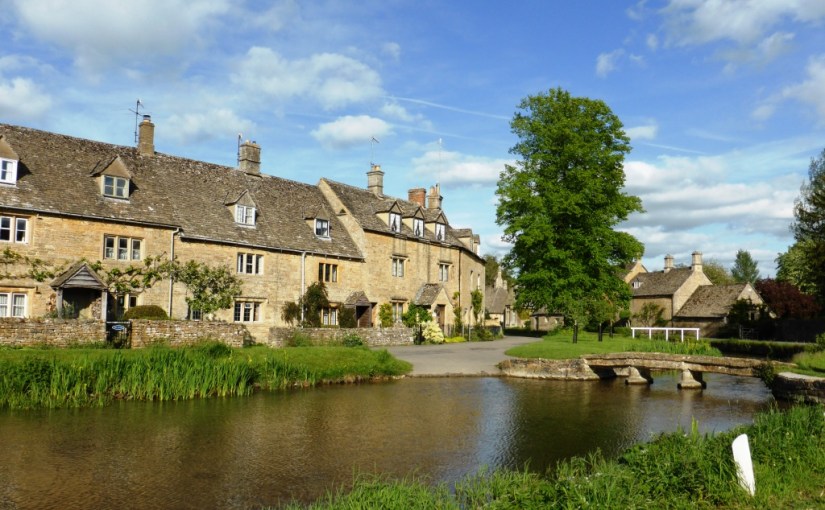
 When you think of the Cotswolds it is the warm honey-coloured limestone and cute thatched cottages inviting romance and tranquillity that spring to mind and where market towns (formerly centres of the wool trade) have wide squares and streets and are the centres of activity. Brooks and rivers bridged by tiny stone arches meander through the hidden villages in the rolling hills and farmland where country pubs have flagstone floors, beamed ceilings and inglenook fireplaces with log fires.
You may also think about crowds of tourists and visitors up from London for the day, often on large touring coaches; ancient churches and manor houses; picture-book tea-rooms; expensive antique, retro and vintage shops. You’d be right about all of these things, but there is another side to the Cotswolds to be explored if you look.
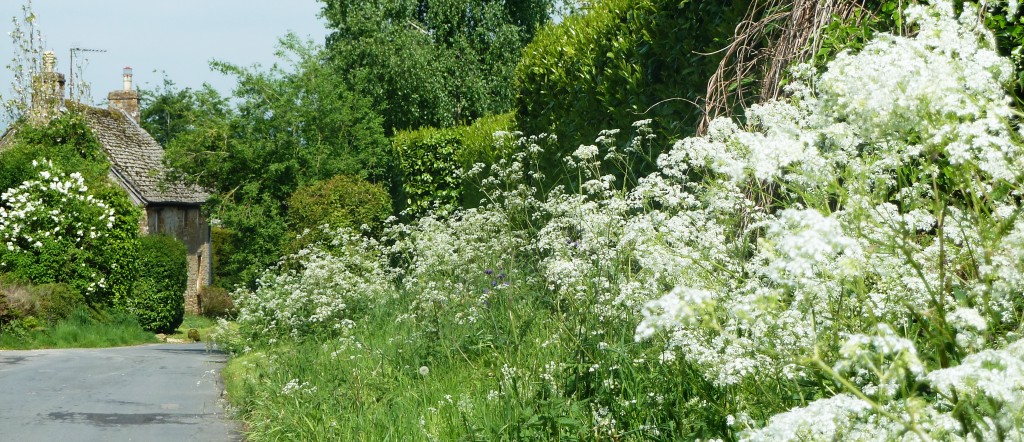
The Cotswolds district is mainly in the counties of Oxfordshire and Gloucestershire with parts of Warwickshire, Wiltshire, Worcestershire and Somerset at the edge. It is an area filled with hundreds of small towns and villages that don’t appear on the calendars and book covers or hog the limelight, but are equally attractive. Discover them by driving along the plethora of narrow, winding roads which often provide the most amazing views over the Wolds and the valleys. There are public footpaths, national trails and bridleways galore. Find yourself in a charming and unspoilt village away from the main tourist spots and walk around listening to the birdsong and admiring the chocolate box cottages and striking parish church. In the late spring sunshine, with so many shades of green it is impossible to count, you may stumble across a woodland carpeted with bluebells.
 In the north of the region take a romantic circular drive from Moreton-in-Marsh to Stow-on-the-Wold stopping at Broadway Tower and Country Park for a picnic with a view, Broadway village with its wide main street, Snowshill Manor with its collection by the eccentric Charles Paget Wade, Snowshill Lavender farm in the summer, and Hailes Cistercian Abbey ruins, a most peaceful spot on the Cotswolds Way. Continue through Guiting Power with the ‘Hollow Bottom Inn’ and the picturesque Lower Slaughter with the tiny River Eye running through it.
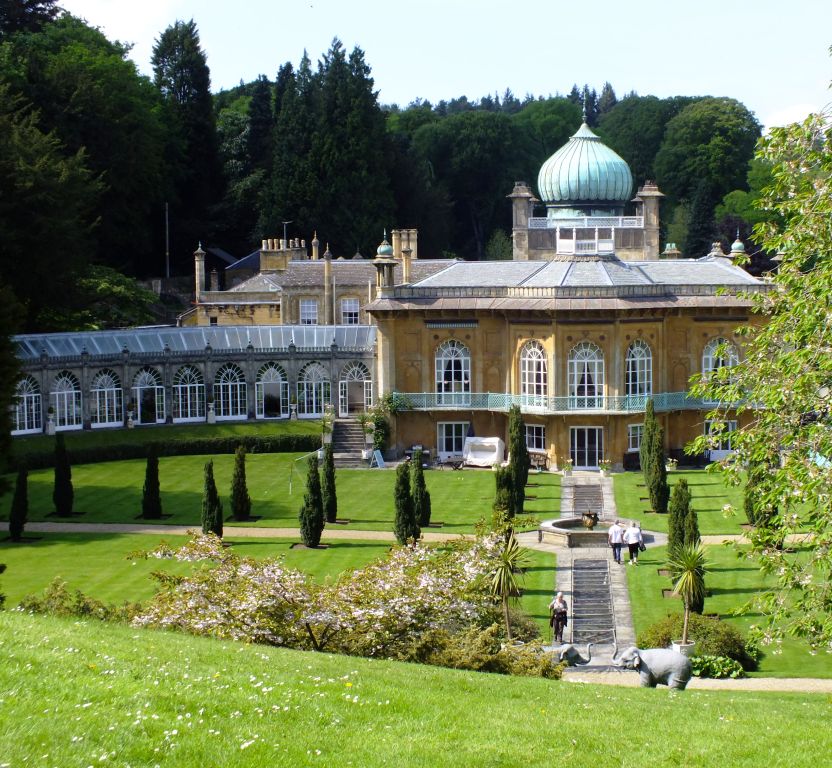
There are dozens of lovely homes and gardens for you to visit, some owned by the National Trust, others in private ownership. Some are large estates such as Sezincote or Hidcote and attract the coach parties, others are smaller and often quieter. All are worth a visit.
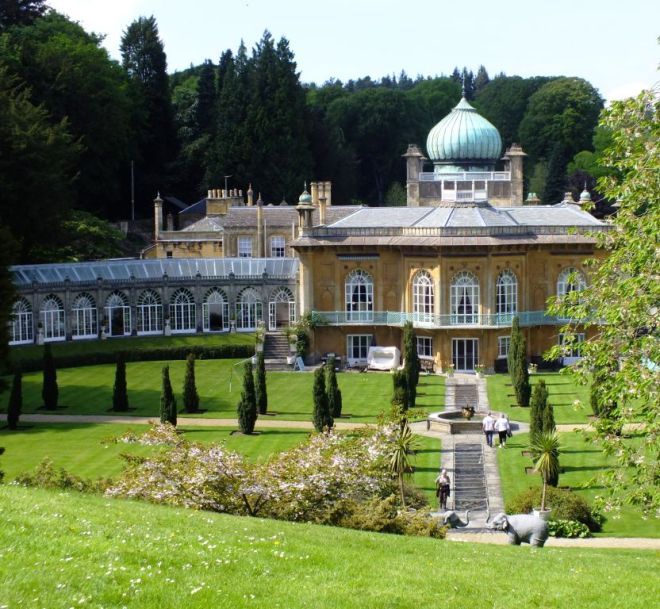
The Cotswolds is a vast region and requires several days to explore it thoroughly. We only touched on a small part in four days; there is a lot more to discover.
This post is a contribution to Fandango’s Flashback Friday. Have you got a post you wrote in the past on this particular day? The world might be glad to see it – either for the first time – or again if they’re long-time loyal readers.
 The Blue House, next to the town bridge, is Grade 1 listed; it was formerly the Bluecoat School and Almshouses, named after the colour of the school uniforms. Built in 1726 at a cost of £1,401 8s 9d, it replaced an almshouse dating from 1461 and rebuilt in 1621. The Blue House provided a home for twenty widows and schooling for twenty boys.
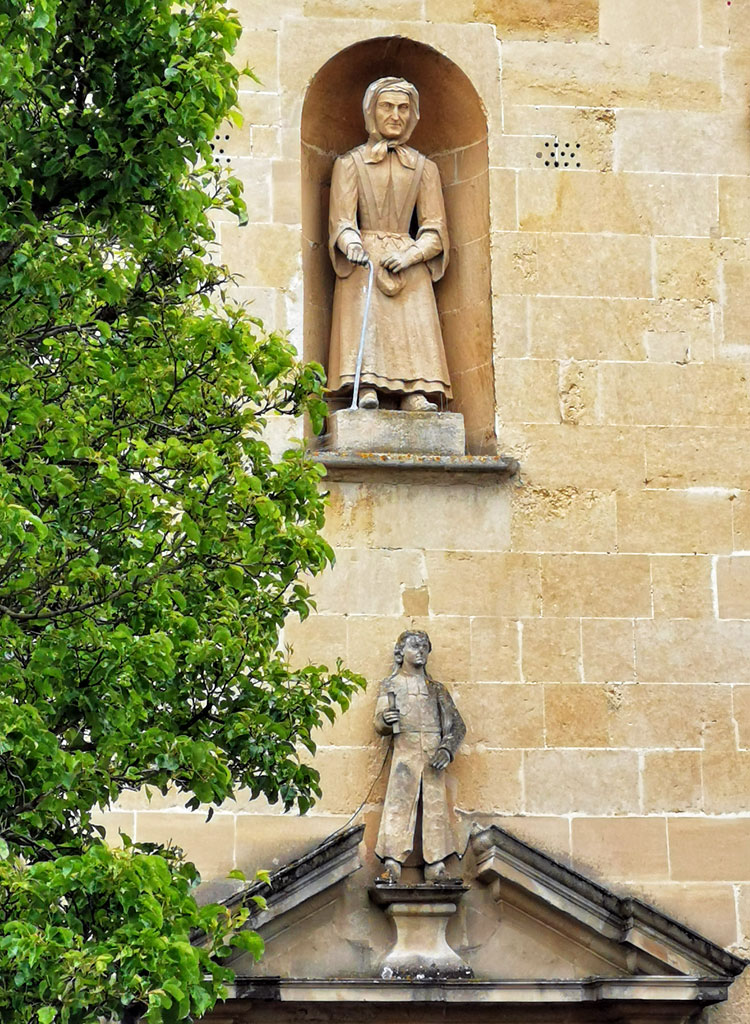 The front of the building is adorned by two statues, of a man and a woman, indicating the building’s dual purpose. The building’s role as a school came to an end in 1921 and it now provides studio and one-bedroom flats for seventeen elderly residents. Wikipedia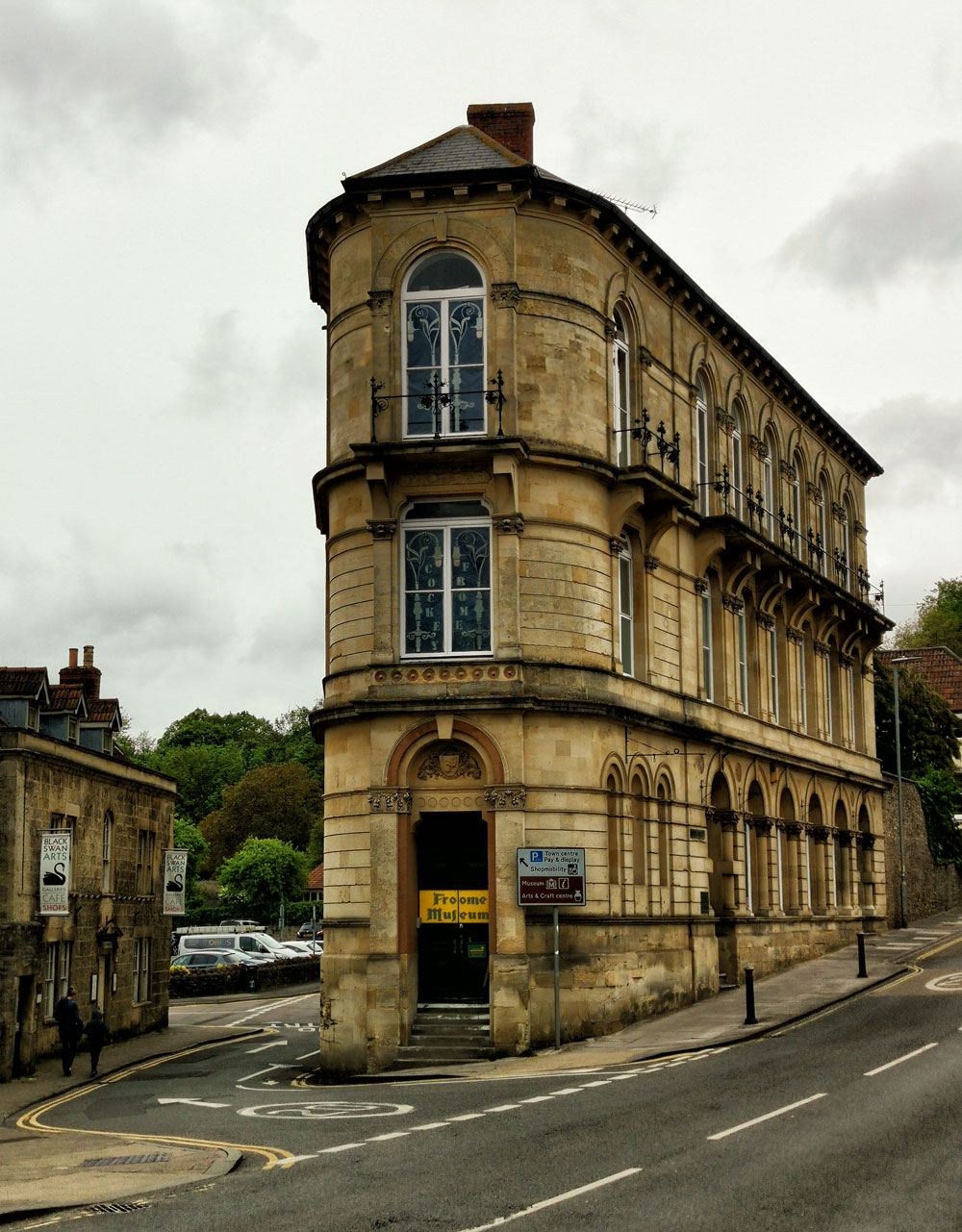








 TRAVEL WORDS