Norwich Part III: Wensum riverside walk

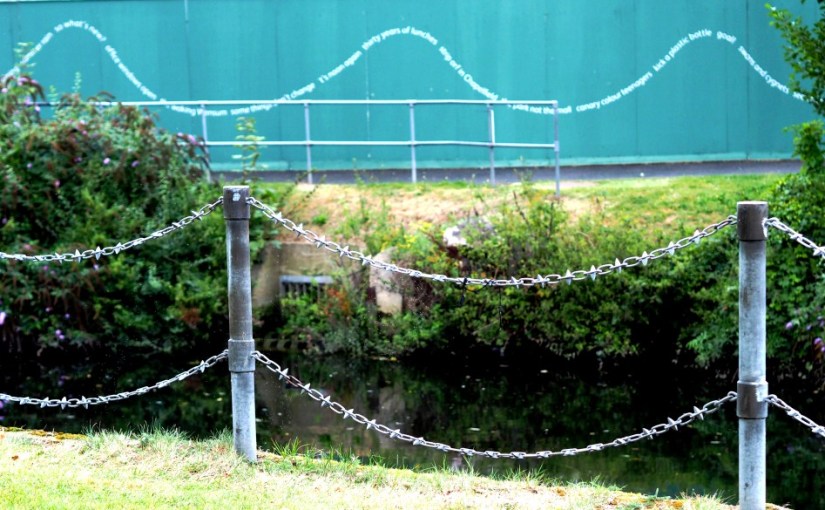
On leaving the beautiful Norwich cathedral we discovered that the rain had stopped so decided to take the opportunity to have a short walk along the riverside (red route). Once essential for transport and industry this meandering river sadly, like many riversides in many towns and cities, had become neglected and undervalued. Since 2007 it is part of a  regeneration process to raise awareness of the value of the river and provide access to it for the public. The route is full of historical and architectural interest and should be a major tourist attraction.
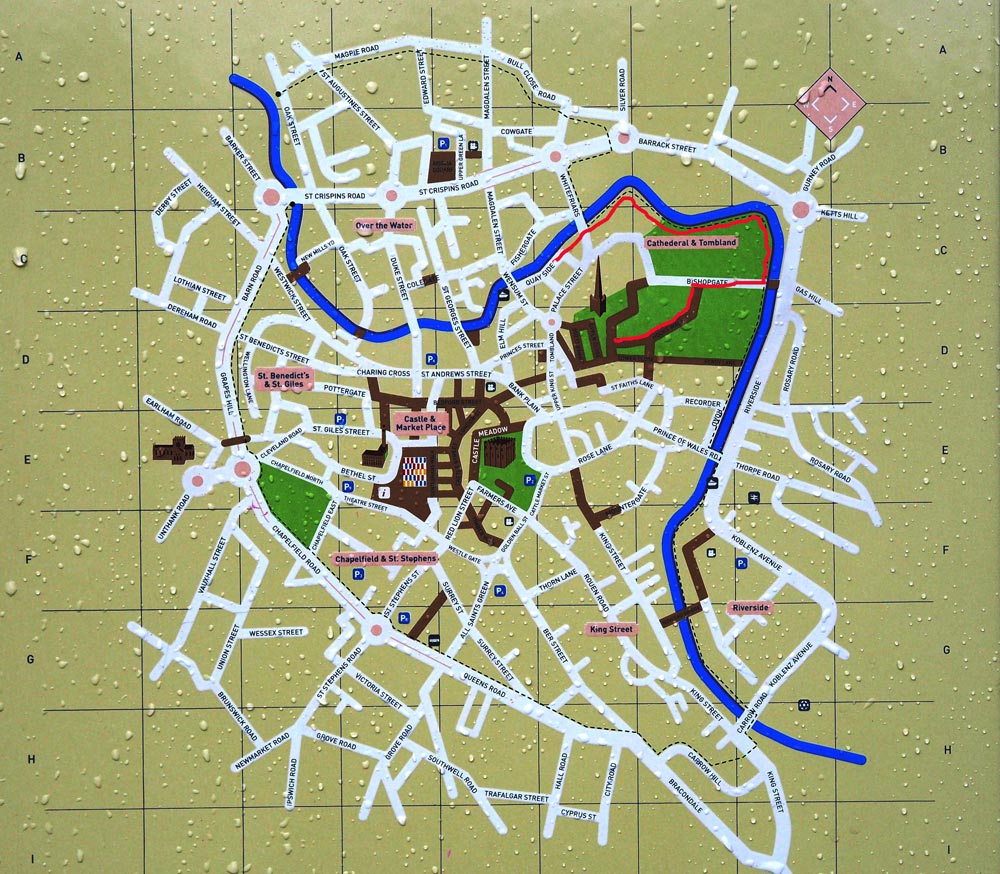
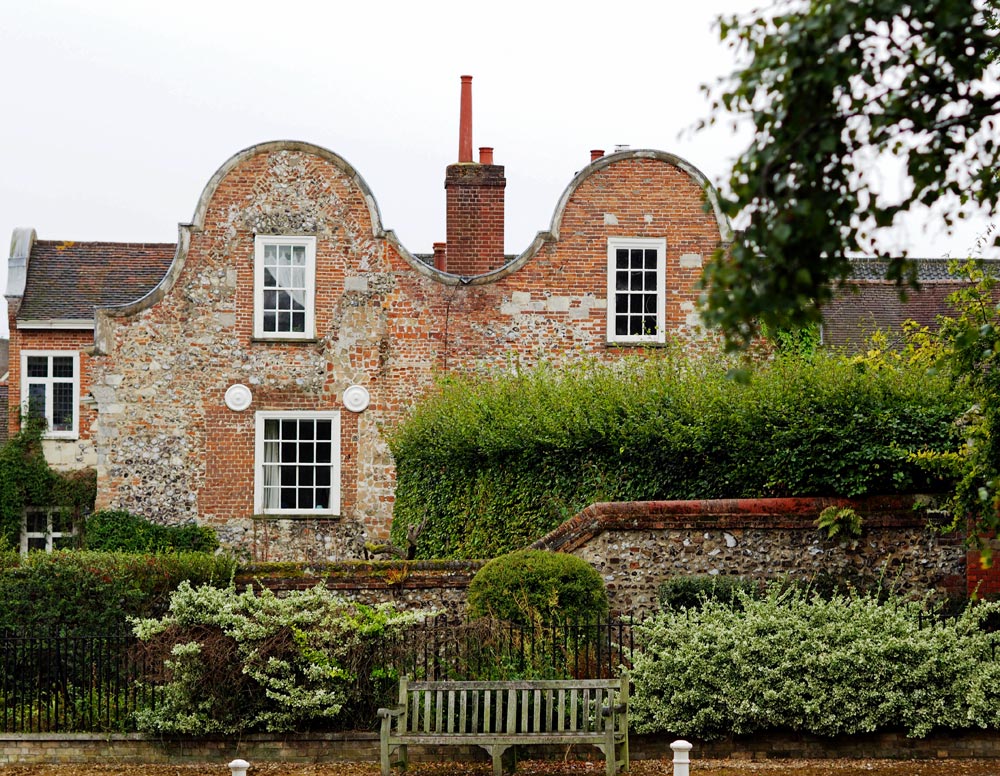
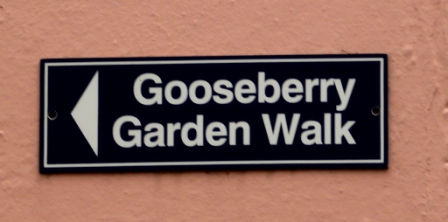
mapWe headed towards the river along The Close passing a lovely Dutch gabled house opposite the Cathedral Herb Garden, which we nipped in to for a look, and then along Hook’s Walk with its excellent brick and flint-built houses, many rendered and colour-washed which in turn leads to the curiously named Gooseberry Garden Walk.
p9100384

p1310282

I had hoped that this lane would pass through some lovely cottage gardens, but instead it has high brick walls and what could have been playing fields at either side and possibly an allotment area. Continue reading Norwich Part III: Wensum riverside walk

Norwich Part II: The Royal Arcade

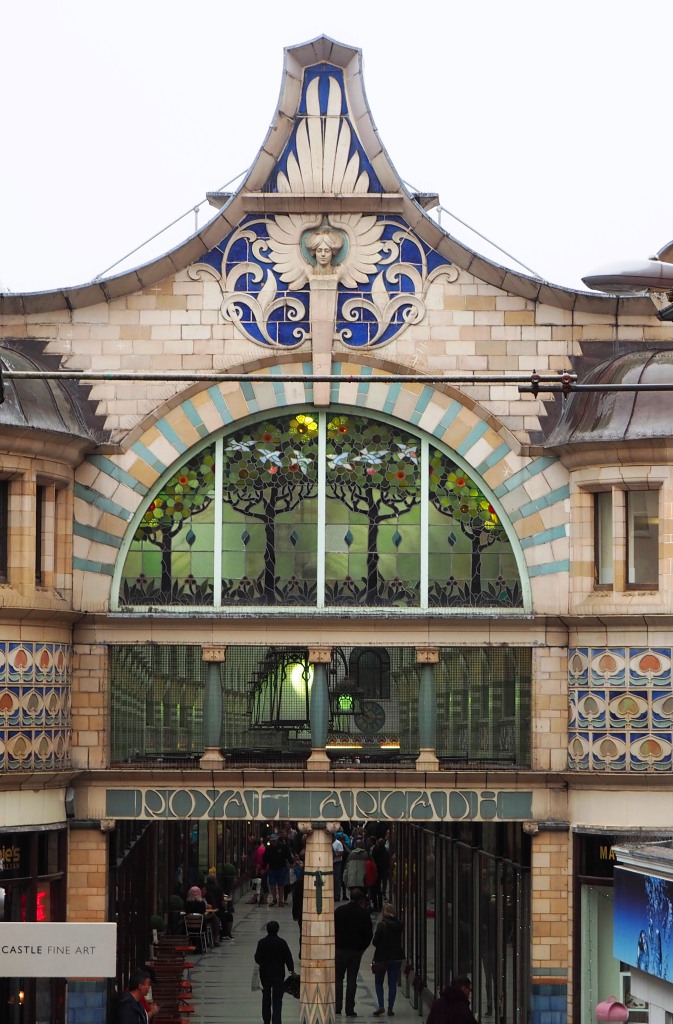
Opened in 1899, the 247 foot long covered avenue was designed and built by Dereham-born architect George Skipper and today it houses a wonderful mixture of shops and restaurants – plus the famous Colman’s Mustard Shop!

p9100028

Art Nouveau was so-called from Samuel Bing’s art shop “Maison l’art Nouveau” an international movement to bring together the finest designers and craftsmen to unify the designs of buildings, furnishings and decorative arts within.

Influenced by Japanese art and the Arts and Crafts Movement, the English Art Nouveau used flowing lines and symbols from nature. Continue reading Norwich Part II: The Royal Arcade

Norwich Part I: History and Architecture

Norwich was founded by the Saxon North Folk (“North Folk” became “Norfolk”) at the confluence of the Yare and Wensum rivers sometime around the 6th century.

My first visit to Norwich and it rained. After days of unseasonable heat and blue skies in early September the forecast for the Saturday that we intended to visit the county capital of Norfolk was sadly correct. But since the main attraction was the cathedral it didn’t deter us and in fact it worked out rather well. I am going to split the posts up otherwise they would be far too long and photo heavy, so posts about the cathedral itself may be a while down the line.

Today we are going to walk through the city from the bus station to the cathedral. We left the car at Thickthorn Park ‘n Ride and took the bus into the city centre as we had no idea of where to park in the city. It proved to be a good idea. The first destination was the information office at the Forum so we could pick up a map or two! Getting there was a bit tricky though, as we took a wrong turning, but imagine my delight when we found ourselves outside the delightful Art Nouveau Royal Arcade which was one of my ‘must see’ sights.

OLYMPUS DIGITAL CAMERA

Exiting the arcade we discovered the market place; the City Hall, the Guildhall and the church of St Peter Mancroft.

Market Place
Market Place
Guildhall
Guildhall

Continue reading Norwich Part I: History and Architecture

Black and White Sunday: Heckington Windmill

The eight sail windmill was built in 1830 with five sails, but after a gale in 1890 destroyed both the cap and sails it was rebuilt by John Pocklington using machinery from Skirbeck mill in Boston, Lincolnshire.

bw-windmill-2

Now the only eight sail windmill in Western Europe it is fully working and producing flour again.

Black and White Sunday

St Edmundsbury Cathedral

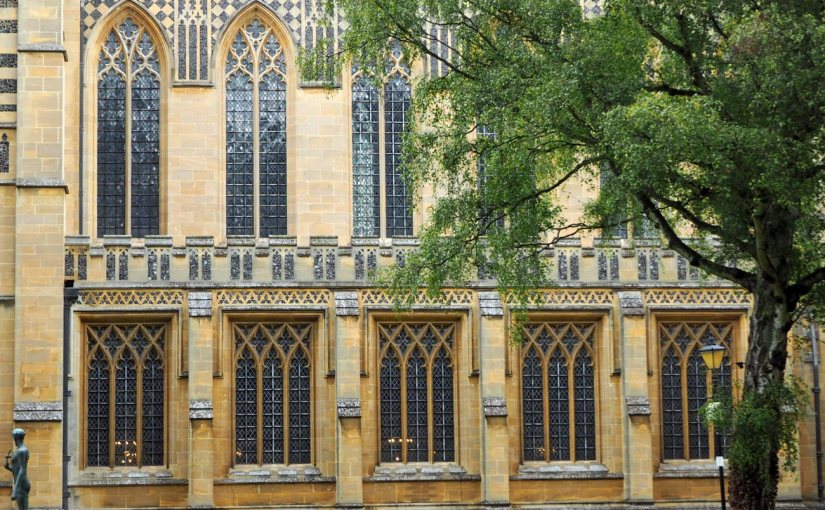
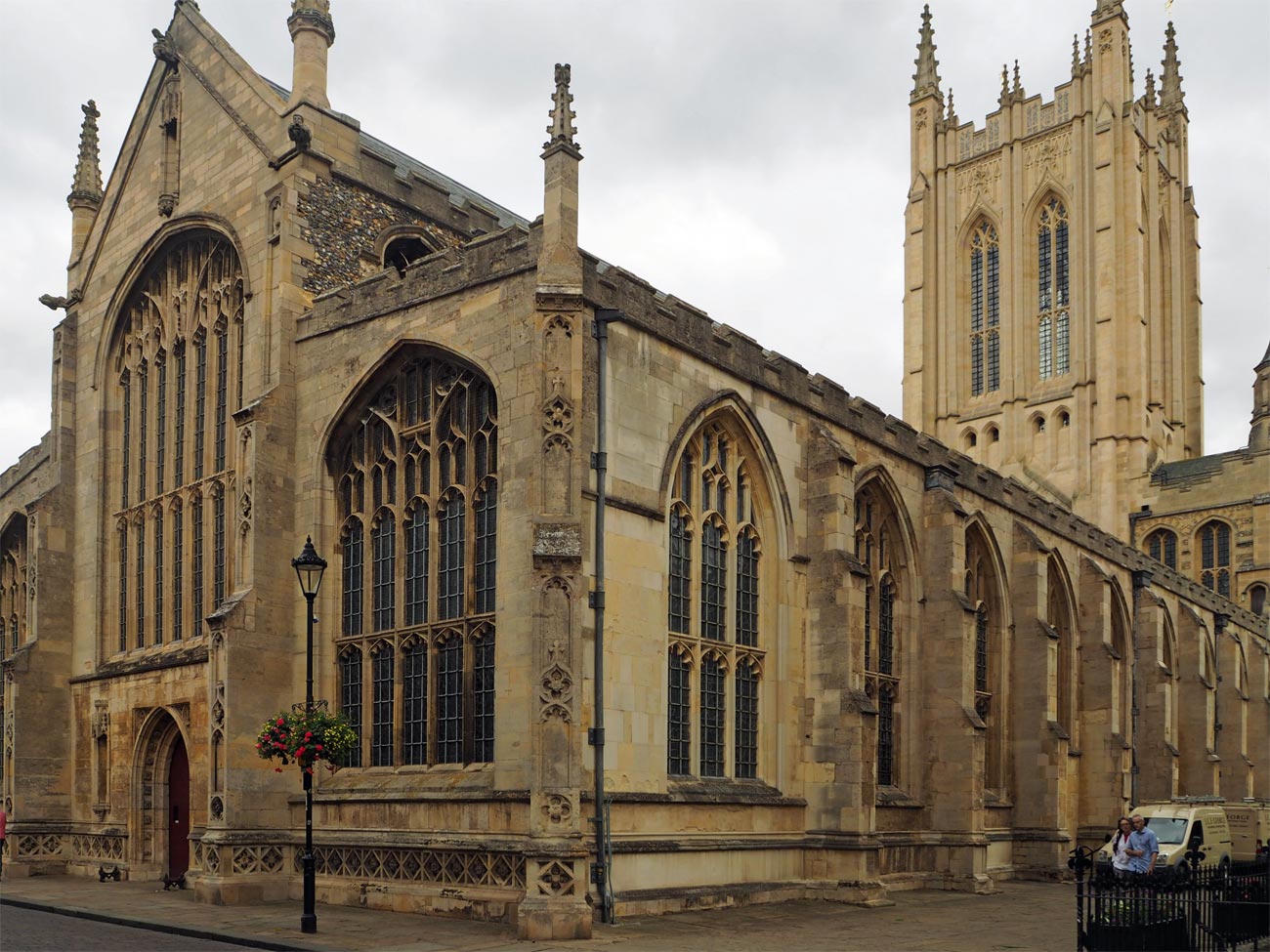
The parish church of St James became St Edmundsbury cathedral in 1914. The original church was founded in the  twelfth century in the precincts of the abbey. Changes were made in the sixteenth and nineteenth centuries with additions in the second half of last century. The crowing glory came in 2005 when the tower, built with a Millennium grant together with local fundraising, was completed.

p9090186

In 869, Edmund, King of the East Angles, met his death at the hands of the Danes. He was tied to a tree and shot with arrows. Legend says that his severed head was thrown into the woods and found being guarded by a wolf. Edmund was the patron saint of England, until St George replaced him. His feast day is 20 November.

p1300669

Inside the cathedral is a superb medieval hammer-beam roof, ornamented with figures of 30 angels. The roof is boldly painted and gilded, and though ornate, is nothing like so ornate as the extraordinary font and font cover at the west end of the nave – a riot of colour. Continue reading St Edmundsbury Cathedral