I’ll let Jo explain: “It’s not a challenge, you see. Walking is one of the great pleasures of my life. Ever since I began my blog I have enjoyed introducing people to new places, and the walks are another way to do it. Many of them are local and well known to me in my north east of England home. Others are a bit more exotic. So, how does it work? Every week I will publish a walk on a Monday. If for any reason I can’t make it, I will let you know. When the walk is published, anyone is welcome to leave a link in my Comments, to any walk that they have taken. It doesn’t have to be on a Monday. It can be at any time and of any duration. The amount of detail/photos, etc. is up to you. Free and easy, you see?”
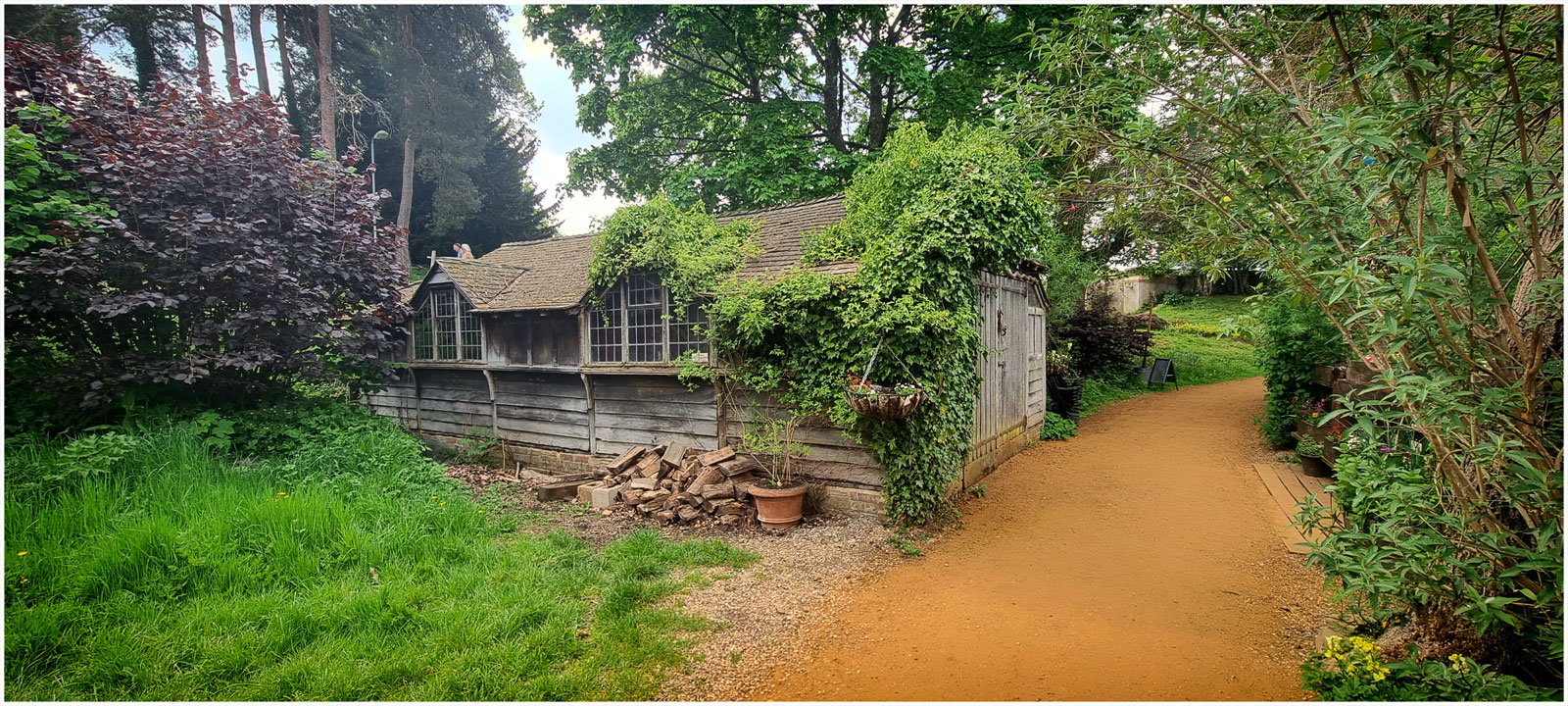
Although we didn’t manage to see all of the beautiful gardens we tried our best! Here are a few more photos from the estate.
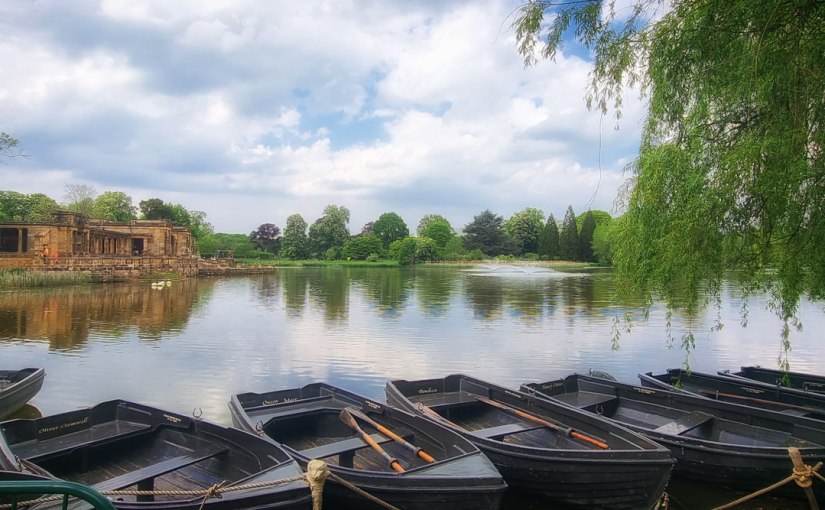
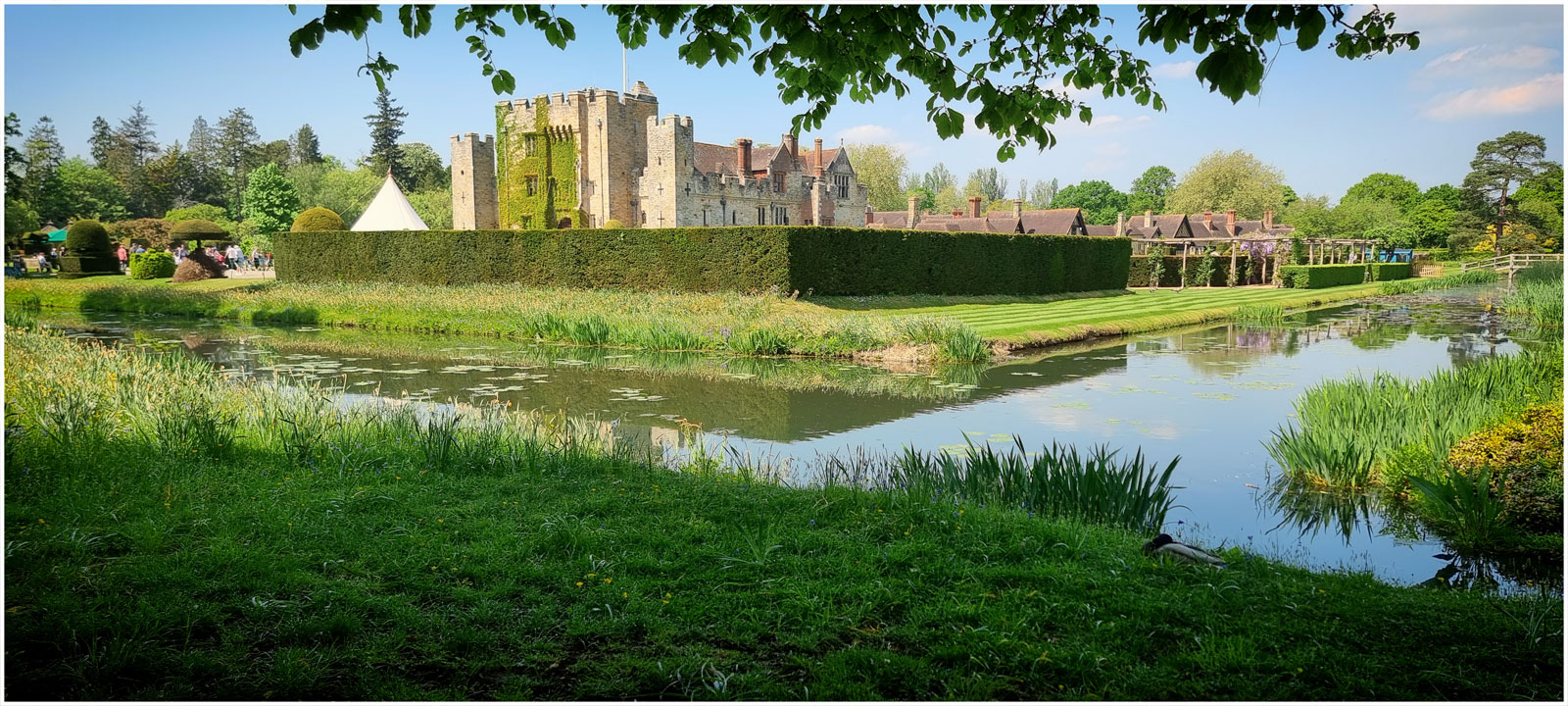
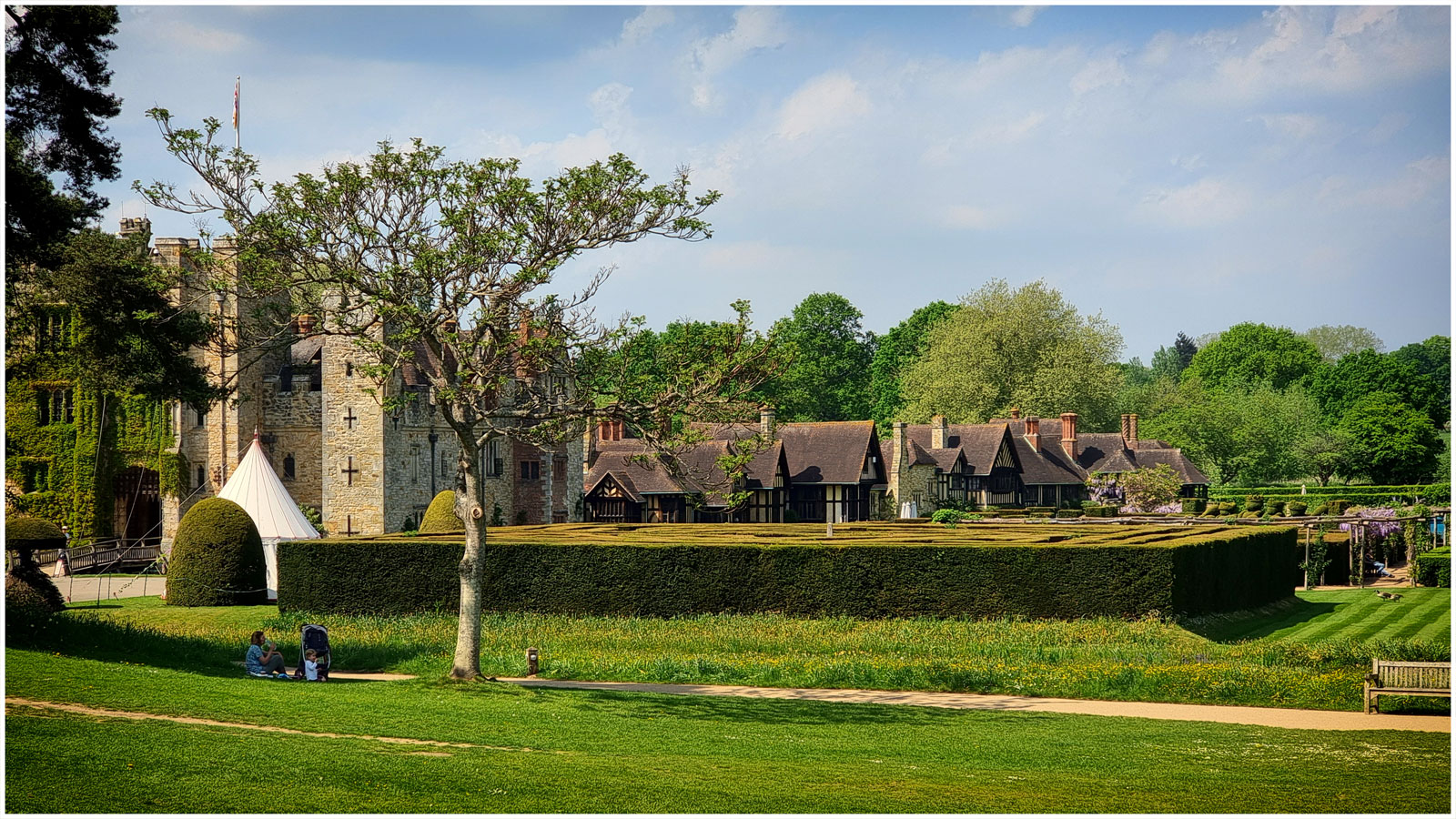
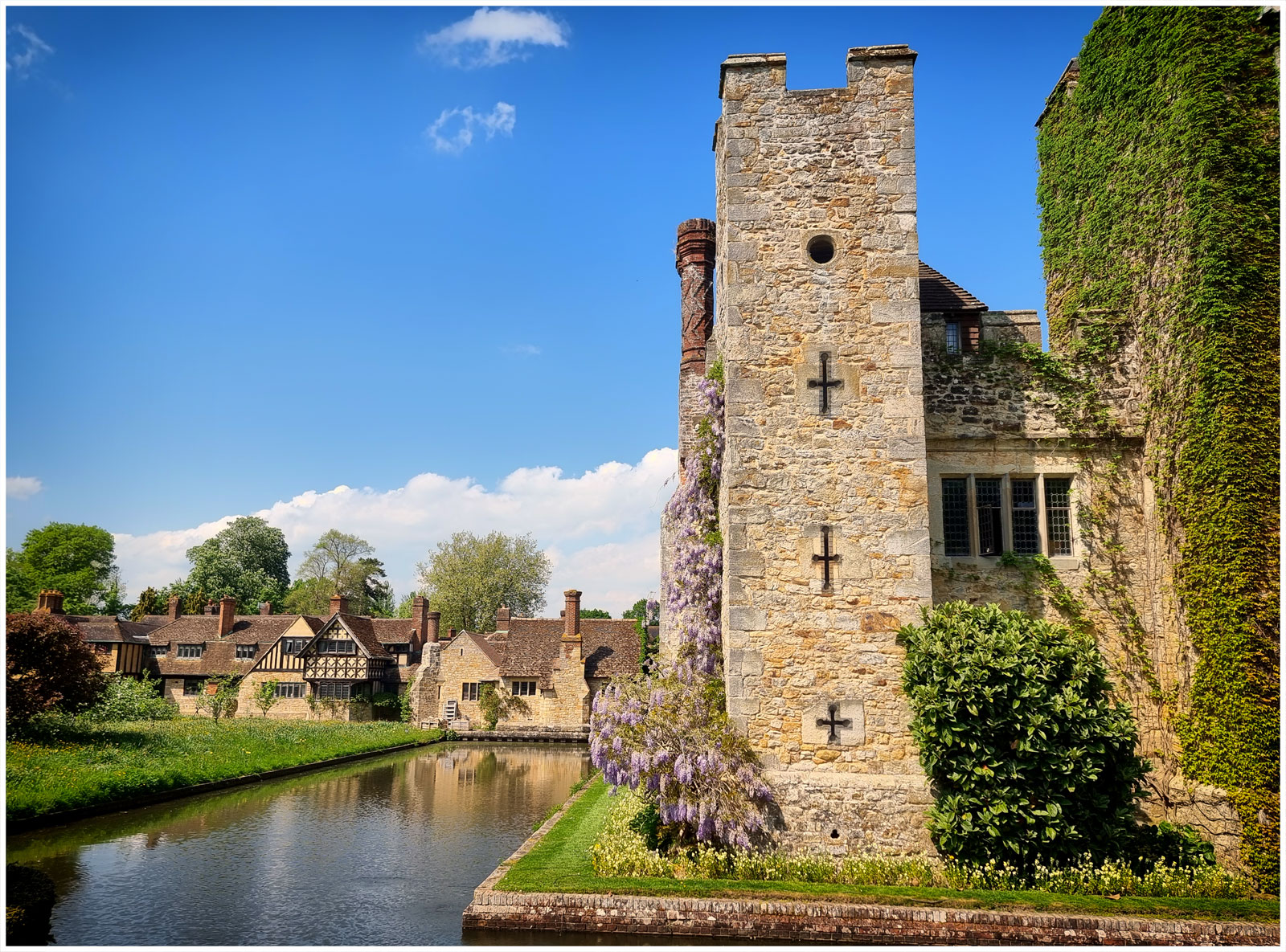
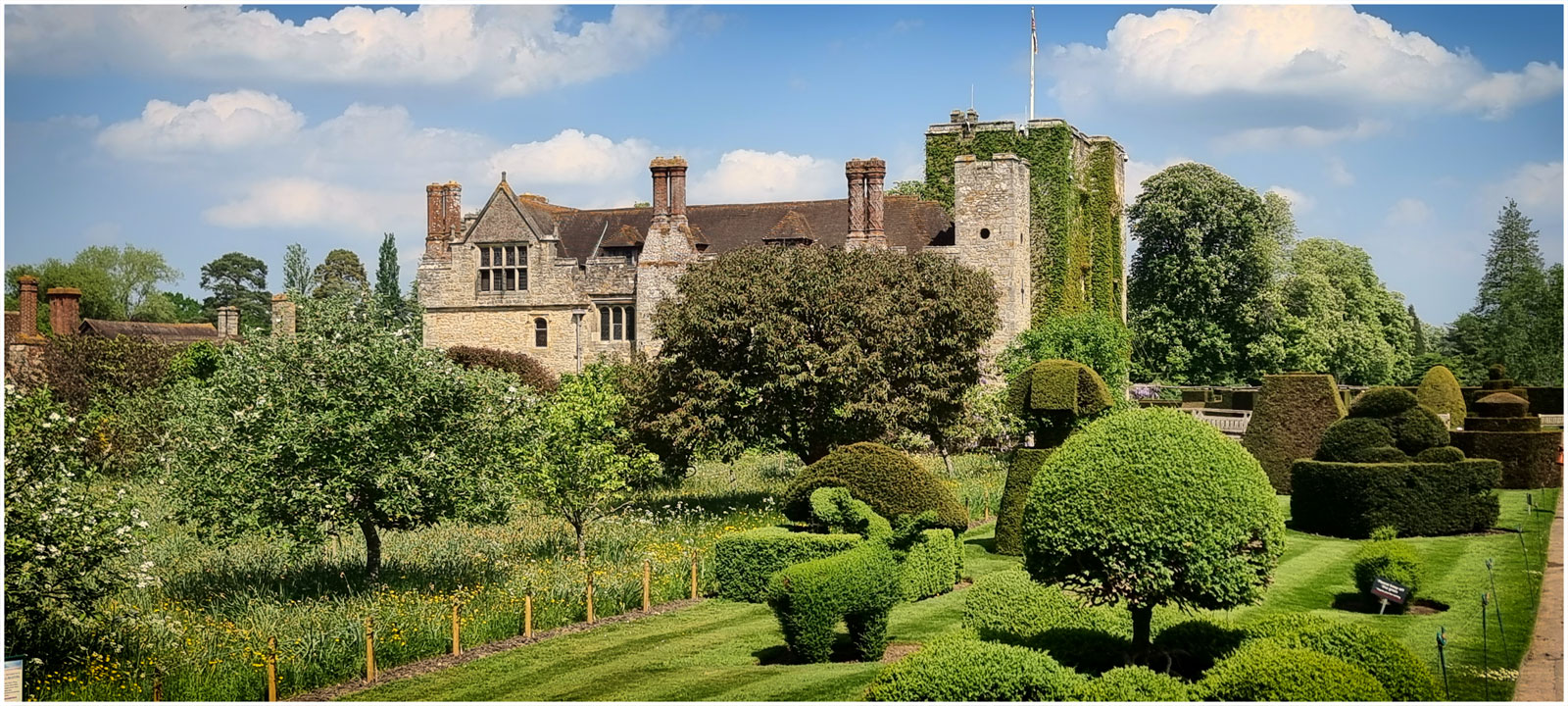
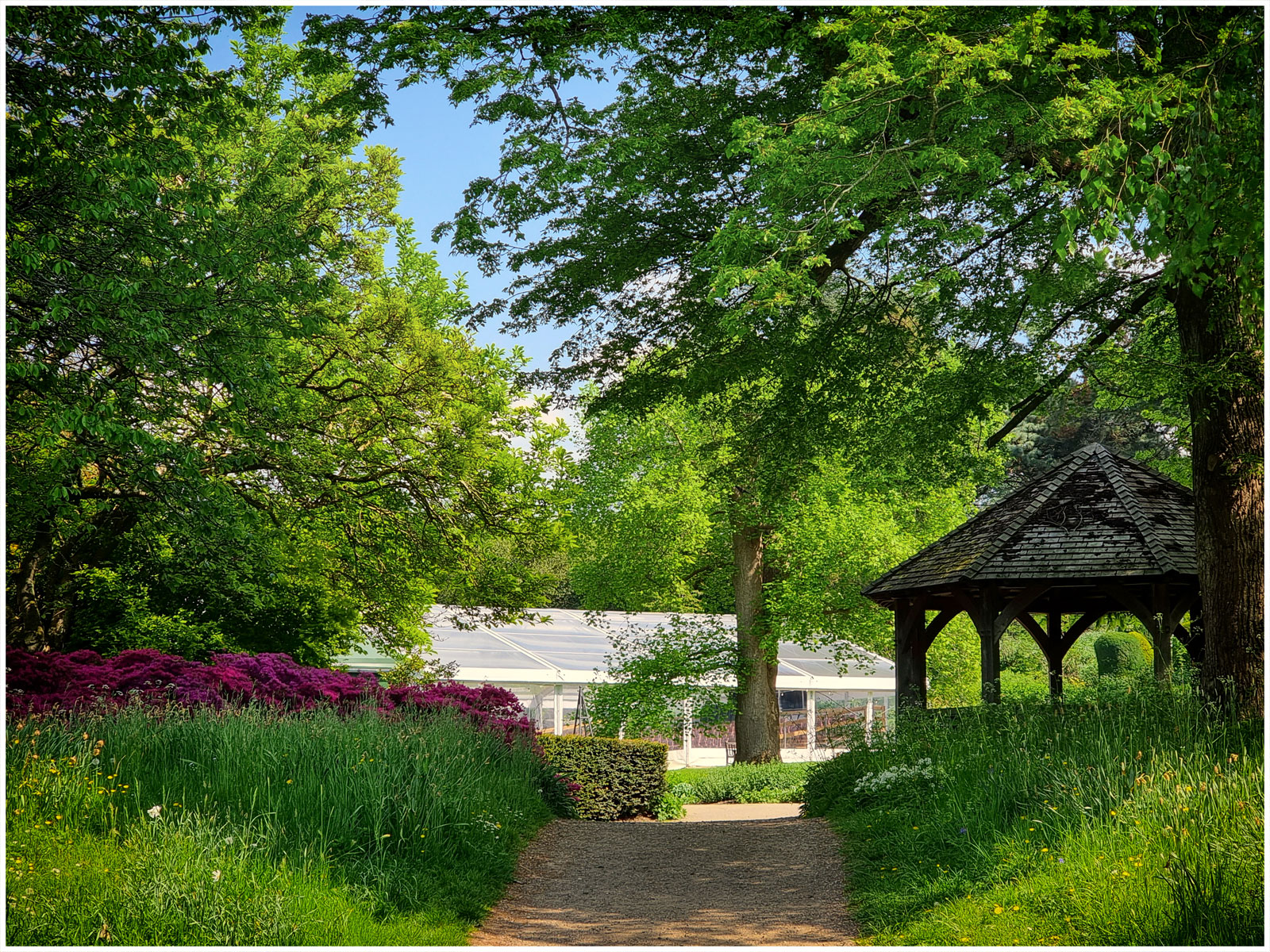
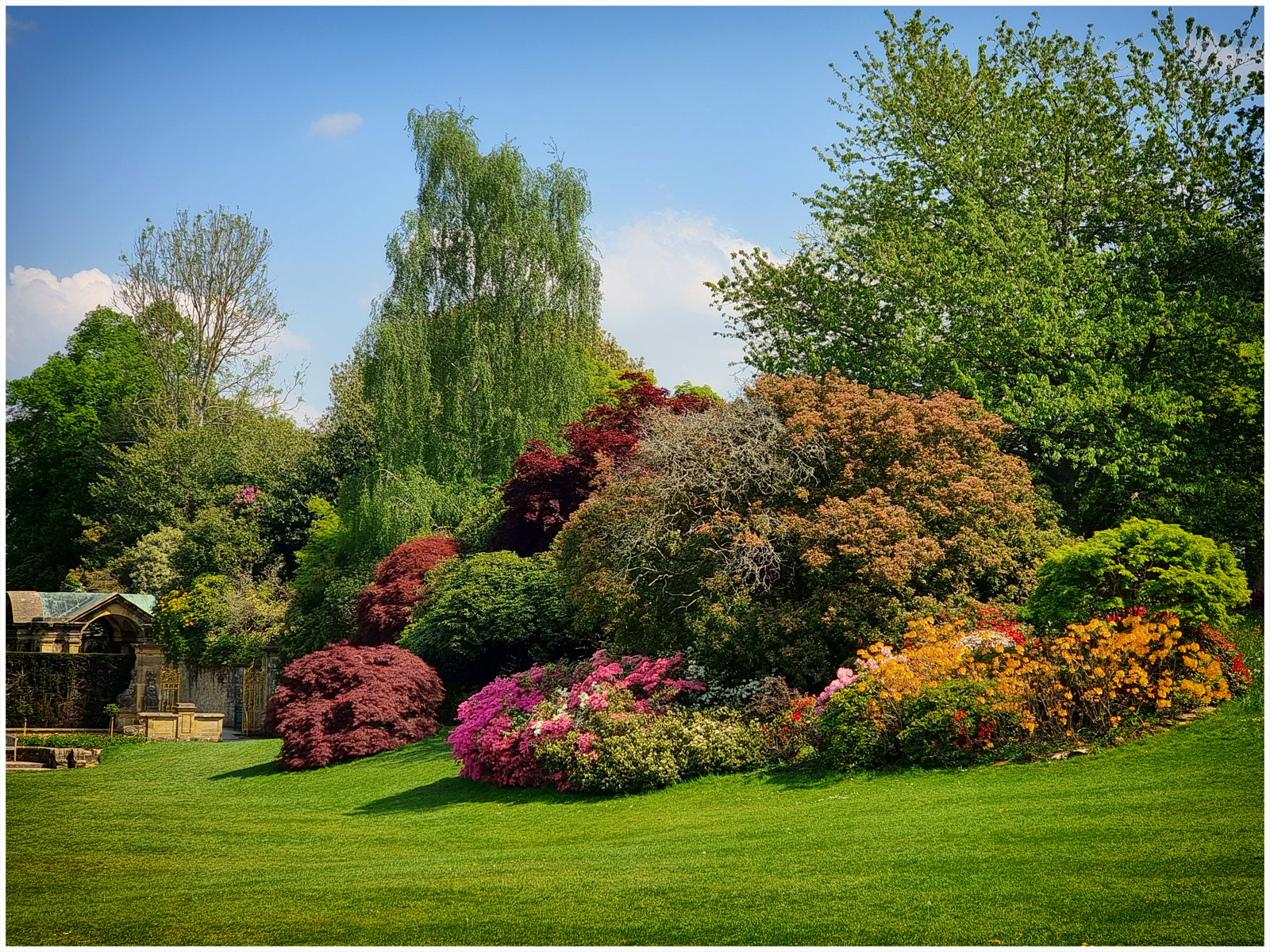
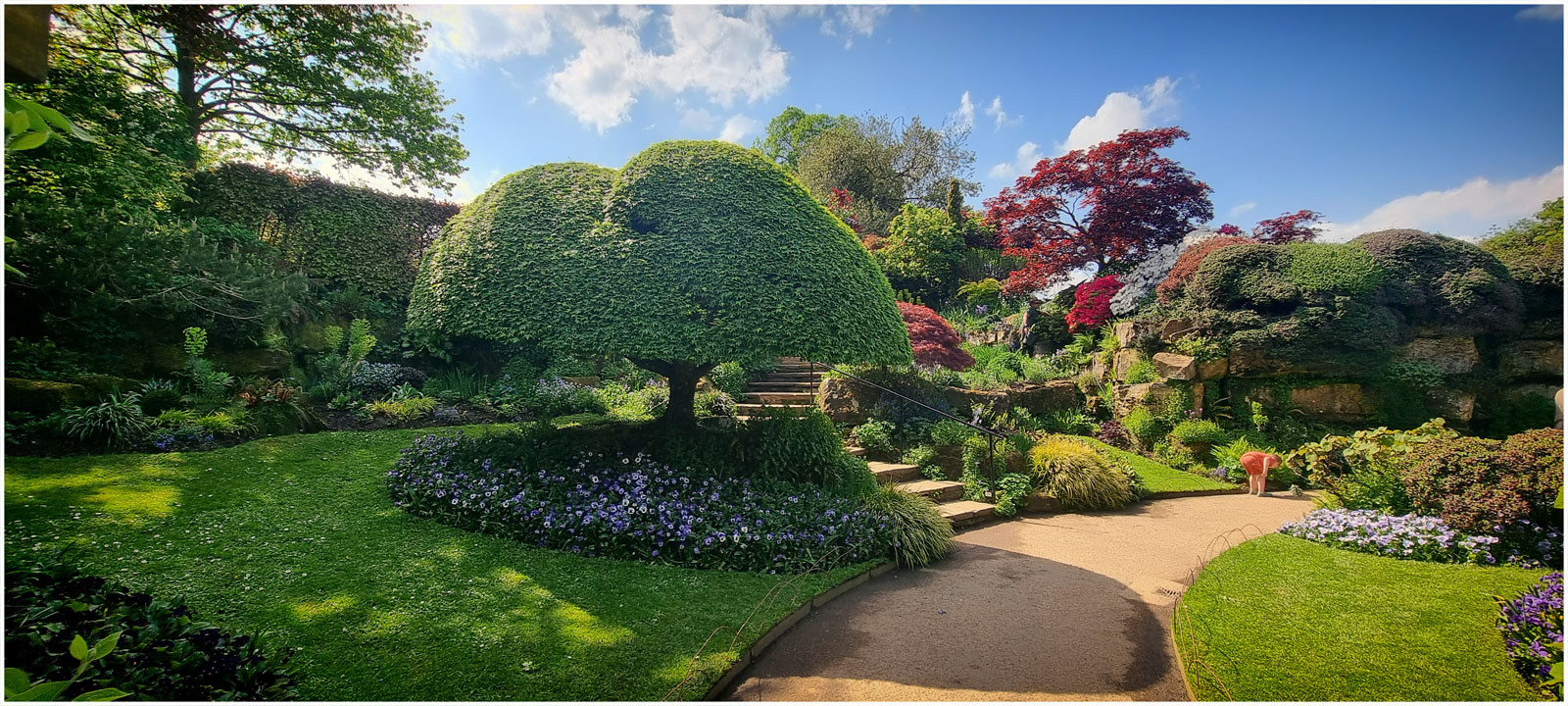
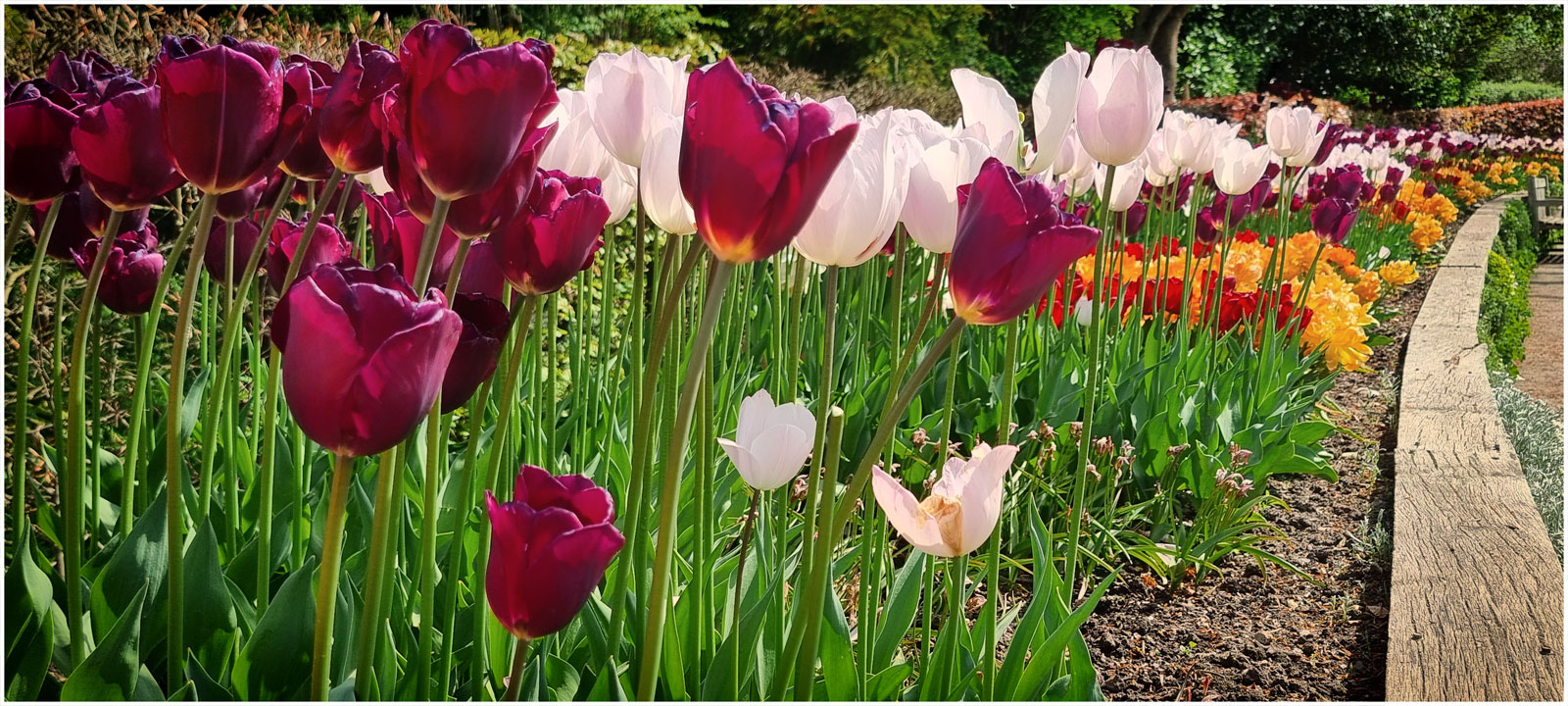
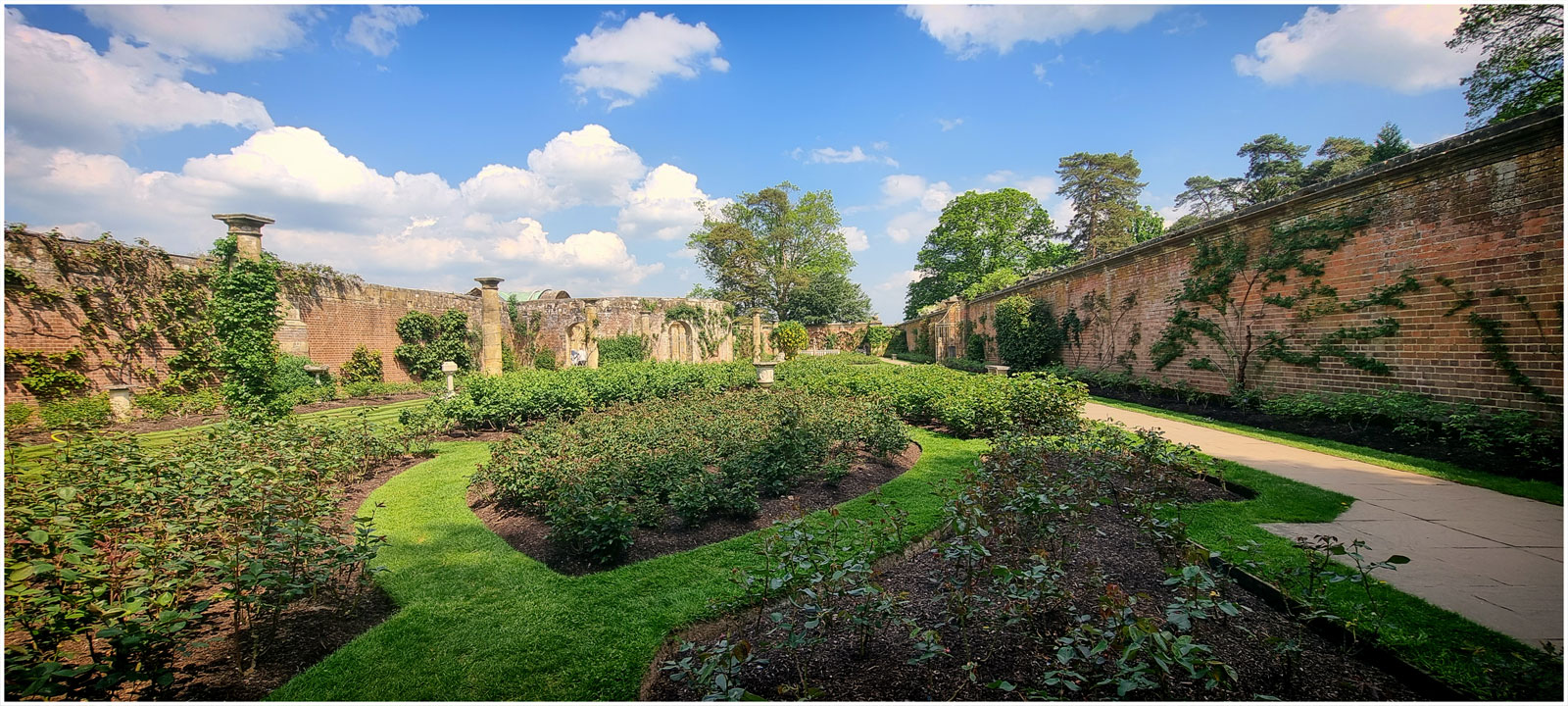
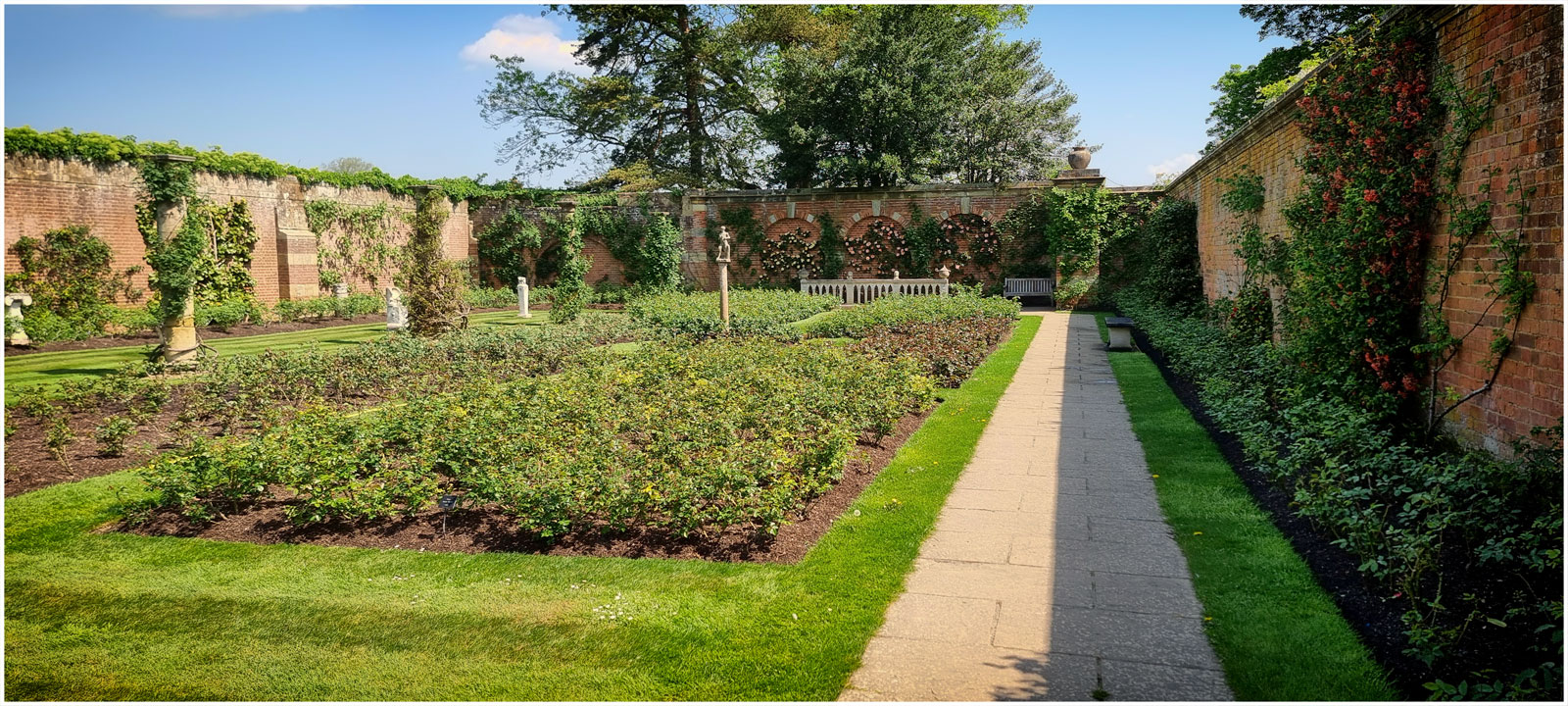
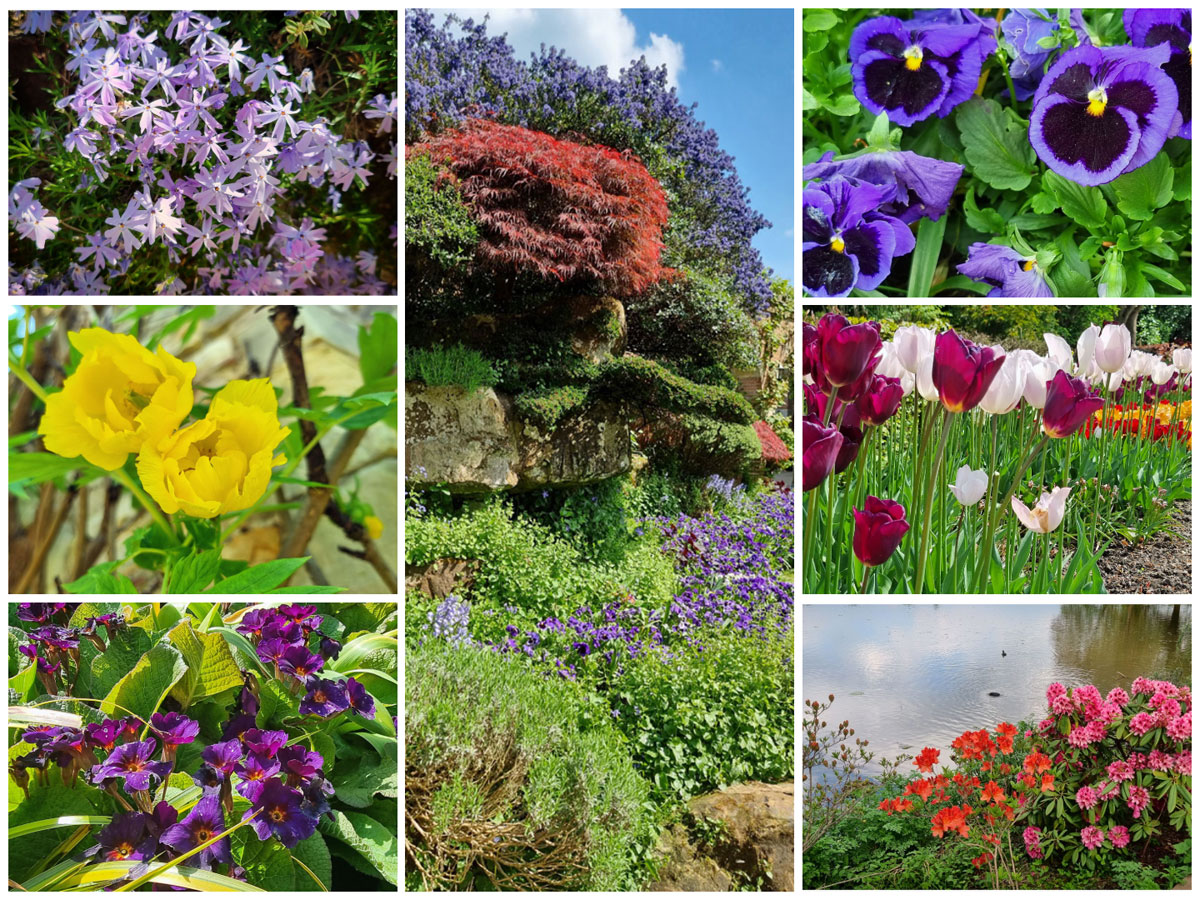
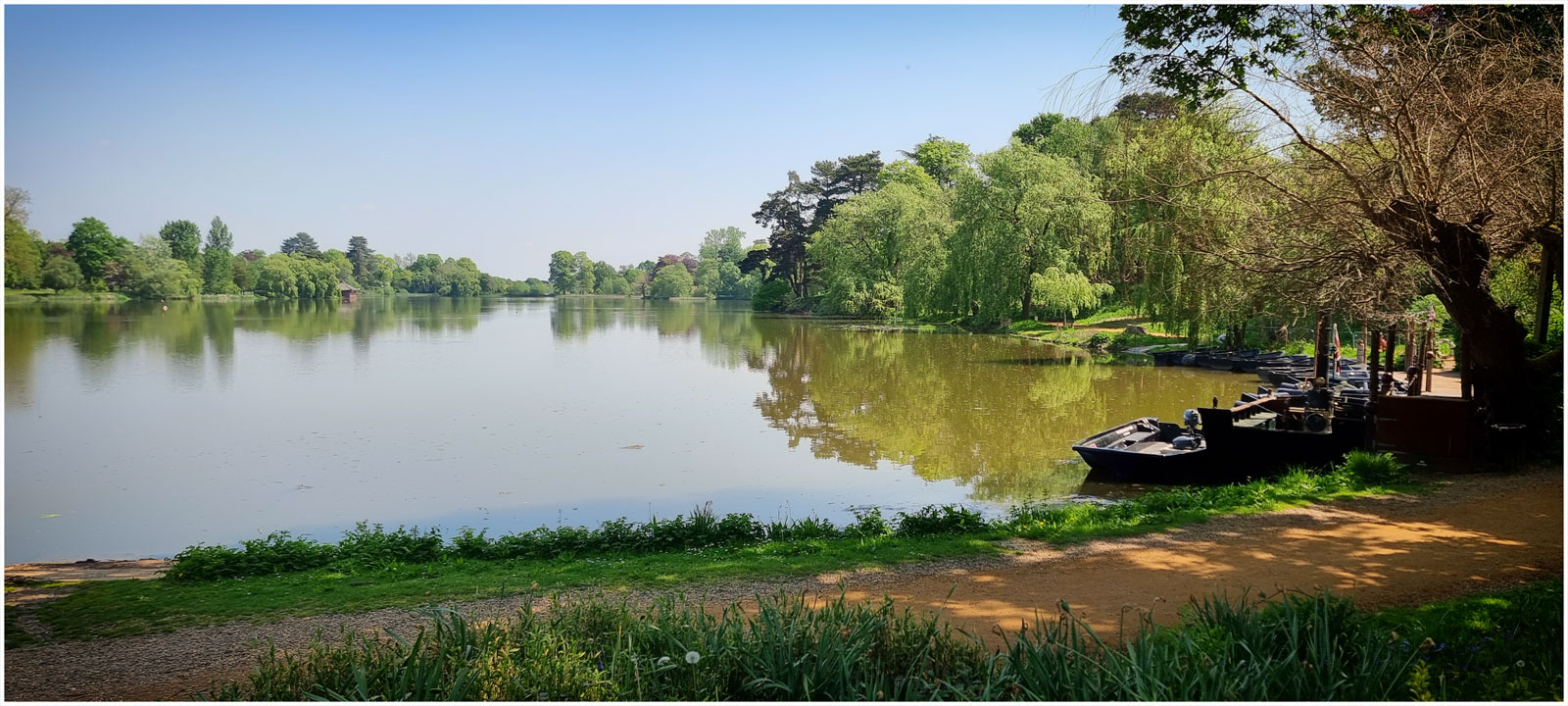
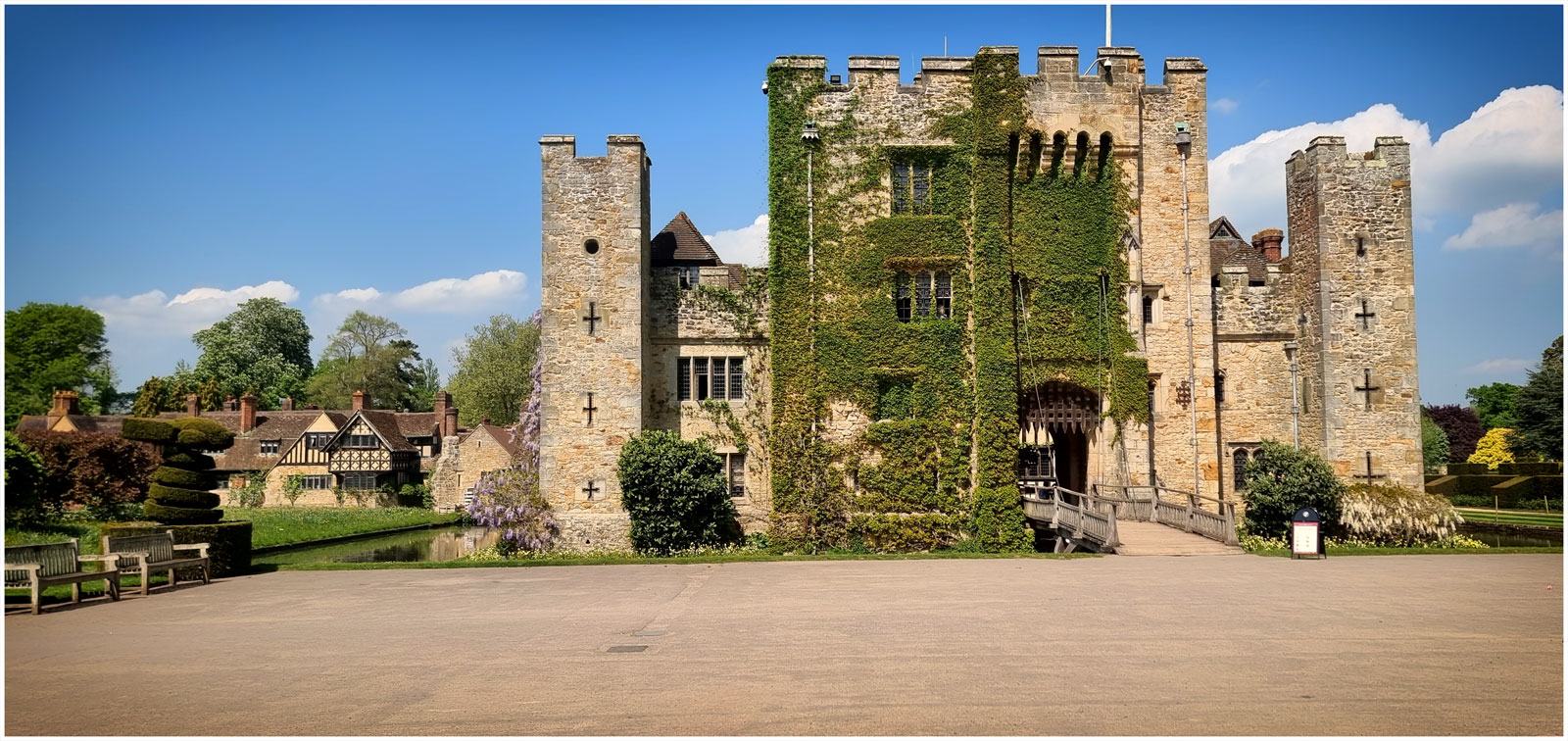
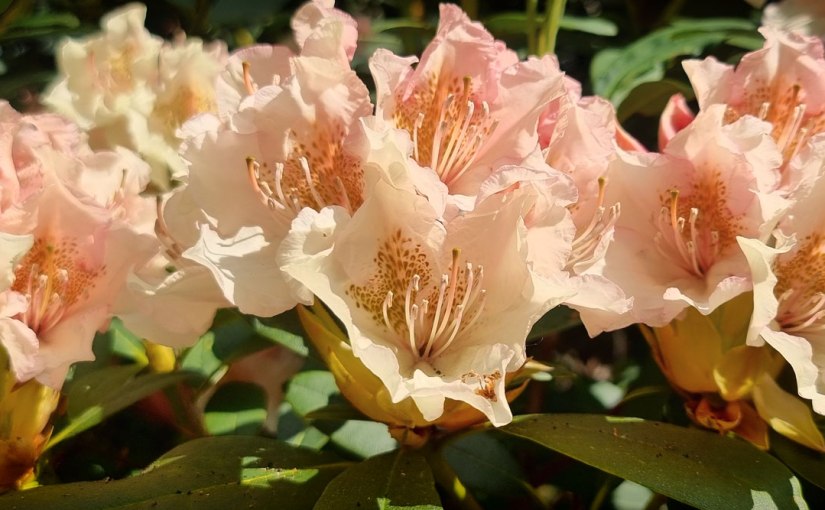
The Castle and outer moat and mazeA closer view – if you click on this image you might be able to make out the topiary chess set on the far right in the Tudor GardenOne of the towers and the inner moatCastle from the opposite side and topiaryShady area close to Anne Boleyn’s Walk – and the festival theatreRhododendrons and AzaleasThe Blue Corner – The plants are concentrated around huge rocks and steps leading to Sisters’ Pool Lawn and include blue hydrangeas, ceanothus and blue seasonal perennials.Hundreds of tulips in the border leading to the Two Sister’s Lawn and PoolRose Garden – best in June to SeptemberRose Garden – best in June to SeptemberSome of the lovely flowers in early MayThe Edwardian boathouseThe 38 acre lake, the brainchild of William Waldorf Astor, was excavated and constructed by 800 men who were contracted in December 1904 to “carry on the works regularly and continuously by day and night (except on Sundays) when so ordered” and complete the work in two years! The lake was filled in July 1906.
It takes about an hour to walk around the lake and you might just make out the Japanese Tea House folly on the left-hand side. There is also a water maze too. The boats and pedalos are available for hire on Weekends and Bank Holidays from Saturday 5 April 2025 and daily during school holidays. You can also take a 20 minute trip on the Lady Astor steam boat which you can just make out to the right of the photo above.
Whilst in Surrey over the early Spring Bank Holiday, I suggested that my daughter and I had a day out visiting Hever Castle and Gardens in Kent. It was a hot day so we didn’t have enough energy to stroll around the lake, nor did we visit the Tudor Garden with the topiary chess set! Two good reasons to return.
Dating back to the 14th century, Hever Castle was once the childhood home of Anne Boleyn, second wife of Henry VIII and Mother of Elizabeth I. It is well worth a visit especially of you are interested in Tudor history.
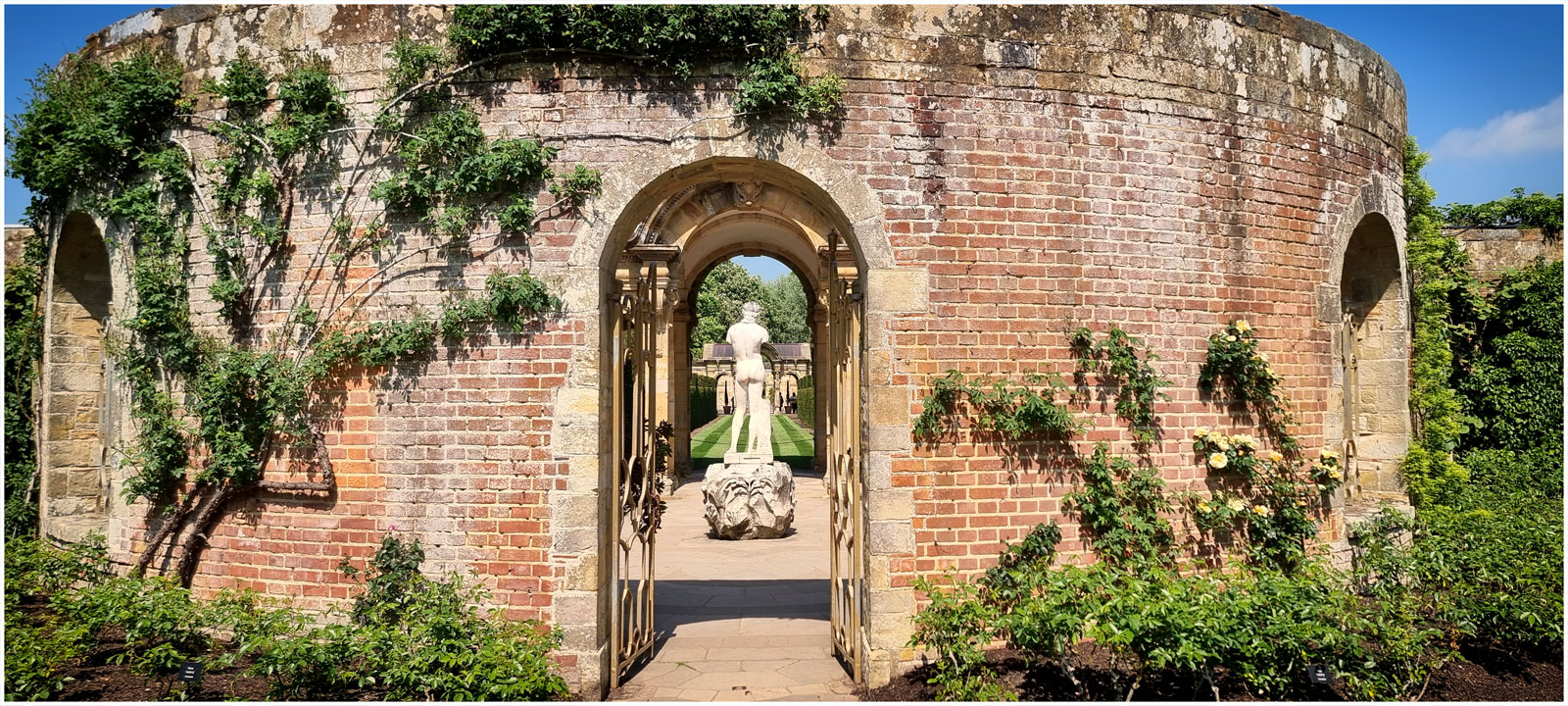
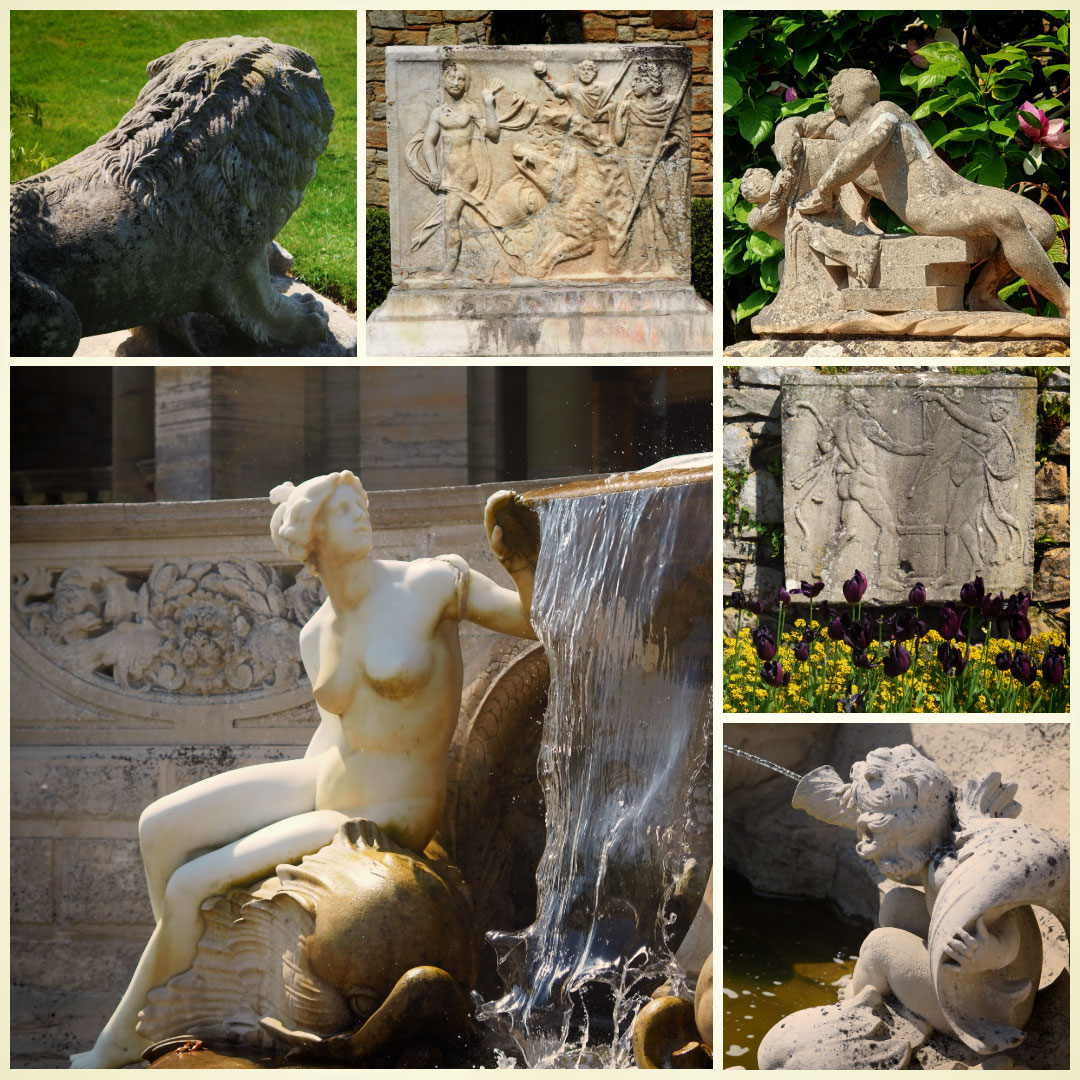
But for this post I am only exploring the beautiful gardens which were laid out between 1904 and 1908 by Joseph Cheal and Son. Until William Waldorf Astor bought Hever Castle in 1903, only a modest garden existed around the castle walls. One of the most magnificent areas of the gardens is the Italian Garden, which was designed to display William Waldorf Astor’s collection of Italian sculptures.
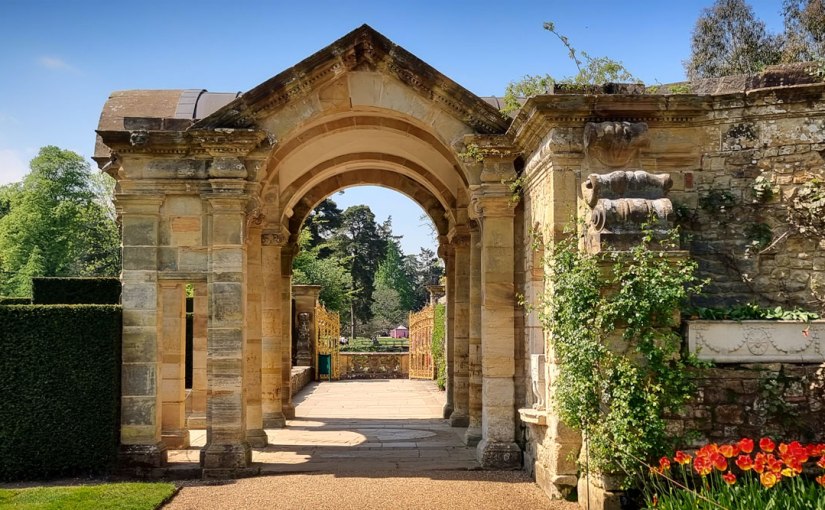
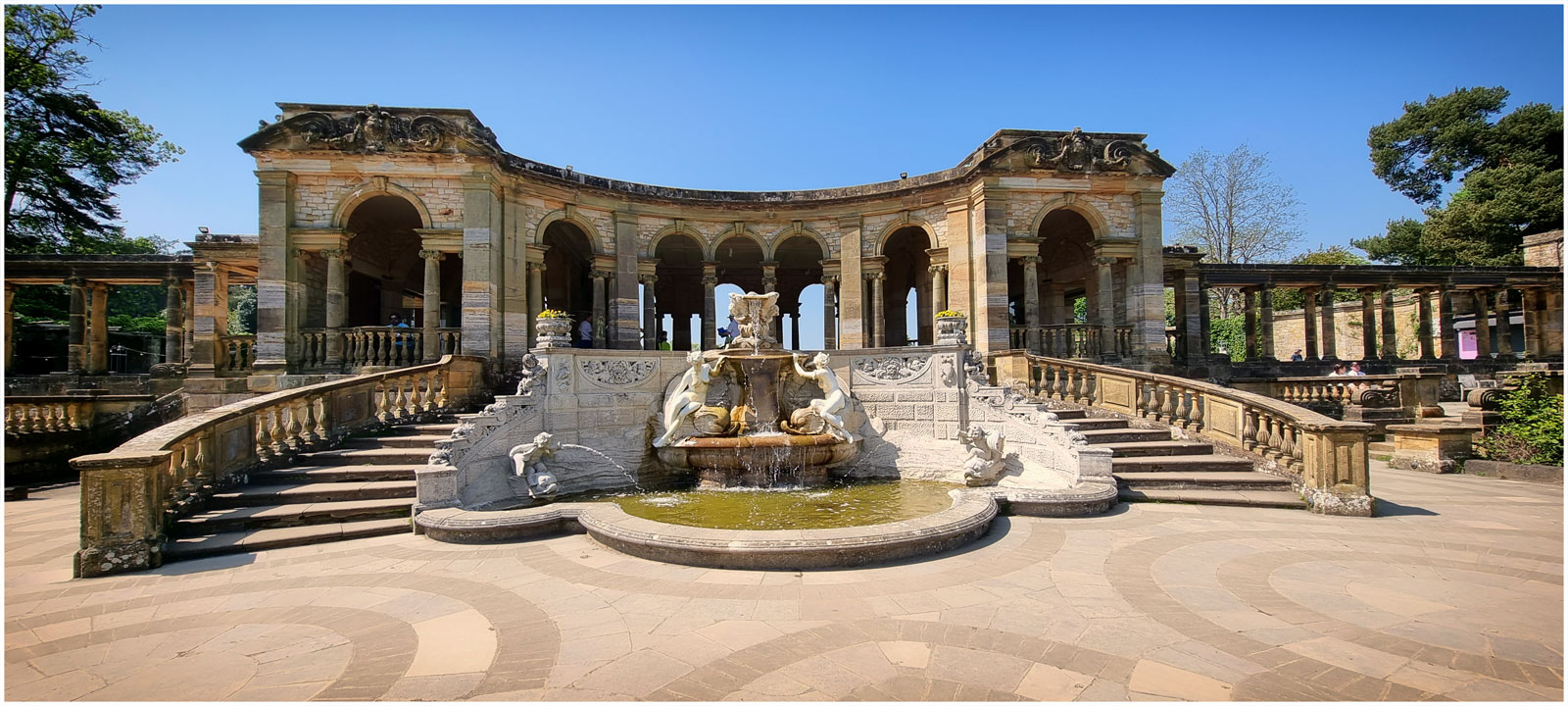
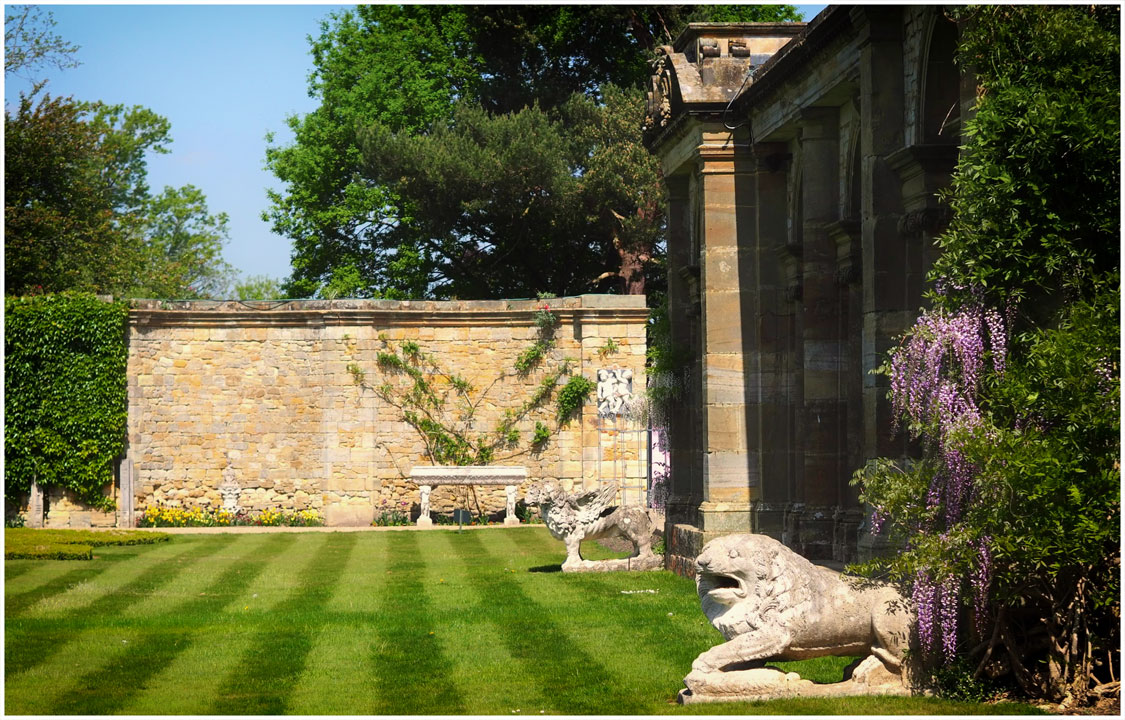
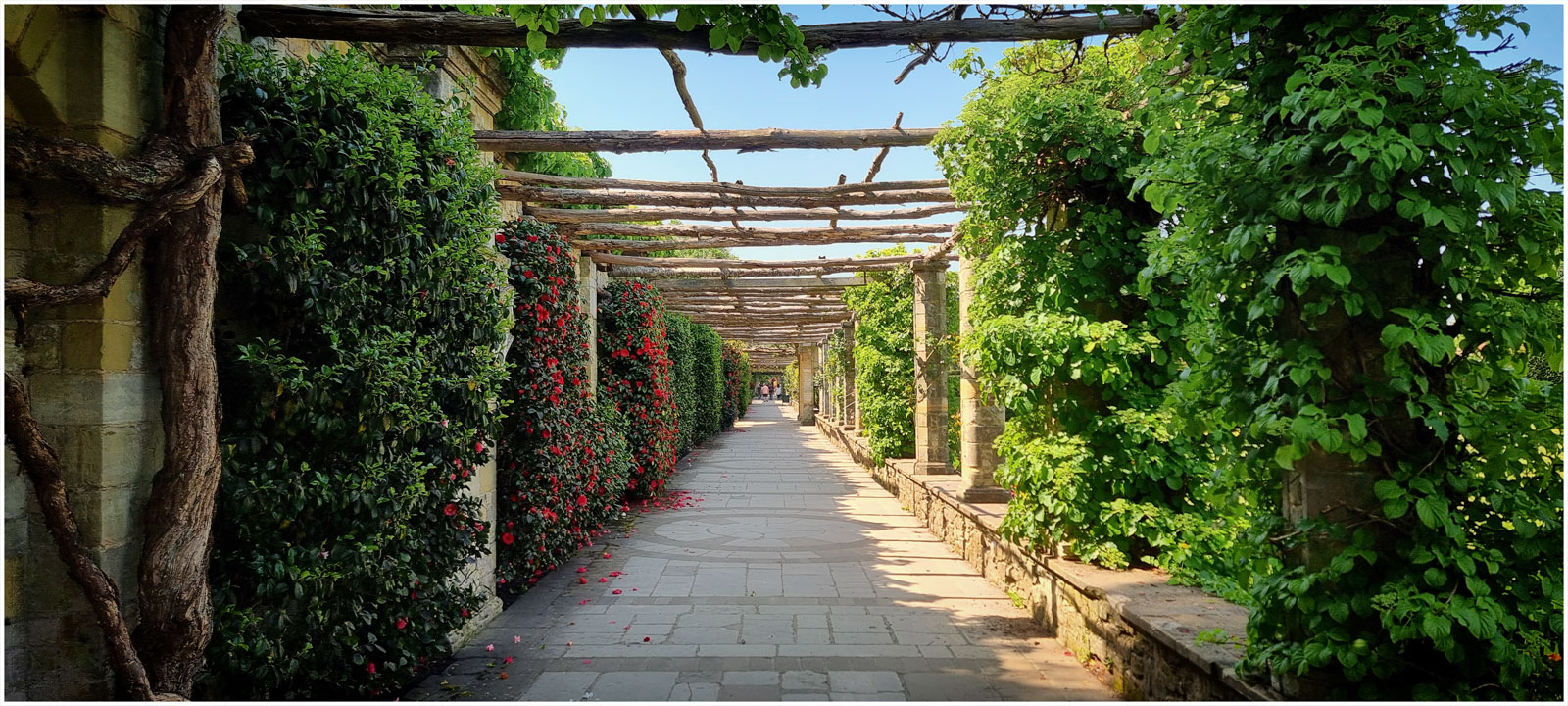
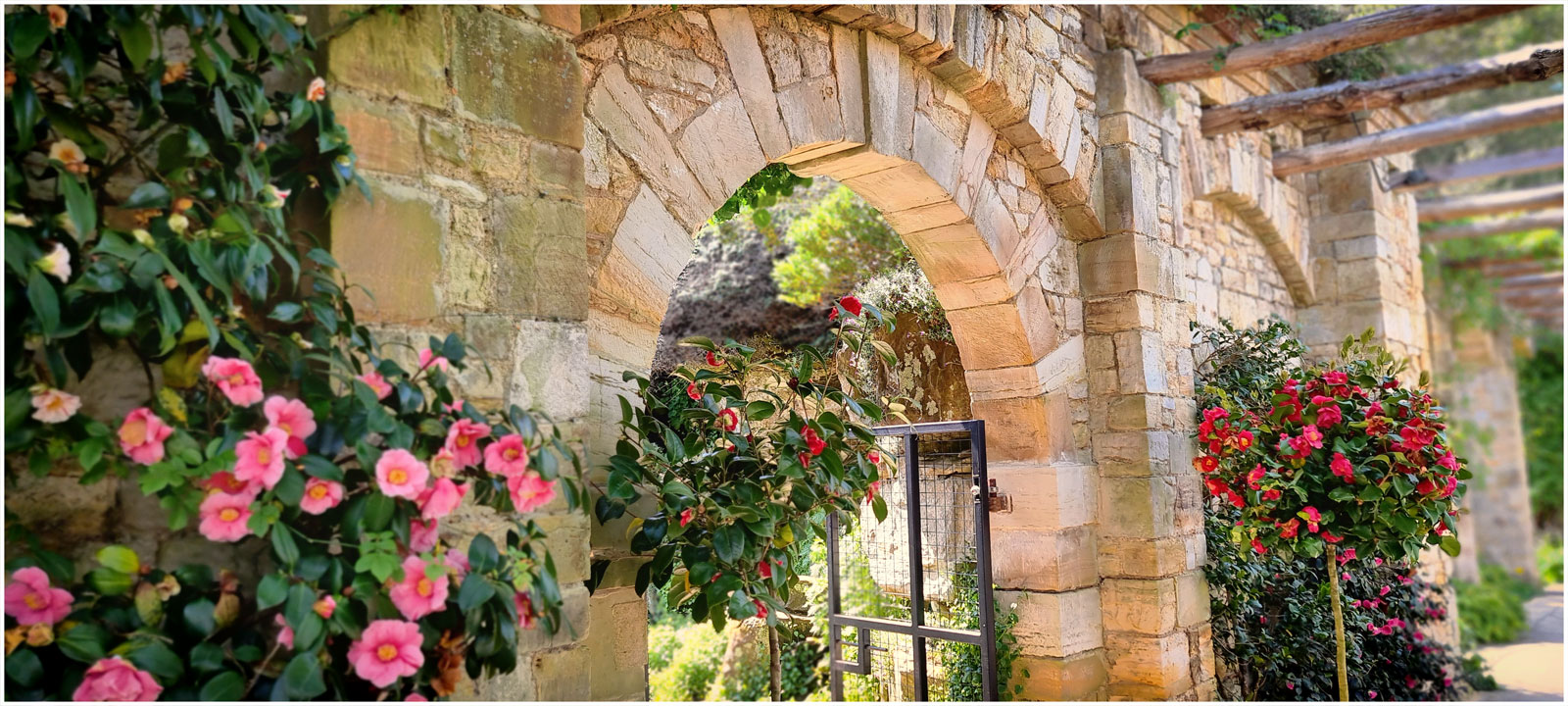
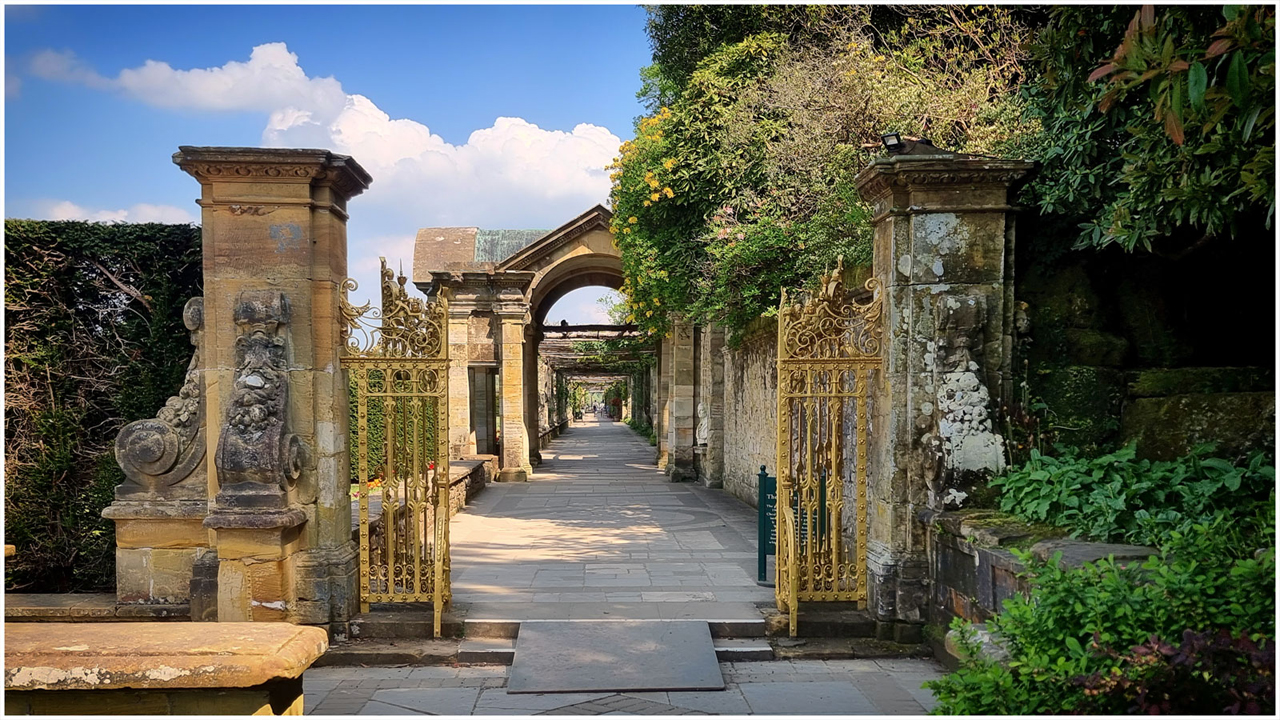
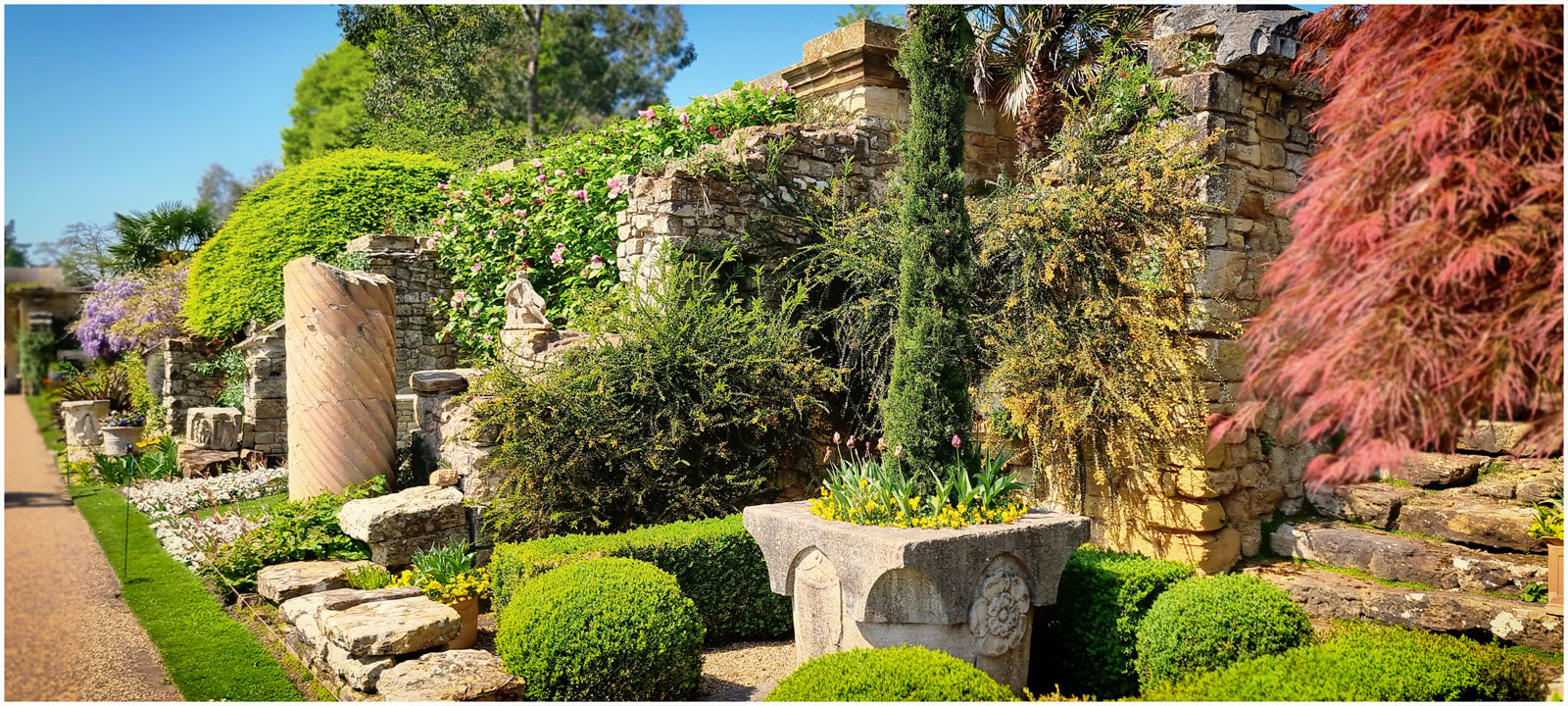
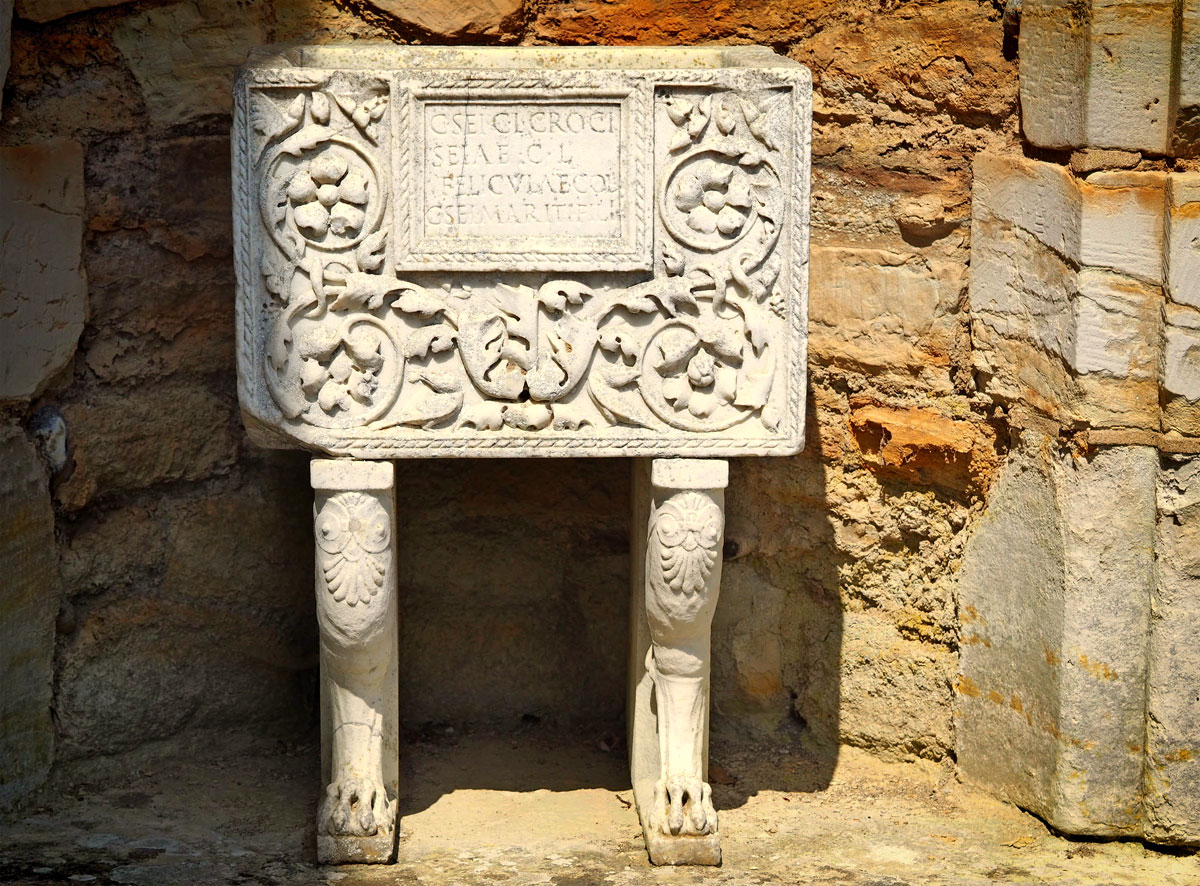
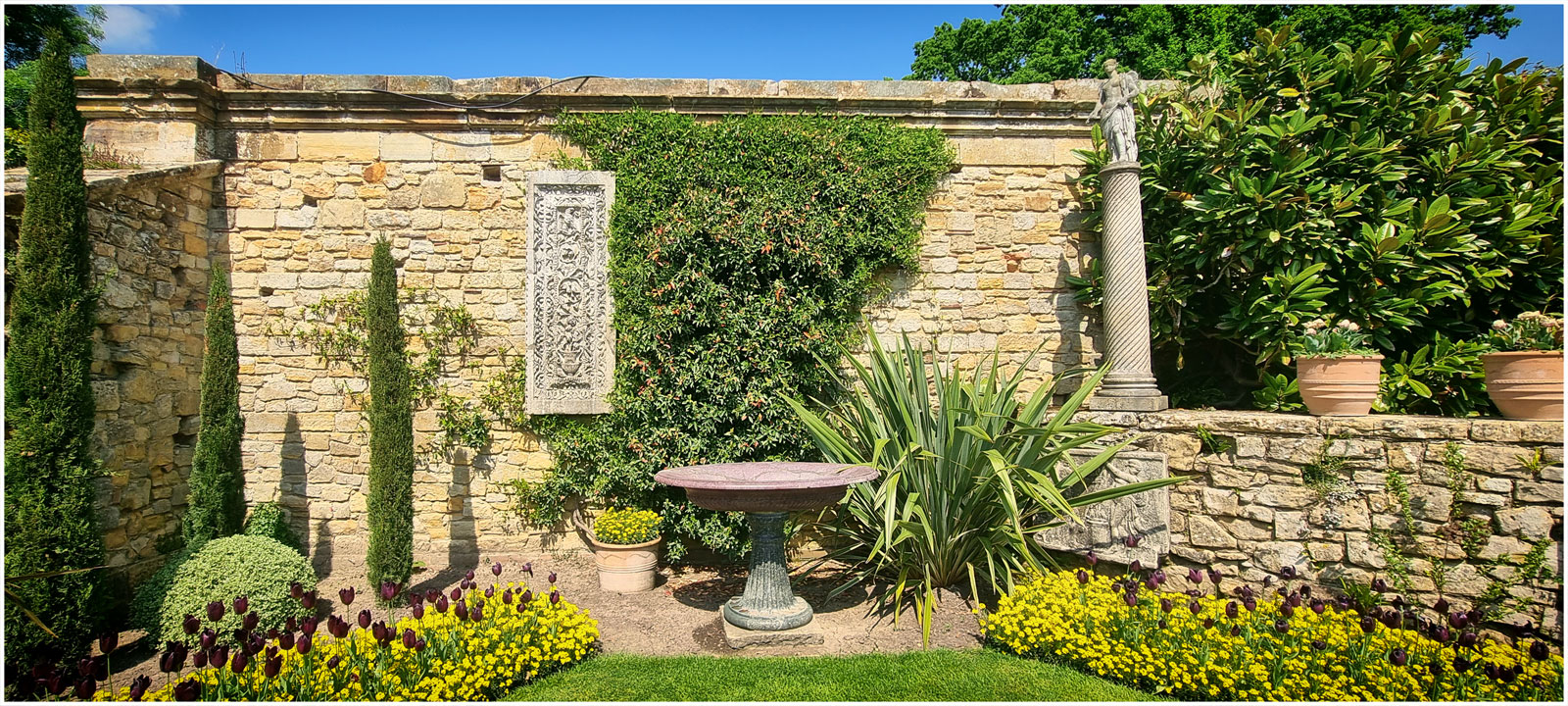
The impressive Loggia at the lake end of the garden is flanked by pillared colonnades and descends by balustrade steps to the piazza below with its classical sculpture inspired by the Trevi Fountain in Rome.The Italian Garden. Covering four acres, the long sweeping lawns and tall clipped yew hedges form the central area of this magnificent garden, bordered by two twelve foot high walls made from local stone.Along the south side runs the Pergola Walk with its shaded grottoes planted with ferns and moisture loving plants.Pergola WalkItalianate sculptureEntrance to the Pergola Walk and the Italian Garden with the stunning golden gatesOn the north side is the Pompeiian Wall which contains small bays showcasing antiquities in stone and marble enveloped with shrubs and climbing plants.Italianate sculptures and antiquities
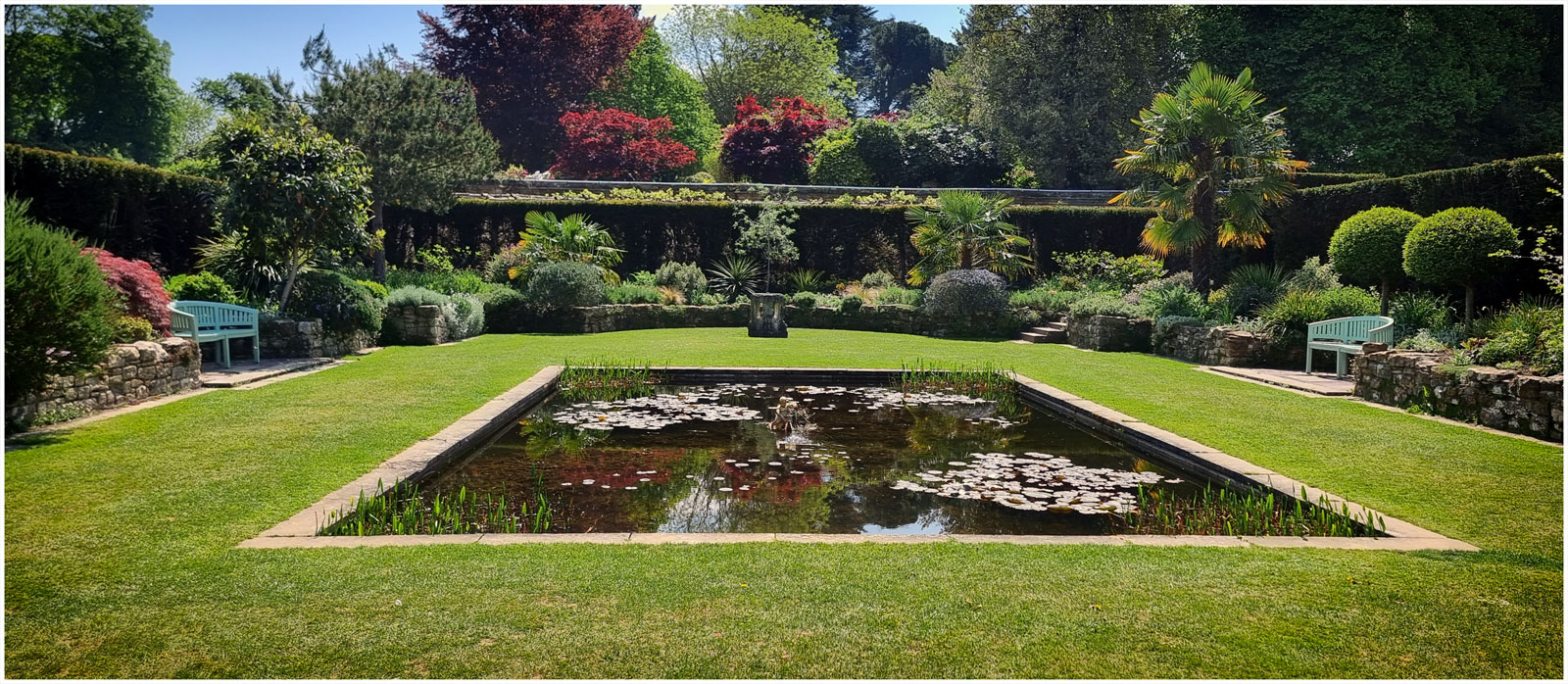
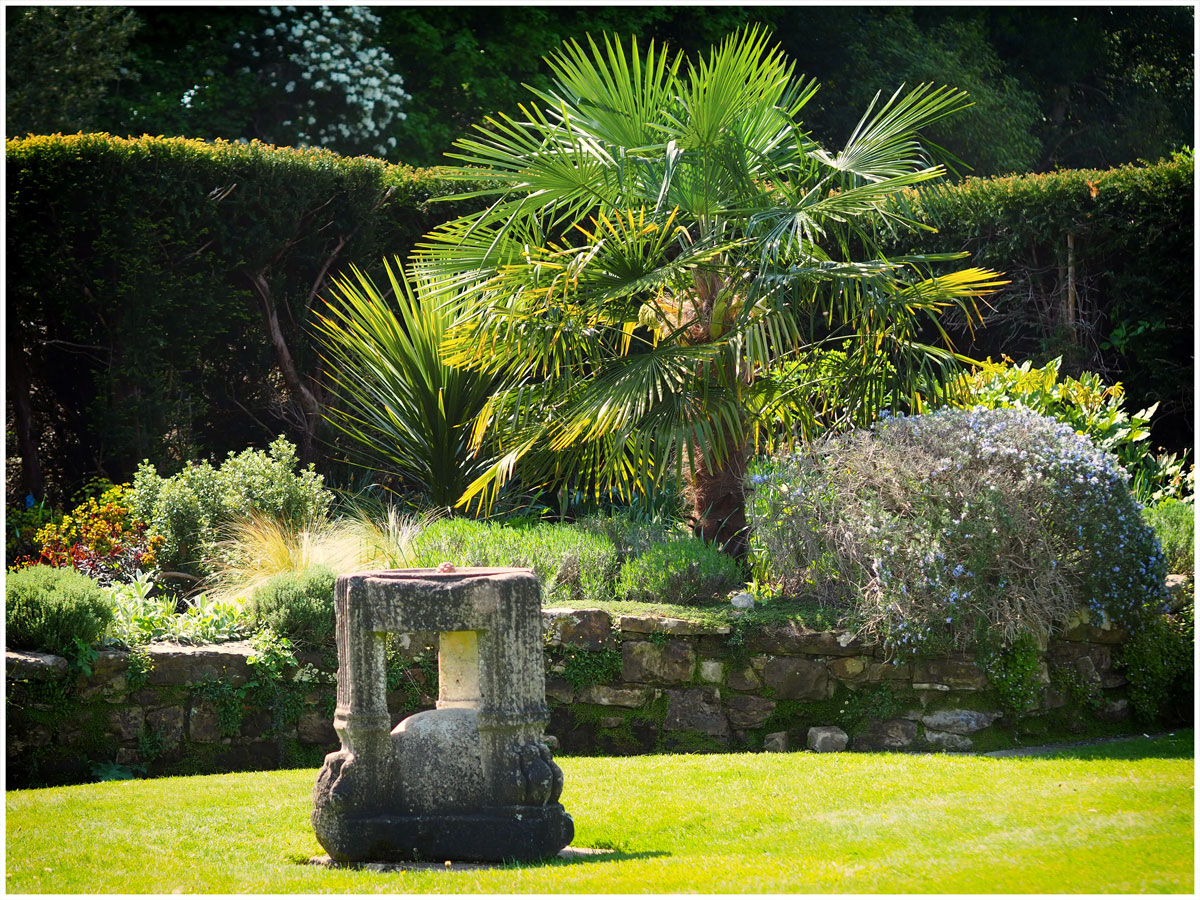
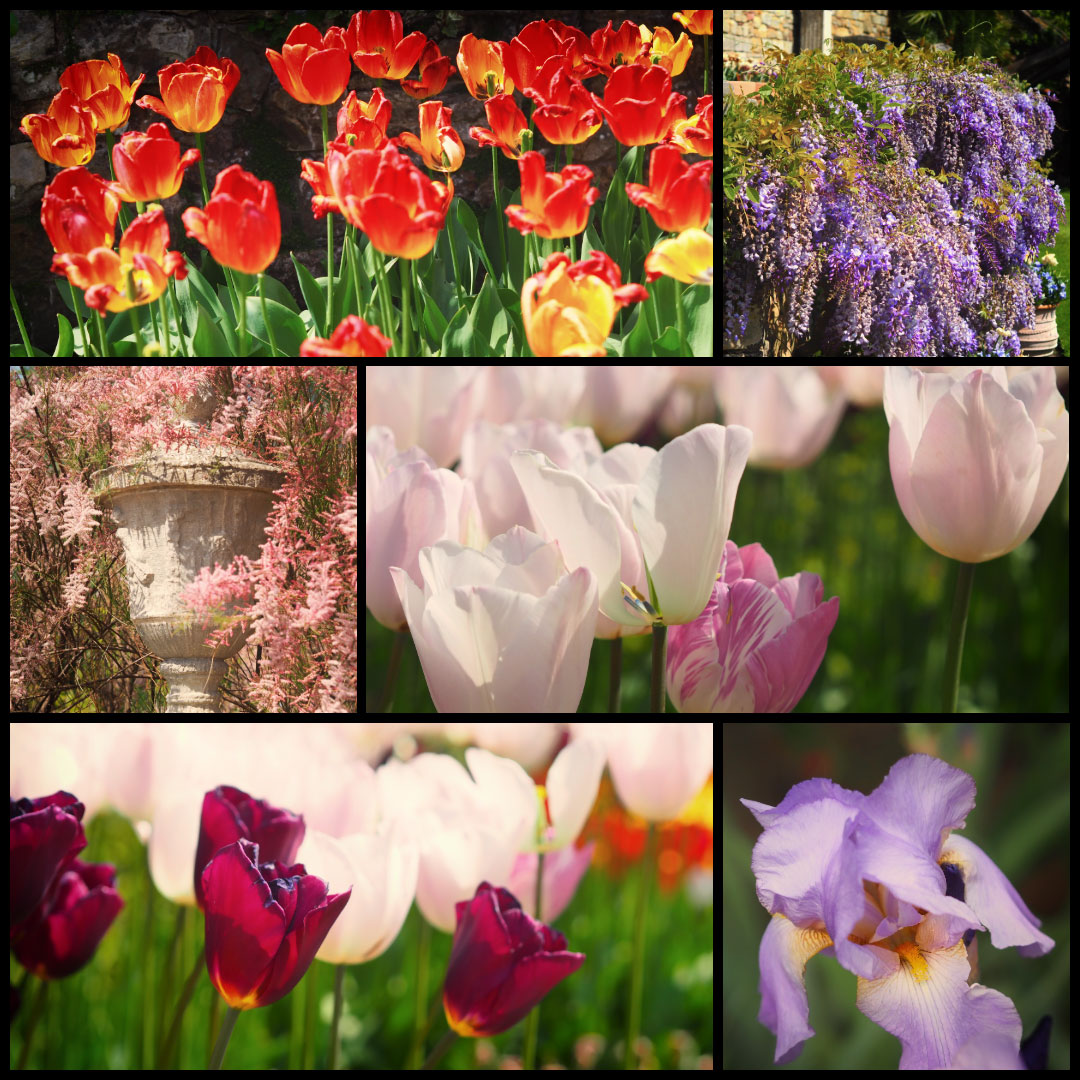
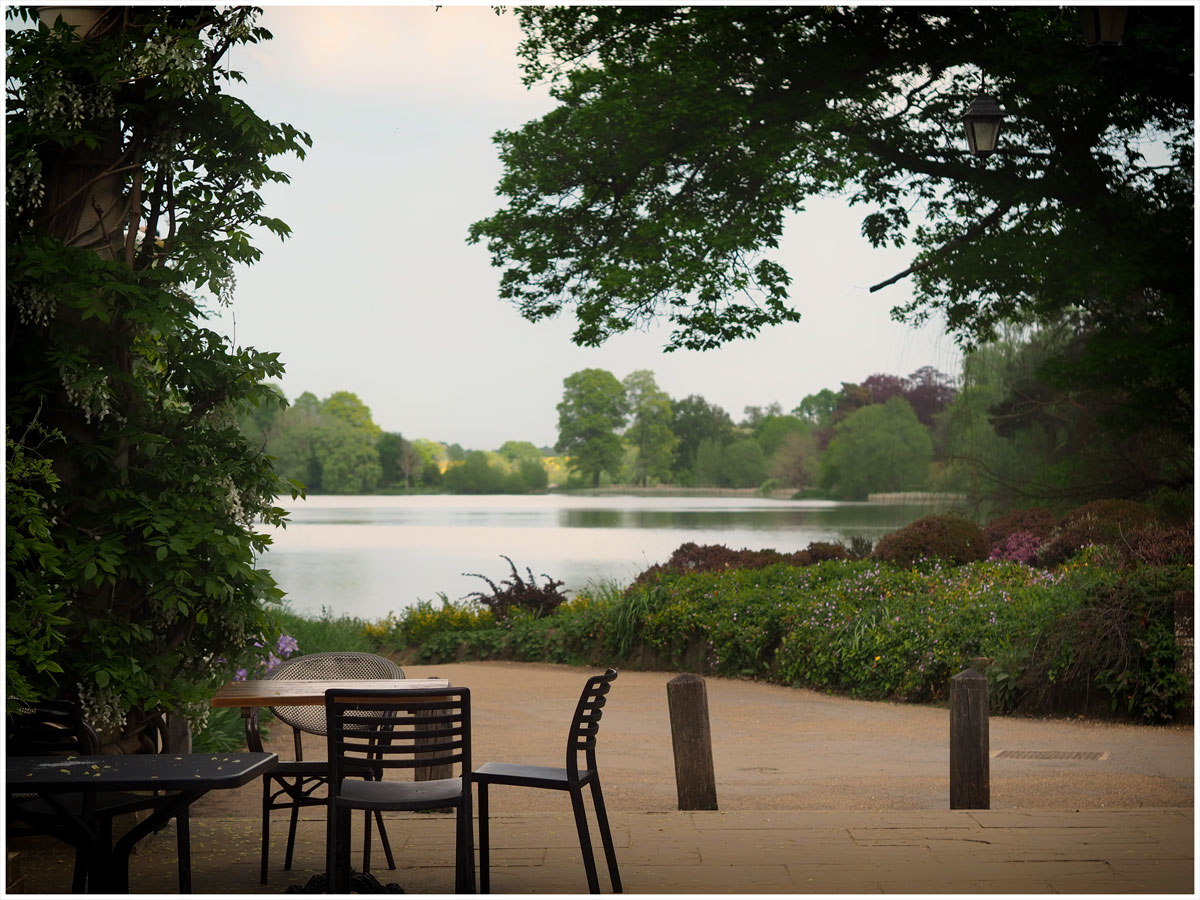
In one of the recessed baysPompeiian WallHidden in the centre of the Italian Garden behind a tall hedge lies the Sunken Garden, an oasis of peace and quiet.Sunken GardenAt the beginning of May the gardens were full of tulips, irises and wisteria. The planting is stunning and there is so much to see. Far more than I can possibly put in one post.And to end, a glimpse of the lake from the Pavilion courtyard.
Then there is the Rose Garden, the setting for over 5,000 roses which flourish from June until the end of September. Yet one more reason to return.
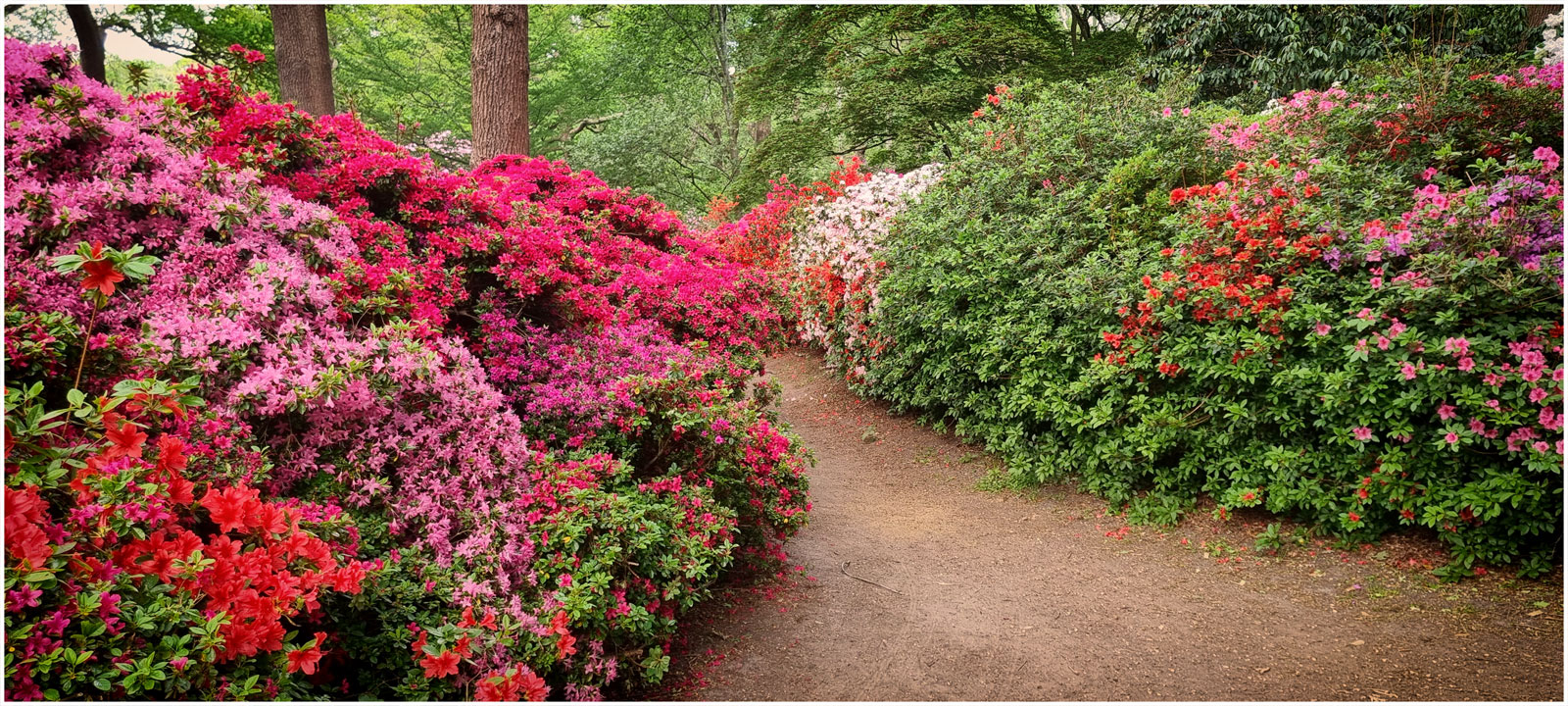
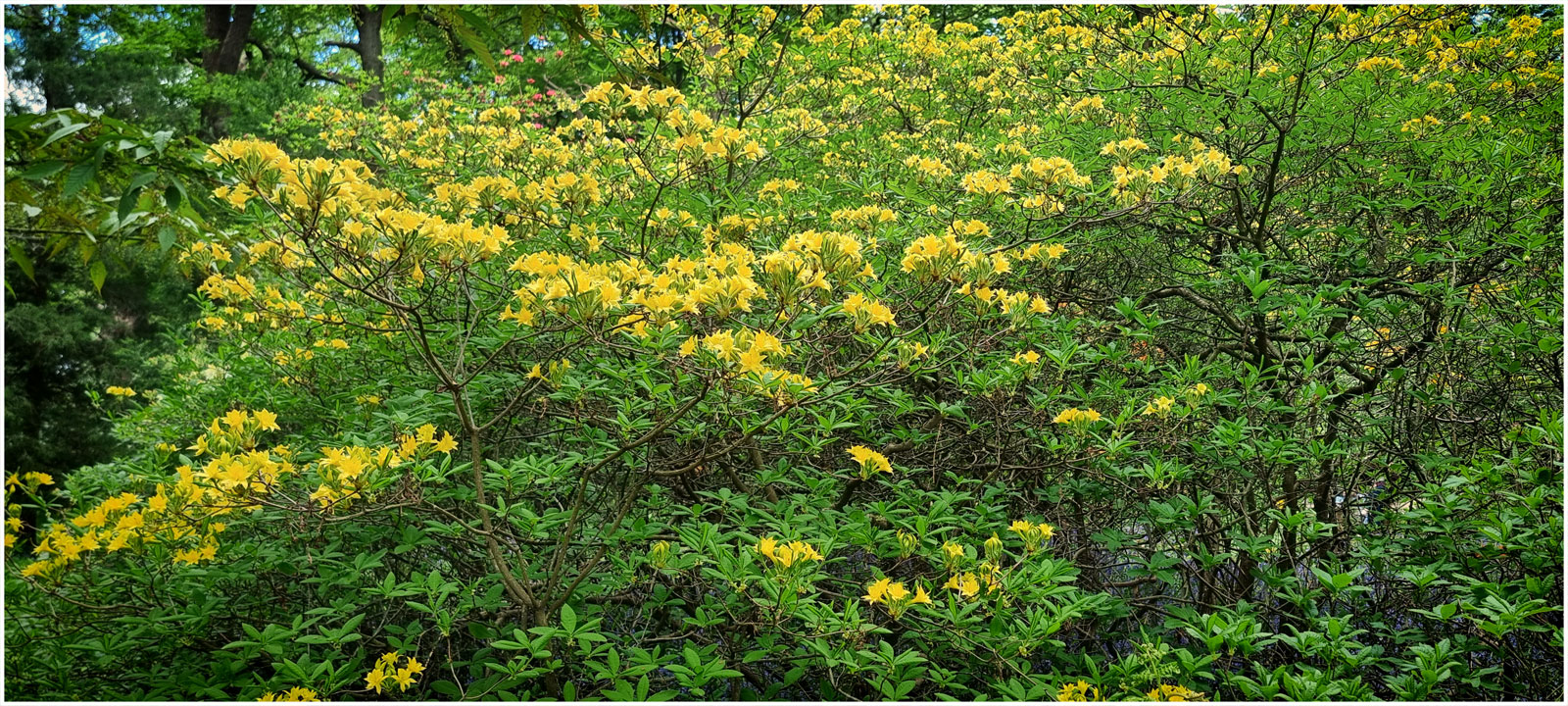
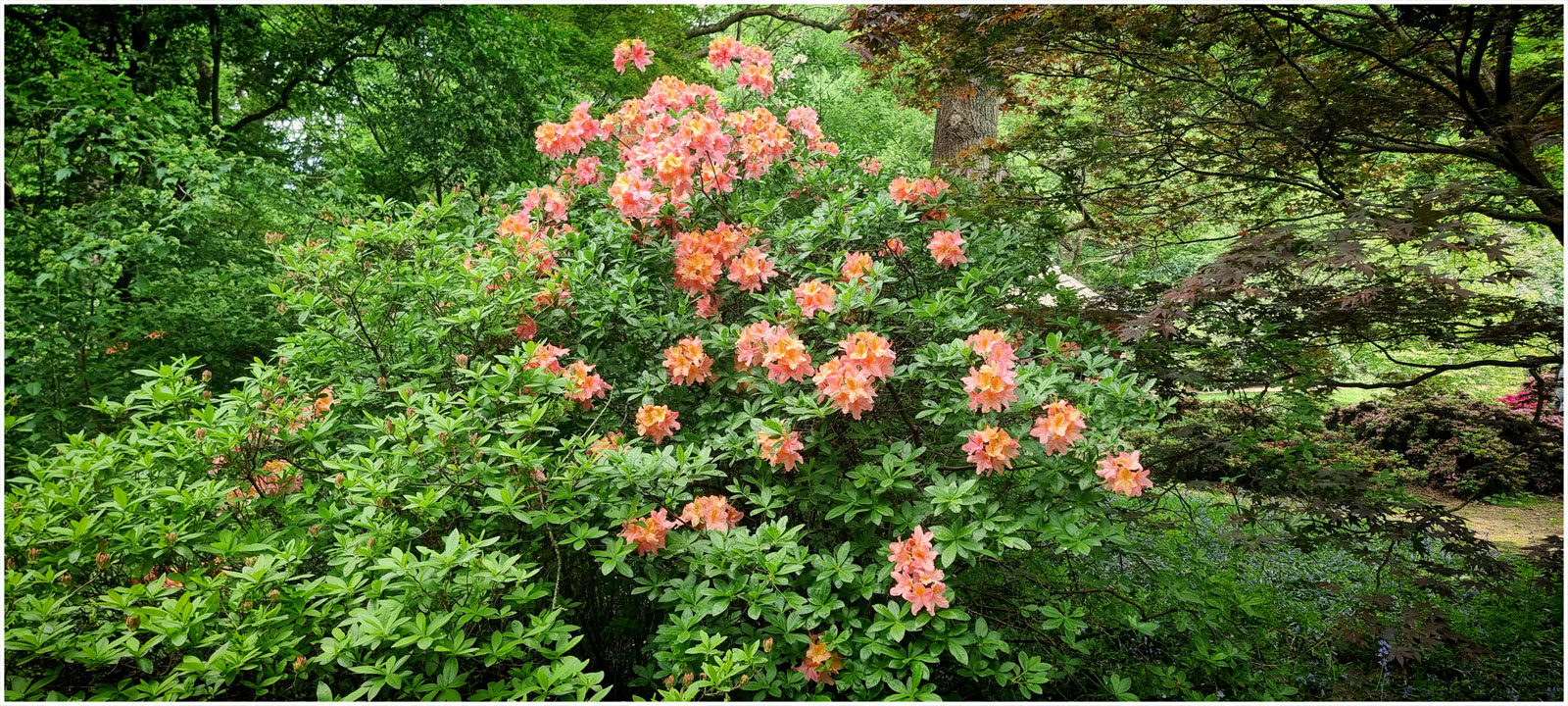
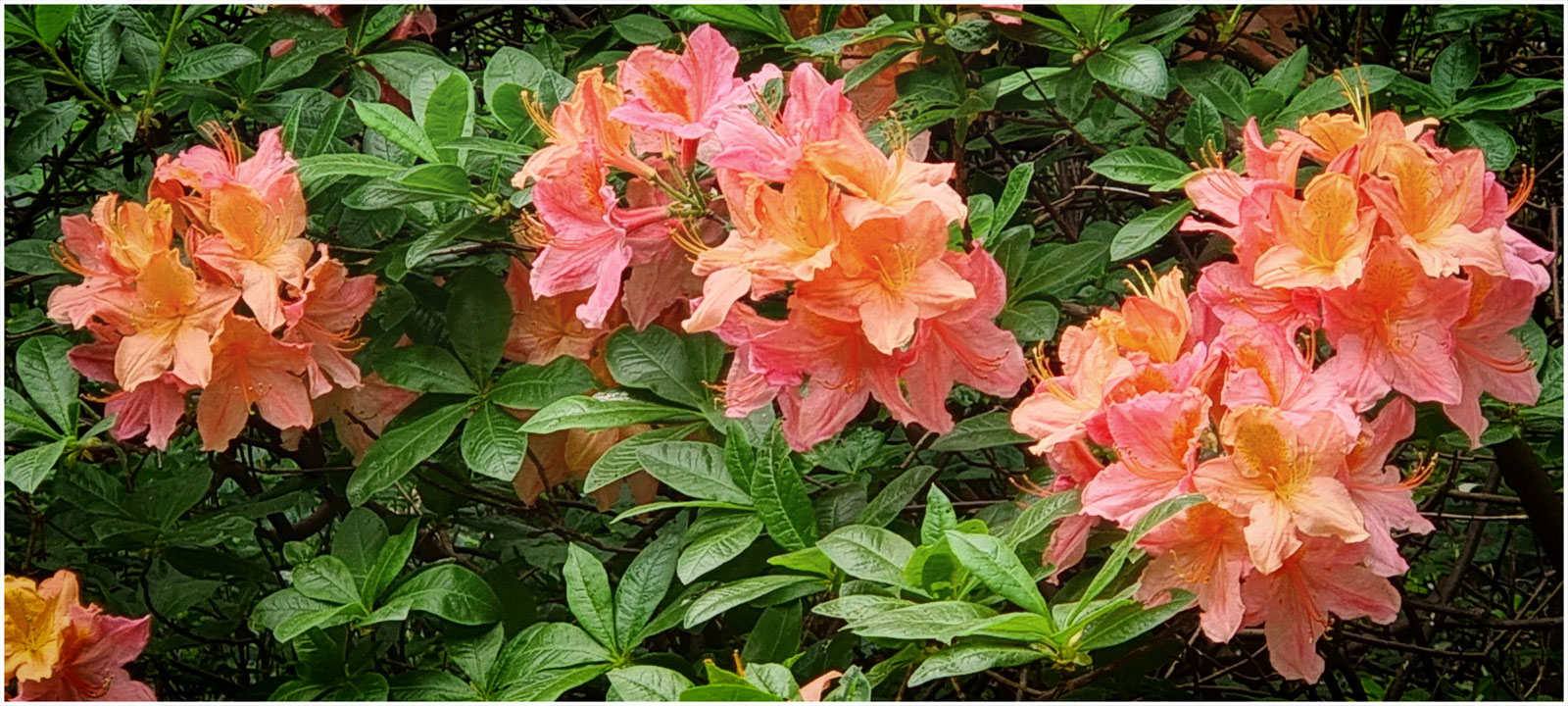
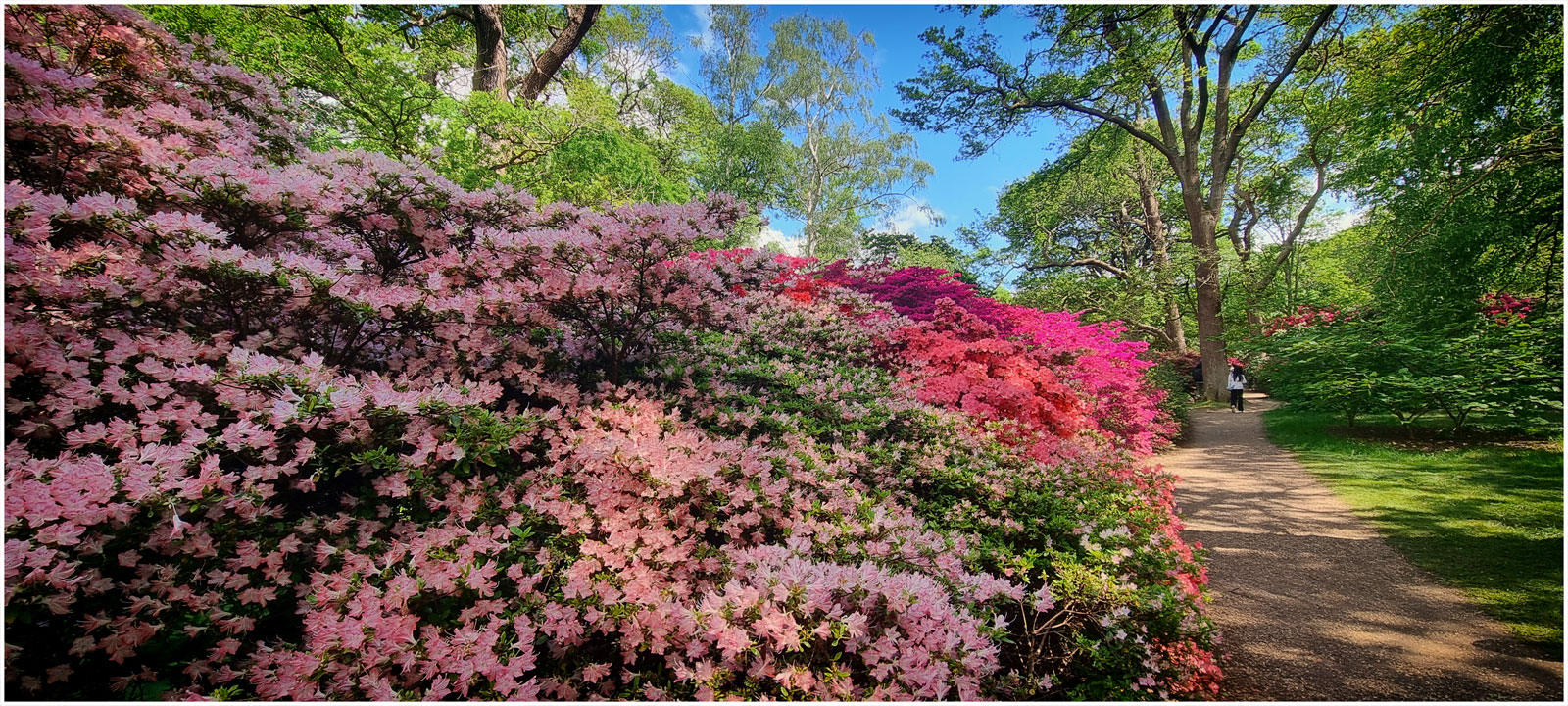
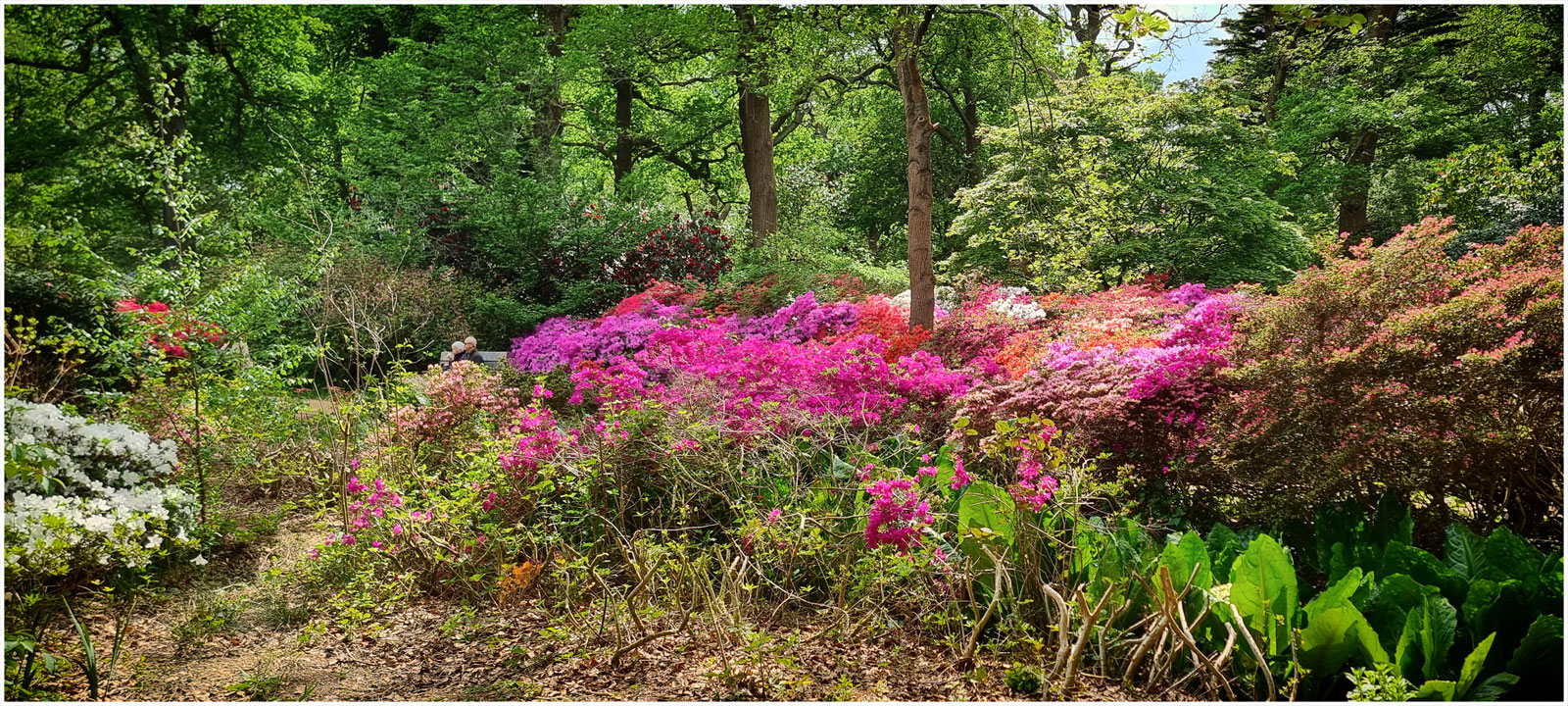
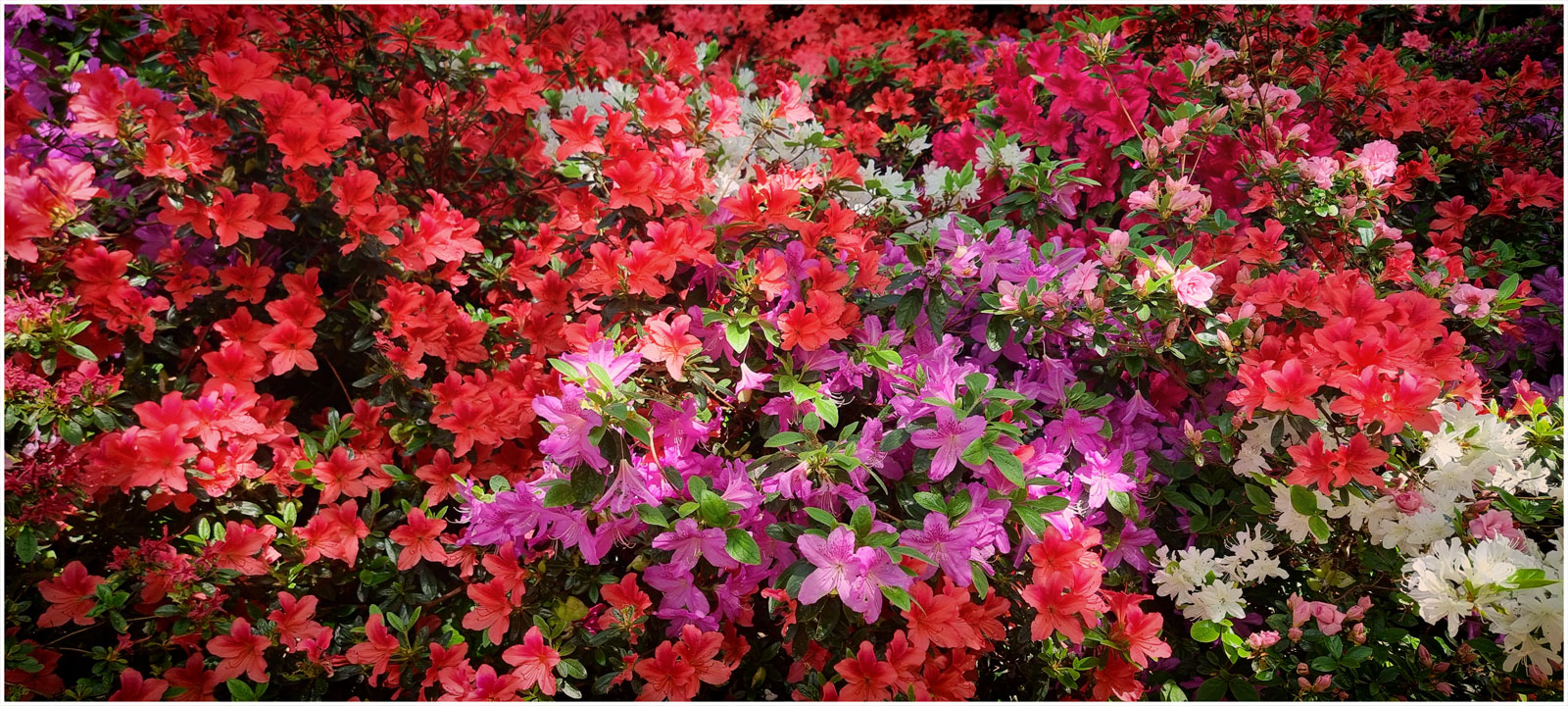
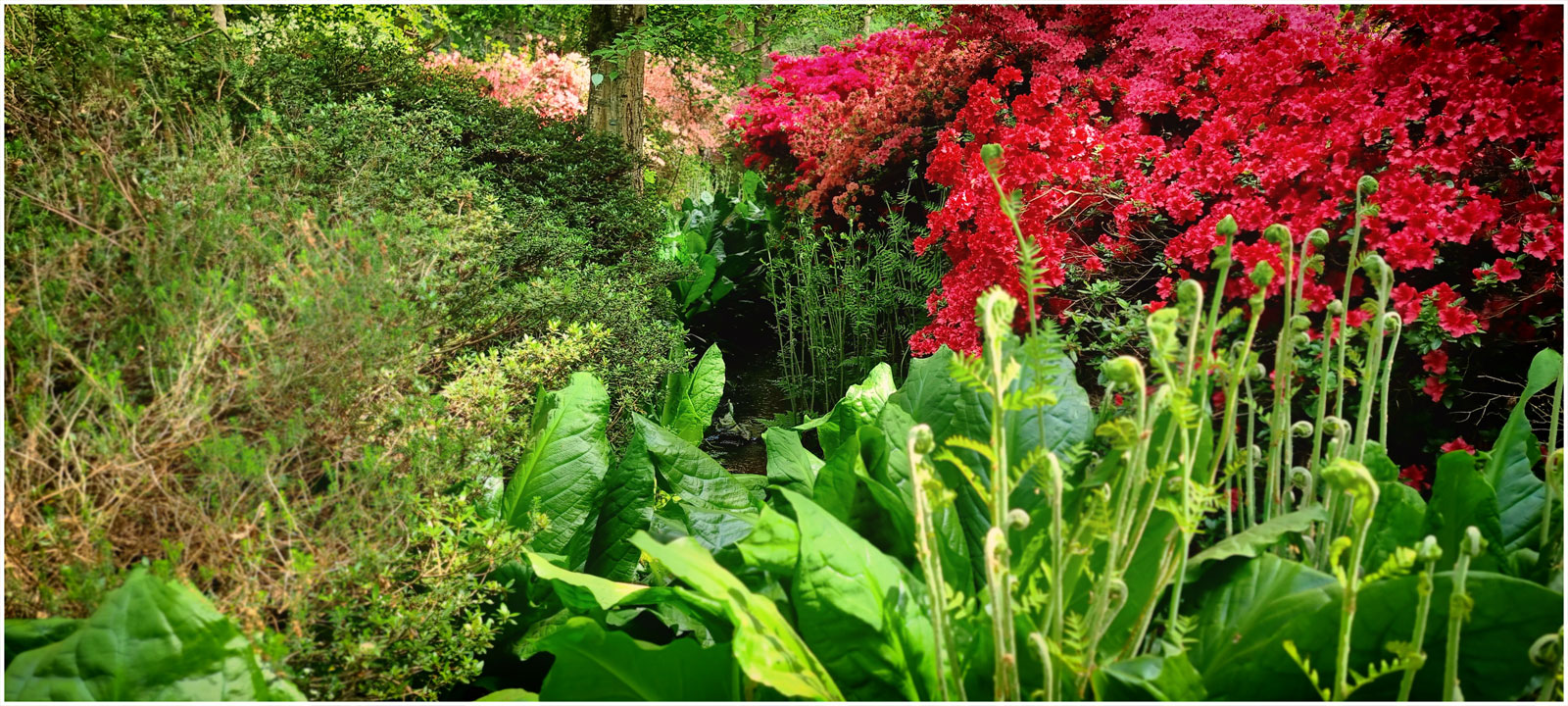
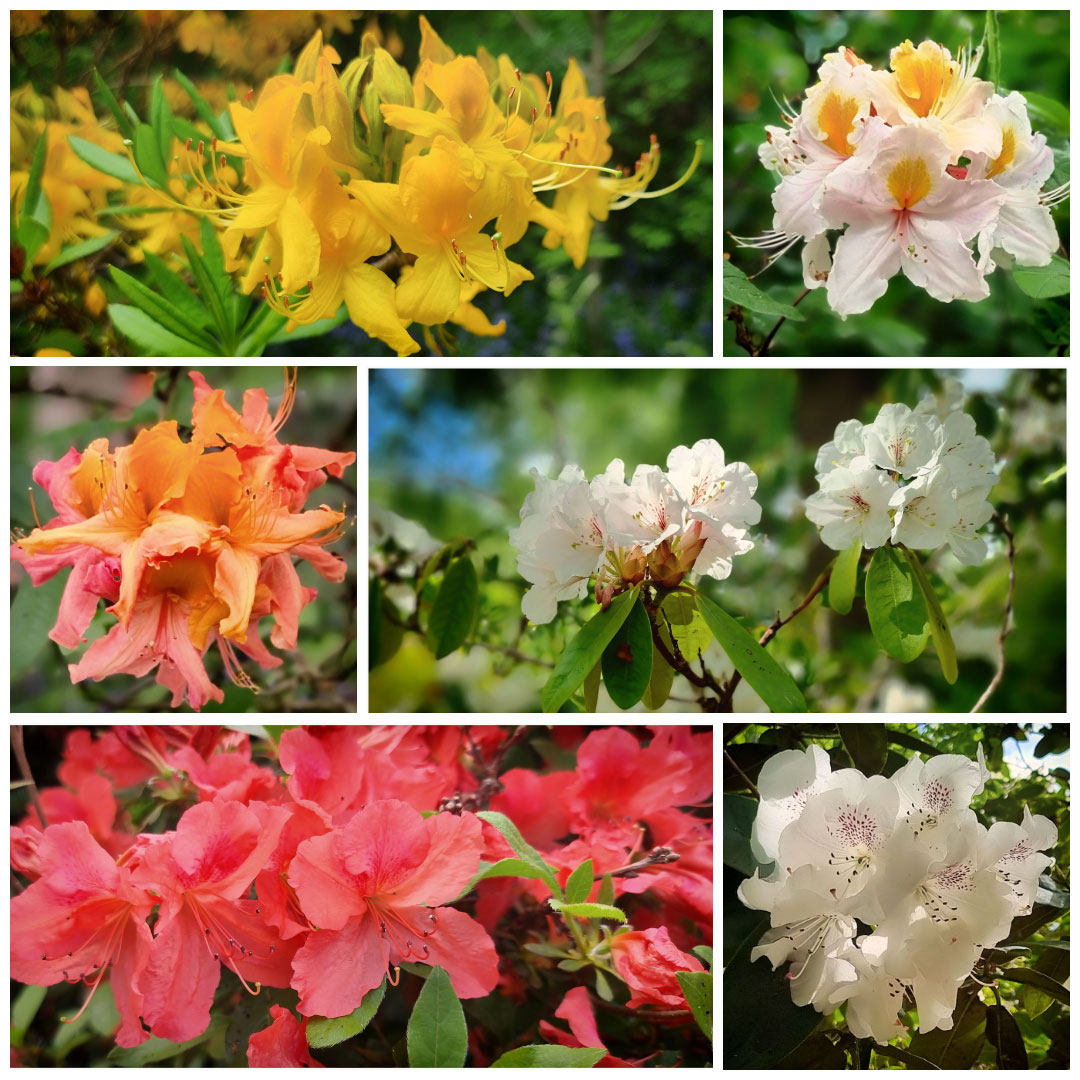
The Isabella Plantation in Richmond Park, Surrey, is a 40 acre woodland garden set within a Victorian woodland plantation planted in the 1830’s. First opened to the public in 1953, it is best known for its evergreen azaleas, which line the ponds and streams and at their peak of flower in late April and early May.
My previous visit was in late August 2022 and the floral offerings were somewhat disappointing although it was still a lovely place for a walk. The timing was perfect this month though, as the long queue to the car park indicated.
Let’s take a walk and immerse ourselves in the glorious colours of this garden.
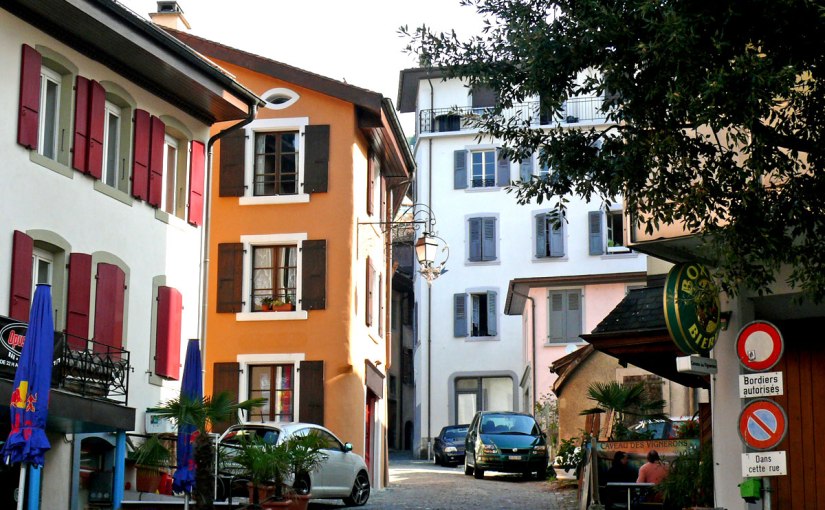
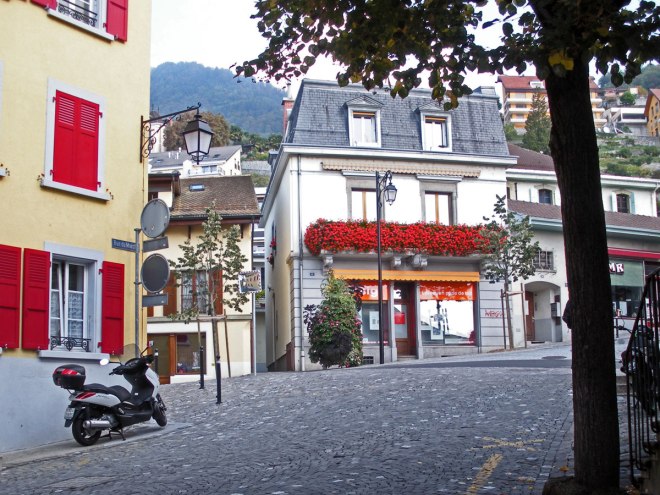
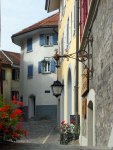
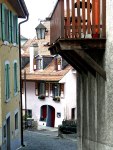
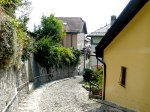
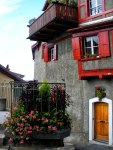
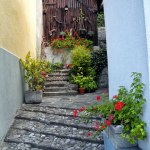
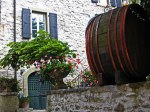
If you do visit Montreux, Switzerland then don’t spend all your time along the lakeside, beautiful though it is. A ten minute climb up above the lake you will find the Old Town with cobbled streets, beautiful buildings and panoramic views (even better when the fog isn’t hiding the Alps) and plenty of bistros for a coffee or glass of wine.
Don’t forget to look out for the many fountains fed by natural spring water, often with beautiful floral displays.
The streets and buildings boast steep winding lanes and pastel-painted houses. Stop at Montreux Museum for insight into town history.
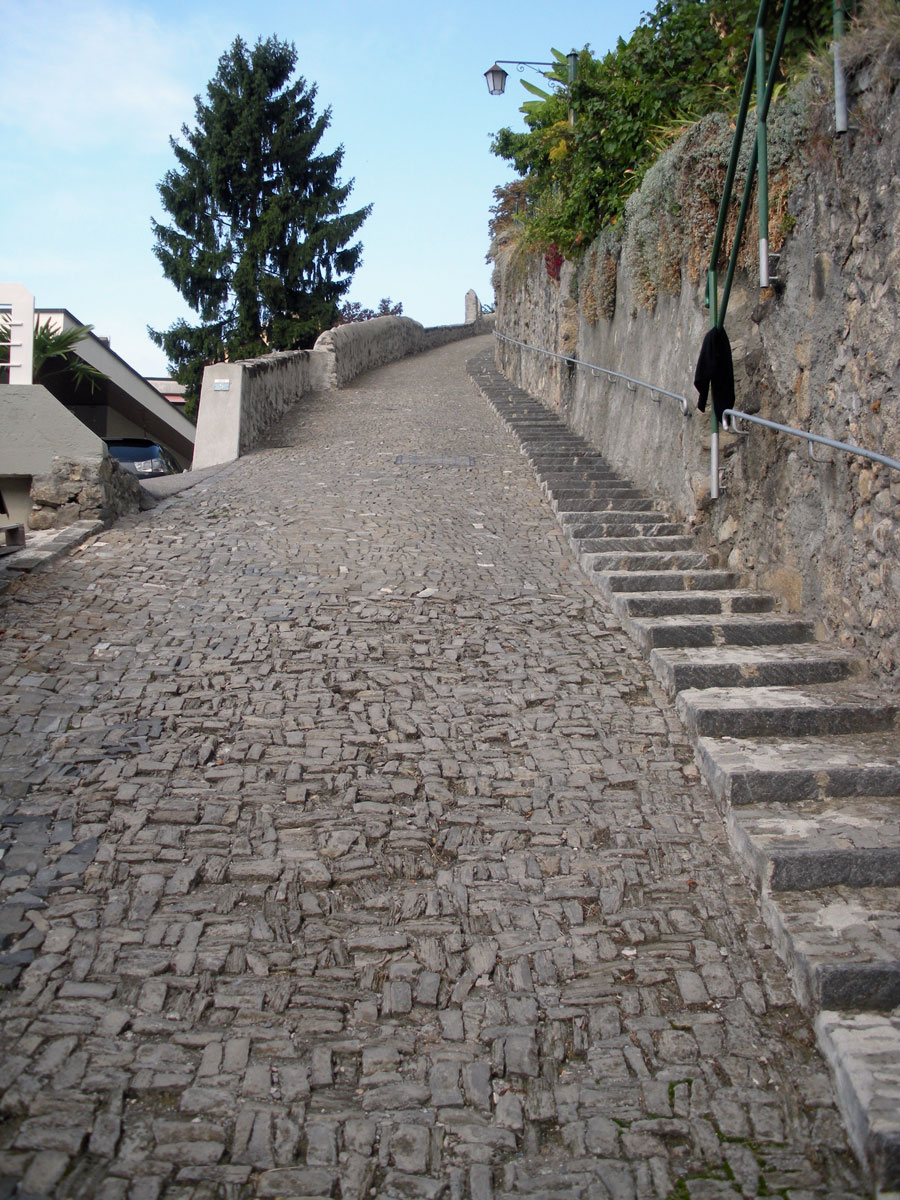
Rue du Pont
Rue du Pont
Rue du Pont
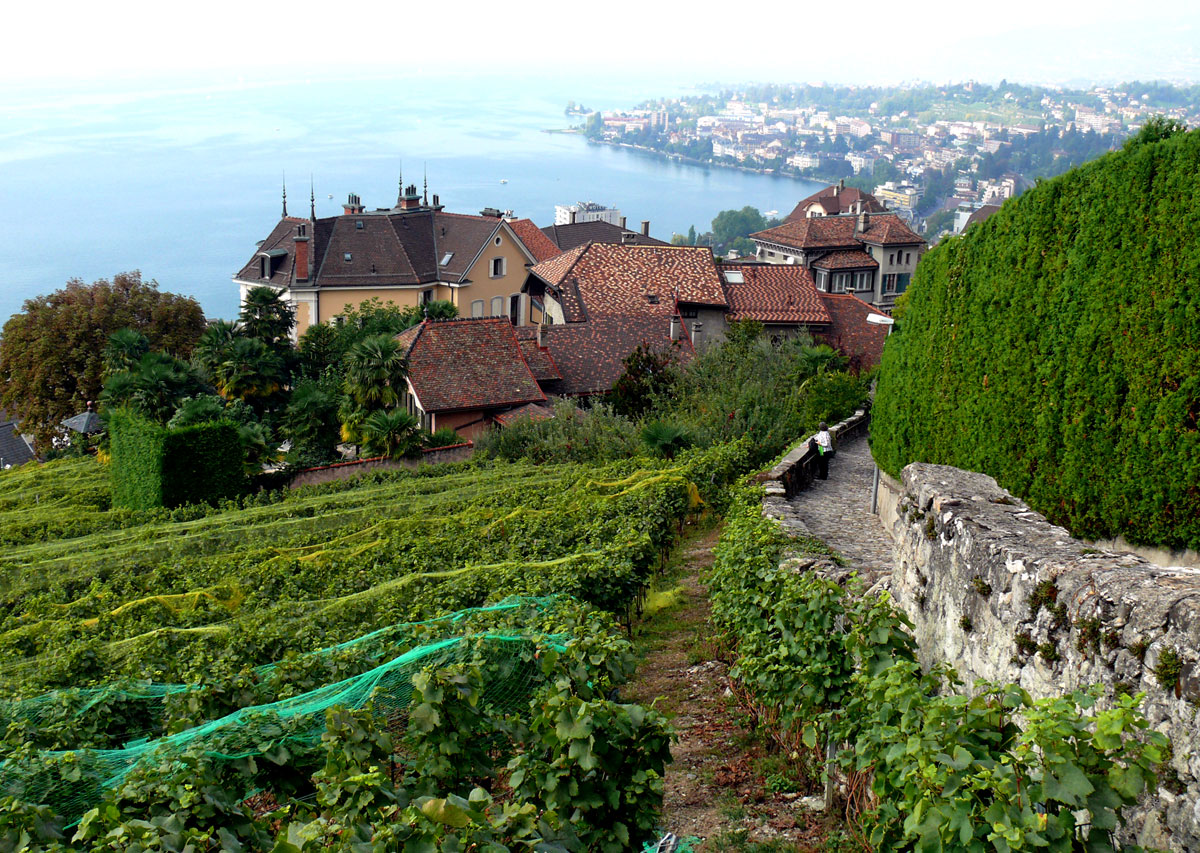
Continue above the Old Town along Rue du Petit Chêne and you will find yourself among grape vines.
Views from the vineyard above Montreux
Grape Vines
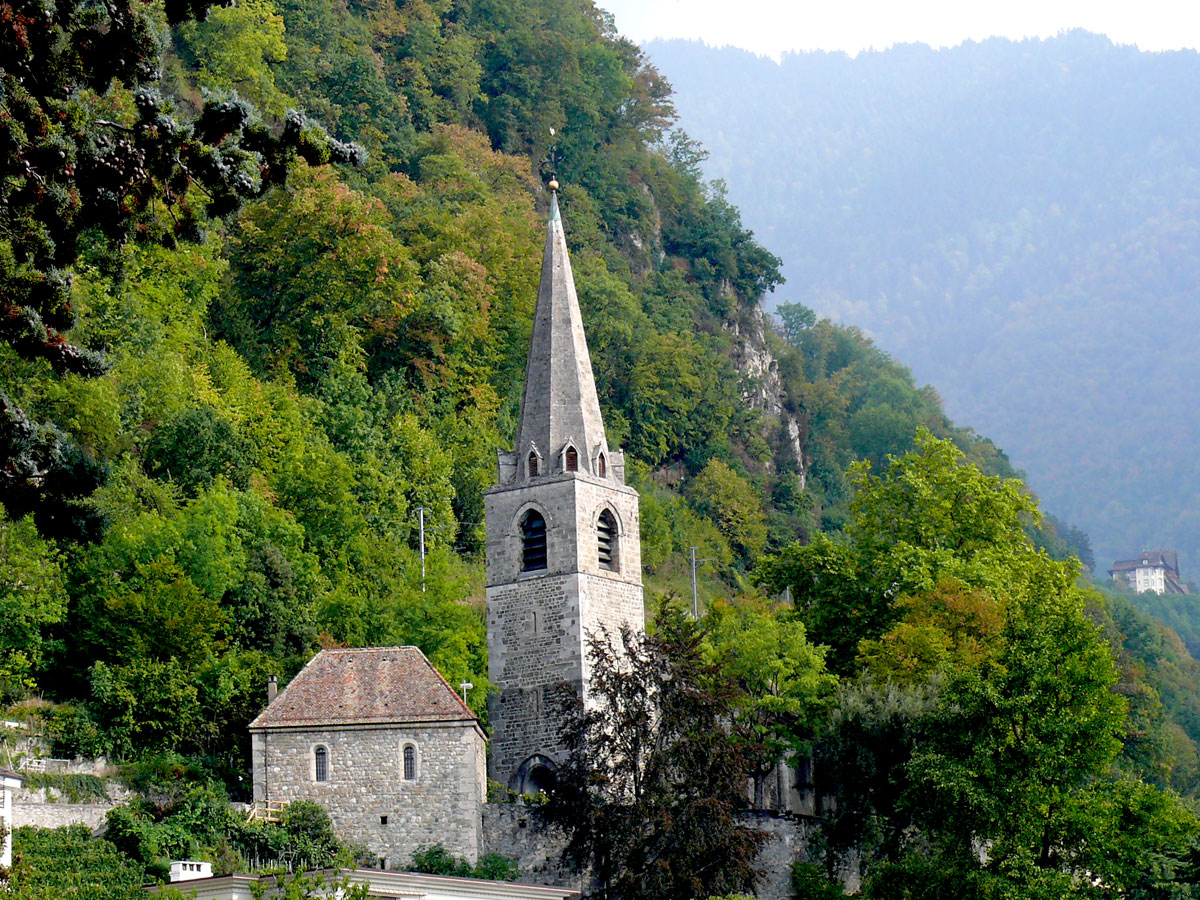
From here you can walk to the St. Vincent temple where the views are also magnificent with Chillon Castle along the lakeside and yet more vineyards on the steep slopes.
St Vincent in the distance
Vineyards
Castle Chillon in the fog
St Vincent
The Old City is also the departure of beautiful walks. The trail to the wild Gorges du Chauderon leads along the Baye de Montreux River to Glion or Les Avants.
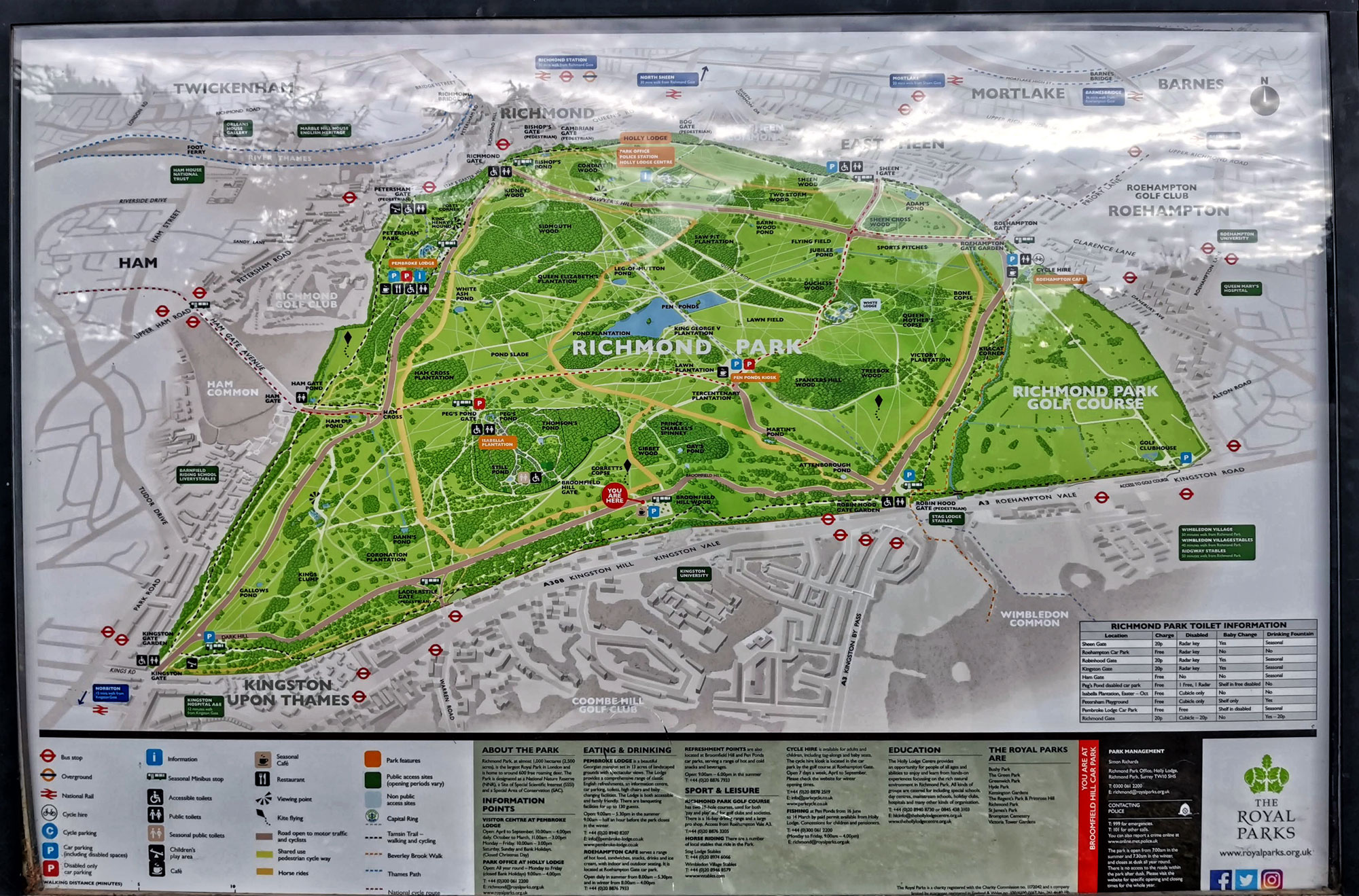
Over the Bank Holiday weekend I spent a couple of days visiting my daughter in Surrey. After a morning of gardening we decided to skip a visit to Wisley and instead head off to Richmond Park, one of the Royal Parks in London. It’s a place we’ve been to before when the grandchildren were small, but not for many years for me.
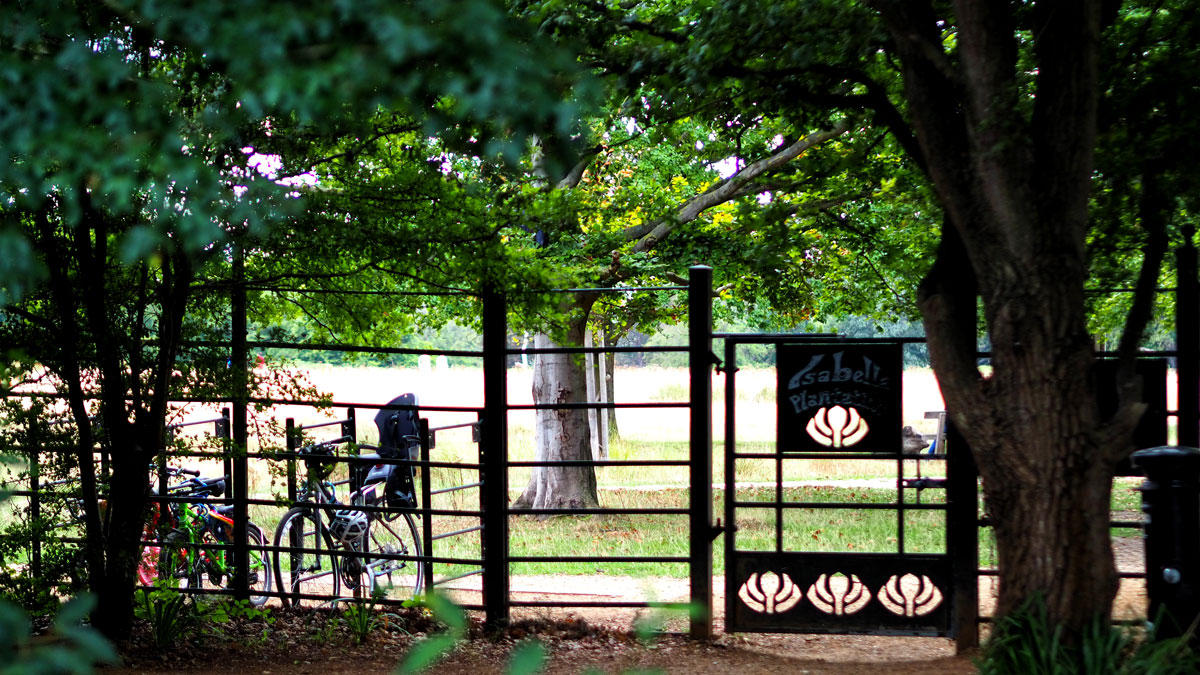
Isabella’s Plantation was a favourite spot with a pretty stream leading to a pond and stepping stones and tiny bridges for youngsters to enjoy, but it was rather disappointing to find it very overgrown with reeds, Greater Willow herb and Joe Pye Weed in particular. So much so that we couldn’t even see the stream and most of the ponds were hidden from view. I’m all for rewilding places, but they still require management and maintenance. However, it is still a popular place for families to find some peace and enjoy a picnic (relatively speaking as huge planes pass overhead constantly and the non-native ring-necked green parakeets screech above your head).
Isabella Plantation
Erica / Heather Garden
Lythrum salicaria / Purple Loosestrife
Greater Willowherb
Reed / Grass
Lythrum salicaria / Purple Loosestrife
Pickerel Weed (Pontederia cordata)
Erica
The Isabella Plantation is a 40 acre woodland garden set within a Victorian woodland plantation planted in the 1830’s. First opened to the public in 1953, it is best known for its evergreen azaleas, which line the ponds and streams and at their peak of flower in late April and early May. The site is managed very much with nature in mind and the gardens are run on organic principles. Native plants commonly grow alongside exotics throughout the Plantation. [source: Isabella Plantation]
I think spring time is probably the best season to visit this garden as there are many camellias and rhododendrons and azaleas planted and the native stuff would have died down over the winter.
Peg’s Pond Gate
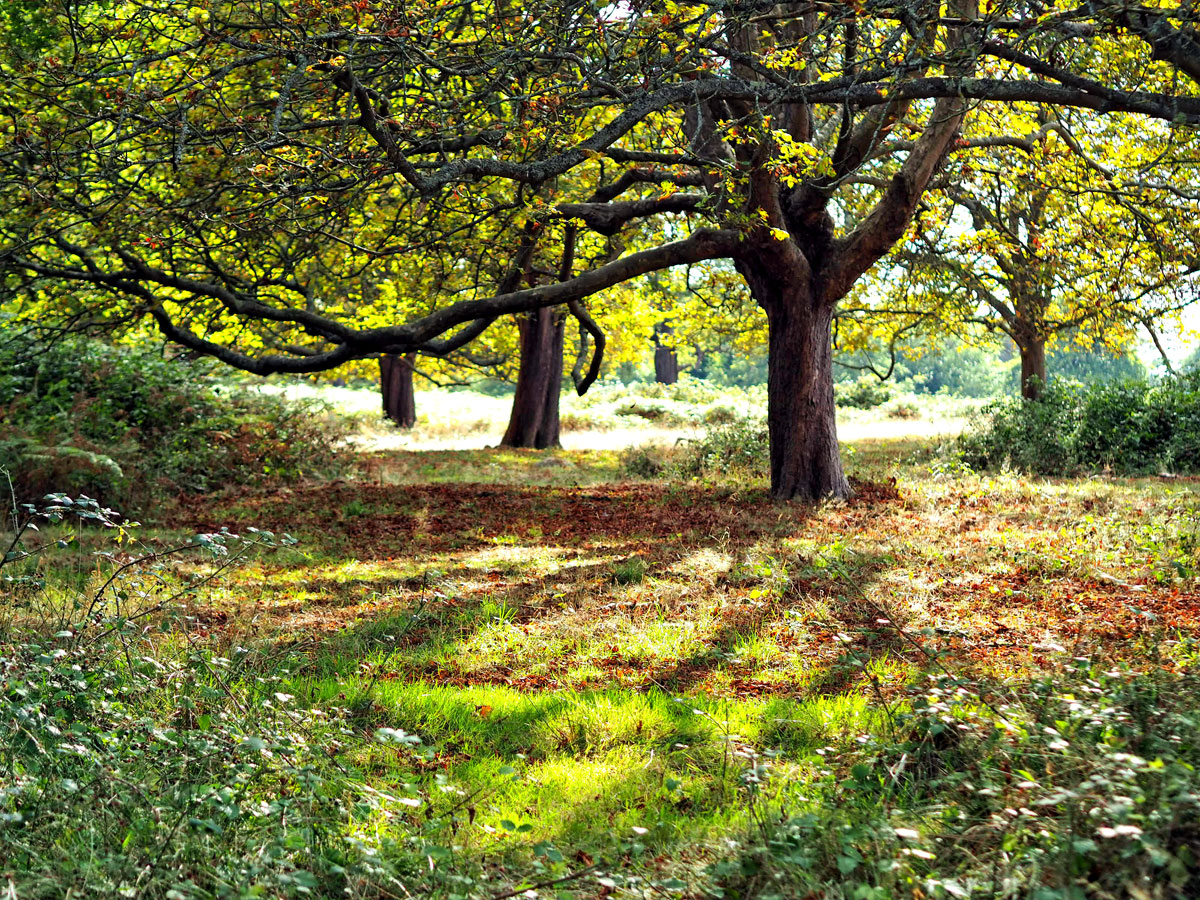
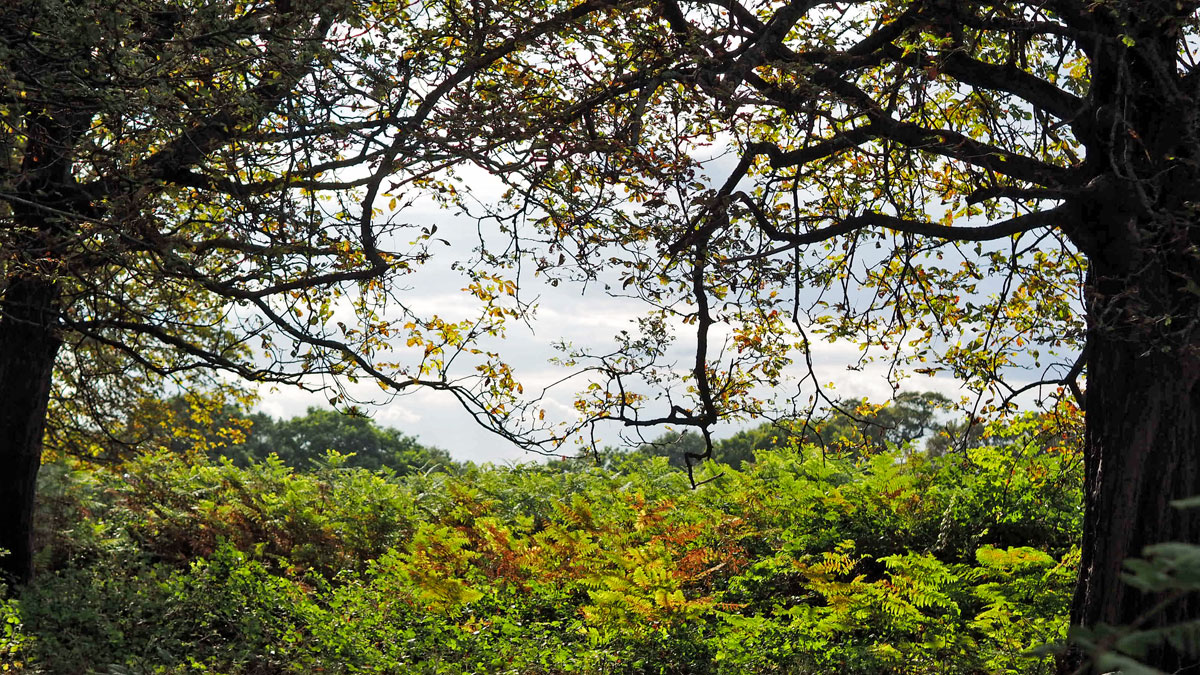
We exited through Peg’s Pond Gate and walked around the perimeter of the garden under the large trees – oaks, beech, horse chestnuts – enjoying the filtered light and listening to the parakeets. It must have been a welcome shady place to be during the heatwave.
Dappled shade
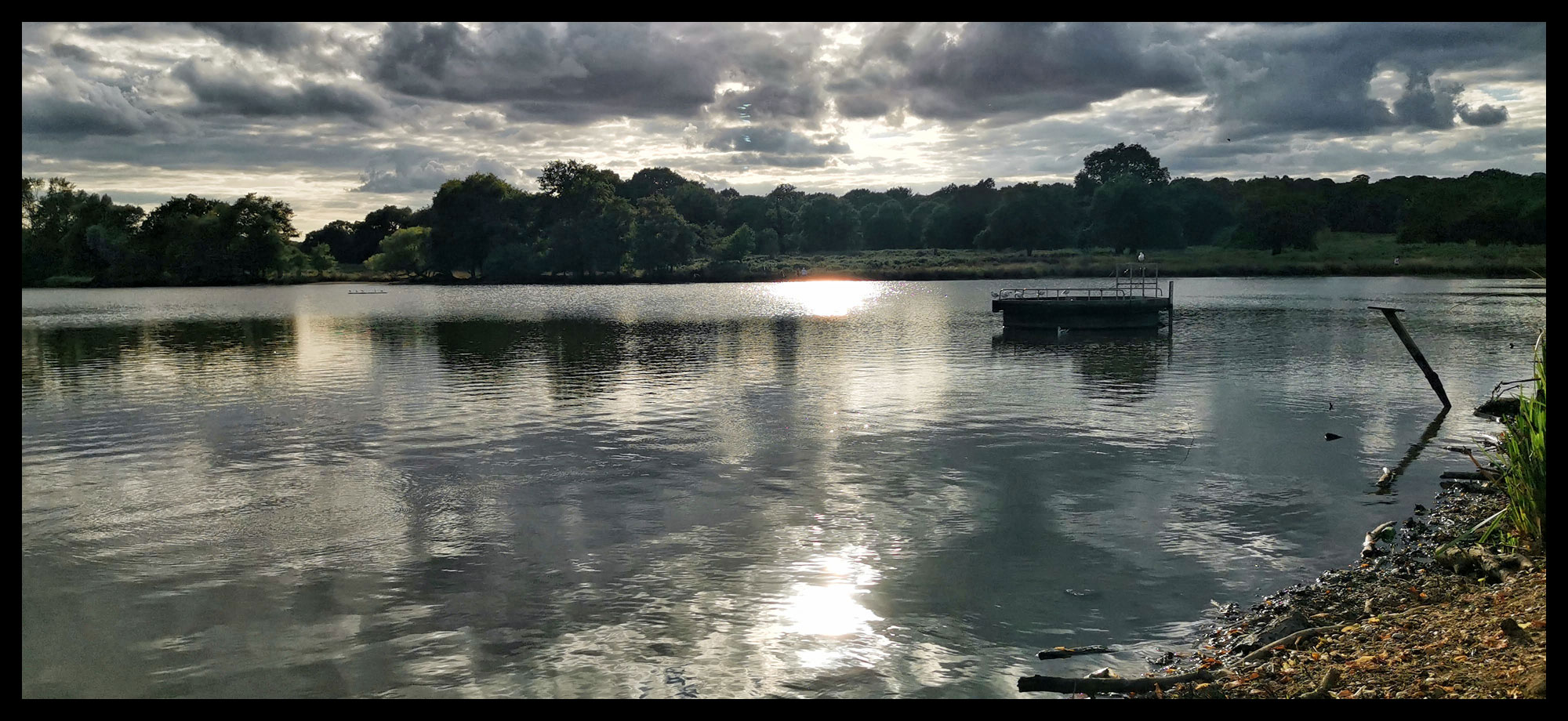
On arriving back at the car park we decided to walk up to Pen Ponds in the centre of the park so the dog could have a run off the lead. You still need to be careful with your dog as there are deer roaming freely in the park and during May – August dogs must be kept on leads throughout the park.
Pen Pond Reflections
By the time we reached the ponds the sky had turned very black to the south, though still blue towards London. Despite the look of those clouds it didn’t rain a single drop.
This slideshow requires JavaScript.
And we were lucky enough to see a few of the deer.