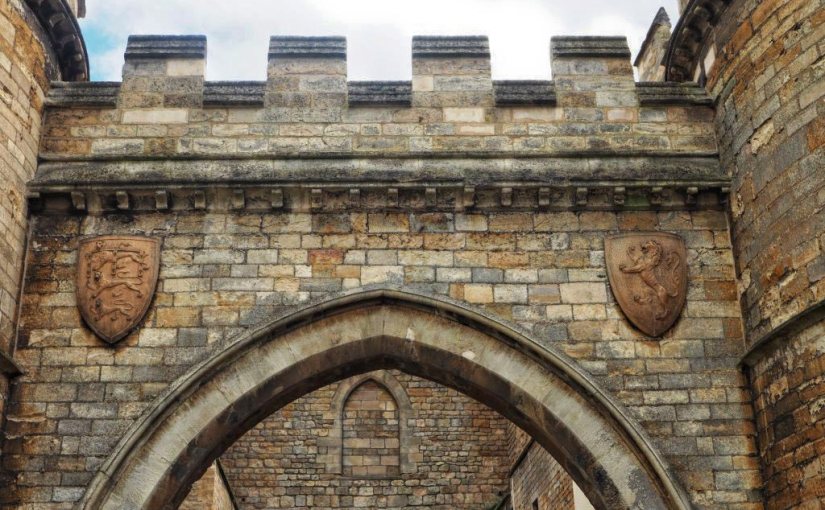
Lincoln has a magnificent cathedral, but practically opposite there is the castle. Not any old ruin, but a grand Norman castle with two keeps and a complete curtain wall. Its highly strategic position has given it continuing historical importance – the site of many battles, sieges, medieval wheeling and dealing and it houses one of the four surviving examples of that monumental document – the Magna Carta.
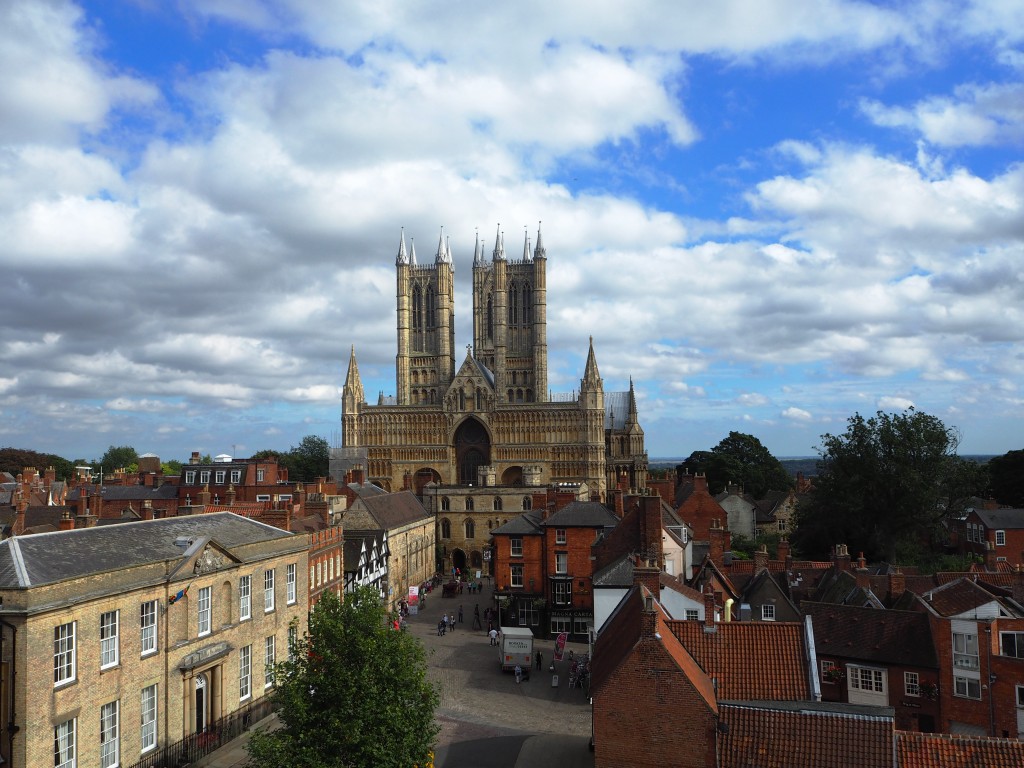
Nowadays it is a wonderful museum telling the stories of life as both Georgian and Victorian prisons, the rebellions, the Battle of Lincoln in 1141, which came about because of the struggle for the throne between Matilda, the daughter and chosen heir of Henry I and her cousin Stephen; the siege of Lincoln 1191; the Magna Carta, 1206, and the civil war siege in 1644. From 1660 it ceased to be a military stronghold and became a jail and courthouse.
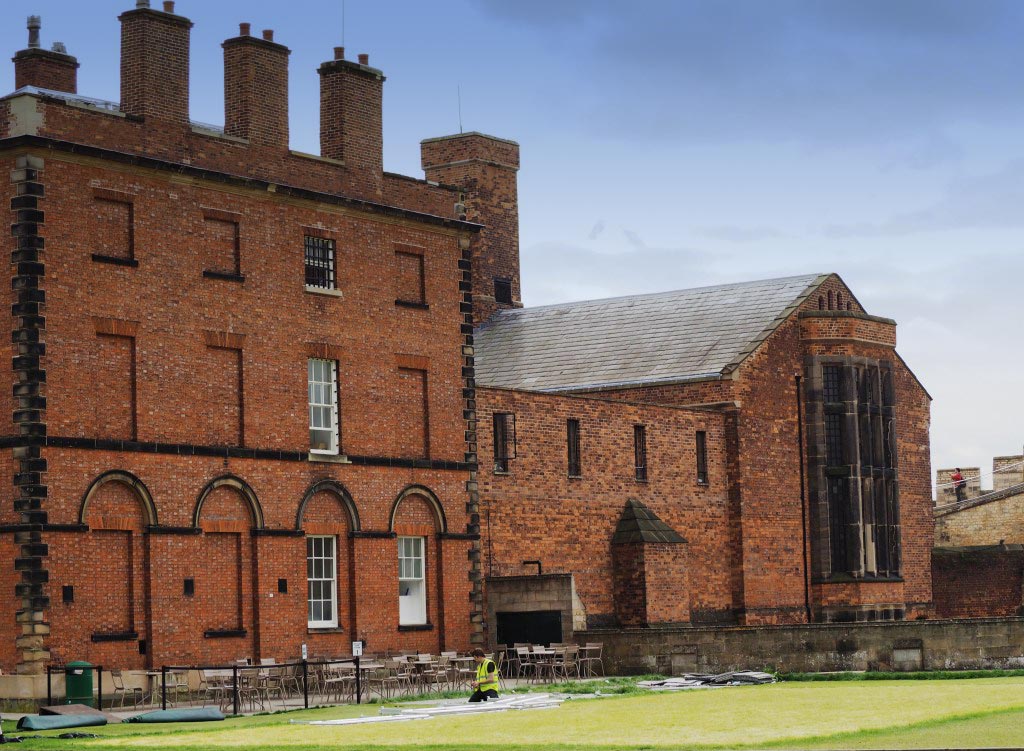
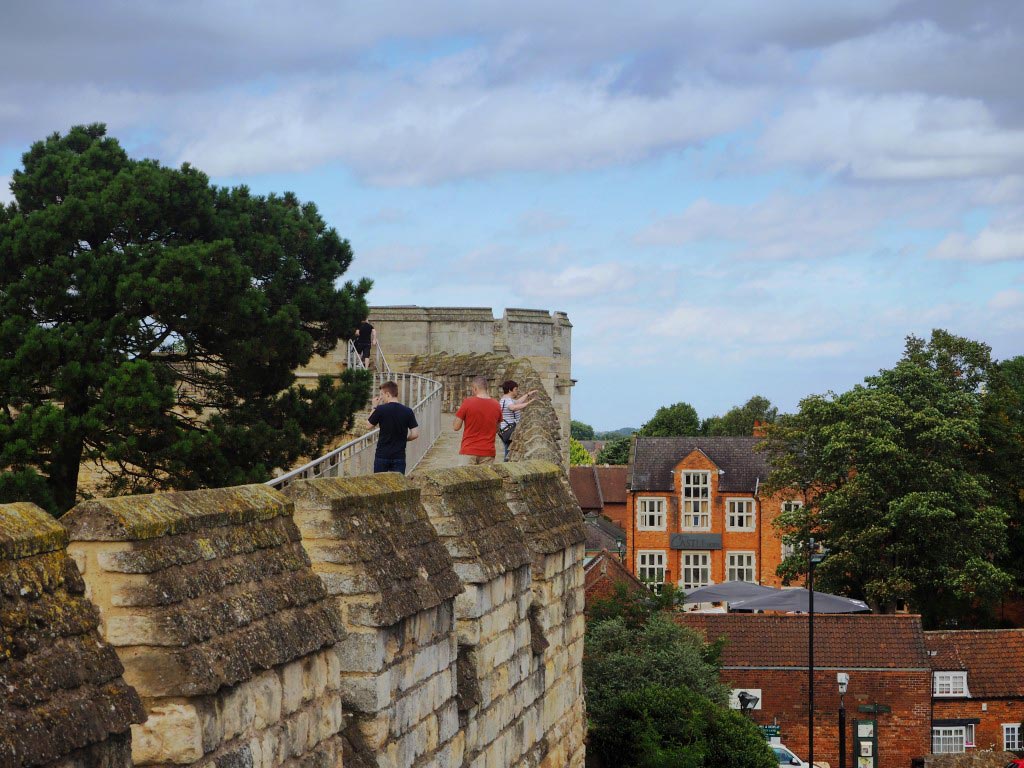
We decided to join a free tour of the castle and grounds which was very interesting and we learned a lot about the history of the site. Afterwards we wandered around the prison cells where they have short films telling the story of individuals and why they were in prison and also went to have a look at the ‘Magna Carta’ and the ‘Charter of the Forest’. Then I left OH resting on a bench in the sunshine whilst I walked around the Medieval Wall Walk.
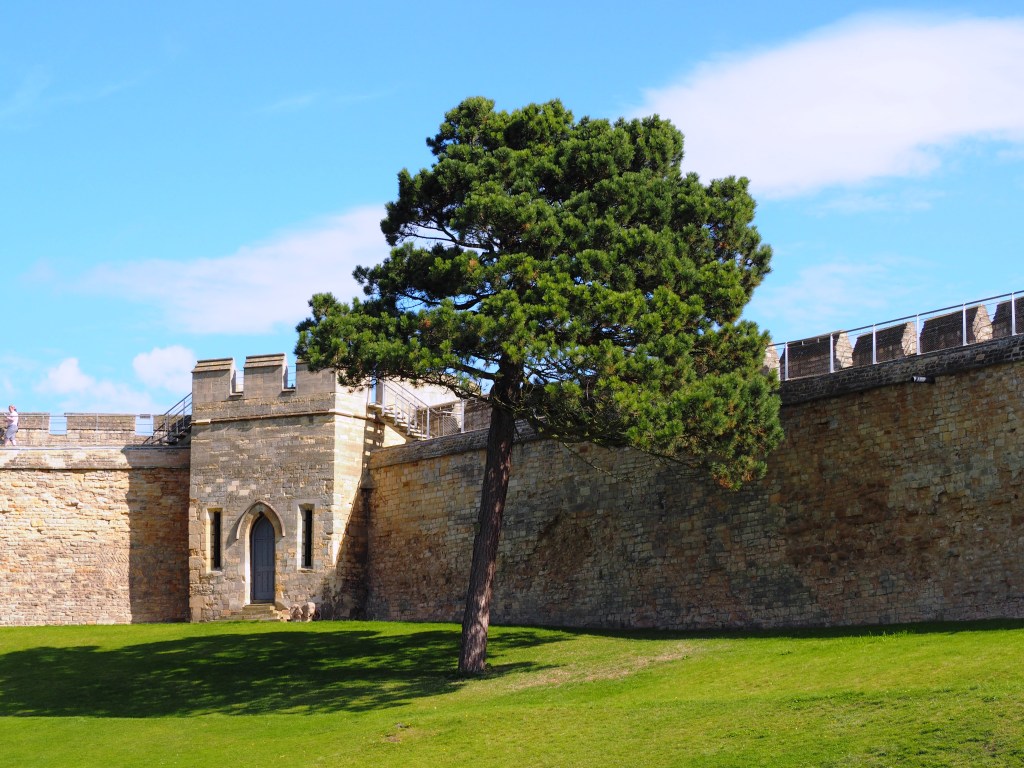
Cobb Hall is the latest of the three towers, estimated to have been built between 1190 and 1220. The tower defended the castle’s north-east quarter. Although flat on this side, externally it is rounded and inside the walls have been carved with graffiti by prisoners and bored guards. Between 1817 and 1859, 38 prisoners were hanged on a wooden gallows from the top of this tower.
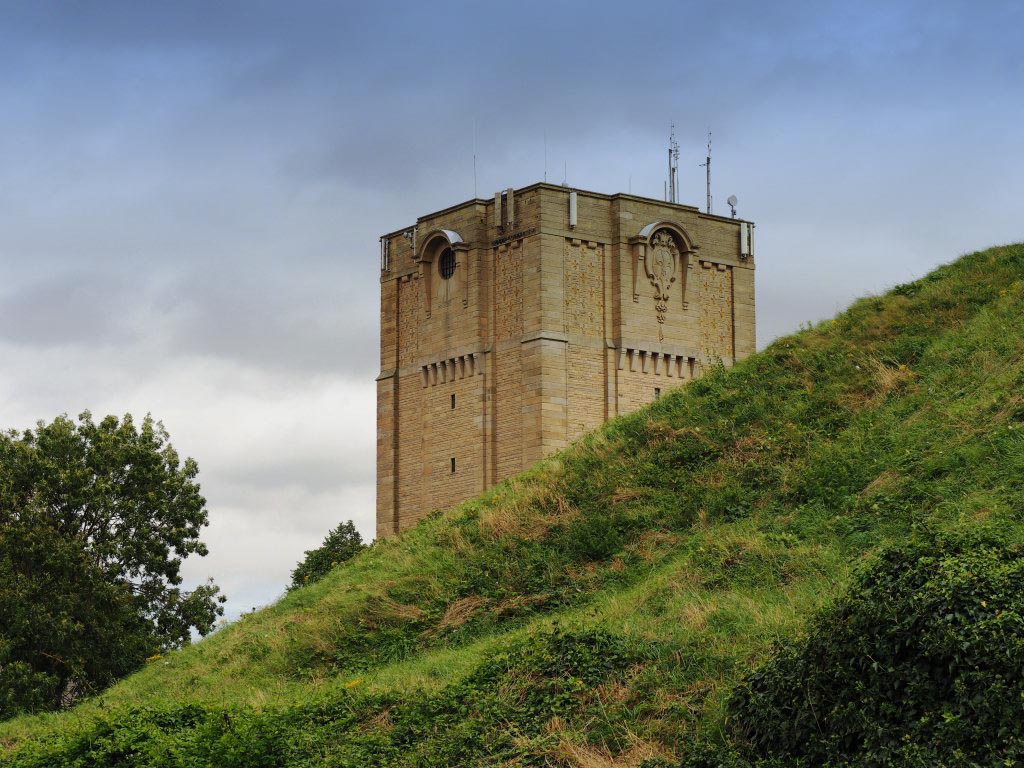
Although outside the castle walls you cannot avoid noticing this impressive tower. The 120-foot-tall building was constructed a result of a Typhoid epidemic in Lincoln that started in late 1904. 113 people died from the outbreak which was one of the city’s biggest peacetime disasters. The building was completed in 1911, decorated with the fleur-de-lys – the symbol of Lincoln Cathedral’s Patron Saint, Mary Mother of Jesus. It is supplied by piping water from a reservoir 22 miles away at Elkesly, Nottinghamshire.

The red cross is the Saint George’s Cross representing England. Yellow represents the crops grown in the county, as well as the nickname “Yellowbellies” given to people born and bred in Lincolnshire. Blue represents both the sea of the East coast and the wide skies of Lincolnshire, and green symbolises the rich lushness of fenland fields. The fleur de lys is a recognised symbol of the City of Lincoln.
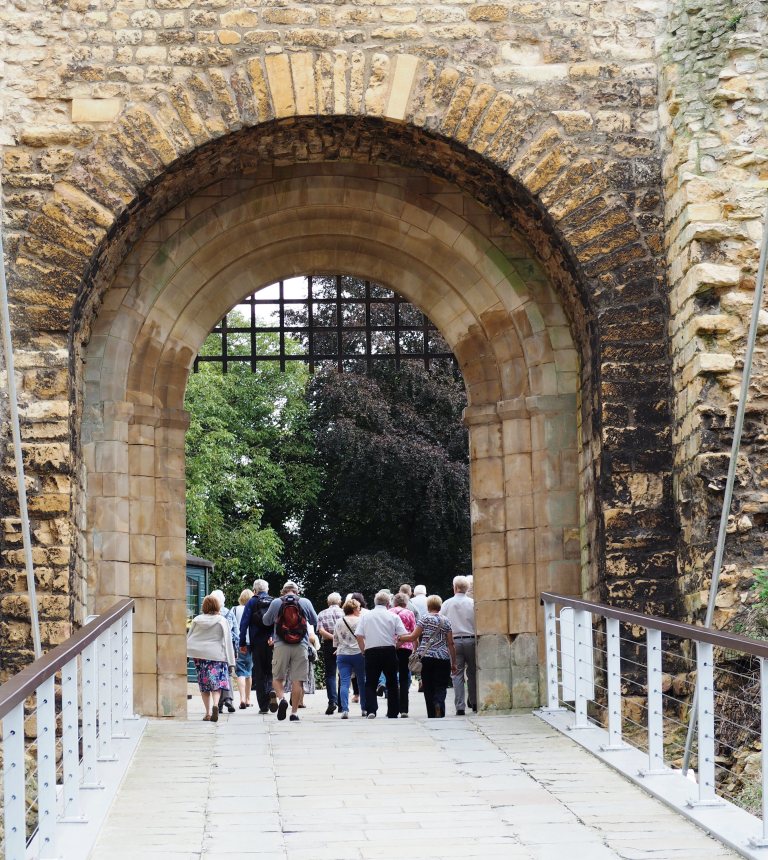


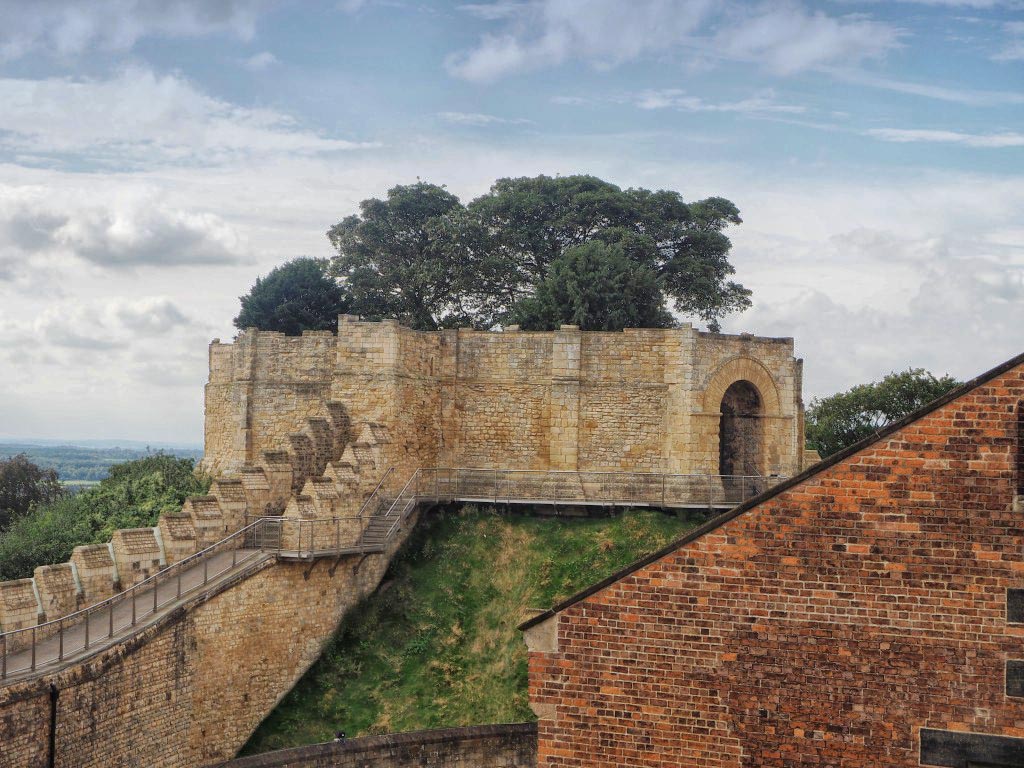
The Lucy Tower is named after one of the formidable women linked to the castle. It was built on top of its Norman mound and is a polygonal shell keep, the internal space was kept open.
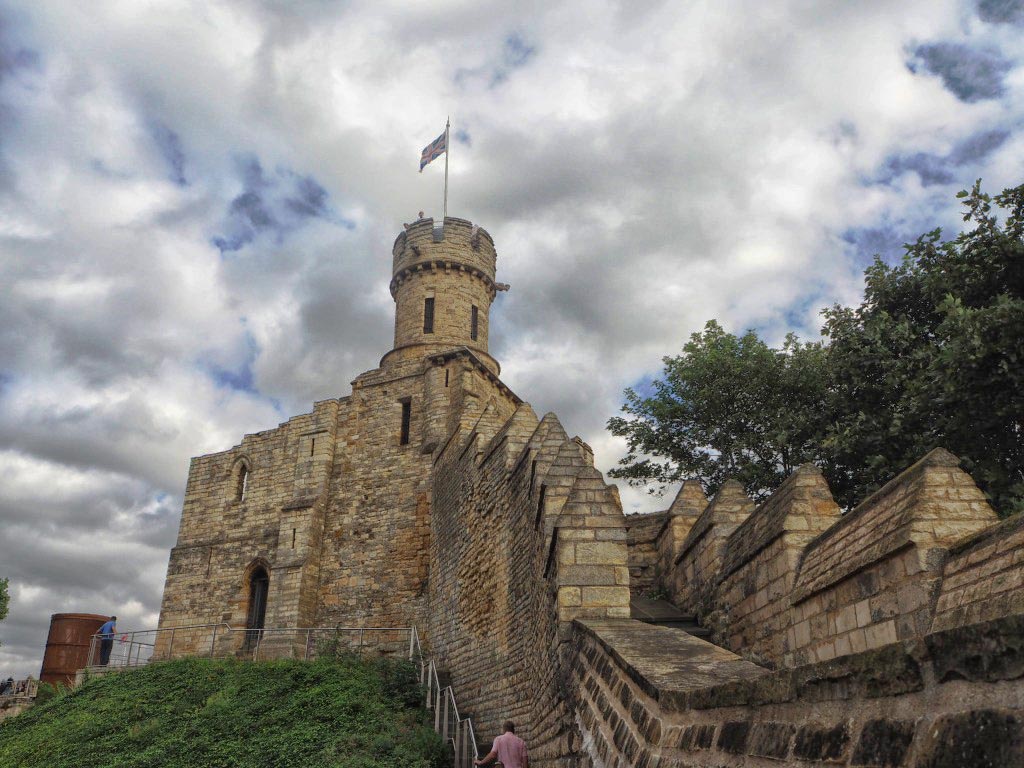
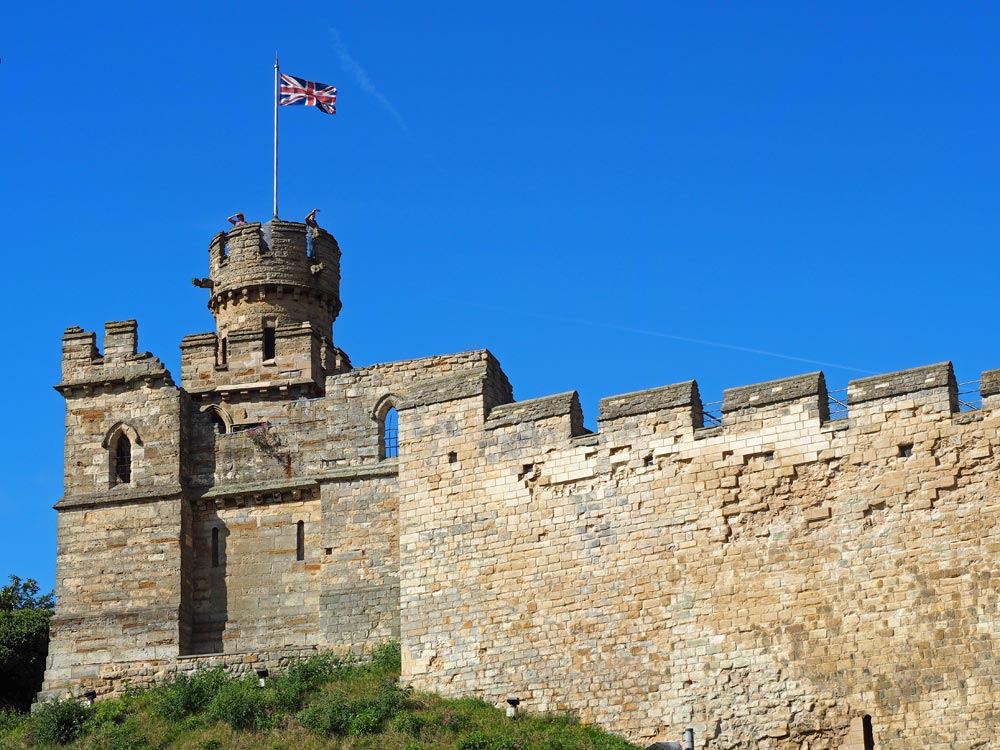
The wall walk continues around the back of the Victorian prison to the Observatory tower which was built on the smaller of the two mounds that join the south curtain wall. The additional tower was added in early †19C by prison governor John Merryweather who was a keen amateur astronomer.


IF YOU ENJOY A WALK, LONG OR SHORT, THEN HAVE A LOOK AT JO’S SITE WHERE YOU ARE WELCOME TO JOIN IN WITH HER MONDAY WALKS.














 TRAVEL WORDS