Norwich Part II: The Royal Arcade

Opened in 1899, the 247 foot long covered avenue was designed and built by Dereham-born architect George Skipper and today it houses a wonderful mixture of shops and restaurants – plus the famous Colman’s Mustard Shop!

p9100028

Art Nouveau was so-called from Samuel Bing’s art shop “Maison l’art Nouveau” an international movement to bring together the finest designers and craftsmen to unify the designs of buildings, furnishings and decorative arts within.

Influenced by Japanese art and the Arts and Crafts Movement, the English Art Nouveau used flowing lines and symbols from nature. Continue reading Norwich Part II: The Royal Arcade

St Edmundsbury Cathedral

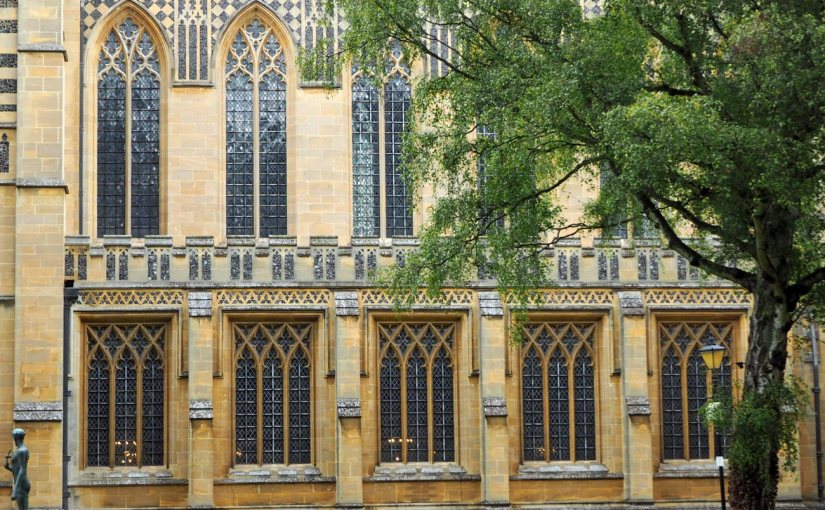
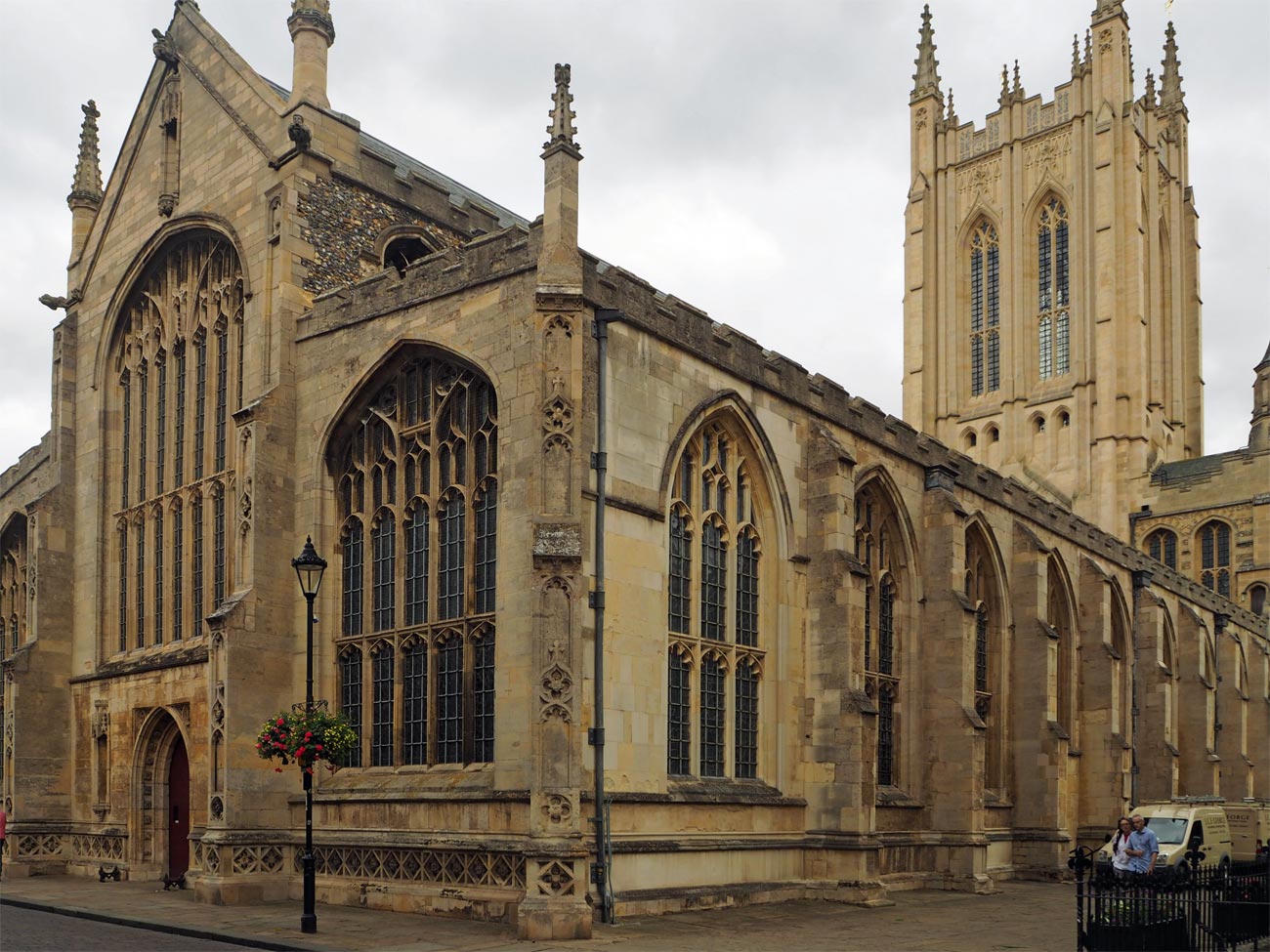
The parish church of St James became St Edmundsbury cathedral in 1914. The original church was founded in the  twelfth century in the precincts of the abbey. Changes were made in the sixteenth and nineteenth centuries with additions in the second half of last century. The crowing glory came in 2005 when the tower, built with a Millennium grant together with local fundraising, was completed.

p9090186

In 869, Edmund, King of the East Angles, met his death at the hands of the Danes. He was tied to a tree and shot with arrows. Legend says that his severed head was thrown into the woods and found being guarded by a wolf. Edmund was the patron saint of England, until St George replaced him. His feast day is 20 November.

p1300669

Inside the cathedral is a superb medieval hammer-beam roof, ornamented with figures of 30 angels. The roof is boldly painted and gilded, and though ornate, is nothing like so ornate as the extraordinary font and font cover at the west end of the nave – a riot of colour. Continue reading St Edmundsbury Cathedral

A brief look at Colchester

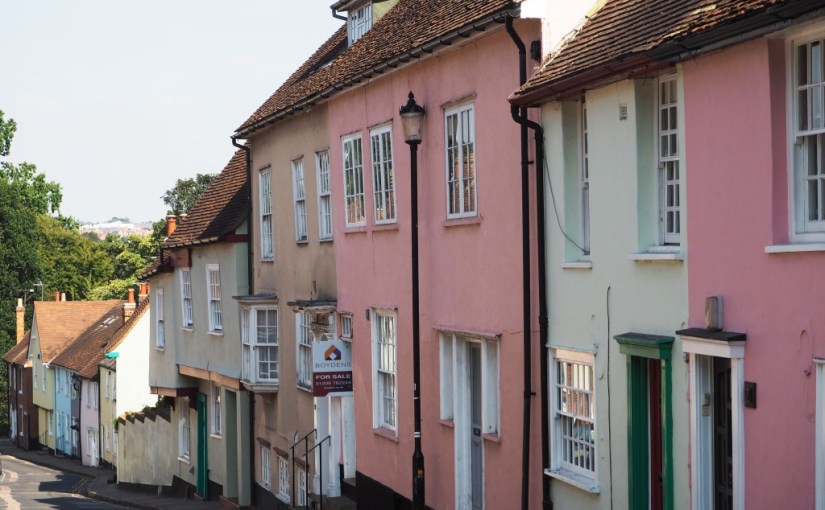
We were in Colchester at the beginning of September for a wedding so didn’t really do much in the way of exploring. Given my love for architectural styles I did have a brief wander around the Cultural area where we were staying to see what I could find.  It is of course a very old Roman town (Camulodunum ) and once the capital of Roman Britain, but was attacked and destroyed during Boudica’s rebellion in AD 61.

At only 50 or so miles north of London it is growing fast as a commuter town.

We stayed at the recently opened Greyfriars Hotel on the eastern edge of the High Street.  It is not only a beautiful C18th neo-classical building, but was for a hundred years a much-loved icon of educational excellence and, even centuries before 1755 when the current house was built, its site had religious, social and educational significance. Occupants have included friars, nuns, householders, clergy, physicians, horticulturists, an industrialist and students (young and adult). Empty from 2007 when sold by Essex County Council who decided it was no longer fit for purpose for education the building has been transformed.

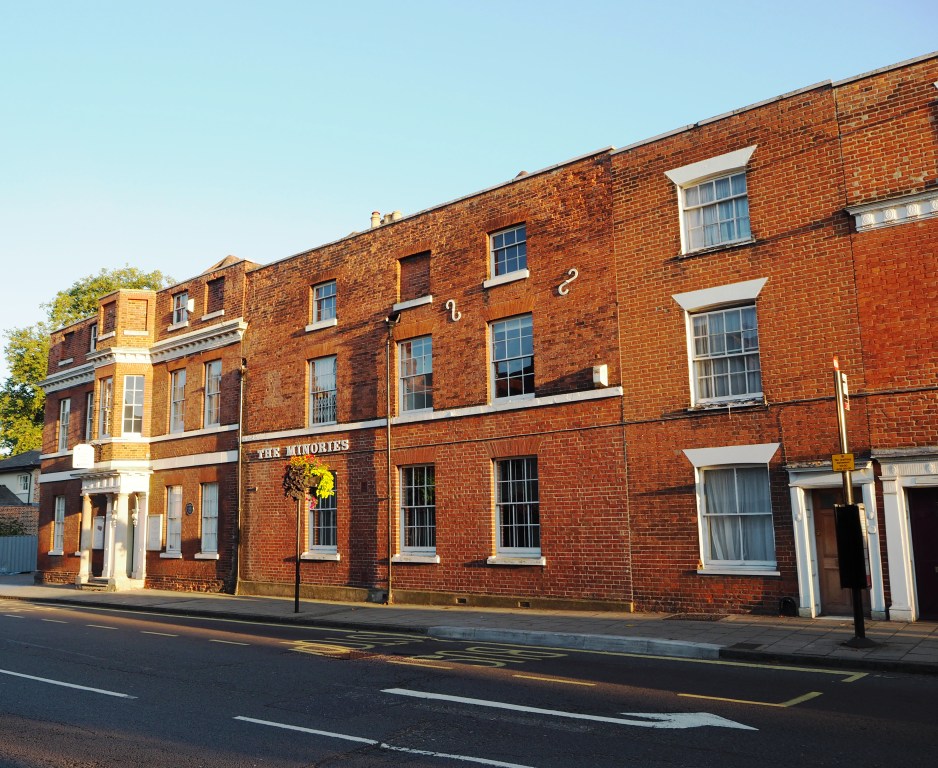
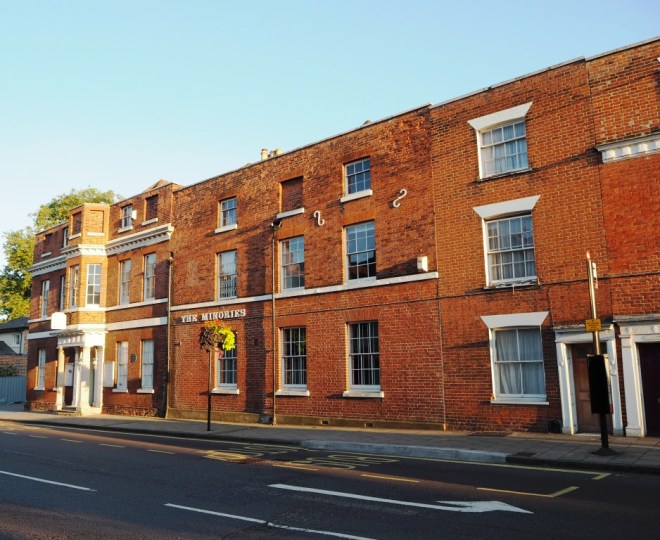
The wedding we were attending was held across the road in the Minories – another lovely Georgian building and now an art gallery and centre for post-graduate study in art. This house in a very similar style to Grey Friars was bought in 1731 by Isaac Boggis a merchant in the wool trade.
OLYMPUS DIGITAL CAMERA

Continuing along the High Street you reach Castle Park and another neo-classical designed Georgian house – Hollytrees – which was built in 1718 by Thomas Blagden for Elizabeth Cornelisen. It was completed by March 1719 but unfortunately Elizabeth passed away before she had the chance to live in it. It is now a museum (free entry) and forms the eastern part of Castle Park. Continue reading A brief look at Colchester

Ear, Eye and Throat Hospital

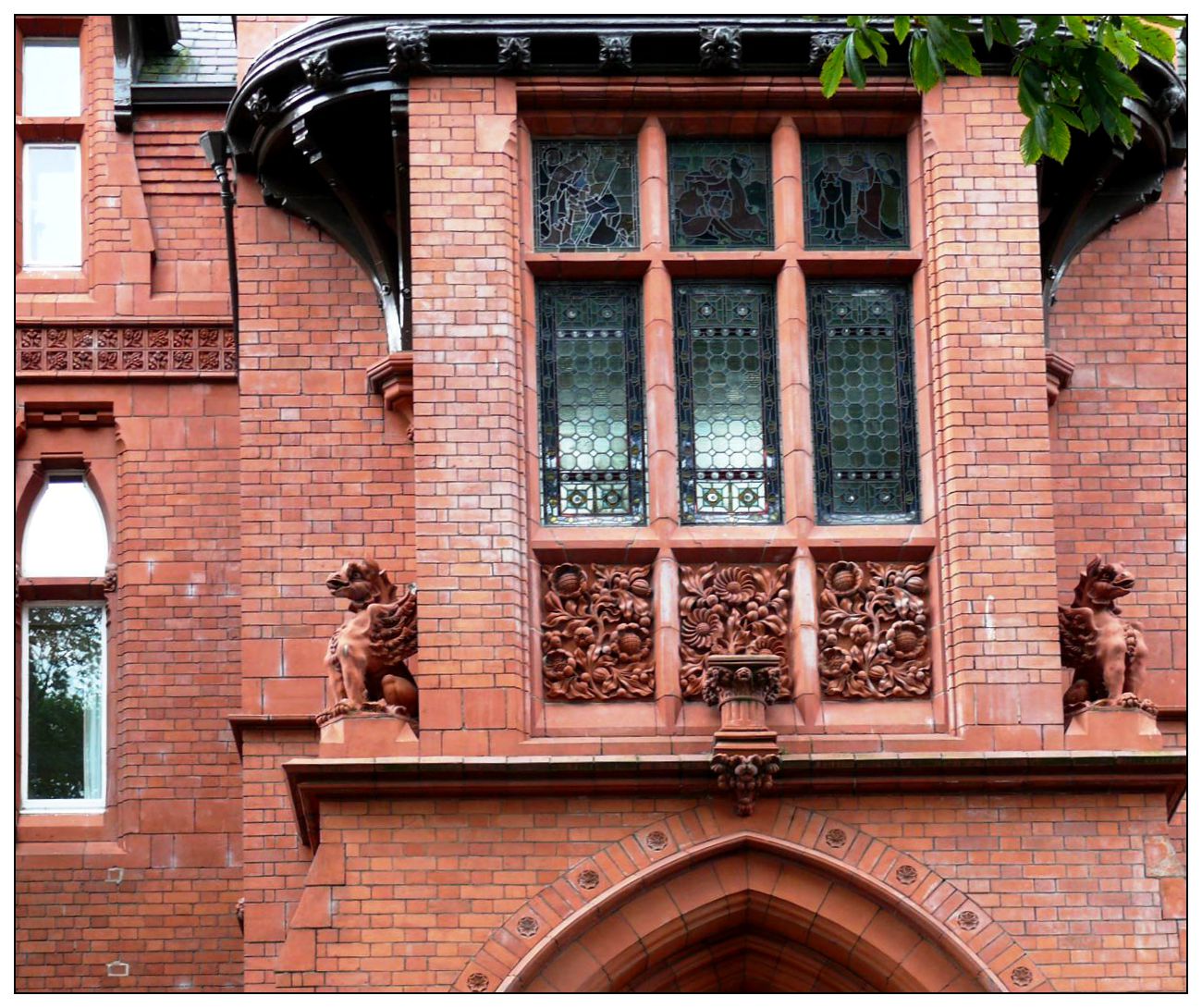
I haven’t written much about Shrewsbury, Shropshire’s county town, but I have been in the process of a post or three for several months, during which time I have been preparing many photos for the blog. The town contains some very interesting architecture from medieval black and white timber-framed to very elegant and simply styled Georgian properties. (And some 1960s carbuncles, but we won’t talk about them). This distinctive red-brick Victorian built building is along the Town Walls. The Eye, Ear and Throat Hospital opened in 1881. It earned a reputation for its high standard of treatment and during WW1 was a major clearing centre for troops with eye injuries, treating up to 800 soldiers a week. It closed in 1998 and has been turned into flats.

P1100636

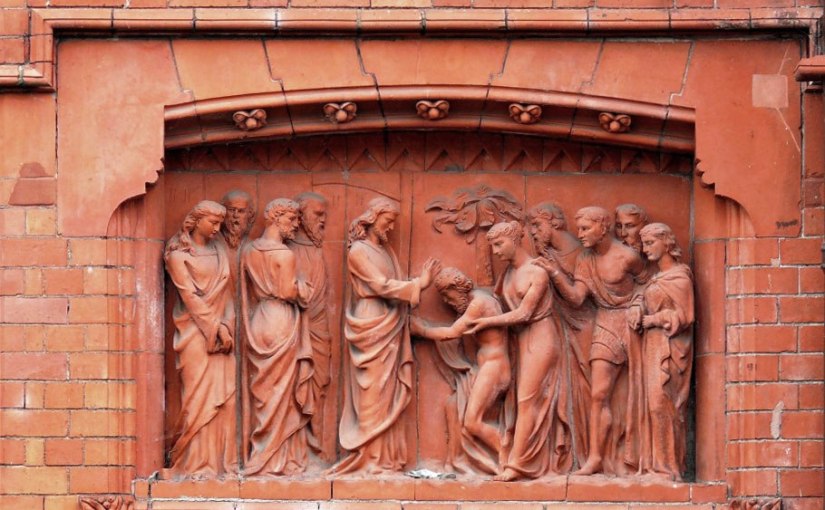
Built in the style of the Arts and Crafts Movement with ornate decorative bricks and tiles/panels, the style placed great value on the work, the joy of craftsmanship and the natural beauty of materials.

An Arts and Crafts Masterpiece

I can’t begin to imagine how many times I have driven past the sign to Watts Chapel along the A3 near Guildford in Surrey. Not knowing that this little gem lay hidden close by in Down Lane, Compton. Jenny of CharactersFromTheKitchen introduced me to this architectural delight a few months ago and I knew I would have to make the journey next time I was down in Surrey.

(Please click images to enlarge – there is an awful lot of detail in these images)

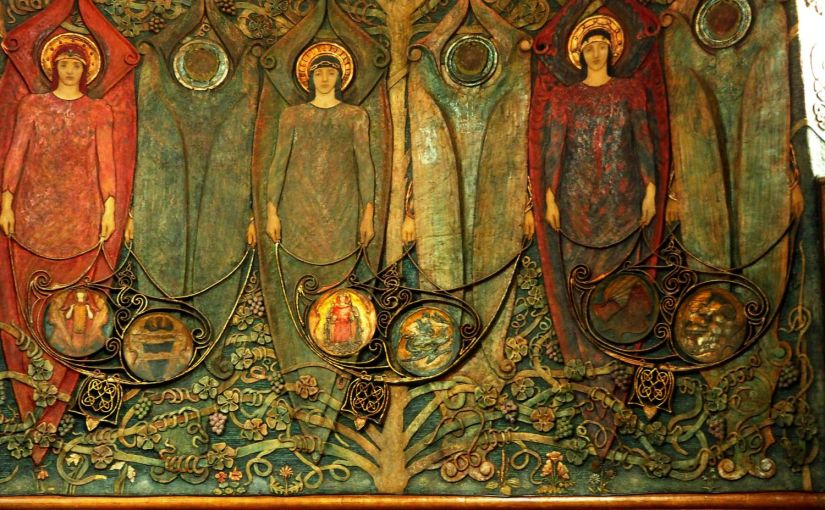
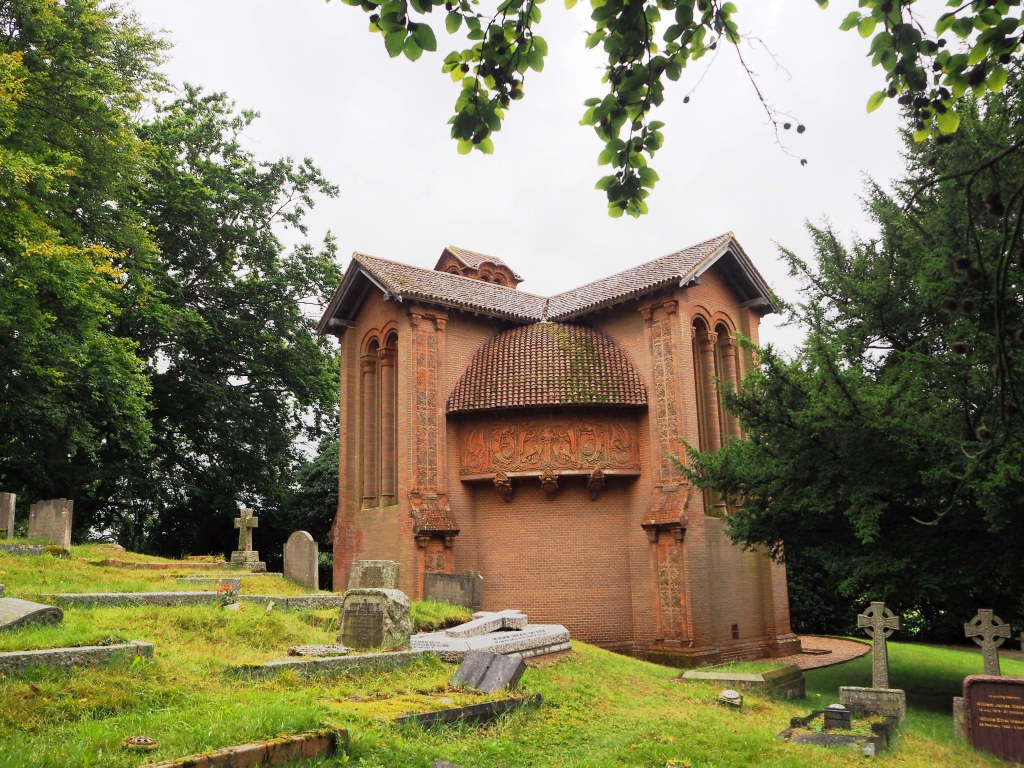
This morning, before the rain arrived again, I made my way to Watts Cemetery Chapel to the bright red brick of this Arts and Crafts masterpiece. Designed and decorated by Mary Seton Watts this example of Art Nouveau was completed in 1904. She dedicated it:

“to the loving memory of all who find rest near its walls, and for the comfort and help of those to whom the sorrow of separation remains”

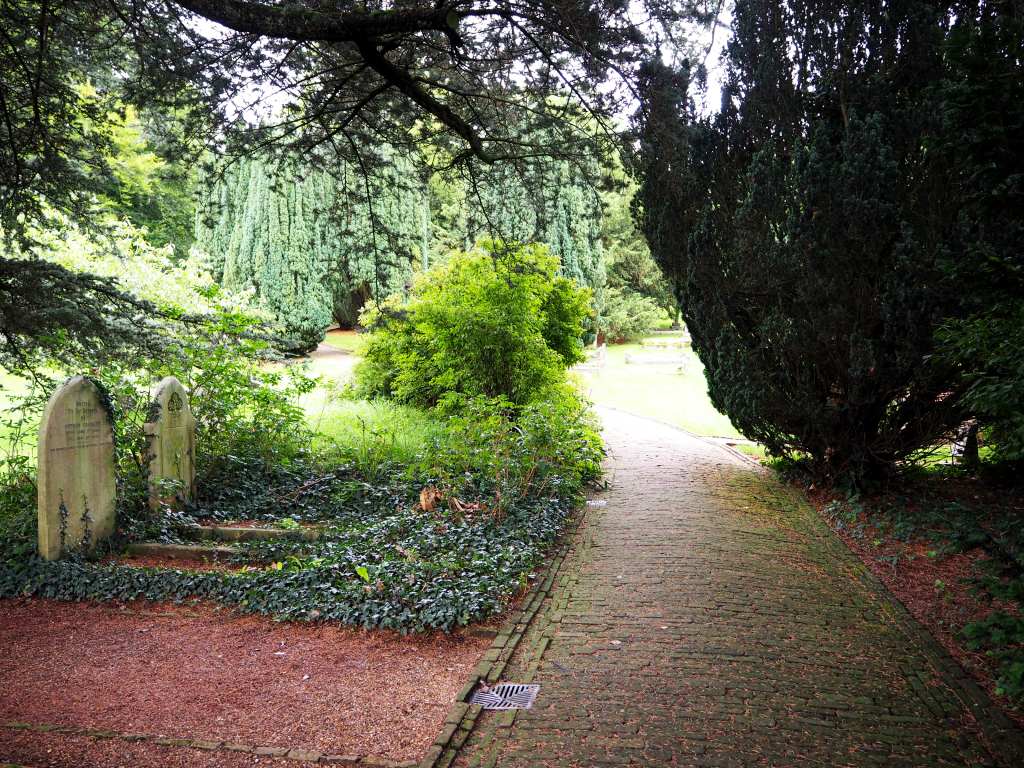
A steep, slippery cobbled pathway meanders through ancient yew trees

The Exterior: The Sign of Eternity

Continue reading An Arts and Crafts Masterpiece